
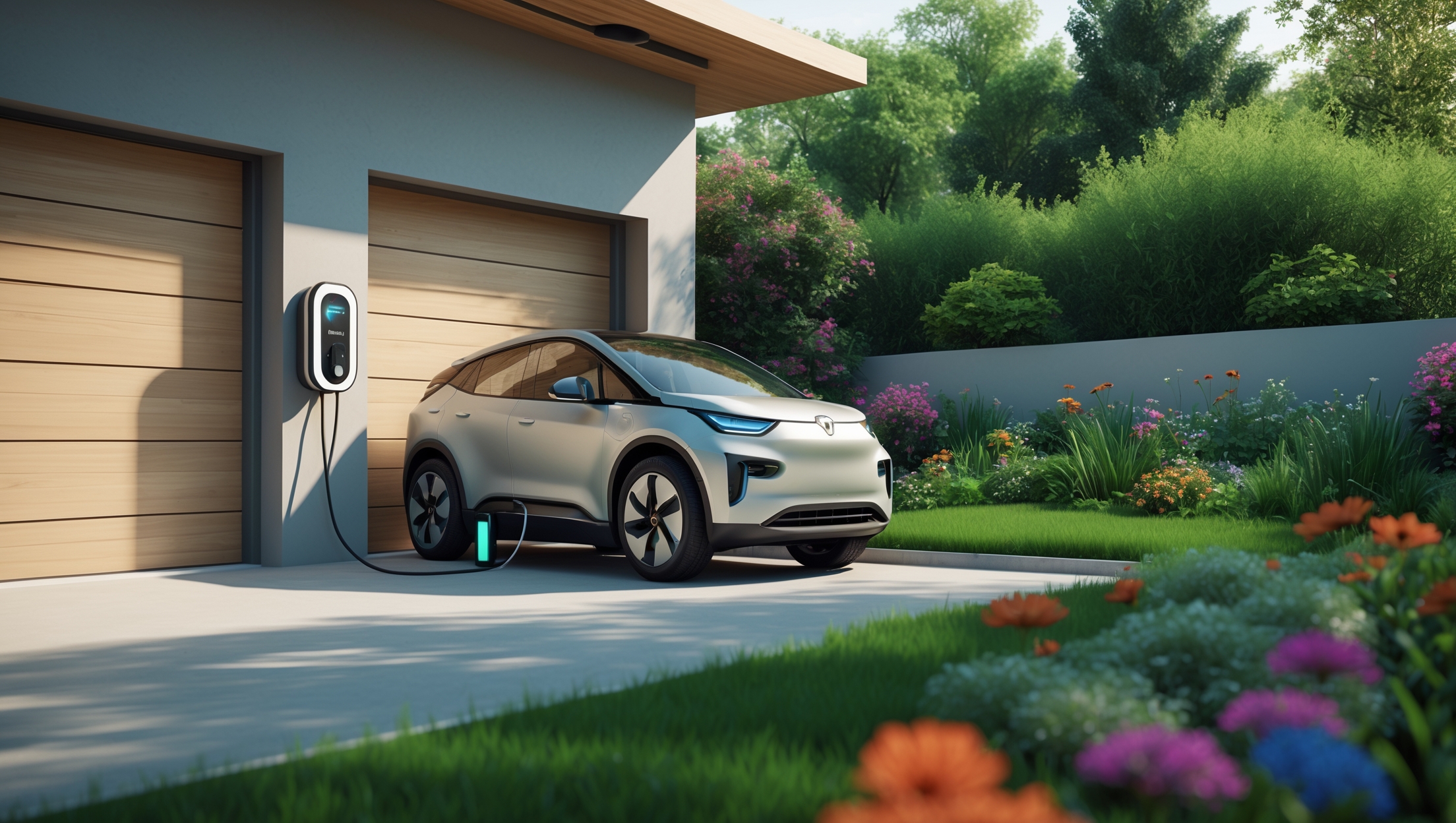
Introduction: Why Permitting Matters for Home EV Charging Stations
As electric vehicles (EVs) become increasingly common, homeowners are investing in home EV charging stations to enjoy the convenience, cost savings, and sustainability benefits of fueling up at home. However, installing a home charging station isn’t as simple as plugging in a new appliance. Local building codes, electrical safety standards, and utility regulations come into play, making the compliance and permitting process a critical part of any installation. Failing to navigate these requirements can result in costly fines, unsafe installations, or even being forced to remove your charger. For anyone looking to join the green technology movement with a home EV charger, understanding the permitting landscape is just as important as choosing the right hardware. In this guide, you’ll find a clear, step-by-step approach to researching, applying for, and successfully obtaining the necessary permits, as well as practical tips for staying compliant throughout the process.
Understanding the Regulatory Landscape
Why Permits Are Required
Installing an EV charging station involves significant electrical work, potentially drawing high current and requiring dedicated circuits. Permits ensure that the installation meets safety standards and does not overload your home’s electrical system, which could otherwise create fire hazards or violate municipal codes.
Who Regulates Home EV Charger Installations?
- Local Building Departments: Oversee electrical and building code compliance.
- Utility Companies: May require notification for load management or grid impact.
- Homeowners’ Associations (HOAs): Can have additional restrictions or aesthetic requirements.
- State Energy Authorities: Sometimes provide incentives that require proof of code compliance.
Types of Charging Stations and Their Impact on Permitting
- Level 1 Chargers: Plug into standard outlets, usually require minimal permitting.
- Level 2 Chargers: Require a dedicated 240V circuit, almost always need an electrical permit.
- Level 3 (DC Fast Chargers): Rare for homes, but if desired, require extensive permitting and may need utility approval.
Step 1: Researching Local Requirements
Start with Your Municipality
Visit your city or county’s building department website or office to obtain the most recent guidelines for EV charger installations. Many municipalities have adopted streamlined permitting processes for EV chargers, but requirements can still vary widely.
- Look for dedicated EV charging permit pages or downloadable checklists.
- Note any required forms, fees, and timelines.
- Check if your area offers online permit applications.
Contact Your Utility Provider
Some utilities require advance notification or approval before you install high-capacity chargers, especially if your home’s electrical service is near its maximum load. This step can also uncover available rebates or incentives tied to code-compliant installations.
Review HOA Guidelines (If Applicable)
For condos or planned communities, check with your HOA for additional restrictions. Some HOAs require aesthetic screening, restrict visible exterior equipment, or limit modifications to shared parking areas.
Step 2: Preparing for Your Permit Application
Gather Required Documentation
- Site Plan: Diagram showing charger location relative to home, driveway, and electrical panel.
- Electrical Load Calculation: Confirms your panel can handle additional load; often required for Level 2 chargers.
- Product Specifications: Datasheets for the charger and any subpanels or breakers to be installed.
- Installation Plan: Details on conduit routing, mounting, and safety labeling.
- Contractor Information: If hiring a pro, provide license and insurance details.
DIY vs. Professional Installation
Some jurisdictions allow certified DIY installations, but many require a licensed electrician. Even if DIY is allowed, hiring a professional can simplify permitting and ensure all inspections are passed the first time.
Step 3: Submitting Your Permit Application
Filling Out the Application
Most permit applications will ask for basic property information, the scope of electrical work, and details about the charging unit. Be thorough and accurate—missing details can delay approval.
- Indicate the amperage and voltage of the charger.
- Specify any panel upgrades or additional circuits.
- Attach all required documentation (see above).
Paying Fees
Permitting fees for EV charger installations are typically modest, ranging from $50 to $300 for most single-family homes. Some municipalities offer expedited or reduced-cost permits for EV charging as part of sustainability initiatives.
Step 4: Passing Inspections
Pre-Inspection Checklist
- Charger securely mounted and weatherproofed if outdoors.
- Proper labeling and signage for circuits and disconnects.
- Correct wire gauge and conduit used for the charger’s amperage.
- GFCI protection installed as required by code.
- No exposed or unprotected wiring.
- Breaker and panel upgrades, if needed, installed to code.
During Inspection
The inspector will check all electrical connections, verify the installation matches submitted plans, and test safety features. Be present (or have your electrician present) to answer questions and address minor issues on the spot.
Post-Inspection Steps
- Receive signed-off permit or final approval documents.
- Submit proof to your utility or HOA if required for rebates or compliance.
Special Considerations for Different Housing Types
Single-Family Homes
Typically the simplest permitting path. Owners have direct control over electrical systems and property modifications.
Townhomes and Condos
- Shared electrical infrastructure may complicate permitting.
- HOA approval is usually needed in addition to municipal permits.
- Common areas may require legal agreements for charger use or installation.
Rental Properties
- Landlord approval is mandatory.
- Written agreements should specify who pays for installation, usage, and removal if tenant leaves.
- Some cities offer incentives for landlords to add EV infrastructure.
Common Permitting Pitfalls and How to Avoid Them
- Underestimating Timeline: Permitting can take anywhere from one day to several weeks depending on your jurisdiction. Plan ahead to avoid delays.
- Incomplete Documentation: Missing site plans or product specs are the most common reason for permit denial or delay.
- Skipping Utility Notification: Can lead to grid overload or loss of incentive eligibility.
- Ignoring HOA Rules: Can result in fines or forced removal of the installation.
- Improper Installation: Failing inspection due to shortcuts or code violations can be costly to fix later.
Tips for a Smooth Permitting Experience
- Engage Early: Contact your local building department and utility as soon as you decide to install an EV charger.
- Choose a Reputable Installer: Experienced pros can handle paperwork and anticipate local requirements.
- Keep Records: Save all permit documents, inspection reports, and installation receipts for warranty or resale.
- Leverage Online Tools: Many cities now offer online application tracking and scheduling for inspections.
- Ask About Incentives: Rebates often require documented proof of code compliance; don’t leave money on the table.
Case Study: Navigating Permitting in a Challenging Jurisdiction
Consider the experience of a homeowner in a historic district, where exterior modifications are tightly regulated. The homeowner wanted a Level 2 charger in a detached garage. After researching local building codes, they discovered that:
- Exterior conduit needed to match the home’s architectural style.
- The charger had to be installed on an interior wall, invisible from the street.
- They needed both an electrical permit and a design review approval from the historic commission.
By working with a local electrician familiar with historic properties, submitting detailed plans, and proactively communicating with both the building department and historic commission, the homeowner secured approvals in under three weeks. This case highlights the importance of thorough research and professional collaboration, especially in areas with unique requirements.
Maintaining Compliance After Installation
Annual Inspections and Upkeep
Some municipalities or HOAs require periodic re-inspection of electrical upgrades, especially in shared living environments. Even if not required, it’s wise to periodically check for loose connections, water intrusion, or wear on cords and plugs.
Upgrading or Expanding Your System
If you upgrade to a higher-capacity charger or add additional EVs, you may need to revisit the permitting process. This is especially true if you increase total amperage or add new circuits.
Staying Current with Code Changes
Electrical codes and permitting procedures evolve as EV adoption grows. Keep an eye out for local updates or new incentive programs that could benefit you in the future.
Conclusion: Empowering Your Green Transition with Confidence
Installing a home EV charging station is a major step toward sustainable living and energy independence. While the compliance and permitting process can seem daunting, it’s designed to protect your home, your investment, and your community’s electrical grid. By understanding your local requirements, preparing thorough documentation, and working with knowledgeable professionals, you can navigate the process smoothly—and often more quickly than you might expect. Taking the time to do things right at the outset can help you avoid costly mistakes, access valuable incentives, and ensure your charging system is safe, reliable, and ready for years of use. As the world accelerates toward electrified transportation, being proactive and informed about compliance will put you at the forefront of sustainable innovation. Whether you’re a first-time EV owner or upgrading your existing charger, approaching permitting with care isn’t just about checking boxes—it’s about building a foundation for a cleaner, smarter, and more resilient future. So start your permitting journey with confidence, and plug into a greener tomorrow.


If my permit gets denied because my electrical panel isn’t up to code, what are the steps I should take to address the issue and reapply successfully?
If your permit is denied due to your electrical panel not meeting code, you’ll first need to hire a licensed electrician to assess and upgrade your panel to current standards. Once the necessary upgrades are completed, obtain documentation from the electrician confirming the work meets code. Then, resubmit your permit application with this documentation. This should help demonstrate compliance and improve your chances of approval.
The article mentions that utility companies may require notification for load management when installing a home EV charger. How do I find out if my utility has this requirement, and what does the notification process usually involve?
To find out if your utility company requires notification for installing a home EV charger, check your utility’s website or contact their customer service directly. Look for sections on electric vehicle charging or residential services. The notification process usually involves submitting an online form or calling them to provide details about your planned charger, such as its power rating and installation date. This helps the utility manage electric grid loads and ensure reliable service.
Once I submit my permit application for a home charging station, how long does the approval process usually take, and are there typical reasons for delays I should watch out for?
The approval timeline for a home charging station permit varies by city, but it typically takes anywhere from a few days to a few weeks. Common reasons for delays include incomplete applications, missing documents like electrical plans, or issues with your home’s existing electrical system. To avoid delays, double-check that your submission is complete and meets all local code requirements.
For people trying to budget for this project, roughly how much can permitting fees add to the cost of installing a Level 2 home charger? Are there ways to estimate permit costs ahead of time?
Permitting fees for a Level 2 home charger usually range from about $50 to $300, depending on your local municipality. Some areas post their permit fees online, or you can contact your city or county permitting office directly for a quote. Electricians who regularly install EV chargers may also be able to give you a ballpark figure for your area.
If my local utility requires notification for grid impact but my city’s building department handles the permit, do I need separate approvals from both before starting a Level 2 charger installation?
Yes, you usually need to get both approvals before starting your Level 2 charger installation. The building permit from your city ensures the electrical work meets local codes, while your utility may require notification or approval to assess any grid impact. Be sure to check with both agencies to confirm their specific requirements and the correct order of steps.
When applying for a permit to install a home EV charger, how long does the approval process usually take, and are there particular factors that could delay it, like utility company reviews or HOA permissions?
The approval process for a permit to install a home EV charger typically takes anywhere from a few days to a few weeks, depending on your local jurisdiction. Delays can occur if your application requires utility company review, especially if your home’s electrical capacity needs to be evaluated. Additionally, if you live in a community with a homeowners association (HOA), you may need their approval before proceeding, which can also extend the timeline. It’s a good idea to check with both your local permitting office and your HOA early in the process.
Could you clarify how the permitting process differs if my home is part of an HOA versus a regular neighborhood? Are there examples of common HOA restrictions that I should look out for besides just aesthetics?
If your home is part of an HOA, you’ll likely need approval from the HOA board before starting the permitting process with your local building department. HOAs often have more than aesthetic restrictions—they may limit where you can install the charging station, set hours for installation work, or require specific contractors. Some HOAs also have rules about visible wiring or shared electrical loads. Always review your HOA’s covenants and communicate with them early on.
Can you clarify what kind of requirements or restrictions a homeowners’ association might add on top of the usual building permits for installing a visible home EV charging station?
Homeowners’ associations (HOAs) can set additional requirements beyond standard permits. These might include restrictions on where you can place the EV charging station, limits on its visibility from the street, guidelines for aesthetic integration, or requirements for prior approval from the HOA board. Some may ask for detailed plans or specify approved hardware. It’s best to check your HOA’s covenants or contact the board directly before installing a visible charging station.
The article mentions that HOAs can have their own restrictions in addition to local codes. What kind of aesthetic requirements have you seen HOAs put in place for home EV charging stations?
HOAs often focus on maintaining a consistent look throughout the neighborhood. Common aesthetic requirements for home EV charging stations can include placing the charger out of public view, matching any visible equipment to the home’s exterior color, concealing cables, or requiring landscaping to hide the unit. Some HOAs may also require approval before installation or restrict the placement to certain areas, like inside garages.
I’m interested in the incentives mentioned with state energy authorities. How do I find out if my state offers these, and do I need to have my installation inspected first to qualify?
To find out if your state offers EV charging incentives, check your state energy authority or local government websites for up-to-date programs. You can also contact your utility provider, as they sometimes have incentives too. Most programs require your installation to meet local codes and pass inspection, so it’s a good idea to plan for an inspection before applying for incentives.
If my house already has a dedicated circuit in the garage, would I still need to go through the full permitting process to install a Level 2 EV charger? Or does having the wiring in place make it simpler?
Having a dedicated circuit already in your garage can make the installation process smoother, since a key part of the electrical work is done. However, most local regulations still require you to obtain a permit and inspection for installing a Level 2 EV charger, even if the wiring exists. This ensures safety standards are met. Check with your local permitting office to confirm the exact requirements in your area.
If I only want to install a Level 1 charger that plugs into a standard outlet, do I still need to go through the same permit process mentioned here, or is there a way to legally skip some steps since the electrical work is minimal?
If you’re installing a Level 1 charger that simply plugs into an existing standard outlet without any new wiring or electrical upgrades, most areas do not require a permit. However, if any electrical modifications are needed, permits may still apply. It’s always best to check your local building codes or consult with your local permitting office to be certain.
If my utility company requires notification, could that potentially delay my EV charging station installation, or is it usually just a formality? I’m trying to estimate my total project timeline.
Notifying your utility company is often just a formality, but timelines can vary. Some utilities might require a brief review or approval, which could add a few days to a week, especially if system upgrades are needed. In most cases, it shouldn’t cause significant delays, but I recommend contacting your utility directly to ask how long their process typically takes so you can plan your project accurately.
How long does the typical permitting process take for a homeowner looking to install a Level 2 EV charging station, and are there any common delays I should be prepared for when working with local building departments or utilities?
For most homeowners, the permitting process for a Level 2 EV charging station typically takes anywhere from a few days to a few weeks, depending on your local building department’s workload. Common delays to watch out for include incomplete application forms, missing documentation, or a backlog of inspection requests. Coordination with your utility company can also cause delays if service upgrades are required. To speed things up, make sure your paperwork is complete and check if your jurisdiction offers online permit applications.
How long does it typically take to get a permit approved for a home charging station? I’m on a tight schedule with my new EV arriving soon, so I’m wondering what timeframe to expect for the permitting process.
Permit approval times for home EV charging stations can vary depending on your local jurisdiction. In many areas, the process takes anywhere from a few days to a couple of weeks if all documentation is in order. If your area has an online permitting system, it may be faster. It’s a good idea to contact your local permitting office to get a more precise estimate for your location.
Once all permits are obtained and the charger is installed, is there usually an official inspection required before I can begin using my home EV charger, or does approval happen automatically upon permit issuance?
After your home EV charger is installed, most localities require a final inspection by a city or county official before you can start using the charger. The inspection ensures that the installation meets safety and code requirements. Approval is not automatic with permit issuance—it’s granted only after the inspection is successfully completed.
What is the typical timeline for getting all the necessary permits approved to install a home EV charging station? I am trying to plan around a busy schedule and want to avoid any long delays.
The typical timeline for permit approval to install a home EV charging station can range from a few days to a few weeks, depending on your local jurisdiction. In many areas, permits are approved within one to two weeks if your application is complete and there are no code issues. Scheduling an inspection after installation could add a few more days. To avoid delays, check your city or county’s permitting process in advance and ensure you have all required documents ready.
Do you know roughly how long the permitting process usually takes for a Level 2 charger? I’m hoping to install one soon but I’m not sure what kind of timeline to expect from my local building department.
The permitting process for a Level 2 home EV charger can vary depending on your local building department, but it typically takes anywhere from a few days to a few weeks. Some areas offer same-day or online permit approvals, while others may require in-person inspections and longer processing times. It’s a good idea to contact your local permitting office directly for the most accurate estimate based on their current workload and requirements.
Does the necessity or complexity of the permitting process change significantly if I opt for a Level 2 charger instead of a Level 1 charger in an older home with less modern wiring?
Yes, installing a Level 2 charger usually requires a more involved permitting process compared to a Level 1 charger, especially in older homes. Level 2 chargers need a dedicated 240-volt circuit, which may require electrical upgrades if your wiring is outdated. Inspectors often review plans and may require proof that your electrical system can safely handle the extra load, making permits and potential electrical work more extensive than for a Level 1 charger.
How long does the whole compliance and permitting process usually take from start to finish? Are there ways to speed things up if I want to get my home charger installed quickly?
The timeline for compliance and permitting can vary widely depending on your local jurisdiction, but it typically takes anywhere from a few days to a few weeks. To speed things up, try gathering all required documents in advance, work with a licensed electrician familiar with local codes, and check if your city offers online permit applications. Scheduling inspections promptly can also help keep the process moving.
You mentioned that permits are necessary to ensure safety and avoid fire hazards from overloading electrical systems. Are there any ways to estimate whether my home’s current electrical panel can handle a Level 2 charger before I apply for permits?
You can get a rough estimate by checking your electrical panel’s amperage rating, which is usually labeled inside the panel door. A typical Level 2 charger needs a dedicated 240-volt circuit with at least 30-40 amps. Add up the amperages of your main appliances to see if your panel has spare capacity. However, for safety and code compliance, it’s best to have a licensed electrician assess your panel before proceeding with permits.
If my local utility requires notification for grid impact, what kind of information do they typically expect from homeowners, and how might this step affect the installation timeline?
Utilities usually ask for details like your home’s address, the type and capacity of the EV charger you plan to install, your expected charging schedule, and sometimes the make and model of your electric vehicle. This step lets them assess if your neighborhood grid can handle the extra load. It can add a few days to several weeks to your installation timeline, depending on their review process and any required upgrades.
How long does the whole process usually take, from researching requirements to actually getting the permit and finishing installation? I’m trying to plan around my schedule.
The whole process usually takes anywhere from two to six weeks, depending on your local permitting office and your electrician’s availability. Researching requirements and submitting your permit application might take a few days to a week. Approvals can take another week or two, and the installation itself typically takes a day. Scheduling inspections, if required, may add a little more time, so it’s good to check with your local authorities for precise timelines.
For homeowners interested in taking advantage of state incentives, what kind of documentation typically needs to be submitted to prove code compliance after installation?
Homeowners usually need to provide a copy of the final inspection report or a signed permit from their local building authority to show code compliance. In some cases, state programs may also ask for photographs of the installed charging station and a copy of the electrician’s license or invoice. Always check the incentive program’s guidelines to confirm exactly which documents are required for your area.
You mention incentive programs from state energy authorities—are these usually available only after permits have been issued and installations have been inspected, or can homeowners apply in advance?
Most incentive programs for home EV charging stations require you to have permits issued and the installation inspected before you can receive the rebate or incentive. Typically, you’ll need to submit proof of permit approval and a passed inspection with your application. However, some programs do allow you to reserve funds or pre-apply before installation, so it’s a good idea to check the specific requirements for your state or local program.
For those of us in areas where the utility company requires notification, what kind of documentation do they typically need, and does this add significant time to the overall installation timeline?
Utility companies usually ask for basic details like the EV charger’s make and model, an electrical load calculation, and sometimes a copy of your electrical permit or inspection approval. This helps them ensure the grid can safely handle the extra demand. The notification process itself is often straightforward, but if utility review or pre-approval is necessary, it can add anywhere from a few days to a couple of weeks to your installation timeline, depending on how quickly the utility processes requests.
If my home is in a neighborhood with a Homeowners’ Association, are there usually extra rules about where I can place the charging station, or should I just focus on the city permits?
If your neighborhood has a Homeowners’ Association (HOA), you’ll likely need to follow their rules in addition to city permitting requirements. HOAs often have guidelines about exterior changes, including where you can place equipment like charging stations. It’s a good idea to review your HOA’s covenants or contact them directly before installing your charger, so you can address any placement or aesthetic restrictions.
Are there any common reasons why a permit for a home EV charging station might get denied, and what steps can homeowners take to avoid those pitfalls during the application process?
Permits for home EV charging stations might get denied if the electrical system isn’t up to code, if the installation plan doesn’t follow local zoning rules, or if the necessary documents aren’t provided. To avoid these issues, homeowners should ensure their electrical panel can handle the extra load, hire a licensed electrician, follow all local regulations, and submit complete, accurate paperwork when applying for the permit.
Does the permitting process usually include a home electrical inspection before or after the EV charging station is installed? I want to make sure I stay compliant and avoid problems with my utility company.
Most local permitting processes require a home electrical inspection after the EV charging station has been installed, but before it’s put into regular use. This inspection ensures the installation meets safety codes and regulations. It’s a good idea to contact your local permitting office to confirm their specific requirements, as some areas might also require a preliminary inspection or review before installation begins.
If my local building department and utility company have different requirements for installing a Level 2 charger, whose regulations take priority and how do I make sure I’m compliant with both?
When both your local building department and utility company have requirements, you need to satisfy both sets of regulations for full compliance. Start by contacting each office to clarify their specific rules. Obtain necessary permits from the building department and check for any utility approvals or inspections. If any requirements conflict, ask both parties how to proceed before installation. Keeping thorough documentation will help ensure you meet all obligations.
For homeowners trying to take advantage of state energy incentives, how long does the typical permitting process take, and are there common delays people should be prepared for when getting approval for home EV charging stations?
The permitting process for home EV charging stations usually takes anywhere from a few days to several weeks, depending on your local jurisdiction and the workload of your permitting office. Common delays include incomplete applications, missing documentation, or waiting for required inspections. It’s a good idea to check with your local permitting office for specific timelines and ensure all paperwork is complete to help avoid unnecessary setbacks.
If my home’s electrical panel is older, will that make getting a permit for a Level 2 charger more complicated or expensive? Should I budget for a possible panel upgrade as part of this process?
An older electrical panel can sometimes make the permitting process more involved, especially if it doesn’t have the capacity to handle a Level 2 charger. Inspectors may require upgrades to meet safety codes, which can add to both the cost and time required. It’s wise to budget for a possible panel upgrade when planning your project, just in case your current system can’t support the charger.
You talked about utility companies wanting notification for grid impact. Is this just a formality, or could they actually deny approval or force me to make upgrades to my home’s electrical system before installing a Level 2 charger?
Notifying your utility company is more than just a formality. While many utilities simply want to track new loads on the grid, they can require upgrades if your home’s electrical panel is insufficient or if your neighborhood’s infrastructure can’t support additional demand. In some cases, they may delay or deny approval until upgrades are made to ensure safety and reliability. It’s best to consult both your utility and a licensed electrician early in the process.
How long does the entire permitting process typically take from start to finish, including possible inspections, before you can actually start using your new charging station?
The full permitting process for a home EV charging station usually takes anywhere from a few days to several weeks. The exact timeline depends on your local jurisdiction’s workload and requirements. Often, you’ll need to submit an application, wait for approval, and then schedule an inspection after installation. In some areas, you might be able to use your charger right after a successful inspection, but in others, final paperwork may be needed before you can start using it.
I noticed you mentioned that utility companies sometimes require notification for home EV charger installations. Does this usually involve extra costs, or is it mainly just a paperwork step for most homeowners?
Notifying your utility company about a home EV charger installation is usually just a paperwork step and doesn’t typically come with extra costs. Utilities mainly want to track new loads on the grid or offer special EV charging rates. However, if electrical upgrades to your service are needed, there could be costs involved, but the notification itself is generally free.
If my local utility company requires notification before I install a Level 2 EV charger, does that mean I have to coordinate with them directly, or will my electrician normally handle that as part of the permitting process?
Typically, your licensed electrician will handle notifying the utility company as part of the permitting and installation process for a Level 2 EV charger. However, it’s a good idea to confirm this with your electrician before work begins, as requirements can vary by area. If you’re unsure, you can also call your utility company to clarify their process and ensure all necessary steps are covered.
If my local building department approves my installation but my HOA has additional aesthetic requirements, do I need separate permits or approvals from both, and which takes precedence if their rules conflict?
You typically need to meet both your local building department’s permitting requirements and your HOA’s aesthetic guidelines. Approval from one doesn’t override the other. If their rules conflict, you’ll need to comply with both sets of requirements or work with your HOA and local authorities to resolve the differences before proceeding with your installation.
If my homeowners’ association has specific restrictions about exterior modifications, what are some practical tips to avoid conflicts while still getting approval to install a home EV charging station?
Start by reviewing your HOA’s rules to understand what’s required for exterior changes. Prepare a clear proposal with details like the location, appearance, and safety of your charging station. You might offer to match the charger’s color to your home or place it in a less visible spot. Open communication with your HOA, showing how you’ll meet their concerns, can help you get approval smoothly.
I’m curious about how homeowners’ association rules interact with local permit requirements. If my HOA has stricter guidelines than the city, will those override the municipal code when it comes to charger placement or design?
Homeowners’ association (HOA) rules can indeed be stricter than local city regulations, but both sets of rules usually apply. Even if your HOA has more specific or restrictive requirements for charger placement or design, you still need to meet the city’s permitting requirements. In practice, you’ll need to comply with whichever rule is more stringent. It’s a good idea to get written approval from your HOA before applying for a city permit.
If my utility company requires notification for installing a Level 2 charger, does that usually affect my overall permitting timeline, or is it something that can be done alongside the building department process?
Notifying your utility company about a Level 2 charger installation often happens alongside the permit process with your local building department, rather than being a separate step that extends your timeline. However, some utilities may require written approval or extra documentation, which could add time if not coordinated early. It’s a good idea to contact both the utility and your local permitting office at the start to clarify their requirements and avoid delays.
How long does the typical permitting process take from start to finish for a Level 2 charger? I’m trying to plan the installation around my work schedule and want to know what kind of timeline to expect.
The permitting process for a Level 2 home charger usually takes anywhere from a few days to a few weeks, depending on your local government’s workload and requirements. Some areas offer same-day approvals, while others may need a week or two for review and inspection. It’s a good idea to check with your local permitting office for more precise timelines.
Are there any typical costs associated with obtaining permits for residential EV charging stations, or does this vary a lot between cities? I’m trying to budget for both installation and compliance.
Permit costs for residential EV charging stations can vary quite a bit depending on your city or county. In some areas, permit fees might be as low as $50–$100, while in others they could go higher, sometimes reaching $300 or more. It’s best to check directly with your local permitting office to get an accurate cost for your location. Don’t forget to include both the permit fee and potential inspection charges in your budget.
Could you give more detail on what kind of restrictions a homeowners association might have for EV chargers? For example, do HOAs just care about the appearance, or can they actually stop you from installing one?
Homeowners associations (HOAs) often set rules about the appearance and placement of EV chargers to preserve the look of the neighborhood. They might require chargers to be installed in less visible locations or that any wiring is concealed. However, in many states, laws limit HOAs from outright banning EV chargers. Still, HOAs can impose reasonable restrictions related to aesthetics, safety, and installation methods, so you should always review your HOA’s specific guidelines before proceeding.
If I already have a dedicated 240V circuit in my garage, do I still need to pull a new permit just to install a Level 2 charger, or does the existing wiring make things simpler with local building departments?
Having a dedicated 240V circuit already in place does make the installation process easier, but most local building departments still require a permit for installing a Level 2 charger. The permit ensures the installation meets safety codes and is inspected properly. It’s best to check with your local building department, as some areas might have streamlined or simplified permitting if the wiring is already up to code.
What’s the typical timeframe for getting permits approved for a home charging station? I’m trying to figure out how long I’ll need to plan before I can actually install and start using the charger.
The timeframe for getting permits approved can vary depending on your local government. In many areas, permit approval for a home EV charging station takes anywhere from a few days to a few weeks. If your local authority has an online application process, it can speed things up. It’s a good idea to contact your city or county permitting office in advance to find out their typical turnaround times and any requirements you might need to prepare for.
I saw that the article touches on incentives from state energy authorities. Do all states require proof of code compliance before granting rebates, or can the requirements vary significantly from one state to another?
The requirements for state energy incentives and rebates can vary quite a bit from one state to another. While many states do require proof of code compliance or a passed inspection before issuing rebates, others may have different documentation requirements or fewer restrictions. It’s a good idea to check with your state’s specific energy authority or rebate program guidelines to know exactly what’s needed.
Do permitting requirements or approval timelines tend to differ significantly between Level 1 and Level 2 charging stations, especially if I’m modifying my home’s electrical panel?
Permitting requirements can indeed differ between Level 1 and Level 2 charging stations. Level 1 chargers usually use a standard outlet and may not need a permit if no electrical work is involved. Level 2 chargers, however, often require a dedicated circuit or electrical panel upgrade, which typically triggers more stringent permitting and inspection processes. Approval timelines can be longer for Level 2 installations, especially if you’re modifying your panel, as this often needs a licensed electrician and may require plan review by local authorities.
If I install a Level 2 charger without getting the proper permits and it works fine, what potential issues could I run into down the line, especially with insurance or if I ever sell my house?
Installing a Level 2 charger without the required permits could lead to some problems later. If there’s an electrical issue or accident, your homeowner’s insurance might deny a claim because the charger wasn’t properly permitted. When you sell your house, unpermitted work can delay or complicate the sale, as buyers or inspectors may require you to get it inspected or even redo the installation to meet code.
If I install a Level 1 charger since it usually requires minimal permitting, are there still any important code compliance steps I need to be aware of?
Even though Level 1 chargers generally use a standard household outlet and often don’t require permits, you should still make sure the outlet is properly grounded and in good condition, and that your home’s wiring can handle the charger’s load. It’s wise to check local codes, as some areas may have specific requirements, and always follow the manufacturer’s installation guidelines for safety.
If my homeowners’ association already has strict restrictions on aesthetic changes, what are some strategies or common solutions for staying compliant with both HOA guidelines and local permitting requirements?
To balance HOA restrictions and local permitting, try installing a charging station in your garage or an area not visible from the street to minimize aesthetic impact. Use low-profile or wall-mounted equipment that matches your home’s exterior. Before starting, share detailed plans with your HOA to get written approval, and consult your local permitting office to ensure your installation method meets all safety and electrical codes.
You mentioned that state energy authorities sometimes offer incentives for compliant installations. What kind of proof do they usually require, and how hard is it to collect that documentation during the permitting process?
State energy authorities usually ask for documentation like your approved electrical permit, inspection reports, and sometimes a copy of the installation invoice. These are typically provided by your electrician or local permitting office as part of the normal process, so collecting them isn’t too difficult. Just make sure to keep organized copies of all paperwork as you go through permitting and inspection.
For people renting their homes or living in condominiums, are there extra steps or unique challenges in getting approval to install an EV charging station compared to standalone homeowners?
Yes, renters and condominium residents often face additional steps compared to standalone homeowners. You’ll typically need written permission from your landlord or the condo association before installing a charging station. There may also be building-wide rules, electrical capacity limitations, or requirements to use specific installers. In some cases, shared parking or limited access to electrical panels can add complexity, so starting with a conversation with property management is a good first move.
You mentioned that utility companies might need to be notified about the installation. What kind of information do they usually require, and could this notification impact my electricity rates or service agreements?
Utility companies typically ask for details like the type of EV charger, its power rating, and possibly the expected installation date. They may also want to know if you’ll need an electrical panel upgrade. Notifying them usually helps manage local grid load, and in some cases, it could lead to changes in your rate plan or service agreement, especially if your charger qualifies you for special EV charging rates or off-peak pricing options.
If I live in an older house with an older electrical system, should I expect the permitting process for a Level 2 charger to be more complicated or expensive? Are there ways to keep upgrade costs down while staying compliant?
If your house has an older electrical system, you may face a more involved permitting process for a Level 2 charger, especially if upgrades to your panel or wiring are needed. This can increase both cost and time. To keep expenses down, have a licensed electrician assess whether a dedicated circuit can be added without a full panel upgrade, and always get multiple quotes to compare prices. Staying compliant is key, so be sure all work meets local codes.
The article mentions that HOAs might have aesthetic requirements for home EV chargers. What are some common restrictions homeowners encounter, and do you have tips for negotiating with an HOA that’s hesitant about these installations?
Homeowners commonly encounter HOA restrictions related to the visibility and placement of EV chargers, such as requiring chargers to be hidden from street view, matching exterior colors, or specifying installation locations. To negotiate, gather details about the charger’s appearance and safety, offer installation plans that minimize visual impact, and highlight the benefits for property values and sustainability. Being proactive and cooperative with the HOA often helps achieve approval.
For homeowners living in areas governed by a strict HOA, what steps would you recommend to ensure their EV charger installation meets both HOA requirements and city codes without running into conflicts?
To ensure your EV charger installation goes smoothly, start by reviewing your HOA’s rules regarding exterior modifications and electrical work. Submit a detailed request to your HOA describing the proposed installation, including plans and equipment details. At the same time, contact your city’s permitting office to learn about local codes and obtain any required permits. Using a licensed electrician familiar with both HOA and city requirements can help avoid conflicts and ensure everything is compliant.
I’m trying to estimate my total costs—are there any common fees associated with the permitting process for a Level 2 home charger that homeowners should plan for?
Yes, most municipalities charge permitting fees for installing a Level 2 home charger. These fees can range from around $50 to $250, depending on your area. You might also encounter inspection fees and, if you hire an electrician, costs for their permit handling. Contact your local building department for exact charges so you can budget accurately.
I’m interested in the cost implications of the permitting process. Are there typical fees associated with getting permits for a home EV charger, and do those costs vary significantly by city or type of charger?
Permit fees for home EV charger installations are quite common and tend to vary depending on your city or jurisdiction. Some areas charge a flat fee, often between $50 and $200, while others may base the cost on the value of the project. The type of charger (Level 1 vs. Level 2) can also affect the fee, especially if significant electrical upgrades are required. It’s a good idea to check with your local permitting office for the most accurate information.
Are there specific electrical safety standards or certifications I should look for in a home EV charger to make the compliance and permitting process easier?
Yes, looking for EV chargers that are UL-listed (Underwriters Laboratories) or have equivalent certifications like ETL can make the compliance and permitting process smoother. Many local authorities require proof that the charger meets safety standards. Also, confirm the unit complies with National Electrical Code (NEC) requirements for EV charging equipment, as inspectors often check for these standards during permitting.
I’m interested in installing a Level 2 charger but worried about extra costs from permitting. Are there typical fees or unexpected expenses I should budget for when going through this process?
When installing a Level 2 charger, permitting fees can vary depending on your local government. Typical costs include the permit application fee, which can range from $50 to $200. You might also need to budget for electrical upgrades if your panel isn’t sufficient—this could add several hundred dollars. Some areas may require inspections, adding small additional fees. It’s wise to check with your local permitting office for an exact estimate before starting.
Could you elaborate on how long the permitting and inspection process usually takes before you can actually use your new charging station? Are there common delays homeowners should anticipate?
The permitting and inspection process for a home EV charging station typically takes anywhere from a few days to a few weeks, depending on your local jurisdiction. Delays often happen if paperwork is incomplete, inspections are backlogged, or if electrical upgrades are needed. It’s a good idea to check with your local permitting office for their average timelines and make sure your installer is familiar with the local requirements to avoid unnecessary holdups.
I live in a neighborhood with an active HOA. Are there common restrictions HOAs enforce on home charging stations besides aesthetics, like noise or installation location?
HOAs often have rules beyond aesthetics when it comes to home EV charging stations. Common restrictions can include limits on where you can install the charger, such as not allowing installations in front yards or visible areas. Some HOAs might set noise limits, especially for chargers with cooling fans. It’s also common for HOAs to require formal approval before installation, so be sure to check your HOA’s guidelines in detail.
Do the permitting fees or requirements typically vary a lot depending on the city or county, or are there some standard guidelines across most places in the US? I’m trying to budget for the whole installation and want to avoid surprises.
Permitting fees and requirements can vary quite a bit from one city or county to another. While some states or regions may have general guidelines, most local governments set their own rules and fee structures. It’s a good idea to check directly with your local permitting office to get accurate estimates and understand exactly what’s required before you start the installation process.
I noticed that Level 1 chargers need less permitting than Level 2. What are some scenarios where a Level 1 charger wouldn’t be enough, and is the extra permitting hassle for Level 2 generally worth it?
Level 1 chargers use a standard outlet and charge vehicles quite slowly—typically adding only 3 to 5 miles of range per hour. If you have a long daily commute, multiple EVs, or limited time to recharge, a Level 1 likely won’t suffice. While Level 2 chargers require more permitting and professional installation, their much faster charging speed (20–30 miles per hour) makes the extra effort worthwhile for most busy households.
Can you explain more about how HOAs might restrict or influence the installation of home EV charging stations? Are there common obstacles people run into with their homeowners’ associations?
Homeowners’ associations (HOAs) can influence the installation of EV charging stations by setting rules about exterior changes, visible wiring, or modifications to shared property. Common obstacles include requirements for pre-approval, restrictions on visible equipment, or concerns about electrical load on shared systems. Some HOAs may prohibit installations if they affect common areas or the building’s appearance, so it’s important to review your HOA’s covenants and communicate early with the board to understand the process.
If my utility company requires notification for installing a Level 2 charger, do I have to wait for their approval before starting the work, or can I just notify them after getting the local permit?
If your utility company requires notification, it’s best to check if they need to approve your installation before you begin work. Some utilities only need to be informed, while others require formal approval before you proceed. Contact your utility directly to confirm their process, as starting without their green light could lead to issues later.
If my utility company requires notification before I install a Level 2 charger, do they usually charge a fee or is it just a formality? I’m trying to figure out potential hidden costs beyond the standard permitting process.
In most cases, notifying your utility company about installing a Level 2 charger is just a formality, and there’s typically no fee for the notification itself. However, some utilities might have administrative fees or require upgrades to your electrical service, which could come with additional costs. It’s a good idea to check directly with your utility to clarify if any fees or requirements apply in your area.
Does the permitting process usually add significant extra costs or delays when installing a Level 2 charger, and is there any way to estimate what those might be before starting the project?
The permitting process for a Level 2 EV charger can add some extra cost and time, but how much depends on your local government. Permit fees often range from $50 to $300. Delays can occur if inspections are required or if the area has a high volume of requests. To estimate costs and timing, contact your city’s building or permitting office—they can provide fee schedules and typical processing times for EV charger installations.
If a homeowner installs a charger without any permits and later wants to apply for state incentive programs that require proof of compliance, is there a way to retroactively get approval, or does it mean starting from scratch and possibly redoing the installation?
If a homeowner installed a charger without permits, local authorities often require the installation to be inspected before issuing retroactive approval or permits. This might involve opening up walls or exposing wiring, and if the installation doesn’t meet code, changes or a complete redo could be necessary. It’s best to contact your local permitting office to learn their specific process for retroactive approval.
How long does the typical permitting and compliance process take from start to finish when installing a Level 2 home EV charging station, and are there steps homeowners can take to speed things up?
The permitting and compliance process for a Level 2 home EV charging station usually takes anywhere from a few days to a few weeks, depending on your local government’s workload and procedures. To speed things up, homeowners can gather all necessary documents in advance, hire a licensed electrician familiar with local codes, and submit a complete permit application. Checking local requirements ahead of time can also help avoid delays.
The article mentions utility companies might need to be notified. What kind of information do they usually ask for, and could this delay my installation if I already have my building permit?
Utility companies typically ask for details like your address, the type and power rating of your EV charging station, and sometimes your electrical panel’s capacity. They may also request a copy of your building permit. This helps them assess grid impact and safety. In most cases, utility notification is quick, but if upgrades or inspections are needed, it could add a short delay to your installation process.
How long does the permitting process usually take for a Level 2 home EV charger, and are there ways to speed it up while making sure everything stays within code requirements?
The permitting process for a Level 2 home EV charger can take anywhere from a few days to a few weeks, depending on your local government and their review schedules. To help speed things up, prepare all required documents in advance, such as site plans and equipment specs, and consider hiring a licensed electrician familiar with local codes. Some areas even offer online permit applications, which can reduce wait times.
Once a permit is obtained, how long is it typically valid in most municipalities, and what happens if my project is delayed beyond that timeframe?
In most municipalities, a permit for a home EV charging station is usually valid for six months to a year from the date it is issued. If your project is delayed and you don’t complete the work within that period, you may need to apply for an extension or renew the permit, which could involve additional fees. It’s best to check your local permitting office for their specific rules and timelines.
After applying for the permit, about how long does it usually take to get approval and be able to start the actual installation work?
The approval timeline for a home EV charging station permit can vary depending on your local permitting office. Typically, it takes anywhere from a few days to a couple of weeks. Some areas with streamlined online processes may approve permits within a day or two, while others might need a bit longer due to volume or review requirements. It’s best to check directly with your local permitting authority for the most accurate estimate.
If my local utility company requires notification for an EV charger installation, do they usually send out someone to inspect the setup, or is it more of a paperwork thing? I’m trying to get an idea of what to expect beyond the regular building permit.
When your utility company requires notification for an EV charger installation, the process usually involves paperwork—such as submitting details about your charger and installation. However, some utilities may also send out an inspector to verify the setup, especially if there are concerns about grid capacity or safety. It’s best to check directly with your utility to understand whether you should expect an inspection or just approval of documents.
If I install a Level 1 charger now and later upgrade to Level 2, would I need to repeat the full permitting process, or do some jurisdictions allow for a simplified update?
If you upgrade from a Level 1 to a Level 2 charger, many jurisdictions will require you to go through a new or amended permitting process, since Level 2 chargers draw more power and may need electrical upgrades. However, some areas do offer streamlined or simplified permit updates for these kinds of modifications. It’s best to check with your local permitting office to find out their specific requirements and any available shortcuts.
Can you clarify what role the local utility company actually plays in the permitting process? For example, do they just need to be notified, or do they need to sign off on every installation?
The local utility company typically needs to be notified about your home EV charging station installation, mainly so they can monitor electrical demand and maintain grid reliability. In most cases, they do not have to give formal approval for every installation, but some areas may require the utility to review or sign off if the charger is high-powered or if service upgrades are needed. Always check with your local permitting office for the exact requirements in your area.
What is the typical timeline from applying for a home EV charger permit to actually having it installed and approved for use? Are there steps I can take to speed up the process, or does it mostly depend on local authorities?
The typical timeline from permit application to a fully installed and approved home EV charger can range from a few days to several weeks, depending on your local permitting office and inspection schedules. To help speed things up, make sure your application is complete and accurate, hire a licensed electrician familiar with local codes, and schedule inspections promptly. However, the process mainly depends on how quickly your local authorities review permits and carry out inspections.
Could you clarify how permitting requirements might differ if I want to install multiple Level 2 chargers at home instead of just one? Does this impact utility notification or local building codes?
If you plan to install multiple Level 2 chargers at home, permitting requirements could become more stringent. Inspectors may focus on your home’s electrical capacity and require a load calculation to ensure safety. You might also need to upgrade your electrical panel. Multiple chargers can trigger additional utility notifications, as higher demand could impact the grid. Local building codes may have specific rules for multi-charger setups, so check with your permitting office before starting the project.
How long does the permitting and approval process usually take from start to finish for a standard Level 2 home EV charging station installation? I’m trying to figure out a realistic timeline before I order any equipment.
The permitting and approval process for a standard Level 2 home EV charging station typically takes anywhere from one to three weeks, depending on your local jurisdiction. Some areas process permits in just a few days, while others may require additional inspections or paperwork. It’s a good idea to check with your local permitting office for precise timelines before purchasing your equipment.
How long does it usually take to get all the necessary permits and approvals in place before you can actually start installing a home EV charging station?
The timeline for obtaining the necessary permits and approvals for a home EV charging station can vary depending on your local jurisdiction. In many areas, the process typically takes between one to three weeks, but it can be shorter if your permitting office processes applications quickly. It’s a good idea to check with your local building or electrical department for a more precise estimate, as some places may offer online applications or expedited services.
I noticed utility companies might need to be notified. How do I determine if our local provider requires this notification, and would that typically add extra time or paperwork to the permitting process?
To find out if your utility company needs to be notified, check with your city’s permitting office or visit your local utility provider’s website—they usually outline notification requirements. Some areas require notification for load management or safety reasons, which could add a bit of paperwork and possibly extend the permitting process by a few days. Contacting your utility early can help you plan for any extra steps.
If my homeowners’ association has stricter aesthetic guidelines than local building codes, is there typically a way to appeal or negotiate EV charger placement, or am I bound entirely by HOA rules?
Homeowners’ association rules can sometimes be more restrictive than local codes, especially with aesthetic guidelines. Many HOAs have processes for requesting variances or submitting appeals if you want to propose a different placement for your EV charger. Review your HOA’s bylaws and talk with the board or management to see if you can negotiate a solution that meets both the HOA’s requirements and your needs.
Could you explain a bit more about what typically triggers the need for a permit with a Level 1 charger, since the article mentions they usually require minimal permitting?
Level 1 chargers typically plug into a standard 120V household outlet, so a permit is rarely needed if you’re just plugging into an existing outlet. However, a permit might be required if you need to install a new dedicated circuit or upgrade your electrical panel to support the charger. Any changes to your home’s wiring or electrical system usually trigger permitting, even for Level 1 setups.
With all the regulations from HOAs, utilities, and local authorities, what are some practical steps I should take before even buying an EV charging station to make sure I don’t end up picking hardware I can’t actually install?
Before purchasing an EV charging station, check with your HOA to learn about any restrictions on exterior modifications or visible electrical equipment. Next, contact your local building department to find out permitting requirements and approved equipment types. You should also ask your utility company about service capacity, possible incentives, and any pre-approval needed. Gathering this information early will help you choose hardware that meets all local, utility, and HOA regulations.
Can you expand on what kind of restrictions a Homeowners’ Association might place on installing a home EV charging station? I’m concerned about both the aesthetic rules and any extra permitting steps this might add.
Homeowners’ Associations (HOAs) often set guidelines to preserve the neighborhood’s appearance, so they may require charging stations to be discreet, not visible from the street, or match your home’s exterior. Some HOAs need you to submit plans for approval before installation, which can add extra steps or paperwork. There might also be restrictions on visible wiring or modifications to shared structures, like garages in townhomes or condos. It’s best to check your HOA’s covenants or contact them directly for detailed requirements.
Are there certain state incentives that only apply if you get permits for your EV charger, or is it mainly about safety and meeting local code requirements?
Some state and local incentives for installing EV chargers do require you to obtain proper permits. This is in addition to meeting safety and code requirements. The permitting process helps ensure your installation is up to standard, and many rebate or incentive programs will only approve your application if you show proof of permits and compliance. It’s a good idea to check your specific state’s rules before starting your project.
Could you give some examples of how long the typical permitting process takes? I’m trying to plan my project and want to get a realistic sense of how much time to budget between applying and being allowed to start installation.
Permitting times for home EV charging stations can vary widely by location. In some areas, permits may be approved within a few days if the application is straightforward and submitted online. In other places, it can take one to four weeks, especially if your local authority requires plan reviews or inspections. It’s a good idea to contact your local permitting office to get a more precise estimate for your area.
It seems like getting the correct permits is pretty involved. For a small business owner who rents a storefront and wants to install a charger for company vehicles, would the permitting process be very different compared to a homeowner?
Yes, permitting for a commercial property like a storefront can be more complex than for a homeowner. You may need additional approvals, such as from your landlord and possibly local zoning boards, along with electrical permits. Utility notification and compliance with accessibility or parking regulations are also more likely. It’s a good idea to consult with your city’s permitting office early in the process.
If my local utility company requires notification before I install a Level 2 EV charger, does that typically mean extra paperwork beyond the city’s permit, or is it usually handled by the electrician during the main permit process?
If your utility company requires notification, this is sometimes a separate step from the city’s electrical permit. In many cases, a licensed electrician will handle both the city permit and notify the utility as part of their service, but this can vary. It’s a good idea to confirm with both your electrician and your utility company to make sure all requirements are covered.
Is there any ballpark estimate on how long the full compliance and permitting process usually takes, from initial application to final inspection, for a Level 2 charger in a typical suburban neighborhood?
For a Level 2 charger in a typical suburban neighborhood, the full compliance and permitting process usually takes about 2 to 4 weeks. This covers submitting your permit application, waiting for approval, having the charger installed by a licensed electrician, and scheduling the final inspection. Some areas may be quicker, but factors like local permit backlogs or required paperwork can sometimes extend the timeline.
You mentioned notifying utility companies for load management when installing an EV charger. What kind of information do utilities usually ask for, and is this notification something I need to do before starting any electrical work?
Utility companies typically ask for details like the charger’s power rating (in kW), proposed installation address, expected installation date, and sometimes your existing electrical panel’s capacity. Notifying your utility is usually required before any electrical work begins so they can assess the local grid’s capacity and avoid overloads. Some areas also require utility approval as part of the permitting process, so be sure to check your local requirements.
I noticed you mentioned utility companies might need to be notified for load management. What exactly do they check for, and could this ever lead to extra costs or delays in the permitting process?
Utility companies typically check whether your home’s electrical system can handle the extra load from an EV charging station without risking outages or equipment damage. They may assess if local transformers and infrastructure need upgrades. If upgrades are required or if your charger pushes your usage into a higher rate category, this can sometimes lead to extra costs or delays in getting your permit approved. It’s best to ask your utility about their specific requirements and any potential fees beforehand.
Are there typically long wait times involved when applying for permits to install a Level 2 charger, or can most homeowners expect a quick approval process?
Wait times for permits to install a Level 2 charger can vary quite a bit depending on your local government. In some areas, approvals are issued within a few days, especially if the permit process is streamlined for EV chargers. However, in places with higher demand or stricter reviews, it can take a couple of weeks or more. It helps to check with your local permitting office for estimated timelines.
You mentioned that Level 1 chargers usually require minimal permitting. Does that mean I can just plug one into any outlet in my garage, or are there still safety checks or notifications I should be aware of in older homes?
Level 1 chargers can often be plugged into a standard household outlet, but in older homes, it’s wise to check the condition and capacity of your electrical system. Outlets and wiring should be inspected to ensure they can handle continuous charging without overheating. While formal permits are usually not required, notifying your electrician or local authority is a good idea for safety and peace of mind.
For budgeting purposes, is there any guidance on average permit costs or how much variation exists between cities for home EV charging stations? I want to avoid unexpected fees before starting the process.
Permit costs for home EV charging stations can vary widely depending on your city or county. On average, fees range from $50 to $300, but some areas may charge more or less. Factors like the complexity of your installation and local regulations affect the cost. It’s a good idea to call your local permitting office for the most accurate estimate and ask about any additional fees that could apply.
I live in a neighborhood with a homeowners’ association, and I’m curious how strict HOAs typically are about home EV charging stations. Are there specific aesthetic or placement considerations that I should keep in mind before applying for permits?
Homeowners’ associations (HOAs) can be quite particular about home EV charging stations, especially regarding how they affect the neighborhood’s appearance. Common requirements include ensuring the charger and cables are not highly visible from the street, matching equipment color to the home, and sometimes screening the installation from view. Before applying for permits, review your HOA’s guidelines and submit any required plans or drawings to their board for approval. This approach helps you avoid delays or potential conflicts.
I understand that Level 1 chargers typically need minimal permitting, but could you clarify what situations might still require a permit even for those? For example, would using an outdoor outlet or upgrading wiring trigger extra requirements?
You’re correct that Level 1 chargers often don’t need a permit if you’re plugging into an existing interior outlet and not making changes to wiring. However, if you plan to use an outdoor outlet, many local codes require weatherproofing and possibly a permit. Also, if you upgrade wiring, install a new dedicated circuit, or make any electrical modifications, a permit is usually necessary to ensure safety and code compliance.
How long does it typically take for approval from all the relevant parties, like the building department and the utility company, when applying for a permit to install a home EV charger?
Approval times for a home EV charger permit can vary by location, but you can generally expect the building department to take anywhere from a few days up to two weeks to process your application. Utility company approval, if required, may take an additional week or two. Altogether, the process usually takes about two to four weeks, but it’s best to check with your local agencies for their specific timelines.
How do the permitting requirements usually differ between Level 1 and Level 2 chargers? If I start with a Level 1 but want to upgrade to Level 2 later, would I need a completely new permit?
Permitting requirements for Level 1 chargers are usually minimal since they plug into standard household outlets and often don’t need special electrical work or permits. Level 2 chargers, on the other hand, typically require a dedicated 240V circuit, and most municipalities will require an electrical permit and possibly an inspection. If you upgrade from Level 1 to Level 2 later, you’ll likely need to apply for a new permit because of the additional electrical work involved.
If my HOA has aesthetic restrictions that clash with local code requirements for an EV charging installation, which set of rules takes priority and how should homeowners handle conflicting requirements?
When HOA aesthetic restrictions conflict with local code requirements, local building codes and safety regulations generally take priority, as they are enforced by government authorities. Homeowners should discuss concerns with both the HOA and local permitting office. It’s best to obtain written guidance from your local authorities and share it with your HOA, as HOAs can’t enforce rules that violate the law or safety codes.
What is the typical turnaround time for getting a home EV charger permit approved by my local building department? Are there ways to speed up the process, especially if I’m hiring a licensed electrician?
Permit approval times can vary by location, but it’s common for home EV charger permits to be processed within a few days to a few weeks. Hiring a licensed electrician often speeds up the process, as they are familiar with local requirements and can ensure your application is complete and accurate. Submitting all required documents up front and checking for online application options with your building department can also help reduce delays.
For people renting homes, do the compliance and permitting steps for installing a Level 2 charger differ a lot compared to homeowners, especially when it comes to HOA rules or landlord approvals?
Renters usually face extra steps compared to homeowners when installing a Level 2 charger. Besides local permits and codes, renters almost always need written approval from their landlord. If the property is part of an HOA, you’ll need to follow their specific rules as well, which may involve submitting plans or using approved contractors. The process can be longer, so it’s a good idea to start discussions early with both your landlord and your HOA if applicable.
If my local utility company requires notification for load management, how far in advance should I reach out to them, and could this potentially delay my installation? I’m trying to plan my timeline before starting any electrical work.
You should contact your utility company as early as possible—ideally, several weeks before your planned installation. Some utilities require applications or approvals that can take time to process, especially if load management is involved. Early communication helps you understand their specific timeline and prevents unexpected delays in your project.
For homeowners in areas with strict HOA rules, what specific steps should we take to make sure our EV charging station plans won’t get rejected after we’ve already received local permitting?
To avoid problems with your HOA after getting local permits, review your HOA’s covenants, conditions, and restrictions (CC&Rs) for any guidelines about exterior changes or electrical upgrades. Submit a detailed project proposal—including charger specs, placement, and photos—to your HOA for written approval before installation begins. Save all communications with your HOA, and ensure any contractors are aware of HOA requirements. This proactive approach will help prevent issues or rejection later.
Could you clarify if the permitting process for a Level 2 home EV charger differs significantly between municipalities, and what should homeowners be looking out for in terms of specific local electrical code requirements?
Yes, the permitting process for a Level 2 home EV charger can vary quite a bit between municipalities. Some areas require detailed electrical plans, inspections, or specific permit applications, while others have simpler requirements. Homeowners should pay close attention to local electrical code updates, amperage limits, panel upgrade rules, and whether a licensed electrician must be used. Checking with your local building or permitting office is the best way to ensure compliance with all regulations.
For older homes with outdated electrical systems, are there extra steps required to meet code for a new EV charging station, or is the standard permit process usually enough?
For older homes with outdated electrical systems, you may need to take extra steps beyond the standard permit process. Typically, an electrician will first assess whether your current wiring, panel, and grounding can safely support a new EV charger. In many cases, upgrading your electrical panel or wiring may be required to meet code and pass inspection. These upgrades would be included as part of your permit application.
Does the permitting process for a home EV charging station typically take a long time, or can most homeowners expect to get approval fairly quickly if they have all their paperwork in order?
If you have all the necessary paperwork complete and your installation meets local codes, most homeowners can expect the permitting process for a home EV charging station to go fairly quickly. In many areas, approval can take just a few days to a couple of weeks. However, timelines do vary depending on your local permitting office’s workload and specific requirements.
If I want to install a Level 2 charger in my garage, what steps should I take to find out exactly which permits I need from both the local building department and my utility company?
To find out what permits you need, start by contacting your local building department. Ask about residential EV charger installation requirements and request any application forms or checklists. Next, reach out to your electric utility’s customer service or new service department to ask if they require notification or special permission for a Level 2 charger. Sometimes, utilities have their own forms or safety checks. Taking these two steps will help ensure you meet all permitting requirements.