
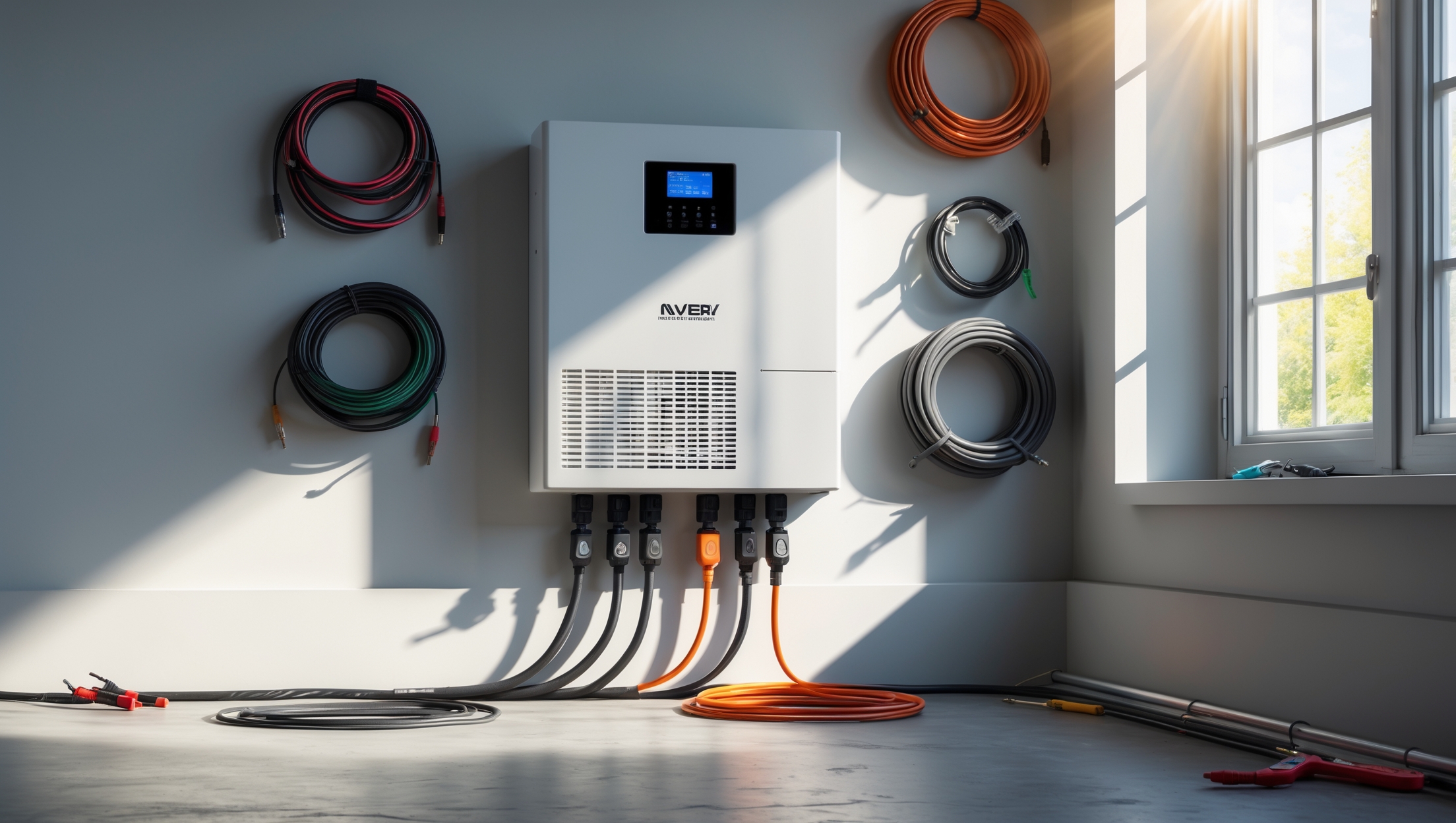
Introduction: The Unsung Hero of Solar Power—Your Inverter
When most homeowners think about solar power, photovoltaic (PV) panels come to mind first. But behind every efficient, reliable solar system is a hard-working inverter—quietly converting DC from your panels into AC for your appliances. Despite its critical role, the solar inverter is often overlooked in maintenance routines, leading to unexpected breakdowns, reduced efficiency, and costly replacements. For many, this component is a black box, but understanding and maintaining your inverter can mean the difference between decades of energy savings and sudden, expensive headaches. In this comprehensive guide, you’ll learn why solar inverter maintenance matters, which tasks are essential, how to spot early warning signs, and practical steps to ensure your system delivers peak performance year after year. Whether you’re a new solar owner or an experienced DIY enthusiast, these expert strategies will help you avoid costly mistakes and maximize your green investment.
Why Solar Inverter Maintenance Matters
The inverter is the brain and heart of your solar power setup. It not only converts solar energy into usable electricity, but also manages safety shutoffs, monitors performance, and communicates with your monitoring system. Despite its robust design, inverters are vulnerable to environmental factors, electrical surges, software glitches, and simple wear-and-tear. Neglected maintenance can lead to:
- Reduced energy yield
- Shortened system lifespan
- Frequent shutdowns and resets
- Loss of warranty coverage
- Expensive repair or replacement costs
According to industry studies, inverter issues account for over 60% of residential solar service calls. Most of these are preventable with regular, targeted maintenance.
Understanding Your Inverter: Types and Key Components
Common Types of Home Solar Inverters
- String Inverters: Most popular for residential systems; one inverter manages multiple PV panels connected in series.
- Microinverters: Each panel has its own miniature inverter, maximizing output and improving reliability.
- Hybrid Inverters: Integrate solar and battery storage management, increasingly common in systems with backup power.
Key Components to Monitor
- Cooling Fans & Heat Sinks: Prevent overheating during operation.
- Display Screens/LEDs: Provide status updates and error codes.
- Terminal Connections: Join power and data cables to the system.
- Firmware/Software: Handles system logic, monitoring, and communication.
Understanding the basics of your inverter’s features will help you apply the right maintenance techniques.
Essential Maintenance Tasks for Solar Inverters
1. Visual Inspections: Your First Line of Defense
Schedule a quick visual check every 2-3 months. Look for:
- Dust, dirt, or insect nests on vents and fans
- Signs of corrosion, rust, or discoloration
- Loose, frayed, or discolored wiring
- Unusual noises or vibrations
- Leaking (for older, transformer-based models)
Use a flashlight to check all accessible areas, including behind the unit and at cable junctions.
2. Cleaning: Keep It Cool and Efficient
- Power down the inverter before cleaning (follow manufacturer guidelines).
- Use a dry, soft brush or compressed air to remove dust from vents and fans.
- Wipe the exterior with a slightly damp (not wet) cloth—never use solvents or spray directly.
- For inverters in garages or sheds, check for rodent droppings or chewed cables.
Blockages or dust buildup can dramatically reduce cooling efficiency, raising internal temperatures and risking premature failure.
3. Checking Connections: Preventing Electrical Issues
Loose connections cause arcing, heat, and system faults. Every 6 months, inspect:
- AC and DC cable terminals for tightness (hand-tighten if safe and permitted)
- Signs of oxidation or greenish corrosion—especially in humid climates
- Securing of strain reliefs and cable glands
If you observe burn marks or melted insulation, shut down the inverter and call a qualified technician.
4. Firmware and Software Updates
Modern inverters often feature internet connectivity for monitoring and remote updates. Check the manufacturer’s website or monitoring portal every 3-6 months for firmware updates. New software versions can:
- Enhance efficiency and grid compliance
- Fix known bugs or vulnerabilities
- Add compatibility for batteries or smart home devices
Always follow the brand’s update instructions. Interrupting a firmware update may render the inverter inoperable.
5. Environmental Controls: Manage Heat and Moisture
Inverters can operate in a range of temperatures, but extremes shorten their lifespan. Maintenance tips include:
- Keep inverters out of direct sunlight (install sunshades if necessary)
- Ensure vents are clear and airflow is unobstructed
- For outdoor units, check weatherproof seals and cable entry points
- Install desiccant packs or dehumidifiers in damp basements or sheds
Monitor summer temperatures in the inverter’s location; excessive heat can trigger shutdowns or reduce output.
Advanced Troubleshooting and Performance Checks
1. Decoding Error Codes and Alerts
Most inverters display error codes on their panel or monitoring app. Keep the user manual handy, and investigate any:
- Grid voltage or frequency errors
- Isolation faults (possible grounding issues)
- Over-temperature warnings
- Communication failures with monitoring devices
Don’t ignore recurring or persistent errors. Document the code, take a photo, and contact your installer or manufacturer support if unsure.
2. Monitoring Output and Performance Ratios
Log your daily or weekly solar production using your inverter’s monitoring portal or a third-party app. Look for:
- Sudden drops in output (compared to typical seasonal values)
- Unusual fluctuations or outages
- Mismatch between inverter and panel readings
Regular monitoring can help you catch problems—such as a failed MPPT channel or a faulty string diode—before they escalate.
3. Annual Safety and Professional Service
Schedule a professional inspection at least once a year, or as recommended by your warranty. A qualified technician will:
- Test insulation resistance and earth faults
- Verify all electrical connections
- Check anti-islanding protection and compliance with local regulations
- Update service logs and maintain your warranty
This annual checkup is your best insurance against hidden faults and voided warranty claims.
Common Mistakes That Shorten Inverter Lifespan
- Allowing dust, leaves, or debris to block cooling vents
- Ignoring or postponing error messages
- Failing to install surge protection devices (SPDs)
- Mounting inverters in direct sun or unventilated spaces
- Attempting DIY repairs without proper training (risk of electric shock or fire)
- Neglecting annual professional inspections
Avoid these pitfalls to keep your inverter—and your solar investment—running smoothly for 10-15 years or more.
Practical Checklist: Monthly, Seasonal, and Annual Tasks
Monthly
- Check inverter status lights and monitoring app for alerts
- Quick visual inspection of exterior and cables
Seasonal (Every 3-4 Months)
- Clean dust and debris from vents and surfaces
- Verify shade and ventilation, especially in summer
- Inspect for insect nests or rodent activity
Annually
- Schedule professional service and testing
- Update firmware/software as needed
- Review system performance logs for trends
Set calendar reminders to ensure you stay on track. Consistency is key.
Warranty and Insurance Considerations
Most home solar inverters have warranties ranging from 5 to 12 years. However, manufacturers often require proof of regular maintenance to honor claims. Keep a maintenance log documenting inspections, cleaning, updates, and professional service visits. If your home insurance policy covers solar equipment, notify your provider of any upgrades or repairs to maintain coverage. For systems with battery storage, ensure your maintenance routine covers both the inverter and connected batteries.
When to Call a Professional
While basic cleaning and inspections are safe for most homeowners, never open the inverter casing or attempt internal repairs unless you are a licensed electrician. Call a professional if you encounter:
- Burning smells, smoke, or sparks
- Repeated shutdowns or tripped breakers
- Persistent error codes you cannot resolve
- Visible damage to wiring or terminals
Prompt action can prevent further damage and protect your warranty and insurance coverage.
Conclusion: Protect Your Investment, Power Your Future
Your home solar inverter is the linchpin of your renewable energy journey. While solar panels may bask in the sun’s glory, it’s the inverter that transforms that sunlight into the clean, usable power your household depends on. By investing a few hours each year in smart, targeted maintenance, you can avoid the most common causes of inverter failure—dust buildup, loose connections, ignored error codes—and ensure your system delivers reliable, efficient energy for years to come. Regular monitoring, basic cleaning, and periodic professional inspections will safeguard your warranty, minimize downtime, and maximize your return on investment. Most importantly, this proactive approach empowers you to contribute to a greener, more sustainable future—one where your solar system works as hard for the planet as it does for your family. Treat your inverter well, and it will power your journey toward energy independence for the long haul.


How often should I be scheduling regular inverter maintenance or inspections to ensure I catch problems early? Is there a recommended calendar for this, or does it depend on the system and inverter type?
For most home solar inverters, it’s wise to schedule professional inspections once a year to catch issues early. However, some manufacturers may recommend more frequent checks, especially for older systems or specific inverter models. It’s also a good idea to visually inspect your inverter every few months for signs like warning lights or unusual noises. Always consult your inverter’s manual for the best maintenance schedule.
The article says neglected maintenance could void the warranty on the inverter. What kind of maintenance tasks are homeowners required to do themselves to keep the warranty valid, and what should be left to a professional?
Homeowners are usually expected to keep the inverter area clean and free from dust, debris, and pests, and to visually inspect for obvious signs of damage or loose connections. Basic cleaning and checking indicator lights can be done yourself. However, electrical checks, opening the inverter casing, firmware updates, and any repairs should always be done by a qualified professional. Most warranties require evidence of regular professional servicing, so keep records of any service visits.
You mention that inverter issues make up over 60% of residential solar service calls. What are some early warning signs I should look out for before my inverter completely fails, and are there simple troubleshooting steps a homeowner can do safely?
Some early warning signs of inverter trouble include warning lights or error messages on the inverter display, unusual noises like buzzing or clicking, and a drop in your usual solar power output. Homeowners can safely check if the inverter is clean, ensure the area is well-ventilated, and confirm basic connections are secure. For anything involving electrical work or opening the unit, it’s best to call a certified technician.
I noticed you talked about string inverters handling several panels at once. Are there different maintenance requirements or common issues for string inverters compared to other types of home inverters?
Yes, string inverters do have some unique maintenance considerations compared to microinverters or power optimizers. Since they connect multiple panels together, a single fault (like a shaded or dirty panel) can impact the whole string’s performance. Common issues include loose DC connections, inverter overheating, and occasional firmware updates. Regularly check for error codes on the inverter and ensure the ventilation area is clear. Also, keep an eye on each panel’s cleanliness, since one underperforming panel can affect the entire string.
I’m curious about the potential costs involved with preventive inverter maintenance compared to the repair or replacement expenses you mentioned. Is investing in professional maintenance visits generally cost-effective in the long run?
Investing in professional preventive maintenance for your solar inverter is usually much more cost-effective over time than facing major repairs or replacements. Routine maintenance visits help spot small issues early, which can prevent expensive breakdowns or a complete inverter failure. While maintenance visits do have a cost, they are typically far less expensive than the price of a new inverter or emergency repairs, and they can help extend your inverter’s life and maintain system efficiency.
If regular inverter maintenance is skipped, how quickly can problems develop? Would neglecting this for a year or two lead to immediate failures or is it more of a slow decline?
If regular inverter maintenance is skipped, problems usually develop gradually rather than causing immediate failure. Dust buildup, loose connections, or unnoticed faults can slowly reduce efficiency and may shorten the inverter’s lifespan over a year or two. However, sudden failures are less common unless there’s a pre-existing issue. Sticking to routine checks helps catch small issues before they turn into expensive repairs.
You mentioned that environmental factors and software glitches can affect inverter performance. What are some early warning signs that my inverter might be starting to fail, and are there any troubleshooting steps I should try before calling for service?
Early warning signs that your inverter may be failing include unusual noises, frequent error messages, a blinking or red indicator light, or a noticeable drop in energy output. Before calling for service, check for obvious issues like dirt or debris on the unit, ensure all connections are secure, and try restarting the inverter as outlined in the manual. If problems persist, document any error codes to help technicians diagnose the issue.
I get that inverters are sensitive to environmental factors, but what kind of wear-and-tear is most likely to affect them over time? Are outdoor-mounted inverters more at risk than those installed indoors?
Wear-and-tear on solar inverters usually comes from exposure to heat, moisture, dust, and even pests. Outdoor-mounted inverters face higher risks from these elements, especially temperature extremes and water ingress, which can speed up corrosion or component failure. Indoor inverters are generally better protected from weather, but still need proper ventilation to prevent overheating. Regular checks for dirt buildup, loose connections, or signs of corrosion are important for both setups.
For business owners considering solar, how much should I budget annually for ongoing inverter maintenance to avoid those expensive replacement costs you mention?
For business owners, it’s wise to budget about 1-2% of your solar system’s initial cost each year specifically for inverter maintenance. This typically covers professional inspections, cleaning, firmware updates, and minor repairs. Proactive care helps you spot issues early and can significantly extend your inverter’s lifespan, reducing the risk of costly replacements down the road.
You mention that software glitches can affect solar inverters. How often should homeowners check for firmware updates or consult the inverter’s monitoring system to avoid issues, and is this something a typical homeowner can do themselves or should it be handled by a professional?
Homeowners should check for firmware updates or review their inverter’s monitoring system about every 3 to 6 months. Most modern inverters make this process user-friendly, so you can typically handle routine checks and updates yourself by following the manufacturer’s instructions. However, if you encounter warnings, errors, or are unsure about the process, it’s wise to contact a professional to avoid any potential issues.
You mentioned that inverter issues account for over 60% of residential solar service calls. Are there particular warning signs that most people miss until it’s too late?
Many homeowners miss subtle signs like a sudden drop in energy output, frequent error messages on the inverter display, or unusual humming or clicking sounds. Others may overlook warning lights or ignore notifications from monitoring apps. Being attentive to these early indicators can help you catch problems before they become serious or result in costly downtime.
For someone planning to schedule professional maintenance, how often is realistic for residential inverters, and generally what should a homeowner expect to pay for a routine inspection?
For residential solar inverters, scheduling professional maintenance once every one to two years is usually sufficient unless your manufacturer recommends otherwise. For a routine inspection, most homeowners can expect to pay between $100 and $300, depending on your location and the complexity of your system. This typically includes visual checks, electrical testing, and cleaning of components.
The article mentions that inverter maintenance can help protect warranty coverage. What specific maintenance tasks or logs do manufacturers usually require to keep warranties valid for residential systems?
Most manufacturers require regular cleaning of inverter vents, checking for error codes, and recording performance data in a log. They may also ask for periodic inspections by a qualified technician and prompt reporting of any faults. Keeping a maintenance log with dates, tasks performed, and any issues noticed is often needed to validate a warranty claim.
Can you explain how to tell the difference between normal inverter wear-and-tear and the early warning signs that something is actually wrong? What symptoms should I not ignore?
Normal wear-and-tear on your solar inverter might include minor dust buildup, occasional fan noise, or a slight drop in efficiency over many years. Warning signs that something is wrong include warning lights or error codes, frequent shutdowns or resets, unusual noises not heard before, a significant drop in power output, or any burning smells. If you notice these issues, it’s best to consult a professional, as they can indicate developing faults that need immediate attention.
The article mentions different types of inverters, like string inverters. Are there maintenance steps that are unique to each type, or is the process mostly the same regardless of which inverter a system uses?
While many maintenance steps—like keeping the inverter clean, checking for loose connections, and monitoring performance—are common across all inverter types, there are some differences. String inverters often require periodic inspection of each string for shading or debris, while microinverters are installed under individual panels and may need separate checks for each unit. Central inverters, used in larger systems, may need more frequent professional servicing. Always consult your inverter’s manual for specific recommendations.
You mentioned that inverter issues account for over 60% of residential solar service calls. Is there a recommended maintenance schedule or checklist I should follow to catch early warning signs before they turn into expensive repairs?
Yes, following a regular maintenance schedule can help you spot inverter issues early. It’s a good idea to visually inspect your inverter monthly for warning lights, unusual noises, or error messages. Clean dust and debris from vents every 3–6 months to ensure proper airflow. Annually, check wiring connections for corrosion or looseness. Also, monitor your system’s performance data to catch drops in efficiency. If you notice anything unusual, contact your installer for a professional check-up.
You mention that inverter issues account for over 60% of service calls. If I start noticing frequent shutdowns or resets, what are the first troubleshooting steps I should try before calling a professional?
If your inverter frequently shuts down or resets, first check that it’s clean, dry, and free from obstructions or debris. Ensure all visible cables and connections are secure, and try resetting the inverter following the manufacturer’s instructions. Also, note any error codes or warning lights, as these can help diagnose the issue. If problems persist, then it’s time to contact a professional.
You mention that inverter problems are responsible for over 60% of residential service calls. What early warning signs should homeowners watch out for before a minor inverter issue turns into a costly breakdown?
Homeowners should look out for warning signs such as unusual noises from the inverter, frequent error messages or warning lights on the display, decreased energy output, or the inverter shutting down unexpectedly. Also, burnt smells, physical damage, or excessive heat around the unit can signal developing problems. Addressing these signs promptly can help prevent small issues from becoming expensive repairs.
The article talks about environmental factors and electrical surges affecting inverter performance. Are there any affordable measures or products you recommend to better protect inverters from these risks, especially in areas prone to storms?
To protect your solar inverter from environmental factors and electrical surges, especially in storm-prone areas, consider installing a surge protector specifically designed for solar systems. Weatherproof enclosures or covers can also shield the inverter from moisture, dust, and debris. Both options are relatively affordable and can greatly extend your inverter’s lifespan. Regular inspections after storms are also useful to catch any potential issues early.
You mention that inverter issues are responsible for over 60% of residential solar service calls. Are there any preventative maintenance checks that homeowners can do themselves, or is it best to rely solely on professional technicians for regular inspections?
Homeowners can definitely handle some basic preventative checks themselves, such as keeping the inverter area clean and free of dust, checking for loose cables, and monitoring the inverter display for error messages or unusual readings. However, more detailed inspections and electrical work should be left to professional technicians to ensure safety and maintain your system’s warranty.
With environmental factors being a concern for inverters, is there a difference in maintenance needs between string inverters and microinverters, especially if my system is exposed to extreme weather?
Yes, there is a difference. String inverters are usually installed in a single, central location and are easier to inspect but may be more vulnerable to environmental damage if not sheltered properly. Microinverters are mounted on each panel and face more direct exposure to weather, so they often require more attention to ensure watertight seals and check for corrosion. In areas with extreme weather, regular inspections and protective measures are especially important for microinverters.
For someone planning their first DIY solar setup, is it worth spending extra on microinverters or optimizers just to reduce long-term maintenance headaches compared to traditional string inverters?
If you want to minimize long-term maintenance and troubleshooting, investing in microinverters or optimizers can be worthwhile, especially for DIY setups. These technologies isolate issues to individual panels instead of the whole system, making faults easier to identify and fix. They also handle shading better and often come with longer warranties, adding extra peace of mind.
We installed solar panels last year, and I admit I don’t really check the inverter unless something stops working. Can you share some practical, time-saving tips for inverter maintenance that fit into a hectic family schedule?
Absolutely, you don’t need a lot of time to keep your inverter in good shape. Once a month, just glance at the display or indicator lights to make sure there are no error messages. Wipe off any dust or debris from the exterior when you notice it, and listen for any unusual noises. Setting a recurring phone reminder can help make these quick checks a habit without interrupting your routine.
Regarding the warranty concerns mentioned, are there specific maintenance tasks that must be documented to keep the warranty valid on most inverters, or does this vary a lot by brand? I’d like to avoid any costly oversights.
Warranty requirements do tend to vary by inverter brand and model, but most manufacturers want you to keep records of regular maintenance, such as inspections, cleaning, and any professional servicing. It’s wise to review your inverter’s warranty documentation for specific tasks and intervals. Keeping detailed logs and receipts of all maintenance helps ensure your warranty stays valid and protects you from unexpected costs.
You mention that neglecting inverter maintenance can sometimes void warranty coverage. What specific maintenance tasks are usually required to keep a warranty valid, and how often do they need to be documented?
Manufacturers often require you to keep the inverter clean, ensure proper ventilation, check wiring and connections for damage or corrosion, and monitor system performance. These tasks are usually done every 6 to 12 months. It’s important to keep written or digital records of inspection dates and any cleaning or repairs you perform, as these may be needed if you make a warranty claim.
You mention that inverter issues cause over 60% of residential solar service calls. What are some early warning signs homeowners should look out for to catch inverter problems before they turn into shutdowns or expensive repairs?
Some early warning signs of inverter problems include unusual noises like buzzing or clicking, flashing error lights or fault codes on the inverter display, a sudden drop in your energy production, or frequent resets. Also, if you notice your electricity bill rising despite sunny weather, your inverter may not be working efficiently. Checking the inverter display regularly and monitoring your system’s app will help you spot these issues before they become serious.
The article talks about different types of inverters like string inverters. Are there differences in maintenance needs or common problems between string inverters and other types like microinverters?
Yes, there are some differences in maintenance between string inverters and microinverters. String inverters usually require occasional checks for wiring and may need replacement after about 10–15 years. Microinverters, since they’re installed under each panel, can be harder to access but typically need less maintenance and can help isolate issues to a single panel. Common problems with string inverters include overheating and single-point failure, while microinverters might face issues with moisture or individual unit failure.
The article talks about string inverters managing multiple panels. Is there a difference in maintenance routines for string inverters compared to other types, like microinverters, especially for someone who’s just starting out?
Yes, there is a difference. String inverters usually require you to check a central unit, so cleaning around the inverter, ensuring proper ventilation, and checking for error lights are key. Microinverters are located on each panel, so their maintenance is less centralized but involves visually inspecting each panel for damage or dirt. For beginners, string inverters are easier to monitor, but microinverters can be lower maintenance unless a single unit fails.
You mention that neglecting inverter maintenance can void warranties. What are some practical steps I can take to ensure I’m following the manufacturer’s requirements and not risking my warranty coverage?
To protect your inverter’s warranty, start by reading your manufacturer’s manual to understand the specific maintenance tasks and intervals they recommend. Keep a log of all maintenance activities, including dates and services performed. Only use authorized technicians for inspections or repairs, as do-it-yourself fixes can sometimes void warranties. Lastly, retain receipts or service records in case you need to make a claim later.
You mention that inverter issues account for over 60% of residential solar service calls, mostly due to preventable problems. Are there any specific maintenance tasks that homeowners can safely perform themselves without risking their warranty?
Yes, homeowners can safely handle basic maintenance tasks like keeping the inverter and its surroundings clean and free from dust, leaves, or debris. Checking for loose wires or signs of animal nests is also helpful, but avoid opening the inverter case, as this can void warranties. Always refer to your manufacturer’s guidelines before taking any action beyond surface cleaning and visual inspections.
You mention that inverter issues cause over 60% of residential solar service calls and are mostly preventable. Could you clarify what a typical maintenance schedule looks like for a homeowner, and whether any specific tasks could be handled by a non-professional safely?
A typical maintenance schedule for a home solar inverter involves a visual check every 3–6 months. Homeowners can safely remove dust from the inverter’s exterior with a dry cloth, check for error lights on the display, and listen for unusual noises. Anything involving wiring or opening the unit should be left to a qualified technician, and a professional inspection is recommended once a year to ensure optimal performance and safety.
If I neglect inverter upkeep for a year or two, how likely is it that my warranty would be voided? I want to make sure I don’t risk coverage by missing basic maintenance.
Neglecting inverter maintenance for a year or two could put your warranty at risk, depending on your manufacturer’s terms. Many warranties require proof of regular maintenance or stipulate that neglect can void coverage. It’s a good idea to check your warranty documentation and schedule basic upkeep to ensure you stay compliant and protect your coverage.
You mention that inverter issues make up over 60 percent of solar service calls and can lead to warranty loss if neglected. How often should I schedule professional inverter maintenance to stay compliant with typical warranty requirements?
To stay compliant with most inverter warranties, it’s recommended to schedule professional maintenance annually. Some warranties may require inspections every 12 months, while others might allow up to every 18 months. Always check your specific inverter warranty for exact terms, but a yearly professional check-up is a safe standard to maintain coverage and catch issues early.
When you mention that inverter issues make up over 60% of solar service calls, what are some early warning signs I should look for before a breakdown actually happens? Would you say software glitches are as common as hardware failures in practice?
Some early warning signs of inverter trouble include error codes or warning lights on the display, unusual noises, frequent resets, or a sudden drop in energy production. While both software glitches and hardware failures occur, hardware issues like worn-out fans or faulty wiring tend to be more common. Still, keeping your inverter firmware updated can help prevent software-related problems.
I noticed you mentioned that neglecting inverter maintenance could void the warranty. What exactly are the typical maintenance steps that homeowners need to perform to keep the warranty valid?
To keep your solar inverter warranty valid, you generally need to perform regular visual inspections to check for dust buildup, loose connections, or any physical damage. Cleaning the inverter’s exterior with a dry cloth, ensuring adequate ventilation, and monitoring its performance through display panels or monitoring apps are also important. Always follow the manufacturer’s specific maintenance guidelines and keep records of any professional servicing, as these may be required for warranty claims.
Can you clarify what routine, DIY-friendly maintenance tasks a homeowner can realistically do themselves versus what should be left to a professional? I’m trying to avoid voiding the warranty on my system.
Homeowners can safely perform tasks like keeping the inverter unit clean, checking for dust buildup, ensuring proper ventilation, and visually inspecting for obvious signs of damage or loose wires—without opening the inverter casing. Anything involving internal components, firmware updates, or electrical connections should be handled by a certified professional to avoid safety hazards and preserve your warranty. Always consult your manufacturer’s guidelines to confirm what is permitted under your warranty terms.
You mention that neglecting inverter maintenance can actually void warranty coverage. Can you give some examples of what specific maintenance tasks homeowners should regularly do to stay compliant with typical inverter warranties?
To stay compliant with most inverter warranties, homeowners should regularly keep the inverter and its surroundings clean and free of dust or debris, check for any visible signs of damage or loose connections, ensure proper ventilation around the unit, and follow any scheduled professional inspections recommended by the manufacturer. It’s also important to keep records of all maintenance activities, as proof may be required for warranty claims.
You mention that neglected inverter maintenance can sometimes void your warranty. What are some specific maintenance steps homeowners should document to make sure warranty claims won’t get denied if something goes wrong later?
Homeowners should keep records of regular inverter inspections, cleaning dust or debris from vents and fans, checking for error codes or warning lights, and ensuring that firmware updates are performed if recommended. Document all professional servicing or repairs with receipts and service reports, and note dates of each maintenance activity. This documentation helps demonstrate responsible care if you ever need to make a warranty claim.
We have kids and a busy schedule, so I’m always looking for ways to stay ahead of home repairs. How often should I check on my solar inverter to avoid those costly mistakes you mentioned?
It’s smart to stay proactive, especially with a busy household. For most homes, a quick visual check of the solar inverter once a month is enough. Look for warning lights or error messages, and make sure the area around it stays clean and well-ventilated. Also, try to schedule a professional inspection every one to two years to catch any issues early.
The article mentions that inverter maintenance helps prevent loss of warranty coverage. What are some specific maintenance tasks that homeowners need to document or perform to stay compliant with typical inverter warranties from major US manufacturers?
Homeowners should regularly clean dust and debris from the inverter, inspect for signs of damage or overheating, and check that all wire connections are tight. Many warranties require keeping records of annual inspections, noting any faults or error messages, and having a qualified technician perform repairs or advanced maintenance. Saving receipts, technician reports, and a maintenance log will help show compliance if a warranty claim is needed.
The article mentions environmental factors and electrical surges impacting inverter lifespan. Should I be installing extra surge protection, or do most home solar inverters already come with that built in?
Most modern home solar inverters do include some basic surge protection, but it may not be sufficient if you live in an area prone to frequent lightning or power surges. Installing an additional surge protection device at your main electrical panel can offer extra protection for both your inverter and other home electronics. It’s a good idea to check your inverter’s manual or consult with your installer to see what’s already in place and whether extra protection is recommended for your situation.
You mentioned that most residential service calls are due to inverter issues and that regular maintenance can prevent them. What are some specific things I should be checking for during a routine inverter inspection, especially if I’m new to solar systems?
During a routine inverter inspection, look for any error lights or unusual displays on the inverter’s panel. Check for dust, dirt, or debris blocking vents or covering the unit, as this can lead to overheating. Make sure all cables and connections are secure and free from corrosion. Listen for any strange noises and ensure that the inverter’s location remains dry and well-ventilated. If anything seems off, note it down and consider contacting a professional.
When it comes to avoiding expensive repair or replacement costs for inverters, what are the most budget-friendly preventive measures I could implement?
To keep inverter costs down, check for dust and debris regularly and clean the inverter area to prevent overheating. Make sure all cables are secure and free of corrosion. Monitor system performance through the display or app, so you can spot issues early. Scheduling a basic professional inspection every couple of years is also a good investment to catch minor problems before they get costly.
You mention that inverter problems make up a big percentage of service calls. What are some early warning signs I should watch out for that might indicate my inverter is about to fail or needs attention?
Some early warning signs of inverter trouble include unusual noises, erratic LED indicators (such as flashing red or orange lights), persistent error codes on the display, or a noticeable drop in your solar system’s power output. If you notice any of these issues, it’s a good idea to check your inverter’s manual and contact a professional if problems persist.
You mention that ignoring inverter maintenance can void the warranty. What kind of maintenance do I need to document so I don’t lose coverage, and does it have to be done by a professional or can DIY checks count?
To keep your inverter warranty valid, you should document all routine maintenance such as cleaning vents, checking for dust buildup, and inspecting wiring or connections for signs of wear. Most manufacturers accept a record of regular visual inspections and cleaning, even if done by the homeowner, as long as you follow their guidelines. However, any technical repairs or servicing, like electrical testing or parts replacement, generally need to be performed by a qualified professional and properly documented. Always check your warranty terms for specific requirements.
You mention that inverter issues are responsible for over 60% of service calls. Are there any specific warning signs I should watch for that indicate an inverter is about to fail, especially for people who aren’t super technical?
Yes, there are some common signs that non-technical users can spot. Keep an eye out for warning lights or error codes on the inverter display, unexpected shutdowns, or a noticeable drop in your solar system’s energy output. Some inverters might also beep or show unusual noises. If you notice any of these, it’s a good idea to contact your installer or service provider promptly.
If my solar system is frequently shutting down or resetting as described, is this always an inverter problem or could it be something else? What are the first troubleshooting steps I should try before calling a service technician?
Frequent shutdowns or resets aren’t always caused by the inverter itself—they can also be due to wiring issues, grid instability, or even problems with the solar panels. First, check if there are any error codes or warning lights on your inverter and consult its manual. Make sure all visible wiring connections are secure and that circuit breakers haven’t tripped. If these steps don’t reveal the cause, it’s best to contact a qualified technician for a thorough inspection.
You mentioned that neglected maintenance can void warranty coverage. Are there any basic DIY maintenance steps first-timers should always do themselves to stay compliant, or is professional service required for most warranty conditions?
Most warranties encourage basic DIY maintenance such as keeping the inverter clean and ensuring good airflow around the unit. You should regularly check for dust buildup, clear away debris, and visually inspect for obvious damage or loose connections. However, anything involving electrical work or internal components should be left to professionals to stay compliant with warranty terms. Always consult your inverter’s manual for specific recommendations.
You mentioned that inverter issues account for more than 60% of residential solar service calls. Are there any early warning signs homeowners can look out for before calling a technician, or is it usually too late by the time something’s noticeable?
Homeowners can often spot early warning signs before severe inverter issues occur. Look out for warning lights or error messages on the inverter display, frequent system shutdowns, unusual noises, or a noticeable drop in energy production. Regularly monitoring your system’s performance and comparing it to expected output can help catch issues early. If you notice any of these signs, it’s a good idea to contact a technician promptly.
Can you elaborate on how lack of inverter maintenance could impact warranty coverage? I’m worried about voiding my warranty but not sure what level of upkeep the manufacturers expect from homeowners.
Manufacturers often require homeowners to follow specific maintenance guidelines to keep the inverter warranty valid. If regular cleaning, inspections, or prompt reporting of issues are neglected, it might be considered improper use or neglect, which could void your warranty. It’s a good idea to review your inverter’s warranty terms, keep a log of any maintenance, and have a qualified technician perform annual checks if recommended.
If my inverter shuts down or resets often like the article warns, what are the first troubleshooting steps I should try before calling for service?
If your inverter is shutting down or resetting frequently, first check that your solar panels and inverter are clean and free from obstructions. Make sure all cables and connections are secure and undamaged. Verify that your inverter’s display or indicator lights aren’t showing specific error codes, then consult your inverter’s manual for guidance on those codes. Also, ensure your system isn’t being overloaded by high energy use. If these steps don’t resolve the issue, then it’s best to contact a professional.
The article notes that inverter problems cause most service calls for residential solar—could you elaborate on some early warning signs or troubleshooting steps I can take before calling a technician?
Some early warning signs of inverter issues include frequent error messages on the inverter display, unusual noises, reduced energy output, or warning lights. Before calling a technician, check if the inverter is showing any specific error codes, ensure the unit is properly ventilated and free of debris, reset the inverter if your manual allows it, and inspect all visible cables for any obvious damage or loose connections.
You mentioned that neglecting inverter maintenance can impact warranty coverage. Are there particular maintenance tasks that manufacturers usually require homeowners to perform to keep the warranty valid?
Manufacturers typically require homeowners to perform basic tasks like cleaning dust and debris from the inverter, ensuring proper ventilation, and regularly checking for error codes or warning lights. Some also ask for annual professional inspections and keeping records of maintenance activities. Skipping these steps can sometimes void the warranty, so it’s a good idea to review your inverter’s warranty terms for any specific requirements.
You mention monitoring system performance as part of inverter maintenance. Is there a rule of thumb for how often homeowners should check their monitoring system, and what are the key warning signs that might indicate an inverter issue brewing?
Homeowners should check their solar monitoring system at least once a week. This helps you spot any dips in energy production early. Key warning signs to watch for include sudden drops in output, error messages on the monitoring app or inverter display, and any unexpected shutdowns. If you notice any of these, it’s best to consult your installer or a qualified technician.
If most inverter issues are preventable, are there particular warning signs that typically appear before failures occur, such as error codes or audible alarms, that homeowners can watch out for?
Yes, most modern solar inverters provide early warning signs before a failure. Homeowners should watch for error codes on the inverter display, flashing indicator lights, or unusual audible alarms like beeping. These signals often indicate issues such as overheating, grid faults, or connectivity problems. Regularly checking your inverter’s display panel and listening for any new sounds can help you catch problems early and arrange prompt servicing.
You mention that neglected inverter maintenance can void warranty coverage. Can you clarify which specific maintenance tasks are usually required by manufacturers to keep a warranty valid, or does this vary a lot between brands?
Manufacturers often require basic tasks like keeping the inverter clean, ensuring proper ventilation, checking for error messages, and having regular professional inspections to keep the warranty valid. The exact requirements can differ between brands and models, so it’s important to review your inverter’s manual or warranty documentation for the specific maintenance schedule and documentation needed to maintain coverage.
I see you mention both software glitches and environmental damage as risks. Are certain inverter types (like string versus microinverters) more susceptible to specific types of issues, and does that affect their maintenance needs?
Yes, string and microinverters do have different vulnerabilities and maintenance needs. String inverters are more prone to issues from shading and wiring faults affecting the whole system, while microinverters are exposed to weather on the roof, making them more susceptible to environmental damage. Microinverters may need more frequent checks for weatherproofing and individual unit performance, while string inverters benefit from regular system-wide diagnostics and ventilation checks.
You mentioned that software glitches could cause inverter troubles. Do you have recommendations on how often to check for firmware updates or if there’s a safe way for homeowners to apply those updates themselves without voiding warranty?
It’s wise to check for firmware updates for your solar inverter every six to twelve months, or any time you notice performance issues. Most manufacturers provide update instructions in their user manuals or on their websites. If updates can be done via a smartphone app or the inverter’s interface, they are usually safe for homeowners to apply—just follow official guidelines carefully. If you’re unsure or if your warranty terms are unclear, contacting your installer or manufacturer first is the safest route.
You mentioned that neglected inverter maintenance could lead to warranty loss. Are there specific maintenance records or tasks manufacturers generally expect homeowners to document for warranty claims?
Manufacturers usually expect homeowners to keep records of regular maintenance tasks, like cleaning vents, inspecting connections, and checking for error codes. It’s helpful to document dates of inspections, any issues found, and the actions taken. Keeping receipts if professionals perform maintenance can also be important. Refer to your inverter’s manual for any manufacturer-specific requirements, as they sometimes list particular maintenance tasks that must be documented for warranty purposes.
The article points out that inverter repairs or replacements can be expensive. For homeowners on a budget, are there maintenance tasks that are most critical to focus on even if we can’t do everything recommended?
Absolutely, focusing on a few key maintenance tasks can really help protect your inverter and avoid costly repairs. Regularly check for dust and debris around the inverter and keep the area clean. Make sure the inverter has plenty of ventilation and isn’t exposed to direct sunlight or moisture. Also, monitor the inverter’s display or app for error messages. These simple steps can go a long way in extending its life, even if you can’t do every recommended task.
How often should inverter maintenance be scheduled to avoid the potential loss of warranty coverage, and does the recommended frequency vary based on climate or inverter type?
To maintain your inverter’s warranty, most manufacturers recommend scheduling professional maintenance at least once a year. However, if you live in areas with harsh weather—like high heat, humidity, or lots of dust—twice-yearly checks may be better. Some inverter types may also need more frequent inspections, so always check your manufacturer’s guidelines for specific recommendations.
The article mentions that neglected inverter maintenance can void warranty coverage. Could you clarify what types of maintenance or issues manufacturers typically require owners to address to keep their warranty valid?
Manufacturers usually expect owners to perform basic inverter maintenance like keeping the unit clean, ensuring proper ventilation, and checking for dust buildup or debris. It’s also important to regularly inspect for signs of damage, loose connections, or error messages. Keeping maintenance records and following the schedule in the user manual is often required. Neglecting these tasks or ignoring warning indicators can risk voiding your inverter’s warranty.
You mention that inverter issues cause over 60% of residential solar service calls. Are there any specific early warning signs homeowners should watch for before a full breakdown occurs, especially for string inverters?
Absolutely, there are several early signs that may indicate string inverter trouble before a complete failure. Homeowners should watch for unusual noises from the inverter, more frequent error messages or warning lights on the inverter display, a steady drop in energy production visible in monitoring apps, or the inverter repeatedly shutting down and restarting. Addressing these signs early can help prevent more severe issues and costly repairs.
The article mentions both environmental factors and simple wear-and-tear affecting inverter performance. How can homeowners in areas with extreme temperatures or humidity best protect their inverters to maintain peak efficiency year after year?
Homeowners in areas with extreme temperatures or high humidity should install their solar inverters in well-ventilated, shaded, and preferably indoor locations to minimize exposure. Using weatherproof housings and ensuring adequate airflow around the inverter also helps. Regularly check for dust, moisture buildup, and corrosion, and schedule professional inspections to catch issues early. These steps will help maintain efficiency and prolong inverter life.
The article lists string inverters as a common choice for residential systems. How does the maintenance routine for string inverters compare to that of microinverters in terms of time, cost, or complexity?
String inverters usually require less frequent but more centralized maintenance, like periodic inspections and possibly a single replacement if the unit fails, which can be more cost-effective over time. Microinverters, on the other hand, are installed on each panel, so maintenance might involve more time and complexity if issues occur, as each unit may need individual attention. While microinverters can offer easier troubleshooting, servicing several units can increase labor and costs.
You mention that inverter issues can void warranty coverage. What kind of regular maintenance is usually required by manufacturers to ensure the warranty stays valid, and how can a homeowner document this to avoid disputes?
Manufacturers typically require homeowners to keep the inverter clean and free from dust, check for loose connections, and ensure proper ventilation. Some also ask for periodic professional inspections. To protect your warranty, keep a record of all maintenance activities—note dates, tasks done, and save receipts or technician reports. Photos of the inverter during maintenance can also be helpful if you ever need to prove upkeep.
You mentioned that neglected inverter maintenance can lead to warranty loss. What kind of maintenance tasks are homeowners typically required to perform to stay within warranty guidelines? Is there a standard schedule recommended by manufacturers?
Homeowners are usually required to keep the inverter clean, check for visible damage, ensure proper ventilation, and confirm indicator lights show normal operation. Some manufacturers may also ask for regular professional inspections or software updates. Maintenance frequency can vary, but an annual check by a qualified technician is often recommended. Always refer to your inverter’s warranty booklet for specific tasks and timelines to stay compliant.
You mentioned that inverter issues are the main reason for most residential solar service calls. How often should I realistically schedule routine checks for my inverter to prevent these problems, and are there early warning signs I should be watching for in between?
For most home solar inverters, it’s wise to schedule a professional checkup once a year. In between, keep an eye on your inverter’s display or monitoring app—look for error messages, warning lights, or sudden drops in output. Also, listen for unusual noises or notice any overheating. Early signs like these can help catch problems before they become expensive repairs.
You mentioned that software glitches can affect solar inverter performance. What are some early warning signs of these glitches, and is there a way for a homeowner to reset or update the inverter software themselves, or should we always call a technician?
Some early warning signs of software glitches in solar inverters include error codes on the inverter display, unexpected shutdowns, inconsistent energy output, or frequent resets. Many modern inverters allow basic resets by powering the system off and on, which you can try using the manufacturer’s instructions. However, for software updates or persistent issues, it’s best to contact a qualified technician to avoid accidental damage or voiding your warranty.
You mentioned that inverter issues account for over 60% of residential solar service calls. What are some common early warning signs that homeowners can spot before these issues become serious and require expensive repairs?
Homeowners can look out for several early warning signs of inverter problems, such as unusual noises from the inverter, frequent error messages or warning lights on the display, a noticeable drop in energy production, or the inverter turning off unexpectedly. Regularly checking your system’s monitoring app for performance drops and visually inspecting for loose wires or physical damage can help catch issues before they escalate.
You mention loss of warranty coverage if maintenance is neglected. Can you clarify what specific inverter maintenance tasks typically need to be documented for homeowners to keep their warranty valid?
Homeowners are usually expected to document regular visual inspections for dust, debris, and signs of damage, as well as routine cleaning of the inverter’s exterior and ventilation areas. Checking for warning lights or error codes is also important. Some warranties require a qualified technician to perform annual or biannual inspections and provide a maintenance report. Always keep records of these checks and any professional service visits, as manufacturers may request proof if you need to make a warranty claim.
You list loss of warranty coverage as a risk if the inverter isn’t maintained. What mistakes do homeowners commonly make that could void their inverter warranty?
Homeowners often void their inverter warranty by not following the manufacturer’s recommended maintenance schedule, attempting DIY repairs, or using unauthorized technicians for servicing. Neglecting to keep records of maintenance or installing the inverter incorrectly can also lead to warranty issues. Always check your warranty terms, use qualified professionals, and document all service work to protect your coverage.
I’m new to solar and honestly have no idea what a software glitch in the inverter would look like. Are there specific warning signs or error codes a DIYer should watch out for before calling a professional?
A software glitch in your solar inverter often shows up as error codes or unexpected behavior, like inconsistent power output, the inverter restarting on its own, or the display freezing. Common warning signs include error messages such as ‘communication failure’ or ‘system fault’ on the inverter screen. Always check your user manual for specific codes. If resetting the inverter doesn’t clear the issue, or if you see repeated errors, it’s best to call a professional.
You mentioned that inverter maintenance helps avoid issues like frequent shutdowns and loss of warranty coverage. Are there specific maintenance tasks that have to be performed by professionals to keep the warranty valid, or can most things be handled by homeowners?
Some basic inverter maintenance, like keeping the unit clean and checking for obvious damage, can generally be done by homeowners. However, tasks such as electrical inspections, software updates, and internal component checks usually need to be performed by certified professionals to keep your warranty valid. Always check your inverter’s warranty terms, as many manufacturers require annual or scheduled professional servicing.
The article mentions that neglected inverter maintenance can void your warranty. Could you clarify which specific maintenance tasks are typically required by manufacturers to keep an inverter warranty valid?
Manufacturers typically require that you follow the inverter’s maintenance schedule outlined in the manual. Common tasks include keeping the inverter and surrounding area clean and free of dust, checking for loose or damaged wiring, ensuring adequate ventilation, and documenting any issues or service performed. Some brands may also require periodic professional inspections, so it’s best to review your warranty terms and keep records of all maintenance.
If my inverter needs replacement parts due to wear-and-tear, are there usually warning signs I can look out for before it completely fails? Or do problems tend to show up all of a sudden without much notice?
Most inverter issues due to wear-and-tear will give you some early warning signs. Common signals include warning lights on the inverter display, error codes, unusual noises, or a noticeable drop in energy production. It’s a good idea to regularly check your system’s output and pay attention to any alerts. Sudden failures do happen but are less common if you keep up with maintenance and monitoring.
Given that inverter issues account for most residential service calls, what would you estimate is a reasonable annual budget for routine inverter maintenance, and does this typically prevent those expensive breakdowns you described?
For most homeowners, setting aside $150 to $300 per year for routine inverter maintenance is sensible. This usually covers professional inspections, cleaning, firmware updates, and minor repairs. Regular upkeep like this significantly reduces the odds of sudden, expensive breakdowns by catching issues early and keeping your system in good shape. While it doesn’t guarantee zero problems, it does make major failures much less likely.
What are some early warning signs of inverter trouble that a homeowner without a technical background might realistically notice before things get serious? I’m concerned about spotting problems early to prevent shutdowns.
Some early signs you might notice include your inverter displaying warning lights or error messages, unusual noises like buzzing or clicking, suddenly lower energy output, or the unit feeling unusually hot. If you notice any of these changes or your system isn’t producing its usual amount of electricity, it’s a good idea to contact a professional for a checkup before more serious issues develop.
You mentioned that inverter issues cause most residential service calls. Are there certain weather conditions or seasons when I should be extra vigilant with inverter maintenance?
Yes, it’s wise to pay closer attention to your inverter during extreme weather conditions. High summer temperatures can cause overheating, while heavy rain or humidity might lead to moisture buildup or corrosion. After storms or during very dusty periods, check for debris or water ingress. Performing a quick inspection at the start of summer and after severe weather helps catch problems early and keeps your system running smoothly.
I’m new to solar and just learning about how important the inverter is. How often do I actually need to check or service my inverter to avoid these sudden breakdowns you mentioned in the article?
It’s recommended to visually inspect your solar inverter at least once a month for warning lights or unusual noises. A full professional service should be done every 1 to 2 years, as suggested by most manufacturers. Regular checks help catch issues early and keep your system running efficiently, reducing the risk of unexpected breakdowns.
You mention that over 60% of residential solar service calls are related to inverters and are mostly preventable. Could you clarify which specific maintenance steps for inverters are often neglected by homeowners that lead to these service calls?
Many homeowners tend to overlook basic inverter maintenance tasks that could prevent most service calls. Commonly neglected steps include keeping inverter vents and fans clear of dust and debris, regularly checking for loose or corroded electrical connections, monitoring for warning lights or error codes, and making sure firmware stays updated when applicable. Consistently performing these checks helps catch minor issues before they become costly problems.
If inverter issues are responsible for over 60% of residential solar service calls, is there a specific maintenance schedule you recommend for busy families who might forget routine checks? Are there quick monthly tasks versus more in-depth annual inspections we should prioritize?
For busy families, a simple monthly routine is to visually check your inverter’s display and look for any warning lights or error messages. Make sure the area around the inverter is clean and free of dust or debris. Once a year, schedule a more thorough inspection with a professional to check connections, firmware updates, and cooling fans. Setting calendar reminders can help ensure you don’t miss these tasks.
You mentioned that neglected inverter maintenance can lead to warranty loss. What kind of basic maintenance would I need to perform myself to keep my inverter warranty valid, or do I have to hire a professional for certain tasks?
Most warranties require you to keep your inverter clean and ensure it’s free of dust, debris, or pests. Regularly check for warning lights or error messages, and keep records of your inspections. However, tasks like electrical testing or opening the inverter should be done by a qualified professional. Check your warranty for specific requirements, as some brands only honor claims if servicing is done by accredited technicians.
For homeowners concerned about budget, can you suggest which essential inverter maintenance tasks can realistically be handled without a professional, and which ones should always be left to licensed technicians?
Homeowners can usually handle basic inverter tasks themselves, such as keeping the unit clean and free of dust, visually inspecting for debris or obvious damage, and checking that indicator lights are normal. However, anything involving electrical wiring, internal components, error code troubleshooting, or resetting the system should always be left to licensed technicians for safety and to maintain your warranty.
You mentioned inverter issues are responsible for over 60% of residential solar service calls. What are the most common early warning signs homeowners should watch for before an inverter actually fails?
Some of the most common early warning signs of inverter trouble include unusual warning lights or error codes on the inverter display, a sudden drop in energy production, or frequent shutdowns and restarts. Homeowners might also notice unusual noises coming from the unit or visible damage like discoloration or burnt smells around the inverter. Catching these signs early can help prevent a full breakdown and reduce repair costs.
You mentioned that inverter issues make up over 60% of solar service calls. What are the most common early warning signs a homeowner might notice before a full shutdown, especially for string inverters?
Homeowners might notice several early warning signs with string inverters before a complete shutdown occurs. These include frequent error messages on the inverter display, unusual noises like buzzing or clicking, visible warning LEDs, inconsistent power output, or the inverter repeatedly restarting itself. Some systems may also show reduced energy production in your monitoring app compared to previous periods. Addressing these signs early can help prevent bigger issues and costly repairs.
If my inverter starts shutting down or resetting frequently, as noted in your list of problems, what are the first steps I should take before calling a technician? Are there any troubleshooting checks I can perform safely myself?
If your solar inverter is shutting down or resetting often, start by checking for basic issues: make sure all visible cables and connections are secure, and that there’s no dirt or debris blocking the vents. Check your inverter’s display for any error messages. Also, confirm that your electrical breakers and switches are on. If you spot obvious tripped breakers or loose connectors, you can carefully reset or secure them. If issues persist, it’s best to call a professional.
You mention that inverter issues account for over 60% of residential solar service calls. What are some early warning signs I should look for to catch problems before they become expensive repairs?
Some early warning signs of inverter problems include warning lights or error codes on the inverter display, unusual noises like buzzing or clicking, a noticeable drop in your solar system’s energy output, or the inverter shutting down unexpectedly. Regularly monitor your inverter’s display and your solar production data to catch these signs early, which can help prevent bigger, more costly repairs later.
You mentioned that inverter issues can cause a loss of warranty coverage. Are there particular maintenance tasks that most homeowners miss that could put their warranty at risk, and how often should those be done?
Yes, missing regular maintenance tasks can sometimes void your inverter warranty. Commonly overlooked tasks include keeping the inverter clean and free of dust, routinely checking for error messages or warning lights, and ensuring proper ventilation to prevent overheating. Most manufacturers recommend visual inspections and cleaning at least every 6 to 12 months. It’s also important to keep records of all maintenance for warranty purposes.
You mentioned that inverter neglect can even result in loss of warranty coverage. What kind of maintenance documentation should I keep to protect my warranty if something goes wrong?
To protect your warranty, keep detailed records of all maintenance activities, such as service invoices, technician reports, and any correspondence with maintenance providers. Note the dates of inspections, any issues found, and actions taken. If you perform basic maintenance yourself, document what you did and when. Having this organized paperwork will help demonstrate proper care if you need to file a warranty claim.
With a pretty tight budget and limited time, which warning signs of inverter trouble should I look out for to catch problems early, before they turn into those really expensive repairs you mentioned?
If you’re short on time and funds, focus on watching for common warning signs like unusual noises from the inverter, blinking or red lights on the display, unexpected shutdowns, or error messages. Also, check for a noticeable drop in your solar energy output. Catching these issues early can help you avoid bigger, more expensive repairs down the road.
You mention that inverter failures can sometimes void warranty coverage. What specific maintenance tasks should homeowners document or perform regularly to ensure they stay within their warranty terms?
To keep your inverter warranty valid, you should regularly check for dust buildup and clean cooling fans or vents as recommended by the manufacturer. Record each cleaning or inspection date. Also, perform visual inspections for signs of wear or damage, and note any error messages or unusual behavior. Always follow the manufacturer’s specific maintenance schedule and keep receipts or logs of professional servicing if required.
If regular inverter maintenance is skipped for a couple of years, how much can it affect the overall lifespan of a solar system, and is it possible to catch up later or is the damage permanent?
Neglecting inverter maintenance for a couple of years can shorten your system’s lifespan and increase the risk of expensive failures. While catching up with maintenance can help prevent further issues, some damage—like component wear or heat-related stress—may be irreversible. It’s best to resume maintenance as soon as possible, but be prepared that some efficiency or reliability might have already been lost.
If my inverter starts shutting down or resetting more frequently, what troubleshooting steps should I try first before calling for service? Are there quick checks or resets a small business like mine can safely do?
If your inverter is shutting down or resetting often, start by checking for obvious issues like blown fuses, tripped breakers, or loose connections. Make sure the inverter is in a cool, well-ventilated area and clear any dust or debris from vents. You can also try a manufacturer-recommended reset by turning the inverter off and back on according to its manual. If problems persist or you notice error codes, it’s best to contact a qualified technician.
You mention that inverters are vulnerable to environmental factors and electrical surges. Are there specific protective measures I should consider installing, or is basic routine inspection usually enough for most homes?
Basic routine inspections are important, but adding specific protective measures can make a big difference. Consider installing surge protectors to guard against electrical spikes, and make sure your inverter is housed in a weather-resistant enclosure or shaded area to protect it from sun, rain, and dust. These steps, combined with regular checks, will help your system last longer and run more reliably.
I see you mentioned that inverter problems make up more than 60 percent of solar service calls. Is this usually due to hardware issues, or can software glitches cause just as many headaches for homeowners?
Inverter service calls are most often triggered by hardware issues, such as worn components, faulty wiring, or overheating. However, software glitches do play a role too, especially as modern inverters rely more on digital controls and firmware updates. While hardware problems are still the leading cause, software-related issues are becoming more common, so keeping both hardware and firmware maintained is important for reliable performance.
With inverters being vulnerable to electrical surges, are there affordable surge protection options you suggest for those of us on a tighter budget, or is this something usually integrated into modern inverters already?
Many modern inverters do have some built-in surge protection, but this is often basic and may not fully protect against larger surges. For affordable extra protection, you can install plug-in surge protectors or Type 2 surge protection devices (SPDs) in your main electrical panel, which are reasonably priced. It’s best to consult your installer or a qualified electrician to make sure your setup is properly protected without overspending.
For someone new to solar ownership, could you clarify which maintenance tasks a homeowner should do themselves versus when it’s necessary to hire a professional for the inverter?
Homeowners can safely handle basic inverter maintenance like keeping the unit clean, ensuring it’s free of dust and debris, and checking the display for error messages. However, anything involving internal components, wiring, or unusual noises should be left to a qualified professional to avoid safety risks and protect your warranty.
The article says neglected inverter maintenance can reduce energy yield. Can you give examples of specific DIY maintenance steps a homeowner can safely handle versus jobs that really require a pro?
Homeowners can safely handle tasks like regularly checking and cleaning dust or debris from the inverter’s exterior, making sure vents aren’t blocked, and visually inspecting for obvious signs of damage or loose cables. Anything involving opening the inverter, electrical testing, firmware updates, or troubleshooting error codes should be left to a qualified technician. This ensures safety and maintains your warranty.
You mention that inverter issues account for over 60% of residential solar service calls. Are there particular warning signs or error codes I should look for on my inverter to catch problems early before they escalate into costly repairs?
Yes, most inverters display warning signs or error codes when something isn’t right. Common signs include flashing red or orange lights, unexpected shutdowns, unusual noises, or warnings like ‘Grid Fault,’ ‘Isolation Fault,’ or ‘Overtemperature.’ Regularly check your inverter’s screen or monitoring app for any alerts. If you see persistent error codes or abnormal behavior, consult your inverter manual or contact your installer to address issues early and prevent expensive repairs.
In the guide you mention string inverters as the most popular type for homes. How do maintenance routines differ between string inverters, microinverters, and hybrid systems? Is one type generally easier to maintain for a DIY homeowner?
String inverters usually require regular cleaning, checking ventilation, and occasional firmware updates, which many DIY homeowners can handle. Microinverters are mounted beneath each panel, so their maintenance involves more effort because you have to access the roof, but individual failures are less disruptive. Hybrid systems combine inverter and battery care, so they’re more complex; battery maintenance can be tricky for DIY. Generally, string inverters are simplest for homeowners to maintain themselves.
I see you highlight that environmental factors impact inverter performance. If I live in a region with extreme heat and occasional dust storms (like parts of Arizona), are there any special cleaning or protection tips for my inverter beyond what’s normally recommended?
In regions with extreme heat and dust like Arizona, it’s important to check the inverter’s ventilation regularly and keep vents clear of dust. Consider installing a protective shade, such as a canopy, to shield the inverter from direct sunlight and reduce heat stress. During dust storms, inspect and gently clean the inverter’s exterior with a soft brush or dry cloth once it’s safe. Always avoid using water or cleaning solutions directly on the unit.
Could you clarify what specific maintenance tasks homeowners should do themselves versus what should be handled by a professional when it comes to solar inverter care?
Homeowners can handle tasks like visually inspecting the inverter for dust, debris, or visible damage, gently cleaning the area around the unit, checking indicator lights, and keeping vents clear. However, anything involving electrical connections, firmware updates, or diagnosing faults should be left to a qualified professional to ensure safety and maintain the warranty.
You mention that inverter issues account for over 60% of residential solar service calls. What are some of the earliest warning signs homeowners should look out for before these issues turn into shutdowns or costly repairs?
Some early warning signs of inverter issues include unusual noises like buzzing or clicking, error messages or warning lights on the inverter display, inconsistent or reduced energy output, and sudden drops in your system’s performance. It’s also worth noticing if the inverter feels unusually hot to the touch. Catching these signs early can help prevent more serious shutdowns or expensive repairs down the road.
You mention that inverter issues make up over 60% of residential solar service calls. Are there specific early warning signs or error codes homeowners should watch for that indicate a problem before it becomes serious?
Yes, early warning signs can help you catch inverter problems before they escalate. Homeowners should watch for error codes or warning lights on the inverter display, unusual noises like humming or buzzing, sudden drops in energy output, or repeated system restarts. Many modern inverters also show specific fault codes; it’s helpful to consult your user manual to understand what each code means, so you can act quickly if one appears.
I’ve got a string inverter setup at home and I’m curious—are there specific environmental factors in the US, like heat or humidity, that I should be especially vigilant about when maintaining my inverter?
Yes, with string inverters, heat and humidity are important factors to monitor. High temperatures can reduce inverter lifespan or efficiency, so make sure yours is installed in a shaded, well-ventilated spot. In humid or coastal areas, moisture and salt buildup can cause corrosion—regularly check for signs of rust or water ingress. Keeping the area around your inverter clean and dry will help maintain its performance.
You mentioned that neglecting inverter maintenance might void the warranty. Are there specific tasks homeowners are expected to perform to keep the warranty valid, or does it vary by manufacturer?
Warranty requirements for solar inverters can vary between manufacturers, but most expect homeowners to carry out basic maintenance like keeping the inverter clean, checking for error messages, and ensuring proper ventilation. Some warranties might also require periodic inspections by a certified technician. It’s important to review your inverter’s warranty terms to know the exact tasks and schedule recommended by your specific manufacturer.
How often should I be doing targeted maintenance on my inverter to avoid those expensive repairs you mentioned? Is there a recommended schedule—like monthly, quarterly, or annually—that most manufacturers suggest?
Most manufacturers recommend performing basic maintenance checks on your solar inverter at least once a year. This includes cleaning vents, checking for visible damage, and ensuring proper operation. However, it’s wise to do a quick visual inspection every few months to catch any early signs of trouble. Always consult your inverter’s manual for specific intervals, as some models might require more frequent attention.
I see frequent shutdowns and resets are a sign of inverter issues. What are the main early warning signs that a homeowner should watch for to catch inverter problems before they lead to bigger failures?
Frequent shutdowns and resets are just one symptom to watch for. Other early warning signs include unusual noises from the inverter, error messages or warning lights on its display, a noticeable drop in energy output, and the inverter feeling hotter than usual. Monitoring your system’s performance regularly and checking the inverter’s display panel can help catch these issues before they become serious.
The article talks about inverters being affected by things like software glitches and environmental factors. Is there a maintenance schedule you recommend for systems in harsher climates, or should I adjust based on local weather conditions?
For solar inverters in harsher climates, it’s wise to increase inspection frequency—quarterly checks are often recommended instead of annual ones. Monitor for dust, debris, heat, or moisture buildup, depending on your local environment. After extreme weather events like storms or heatwaves, a quick system check is also a good idea. Always consult your inverter’s manual, as some manufacturers may have additional suggestions for specific weather conditions.
If my inverter is acting up and I’m unsure whether it’s an electrical surge or just normal wear-and-tear, what’s the best first step to troubleshoot without risking further damage or my warranty?
The safest first step is to check your inverter’s display or indicator lights for any error codes or warning signals. Refer to your inverter’s user manual to understand what these signals mean. Avoid opening the unit or attempting repairs yourself, as this can void your warranty. If you’re uncertain, contact your installer or manufacturer’s support line—they can guide you through non-invasive checks and advise if a technician visit is necessary.
The article mentions that inverter problems make up over 60 percent of service calls. What are some early warning signs homeowners can watch for before a total shutdown happens?
Some early warning signs of inverter trouble include unusual noises (like buzzing or humming), error messages or warning lights on the inverter display, sudden drops in energy output, or the inverter frequently turning on and off. Monitoring your system’s performance regularly and noting any unexpected changes can help you catch issues before they lead to a complete shutdown.
If my inverter suddenly shuts off or resets more often, what’s the first troubleshooting step I should try myself before calling a technician? Are there common DIY fixes for simple inverter glitches?
If your inverter is shutting off or resetting frequently, start by checking if there’s a tripped circuit breaker or blown fuse in your main electrical panel. Also, inspect the inverter display for error codes and ensure all cables and connections are secure and free of debris. Sometimes, simply restarting the inverter according to the manufacturer’s instructions can resolve minor glitches. If these steps don’t help, it’s safer to contact a technician.
The article mentions that neglected inverter maintenance can void your warranty. What are some common maintenance mistakes that could unintentionally lead to warranty loss?
Some common mistakes that might void your inverter warranty include opening or tampering with the inverter yourself, using unauthorized service technicians, neglecting routine cleaning of vents or fans, failing to record regular maintenance checks, and ignoring warning alerts or error messages. Always follow the manufacturer’s maintenance schedule and keep records of all professional servicing to protect your warranty.
You mention electrical surges affecting the inverter. Is it worth adding a surge protector specifically for the inverter, or do most systems already include enough protection by default?
Most quality solar inverter installations include some level of surge protection, often as part of the main electrical panel or within the inverter itself. However, in areas prone to frequent lightning or unstable grids, adding a dedicated surge protector for your inverter can provide extra peace of mind. It’s best to check with your installer to see what’s already in place and discuss whether an additional device is recommended for your specific situation.
The article mentions inverters are vulnerable to software glitches and electrical surges. Are there specific steps I can take as a parent with limited technical know-how to protect my home inverter from these issues, or is this something only a professional can handle?
You can take some simple steps to help protect your inverter, even without technical expertise. Make sure your inverter is installed with a surge protector, which an electrician can set up for you. Keep the area around the inverter clean and ventilated. Regularly check for warning lights or error messages and schedule professional inspections yearly. While some tasks require a professional, these basic actions can help reduce risks.
If inverter issues are such a common cause of service calls, how much should I realistically budget per year for maintenance or minor repairs? Is it cheaper to sign a service contract or just pay as needed?
For most homeowners, budgeting $100 to $300 per year for inverter maintenance and minor repairs is sensible, though this can vary based on the inverter’s age and warranty. Service contracts may cost a bit more upfront each year but often include regular checkups and priority support, which can help avoid bigger repair bills. For newer systems still under warranty, paying as needed might be cheaper. For older inverters, a service contract could offer better peace of mind and predictable costs.
You mention that inverter issues account for over 60% of residential solar service calls, mostly due to preventable problems. Can you share more specifics about which maintenance tasks are most often overlooked by homeowners?
Certainly. The most commonly overlooked inverter maintenance tasks include regularly checking and cleaning air vents and fans to prevent overheating, inspecting wiring connections for corrosion or looseness, and ensuring the inverter’s firmware is up to date. Homeowners also often forget to monitor error indicators or warning lights that signal potential issues. Addressing these simple tasks can dramatically reduce the risk of inverter failure.
I just installed my first home solar system and didn’t realize the inverter needs special maintenance. Could you break down what sort of routine I should do myself, versus when I’d need a professional, to keep my warranty valid?
For regular maintenance, you can visually inspect the inverter monthly for dust buildup, debris, or signs of overheating, and gently clean around it, keeping ventilation clear. Check for error messages on the display panel. However, electrical checks, firmware updates, internal cleaning, or anything requiring the inverter to be opened should be handled by a qualified technician. Always follow the manufacturer’s maintenance schedule and keep records of professional servicing to protect your warranty.
If regular inverter maintenance is so crucial for avoiding expensive repairs, could you outline what a typical annual maintenance checklist might look like for someone doing basic upkeep themselves?
A typical annual maintenance checklist for a home solar inverter includes inspecting the inverter for dust and debris, ensuring all display lights are working properly, checking for error messages, cleaning the area around the inverter for proper ventilation, tightening any accessible electrical connections, and noting any changes in performance. Also, monitor the inverter’s output regularly and keep a log to spot any irregularities early on.
How often should regular, targeted inverter maintenance be performed throughout the year to best avoid the common issues described in your article, and is there an ideal time of year for a full system inspection?
Regular, targeted inverter maintenance should typically be done every six months to catch issues early and keep everything running smoothly. For a full system inspection, it’s best to schedule it once a year, ideally in spring. This timing ensures your solar system is prepared for peak summer production, minimizing the risk of problems during the busiest months.
Can you expand on what specific maintenance tasks are recommended for string inverters compared to microinverters? I noticed the article mentions different types but not whether their maintenance needs are significantly different for a typical homeowner.
String inverters typically need regular visual inspections for dust or debris, checking for loose wires, and ensuring proper ventilation to avoid overheating. Microinverters, being attached to individual panels, generally require less hands-on maintenance but should be checked for secure connections and monitored for performance issues. In both cases, keeping the area clean and monitoring system output are important, but string inverters may need more frequent checks due to their centralized role.
The article mentions that neglecting inverter maintenance can void warranty coverage. What are some of the most common oversights that might lead manufacturers to deny a warranty claim?
Some frequent oversights include not keeping the inverter clean and free of debris, failing to record routine maintenance or inspections, ignoring warning lights or error messages, and not having authorized technicians perform repairs or maintenance. Using non-approved parts or making unauthorized modifications are also common reasons manufacturers may deny warranty claims. Regularly following the manufacturer’s maintenance schedule and documentation is key.
You mention that neglecting inverter maintenance can void warranty coverage. What specific maintenance tasks are usually required to keep the warranty valid, and are these the same for all inverter brands?
Manufacturers typically require regular cleaning of inverter vents, checking for error messages, ensuring secure electrical connections, and keeping the unit free of dust and debris. Some may also specify annual inspections by a certified technician. However, requirements do vary between brands, so it’s important to review your inverter’s warranty terms and maintenance guidelines to be sure you’re meeting all necessary conditions.