Introduction: Why Maintenance Matters for Solar Water Filtration
Solar water filtration systems represent a leap forward in sustainable living, combining renewable solar energy with advanced filtration to deliver clean, safe water with a minimal environmental footprint. Whether you rely on a solar-powered system for potable water in an off-grid home, garden irrigation, or as part of your emergency preparedness plan, consistent maintenance is crucial to ensure reliable operation, water quality, and system longevity. Neglecting regular upkeep can lead to clogged filters, reduced flow rates, microbial growth, and even system failure—undermining your investment and sustainability goals.
This guide dives deep into the practical side of maintaining home solar water filtration systems. We’ll cover essential routines, troubleshooting, seasonal considerations, and long-term care strategies. With a focus on maximizing performance and minimizing headaches, these expert-backed best practices will help you get the most from your system while protecting both your health and the environment. Let’s build a maintenance plan that keeps your water pure and your footprint green for years to come.
Understanding Your Solar Water Filtration System
Key Components
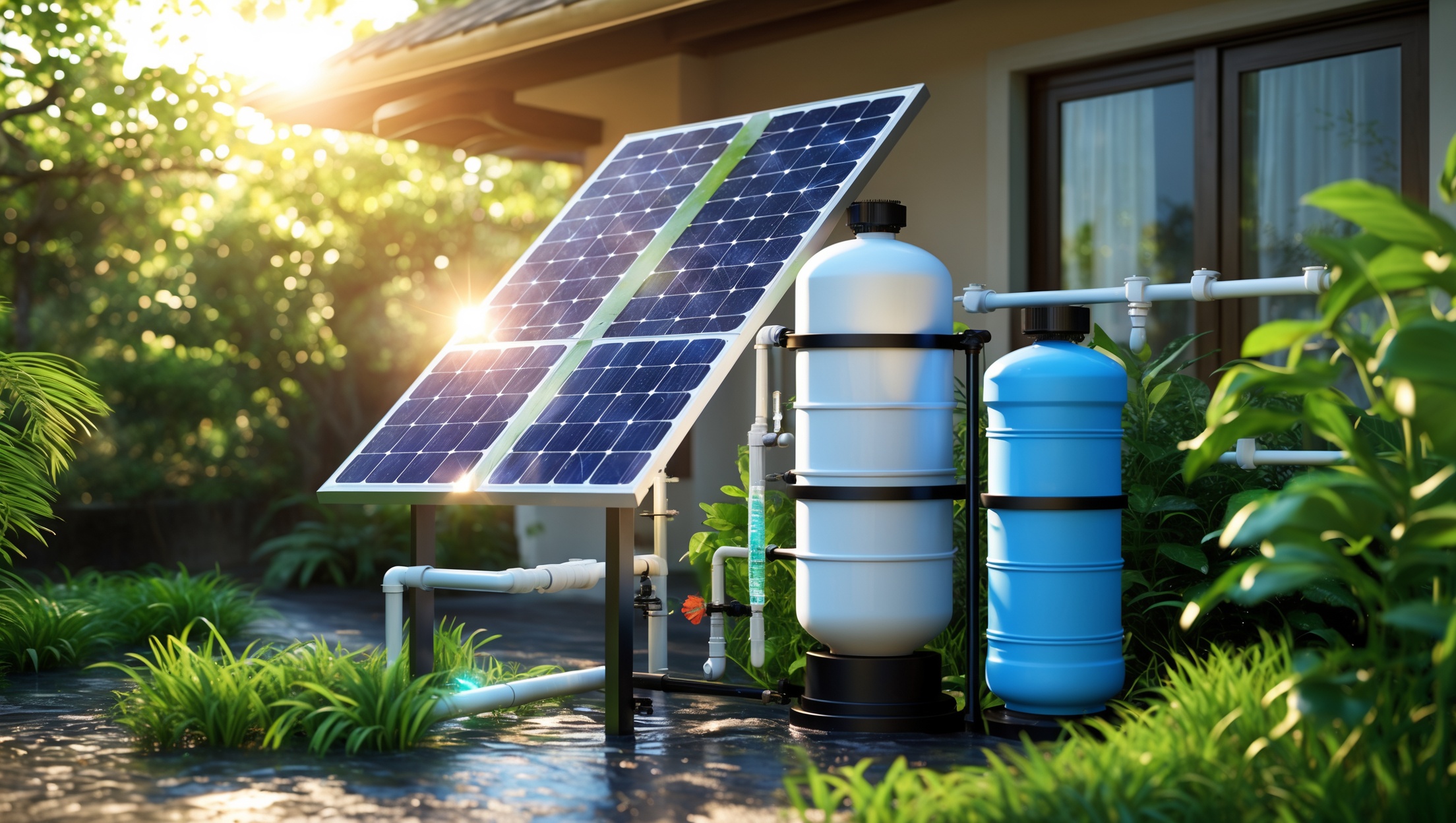
- Solar Panels: Convert sunlight into electricity to power pumps or UV sterilizers.
- Water Pump: Moves water from the source through the filters.
- Pre-Filters: Remove larger debris and sediments.
- Main Filtration Unit: May include activated carbon, reverse osmosis (RO) membranes, or ceramic filters.
- UV Sterilizer (optional): Uses ultraviolet light to kill bacteria and viruses.
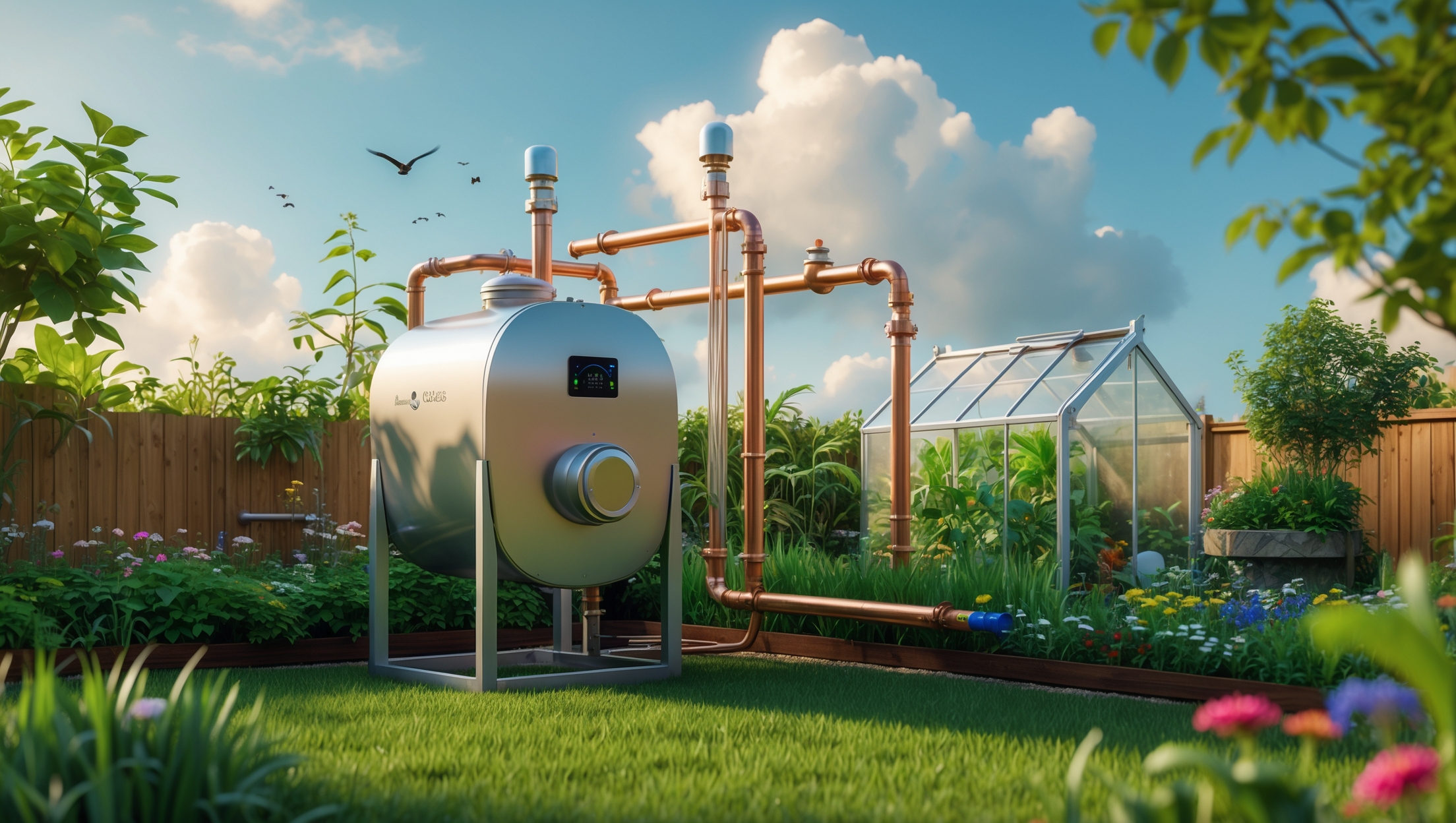
- Storage Tank: Holds filtered water for use.
- Control Systems: Monitor flow, pressure, and sometimes water quality.
Common System Types
- Point-of-Entry (whole house)
- Point-of-Use (single faucet or appliance)
- Portable or emergency systems
Knowing your system’s configuration is the first step in effective maintenance. Always consult your manufacturer’s manual for model-specific recommendations.
Routine Maintenance Schedule
Daily & Weekly Checks
- Monitor Output: Ensure water flow and clarity meet expectations.
- Check Solar Panel Orientation: Confirm panels are unobstructed and facing the sun.
- Inspect for Leaks: Look for drips around joints, tanks, and tubing.
Monthly Tasks
- Clean Solar Panels: Wipe down panels with a soft cloth and water to remove dust, pollen, and debris. Avoid detergents that may damage coatings.
- Flush Pre-Filters: Backflush or rinse sediment and carbon pre-filters according to the manufacturer’s instructions.
- Test Water Quality: Use basic water test strips to check for turbidity, chlorine, or other contaminants.
Quarterly Tasks
- Replace Filters: Change sediment and carbon filters every 3–6 months, or as indicated by pressure gauges or flow rates.
- Inspect Pump & Electrical Connections: Tighten loose wires and look for corrosion at terminals.
- Check Storage Tank: Clean and sanitize tanks to prevent biofilm or algae growth, especially if sunlight exposure is possible.
Annual Maintenance
- Service UV Sterilizer: Replace UV bulbs annually, as their intensity diminishes over time.
- Deep Clean System: Disassemble and sanitize all water-contact components with a diluted bleach solution (per manufacturer guidelines).
- Professional Checkup: Consider hiring a certified technician for a comprehensive inspection, especially for complex or high-capacity systems.
Best Practices for Long-Term Performance
Keep Solar Panels at Peak Efficiency
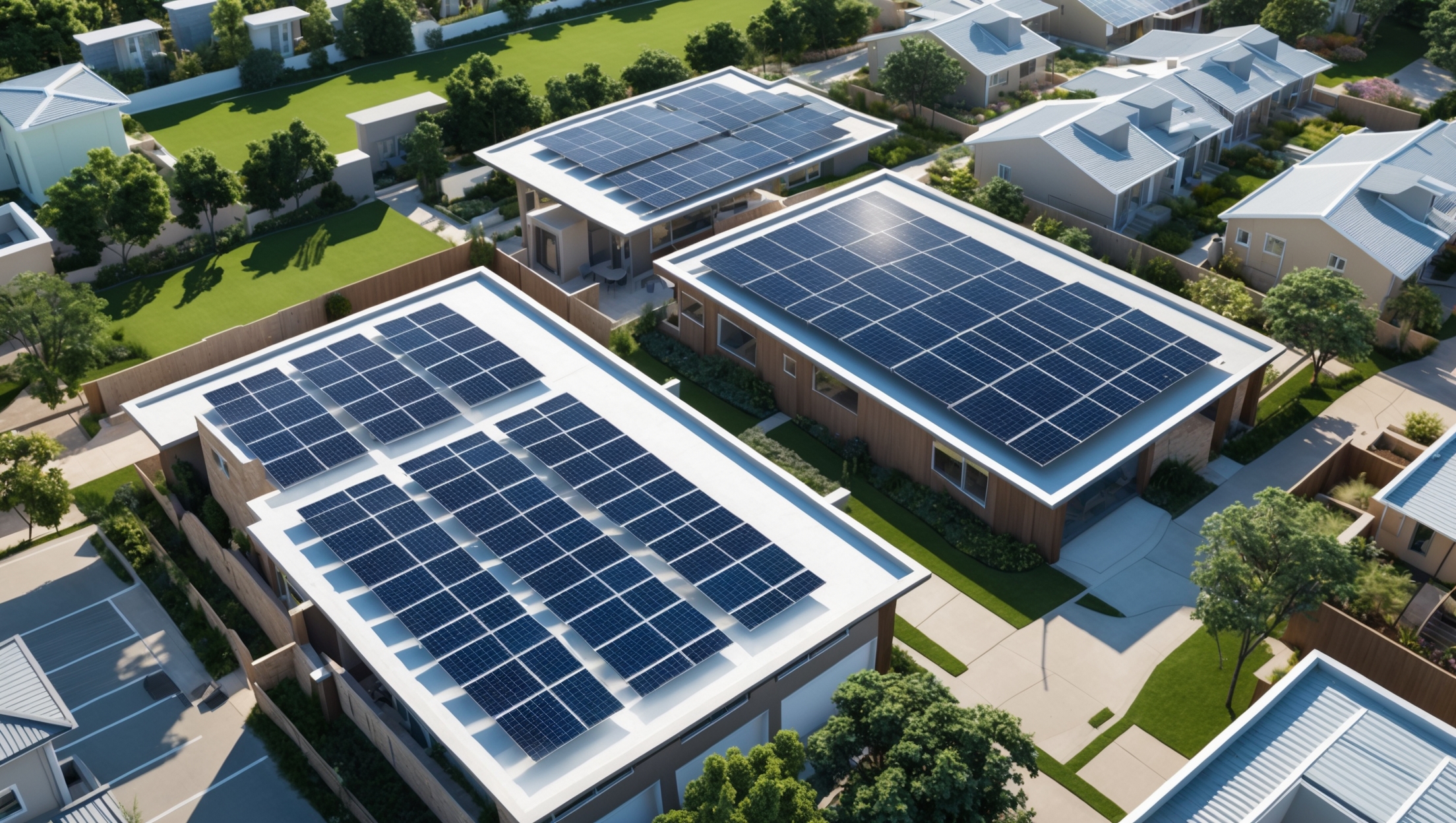
- Maintain unobstructed sunlight exposure by trimming nearby vegetation.
- Angle panels seasonally if possible for maximum solar gain.
- Check for and remove bird droppings or sap immediately, as these can cause hot spots.
Filter Management Strategies
- Maintain a log of filter changes and water test results.
- Stock spare filters so replacements are always on hand, especially in remote locations.
- If using RO membranes, flush with clean water regularly to prevent fouling.
Protect Against Freezing & Overheating
- Insulate exposed pipes and tanks in cold climates to prevent freeze damage.
- In hot regions, shield tanks and lines from direct sun to limit algae and microbial growth.
Safeguard Water Quality
- Test for bacteria, nitrates, and heavy metals at least annually with a certified lab.
- If using untreated surface water, consider double filtration (e.g., ceramic + carbon) followed by UV or chemical disinfection.
- Never bypass or remove safety devices like backflow preventers.
Troubleshooting Common Issues
Reduced Water Flow
- Likely Causes: Clogged filters, airlocks, pump failure, or solar power deficit.
- Actions: Check and replace filters, purge air from lines, inspect pump, and verify solar panel output.
Poor Water Taste or Odor
- Likely Causes: Exhausted carbon filter, biofilm buildup, or contaminated source water.
- Actions: Replace filters promptly, clean tanks, and test source water quality.
Cloudy or Discolored Water
- Likely Causes: Sediment breakthrough, expired filters, or corroded plumbing.
- Actions: Replace filters, flush lines, and inspect metal fittings for rust.
No Power or System Shutdown
- Likely Causes: Solar panel shading, loose wiring, blown fuses, or dead batteries (if off-grid).
- Actions: Clear panel obstructions, tighten connections, replace fuses, or check battery health.
Seasonal Maintenance Considerations
Spring & Summer
- Clean panels more often due to pollen and dust accumulation.
- Inspect tanks for algae growth as temperatures rise.
- Check all seals and gaskets for leaks after winter contractions.
Fall
- Remove fallen leaves from around panels and water intake points.
- Test tank heaters or insulation in preparation for cold weather.
- Flush system before winter to remove built-up sediment.
Winter
- Monitor for ice blockages in pipes and pumps.
- Keep snow and ice off solar panels for consistent energy production.
- If system is not in use, drain and store components to prevent freeze damage.
Sanitizing and Safe Handling Tips
- Wear gloves and safety glasses when handling chemicals or cleaning tanks.
- Use only food-grade sanitizers; never use industrial bleach or harsh solvents.
- Flush thoroughly after sanitizing to remove all cleaning residues before drinking water passes through.
- Label all system components clearly to avoid cross-contamination.
Record-Keeping and System Monitoring
Maintaining a maintenance log is invaluable. Record each filter change, cleaning, water quality test, and any repairs made. Many modern systems include digital monitoring—use these features to track flow rates, filter life, and power production. For manual systems, establish a simple checklist and calendar reminders to stay on track. Good records help diagnose problems early, track performance trends, and support warranty claims.
When to Call a Professional
While most routine maintenance can be handled by a diligent homeowner, some situations call for expert intervention:
- Persistent low flow or pressure despite filter changes
- Electrical faults beyond basic wiring checks
- Water contamination that persists after thorough cleaning
- Complex repairs to pumps, UV units, or control systems
- Annual safety and performance inspections, especially for systems supplying drinking water
Don’t hesitate to seek professional help when your health or system safety is at stake.
Proactive Upgrades for Future-Proofing
- Install sediment pre-filters if your water source is prone to turbidity spikes.
- Add battery backup for solar power if you experience frequent cloudy periods or outages.
- Upgrade to smart monitoring devices for real-time alerts and maintenance reminders.
- Consider integrating rainwater harvesting for additional supply and system resilience.
Conclusion: Sustainable Water, Sustainable Future
A home solar water filtration system is more than just a green technology—it’s a commitment to safeguarding your family’s health and reducing your environmental impact. But like any sophisticated system, it demands stewardship. By following the maintenance best practices outlined above, you not only protect your investment but also ensure a reliable supply of safe, clean water, all powered by the sun. Routine care—cleaning panels, changing filters, testing water, and keeping records—pays dividends in performance, peace of mind, and sustainability.
Remember, maintenance isn’t just about fixing problems; it’s about preventing them. Proactive attention to your system keeps small issues from becoming costly failures and helps you adapt to changing seasons and water conditions. Embrace a mindset of regular upkeep, and your solar water filtration system will reward you with years of dependable service and a lighter footprint on the planet. Sustainable water is foundational to a sustainable future—let your system shine, and so will your green lifestyle.