

Introduction: The Power of Solar-Powered Rain Barrel Irrigation
Water is one of the most precious resources for any gardener. As climate change affects rainfall patterns and municipal water prices rise, sustainable gardeners are seeking eco-friendly solutions to maintain healthy, thriving gardens. One innovative approach combines two proven green technologies: rainwater harvesting and solar-powered pumping. By setting up a solar-powered rain barrel irrigation system, you can efficiently collect and distribute rainwater to your garden beds using renewable energy, dramatically reducing your environmental footprint and water bill. This system is particularly valuable in regions facing drought or water restrictions, but its benefits extend to any home gardener who wants to maximize sustainability.
In this comprehensive, step-by-step guide, you’ll learn how to design, assemble, and maintain a solar-powered rain barrel irrigation system tailored to your garden’s needs. We’ll cover essential equipment, optimal placement, irrigation planning, solar panel sizing, smart automation, and troubleshooting. Whether you’re a sustainability enthusiast or a practical homeowner looking to save money and resources, this guide provides the expertise and detail you need to implement a reliable, efficient, and environmentally responsible irrigation system.
Understanding the System: How Solar-Powered Rain Barrel Irrigation Works
Core Components
- Rain Barrels: Food-grade barrels or tanks that collect runoff from your roof via gutters and downspouts.
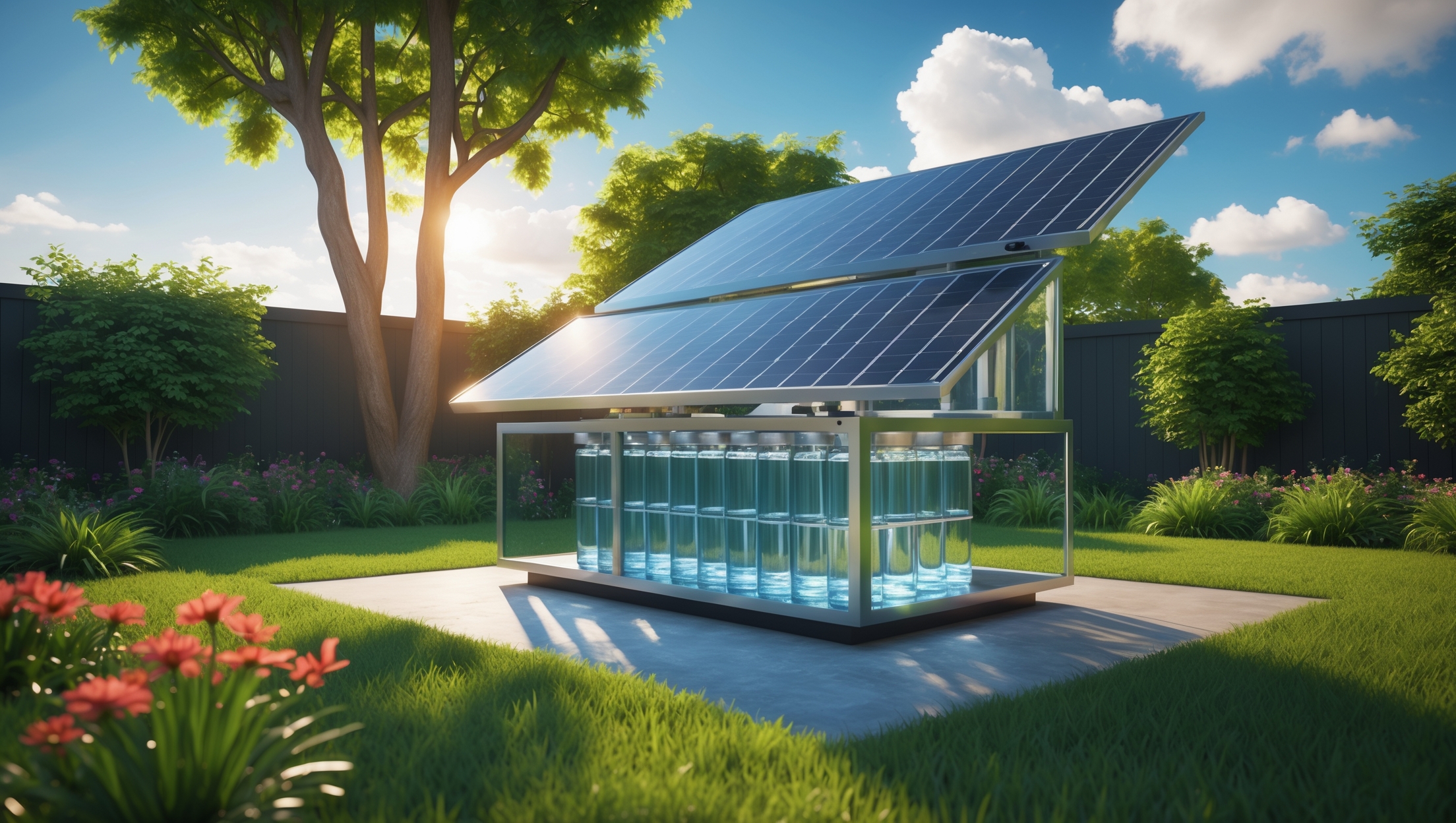
- Solar Pump: A DC-powered water pump that moves stored rainwater from the barrel to the garden beds. Powered by a dedicated solar panel.
- Solar Panel: Photovoltaic panel sized to provide sufficient power for your pump, often with a charge controller and battery for consistent operation.
- Irrigation Lines: Tubing, drip emitters, or soaker hoses that distribute water evenly across your garden beds.
- Filtration and Overflow: Screens, filters, and overflow hoses ensure clean water and prevent barrel flooding.
Why Solar Power?
Solar energy allows complete off-grid operation, eliminating the need for electrical outlets or extension cords. Solar-powered pumps run when the sun shines—usually when your plants need water the most. With a battery backup, you can also irrigate on cloudy days and at night. This setup is ideal for maximizing sustainability and minimizing ongoing costs.
Planning Your System: Assessing Needs and Sizing Components
Step 1: Calculate Your Water Demand
- Garden Size: Measure the area (in square feet or meters) you intend to irrigate.
- Plant Types: Note if you’re growing water-intensive vegetables or drought-tolerant natives.
- Typical Usage: Most vegetable gardens require 1–1.5 inches (25–38mm) of water per week. Calculate weekly volume: Area (sq ft) × 0.62 × inches needed.
Step 2: Estimate Rainwater Collection Potential
- Roof Area: Multiply your roof catchment area (in sq ft) by average monthly rainfall (in inches), then by 0.62 to convert to gallons.
- Barrel Sizing: Choose enough barrel capacity to capture expected rainfall between irrigation cycles. Multiple barrels can be linked for greater capacity.
Step 3: Select a Solar Pump
- Flow Rate: Match pump output (gallons or liters per hour) to your irrigation system’s needs. Drip systems often require low flow (40–100 GPH), while sprinklers need more.
- Lift Height: Measure the vertical distance from barrel water level to the highest emitter. Ensure the pump can deliver adequate flow at this height.
- Power Rating: Sum pump wattage and runtime to estimate daily energy needs.
Step 4: Size Your Solar Panel and Battery (Optional)
- Solar Panel: For a 12V, 10W pump running 2 hours a day: 10W × 2h = 20Wh/day. Factor in inefficiencies and cloudy days; a 30-50W panel is typical.
- Battery: Optional but useful for cloudy days or scheduled nighttime watering. Choose a deep-cycle battery sized for at least 2–3 days of autonomy.
Gathering Tools and Materials
- Rain barrels or food-grade storage tanks (with spigots and overflow fittings)
- Solar panel (with mounting hardware)
- DC water pump (submersible or inline, as per barrel design)
- Charge controller (if using a battery)
- Deep-cycle battery (optional, for nighttime/backup power)
- Irrigation tubing (1/4″ or 1/2″ poly tubing, connectors, and stakes)
- Drip emitters, micro-sprayers, or soaker hoses (as needed)
- Inline filter
- Gutter diverter kit (for easy rain barrel filling)
- Overflow hose (direct excess water away from foundations)
- Basic tools: drill, hole saw, screwdriver, pliers, mounting brackets
- Waterproof electrical connectors (if wiring outdoors)
Site Preparation and Placement
Optimal Barrel Placement
- Place barrels under downspouts for maximum rainwater capture.
- Ensure barrels are elevated on sturdy platforms (cinderblocks, concrete pads, or wooden stands). Elevation increases gravity flow and makes pump installation easier.
- Leave enough clearance behind barrels for cleaning and maintenance.
- Position overflow hoses to direct excess water away from your home’s foundation.
Solar Panel Mounting
- Mount the panel in a sunny, south-facing location with minimal shading.
- Use roof, wall, or ground mounts as appropriate. Tilt the panel to match your latitude for maximum year-round output.
- Run wiring through UV-resistant conduit to protect cables from weather and animals.
Step-by-Step Installation
1. Prepare and Install Rain Barrels
- Clean barrels thoroughly before first use.
- Install a screened inlet under the downspout to filter leaves and debris.
- Add a spigot near the barrel’s base for pump connection; install an overflow fitting near the top.
- If linking multiple barrels, connect them using bulkhead fittings and short sections of hose or PVC pipe.
2. Set Up the Solar Pump
- Mount the pump inside the barrel (submersible) or beside it (inline), depending on the model.
- Connect the pump’s intake to the barrel spigot or a dedicated suction port. Use filters to prevent clogging.
- Route the pump output to your main irrigation line.
3. Install the Solar Power System
- Mount the solar panel securely, orienting it for maximum sun exposure.
- If using a battery, mount it in a weatherproof enclosure near the system. Connect the panel to the charge controller, then to the battery and pump.
- Use waterproof connectors and tidy up all wiring to prevent tripping hazards and water damage.
4. Lay Out and Connect Irrigation Lines
- Plan your irrigation network to reach all target garden beds.
- Lay mainline tubing along the garden perimeter and branch off to individual beds.
- Install drip emitters, soaker hoses, or micro-sprayers as needed, matching flow rates to plant requirements.
- Add an inline filter at the start of the irrigation line to keep emitters from clogging with fine debris.
- Test the system for leaks and even coverage.
5. Automate for Efficiency (Optional)
- Install a DC-compatible irrigation timer or moisture sensor to automate watering based on plant needs or weather conditions.
- Some systems offer Wi-Fi-enabled controllers for remote adjustments and monitoring.
Maintenance Best Practices
- Regularly clean barrel screens and filters to prevent clogging from leaves, pollen, and debris.
- Flush the irrigation lines at least once per season to remove sediment.
- Inspect and clean the pump intake every month during the growing season.
- Check solar panel surfaces for dust and bird droppings; clean gently with a soft cloth as needed.
- Monitor battery health (if used) and replace every 3–5 years for optimal performance.
- Drain barrels and lines before winter in freezing climates to prevent damage from ice expansion.
Troubleshooting Common Issues
- Low Water Pressure: Check for clogged filters or emitters, insufficient pump power, or airlocks in tubing. Elevating barrels can increase pressure.
- Pump Not Running: Confirm that the solar panel is receiving sunlight, check wiring connections, and verify battery charge. Replace faulty fuses or relays as needed.
- Uneven Water Distribution: Adjust emitter placement, clean lines, or rebalance flow rates. Consider installing pressure-compensating emitters for longer runs.
- Overflow/Leaks: Check all barrel seals, tighten hose connections, and ensure overflow lines are clear and properly directed.
Safety and Compliance Considerations
Water Quality and Mosquito Prevention
- Never use water from rain barrels for drinking, bathing, or edible foliage unless filtered and disinfected.
- Always keep inlets tightly screened to prevent mosquito breeding and debris entry.
- Add a layer of vegetable oil or mosquito dunks to standing water if needed (safe for plants, effective for pest control).
Local Regulations
- Check local ordinances regarding rainwater harvesting—some areas restrict usage or require permits.
- Ensure electrical installations comply with outdoor safety codes. Use GFCI outlets and weatherproof enclosures if connecting to AC power for battery charging.
Smart Upgrades and Innovations
- Rainwater First Flush Diverters: Direct the initial, dirtier runoff away from barrels to improve water quality.
- Solar-Powered Moisture Sensors: Automatically activate irrigation only when soil moisture falls below a set threshold.
- Expandable Modular Barrels: Link additional barrels as your water needs or garden size increases.
- Remote Monitoring: Use Wi-Fi-connected controllers to monitor water levels, battery status, and system operation from your smartphone.
Cost Considerations and ROI
- Rain Barrels: $40–$150 each (depending on size and material)
- Solar Pump Kit: $100–$300 (includes pump, panel, and controller)
- Battery (optional): $60–$150 for deep-cycle models
- Irrigation Supplies: $50–$150 (tubing, emitters, filters, etc.)
- Total Typical Cost: $250–$700 for a basic single-barrel system; $800+ for larger or fully automated systems.
While the upfront investment is higher than traditional hoses or manual watering, many gardeners recoup costs in 2–4 years through reduced water bills and improved plant health.
Conclusion: Growing Greener with Solar-Powered Rain Barrel Irrigation
Adopting a solar-powered rain barrel irrigation system is one of the most impactful steps you can take toward sustainable gardening. This approach harnesses free, renewable rainwater and solar energy, dramatically reducing reliance on municipal water supplies and grid electricity. The result is a resilient, eco-friendly garden that thrives even during periods of drought or water restrictions.
By carefully planning your system, selecting the right components, and following best installation and maintenance practices, you’ll enjoy reliable, automated watering with minimal ongoing effort. Over time, your investment pays off in lower water bills, healthier plants, and the satisfaction of knowing you’re helping conserve vital resources. Plus, the modular nature of these systems means you can expand or automate as your needs grow and technology evolves.
Whether you’re an urban gardener with limited space or a homesteader managing a large plot, solar-powered rain barrel irrigation offers a practical, scalable solution. Embrace this green technology to future-proof your garden, protect the environment, and enjoy the beauty and bounty of sustainable living, one drop at a time.

How often do problems like clogged filters or reduced water flow actually happen with these systems, and what’s the quickest way to troubleshoot these issues if I notice my garden isn’t getting enough water?
Clogged filters and reduced water flow are fairly common, especially if your water contains a lot of debris or the barrel isn’t covered. It’s a good idea to inspect filters every couple of weeks. If you notice lower water flow, first check for debris in the filter and clean it out. Also, inspect tubing for blockages and ensure the pump’s solar panel is clean and positioned for maximum sunlight.
I’m really interested in how automation fits into this system. Could you explain what kind of smart automation features are possible and how complex it is to add them to a basic solar-powered rain barrel irrigation system for a beginner?
You can definitely add smart automation to a solar-powered rain barrel irrigation system, even as a beginner. Common features include programmable timers, soil moisture sensors that trigger watering automatically, and remote control via smartphone apps. Many irrigation controllers are designed for DIY installation and are compatible with 12V systems, which work well with solar setups. Integrating basic automation usually involves connecting a smart controller and sensors to the pump—no advanced wiring needed. It’s a manageable upgrade, especially with kits made for home gardeners.
For someone on a tight budget, are there any tips for sourcing affordable food-grade barrels and solar pumps without sacrificing safety or efficiency in the system?
You can often find affordable food-grade barrels by checking with local food manufacturers, bakeries, or restaurants—many sell or even give away used barrels. For solar pumps, look for secondhand options on community marketplaces or consider off-brand models with good reviews. Just make sure any barrel previously held food (not chemicals), and check pump specifications to match your garden size for efficient watering.
When it comes to the solar-powered pump, are there certain models or features that work better for home gardeners on a tight budget? I want to keep this affordable but also reliable over the long term.
For home gardeners on a budget, look for solar pumps labeled as submersible with a flow rate around 150-300 gallons per hour—these are usually affordable and suitable for most rain barrel systems. Features like a built-in rechargeable battery and automatic shut-off help with reliability. Brands such as ECO-WORTHY and VIVOSUN often offer cost-effective options. Check product warranties and user reviews to ensure long-term performance.
You mention using food-grade barrels for collecting rainwater. Are there specific types of barrels that work best for this purpose, or could I repurpose something like a used plastic drum as long as it’s cleaned and wasn’t used for anything toxic?
You can repurpose a used plastic drum as long as it’s food-grade and hasn’t previously stored any toxic or hazardous materials. The best barrels are those labeled as food-safe HDPE (high-density polyethylene). Make sure the drum is thoroughly cleaned to remove any residues before use. Avoid barrels that held chemicals, oils, or non-food substances, as these can leave harmful residues.
How much time should I realistically expect to spend assembling and fine-tuning this whole system in an average suburban yard if I’m handy but new to irrigation projects?
If you’re handy but new to irrigation projects, you can expect to spend about 6 to 8 hours assembling and fine-tuning the solar-powered rain barrel irrigation system in an average suburban yard. This includes setting up the rain barrel, installing the solar pump, laying out drip lines, and adjusting emitters for optimal watering. Allow extra time for testing the system and making minor tweaks to coverage or flow rates.
For someone whose garden beds are on a slope, does the system described in the guide discuss how to ensure even water distribution, or would I need additional equipment like pressure regulators?
The guide mainly focuses on setting up a basic solar-powered rain barrel system and doesn’t go into detail about managing sloped gardens. For sloped beds, water can flow unevenly, so you might need extra equipment like pressure regulators or drip emitters with built-in regulators to ensure all areas receive the same amount of water. This will help prevent overwatering at the bottom and underwatering at the top of your slope.
Could you offer any advice on preventing clogs in the rain barrel system, like what kind of screens or filters work best if you have lots of debris from trees on your roof?
To prevent clogs from tree debris, install a fine mesh screen over the rain barrel’s inlet—stainless steel mesh with small openings (about 1/16 inch) works well for blocking leaves and twigs. You might also consider a downspout filter or a leaf separator, which diverts larger debris before it reaches the barrel. Regularly check and clean both the screen and gutters to keep the system running smoothly.
What are some effective filtration options to keep sediment and roof debris from clogging the drip emitters, especially if I’m using water directly from the rain barrel as suggested in your guide?
To keep sediment and roof debris from clogging your drip emitters, consider installing a fine mesh screen or filter at the rain barrel’s inlet to catch larger debris right away. Additionally, an inline filter placed before your drip irrigation line is very effective for trapping smaller particles. Cleaning these filters regularly will ensure your system runs smoothly and your emitters stay clear.
I noticed the guide mentions using a dedicated solar panel with a charge controller and battery for the pump. Is it possible to run the pump directly from the panel without a battery if I only want to irrigate during sunny hours, or is the battery essential for reliable operation?
You can technically run the pump directly from the solar panel if you only want to irrigate when the sun is shining. However, the pump’s performance will depend entirely on sunlight intensity, which can fluctuate with passing clouds or changes in weather. A battery provides consistent power and allows you to irrigate even during brief cloudy periods or at specific times, making the system much more reliable overall.
How much has this system typically cost people to put together if they’re sourcing parts locally versus buying a full kit? I’m trying to see if it’s more budget-friendly to DIY or buy a pre-assembled setup.
Sourcing parts locally for a DIY solar-powered rain barrel irrigation system can cost between $120 and $250, depending on the quality and availability of materials. Pre-assembled kits often range from $250 to $400. DIY is usually more budget-friendly, but requires more time and effort for assembly and troubleshooting. Pre-assembled kits offer convenience and guaranteed compatibility, but at a higher price.
For a small business like mine in an area with moderate rainfall but occasional droughts, how much stored rainwater does a typical system hold, and roughly how many days of irrigation can I expect from a full barrel?
A standard rain barrel usually holds about 50 to 60 gallons of water. For a small business garden, this amount can provide irrigation for 2 to 4 days, depending on the size of your garden and how much water your plants need daily. If you experience longer droughts or have a larger area, consider connecting multiple barrels to increase your water storage and extend your irrigation capacity.
If my area gets occasional heavy downpours, what’s the best way to handle overflow so I don’t end up with flooding or wasted water? I saw overflow mentioned but would love more practical details.
To manage overflow from your rain barrel during heavy downpours, install an overflow hose or pipe near the top of the barrel. Direct this hose away from your house and garden beds, ideally towards another rain barrel, a rain garden, or a safe drainage area. You can also use a diverter on your downspout to automatically redirect excess water once the barrel is full. Regularly check that the overflow route remains clear.
If my garden is partially shaded for most of the day, will the solar-powered pump still work effectively, or should I plan on installing a battery or backup system?
In a garden that gets mostly partial shade, the solar-powered pump may not receive enough sunlight to run efficiently throughout the day. To make sure your irrigation is consistent, it’s a good idea to install a battery backup or a hybrid system. This way, your pump can store energy when the sun is out and keep working even during cloudy periods.
What kind of maintenance do these solar-powered rain barrel systems need through the year, especially in places with freezing winters? I want to make sure I avoid any damage to the pump or barrel.
To keep your solar-powered rain barrel system in good shape, regular maintenance is key. Throughout the year, clear debris from gutters and barrel filters, and check for leaks or cracks. Before freezing weather arrives, fully drain the barrel, remove and store the pump indoors, and disconnect any hoses. This prevents ice damage to both the barrel and electrical components. In spring, simply reconnect everything and check that the solar panel is clean and functioning.
If I notice reduced water pressure at the furthest drip emitters, what troubleshooting steps would you suggest to optimize even distribution throughout larger garden beds?
To improve water pressure at the furthest emitters, start by checking for clogs in the drip lines and emitters. Ensure your mainline tubing is wide enough for your garden’s size. Try raising the rain barrel slightly to increase gravity-fed pressure. If your system allows, install a small solar-powered pump to help maintain steady flow across all emitters.
How much assembly time should I set aside to put together this kind of irrigation setup? I’m running my small business mostly alone and want to make sure I can finish installation without too much downtime.
For a small business owner working solo, you should plan for about 6 to 8 hours to assemble and install the solar-powered rain barrel irrigation system, assuming all parts and tools are ready. This includes setting up the barrel, connecting the solar pump and panels, laying out irrigation lines, and testing the system. You might find it helpful to split the project over two days if you want to minimize business downtime.
What would you estimate as a realistic budget range for assembling a complete solar-powered rain barrel irrigation system for a medium-sized garden? I want to understand the typical costs for core components versus any optional upgrades mentioned in the guide.
For a medium-sized garden, assembling a basic solar-powered rain barrel irrigation system usually costs between $200 and $400. This covers core components like the rain barrel, solar pump kit, tubing, and basic drip irrigation supplies. If you want optional upgrades such as smart controllers, larger solar panels, or water filters, expect to add another $100 to $250 depending on your choices. These estimates should help you plan your budget more confidently.
Could you clarify what capacity rain barrel you recommend for a medium-sized vegetable garden, and how that might affect the size of the solar panel and pump needed to ensure consistent irrigation?
For a medium-sized vegetable garden, a rain barrel with a capacity of 50 to 75 gallons usually works well. This size provides enough water storage for most needs without taking up too much space. The solar panel should be around 10 to 20 watts to reliably power a small 12V pump suitable for this barrel size. Make sure your pump can handle the flow rate your irrigation setup requires. Larger barrels may need slightly more powerful pumps and panels.
How often should the filters and screens in the rain barrel system be cleaned or replaced to ensure consistent water flow, especially if I’m using drip irrigation lines?
For optimal performance, especially with drip irrigation lines, it’s best to check and clean the filters and screens every two to four weeks during the growing season. If you notice reduced water flow or after heavy rainfall, inspect them sooner. Replace any damaged filters or screens as soon as you see wear to prevent clogs and maintain steady water flow.
After reading about adding a charge controller and battery for consistent operation, I’m curious: how much extra does that usually add to the upfront cost of the system for a typical home garden setup in the US?
Including a charge controller and battery in your solar-powered rain barrel irrigation system usually adds about $100 to $250 to the initial cost, depending on the battery capacity and controller quality. For a typical home garden, expect a basic charge controller to cost around $20–$40, while a suitable deep-cycle battery can range from $80 to $200.
Once the system is set up, how much regular maintenance is required to keep it running efficiently—are there common troubleshooting tasks to expect, like cleaning the solar panel or checking the battery, and if so, how often?
After setting up your solar-powered rain barrel irrigation system, regular maintenance is fairly minimal but important. You should clean the solar panel every few months to remove dust and debris, ensuring it captures sunlight efficiently. Check the battery connections and water pump about once a month for corrosion or blockages. Also, inspect filters and hoses regularly for clogs or leaks, and clear them as needed. These simple checks help keep your system running smoothly.
Does the system require any special winterizing steps to protect the solar pump or irrigation lines in regions that experience hard freezes? I’d like to install this in Pennsylvania and want to make sure nothing gets damaged over winter.
Yes, in regions like Pennsylvania where hard freezes occur, it’s important to winterize your solar-powered rain barrel irrigation system. Drain all water from the barrel, pump, and irrigation lines to prevent freezing and cracking. Disconnect and store the solar pump, battery, and any electronic components indoors. Also, cover any exposed pipes or fittings to protect them from snow and ice. This will help ensure your system stays in good condition for the next season.
In regions with less consistent sunlight, what are some practical tips for ensuring the pump runs reliably on cloudy days? Should I be upsizing the solar panel or adding a bigger battery buffer?
In areas with frequent cloudy weather, it’s wise to both increase your solar panel size and add a larger battery for extra energy storage. A bigger panel helps capture more sunlight during limited sun hours, while a larger battery ensures your pump has enough power stored for use on overcast days. Combining these upgrades will give your system more reliability during inconsistent sunlight.
How often do you need to clean the filters and screens in this kind of system to keep everything running smoothly, especially during peak growing seasons?
To keep your solar-powered rain barrel irrigation system running smoothly, it’s best to check and clean the filters and screens every two weeks during peak growing seasons. If you notice a drop in water flow or see visible debris, clean them more frequently. Regular maintenance prevents clogs and ensures your garden stays well-watered.
You mention that this system can help in drought-prone areas—do you offer tips on maximizing rainwater collection during drier seasons, maybe by linking multiple barrels or retrofitting existing ones?
Absolutely, maximizing rainwater collection is key during drier seasons. Linking multiple barrels together is a great idea, as it increases your storage capacity. You can connect barrels in series with simple hose or pipe fittings. Retrofitting existing barrels by adding screened diverters to downspouts and using first-flush devices also helps capture and store more water while keeping debris out. Placing barrels under multiple roof downspouts can further boost collection.
For a small business on a tight budget, what would you say are the most essential components to invest in first when setting up this system, and are there any recommended DIY shortcuts for the initial setup?
For a small business on a budget, prioritize a sturdy rain barrel, a basic solar panel with a compatible small pump, and essential tubing for water distribution. You can save costs by repurposing food-grade barrels and using simple mesh screens to filter debris. For the solar setup, consider DIY mounting materials and start with manual irrigation before adding timers or automation as your budget allows.
Would this system still function on cloudy days if there is a battery connected, or would water delivery to my garden slow down? I’m in the Pacific Northwest and worry about inconsistent sunlight for the solar panel.
If your setup includes a battery, the system can still function on cloudy days by drawing power from stored energy. Water delivery should remain consistent as long as the battery is adequately sized and charged. For the Pacific Northwest, consider using a larger battery or higher-capacity solar panel to compensate for frequent overcast conditions and ensure reliable irrigation.
Could you share any tips for choosing the right type and size of rain barrel if I have very limited space next to my house? Are there alternatives to the standard food-grade barrels you mention?
If you’re tight on space, look for slimline or corner rain barrels, which fit snugly along walls and take up much less room than traditional round barrels. For alternatives, compact water butts or collapsible rainwater tanks can work well. Some people even use stackable containers designed for water storage. Just be sure whatever you choose is UV-resistant and safe for storing water used in the garden.
For someone who wants to automate the irrigation process, does this system support smart features like soil moisture sensors or timers, and do those require extra solar power or batteries?
The basic solar-powered rain barrel system described in the article can be upgraded with smart features like soil moisture sensors or automatic timers. These add-ons often require a bit of extra power, so you may need a larger solar panel or an additional battery to keep everything running smoothly, especially if you want the sensors to operate continuously.
For the solar panel sizing part, how do you figure out the right wattage if your garden layout changes seasonally or if you want to expand? Is there a good way to future-proof your system?
To accommodate seasonal changes or future expansion, it’s smart to size your solar panel with extra capacity. Start by estimating your current power needs, then add 25–50% to cover additional pumps or longer watering times. Also, choose a charge controller and battery that can handle more input if you add panels later. This way, your system remains flexible as your garden grows or your layout changes.
If my garden only gets direct sunlight for part of the day, will the solar-powered pump still work reliably, or would I need to add a battery or backup option to keep my irrigation consistent?
If your garden only gets direct sunlight for part of the day, the solar-powered pump may not run consistently unless it receives enough sun during those hours. Adding a battery backup is a smart option, as it stores extra solar energy for use when sunlight is limited. This ensures your irrigation schedule stays reliable even on cloudy days or during shorter sunlight periods.
If my area has frequent cloudy stretches, will a basic solar-powered setup still keep my garden watered, or should I be using a battery backup as described in your guide?
If your area experiences frequent cloudy days, relying solely on a basic solar-powered system might lead to inconsistent watering, especially during longer periods without sun. Adding a battery backup as described in the guide is a good idea. It will store excess energy generated on sunnier days and keep your irrigation system running smoothly, even when the solar panel isn’t producing much power.
Could you elaborate on the types of filters needed for the rain barrels? I’m concerned about preventing clogs in my drip lines, especially if my roof has a lot of debris after storms.
To prevent clogs in your drip lines, it’s a good idea to use a multi-stage filtration system. Start with a coarse mesh screen at the top of your rain barrel to catch large debris like leaves and twigs. Install a finer mesh or sediment filter inline before the water exits to your irrigation system—this helps trap smaller particles. For extra protection, you can add a drip irrigation filter just before the drip lines to ensure only clean water enters. Regularly check and clean all filters, especially after storms when roof debris is more common.
Can you explain how to figure out the right size solar panel and pump for a bigger garden, or if there’s a formula to match the pump power with the total length of irrigation lines?
To size your solar panel and pump, estimate your garden’s daily water needs, the height water must be lifted, and the length and type of irrigation lines. The pump’s flow rate (liters per hour or GPH) should match your watering needs, and its power (watts) depends on both flow rate and lift height. For solar panels, add 20–30% extra wattage above the pump’s requirement to ensure reliability. While there’s no single formula, you can use: Pump Power (W) = (Flow Rate × Height × 9.8) ÷ (Pump Efficiency × 3600). Longer lines and higher lifts usually need stronger pumps.
I’m new to irrigation systems and not sure how to size the solar panel and pump for my rain barrel setup. Could you give some examples or a basic formula for figuring out what size components I’ll need for a small backyard garden?
To size your solar panel and pump, first estimate how much water your garden needs daily—typically 1-2 gallons per square foot. Select a pump that can deliver that total volume in an hour. For the solar panel, check the pump’s wattage (for example, a 12V, 20W pump) and multiply by the hours it will run per day to get daily watt-hours. Choose a solar panel that generates at least that amount, factoring in extra (about 25%) for cloudy days.
I’m curious about how you handle filtration to keep debris from clogging the irrigation lines, especially if the rain barrels collect a lot of roof runoff. Do you have experience with certain filters or maintenance routines that work best for long-term reliability?
To prevent clogging, it’s best to use a fine mesh screen over the barrel inlet to catch larger debris like leaves. Inside the barrel, a simple inline filter or drip irrigation filter on the outlet line helps trap smaller particles. Check and rinse these filters every few weeks, especially after heavy rainfall, and clean the barrel seasonally to keep the system running smoothly.
If I want to automate watering times using the solar-powered pump, what kind of smart automation tools or timers work best with this setup?
To automate your solar-powered pump, look for a smart irrigation timer or controller compatible with DC-powered pumps. Some models can be powered directly by your solar system or with rechargeable batteries. Choose a timer that allows you to set custom schedules and, if possible, has weather-based adjustments. WiFi-enabled smart timers can offer remote control via an app, making it easy to manage watering times from anywhere.
Could you explain more about how filtration works in this setup? I’m concerned about leaves and debris from my gutters clogging the pump or irrigation lines—are there specific filters or screens you recommend?
Filtration is really important in a rain barrel irrigation setup to prevent clogs from leaves and debris. The article describes using a gutter screen or mesh at the top of your downspout to catch larger debris before it enters the barrel. Inside the barrel, you can add a fine mesh filter or a basket strainer at the intake to catch smaller particles. Before water enters the pump or irrigation lines, a secondary inline filter is recommended for extra protection. These filters are widely available at garden centers and are easy to clean regularly.
The filtration and overflow part was mentioned briefly—could you give more detail about what kind of filters or screens work best for keeping debris out of the pump, and how often they need to be cleaned or replaced for trouble-free operation?
For keeping debris out of the pump, fine mesh screens or pre-filters designed for rain barrels work well. Stainless steel mesh is durable and resists clogging. Alternatively, nylon mesh filters are a budget-friendly choice. Clean the filter every 1–2 weeks during heavy rainfall, or monthly in dry periods. Replace nylon screens yearly or when damaged, while stainless steel types typically last several years with regular cleaning.
You mention smart automation in the guide. Is there a way to set the solar-powered system to water only when the soil is dry, and if so, what additional equipment would I need to automate that?
Yes, you can automate your solar-powered rain barrel system to water only when the soil is dry by adding a soil moisture sensor and a compatible irrigation controller. The sensor monitors soil moisture, and the controller activates the pump only when watering is needed. Look for battery- or solar-powered controllers that can integrate with moisture sensors and control a low-voltage pump. This setup minimizes water waste and keeps your garden healthy.
For the solar-powered pump setup, how do you determine the correct solar panel and battery size to ensure consistent irrigation if we get several cloudy days in a row?
To size your solar panel and battery, first estimate your pump’s daily energy use in watt-hours. Multiply this by the number of cloudy days you want backup for—usually 2 or 3. Choose a battery with that total capacity. For the solar panel, select one that can recharge the battery in one sunny day, factoring in panel efficiency and average sunlight hours. Oversizing slightly helps ensure reliability during less sunny periods.