

Introduction: The Promise—and Responsibility—of Home Hydrogen Fuel Cells
Hydrogen fuel cell technology is emerging as a powerful solution for home backup energy, offering clean, reliable power that reduces dependence on fossil fuels and grid instability. As renewable energy systems become more affordable and grid blackouts more frequent, homeowners are increasingly exploring hydrogen fuel cells as an alternative or supplement to solar, wind, or battery storage. However, hydrogen is a unique energy carrier, with distinct properties and risks compared to other energy storage solutions. Its flammability, storage requirements, and system complexity demand a rigorous approach to safety. Failing to account for these specifics can lead to property damage, health hazards, or even catastrophic accidents. This comprehensive checklist is designed for homeowners, installers, and DIY enthusiasts committed to sustainable living and safety in the installation of home hydrogen fuel cell backup systems. From site selection and ventilation to electrical integration and emergency protocols, this guide ensures you cover every critical aspect before, during, and after installation.
Why Hydrogen? Advantages and Safety Challenges
Key Benefits of Home Hydrogen Fuel Cells
- Zero-emission operation: The only byproduct is water vapor, making it ideal for eco-conscious households.
- Quiet, low-maintenance performance: Unlike generators, fuel cells have no moving parts, reducing noise and wear.
- High energy density: Hydrogen stores more energy per kilogram than traditional batteries, allowing for compact backup solutions.
- Grid independence: Provides reliable backup during outages, especially when paired with renewable hydrogen production.
Unique Safety Concerns
- Flammability: Hydrogen ignites at low concentrations and burns with an invisible flame.
- High pressure: Storage tanks operate at up to 700 bar (10,000 psi), requiring robust containment.
- Diffusion: Hydrogen molecules are tiny; leaks can occur through seals or fittings unnoticed.
- Ventilation: Accumulation in enclosed spaces can create explosion hazards.
Site Selection and Preparation
Checklist: Choosing the Right Location
- Distance from living spaces: Install at least 3 meters (10 feet) from bedrooms, kitchens, or high-traffic areas.
- Accessibility: Ensure easy access for maintenance, inspection, and emergency response.
- Structural integrity: Confirm the floor can handle the weight of tanks and equipment (typically 200–500 kg for small systems).
- Non-combustible surroundings: Avoid placing near flammable materials, wooden walls, or cluttered storage.
- Weather protection: Sheltered but well-ventilated areas like detached garages or outdoor enclosures are ideal.
- Flooding risk: Avoid basements or low-lying locations prone to water ingress, which can compromise electrical systems and tank safety.
Pre-Installation Preparation
- Permits and codes: Consult local building and fire authorities for compliance. Codes often require setbacks, vent sizing, and signage.
- Professional inspection: Engage a certified hydrogen system installer or inspector before proceeding if you lack experience.
- Emergency planning: Map out clear exit routes and ensure fire extinguishers (Class B/C or hydrogen-rated) are nearby.
Hydrogen Storage Safety
Checklist: Storage Tank and Cylinder Precautions
- Certified tanks: Use only tanks certified to standards such as ISO 11119 or ASME Section VIII for hydrogen service.
- Pressure rating: Confirm all components match the maximum operating pressure.
- Secure mounting: Anchor tanks to stable surfaces to prevent tipping or impact during earthquakes or accidents.
- Protection from heat and sunlight: Shield tanks from direct sun and heat sources to limit pressure fluctuations.
- Regular inspection: Check for corrosion, damage, or expired certification (tanks typically require requalification every 5–10 years).
- Labeling: Clearly label cylinders with contents, hazards, and emergency contacts as per local regulations.
Leak Prevention and Detection
- Hydrogen sensors: Install at least two hydrogen gas detectors—one near the ceiling (hydrogen rises quickly) and another near tanks.
- Automatic shutoff: Use solenoid valves that close when leaks are detected.
- Manual shutoff: Ensure visible, accessible manual shutoff valves are reachable in emergencies.
- Routine checks: Use leak-detection solution (e.g., soapy water) on fittings monthly, even if no alarms are triggered.
Ventilation and Gas Management
Checklist: Ensuring Proper Ventilation
- Natural ventilation: Prefer open-sided enclosures or spaces with permanent vents high on the walls.
- Mechanical ventilation: Where natural ventilation is inadequate, install explosion-proof fans rated for hydrogen environments.
- Vent path: Direct exhaust vents away from doors, windows, and ignition sources.
- Continuous monitoring: Link hydrogen sensors to ventilation controls for automatic response.
- Backup power: Ensure ventilation fans remain operable during outages (the same situation when your backup system is needed most).
Managing Water and Byproducts
- Condensate drainage: Route water vapor byproduct safely to a drain or outside, preventing moisture buildup.
- Freeze protection: In cold climates, insulate or heat drain lines to avoid blockages.
Electrical Integration and Protection
Checklist: Safe Wiring and Load Management
- Certified electrician: Electrical integration should be performed by a licensed professional familiar with backup power systems.
- Isolation: Install transfer switches to prevent backfeeding the grid, which can endanger utility workers.
- Overcurrent protection: Use fuses or breakers sized for the fuel cell’s maximum output.
- Grounding: Properly ground all equipment to avoid stray currents and static discharge risks.
- Surge protection: Protect sensitive electronics with surge suppressors or uninterruptible power supplies (UPS) downstream.
- Remote shutoff: Install a clearly labeled emergency shutdown switch accessible from outside the fuel cell enclosure.
System Commissioning and Testing
Checklist: Bringing Your System Online Safely
- Pressure testing: Conduct hydrostatic or pneumatic pressure tests on all gas lines before introducing hydrogen.
- Purge with inert gas: Purge air from lines using nitrogen (never hydrogen) to avoid explosive mixtures.
- Initial run monitoring: Observe for leaks, alarms, and abnormal noises during first operation.
- Performance verification: Test backup power delivery to essential loads (lights, refrigeration, medical equipment) to ensure reliable switchover.
- Documentation: Record test results, inspection dates, and sensor calibrations for future reference.
Emergency Preparedness and Procedures
Checklist: Planning for the Unexpected
- Emergency shutoff training: All household members should know how to shut off gas and power in an emergency.
- Clear signage: Post emergency instructions and hazard symbols near the system.
- Fire response: Keep hydrogen-rated fire extinguishers accessible and instruct household members on use.
- Alarm response plan: In case of leak detection, evacuate and contact emergency services—do not attempt repairs if hydrogen is present.
- First aid kit: Stock a basic kit, including burn treatment supplies, in the vicinity of the installation.
- Utility notification: Inform your local gas and electric utility of the hydrogen system’s presence; this aids first responders in emergencies.
Routine Maintenance and Inspection
Checklist: Keeping Your System Safe Over Time
- Monthly tasks: Inspect for leaks, check sensor function, verify ventilation, and confirm tank pressures.
- Quarterly tasks: Test emergency shutdown, clean vents and fans, review all safety signage.
- Annual tasks: Professional inspection of storage tanks, pressure relief valves, and electrical interfaces.
- Recordkeeping: Log all maintenance, repairs, and tests to maintain compliance and warranty coverage.
- System upgrades: Replace sensors and critical components as recommended by the manufacturer to ensure ongoing reliability.
Conclusion: Safe, Sustainable Power for the Future
Embracing hydrogen fuel cell backup systems at home represents a significant step toward energy independence and environmental stewardship. However, it also brings a heightened responsibility to uphold the highest standards of safety. By following the detailed checklist above, homeowners can proactively prevent the most common hazards—leaks, fires, and system failures—while ensuring smooth operation and peace of mind. Investing time and diligence in site selection, storage, ventilation, electrical integration, and emergency planning creates a foundation that not only protects your household but also sets an example for your community. As hydrogen infrastructure and technology continue to evolve, staying informed about best practices and regulatory requirements will help you adapt and enhance your system’s safety. Remember: sustainable living is not just about adopting green technologies, but about using them wisely, responsibly, and with an unwavering commitment to safety. With proper planning and ongoing vigilance, your home hydrogen fuel cell system can provide clean, resilient backup power for years to come—empowering you to weather any storm while minimizing your environmental footprint.

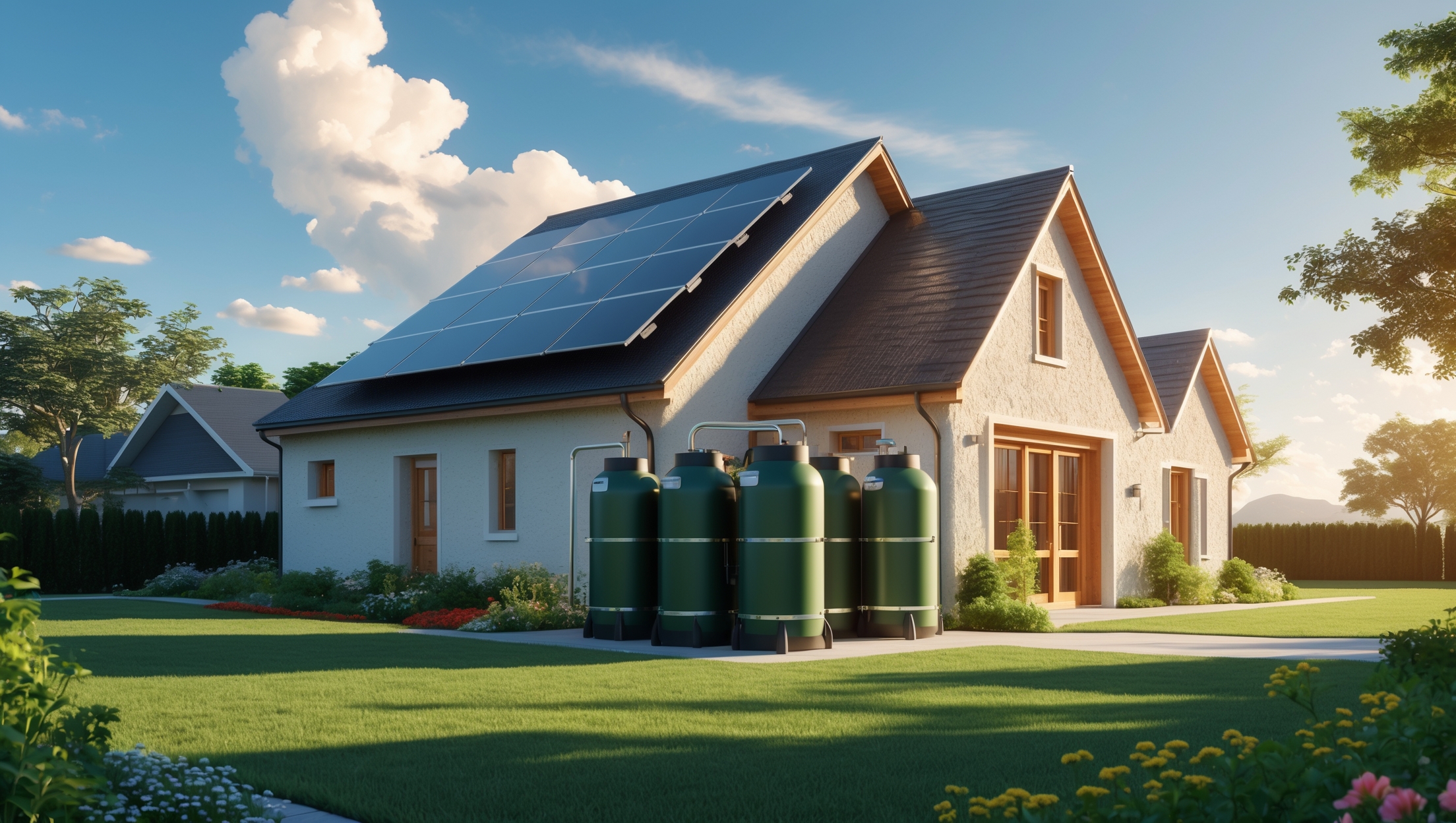

If I’m considering a DIY installation, at which checklist stage should I plan for local fire department or code inspector involvement, and are there common approval delays to watch out for?
You should plan to involve your local fire department or code inspector at the pre-installation planning stage, before you begin any physical work. This ensures your plans meet all safety codes and local regulations. Common approval delays often happen due to incomplete permit applications or missed inspection appointments, so double-check documentation requirements and schedule inspections well in advance to avoid setbacks.
I noticed the article mentions hydrogen’s high-pressure storage requirements, up to 700 bar. For a first-time DIYer, how difficult is it to safely source and install these tanks, and are there industry certifications I should look for when purchasing equipment for home use?
Sourcing and installing high-pressure hydrogen tanks, especially up to 700 bar, is complex and not recommended for first-time DIYers due to the safety risks involved. Look for tanks certified to standards like ISO 11119 or DOT specifications, and always ensure they come from reputable suppliers. For home use, it’s best to consult with professionals who have experience in hydrogen systems to ensure compliance with local safety codes and proper installation practices.
I noticed that hydrogen fuel cells are promoted as having low maintenance compared to generators. What kind of regular maintenance or inspections are actually required for a typical home hydrogen backup system?
A typical home hydrogen fuel cell backup system requires minimal regular maintenance compared to traditional generators. You’ll mainly need to schedule annual inspections to check for leaks, ensure ventilation is clear, and verify all sensors and safety shutoffs are working. It’s also important to keep the fuel storage area clean and dry. Most systems will alert you if filters or components need attention, but generally, major upkeep is rare.