
Introduction: The Sustainable Beauty of Solar Water Features
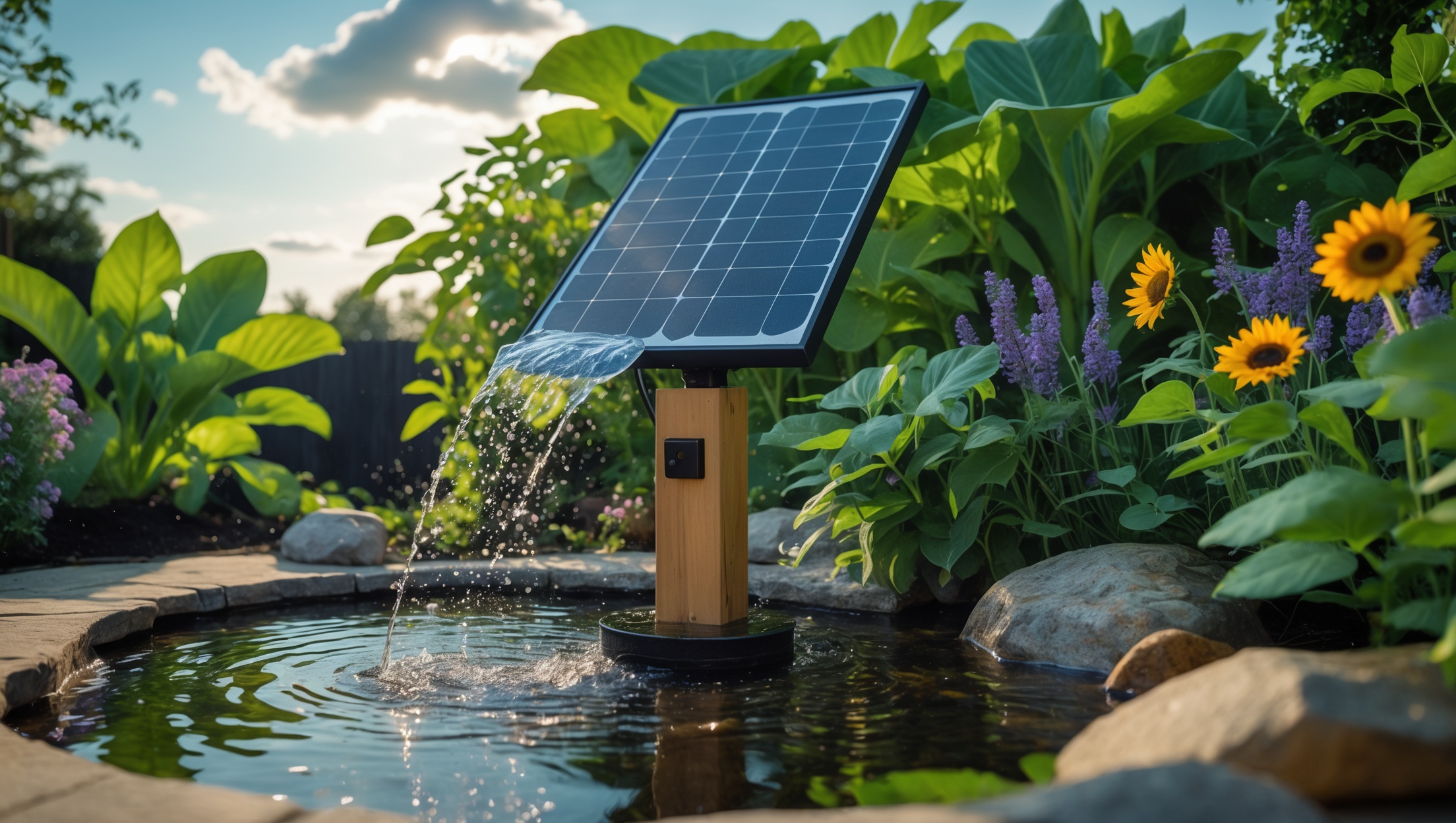
Solar-powered water features have become a beloved hallmark of sustainable living. Whether it’s a bubbling fountain, a tranquil pond, or a cascading waterfall, these features offer more than just visual appeal—they foster biodiversity, cool the microclimate, and operate with minimal carbon footprint. Unlike traditional water pumps that rely on grid electricity, solar water features harness renewable energy, reducing both costs and environmental impact. But like any eco-friendly home upgrade, solar water features require thoughtful, regular maintenance tailored to the changing seasons. Neglect can lead to algae outbreaks, pump failures, or reduced flow, undermining both sustainability and aesthetics. This comprehensive seasonal checklist is designed for homeowners seeking to maximize the performance, longevity, and ecological benefits of their solar water features. With practical step-by-step guidance, you’ll learn how to protect your investment, avoid common pitfalls, and enjoy a thriving, energy-efficient oasis all year round.
Spring: Preparing for a Productive Season
Inspect and Clean Solar Panels
- Dirt and Debris Removal: Use a soft-bristled brush to sweep off leaves, dust, and pollen from the solar panels. Rinse gently with water and a mild, non-abrasive soap if needed.
- Check for Shading: Look for new growth from nearby trees or shrubs that could cast shade. Prune back as necessary to ensure maximum sunlight exposure.
- Panel Angle Adjustment: If your system allows, adjust the tilt for optimal spring sun angles.
Water Feature System Check
- Inspect Pump and Wiring: Examine the pump for signs of wear, cracks, or mineral buildup. Check electrical connections for corrosion or animal damage.
- Clean the Pump Intake: Remove the pump from the water and gently scrub the intake to remove sediment or algae buildup.
- Test Water Flow: Reinstall the pump and run the system. Check for strong, even water flow. Listen for unusual noises indicating a struggling pump.
Pond and Feature Cleaning
- Remove Debris: Skim leaves, twigs, and old plant material from the water’s surface and bottom.
- Partial Water Change: Replace up to 20% of the water if it appears cloudy or has an odor. Use rainwater or dechlorinated tap water to avoid harming beneficial microorganisms.
- Check for Leaks: Inspect the liner and seams for signs of seepage, especially after winter freezes.
Ecological Balance
- Replant Margins: Add native aquatic plants to absorb excess nutrients and provide shade, suppressing algae growth.
- Beneficial Bacteria: Inoculate the water with beneficial bacteria to jumpstart biological filtration after winter dormancy.
Summer: Ensuring Peak Efficiency and Health
Monitor Solar Panel Performance
- Clean Panels Monthly: Dust and pollen accumulate quickly. Clean panels at least once a month and after major storms.
- Check Mounts and Fasteners: Heat expansion can loosen hardware. Tighten any loose brackets or bolts.
- Inspect for Overheating: Ensure panels have adequate airflow beneath to prevent overheating, which can reduce output.
Water Management
- Top Off Water Levels: Increased evaporation means frequent refilling. Use a rain barrel or harvested rainwater if possible.
- Algae Control: Install a floating aquatic plant cover (like water lettuce or lilies) to shade the water. Avoid chemical algaecides that can harm wildlife.
- Monitor Water Temperature: Elevated temperatures can stress fish and plants. Consider adding a solar-powered aerator to boost oxygen levels.
Pump and Plumbing Inspection
- Check Intake Screens: Clean debris from intake screens to prevent clogging and pump overheating.
- Test Backup Systems: If your feature has a battery backup, test it during a sunny day to ensure it holds and delivers charge.
- Assess Tubing and Fittings: Look for leaks or kinks in tubing. Replace sun-brittled hoses as needed.
Wildlife and Plant Health
- Observe Wildlife: Watch for beneficial visitors like frogs, birds, and pollinators.
- Manage Fish Populations: If you have fish, avoid overfeeding and scoop out uneaten food.
- Prune Excess Growth: Remove dead leaves and trim plants to prevent decay and nutrient spikes.
Autumn: Preparing for Cooler Weather
Solar Panel Care
- Final Deep Clean: Give solar panels a thorough wash to maximize late-season sunlight capture.
- Leaf Removal: Clear fallen leaves weekly. Blockage reduces power and can trap moisture, leading to mold.
Pump and System Maintenance
- Inspect for Wear: Check the pump for strain or reduced flow as temperatures drop. Lubricate moving parts if manufacturer-approved.
- Flush Plumbing: Run clean water through pipes and tubing to remove sediment that could freeze and cause cracks.
- Adjust Panel Angles: If adjustable, tilt panels to a steeper angle to capture lower sun and shed leaves or snow.
Feature Cleanup
- Remove Decaying Plant Material: Dead leaves and stems decompose, releasing nutrients that feed autumn algae blooms.
- Netting for Leaves: Install a fine mesh net over ponds or water features to catch falling debris.
- Partial Water Change: Refresh up to 20% of the water to dilute accumulated nutrients.
Wildlife and Plant Considerations
- Prepare Fish and Frogs: Cease feeding as temperatures consistently drop below 10°C (50°F); animals will become dormant.
- Trim Hardy Plants: Cut back hardy aquatic plants to a few inches above the waterline. Remove tender species or overwinter indoors if needed.
Winter: Protecting Your Investment
Solar Panel Winterization
- Snow and Ice Removal: Use a soft brush or broom to gently clear snow from panels after storms. Avoid metal tools that can scratch glass.
- Check Panel Connections: Inspect for moisture ingress or ice damage to wiring. Seal any exposed connections with weatherproof tape.
- Monitor Output: Track system output—shorter days and possible snow coverage will reduce performance, but panels should still generate some power.
Pump and Plumbing Protection
- Remove and Store Pump: In regions with hard freezes, disconnect and clean the pump. Store indoors in a bucket of water to prevent seals from drying.
- Drain Pipes and Features: If possible, drain exposed pipes and shallow water features to prevent freeze damage.
- Insulate Exposed Components: For year-round features, wrap pipes and above-ground components with insulating foam or heat tape.
Water Feature and Wildlife
- De-Icing Strategies: If overwintering fish or aquatic life, use a solar-powered pond de-icer or floating ball to keep a small area ice-free for gas exchange.
- Cover or Net: Place a winter cover or fine mesh net to keep out debris and reduce algae blooms during thaws.
- Minimize Disturbance: Avoid breaking ice with force, which can shock or injure aquatic life.
Common Maintenance Mistakes to Avoid
- Neglecting Regular Cleaning: Dirty solar panels can lose up to 20% efficiency. Mark your calendar for monthly checks.
- Ignoring Small Leaks: Even slow leaks can erode soil, damage liners, and waste water. Address immediately.
- Overusing Chemicals: Chemical algaecides can disrupt ecological balance and harm beneficial wildlife; favor natural controls.
- Improper Winterization: Failing to drain or insulate can lead to cracked pipes and costly repairs.
- Skipping Seasonal Adjustments: Solar panel angle and water feature settings should be tweaked seasonally for optimal results.
Tools and Supplies for Year-Round Maintenance
- Soft-bristled brush and non-abrasive cleaning cloths
- Non-abrasive, plant-safe soap
- Pruning shears and garden gloves
- Fine mesh pond netting
- Insulating foam or heat tape (for winter)
- Rainwater barrel or dechlorinator
- Beneficial bacteria starter packets
- Spare tubing, hose clamps, and waterproof sealant
- Weatherproof tape for wiring
- Water testing kit (pH, ammonia, nitrite)
Conclusion: Sustainable Enjoyment Through Proactive Care
Solar water features represent an inspiring intersection of beauty, biodiversity, and sustainable technology. With careful, seasonally attuned maintenance, you can ensure your fountain, pond, or waterfall remains a vibrant centerpiece and a haven for wildlife, all while conserving energy and water. By following this detailed checklist, you’ll prevent the most common issues—like algae overgrowth, pump failure, and reduced solar output—that undermine both ecological and financial returns. Proactive care not only extends the system’s lifespan but also deepens your connection to the rhythms of nature and the cycles of the seasons. Each quarterly check-in is an opportunity to observe, adjust, and appreciate the subtle changes in your garden’s ecosystem. Over time, your efforts will be rewarded with lower maintenance costs, healthier plants and animals, and the quiet satisfaction of knowing your outdoor oasis is powered by the sun. Sustainable living isn’t just about technology—it’s about stewardship. With a little planning and regular attention, your solar water feature will continue to inspire, refresh, and sustain for years to come.

Is adjusting the tilt of the solar panels something most DIY homeowners can do themselves safely, or is it better to hire a professional for that part? The checklist mentions adjusting for sun angles, and I’m wondering about the tools or risks involved.
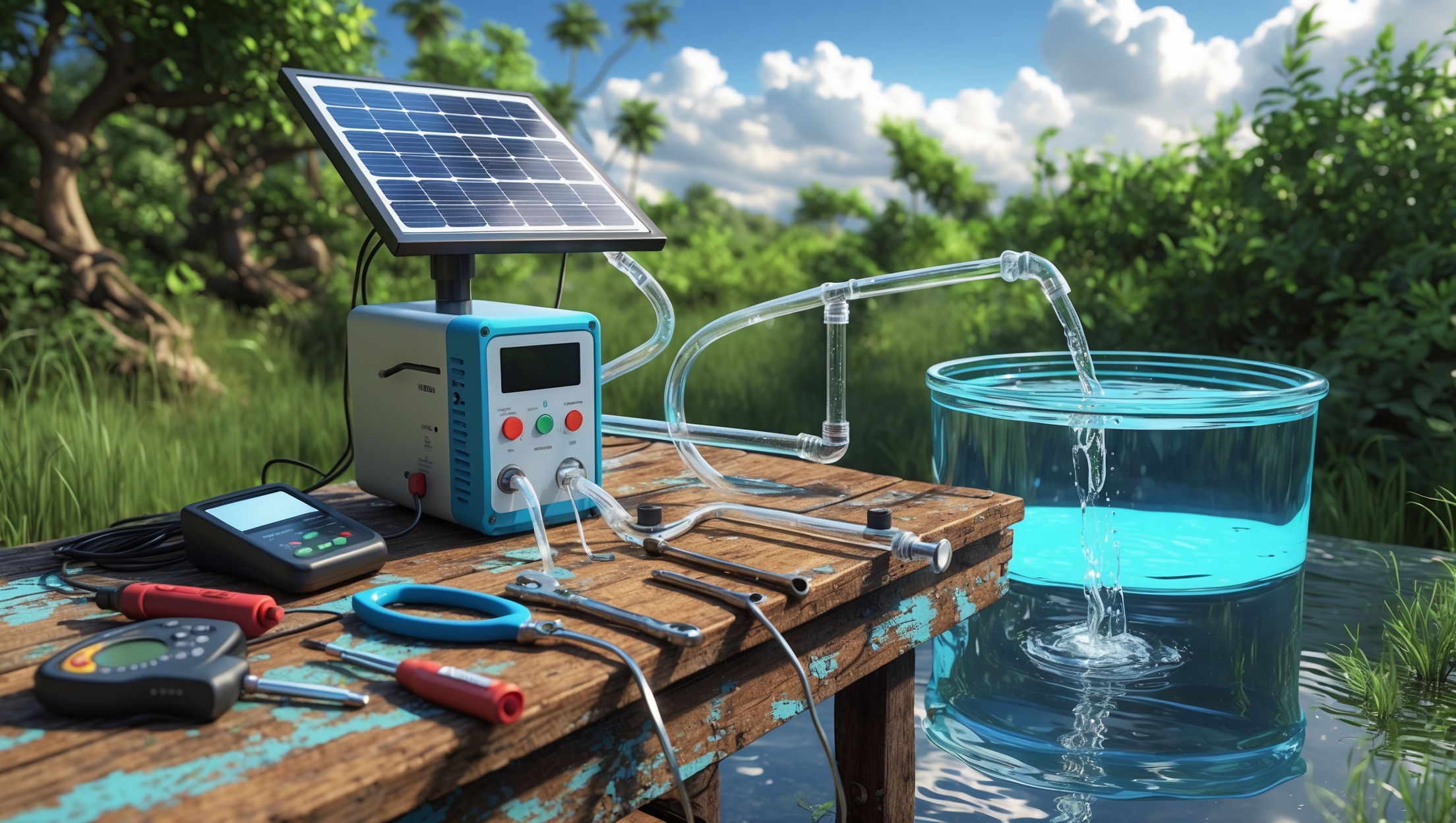
Adjusting the tilt of solar panels on most home water features is usually manageable for DIY homeowners, especially if the panels are small and ground-mounted. You’ll typically just need basic tools like a wrench or screwdriver. However, if the panels are roof-mounted or require ladder work, hiring a professional is safer to avoid fall risks or damaging the system. Always make sure to follow safety precautions and consult your panel’s manual for specific instructions.
For areas with intense pollen in spring, do you recommend cleaning the solar panels more frequently than just once at the start of the season, or is a single thorough cleaning usually sufficient to maintain efficiency?
In areas with heavy spring pollen, it’s a good idea to check your solar panels more often. A single cleaning at the start of the season might not be enough if pollen buildup is significant, as it can reduce efficiency. Inspect the panels every couple of weeks during peak pollen times and clean them as needed to keep them performing well.
When cleaning the pump intake to get rid of algae or sediment, is there a specific type of brush or cleaning tool you recommend to avoid damaging the pump parts? I want to make sure I don’t scratch or break anything by accident.
To clean your pump intake without causing damage, use a soft-bristled brush or an old toothbrush. These are gentle enough to remove algae and sediment without scratching or harming the pump components. Avoid using metal brushes or anything abrasive. If there are tight spots, a cotton swab can help reach them safely.
If my solar water feature pump shows some minor cracks during the spring inspection, is it better to repair it or should I just replace the whole pump? Any budget-friendly tips would be appreciated.
If your pump only has minor cracks, you can often repair it using waterproof epoxy or silicone sealant, which is quite budget-friendly. Clean and dry the area before applying the sealant. However, if the cracks are in critical areas or affect performance, replacing the pump is safer in the long run to prevent leaks or electrical issues. Always weigh the repair cost versus replacement, but small cosmetic cracks are usually fixable.