
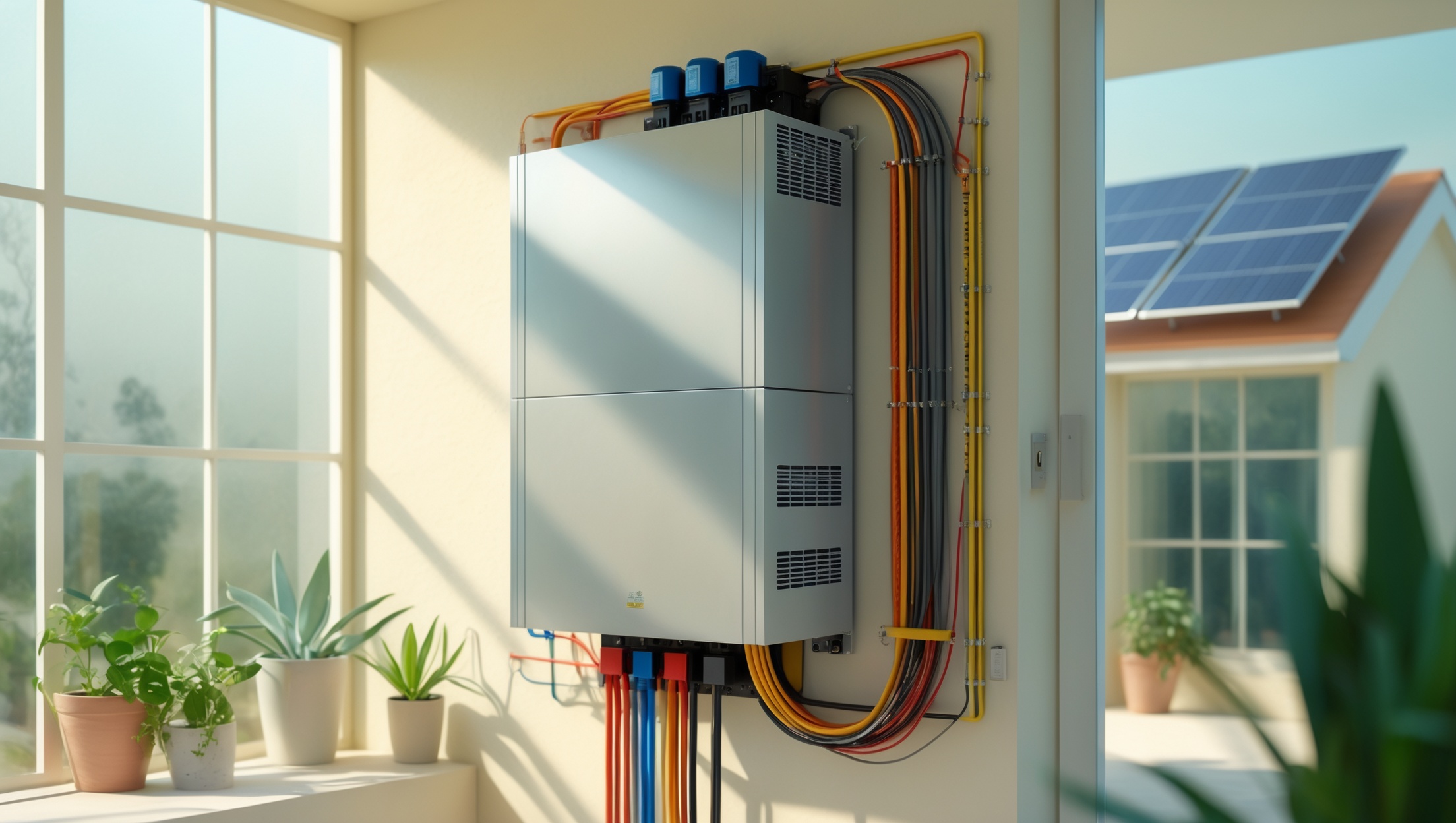
Introduction: Why Solar Inverter Maintenance Matters
Solar inverters are the unsung heroes of residential solar energy systems. While solar panels collect sunlight, it’s the inverter that converts that power into usable electricity for your home. Despite their crucial role, inverters are often overlooked when it comes to maintenance. A poorly maintained inverter can dramatically reduce your system’s efficiency, cause unexpected shutdowns, and cut years off its operational lifespan. Worse, inverter failures can lead to costly downtime and repairs that eat into your energy savings. In this comprehensive guide, we’ll walk you through everything you need to know about maintaining your home solar inverter system—whether you’re a new solar homeowner or a seasoned sustainability enthusiast. Learn how to maximize efficiency, prevent breakdowns, and ensure your investment continues to pay dividends for years to come.
Understanding Your Solar Inverter: Types and Key Components
Types of Residential Solar Inverters
- String Inverters: Common in small to mid-sized installations, these connect a series of solar panels into a single inverter.
- Microinverters: Attached to each panel, maximizing individual panel output and providing system flexibility.
- Hybrid Inverters: Combine solar and battery functions, often used in modern solar-plus-storage systems.
Key Components to Monitor
- Cooling Fans and Heat Sinks: Prevent overheating.
- Capacitors: Store and regulate electrical charge—often a limiting factor in inverter lifespan.
- Display/Monitoring Interface: Provides status updates and error codes.
- Wiring and Connectors: Facilitate safe power transfer.
Routine Inspection Checklist
Monthly Visual Checks
- Check for Physical Damage: Look for cracks, corrosion, or discoloration on the inverter casing.
- Inspect Ventilation: Ensure vents are free of dust, debris, or nesting insects.
- Verify Indicator Lights: Confirm the inverter’s status lights show normal operation as per your user manual.
Quarterly Functional Tests
- Review Monitoring Data: Compare current output with historical data to spot efficiency drops.
- Test Shutdown and Restart: Safely power down and restart the inverter to ensure correct operation (per manufacturer’s guidance).
- Listen for Unusual Noises: Buzzing, clicking, or humming may indicate internal wear or electrical faults.
Cleaning Best Practices
Dust and grime buildup can cause your inverter to overheat or malfunction. Follow these cleaning tips:
- Power Down Safely: Always turn off the inverter and isolate it from the main supply before cleaning.
- Use a Soft, Dry Cloth: Gently wipe down exterior surfaces. Avoid abrasive materials.
- Compressed Air: Use short bursts to clear dust from vents and fans. Never insert objects into ventilation slots.
- Avoid Liquids: Never use water or chemical cleaners; moisture can cause electrical shorts.
Monitoring Performance and Diagnosing Issues
Leveraging Manufacturer Monitoring Tools
Most modern inverters offer built-in monitoring, often accessible via web portals or mobile apps. Set up alerts for:
- Unexpected shutdowns or faults
- Significant drops in daily or monthly output
- Grid disconnection events
Regularly review and log this data so you can track trends over time, which helps catch subtle declines in performance.
Common Warning Signs
- Frequent Fault Codes: Repeated errors may signal deeper issues.
- Reduced Power Output: If your system is consistently underperforming, investigate both the panels and the inverter.
- Excessive Heat: Overheating can accelerate component failure; check for blocked vents and ambient temperature issues.
Key Preventive Maintenance Tasks
Check and Tighten Electrical Connections
Loose connections can lead to arcing, overheating, and eventual failure. At least once a year, have a qualified technician inspect and tighten all electrical terminals and connections within the inverter and its junction box.
Inspect for Signs of Moisture or Water Ingress
- Look for condensation inside the inverter casing.
- Check the mounting site for roof leaks or water exposure.
- Seal any potential entry points as soon as possible.
Test Grounding and Surge Protection
- Verify that grounding lugs and wires are secure and corrosion-free.
- Test surge protectors to ensure they are still functional, especially after local lightning storms.
Update Firmware and Software
Manufacturers occasionally release firmware updates that improve inverter performance or fix known issues. Regularly check for updates via the manufacturer’s portal and apply them according to official instructions.
Environmental Considerations
Managing Temperature and Humidity
- Location: Ensure the inverter is installed in a well-ventilated, shaded area away from direct sunlight.
- Climate Control: In extremely hot or humid climates, consider additional ventilation or dehumidification solutions in the inverter room.
Rodent and Pest Protection
- Install fine mesh screens over vent openings.
- Regularly inspect for gnaw marks or droppings around wiring and enclosures.
- Seal cable entry points with pest-resistant materials.
When to Call a Professional
While routine cleaning and visual inspections can often be handled by the homeowner, certain maintenance tasks should only be performed by licensed technicians. These include:
- Internal component repairs or replacements
- Testing or replacing capacitors and fans
- Firmware updates requiring hardware access
- Resolving recurring fault codes or system shutdowns
Always consult your inverter’s warranty terms; unauthorized repairs may void coverage.
Extending Inverter Lifespan: Expert Strategies
Optimal Load Management
Try to avoid running large appliances simultaneously during peak sun hours, which can strain your inverter. Use smart home systems or timers to stagger heavy loads.
Regular System Audits
- Schedule an annual system audit with a certified solar technician.
- Have them test inverter efficiency, check component wear, and verify safety compliance.
Plan for End-of-Life Replacement
Most residential inverters have a 10–15 year lifespan, compared to 25–30 years for solar panels. Budget for replacement, and monitor manufacturer end-of-support announcements to ensure continued reliability and safety.
Documenting Maintenance and Building a Service History
Why Record-Keeping Matters
- Warranty Claims: Maintenance logs can expedite claims and prove due diligence.
- Resale Value: Prospective buyers appreciate detailed service histories.
- Performance Tracking: Identify trends and catch issues early.
What to Record
- Date and details of each inspection or cleaning
- Any faults, error codes, or repairs performed
- Names and credentials of technicians involved
Common Mistakes to Avoid
- Ignoring Minor Faults: Small issues can escalate quickly if left unaddressed.
- Using Water or Harsh Cleaners: Always clean with a dry cloth or gentle air; moisture can destroy sensitive electronics.
- Blocking Ventilation: Don’t store items near the inverter that could obstruct airflow.
- DIY Internal Repairs: Leave complex tasks to professionals to avoid safety hazards and voided warranties.
Conclusion: The Value of Proactive Inverter Maintenance
Maintaining your home solar inverter is an investment in system reliability, safety, and long-term savings. By following a rigorous inspection and cleaning schedule, monitoring performance data, and responding quickly to warning signs, you can ensure your inverter operates at peak efficiency—delivering the full promise of sustainable living. Remember, your inverter is the nerve center of your solar energy system; small lapses in maintenance can snowball into major repairs or lost energy production. Building a habit of regular upkeep protects not only your equipment but also your financial and environmental returns. With today’s digital monitoring tools and professional service options, maintaining your inverter has never been easier or more critical. Approach inverter care as you would any major appliance: with knowledge, consistency, and attention to detail. The result is a home that is both greener and more resilient, powered by clean energy you can count on for years to come.


You mentioned that capacitors are often a limiting factor in inverter lifespan. Is there a way for homeowners to spot early signs of capacitor failure, or is that mostly something a professional would notice during service calls?
Homeowners can sometimes spot early signs of capacitor failure by looking out for symptoms like the inverter making unusual buzzing or humming noises, displaying error codes, or showing unstable output. However, many signs are subtle and best detected by professionals using specialized equipment during routine maintenance. If you notice anything unusual, it’s wise to schedule a professional inspection.
How long does it usually take to complete the routine inspection checklist, and is it something a homeowner can realistically handle themselves, or does it require technical knowledge or special tools?
Completing the routine inspection checklist for a home solar inverter system usually takes about 30 to 60 minutes, depending on the system size and accessibility. Homeowners can often handle basic inspections themselves, such as checking for visible damage, ensuring the inverter display is normal, and cleaning dust from vents. However, tasks involving electrical testing or opening the inverter should be left to professionals, as they require technical knowledge and specialized tools.
If someone notices strange indicator lights or error codes on the display, what are some common troubleshooting steps they should try before calling in a technician? Are there easy fixes for minor issues?
If you see unusual indicator lights or error codes on your solar inverter, first try resetting the inverter by switching it off and then back on after a few minutes. Check if the wiring connections are secure and look for any obvious debris or dust on the unit. Sometimes, minor faults clear up with a reset or after tightening loose cables. Always consult your inverter’s manual for specific error code meanings and follow any recommended actions. If the error persists, it’s best to contact a professional to avoid voiding your warranty or causing further issues.