
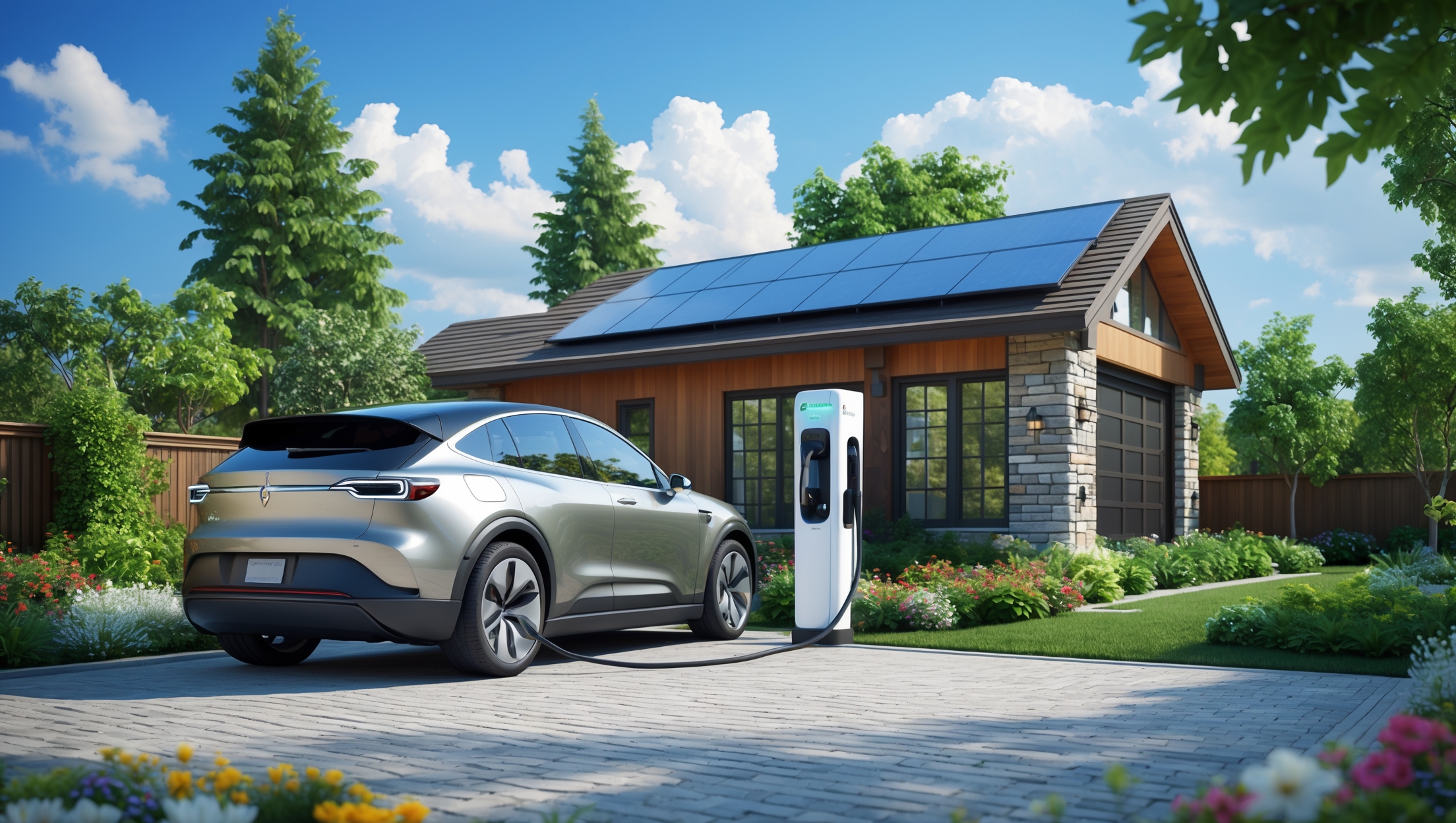
Introduction: Why Compliance Matters for Home EV Charging Stations
As electric vehicles (EVs) become a mainstream choice for eco-conscious drivers, the demand for home charging stations has soared. Installing a Level 2 EV charger at home is one of the most effective ways to maximize the convenience, cost savings, and sustainability benefits of your electric car. However, the process isn’t as simple as plugging in a new appliance. Home EV charging stations are powerful, high-voltage devices that interact with your home’s electrical system and, in some cases, your local power grid. That’s why compliance with local building codes, electrical standards, and permitting requirements is absolutely essential. Skipping these crucial steps can not only void warranties and insurance coverage but also expose your home to serious fire and electrical hazards. In this comprehensive guide, we’ll walk you through the nitty-gritty of compliance and permits for installing a home EV charging station. Whether you’re a DIY enthusiast or working with licensed professionals, you’ll learn how to navigate regulations, avoid common pitfalls, and ensure your green transition is as safe and seamless as it is sustainable.
Understanding Home EV Charging Station Types
Level 1 vs. Level 2 Chargers
Before diving into compliance, it’s important to know what you’re installing. There are two main types of home EV chargers:
- Level 1: Uses a standard 120V household outlet. No special installation or permits typically required, but charging is slow (3-5 miles/hour).
- Level 2: Requires a 240V dedicated circuit, similar to an electric dryer. Charges much faster (15-30 miles/hour), but usually requires permits, compliance checks, and professional installation.
This guide will focus on Level 2 chargers, as they are the standard for daily use and involve compliance complexities.
Step 1: Check Local Regulations and Utility Requirements
Researching Jurisdictional Codes
Building and electrical codes vary widely by location. Start by contacting your city or county’s building department or checking their website for policies on residential EV charging. Key areas to investigate:
- Electrical codes: Most areas follow the National Electrical Code (NEC), but local amendments may apply.
- Zoning laws: Some neighborhoods, particularly those with homeowners’ associations (HOAs), have additional restrictions.
- Historic or multi-unit dwellings: Extra steps may be needed in these settings.
Utility Company Notification
Some utilities require notification or approval before you install a Level 2 charger. This is especially common where grid capacity is limited or where demand response programs exist. Check if:
- You need to submit plans or apply for a service upgrade.
- There are rebates or incentives that require pre-approval.
Step 2: Electrical System Assessment
Panel Capacity and Load Calculation
Level 2 chargers draw significant power (typically 16-50 amps). Your main electrical panel must be able to handle the additional load. A licensed electrician can perform a load calculation to determine if your panel needs upgrading.
- When upgrades are needed: If your panel is already near capacity, adding a charger could overload it, creating a fire risk and violating code.
- Documentation: Most permit offices require a load calculation worksheet as part of your application.
Service Upgrades and Utility Coordination
If an upgrade is needed (e.g., moving from 100A to 200A service), you’ll need additional permits and direct coordination with your utility provider. This may extend the timeline, so plan accordingly.
Step 3: Permitting Process
Types of Permits Required
Most jurisdictions require at least an electrical permit for a Level 2 charger. Some may also require a building permit, especially if trenching or structural modifications are involved. Common permit types include:
- Electrical permit: For new circuits, wiring, and breaker installations.
- Building permit: For physical modifications to the garage, wall, or driveway.
- Right-of-way permit: Rare, but may apply if you’re running lines under public sidewalks or streets.
Permit Application Checklist
- Site plan showing charger location
- Electrical load calculation
- Licensed contractor’s details (if not DIY)
- Manufacturer’s installation instructions
- Utility company approval (if required)
Submit these documents through your local permitting portal or in person. Permitting fees vary but typically range from $50 to $300, depending on complexity.
Step 4: Choosing the Right Contractor (or DIY)
Why Licensing and Certification Matter
Even seasoned DIYers should think twice about electrical work at this scale. In many areas, only licensed electricians can legally pull permits and perform the installation. Key credentials to look for:
- State-issued electrician’s license
- Experience with EV charger installations
- Knowledge of current NEC and local amendments
DIY Considerations
If you do the work yourself, you are typically still required to obtain permits, schedule inspections, and demonstrate code compliance. Some jurisdictions prohibit unlicensed installation of high-power circuits entirely. Always check local rules.
Step 5: Installation and Inspection
Code-Compliant Installation
Proper installation of your EV charging station is critical for safety and code compliance. Requirements usually include:
- Dedicated 240V circuit with appropriate amperage for your charger
- Correct wire gauge and conduit type (commonly 6-10 AWG copper, in metal conduit for outdoor runs)
- Ground fault circuit interrupter (GFCI) protection
- Proper labeling of breakers and outlets
- Weatherproof enclosures for outdoor installations
- Clearances around the charger per manufacturer’s specs and code
Final Inspection
After installation, the permitting office will require an inspection. The inspector will check:
- Correct breaker, wire, and outlet sizing
- Proper grounding and GFCI protection
- Secure mounting and weatherproofing
- Compliance with manufacturer’s instructions
- Overall workmanship and safety
Do not use the charger until you’ve passed inspection. Failure to pass may require costly rework.
Special Situations and Common Challenges
Multi-Unit Dwellings (Apartments & Condos)
Installing chargers in shared garages or parking areas introduces additional layers of compliance:
- HOA or property manager approval
- Shared electrical infrastructure may require metering or load management solutions
- More complex permitting and inspection process
Historic Homes and Districts
Properties in historic districts may face extra scrutiny. You may need approval from a historic commission or use non-invasive installation methods to preserve building character.
Outdoor and Detached Garages
Running new wiring to detached structures or outdoor spaces often requires trenching, which brings building and possibly environmental permits into play. Always use weather-rated equipment and follow depth and protection requirements for buried conduit.
Documentation and Record-Keeping
Keep copies of:
- Permit applications and approvals
- Final inspection sign-off
- Detailed invoices from contractors
- Manufacturer’s warranty and installation documentation
This paperwork is essential for warranty claims, home insurance, future code compliance, and when selling your home. Many buyers now expect EV charging infrastructure as a standard feature, and proof of a compliant installation can be a valuable selling point.
Potential Risks of Non-Compliance
- Safety hazards: Risk of fire, electric shock, and property damage.
- Insurance issues: Claims may be denied if work was unpermitted or non-compliant.
- Fines and penalties: Municipalities can levy fines or require removal of unpermitted installations.
- Resale complications: Non-compliant work can delay or derail home sales.
Best Practices for a Smooth, Compliant Installation
- Start with a thorough review of local codes and utility requirements.
- Work with experienced, licensed professionals wherever possible.
- Obtain all necessary permits before starting any work.
- Use only UL-listed chargers and components designed for residential use.
- Request a pre-inspection if unsure about your home’s electrical system.
- Document every step, from permits to inspection sign-off.
- Don’t rush—plan for lead times on permits, utility approvals, and inspections.
Conclusion: Powering Your EV Legally and Sustainably
Transitioning to electric vehicles is a cornerstone of sustainable living, but it comes with responsibilities that extend beyond simply choosing a greener ride. Installing a home EV charging station is a significant upgrade to your property’s infrastructure. By following the proper compliance and permitting process, you ensure that your installation is safe, legal, and eligible for rebates, tax credits, and insurance coverage. Taking shortcuts not only jeopardizes your investment but can also put your household at risk and hinder the broader adoption of clean transportation.
Remember, the permitting process might seem daunting, but it exists to protect both homeowners and the community. With the right preparation—thorough research, expert help when needed, and meticulous documentation—you can enjoy the convenience of home charging with peace of mind. Your efforts today will not only safeguard your home and EV but will also set a positive example for neighbors considering their own green upgrades. The journey to sustainable mobility is paved with careful, compliant steps—take them confidently, and you’ll be well on your way to a cleaner, brighter energy future.

If my house already has a 240V outlet in the garage for a dryer, would I still need a permit to install a Level 2 EV charger, or is using the existing circuit compliant with most local codes?
Even if you already have a 240V outlet in your garage, most local codes still require a permit to install a Level 2 EV charger. The existing circuit may not be rated for continuous EV charging, and code compliance often depends on load calculations and approved wiring methods. It’s best to check with your local permitting office before proceeding to ensure you’re fully compliant and safe.