
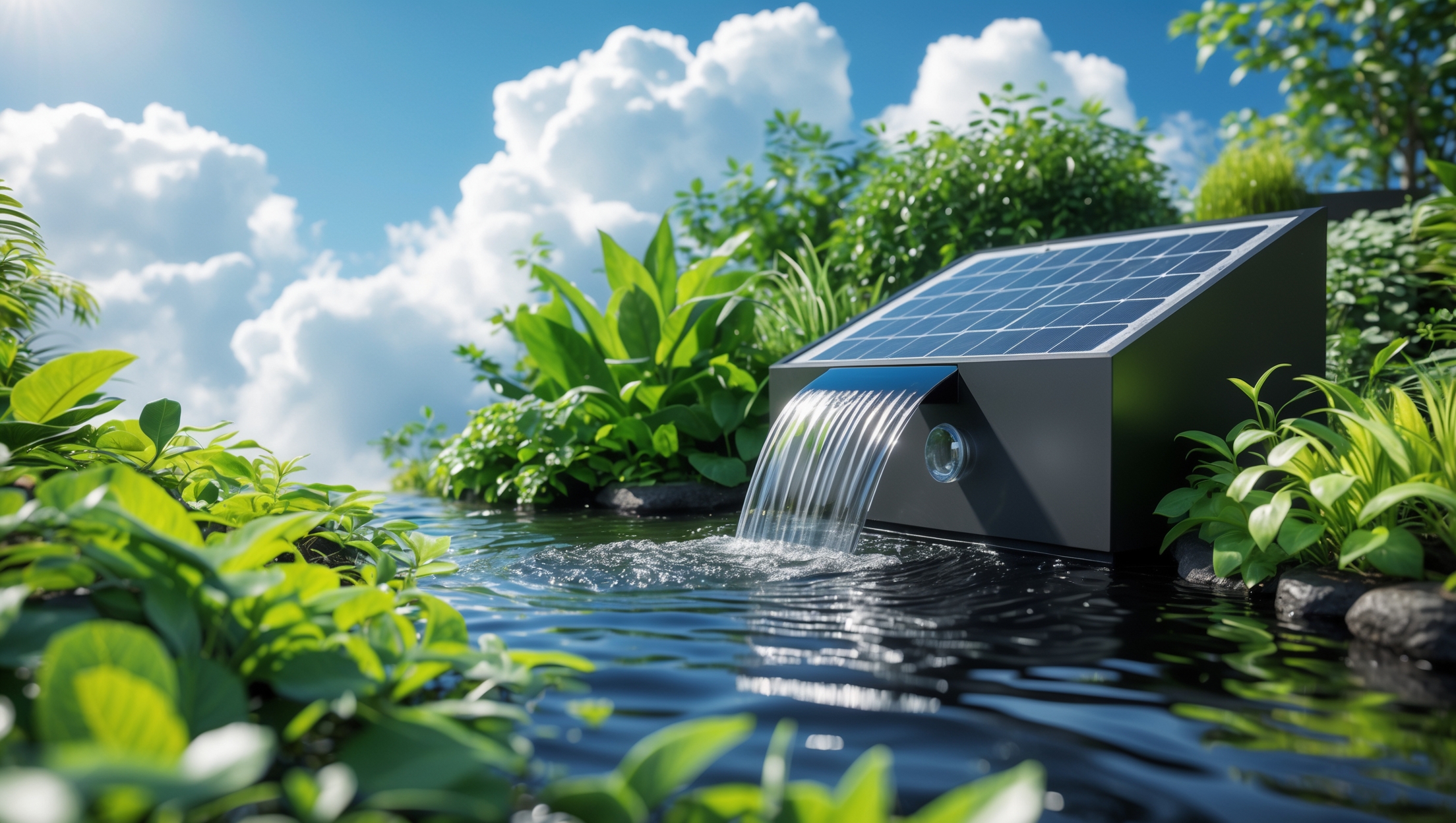
Introduction: Why Choose a Solar-Powered Water Feature?
Solar-powered water features are becoming a centerpiece of sustainable landscaping and eco-conscious home design. These elegant installations harness the sun’s energy to circulate water, creating soothing sights and sounds without increasing your carbon footprint or utility bills. Whether you’re dreaming of a bubbling fountain, a serene pond, or a cascading waterfall, integrating solar technology can transform your outdoor space while aligning with your commitment to green living.
But how much does it actually cost to bring a solar-powered water feature to life at home? The answer depends on multiple factors, from the scale of your project to the quality of materials and the complexity of installation. This in-depth guide will walk you through a precise cost breakdown and budgeting strategy for residential solar water features. You’ll learn about the primary components, hidden expenses, money-saving tips, and how to anticipate and manage your investment for both immediate enjoyment and long-term sustainability. Let’s dive into the numbers and practicalities of turning sunlight into tranquility in your backyard.
Understanding the Core Components of a Solar Water Feature
1. Solar Panels
Solar panels are the heart of a solar water feature system, converting sunlight into electricity to power pumps and, in some cases, lights. Panel size, efficiency, and mounting hardware all impact both cost and performance. For small fountains or birdbaths, you might only need a 10-20 watt panel, while larger ponds or waterfalls may require 50-100 watts or more.
2. Water Pump
The water pump circulates water through your feature. Solar water pumps come in a range of sizes and flow rates (measured in gallons per hour, or GPH). Your choice should be matched to the size and desired effect of your water feature. Submersible pumps tend to be quieter and easier to hide, while external pumps may offer greater power for larger installations.
3. Battery Storage (Optional)
To keep your water feature running during cloudy weather or at night, you’ll need a battery storage system. While optional, batteries add flexibility and reliability, but also increase both upfront and long-term costs due to replacement cycles.
4. Plumbing and Tubing
Even the simplest water feature requires durable, weather-resistant tubing and fittings to guide water flow. For ponds or waterfalls, you may also need valves, splitters, and filtration systems.
5. Feature Materials
The visible part of your water feature—such as a fountain, pond liner, rocks, or decorative elements—can range from pre-fabricated kits to fully custom creations using stone, ceramic, or metal. Material choice significantly impacts your total budget.
6. Installation and Labor
DIY installation can save money but requires time and some technical know-how. Professional installation ensures code compliance, safety, and optimal performance, but comes at a premium.
Detailed Cost Breakdown: What to Expect
Solar Panel Kit
- Basic (10-20W, integrated pump): $50–$150
- Mid-range (20-50W, separate panel): $150–$350
- High-end (50-100W+, expandable, premium hardware): $350–$800
Water Pump
- Small (up to 250 GPH): $25–$60
- Medium (250–800 GPH): $60–$150
- Large (800+ GPH, feature ponds/waterfalls): $150–$350
Battery Storage
- Small lithium or lead-acid battery (with charge controller): $60–$200
- Mid-range (for larger features, sealed AGM): $200–$400
- High-end (deep cycle, higher capacity): $400–$800
Plumbing and Tubing
- Basic tubing and fittings: $25–$75
- Additional valves, splitters, and filtration: $50–$200
Feature Materials
- Pre-fab fountain or kit: $100–$500
- Pond liner (EPDM/PVC) for small ponds: $60–$250
- Custom-built with stone, ceramic, or metal: $300–$2,000+
Installation and Labor
- DIY (tools and supplies): $50–$150
- Professional installation (basic kit): $300–$800
- Professional installation (custom, complex): $1,000–$4,000+
Permitting and Inspection (if required)
- Typical permit fees: $50–$200 (depends on municipality and feature size; usually only needed for large ponds or electrical work)
- Inspection costs (if applicable): $100–$200
Optional Extras
- Lighting (solar LED kits): $30–$150
- Fish, aquatic plants, and decorations: $40–$300
- Water treatment and filtration: $30–$200 annually
Sample Budgets: Three Realistic Scenarios
1. Small Solar Garden Fountain (DIY)
- Solar fountain kit: $120
- Decorative basin: $80
- Basic tubing: $30
- DIY tools/supplies: $60
- Total: $290
2. Medium Solar Pond with Battery Backup (Partial Professional Help)
- Solar panel kit: $250
- Water pump: $100
- Battery storage: $180
- Pond liner: $120
- Plumbing and filtration: $100
- Professional installation (partial): $500
- Lighting/decor: $90
- Total: $1,340
3. Large Custom Waterfall Feature (Fully Professionally Installed)
- Solar panels (multiple): $800
- High-capacity pump: $250
- Battery system: $500
- Custom stonework and pond: $2,200
- Complex plumbing/filtration: $350
- Permits/inspection: $250
- Professional installation: $2,500
- Optional extras: $400
- Total: $7,250
Hidden and Ongoing Costs: What to Budget For
- Maintenance: Annual cleaning, pump servicing, replacing worn tubing or filters ($50–$250/year).
- Battery Replacement: Every 2–6 years depending on type ($100–$400).
- Winterization: In colder climates, costs for draining, covering, or removing pumps and panels ($20–$100 annually).
- Water Top-Off: Occasional water additions for evaporation (minimal cost, but consider water conservation).
- Repairs: Fixing leaks, replacing broken hardware, or resealing liners (varies, $50–$300 as needed).
Cost-Saving Strategies for Every Budget
1. Plan for Scalability
If your budget is tight, start small with a basic fountain and upgrade later. Choose pumps and panels that can be expanded or swapped out as your needs or finances grow.
2. Shop Smart for Kits and Components
Compare complete kits versus buying components separately. Kits may save money and simplify installation, while custom builds allow you to optimize for quality and aesthetics.
3. Use Recycled or Local Materials
Source rocks, stones, or decorative items locally or repurpose materials to reduce both costs and environmental impact. For ponds, consider reclaimed liners or barrels where safe.
4. DIY Where Possible
Many homeowners can handle basic installation tasks like digging, landscaping, and assembling components. Save professional help for electrical hookups or complex design elements.
5. Apply for Incentives
Check for local, state, or utility rebates on solar equipment. While less common for small water features, some green home improvement grants or landscaping incentives may apply.
Budgeting Tips: Getting the Most Value
- Set a Clear Project Scope: Define the size, style, and must-have features before purchasing.
- Build in a 10–15% Contingency: Unexpected expenses can arise—budget for them upfront.
- Research Local Regulations: Avoid fines or rework by understanding permit and code requirements early.
- Prioritize Quality for Key Components: Invest in reliable pumps and solar panels; cheap versions often fail sooner and cost more long-term.
- Track All Expenses: Use a simple spreadsheet or budgeting app to monitor every purchase and stay on track.
Environmental and Financial Payback: What to Expect
While solar water features generally don’t deliver direct financial payback like rooftop solar, they offer long-term savings compared to grid-powered alternatives by eliminating electricity costs. More importantly, they reduce your environmental footprint, conserve water (when designed with recirculation), and can increase property value and curb appeal. A well-maintained solar water feature can operate for decades with minimal ongoing cost, especially if you choose durable, high-quality components.
Factor in the intangible benefits too: improved mental well-being, habitat creation for birds and pollinators, and the satisfaction of sustainable home improvement.
Conclusion: Planning Your Sustainable Water Feature Investment
Investing in a solar-powered water feature is more than just beautifying your home—it’s a statement about your commitment to sustainability. By carefully breaking down costs and establishing a realistic budget, you can confidently create a tranquil oasis that operates harmoniously with the environment. Whether you’re installing a simple solar fountain as a weekend project or commissioning a custom pond and waterfall, understanding the full range of expenses—from solar panels and pumps to installation, maintenance, and hidden costs—empowers you to make decisions that balance aesthetics, sustainability, and financial prudence.
Remember, the most successful projects begin with a clear vision, thorough research, and a flexible approach to budgeting. Don’t underestimate the value of professional advice for complex installations or unfamiliar technologies, and always account for ongoing care to protect your investment for years to come. With smart planning and sustainable choices, your solar-powered water feature will provide endless enjoyment, enhance your landscape, and serve as a living example of green technology at work in daily life.
Ready to start your project? Begin with a detailed budget worksheet, compare multiple options, and don’t hesitate to ask for expert input. The upfront investment is well worth it for the peace, beauty, and sustainability your new water feature will bring.


If weather conditions frequently limit sunlight in my area, are there budget-friendly ways to ensure the water feature still runs reliably, as hinted at in the section about managing your investment?
Yes, there are several budget-friendly options to keep your water feature running during cloudy weather. You could add a small battery backup system to store excess solar energy for later use or choose a solar pump kit that comes with integrated batteries. Another option is using a hybrid system that can switch to low-voltage power from your home when sunlight is insufficient. These solutions help maintain reliable operation without requiring a major investment.
The article talks about different wattage levels needed for solar panels based on the size of the water feature. How do I calculate exactly what wattage or pump size I need if I want a moderate-sized waterfall that runs all day?
To figure out the right wattage and pump size for your moderate-sized waterfall, start by estimating the water flow rate you want (in gallons per hour, GPH) and the height the water needs to be lifted (in feet). Typically, a moderate waterfall needs a pump rated between 500-1200 GPH at your required lift height. Multiply the pump’s wattage by the number of hours you want it running to get total daily watt-hours, then size your solar panel system to match or slightly exceed that number, accounting for sunlight hours and system losses.
For a medium-sized backyard pond, are there significant savings in going with a single larger solar panel versus multiple smaller panels in terms of installation and long-term maintenance?
For a medium-sized pond, using a single larger solar panel often simplifies installation and reduces potential points of failure compared to multiple smaller panels. This can lead to lower installation labor costs and less maintenance over time, as there are fewer connections and mounting brackets to check or repair. However, multiple smaller panels can offer flexibility in placement and may perform better if your pond area has partial shade. The overall savings depend on your site conditions, but for most clear, sunny locations, a single larger panel is usually more cost-effective in the long run.
For someone planning a DIY solar-powered pond installation, what are the most common mistakes to watch out for in terms of sizing the solar panel and pump to match the desired water flow?
One common mistake is underestimating the amount of sunlight your site receives, which can lead to choosing a panel that’s too small. Another is selecting a pump without considering the total head (height the water needs to be lifted) and desired flow rate. Always match the pump’s wattage needs with the panel’s output, and check both are rated for continuous outdoor use. It also helps to add a margin of 20-30% more capacity to handle cloudy days or higher demand.
The article talks about solar panel wattage ranging from 10-100 watts depending on the project size. Are there any additional electrical components or backup batteries needed for areas that experience frequent cloudy weather or shade?
Yes, for areas with frequent cloudy weather or shade, it’s a good idea to add backup batteries to store excess energy for use when sunlight is limited. You may also need a charge controller to manage battery charging and prevent overcharging. Inverters might be necessary if your water feature uses AC-powered pumps. These components help ensure consistent operation even during less sunny days.
If a homeowner wanted to upgrade from a basic solar birdbath to a more complex waterfall setup later on, how difficult or expensive would it be to swap out the pump and solar panel components? Or is it better to overbuy at first to leave room for expansion?
Upgrading from a simple solar birdbath to a full waterfall setup usually means switching to a larger pump and more powerful solar panel. This isn’t extremely difficult, but costs will rise with higher-capacity equipment. If you think you’ll expand later, choosing a pump and panel that are slightly more powerful than you currently need can save effort and avoid replacing everything. Just be sure your initial setup can accommodate future changes, such as wiring and space.
Could you elaborate on how the complexity of installation influences the overall budget? For someone with only basic DIY skills, would hiring a professional make a significant difference in cost?
The complexity of installation directly affects your budget since more intricate systems require more time, specialized tools, and expertise. If you have only basic DIY skills, hiring a professional will likely add to your upfront costs due to labor fees. However, a professional can ensure proper installation, potentially avoiding costly mistakes or future repairs that might arise from DIY attempts. In short, while DIY can save money for simple setups, professional help is often worth the investment for complex projects.
Could you explain how to size the solar panel and pump combo for a medium-sized backyard pond versus a small birdbath? I want to avoid overspending but still get good water flow.
To size a solar panel and pump for a medium pond, first estimate the pond volume and desired water turnover per hour (typically, the whole pond volume every hour). Medium ponds often need pumps rated around 400-800 gallons per hour (GPH). For a small birdbath, a 50-150 GPH pump is usually plenty. Choose a solar panel that matches or slightly exceeds the pump’s wattage needs, factoring in average sunlight hours. This balance gives you good flow without unnecessary cost.
You mention that the size of the solar panel and the water pump should match the scale of the project. How do you figure out the exact wattage and GPH requirements for, say, a medium-sized backyard pond with a small waterfall?
To determine what you need for a medium-sized backyard pond with a small waterfall, estimate the pond’s volume and the height the water must be pumped. For flow, a general rule is to circulate the entire pond volume every hour, so if your pond holds 600 gallons, look for a pump rated for at least 600 gallons per hour (GPH). For wattage, select a solar panel that supplies the pump’s required watts plus a buffer (about 20%) to ensure reliable operation, especially in less sunny conditions.
When calculating my overall budget for a solar-powered waterfall, how much should I expect to spend on mounting hardware and installation for the solar panels, besides just the panels themselves? Are there typical installation challenges that might increase these costs unexpectedly?
For mounting hardware and installation, you can typically expect to spend an additional $200 to $600 beyond the cost of the solar panels, depending on the size of your setup and local labor rates. Installation challenges that may increase costs include difficult roof access, uneven or shaded ground, or the need for custom mounts. It’s a good idea to get a site assessment first to identify any potential complications.
Could you explain what kind of hidden expenses might come up during the installation of a residential solar-powered water feature, aside from the obvious costs like panels and pumps?
Hidden expenses can include trenching or extra digging for cable runs, upgrading your electrical system if it can’t handle the new load, permits or inspection fees, and unexpected landscaping repairs if your yard is disturbed during installation. You might also need to buy additional fittings, weatherproof connectors, or protective enclosures for the electronics, especially if the site is exposed to extreme weather.
What hidden expenses should I watch out for during installation, like trenching wires, mounting panels, or upgrading landscaping around the feature? Could those significantly affect my final budget?
You’re right to consider those hidden expenses. Trenching for electrical wires, securely mounting solar panels, and modifying landscaping to accommodate the system can all add unexpected costs. Sometimes, these extras—especially if you have complex terrain or need professional installation—can increase your budget by 15-30%. It’s wise to get detailed quotes for each step and set aside a contingency fund for surprises.
Can you explain if there are any specific brands or component types you recommend for beginners who want to keep costs low, but still want a reliable solar water feature?
For beginners aiming to balance cost and reliability, look for solar water feature kits that include everything you need—panel, pump, and tubing. Brands like Solatec, Viajero, and Ankway are known for affordable, user-friendly kits. Choose brushless pumps, as they generally last longer with less maintenance. Stick to models with built-in battery backup if you want your feature to run during cloudy periods. Reading customer reviews can also help you find dependable options within your budget.
The article mentions hidden expenses—could you clarify what some of these might be? For example, should I be budgeting for extra wiring or professional installation beyond the main components listed?
Some hidden expenses to consider include extra wiring if your water feature is far from your power source, upgraded electrical panels if your existing one can’t handle the new load, trenching or conduit for safe cable routing, and possible landscape restoration after installation. Professional installation can also add to costs, especially if permits or inspections are needed. Factoring in these extras will help you avoid surprises.
I noticed you mention hidden expenses in the budgeting strategy for solar water features. Could you provide some examples of these lesser-known costs that homeowners might encounter during installation or maintenance?
Some lesser-known costs for installing a solar-powered water feature can include trenching for underground wiring, extra plumbing supplies, or upgrading your breaker panel. Homeowners might also face expenses for permits, delivery fees for heavy components, and specialized maintenance tools. After installation, periodic cleaning of solar panels, replacement of pump parts, or dealing with algae buildup can add to ongoing costs.
For those of us in regions with less consistent sunlight, are there recommended strategies or specific components for making sure the water feature runs reliably on cloudy days without costing a lot more?
For areas with less consistent sunlight, you can add a battery backup system to store excess solar energy for use on cloudy days. Choosing a slightly larger solar panel than your minimum needs can also help maintain reliability. Additionally, consider energy-efficient or low-voltage water pumps, as they require less power, helping you stay within budget while still running the feature reliably.
For larger water features that require a 50-100 watt solar panel, do you suggest any particular brands or features to look for in terms of durability and efficiency?
For larger water features needing a 50-100 watt solar panel, look for panels with high-efficiency monocrystalline cells, a sturdy aluminum frame, and tempered glass for durability. Brands like Renogy, HQST, and Newpowa are popular for their reliability in small-scale solar applications. Make sure the panel has a good IP rating for outdoor use, and consider options that come with a warranty for extra peace of mind.
What happens if the water pump stops working or doesn’t get enough sun? Are there backup options, like batteries, that you recommend for keeping the water feature running reliably?
If the water pump stops working due to a lack of sunlight, your feature may stop running temporarily unless you have a backup. To keep it running reliably, consider installing a battery storage system, which stores excess solar energy for use during cloudy periods or at night. Some solar water pumps also support hybrid setups, letting you switch to grid power when needed. Regular pump maintenance is also important for reliability.
How reliable are solar-powered pumps during cloudy days or in winter months? Do I need to budget for any backup solutions to keep the water circulating year-round?
Solar-powered pumps can experience reduced performance during cloudy days or winter months due to lower sunlight availability. If consistent water circulation is important year-round, it’s wise to budget for a backup solution, such as a battery system or a hybrid setup that can switch to grid power when solar energy isn’t sufficient. This ensures your water feature operates reliably regardless of weather conditions.
I have limited direct sunlight in my backyard for most of the day. Are there any budget-friendly solutions or workarounds for powering a solar water feature in a partially shaded spot?
If your backyard only gets limited sunlight, you can still enjoy a solar water feature by choosing a system with a separate solar panel connected by a long cable. This lets you place the panel in the sunniest available spot while keeping the feature in the shade. Alternatively, opt for a solar feature with a backup battery, which stores energy during sunny periods for use when it’s cloudy or shaded. Both options are budget-friendly and practical.
How do I figure out what flow rate is right for a smaller fountain, like the kind you mentioned using a 10-20 watt panel? Is there a standard way to match GPH to the size or type of water feature?
To choose the right flow rate for your smaller fountain, start by considering the fountain’s size and style. For tabletop or small garden fountains, a flow rate between 50–150 gallons per hour (GPH) is typical. As a guideline, a simple rule is that the pump should circulate the fountain’s total water volume once per hour. For decorative spill or gentle flow, aim lower within that range; for more pronounced movement, go higher. Matching the pump’s wattage and the solar panel’s capacity with your flow needs ensures reliable performance.
The article mentions that solar panels for larger ponds or waterfalls may need to be 50-100 watts or more. Could you clarify whether it’s more cost-effective to use a single high-wattage panel or several smaller ones for such installations?
Using a single high-wattage solar panel can be slightly more cost-effective because it usually requires less wiring and fewer mounting components, making installation simpler. However, several smaller panels offer more flexibility for placement, easier transport, and may be easier to expand if your needs grow. The best choice often depends on your available space and whether shading or orientation issues might affect performance.
For a busy family that doesn’t have a lot of time to maintain outdoor equipment, are there particular brands or types of solar pumps that require less upkeep or offer easier maintenance?
For families short on time, look for solar pumps that are labeled as brushless or have magnetic drive motors, as these tend to need less maintenance. Brands like Sunnydaze and Solatec are known for making durable, low-maintenance pumps. Also, models with built-in filters or clog-resistant designs make cleaning easier and reduce how often you need to check on them.
If I live in an area with a lot of cloudy days, will the performance of a solar water pump be significantly affected, and are there affordable ways to store solar energy for a feature like this?
A solar water pump’s performance can decrease on cloudy days, as it relies on sunlight to generate power. However, you can add a battery storage system to store extra solar energy generated during sunnier periods. While lithium or deep-cycle batteries are an added cost, there are affordable small-scale options suitable for water features. This way, your pump can continue running even during cloudy weather.
Based on the article, how do costs compare between using a solar setup for a smaller fountain versus a larger pond or waterfall? I’m trying to get a realistic range for a medium-sized backyard water feature before making any decisions.
The article explains that smaller solar fountains typically cost between $100 and $400, mostly due to lower power and pump requirements. For larger setups like ponds or waterfalls, the costs are much higher—often between $1,000 and $5,000—because they need bigger solar panels, stronger pumps, and sometimes battery storage. For a medium-sized backyard water feature, you can expect costs to fall somewhere in the middle, usually around $500 to $2,000, depending on the exact size and features you want.
The article talks about both submersible and external pumps for solar water features. Is there a notable difference in ongoing maintenance costs or energy performance between these two options that I should be aware of before making a decision?
Submersible pumps are generally easier and cheaper to maintain since they’re placed underwater, which keeps them cool and reduces the risk of overheating. However, they can clog more easily from debris and may need cleaning more often. External pumps are usually more energy-efficient for larger setups and have better long-term durability, but they tend to be more expensive upfront and require more space and effort for installation and maintenance. For small to medium residential water features, submersible pumps are usually more cost-effective overall.
If I wanted to offer my clients small solar fountains and also larger cascading waterfalls, how much does the installation complexity typically affect labor time and cost between those two options?
Installation complexity plays a big role in both labor time and cost. Small solar fountains are generally straightforward—they often require just a simple basin and solar pump, so installation is usually quick and low-cost. Larger cascading waterfalls are more complex: they need more excavation, structural work, plumbing, and often electrical backup, which all increase labor hours and costs significantly. In general, expect larger features to cost several times more in both labor and materials due to their complexity.
You mentioned money-saving tips for setting up a solar water feature. Are there specific brands or types of solar water pumps that offer a better balance between price and reliability for a medium-sized backyard fountain?
For a medium-sized backyard fountain, submersible solar water pumps with brushless motors tend to balance price and reliability well. Brands like Solatec, Sunnydaze, and Lewisia are often recommended by homeowners for their durability and straightforward installation. Look for models with adjustable flow rates and at least 2.5W-5W solar panels for consistent performance. Choosing a kit with included backup batteries can also help your fountain run smoothly during cloudy periods.
Can you clarify if the initial installation cost typically includes the mounting and setup of both the solar panel and the water pump? Or are those usually separate charges when hiring a contractor, based on your experience from the cost breakdown?
Based on the cost breakdown discussed in the article, the initial installation cost quoted by most contractors generally includes both the mounting and setup of the solar panel as well as the water pump. However, it’s always wise to confirm exactly what is covered in the quote, as some contractors might list certain tasks separately, especially if custom mounting or extra electrical work is needed.
When choosing between a submersible and an external solar water pump, are there significant differences in ongoing operating costs or performance reliability that should impact my budgeting for a medium-sized water feature?
For a medium-sized water feature, submersible pumps are usually simpler to install and maintain, often resulting in lower upfront and ongoing maintenance costs. External pumps might offer better performance for larger or more complex setups, but they can be more expensive to maintain due to additional components and exposure to the elements. In most residential cases, submersible pumps provide reliable performance with fewer operating expenses, making them a cost-effective choice for medium-sized features.
You mention that panel size and pump flow rate should match the water feature’s scale. Are there any guidelines for calculating the exact wattage and pump capacity if I want to design a custom pond instead of a standard fountain?
Absolutely, for a custom pond, start by estimating the total water volume and the desired water circulation rate. A common guideline is to circulate the entire pond volume once every 1–2 hours. For example, a 1,000-gallon pond would need a pump rated for 500-1,000 gallons per hour (GPH). As for wattage, most efficient pond pumps require 10–20 watts per 100 GPH. Multiply your chosen flow rate by this range to estimate the solar panel wattage you’ll need, and consider some overhead for cloudy days.
You mentioned that both the quality of materials and installation complexity impact the overall cost, but do you have any advice for someone trying to balance durability with staying on a budget when picking components for a solar-powered pond?
Balancing durability and cost is definitely possible when choosing components for your solar-powered pond. Aim for mid-range pumps and panels from reputable brands rather than the cheapest options, as these usually offer better longevity without the premium price. Consider PVC liners, which are durable but less expensive than EPDM. Also, try handling some aspects of the installation yourself, like site preparation, to save on labor costs.
I’m curious about the ‘hidden expenses’ mentioned in the article. Besides the obvious costs like panels and pumps, what are the most common surprise costs that homeowners run into during installation?
Some of the most common hidden expenses are electrical upgrades if your existing system can’t handle the new load, trenching or extra wiring for proper placement, additional permits or inspection fees, and landscaping repairs after installation. Homeowners also sometimes forget ongoing maintenance costs, like pump servicing or panel cleaning, which can add up over time.
If I start with a small solar-powered fountain but decide to upgrade to something bigger, like a pond with a waterfall, is it possible to reuse the same solar panel and pump, or would I most likely need to buy all new equipment?
If you upgrade to a larger water feature like a pond with a waterfall, you’ll probably need a more powerful pump and possibly a larger solar panel to handle the increased water volume and flow. In most cases, equipment designed for a small fountain won’t be sufficient for a bigger setup. However, you might be able to reuse parts like tubing or decorative elements depending on compatibility.
How does the performance of these solar water features hold up in areas with a lot of cloudy days or partial shade? Is it worth investing in backup batteries, or will the system be too inconsistent for practical use in those conditions?
Solar water features can be less reliable in areas with frequent cloudy days or partial shade, as reduced sunlight affects the output and consistency. Investing in backup batteries can help maintain steady performance by storing excess energy on sunnier days for use during cloudy periods. If you want the feature to run reliably regardless of weather, a backup battery is a worthwhile addition. Otherwise, expect the system to be somewhat inconsistent in lower-light conditions.
When budgeting for a larger solar-powered waterfall, how do you balance the cost between a higher wattage solar panel and a more powerful external water pump? Are there specific brands or features you’ve found to be both reliable and cost-effective for these bigger installations?
For a larger solar-powered waterfall, it’s important to match the pump’s power needs with your solar panel’s capacity. Start by determining the pump’s wattage and flow requirements, then select a solar panel that provides at least 20% more wattage for consistency on cloudy days. Brands like AquaJet and ECO-WORTHY are often praised for reliability and reasonable cost in bigger setups. Look for brushless pumps and panels with a strong warranty for best long-term value.
If I want to start with a basic solar water feature now but might upgrade later (like adding lights or a bigger pump), how should I factor that into my initial budgeting?
When planning your initial budget, choose a solar water feature kit that is expandable or has upgrade-compatible components. Opt for a pump with slightly higher capacity and a solar panel that can handle extra load. Also, consider laying conduit or wiring for future lights. This way, your upfront cost might be a bit higher, but you’ll save money and hassle when you’re ready to add features later.
I am planning a DIY installation and want to be as cost-efficient as possible. Besides panel and pump selection, are there specific money-saving tips or alternative materials you recommend that still keep performance and durability high?
To keep costs down while maintaining performance and durability, consider using recycled or repurposed materials for your water feature’s basin or decorative elements, such as reclaimed bricks or stones. PVC piping is usually more affordable and durable than metal. Shop for solar panels and pumps during sales or look for refurbished units from reputable sellers. Also, do as much of the installation work yourself and use weather-resistant sealants to extend the life of your setup.
After figuring out the primary component costs, what are some practical next steps for someone who wants to manage installation themselves versus hiring a contractor? Are there budget advantages to going the DIY route?
After identifying your main component costs, if you want to manage installation yourself, the next steps include researching local regulations, preparing the installation site, and planning for electrical and plumbing work. Doing it yourself can save on labor costs, which are often a significant part of the budget. However, consider the time commitment, need for specialized tools, and potential warranty impacts versus the convenience and expertise a contractor offers.
When considering the cost breakdown you mention, how much of the overall budget typically goes toward the solar panels versus the water pump for a medium-sized backyard pond? I’m trying to understand where I might need to spend more for better performance.
For a medium-sized backyard pond, expect about 50–60% of your budget to go toward the solar panels, since their size and quality directly affect power generation. The water pump usually accounts for 20–30% of the total cost. Investing more in higher-quality solar panels often results in better long-term performance, while a reliable pump ensures consistent water flow. Balancing both is key for efficiency and durability.
When budgeting for a solar water feature, how big of a price difference should I expect between using a submersible versus an external pump for a medium-sized pond? Does one option tend to be more cost-effective over time?
For a medium-sized pond, submersible pumps are typically less expensive upfront—often $50 to $150 less than comparable external pumps. However, external pumps are usually more energy-efficient and durable, which can lower operating costs over time. If you prioritize lower initial costs, submersible pumps are a good choice, but for long-term savings and easier maintenance, external pumps might be more cost-effective.
Can you provide some examples or price ranges for the ‘hidden expenses’ you mentioned? I’m trying to make a realistic budget and want to avoid surprises, especially for things like wiring or mounting hardware.
Absolutely, hidden expenses can add up quickly. For wiring, you might spend $50 to $200 depending on distance and quality. Mounting hardware like brackets or frames can range from $30 to $150 based on materials and size. Other possible costs include trenching for cables ($100–$300), permit fees ($50–$200), and hiring an electrician if needed, which can be $65–$120 per hour. Factoring these in will help you set a more accurate budget.
You mention that panel size and efficiency affect cost and performance, but how do I know what wattage is right for a medium-sized pond? Is there a formula to help estimate what I’ll need?
To estimate the right wattage for your pond’s solar-powered water feature, first determine the pump size you need, usually based on how many gallons your pond holds. A general rule is that the pump should circulate all the water once per hour. Check the pump’s wattage—solar panels should at least match or slightly exceed this, factoring in sunlight hours and possible inefficiency. For example, if the pump uses 50 watts, consider panels totaling 60–80 watts to ensure consistent performance.
After the feature is up and running, are there any hidden operational expenses I should budget for outside of the initial materials and installation costs you covered, like seasonal cleaning or replacing parts?
Yes, there are some ongoing expenses to keep in mind. Seasonal cleaning of the solar panels and water feature is important to maintain efficiency and prevent algae build-up. You may also need to occasionally replace filters, water pumps, or UV bulbs, depending on your system. These maintenance tasks don’t cost much individually but are worth budgeting for each year to ensure smooth operation.
Could you compare submersible versus external solar pumps in terms of long-term maintenance and potential replacement costs? I want something that’s both efficient and practical for a medium-sized backyard feature.
For a medium-sized backyard water feature, submersible solar pumps are typically easier to install and require less initial plumbing, but they often need more frequent cleaning due to debris, which can lead to higher maintenance over time. External solar pumps, while requiring more complex installation and protection from the elements, are generally easier to access for repairs and can have a longer lifespan, potentially reducing replacement costs in the long run. If you prioritize low maintenance and easy access for repairs, an external pump might be more practical, though it might cost more upfront.
I noticed you covered the primary components, but what are some ways to save money on quality materials without sacrificing efficiency or the longevity of the solar water feature?
You can save money by sourcing components like pumps or panels during sales or from reputable refurbished goods dealers. Choosing mid-tier brands over premium names often offers similar performance at a lower price. Also, buying materials like tubing or basins in standard sizes rather than custom shapes helps keep costs down without affecting efficiency or lifespan.
The article breaks down how solar panel size and pump strength affect costs, but I’m wondering how these choices impact overall water flow and sound. Is there a way to estimate what setup would be best for a medium-sized backyard pond?
Solar panel size and pump strength directly influence water flow and the sound level from your water feature. A larger pump powered by bigger panels will move more water, producing a stronger, more noticeable sound. For a medium-sized backyard pond, most people choose a pump rated between 400–800 gallons per hour. This creates a pleasant, audible flow without being overwhelming. To estimate the best setup, measure your pond’s volume and desired fountain height, then match a pump’s flow rate and the solar panel’s wattage to ensure it can power the pump efficiently, especially during peak sunlight.
Do you have any advice on how to accurately estimate the ongoing maintenance costs for a solar-powered water feature, especially since you mention both immediate enjoyment and long-term sustainability in the article?
To estimate ongoing maintenance costs, start by listing all system components—solar panels, pump, filters, and water treatment. Check manufacturer recommendations for cleaning and part replacement intervals. Consider annual costs for replacement parts, water treatments, and occasional professional servicing. Track local water and electricity rates for any supplemental needs. Setting aside a small annual budget for unexpected repairs will also help ensure long-term sustainability.
How much maintenance should I expect with a solar-powered water feature over time, especially when it comes to the pump and solar panels? Are there recurring costs that homeowners often overlook compared to traditional water features?
You can expect minimal maintenance with a solar-powered water feature compared to traditional ones. The main tasks are cleaning the pump and filter every few months to prevent clogs, and wiping down the solar panels regularly so they work efficiently. Pumps may need replacement every 2–5 years. Recurring costs most homeowners overlook include occasional battery replacements (if your system has one), and possible repairs or replacement of worn-out solar components, which are usually less frequent than the electrical costs with traditional setups.
You mentioned the importance of matching the water pump’s GPH to the feature size. Could you provide some examples or guidelines for choosing the right pump size for a small pond versus a larger waterfall?
For a small pond, you’ll generally want a pump that circulates the entire volume of water once per hour, so a 500-gallon pond needs a pump rated for at least 500 GPH. For a larger waterfall, you’ll want more flow—often 1000 to 2000 GPH or more, depending on the width and height of the waterfall. Always check the pump chart, as flow rates decrease with added lift height and tubing length.
How does the complexity of the installation impact the overall budget? For someone who isn’t super handy, is it realistic to account for professional installation costs, and if so, how much do they usually add to the project?
The complexity of the installation can significantly affect the overall budget. More complex designs or features, like multiple pumps or intricate landscaping, often require professional help, which adds to costs. For someone not comfortable with DIY, it’s definitely realistic to factor in professional installation. Labor typically adds anywhere from 20% to 50% of the total project cost, depending on your location and the difficulty of the build.
When budgeting for a solar-powered pond, are there specific hidden expenses that tend to catch people off guard? The article lists hidden costs, but I’d love some examples from real installations, especially for bigger DIY projects.
Absolutely, some real-world hidden expenses often include needing to upgrade your existing electrical system if your setup requires backup power, extra trenching for longer cable runs, or specialized mounting hardware for uneven ground. Larger DIY projects sometimes run into costs for renting equipment like trenchers or buying additional piping when plans change mid-project. Also, unforeseen landscaping repairs after installation are common, especially if you have to dig up established garden areas.
For someone without any installation experience, is this the kind of project that can be completely DIY, or would you recommend budgeting extra for professional help with the more technical aspects like wiring and mounting the solar panels?
If you have no installation experience, it can be challenging to handle the technical parts like wiring and securely mounting solar panels. While many kits are designed for DIYers, safety and long-term performance are important. It’s wise to budget extra for professional help with electrical work or mounting unless you’re confident with basic tools and following detailed instructions.
The article mentions that the efficiency and size of the solar panels can really influence both the cost and performance. How can I tell what size panel is best for my backyard if I live somewhere that’s not super sunny?
To choose the right solar panel size for a less sunny area, start by checking the wattage or energy needs of your water feature’s pump. Multiply that by how many hours per day you want it running, then factor in your local average sunlight hours (solar insolation). If sunlight is limited, you’ll probably need a larger panel to generate enough power. Many suppliers can help calculate the appropriate size if you share your pump specs and location.
For budgeting purposes, do you have any tips on whether it’s more cost-effective to install a solar water feature myself or hire a professional, particularly when dealing with complexities in wiring or panel placement?
If your solar water feature is a simple, self-contained kit, installing it yourself can save on labor costs and is usually straightforward. However, if the setup involves complex wiring, panel positioning for maximum sunlight, or integration with existing electrical systems, hiring a professional may prevent costly mistakes and ensure efficiency. Weigh the initial savings against potential troubleshooting and future maintenance expenses when making your decision.
What happens with water circulation if we have several cloudy days in a row? Will the solar pump still run or do we need some kind of backup power to keep the water moving?
If you experience several cloudy days in a row, the solar pump’s performance will likely decrease or stop altogether, since it relies on sunlight to operate. To ensure consistent water circulation regardless of the weather, it’s a good idea to consider adding a backup power source, such as a battery storage system or a hybrid setup with grid power. This way, the pump can continue running even when sunlight is limited.
When planning my budget, should I expect higher installation costs for a waterfall compared to a small pond, even if I’m using similar quality solar components? Would the complexity mainly affect labor expenses?
Yes, you should generally expect higher installation costs for a waterfall compared to a small pond, even when using similar quality solar components. The added complexity of constructing and securing a waterfall—such as building the structure, managing water flow, and ensuring proper sealing—usually increases labor expenses. Material costs may also rise if extra support or decorative rocks are needed, but labor is typically the main factor driving up the budget.
Could you give more specifics on what hidden expenses might come up during installation? For example, are there typical costs for professional help or unexpected parts that aren’t included in starter kits?
Hidden expenses can include hiring an electrician if wiring needs to meet local codes, trenching or extra piping if your water feature is far from your solar panels, and purchasing additional connectors or mounting equipment that some kits don’t provide. Also, if your yard needs landscaping after digging or if you want better water filtration, those costs are often not included in starter kits.
How much of a difference in total project cost should I expect if I choose an external water pump over a submersible one for a medium-sized pond? Are there trade-offs in energy use or noise levels I should consider?
Choosing an external pump over a submersible one for a medium-sized pond can increase your upfront equipment and installation costs by about 20–40%. External pumps generally offer higher efficiency and longer lifespans, but they tend to be noisier and require more space. Submersible pumps are quieter and simpler to install, but may use a bit more energy and can be harder to service. It’s a trade-off between initial cost, noise level, maintenance, and efficiency.
The excerpt talks about submersible versus external pumps. Are there particular situations where one is clearly a better choice in terms of durability or ease of setup, especially for someone installing a medium-sized waterfall?
For a medium-sized waterfall, submersible pumps are generally easier to set up because they sit directly in the water, require less plumbing, and are usually quieter. However, external pumps tend to be more durable over time and are easier to maintain since they’re outside the water. If you value straightforward installation, go with a submersible. For long-term durability and easier servicing, an external pump could be better.
For someone on a tight budget, which component of the solar water feature would you recommend prioritizing for higher quality, and where might it be reasonable to save by opting for a less expensive option?
If you’re working with a tight budget, prioritize getting a high-quality solar pump, since it’s essential for reliable water flow and long-term performance. You can save money by choosing a simpler fountain design or using inexpensive materials for the basin and decorative elements. Focus on durability and efficiency for the pump, but be more flexible with aesthetic components to keep costs down.
I’m curious about the long-term sustainability aspect you touched on. Are there any maintenance costs or hidden expenses that tend to surprise homeowners after the initial installation of a solar-powered fountain?
Homeowners sometimes find that maintenance costs for solar-powered fountains can include replacing the pump after several years, cleaning or replacing filters, and occasionally servicing or replacing solar panels if they lose efficiency. Debris buildup and mineral deposits may require regular cleaning, and batteries (if your system uses them for night operation) might need replacement every few years. These ongoing costs are usually modest but worth considering in your long-term budget.
How much of the total cost is typically installation versus supplies if I want to hire a professional instead of attempting this as a DIY project? Is there a range for labor charges homeowners should expect?
When hiring a professional for a solar-powered water feature, installation labor usually makes up about 30% to 50% of the total cost. The rest covers supplies like panels, pumps, and materials. Labor charges can range from $500 to $2,000, depending on project complexity and your location. For a medium-sized setup, expect total costs of $1,500 to $4,000, with installation fees clearly itemized in most quotes.
For those of us running a landscaping business, could you share any tips on helping clients understand the return on investment for a solar water feature versus a traditional electric one?
One way to help your clients understand the ROI is to compare the ongoing costs of both systems. Highlight the savings on electricity bills with solar options, and factor in any available tax credits or rebates. Showing a simple payback period—how many years the solar feature takes to cover its higher upfront cost—can make the benefits clear. You might also want to mention the low maintenance and the eco-friendly appeal, which can add value to their property.
What are some common hidden expenses people encounter when budgeting for a residential solar-powered water feature, especially during installation or the first year of use?
Some hidden expenses to watch for include the cost of trenching or running electrical lines for backup power, upgrades to your water pump if the initial one isn’t strong enough, and extra wiring or connectors for tricky layouts. You might also face unexpected landscaping repairs after digging, maintenance supplies, or higher than expected costs for water treatments if algae becomes an issue during the first year.
Does the article cover how long a typical installation like this takes for a DIYer? I’m trying to plan my weekend and want to know if this is a one-day project or if it usually takes longer to set up everything and get it running.
The article does mention estimated installation times, noting that most DIYers can expect the project to take about one to two days, depending on the complexity of the water feature and your familiarity with solar components. If your setup is straightforward and you have all the materials ready, you might be able to complete it in a single day, but planning for a weekend is a good idea to allow for unexpected delays.
When deciding between submersible and external pumps for a medium-sized pond, what are the main pros and cons in terms of cost, energy efficiency, and long-term maintenance?
For a medium-sized pond, submersible pumps are usually less expensive upfront and easier to install, but they can be less energy efficient and may require more frequent maintenance since they’re submerged and can clog with debris. External pumps tend to cost more initially but are more energy efficient and last longer; maintenance is easier because they’re out of the water. However, installation can be more complex and may require extra plumbing.
If my property gets partial shade throughout the day, will I need to budget for additional solar panels or specialized equipment to ensure consistent water flow in the feature, and how would that impact overall costs?
If your property receives partial shade, it’s wise to budget for either additional solar panels or a higher-efficiency system to make up for the reduced sunlight. In some cases, a battery backup or a pump designed to work in lower light conditions can also help maintain steady water flow. These additions will increase your upfront costs, typically by 10% to 30% depending on the equipment chosen, but they’ll help ensure your water feature operates reliably.
Could you break down about how much of the total cost typically goes toward the solar panels compared to the water pump itself? I’m trying to figure out where it’s worth it to spend more or try to save.
For most residential solar-powered water features, solar panels typically account for about 40% to 60% of the total system cost, while the water pump and its components generally make up 20% to 30%. The remaining costs usually go to wiring, mounting, and installation. Investing more in higher-quality solar panels can boost efficiency, but a reliable pump is also important for long-term performance. Balancing both is key, but if your budget is tight, prioritize panel quality in most cases.
I’m wondering, for a medium-sized solar-powered pond, how do I determine the right wattage for the panels based on the pump requirements and potential lighting? Is there a recommended ratio or formula to avoid overspending but still get reliable performance?
To determine the right panel wattage for your pond, first check the pump’s wattage and add the watts needed for any planned lighting. Add these together for your total daily wattage need. Divide that by the average hours of sunlight your location receives to get the panel wattage required. It’s wise to add 20-25% extra to this total to account for inefficiencies and cloudy days, ensuring reliable performance without overspending.
If I already have an existing water pump, is it possible to retrofit it with a solar panel setup, or do I generally need to buy a whole new solar-compatible system for the best results?
You can often retrofit your existing water pump to work with a solar panel setup, especially if the pump operates on DC power or can be run with an appropriate inverter for AC pumps. However, for the most efficient and reliable performance, solar-compatible pumps are designed to work optimally with solar panels. Assess your current pump’s specifications and consult with a solar installer to see if a retrofit is practical for your situation.
If I want to scale up from a simple birdbath to a larger pond later, is it better to overbuy on the initial solar panel and pump, or can those components be upgraded easily as the feature grows?
It’s usually better to buy equipment sized for your current needs and upgrade later if you expand to a larger pond. Overbuying at first can be less efficient, as larger pumps may not work optimally in a small birdbath. When you’re ready to scale up, selecting a pump and panel matched to your new pond’s volume and flow requirements will give better performance and efficiency.
Can you explain how much of the overall budget typically goes toward the solar panels versus the pump itself, especially for mid-sized garden pond installations?
For a mid-sized garden pond installation, the solar panels usually account for about 40 to 60 percent of the total budget, since they need to generate enough power for consistent pump operation. The pump itself typically makes up 20 to 30 percent of the budget. The rest goes to other components like wiring, controllers, installation, and possible battery storage.
The article talks about choosing between submersible and external pumps. What are some practical trade-offs between these two options, especially considering noise and maintenance?
Submersible pumps are quieter because they operate underwater, muffling most noise, which makes them better suited for areas where sound is a concern. However, accessing them for maintenance or repairs means you have to remove them from the water, which can be inconvenient. External pumps, while often noisier and requiring more space for installation, are easier to service and generally more powerful, making them a good choice for larger water features or when maintenance access is a priority.
Could you clarify if the cost breakdown includes professional installation versus DIY setup? I’m wondering how labor costs might differ depending on the complexity of the water feature chosen.
The cost breakdown covers both professional installation and DIY setup, but labor costs can vary widely. If you choose a simple water feature, DIY installation may just require purchasing materials, saving on labor. More complex features, like larger fountains or integrated pond systems, usually need professional help, which adds significant labor charges to your budget. The article highlights where labor costs apply, so you can compare based on your preferred setup.
If I want to keep my budget as low as possible, are there certain components or installation steps you think are safe to DIY, or should I expect to hire a professional for most of the project?
You can definitely save money by handling some parts of the project yourself. Many homeowners successfully DIY the installation of the water basin, pump, and solar panel mounting—just be sure to follow safety guidelines. However, if electrical wiring or complex plumbing is involved, it’s wise to hire a professional for those steps to ensure everything operates safely and reliably.
If the water flow in my solar fountain is weaker than expected, what troubleshooting steps should I try first? Does it usually come down to the pump sizing, panel placement, or could it be another issue?
A weak water flow in your solar fountain can be caused by a few common issues. First, check if your solar panel is getting enough direct sunlight throughout the day and isn’t shaded or dirty. Next, inspect the pump for any clogs or debris that could restrict flow. If those are fine, consider whether the pump is appropriately sized for your feature. Panel placement and pump sizing are both important, but debris or filter clogs are also frequent culprits.
The article talks about submersible versus external pumps for solar water features. What are the main pros and cons of each for a basic birdbath or small garden fountain, especially regarding noise, maintenance, and cost?
Submersible pumps are generally quieter because they’re underwater, making them ideal for birdbaths and small fountains where noise might be a concern. They’re usually less expensive and easier to install, but can require more frequent cleaning due to debris buildup. External pumps are often louder but can be easier to maintain as they’re more accessible, though they tend to cost more and are usually better suited for larger setups. For a basic birdbath or small fountain, a submersible pump is usually the more practical choice.
For a small birdbath with a solar pump, what kind of upfront investment should I expect, and are there any ongoing costs I should be aware of after installation?
For a small birdbath with a solar pump, the initial cost typically ranges from $50 to $150, depending on the pump’s quality and the style of the birdbath. After installation, ongoing costs are minimal since sunlight powers the pump, eliminating electricity bills. However, you should budget a small amount for occasional maintenance, such as cleaning and replacing the pump if it wears out over time.
If I’m looking at a medium-sized backyard pond, how much should I budget for the solar panels specifically, and are there certain brands or specifications that work better for areas with less direct sunlight?
For a medium-sized backyard pond, budgeting around $200 to $600 for solar panels is reasonable, depending on the total wattage needed. In areas with less direct sunlight, look for monocrystalline panels, as they are more efficient in low-light conditions. Brands like Renogy and Eco-Worthy are known for quality solar panels. Make sure to choose panels that match the power requirements of your water pump and have a good warranty.
You listed both submersible and external water pumps as options. What are the pros and cons of each type specifically for a medium-sized solar-powered fountain? Is one type typically more cost-effective in the long run?
For a medium-sized solar-powered fountain, submersible pumps are usually simpler to install and quieter, as they’re placed underwater. They’re often less expensive upfront but may need more frequent maintenance due to debris buildup. External pumps are more powerful and easier to service since they’re outside the water, but they tend to be noisier and have higher initial costs. Over time, submersible pumps are generally more cost-effective for medium fountains unless heavy use or frequent maintenance is expected.
For someone who’s never done an installation like this before, about how long should they expect the whole project to take from start to finish, including site prep and setting up the solar components?
If you’re new to installing a solar-powered water feature, you can generally expect the whole project to take about one to two days. That includes preparing the site, assembling the water feature, setting up the solar panel, and testing the system. If the site needs a lot of clearing or ground leveling, it might take a bit longer, but most DIYers can complete everything over a weekend.
If I’m on a student budget, what are some realistic ways to save money when installing a solar-powered fountain? Are there options for buying refurbished components or is DIY installation usually viable for beginners?
If you’re on a tight budget, DIY installation is definitely possible for beginners, especially with smaller solar fountains that often come with straightforward instructions. To save even more, look for refurbished or used solar pump kits from reputable sellers, as these can be much cheaper than new ones. Repurposing containers or materials you already have for the fountain base can also cut costs significantly.
How does the total cost and long-term savings of a solar-powered water feature compare to a traditional electric water feature? I am weighing which option makes more financial sense for my backyard.
A solar-powered water feature usually has a higher upfront cost due to the solar panels and specialized pumps, but it eliminates ongoing electricity bills. Traditional electric features cost less to install, but you’ll pay for electricity every month. Over several years, the solar option often becomes more cost-effective, especially if your area gets plenty of sunlight. Maintenance costs are similar for both, but solar systems might need occasional panel cleaning. If you’re planning to keep the feature for many years, solar generally offers better long-term savings.
After buying and setting up all the core components, how long does it usually take to see a return on investment with savings on utility bills for a solar-powered water system?
Once your solar-powered water feature is installed, most homeowners start seeing a return on investment within 3 to 7 years. The exact timeframe depends on your local energy rates, system size, sunlight availability, and how much you would have spent running a traditional water pump. Over time, the reduction in electricity costs should gradually offset your upfront expenses.
You mention that panel size and efficiency affect both cost and performance. Are there any particular brands or specifications you’ve found to strike a good balance for residential, mid-sized features?
For residential, mid-sized water features, panels in the 50–150 watt range typically offer a good balance between cost and output. Brands like Renogy and HQST are popular for their reliability and reasonable pricing. Look for monocrystalline panels with 18–22% efficiency for better performance in varying sunlight. Pairing these with a compatible charge controller and pump suited to the panel size ensures efficient operation without overspending.
If I want to add lighting to my solar-powered fountain as mentioned in the article, do I need a bigger solar panel or a separate system? How does this affect the overall cost and installation complexity?
Adding lighting to your solar-powered fountain will require additional energy, so you may need a larger solar panel or a separate solar system dedicated to the lights, depending on their power requirements. This will slightly increase your overall costs for both equipment and installation. The complexity may also go up, especially if you want the lights to operate at night, which would require batteries for energy storage and possibly more wiring.
How long does it usually take for a solar water feature to pay for itself in terms of electricity savings, assuming average sunshine and usage? I’m trying to figure out whether the upfront investment makes sense long-term.
For most residential solar-powered water features, payback time typically ranges from 3 to 7 years. This depends on factors like your local electricity rates, the amount of sunlight your location receives, and how often the feature runs. After the initial investment, ongoing costs are minimal, so you’ll continue saving on electricity for many years, making it a good long-term investment in most cases.
For budgeting, what hidden costs should I watch out for besides the main components? I’m planning the project myself and want to avoid surprises, so any advice on unexpected expenses or necessary accessories would be helpful.
Beyond the main components like panels, pump, and basin, consider costs for wiring, mounting hardware, weatherproof connectors, and any necessary permits. You might also need trenching tools for cable runs, a battery or backup system, and possibly professional electrical advice for safe installation. Factor in maintenance supplies like filters and cleaning tools. Small expenses like sealants, timers, or replacement parts can add up, so keeping a contingency fund is wise.
Can you explain more about how to properly size the solar panels and water pumps together? I want to avoid buying components that are mismatched in terms of power or capacity for a backyard fountain.
To size solar panels and water pumps together, first determine your fountain’s desired flow rate (liters/gallons per hour) and the pumping height (head). Check the pump’s wattage needed for that performance. Next, estimate how many hours of direct sunlight your location gets daily, then size solar panels to provide enough watts for the pump during those hours, with a 20-30% margin for efficiency losses. Matching the pump’s voltage to the panel or battery output is also important for safe operation.
You mentioned hidden expenses in the budgeting section. Could you elaborate on what those typically include? For someone considering a small pond, I want to make sure I’m not overlooking any surprise costs.
Hidden expenses for a small solar-powered pond can include permits or inspection fees, trenching for electrical cables if the panel is not close by, upgrading your electrical system if needed, and costs for proper pond liners or water treatments. Maintenance items like replacement pumps, cleaning supplies, and even increased water bills can also add up over time. Factoring these in from the start can help you avoid surprises.
If I wanted to upgrade my basic birdbath to a larger solar-powered waterfall later, would I need to replace the entire system or just certain components like the pump or the solar panel?
You typically don’t need to replace the whole system when upgrading from a basic birdbath to a larger solar-powered waterfall. Usually, you can keep components like the reservoir or basin, but you may need a more powerful pump and possibly a larger solar panel to handle the increased water flow and energy needs. Check the compatibility of your current setup with any new parts you consider.
What would you recommend as a good starting budget for someone who wants to install a medium-sized solar pond, including both the initial installation and any ongoing or seasonal upkeep expenses?
For a medium-sized solar-powered pond, a good starting budget would be around $2,000 to $4,000. This should cover the solar pump kit, liner, basic landscaping, and installation costs. For ongoing or seasonal upkeep, plan on about $100 to $300 per year for cleaning, pump maintenance, and any occasional part replacements.
When budgeting for my backyard fountain project, should I allocate extra funds for hidden expenses like wiring, waterproofing, or unexpected installation difficulties? If so, what percentage of the overall cost would you suggest setting aside?
It’s wise to budget extra for hidden expenses such as additional wiring, enhanced waterproofing, or surprises during installation. A good rule of thumb is to set aside about 10–20% of your total project cost as a contingency fund. This cushion helps cover any unexpected challenges without derailing your budget.
If I live in an area with less sunny days, would I need to invest in bigger or more efficient solar panels for my backyard pond, and how much more would that typically add to the budget?
Living in an area with fewer sunny days means you’ll likely need either larger or higher-efficiency solar panels to ensure your pond feature works consistently. This could increase your initial panel costs by about 20% to 40%, depending on how much extra capacity you need. For a typical setup, this might add around $200 to $500 more to your budget compared to standard panels.
Is there a noticeable difference in performance or maintenance requirements between submersible and external pumps for solar water features, especially for medium-sized backyard installations?
Yes, there is a difference. Submersible pumps are placed underwater, tend to be quieter, and are easier to install, but they may require more frequent cleaning to prevent clogging. External pumps are usually more powerful and easier to service without removing them from the water, but they can be noisier and need more space. For medium-sized backyard features, either can work, but consider ease of maintenance and noise when making your choice.
How does ongoing performance vary between submersible and external solar water pumps, especially in climates with less consistent sunlight like the Pacific Northwest?
Ongoing performance between submersible and external solar water pumps can differ quite a bit, especially in cloudy regions like the Pacific Northwest. Submersible pumps are generally more affected by inconsistent sunlight since they’re often lower powered and rely directly on solar output. External pumps are typically more efficient and can be paired with larger solar panels and battery storage, making them more reliable during cloudy periods. For less sunny climates, an external pump with battery backup usually provides steadier performance.
When budgeting for a solar water feature, should I expect any hidden expenses related to wiring or weatherproofing, especially in regions with harsher climates?
Yes, you should factor in extra costs for wiring and weatherproofing, particularly if you live in a region with harsh weather. Durable, weatherproof cables and protective enclosures for electrical components may be necessary to prevent damage from moisture, freezing, or intense sunlight. These upgrades can add to your initial expenses, so it’s wise to include them in your budget planning.
Do you have any advice on how to choose between a submersible or external solar water pump for a medium-sized backyard fountain? The article mentions noise and power differences, but I’m not sure which is more reliable long-term.
For long-term reliability in a medium-sized backyard fountain, external solar pumps usually have an edge. They’re easier to access for maintenance or repairs and often last longer since they stay drier and cooler. Submersible pumps are quieter and easier to install, but may require more frequent cleaning and replacement. If you prioritize low maintenance and easy servicing, an external pump could be the better choice for you.
After reading about the core components, I’m wondering how difficult the installation really is for someone with little DIY experience. Are there specific skills or tools I should have, or should I consider hiring a pro for some parts?
Installing a residential solar-powered water feature can be manageable for beginners, especially if you choose a kit with clear instructions. Basic skills like simple wiring, mounting solar panels, and using hand tools are helpful. Tools you’ll likely need include a drill, screwdriver, and possibly a shovel for digging. If you’re unsure about electrical connections or have a complex design, it’s wise to hire a professional for those aspects to ensure safety and proper function.
We have a shady backyard for most of the day. Are there specific solar panel recommendations or accessories that help maximize efficiency if the sunlight exposure is limited, according to the options discussed in the article?
If your backyard is mostly shady, consider using high-efficiency solar panels like monocrystalline panels, which work better in low-light conditions. The article also suggests adding a battery storage system, so your water feature can run even when sunlight is limited. You could also use a solar panel mounting kit to place panels in the sunniest spot, even if it’s a few feet away from the feature.
If I am trying to stick to a strict budget, which component of a residential solar water feature should I prioritize for quality, and where is it generally more feasible to save money?
When working with a tight budget, it’s wise to prioritize quality for the solar pump and panel, as these are crucial for consistent and efficient operation. You can generally save money on non-essential features like decorative elements or less critical plumbing components. Opt for basic, durable materials for the basin and use DIY installation if possible to further reduce costs.
When it comes to budgeting for a solar-powered water feature, do you have any recommendations for prioritizing spending between the solar panels and the water pump? For example, is it better to invest more in a higher-efficiency panel or a premium-grade pump for long-term reliability?
It’s smart to consider both components for long-term performance. Generally, it’s wise to prioritize a high-quality, reliable pump because it’s the part most subject to wear and tear. However, don’t skimp too much on solar panels—a moderately efficient panel from a reputable brand will usually suffice. If your budget is tight, balance by choosing a durable pump and a mid-range solar panel that meets your energy needs.
You mentioned that submersible pumps are quieter and easier to hide, but are they also more expensive than external pumps? I’m trying to decide which type would be more budget-friendly for a medium-sized pond.
Submersible pumps are generally comparable in price to external pumps for medium-sized ponds, but there can be some variation. In many cases, submersible pumps are slightly less expensive upfront and easier to install, which can also save on labor costs. However, external pumps tend to be more energy-efficient and longer-lasting, potentially lowering long-term expenses. For most medium-sized pond projects, a submersible pump is usually the more budget-friendly choice overall.
When considering the cost breakdown, does the article account for any ongoing maintenance or replacement costs for the solar panels or pumps over time, or is the budgeting strictly for initial installation?
The article’s cost breakdown focuses mainly on the initial installation expenses, including the solar panels, pumps, and materials. It does not go into detail about ongoing maintenance or potential replacement costs for the solar panels or pumps over time. If you’re planning your budget, it’s a good idea to factor in some additional funds for future maintenance and eventual component replacements.
If I wanted to install a solar-powered pond in my backyard but keep expenses down, which part of the system is usually the most expensive, and are there any components that are worth spending extra on for long-term performance?
The solar pump and the solar panels are typically the most expensive parts of a solar-powered pond system. It’s wise to invest a bit more in a high-quality, reliable pump since it handles constant water circulation and impacts the pond’s health. While you can save on decorative items or pond liners, cutting corners on the pump or panels often leads to higher maintenance or replacements later.
When figuring out my budget for a backyard pond using a solar-powered pump, are there any hidden costs that usually catch first-timers off guard besides the main equipment? I want to avoid unexpected expenses during installation.
Yes, there are a few hidden costs that often surprise first-timers. You might need extra wiring, connectors, or mounting hardware for the solar panel, depending on your layout. Many overlook trenching or conduit for cables, additional pond liner or edging materials, and sealant for leaks. Also, factor in water treatments, testing kits, and replacement batteries if your pump has backup storage. Planning for these items upfront can help you avoid unexpected expenses.
I’m curious about hidden expenses—are there any ongoing costs like replacement parts or regular servicing that tend to catch homeowners off guard with solar water features, especially with pumps or panels?
Homeowners sometimes overlook ongoing costs for solar water features. The most common are replacement pumps, which can wear out every few years, and cleaning or replacing filters. Solar panels usually require only periodic cleaning, but if a panel or inverter fails, that can be a surprise expense. Occasional servicing to clear clogs or check electrical connections is wise, especially if your feature runs year-round.
You mention that installation complexity affects the total cost. Could you clarify what kinds of installation factors (like wiring or mounting) tend to add the most unexpected expenses for a typical homeowner?
The biggest unexpected expenses usually come from complicated wiring—especially if the water feature is far from your main electrical panel or needs trenching for cables. Mounting can also add costs if your site needs a custom-built base, reinforced supports, or extra landscaping to stabilize the feature. Hard-to-access locations and any need to upgrade fuse boxes or electrical systems can raise costs, too.
For someone doing a DIY installation, about how long does it typically take from start to finish to set up a small solar fountain? Are there any steps that usually take longer than expected or require special tools?
Setting up a small DIY solar fountain usually takes between 2 to 5 hours, depending on your experience and the complexity of your chosen feature. Digging the basin or preparing the site often takes the most time, especially if the ground is uneven or rocky. You may need basic garden tools like a shovel, level, and possibly a drill for mounting the solar panel. Allow extra time for adjusting the fountain to ensure proper water flow and alignment.
Do you have any advice for maintaining pump performance over time, especially since submersible pumps are quieter but might be harder to access once installed in the water feature?
To keep your submersible pump running smoothly, it helps to install it somewhere you can still access for occasional cleaning and inspection. Regularly check and clean the pump’s intake and filter to prevent debris buildup, and inspect the water feature for algae or sediment that might clog the pump. If possible, use a pre-filter or mesh screen to reduce debris entering the pump. Scheduling routine maintenance every few months will go a long way toward sustaining performance.
Can you clarify how much of the total budget should typically be allocated to the solar panels versus the water pump for a medium-sized garden fountain? I want to make sure I’m prioritizing the right components in my planning.
For a medium-sized garden fountain, it’s common to allocate about 40-50% of your total budget to the solar panels and 20-30% to the water pump. The solar panels are generally the pricier, more critical component for long-term efficiency. The remaining budget can cover installation, wiring, reservoir, and decorative elements. This balance ensures reliable performance and sustainability.
Once a solar water feature is installed, how long does it typically take before you see a return on investment through energy savings? My family is curious how quickly we’d notice a difference in our utility bills.
You’ll usually notice some reduction in your utility bills within the first month after installation, since the water feature draws power from the sun instead of your home’s electricity. However, achieving full return on investment—where your energy savings equal the upfront costs—typically takes anywhere from 2 to 5 years. The exact timeframe depends on your local energy rates, the size of the feature, and how much it runs.
If I want to add lights to my solar-powered fountain for evenings, would that complicate the setup significantly or increase the up-front costs much? The article mentions lights being an option—just wondering how that typically affects budgeting.
Adding lights to your solar-powered fountain does add a bit of complexity and some extra cost, but it’s usually manageable. You’ll need to budget for solar-compatible LED lights and possibly a larger or separate solar panel to handle the extra power draw, especially for evening operation. Expect an increase of around $50–$200 depending on the quality and design you choose. Installation is straightforward if you opt for kits made specifically for outdoor water features.
Could you elaborate on the potential hidden costs mentioned in your breakdown, such as cabling, installation labor, or landscape modifications, and how much they typically add to a residential solar water feature’s total budget?
Certainly! Hidden costs can add a significant amount to your solar water feature project. Cabling can range from $50 to $200 depending on distance and quality. Professional installation labor usually adds $300 to $800, depending on complexity. Landscape modifications—like trenching, site leveling, or repairing lawn areas—can cost another $200 to $1,000. Altogether, these hidden costs might add 20–40% to your initial budget, so it’s wise to plan for these extras.
What steps would you recommend for someone who wants to DIY the installation in order to save money, and are there certain features that make a project like this easier for beginners?
If you’re planning a DIY installation, start by choosing a solar-powered water feature kit that’s specifically designed for beginners. Look for kits with clear instructions, pre-wired connections, and minimal plumbing needs. Measure your space, gather basic tools, and plan out where the solar panel will get the most sun. Test the components before final assembly, and take your time with waterproofing and securing the setup. Simpler designs, like small fountains with integrated pumps, tend to be much easier for first-timers.
Could you provide more details on what hidden expenses homeowners need to watch out for when budgeting for a solar-powered water feature? The article mentions these but I am trying to avoid unexpected costs that might come up after installation.
Hidden expenses for solar-powered water features can include trenching to bury cables, upgrading your electrical system, obtaining permits, and unexpected landscaping repairs after installation. You might also face additional costs for extra piping, fittings, or backup batteries if your system needs more storage. Regular maintenance, such as pump cleaning or replacing worn-out parts, can add up over time as well. Factoring in these possibilities can help you plan your budget more accurately.
If my backyard doesn’t get full sun all day, will I need to budget extra for higher efficiency solar panels or backup components? The article mentions panel size but I’m not sure how much sunlight is really necessary for reliable operation.
If your backyard gets limited sunlight, you may indeed need to consider higher efficiency solar panels or a backup battery system to ensure your water feature runs reliably. While the article discusses panel size, the key is matching panel capacity to your site’s sunlight hours. Generally, most solar-powered water features need at least 4–6 hours of direct sun daily. If you get less, budgeting extra for premium panels or backup storage would be wise.
You mentioned submersible versus external pumps. For a small bubbling fountain, is there a noticeable difference in maintenance or noise level between the two options?
For a small bubbling fountain, submersible pumps are typically quieter because they’re underwater, which dampens the sound. They also tend to be easier to maintain since you just remove and clean them periodically. External pumps can be a bit noisier and are usually chosen for larger features. For your needs, a submersible pump should be both quiet and low-maintenance.
You mention the panel wattage ranging from 10 to 100 watts depending on the water feature size. How can I figure out the right size for a mid-sized fountain, and does going with a larger panel make a big difference in performance?
For a mid-sized fountain, you’ll typically need a panel in the 20–50 watt range, depending on the pump’s power and how much sunlight your location gets. Check your pump’s wattage rating, then choose a panel that matches or slightly exceeds this. Using a larger panel won’t harm the system and can help keep the fountain running better during cloudy weather or early/late in the day.
Do you have any recommendations for balancing aesthetics and cost when selecting between submersible and external solar pumps? I am looking to prioritize a quiet operation but am also on a strict budget.
If quiet operation is a top priority and you’re on a strict budget, submersible solar pumps tend to be both quieter and less expensive than external pumps. They’re installed underwater, which helps dampen noise. For aesthetics, choose a model with a sleek or unobtrusive design, as submersibles are often less visible. Just make sure the pump’s flow rate matches your water feature’s needs. Keep an eye on product reviews for noise levels before deciding.
After figuring out my total budget using your guide, what’s the best way to prioritize between panel quality, pump size, or extra features like lighting to get the most value for a backyard solar water feature?
Once you’ve set your total budget, prioritize panel quality first since efficient panels ensure your system runs reliably and maximizes sunlight use. Next, choose a pump size that matches your desired water flow and feature size. Extra features like lighting can be added if funds remain, but they should come after securing solid performance from the main components.
Could you provide more insight on potential hidden expenses during installation? For example, do things like trenching for wiring or reinforcing pond liners often catch people off guard when budgeting?
You’re right—hidden expenses can pop up during installation. Trenching for wiring is often overlooked, especially if you need to run cables a long distance or through tough soil. Reinforcing pond liners, upgrading electrical components for safety, or having to bring landscaping back to its original state can also add to the cost. It’s smart to budget a contingency, typically 10–15%, for these unexpected items.