
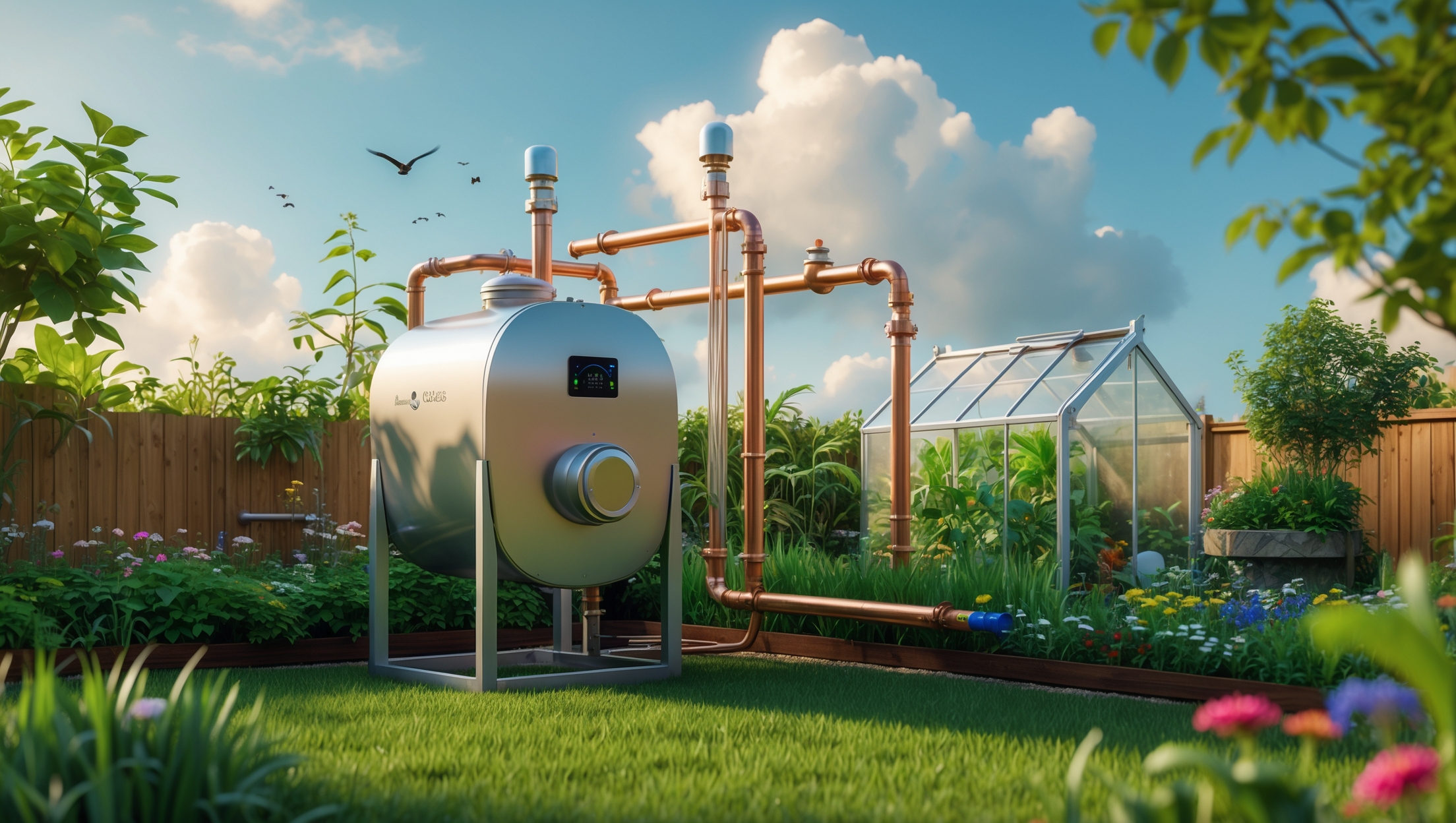
Introduction: Why Compliance Matters for Home Biogas Digesters
Home biogas digesters are rapidly gaining popularity among eco-conscious homeowners seeking to recycle organic waste and generate renewable energy. These innovative systems convert kitchen scraps and garden waste into biogas for cooking or heating, and produce nutrient-rich digestate for gardens. While the benefits are clear—reduced landfill contributions, lower utility bills, and a smaller carbon footprint—the path to legal, safe installation is often overlooked.
Compliance and permitting are not just bureaucratic hurdles; they’re essential for the safety, legality, and long-term viability of your home biogas project. Navigating the legal landscape ensures your system meets local, state, and federal regulations, avoids costly fines, and keeps your neighbors, property, and environment safe. This in-depth guide covers every step of the process: from understanding why regulations exist, deciphering codes, applying for the right permits, to ensuring ongoing compliance. Whether you’re a first-timer or upgrading an existing system, this comprehensive resource is your roadmap to a trouble-free, sustainable biogas setup.
Understanding Biogas Digesters and Regulatory Concerns
What is a Home Biogas Digester?
A home biogas digester is a sealed system that processes organic waste anaerobically to produce biogas (a mixture of methane and carbon dioxide) and liquid fertilizer. The biogas can be used for cooking, heating, or even small-scale electricity generation. Home digesters come in prefabricated kits or as DIY builds, ranging from compact units for urban yards to larger systems for rural properties.
Why Are There Compliance and Permitting Requirements?
- Safety: Methane is flammable and can pose explosion risks if not managed correctly.
- Environmental Protection: Leakage or improper digestate management may contaminate soil and water.
- Public Health: Decomposition of waste can attract pests or cause odors if not properly contained.
- Property Value & Zoning: Local governments regulate what can be installed on residential properties to maintain safety and order.
Step 1: Researching Local Regulations
Start with Municipal Codes and Zoning
The first step is to consult your city or county’s building department. Many municipalities have specific codes governing on-site waste treatment, flammable gas storage, and small-scale energy production. Key points to check:
- Zoning Laws: Is a biogas system permitted in your residential zone?
- Allowed System Size: Are there limits on the digester’s capacity?
- Setbacks: Minimum distance from property lines, buildings, wells, and water bodies.
- Noise & Odor Regulations: Restrictions to protect neighbors.
County and State Environmental Health Departments
Some regions require additional oversight from environmental or public health agencies, especially if digestate will be used on gardens or disposed of on-site. Requirements may include:
- Waste handling plans
- Water quality protection plans
- Periodic inspections
Fire and Safety Codes
Because biogas contains methane, your local fire marshal’s office or fire department may have requirements for gas storage, piping, and appliance connections. This often includes:
- Approved materials and installation methods for gas lines
- Location of gas storage relative to structures
- Ventilation and pressure relief requirements
Step 2: Navigating the Permitting Process
Types of Permits You May Need
- Building Permit: For the installation of a fixed structure or modifications to existing buildings.
- Plumbing/Gas Permit: For connecting biogas lines to appliances.
- Environmental Permit: For waste processing or digestate use/disposal.
- Electrical Permit: If generating electricity with biogas.
Preparing Your Application
Most permit applications will require:
- A detailed site plan showing the location of the digester, gas lines, and appliances
- Specifications and safety certifications for the digester unit
- Waste input and output projections
- Maintenance and monitoring plans
- Proof of zoning compliance
Working with Inspectors
After submitting your application, expect at least one site inspection. Inspectors will verify:
- System is installed as per the approved plan
- Materials are up to code
- Safety devices (like gas detectors, pressure relief valves) are in place
- Proper signage and emergency shutoffs are present
Address any requested changes promptly to avoid delays.
Step 3: Codes and Standards for Biogas Digesters
Relevant Codes and Standards
- International Residential Code (IRC): May be adopted by your local jurisdiction and covers general construction requirements.
- International Plumbing Code (IPC): For gas piping, waste transport, and appliance connections.
- NFPA 54 (National Fuel Gas Code): For safe installation and operation of fuel gas systems, including biogas.
- Local health and sanitation codes
Third-Party Certification
Some municipalities require that your digester is certified by recognized organizations (such as ANSI, CSA, or IAPMO) for safety and performance. Using a certified system can greatly speed up the permitting process.
Step 4: Addressing Common Compliance Challenges
Zoning Restrictions
Some communities prohibit on-site waste processing in residential zones. Solutions include:
- Advocating for pilot programs or variances
- Partnering with local sustainability groups to demonstrate safety and benefits
- Choosing a system designed for urban or suburban compliance
Odor and Pest Control
Strict adherence to maintenance and proper feedstock selection (avoiding meat, dairy, or oils unless the system is rated for them) minimizes risk. Many jurisdictions require demonstration that odors and pests will be controlled as part of the permitting process.
Managing Digestate
Digestate (the liquid fertilizer byproduct) can be a compliance sticking point. Local rules may limit its use on edible crops or require specific storage and application methods. Obtain written guidance from your local agricultural extension or health department to ensure compliance.
Step 5: Documentation and Record-Keeping
Why Documentation Matters
Proper records not only demonstrate compliance but also protect you in case of complaints or future property sales. Keep:
- Copies of all permits, inspection reports, and correspondence
- Maintenance logs (feedstock input, digestate output, cleaning schedules)
- Incident reports (any leaks, malfunctions, or complaints)
Reporting Requirements
Some permits require periodic reporting to local agencies, especially for larger or pilot systems. Stay ahead by calendaring reporting deadlines and maintaining up-to-date records.
Step 6: Ensuring Ongoing Compliance
Maintenance Best Practices to Stay Compliant
- Regularly inspect for leaks, pressure changes, or unusual odors
- Clean filters, inlets, and outlets as recommended by the manufacturer
- Test gas quality and composition if required by permit
- Keep clear access for inspectors and emergency responders
Renewing Permits and Handling Upgrades
Some jurisdictions require annual permit renewals or re-inspection, particularly if you plan to expand or modify your system. Notify your permitting authority before making changes to avoid compliance issues.
Step 7: Tips for a Smooth Permitting Experience
Engage Early and Communicate Often
- Talk to neighbors: Address concerns about odors or safety before installation.
- Consult professionals: If in doubt, work with a certified installer or permitting consultant.
- Stay organized: Track all communications and submissions for easy reference.
Know When to Seek Legal Help
If you encounter unexpected obstacles—such as a denied permit or new zoning restrictions—an attorney or advocate experienced in sustainable energy can help navigate appeals or propose reasonable solutions to local authorities.
Case Study: Navigating Permitting in a Suburban Neighborhood
Consider the experience of the Harris family, who installed a 2-cubic-meter biogas digester in their suburban backyard. After researching local codes, they discovered their town required a special use permit for on-site waste processing and had strict setbacks from wells. They worked with a local installer who provided certified equipment and created a comprehensive site plan addressing all concerns. By proactively engaging with neighbors and submitting detailed odor and safety management plans, they secured their permit in just six weeks. Their system has now operated safely for three years, providing cooking gas and organic fertilizer for their garden, with zero compliance issues reported.
Conclusion: Legal Compliance as a Foundation for Sustainable Success
While the promise of home biogas digesters is undeniable—turning waste into clean energy and fertilizer—the journey to a safe, legal, and effective system begins with thorough attention to compliance and permitting. Regulations exist not to stifle innovation, but to protect you, your community, and the environment from preventable risks. By understanding the relevant codes, seeking the appropriate permits, and adhering to best practices, you not only avoid legal headaches but also set a strong example for responsible, sustainable living.
Remember, sustainable technology thrives when it integrates seamlessly into the fabric of our communities. Every permit application, inspection, and record you maintain helps pave the way for broader acceptance and adoption of green technologies. If you’re ready to embark on your biogas journey, start by reaching out to your local building and health departments, and don’t hesitate to seek professional guidance. With the right preparation, your home biogas project can be a beacon of innovation and sustainability for years to come.
For further resources, consult your local extension office, state environmental agency, or reputable biogas equipment suppliers. Staying informed and compliant is not just about following the rules—it’s about ensuring your investment continues to deliver value, safety, and sustainability for you and your community.


The article mentions the risk of methane leakage and contamination—can you share what specific codes or regulations homeowners should check for in relation to environmental protection before installing a digester?
Homeowners should review local building and environmental health codes, as these often set standards for gas containment, ventilation, and setback distances for biogas systems. Many areas require compliance with fire safety regulations and may mandate permits for gas appliances or waste processing units. It’s also important to consult your city or county environmental agency, as some regions have specific ordinances related to methane emission control and groundwater protection.
If I’m hoping to install a compact biogas system in my urban backyard, what are the typical steps I need to follow for city permitting, and are there common pitfalls I should watch out for when dealing with local authorities?
To install a compact biogas system in your urban backyard, start by checking your city’s zoning regulations and waste management codes, as these often determine if such systems are allowed. Contact your local building department to ask about permit requirements; you may need to submit system plans or get inspections. Common pitfalls include overlooking fire safety rules or failing to get neighbor approval when required, so review all relevant codes and communicate clearly with officials throughout the process.
I’m considering installing a small home biogas digester like you described, but I’m unsure about which permits are usually required at city versus state level in the US. Do you have any tips on how to figure out where to start with the paperwork?
To get started, contact your city’s building or planning department—they often handle residential permits and can tell you if a biogas digester is allowed. They’ll also know if you need additional health, fire, or environmental permits. Your state’s environmental agency is the next stop, as they may have broader rules or reporting requirements. Always double-check utility and waste regulations. Keeping records of all inquiries can help if questions come up later.
If I want to build a DIY home biogas system instead of buying a prefabricated kit, are there different codes or extra steps I should be aware of when applying for permits?
Yes, building a DIY biogas system can involve more scrutiny from permitting authorities compared to installing a prefabricated kit. You may need to provide detailed design plans, safety features, and possibly engineering certifications to meet local building and fire codes. Be prepared for additional inspections or requirements around gas storage and materials. It’s a good idea to consult your local permitting office early in the process to understand exactly what’s needed.
You mention ongoing compliance after installation. What kind of routine checks or maintenance do homeowners usually have to document for the authorities to stay compliant with state and local codes?
Homeowners are typically required to keep records of routine inspections and maintenance for their home biogas digesters. This often includes documenting the condition of tanks and piping, checking for leaks, verifying that safety equipment is functional, and ensuring proper waste input and output management. Some local codes may also require periodic reports or inspections by certified professionals. Keeping detailed logs of all maintenance activities and repairs will help demonstrate ongoing compliance if requested by authorities.
For homeowners on a budget, what are the potential cost factors related specifically to compliance and permits for a home biogas digester, beyond the purchase and installation of the system itself?
When budgeting for a home biogas digester, compliance and permitting costs can include application fees for local permits, required inspections (which may have their own charges), and potentially hiring a professional to help navigate the regulatory paperwork. Some areas might also require periodic renewals or safety certifications. It’s important to check with your local authorities as costs and requirements can vary by municipality.
If budget is a concern, are there certain features or system sizes that tend to be easier or cheaper to get permitted in a typical suburban US setting? For example, would a smaller unit face fewer regulatory hurdles?
Smaller home biogas digesters generally face fewer regulatory hurdles and are usually less expensive to permit, especially in suburban settings. Local authorities often have simplified or expedited processes for systems under a certain capacity, such as those designed for single-family homes. Basic features without complex electrical or plumbing connections also tend to be easier and cheaper to get approved. Always check local permitting requirements before purchasing or installing a unit.
I understand from the article that home biogas digesters have different compliance requirements depending on where you live. How can I find out which specific local or state codes apply to my property before I start designing or buying a system?
To find out which local or state codes apply to your property, start by contacting your city or county building department—they can tell you about relevant zoning, permitting, and safety rules for biogas systems. Your state environmental agency is another good resource, as they may have additional requirements. It’s also smart to check with your homeowners’ association, if you have one, since they might have restrictions too.
What are some common mistakes that first-timers make when applying for permits for home biogas digesters? I’m especially interested in pitfalls related to local codes or misunderstandings about environmental requirements.
First-timers often overlook zoning restrictions or fail to check with their local municipality about specific requirements, assuming state or federal rules are enough. Another common pitfall is underestimating the need for proper setback distances from property lines or water sources. Some applicants also neglect to submit detailed site plans or miss required environmental impact documentation, which can delay approval. It’s crucial to clarify both local codes and environmental requirements before submitting your application.
What are the typical costs involved with permitting and compliance for a small home biogas setup, aside from the cost of the digester itself? I’m trying to figure out how much to budget for legal and safety requirements.
For a small home biogas digester, permitting and compliance costs can vary based on your local regulations. Typically, you might expect to pay $50 to $300 for permit fees. If inspections are required, those could add $100 to $250. Consulting with a professional or legal expert for guidance might cost another $100 to $500, depending on the complexity. Be sure to check with your local authorities to get precise figures for your area.
What’s usually involved in the ongoing compliance part after you get your digester approved? Do you need to do regular inspections or submit any reports to local authorities?
After your home biogas digester is approved, ongoing compliance often includes periodic inspections to ensure safety and continued proper operation. Some local authorities might require you to keep simple records about maintenance or feedstock use, and in certain areas, you may need to submit occasional reports confirming that your system meets environmental and safety standards. The exact requirements vary, so it’s a good idea to check with your local permitting office for details.
You mention that methane is flammable and environmental contamination is a concern. Are there standard safety distances or zoning rules that decide how close a biogas digester can be to houses or gardens in the US?
There aren’t nationwide standard safety distances for home biogas digesters in the US; requirements vary by state and local regulations. Many local codes set minimum distances from buildings, property lines, wells, and gardens—sometimes 10 to 50 feet or more. It’s best to check with your local building or environmental health department for specific zoning and permitting rules before installation.
If my biogas digester is mainly for processing kitchen scraps and not for larger-scale use, are there any expedited or simplified permitting options available for smaller systems? Trying to estimate how long the approval process might take.
For small-scale home biogas digesters that process kitchen scraps, many local authorities do offer simplified or expedited permitting processes. The specific requirements and timelines can vary by region, but approvals for residential systems are often faster and less complex than for larger installations. It’s best to contact your local permitting office directly; some areas may approve small systems within a few weeks, especially if safety guidelines are clearly met.
You mentioned ongoing compliance for home biogas systems. What kinds of inspections or recurring paperwork should I expect to handle after the initial installation and permitting process?
After your home biogas system is installed and permitted, you might be required to schedule periodic safety inspections—often annually or every few years—depending on your local regulations. You could also need to submit recurring paperwork, like maintenance logs or operational reports, to show you’re running the system safely. Your local permitting office can give you a checklist of what’s expected, as requirements differ by location.
I’m a first-time DIYer and I’m not sure how to figure out which local, state, and federal regulations apply to me. Is there a certain government department I should contact first, or do most people need to talk with multiple agencies when applying for permits for a home biogas digester?
For a home biogas digester, you’ll typically need to check with multiple agencies. Most people start with their local building or planning department, as they set zoning and safety requirements. After that, you may need to consult your state’s environmental agency for waste management and air quality rules, and occasionally fire departments or utility providers. Federal regulations usually apply more to larger or commercial systems, but it’s good to confirm with local officials.
I’m interested in starting small, but I’m concerned about the safety aspect, especially regarding methane leaks. Are there particular safety checks or inspections required by local authorities before I can start using the digester?
Your concern about methane safety is very valid. Many local authorities do require inspections for biogas digesters, especially to check for potential gas leaks and proper ventilation. Some areas mandate permits and an initial safety inspection before operation. It’s important to contact your local building or environmental health department to find out the specific requirements in your area. Regular maintenance and self-checks for leaks are also recommended even after initial approval.
You talk about safety and environmental risks around methane and digestate management. Are there any specific mistakes or issues that commonly cause people to run into trouble with local code enforcement after installing their digester?
Yes, a few common mistakes can lead to trouble with local code enforcement. These include installing the digester too close to property lines or water sources, failing to manage methane leaks, improper handling or storage of digestate, and not securing the system against animals or unauthorized access. Neglecting regular maintenance and ignoring odor control can also draw attention from authorities. It’s important to review your local regulations and follow manufacturer guidelines to avoid these issues.
In your experience, how long does it generally take to get all necessary permits approved for a small residential biogas digester, assuming all paperwork is filled out correctly from the start?
For a small residential biogas digester, permit approval times can vary depending on your local jurisdiction. Typically, if all paperwork is complete and there are no special zoning issues, approval may take anywhere from two weeks to two months. It’s a good idea to check with your local permitting office for a more precise timeline, as processing speed can differ between regions.
The article mentions safety and methane explosion risks. Are there specific regulations or recommended safety checks homeowners should do regularly after setting up a biogas system?
Yes, homeowners should follow both regulatory requirements and best practices. Local regulations may require proper gas piping, ventilation, and distance from residential areas. Recommended safety checks include inspecting for gas leaks, ensuring pressure relief valves work, checking for adequate ventilation, and keeping the digester away from ignition sources. Some areas may also mandate periodic inspections by certified professionals, so checking with your local permitting office is important.
I’m curious if budget-friendly biogas systems are actually more difficult to get permitted because they might lack certain safety features. Are there common features inspectors look for that could impact approval or compliance costs?
Budget-friendly biogas systems can sometimes face more scrutiny during permitting, mainly if they lack standard safety features like gas pressure relief valves, flame arrestors, or leak detection. Inspectors often look for these elements to ensure safe operation and prevent hazards. Missing or inadequate safety features can slow approval and might increase compliance costs, as you may be required to retrofit the system to meet local codes.
The article mentions managing digestate properly to avoid contaminating soil and water. Are there specific regulations about how or where you’re allowed to use or dispose of the liquid fertilizer from a home biogas system?
Yes, there can be specific regulations regarding the use or disposal of digestate from home biogas systems, especially the liquid portion. Local or state environmental agencies often set rules to prevent nutrient runoff or groundwater contamination. You may be required to avoid applying digestate near water sources or on saturated ground. It’s best to check with your local environmental health department for exact guidelines in your area, as regulations can vary widely.
I know compliance helps with safety and legal questions, but are there any significant cost differences between staying fully permitted versus trying to cut corners? I’m on a tight budget but definitely want to follow the law.
Cutting corners on permits might seem cheaper upfront, but it can lead to fines, required system modifications, or even removal of your digester—often costing much more in the long run. Staying fully permitted may involve some extra fees and paperwork, but it helps avoid unexpected expenses and ensures your system is safe and legal. Many areas also offer guidance or incentives that can help offset some compliance costs.
You mention the importance of public health and odor control—are there particular design features or maintenance routines you recommend to minimize nuisance odors and avoid attracting pests? This is my first time attempting something like this.
To minimize odors and prevent pests, make sure your digester is airtight except for the gas outlet, which should be fitted with a filter like activated carbon. Keep the input sealed after each use and avoid overloading the system with high-fat or protein-rich waste. Regularly check for leaks, promptly remove any spilled residues, and maintain balanced moisture and temperature levels. Cleaning around the digester and covering any feedstock can also help keep pests away.
You mention that compliance is essential for safety and environmental protection. Are there any affordable options or resources for homeowners on a tight budget to help cover the permitting and inspection fees for these systems?
Many local governments and environmental agencies offer grants or subsidies to help offset the costs of permitting and inspections for home biogas digesters. Some community organizations also provide guidance or partner with installers to reduce fees. It’s worthwhile to check with your local municipality and utility companies, as they sometimes have incentive programs for renewable energy projects. Additionally, some non-profits may offer low-cost workshops or resources to help homeowners navigate the permitting process without extra expense.
Is the permitting process for a prefabricated home biogas kit generally easier than for a DIY build, or are they pretty similar in terms of what inspectors look for?
In most areas, the permitting process for a prefabricated home biogas kit tends to be a bit smoother. Inspectors often view certified kits as safer since they come with manufacturer guidelines and tested components. With DIY builds, you may face more questions about materials and safety features, so documentation and clear plans are especially important if you go that route. Still, both options must meet local codes for safety and environmental impact.
I’m new to this and wondering, when applying for permits for a home biogas digester, do the rules tend to be stricter if you build your own DIY system compared to buying a prefabricated kit? Or do they get treated the same by most local authorities?
Local authorities often set stricter requirements for DIY biogas digesters compared to prefabricated kits. Prefabricated systems usually come with safety certifications or documentation, which can make the permitting process simpler. DIY systems may need more detailed plans and safety assurances to meet code. It’s best to check with your specific permitting office and be prepared to provide additional information if you’re building your own.
The article mentions environmental protections like preventing leakage and managing digestate. What are some practical steps or technologies that homeowners can use to ensure they stay compliant with these particular regulations?
Homeowners can use gas-tight digesters to prevent methane leakage, regularly inspect seals and joints, and install gas monitoring devices for early detection of leaks. For managing digestate, using secondary containment systems, properly lining storage areas, and applying digestate only at agronomically appropriate rates can help. It’s also useful to document these practices to demonstrate compliance if needed.
The safety concerns around methane are a bit intimidating. Do most states require an inspection of the system after it’s installed, and if so, who actually does those inspections?
You’re right to be mindful of methane safety. Inspection requirements vary by state and even by local jurisdiction. In areas where inspections are mandated, they’re typically carried out by local building or environmental health departments. Sometimes, a fire marshal may also be involved. It’s important to check with your local permitting office to find out the exact requirements and who will handle the inspection in your area.
Do permitting requirements for home biogas digesters vary depending on whether you use a prefabricated kit or build your own DIY system? I’m trying to decide which route to take but want to make sure I comply with local codes from the start.
Yes, permitting requirements can differ between prefabricated kits and DIY biogas systems. Prefabricated kits often have certifications or documentation that can simplify the permitting process, while DIY systems might require more detailed plans and inspections to demonstrate safety and code compliance. It’s best to check with your local permitting office for specific requirements, as some jurisdictions may treat the two options differently.
When applying for permits, are there specific guidelines for safe methane management that homeowners should be aware of, especially in urban areas with smaller yards?
Yes, when applying for permits, urban homeowners should pay close attention to guidelines on safe methane management. These typically include requirements for proper ventilation, setback distances from neighboring properties, gas-tight digester construction, and safety valves to prevent leaks. Local authorities may also specify tank placement and minimum buffer zones. It’s important to check your city’s building and fire codes for any additional methane safety measures, as requirements can vary by municipality.
I’m really interested in the safety aspect you mentioned. Are there specific safety codes or inspections that homeowners should expect during the permitting process for a home biogas digester? If so, what are some common issues people run into?
Yes, homeowners can expect to follow certain safety codes, often related to gas handling, ventilation, and fire prevention. Inspections may check for secure gas storage, proper placement away from buildings, and leak-proof construction. Common issues include improper installation, inadequate ventilation, or using non-compliant materials. It’s a good idea to consult your local permitting office early to understand the specific requirements in your area, as these can vary.
The article mentions federal, state, and local regulations. Is there an easy way to find out which permits actually apply in my specific town, or do I have to contact each agency one by one before starting my home biogas project?
Finding out exactly which permits apply in your town can sometimes be streamlined by checking your local government’s website or speaking with your town’s building or environmental department. They often act as a central resource and can either answer your questions directly or let you know which other agencies you need to consult, saving you from contacting each agency individually.
You mentioned that improper digestate management can contaminate soil and water. Are there specific best practices or legal standards on how to safely handle and use the liquid fertilizer that comes out of the digester?
Yes, there are both best practices and regulations for handling digestate from home biogas digesters. It’s important to store digestate in sealed containers to prevent spills and runoff, and only apply it to soils where it won’t reach waterways. Some regions require digestate to be fully composted or treated before use on edible crops. Always check your local agricultural or environmental agency for rules about application rates, buffer zones, and approved uses to ensure you stay compliant and protect the environment.
Do permitting fees and inspection costs for home biogas setups tend to be significant in the overall budget, or are they pretty minor compared to the system itself? Would love some insight for planning purposes.
Permitting fees and inspection costs for home biogas digesters are usually minor compared to the price of the digester system itself. Most of your budget will go toward purchasing and installing the system. However, exact fees can vary by location, so it’s smart to check with your local permitting office for specific numbers before finalizing your budget.
If someone is upgrading an existing biogas system, what is the process for staying compliant—do they need entirely new permits, or can modifications be reported under an existing approval?
When upgrading an existing biogas system, the process depends on your local regulations and the extent of the modifications. Minor changes may be reported under your existing permit, but significant upgrades often require a new or amended permit. It’s best to contact your permitting authority early, describe the planned upgrades in detail, and confirm whether new documentation or inspections will be needed to stay compliant.
Could you provide more details on managing digestate safely to avoid environmental contamination? I want to make sure I’m following best practices so I don’t end up with soil or water issues in my backyard.
Managing digestate safely starts with storing it in leak-proof, covered containers to prevent spills and runoff. Apply digestate only to soil that can absorb it, avoiding application before heavy rain. Test digestate and soil regularly to monitor nutrient levels and prevent over-application, which can lead to nutrient leaching. Always keep digestate away from wells, streams, or drainage ditches to protect water sources. Following these steps will help you prevent contamination and maintain healthy soil.
The article mentions potential environmental risks like digestate leaking into soil and water. Are there specific containment or design requirements that local inspectors usually look for when approving permits for backyard digesters?
Local inspectors often check for specific features to prevent digestate leaks, such as impermeable liners under and around the digester, secure tanks or containers to hold the digestate, and proper separation distances from wells or water bodies. They may also require secondary containment systems or barriers and proof that the digester is located on stable, non-flood-prone ground. Requirements can vary, so it’s a good idea to consult with your local permitting office for exact standards in your area.
Do regulations for home biogas digesters differ significantly between urban and rural areas, particularly when it comes to system size or proximity to neighbors? I am considering installing one in a suburban neighborhood and want to understand what specific zoning or permitting hurdles I may face.
Regulations often do differ between urban, suburban, and rural areas. In suburban neighborhoods, you may face stricter zoning rules, such as minimum distances from property lines or limitations on system size due to concerns about odors and safety. You’ll likely need to check with your local zoning office for permits and specific setback requirements. It’s a good idea to review local ordinances before you begin, as some areas may require inspections or special approval for home biogas systems.
I’m new to home biogas systems and wondering if there are standard national codes for installing these digesters, or does everything depend on my specific city or county? The article mentions federal, state, and local regulations and I’m not sure where to look first.
There aren’t standard national codes specifically for home biogas digesters. Most requirements depend on your local city or county, with some states having their own regulations. It’s a good idea to start by checking with your local building or environmental health department to see if there are any permits or specific codes you must follow. They can also let you know about any state rules that may apply.
For homeowners with smaller urban lots, are there size or capacity limits imposed by local codes that could restrict the use of home biogas digesters? I’m trying to figure out if my property is even eligible before investing in a system.
Local codes often set specific size and capacity limits for home biogas digesters, especially in urban areas. These limits can vary widely depending on your city or county zoning regulations. Some areas may restrict the volume of material processed or require minimum setbacks from property lines. It’s best to check with your local building or environmental health department to see if your property meets the eligibility requirements before making any investment.
For someone on a tight budget, are there ways to minimize the permitting costs or streamline the compliance steps when installing a small biogas digester at home?
You can often reduce permitting costs by choosing smaller biogas digesters, as some regions exempt low-capacity systems from complex permits. Check if your area offers simplified approval for home-scale projects or if you can self-certify compliance. Contact your local permitting office to clarify requirements and ask about any reduced-fee permits or community programs that support sustainable home energy projects.
I’m curious about the budgetary implications—are there typical costs associated with permits or ongoing compliance for a residential biogas digester? Any tips on avoiding unexpected expenses as you navigate the regulatory process?
Permit fees for residential biogas digesters can vary widely depending on your location, but they’re often in the range of $50 to $500, with some areas charging more. Ongoing compliance costs might include inspections or small annual fees. To avoid unexpected expenses, contact your local permitting office early, ask for a complete list of requirements and potential fees, and check if there are specific standards or certifications your system must meet. Factoring in costs for possible site modifications or professional assistance can also help you budget more accurately.
If a homeowner is upgrading an existing system to a larger capacity, do they typically need to restart the entire permitting process, or are there streamlined procedures for modifications to previously permitted biogas installations?
When a homeowner wants to upgrade an existing biogas digester to a larger capacity, most jurisdictions require at least a permit amendment or review, but the process is often more streamlined than starting from scratch. You’ll likely need to submit updated plans and possibly undergo a new inspection, but you may not have to repeat the full permitting process. Always check with your local permitting office, as procedures can vary.
The article mentions that safety is a big reason for compliance, especially because methane is flammable. Are there specific safety features or equipment inspectors usually look for during the permitting process for home biogas digesters?
Inspectors typically look for several key safety features during the permitting process for home biogas digesters. These include gas-tight seals to prevent methane leaks, pressure relief valves, proper ventilation systems, flame arrestors, and secure storage tanks. They may also check for clear labeling, safe distances from buildings, and emergency shut-off mechanisms. Ensuring these features are in place helps minimize fire and health risks associated with biogas systems.
I’m curious about the budget side—are there typical costs associated with the permitting process for a home biogas digester, and do they vary by state or type of system?
Permitting costs for home biogas digesters can vary quite a bit depending on where you live and the size or complexity of your system. In some states or municipalities, permit fees might be as low as $50 to $200, while in others, especially where more detailed inspections or environmental reviews are required, fees can reach several hundred dollars. Always check with your local permitting office for the most accurate and specific cost information.
You mention environmental concerns like digestate management. What ongoing maintenance or monitoring is usually required by local authorities to make sure I’m disposing of waste properly after the digester is up and running?
Local authorities typically require regular checks on how digestate is stored and disposed of. This often means keeping records of when and how you remove digestate, ensuring it’s not contaminating water sources, and possibly having the digestate tested for safety. Some areas may ask for periodic reports or site inspections to confirm you’re following proper disposal practices. It’s best to check with your local environmental agency for detailed requirements in your area.
For homeowners planning to upgrade from a basic to a larger home biogas system, what’s the usual process for updating permits or inspections, and does this often trigger new requirements at the local or state level?
When upgrading to a larger home biogas system, you’ll typically need to notify your local building or environmental department. This often involves submitting updated plans and may require a new or revised permit. Larger systems can trigger additional inspections and sometimes new requirements, like enhanced safety measures or stricter setback distances. Local and state rules vary, so check with your permitting office early to ensure full compliance during the upgrade.
I’m interested in installing a prefabricated biogas digester kit, but I’m wondering if the permitting process is usually simpler for kits compared to homemade systems. Do authorities tend to treat these differently?
Authorities often view prefabricated biogas digester kits more favorably because they typically meet established safety and engineering standards, which can streamline the permitting process compared to homemade systems. However, requirements vary by location, so it’s important to check with your local permitting office. They may ask for product certifications or installation manuals, but prefabricated kits usually have the necessary documentation to help satisfy those requests.
If I want to do a DIY build instead of buying a prefabricated biogas kit, are the compliance and permitting steps more difficult? The article mentions both options, but I’m not sure if homemade setups get extra scrutiny from regulators.
Building a DIY biogas digester does often involve more scrutiny from regulators compared to using a certified prefabricated kit. Homemade setups may require you to provide detailed plans, safety features, and proof of compliance with local codes, since regulators want to ensure safe design and operation. You might also need extra inspections or approvals. Checking with your local permitting office before starting your build is recommended to understand their requirements.
With all the different codes and permits mentioned, about how long should I expect the approval process to take before I can actually set up and use my biogas system at home?
The approval timeline for a home biogas digester can vary quite a bit, usually ranging from a few weeks to a couple of months. Factors like your local building codes, the complexity of your system, and the responsiveness of your permitting office all play a role. It’s a good idea to contact your local permitting authority for an estimated timeframe based on your location and specific setup.
You mention both prefab kits and DIY biogas digesters. From a legal standpoint, is one approach generally easier to permit or comply with than the other, or are they treated the same way by most US authorities?
Prefab biogas digesters are usually easier to permit and comply with, since they often come with certifications and documentation that help meet code or safety requirements. DIY digesters can raise more concerns for inspectors, as they lack standardized testing or approvals. However, local authorities may have different policies, so it’s always wise to check specific regulations before starting either approach.
For homeowners upgrading from an older biogas system to a newer model, does the permitting process differ at all? Is there anything special that needs to be done when replacing or expanding an existing system?
When upgrading or expanding an existing biogas system, the permitting process can differ compared to installing a new one. Most local authorities require you to update or reapply for permits, especially if the new system is larger, uses different technology, or involves new construction work. It’s important to check with your local permitting office before starting, as they may ask for updated plans, inspections, or documentation showing safe decommissioning of the old system.
You mention that biogas systems can range from small urban units to larger rural setups. Do compliance and permitting requirements differ significantly between cities and rural areas, or is the process pretty much the same no matter where you live?
Compliance and permitting requirements for biogas digesters do vary quite a bit between urban and rural areas. In cities, you’ll usually face stricter zoning, building codes, and possibly more environmental reviews. Rural areas often have more flexible regulations, especially for agricultural use. It’s important to check with your local authorities to understand the specific rules in your location before installing a system.
Are there any major differences in compliance requirements for biogas digesters between rural and urban areas in terms of environmental protection or public health concerns highlighted in the article?
Yes, the article highlights that compliance requirements can differ significantly between rural and urban areas. Urban areas often have stricter regulations due to higher population density and greater concern over public health and odors. Environmental protection standards may be more rigorous in cities, requiring additional permits and monitoring. In rural settings, rules may be more flexible but still focus on safe waste management and groundwater protection. Always check local regulations, as they can vary widely depending on your location.
How long does it usually take to get the necessary permits for a small home biogas digester, and is there a typical timeframe I should budget for before I can actually start using the system?
The permit approval process for a small home biogas digester can vary depending on your local regulations, but it typically takes anywhere from a few weeks to a couple of months. It’s a good idea to budget at least 4 to 8 weeks for obtaining permits and any necessary inspections before you plan to start using the system.
If I want to upgrade an existing DIY biogas setup to a prefabricated kit, do I need to undergo a completely new permitting process, or can I modify my existing permits with updated information?
Upgrading from a DIY biogas system to a prefabricated kit usually means you’ll need to update your existing permits, but the requirements can vary by location. Many local authorities allow permit modifications if the new system has similar capacity and safety standards. It’s important to check with your local permitting office—they’ll let you know if a full new application is needed or if an amendment to your current permit will suffice.
If I want to put a small biogas digester in an urban backyard, does the compliance process tend to be faster or involve fewer requirements compared to installing one on a larger rural property due to size and proximity issues?
In urban areas, installing a small biogas digester can sometimes involve more requirements compared to rural settings, mainly due to zoning, fire codes, and proximity to neighbors. The process may not necessarily be faster, as urban regulations tend to be stricter. It’s important to check with your local permitting office to understand the specific local requirements and timelines for your area.
For those working with a tight budget, are there recommended low-cost ways to ensure your biogas setup meets environmental protection standards and avoids issues with digestate leakage?
If you’re working with a limited budget, you can still take practical steps to meet environmental standards. Start by using high-quality, sealed containers for your digester to prevent leaks. Regularly inspect for cracks or weak points and patch them quickly. Set up a secondary containment area—like a shallow, lined pit—to catch any accidental spills. Keep clear records of any maintenance or repairs, which can be helpful if questions arise from authorities.
The article talks about ongoing compliance after installation—how often do systems typically have to be inspected, and by whom? Is there a recurring cost or paperwork homeowners should plan for?
Home biogas digesters usually need to be inspected annually or every few years, depending on local regulations. Inspections are typically carried out by local environmental health departments or building inspectors. Homeowners should expect a recurring fee for these inspections, and some areas require periodic paperwork or reporting to keep permits valid. It’s a good idea to check with your local permitting office to understand the specific schedule and costs in your area.
Could you explain more about the difference between permits for a prefabricated biogas kit versus a DIY build? Does one tend to involve a simpler approval process, or are both equally strict when it comes to meeting local codes?
Permits for prefabricated biogas kits usually involve a simpler approval process because these kits are manufactured to meet common safety and engineering standards, making them easier for officials to review. DIY builds, on the other hand, often face stricter scrutiny since they require detailed plans and may need additional inspections to prove compliance with local codes. Always check local regulations, as requirements vary between jurisdictions.
For someone who’s never applied for permits before, could you walk through the usual steps or paperwork involved? Is this something a homeowner can manage alone, or would I need to hire a professional?
Applying for permits typically starts with checking local building codes and zoning regulations at your city or county office. You’ll likely need to fill out a permit application, provide site plans, and sometimes submit technical details about the digester. Most homeowners handle this themselves, but if the paperwork feels overwhelming or if your area has strict requirements, consulting a professional or installer can make the process smoother.
If my property borders a stream and I’m worried about potential soil or water contamination, what specific environmental rules or restrictions should I look out for before installing a home biogas digester?
Since your property is near a stream, you’ll need to pay close attention to local, state, and federal regulations that protect waterways. Look for setback requirements that dictate how far digesters must be from water sources, limits on nutrient runoff, and rules about spill prevention. You might also need to obtain permits for waste handling or discharge. Contact your local environmental agency to ensure you comply with all relevant water protection standards.
For someone looking to upgrade from a DIY biogas setup to a commercial kit, what are some common compliance pitfalls to watch out for during the permitting process?
When upgrading to a commercial biogas kit, common compliance issues include improper site zoning, insufficient setback distances from property lines or buildings, and inadequate safety measures like gas leak detectors. Overlooking local fire codes or waste handling regulations can also delay permits. It’s important to check with your local permitting office early and to have detailed installation and safety plans ready to ensure a smoother approval process.
Managing odor and pests is mentioned as a public health concern. Are there standard troubleshooting tips or regular maintenance practices recommended to avoid issues that might trigger compliance problems?
To minimize odor and pest problems with home biogas digesters, regular maintenance is key. Make sure to only add recommended feedstock and avoid overloading the system. Keep the digester sealed properly and check for leaks often. Cleaning input and output areas and promptly removing any spills will also help. Monitoring temperature and pH can prevent system imbalances that contribute to odors. These steps not only ensure smooth operation but also help you stay compliant with local regulations.
The article talks about the importance of proper digestate management for environmental protection. What are some common mistakes homeowners make with digestate, and how can those be avoided to stay compliant?
Homeowners sometimes apply digestate directly to gardens without checking for contamination or nutrient overload, which can harm plants or local waterways. Another common mistake is storing digestate in open containers, leading to odors or runoff. To stay compliant, always test digestate quality, use sealed storage, and follow local guidelines for application rates and timing. This helps protect the environment and ensures ongoing compliance with regulations.
For someone on a tight budget, do compliance and permitting costs make a big difference depending on if you choose a prefabricated kit versus building your own biogas digester from scratch?
Yes, compliance and permitting costs can vary depending on your approach. Prefabricated kits are often certified and may simplify the permitting process, possibly reducing fees and inspections. Building your own digester from scratch might require more detailed plans for approval and could involve extra costs for professional assessments or modifications to meet local codes. It’s best to check with your local authorities to compare specific permit requirements and fees for each option.
I’m a bit worried about the potential for odors or pests, as you mentioned in the section on public health. Are there specific design features or ongoing maintenance protocols that help prevent these common problems?
Absolutely, you can minimize odors and pests with a few smart design choices and maintenance routines. Opt for a sealed, airtight digester system to contain smells and prevent pest entry. Regularly check for leaks, ensure proper feeding ratios, and keep inlet and outlet points clean. Also, avoid overloading the system and remove any residue buildup. These steps will keep your biogas digester running smoothly and hygienically.
You covered safety and public health as reasons for regulations, but what are some common mistakes that homeowners make when trying to install a biogas digester that might get them in trouble with local authorities?
Some common mistakes include installing a digester too close to property lines, water sources, or buildings, which can violate setback requirements. Homeowners also sometimes neglect to get the proper permits or skip notifying local authorities. Using non-approved materials, overloading the system with waste, or ignoring odor control rules can also lead to problems with compliance and potentially fines or orders to remove the system.
You mention ongoing compliance after installation. What kind of inspections or follow-up requirements might homeowners expect after getting their biogas digester up and running? Is there a typical schedule for this?
After installation, homeowners can expect periodic inspections to ensure the biogas digester is operating safely and within local regulations. These inspections may focus on system integrity, gas leaks, and proper waste management. The schedule can vary, but annual or biennial inspections are common in many jurisdictions. Some areas might also require reporting or record-keeping, so it’s best to check with your local permitting office for specific requirements and timelines.
You mentioned that both local and federal regulations can apply to home biogas digesters. How do I figure out which specific codes or permits I need to follow for my city or state? Is there a starting point for someone who’s never dealt with this type of compliance before?
To get started, contact your city or county building or environmental health department. They can tell you about any local codes or permits that apply to home biogas digesters. You can also check your state’s environmental protection agency website for statewide requirements. Keeping records of your inquiries and any documents you receive will help you stay organized as you navigate the process.
If someone already has an older biogas system installed, what are the key steps to ensure they stay compliant with new or updated regulations? Is there a recommended schedule for checking ongoing compliance?
If you have an older biogas system, start by reviewing any recent changes in local, state, or national regulations that might apply. Consult your local permitting office to confirm your system still meets current standards. It’s wise to schedule an annual compliance check, either by self-assessment or with a qualified inspector, to ensure ongoing adherence to safety, environmental, and reporting requirements.
With all the safety and environmental regulations discussed, is it expensive to bring a home biogas setup into compliance? Roughly what portion of the project budget should I set aside for permitting and inspections?
The cost of bringing a home biogas setup into compliance can vary by location, but permitting and inspections usually account for about 5% to 15% of your total project budget. This includes application fees, possible professional assessments, and any required safety modifications. It’s wise to check with your local authorities early on to get precise figures for your area.
I’m planning to install a small DIY biogas digester in my backyard, and the article mentioned both state and federal regulations. How do I figure out which specific permits apply to my area, especially if local codes seem unclear?
To determine which permits you need, start by contacting your city or county building department—they can clarify local zoning and fire safety rules. If local codes are unclear, check with your state’s environmental agency, as they often have guidelines for small-scale digesters. Federal regulations rarely apply to small home systems, but your local and state offices should provide clear direction based on your address and project size.
The article mentions that improper digestate management can lead to soil or water contamination. Are there specific guidelines or best practices for storing or using digestate safely in a typical backyard garden?
Yes, for safe digestate use in a backyard garden, it’s best to store it in sealed containers away from water sources to prevent runoff. Before using digestate, make sure it has fully matured to reduce pathogens. Only apply it to non-edible plants or work it well into the soil if using on edible crops, and avoid applying during heavy rain. Local regulations may also set limits or require setbacks from wells and waterways, so check with your local authorities for any specific rules.
The article mentions codes and permits at local, state, and federal levels. For someone just starting out, which ones should I research first to make sure I’m not missing a key requirement?
When starting out with a home biogas digester, it’s best to begin by researching your local building codes and zoning regulations, since these often have the most direct impact on home installations. After that, check with your state’s environmental or health department for any specific requirements or permits. Federal regulations generally apply more to large-scale or commercial systems, but confirming compliance at all levels is a good idea.
How often do you have to re-certify or update permits for a home biogas setup after you install it? Is ongoing compliance mostly a paperwork thing, or are there regular inspections by local authorities?
Permit renewal and recertification requirements for home biogas digesters vary by location. In some areas, you may need to update permits annually or every few years, while in others, permits are valid as long as your system remains unchanged. Ongoing compliance usually involves submitting paperwork, but some local authorities do schedule periodic inspections to ensure safety and code adherence. It’s best to check with your local permitting office for specific timelines and requirements in your area.
If my home is in a residential neighborhood with a small yard, how can I figure out whether my city or county has specific rules about setbacks or minimum distances for installing a home biogas digester?
To find out if your city or county has setback or minimum distance rules for home biogas digesters, start by contacting your local planning or building department. Ask specifically about regulations for alternative energy systems or waste processing units. You can also review local zoning ordinances online or request guidance from your homeowner’s association, if applicable. Always get any requirements in writing before installation to ensure compliance.
You mentioned that both local and state regulations apply to home biogas digesters for safety and environmental reasons. How can I find out which specific codes or ordinances affect residential systems in my town before I start building?
To identify which codes or ordinances apply to home biogas digesters in your area, start by contacting your town or city’s building department and local health department. They can provide details on zoning laws, fire safety codes, and environmental regulations. You may also want to review your state’s Department of Environmental Protection website for broader requirements. Checking with these local offices before building will help ensure your project complies with all applicable rules.
How long does the permitting process usually take for a home biogas setup, and is there a big difference in wait times if I’m upgrading an existing system versus starting from scratch?
The permitting timeline for a home biogas digester can vary widely depending on your local regulations, but it typically takes anywhere from a few weeks to a couple of months. If you’re upgrading an existing system, the process is often a bit faster, since some inspections or paperwork may already be on file. Starting from scratch usually involves more reviews and steps, so expect a slightly longer wait.
What are some common mistakes homeowners make when trying to stay compliant with local or state biogas digester laws? I want to avoid investing time and money only to get fined later.
Some common mistakes include not checking whether a permit is required before installation, ignoring setback distances from property lines or water sources, and using non-approved feedstocks. Homeowners also sometimes overlook regular inspection or maintenance requirements laid out by local regulations. It’s important to contact your local permitting office early, keep detailed records of your setup, and follow all specified guidelines to avoid fines or complications.
I’m interested in installing a home biogas system but am unsure where to start with the permitting process. Do local, state, and federal requirements usually overlap, or should I focus on one before the others when applying for permits?
When installing a home biogas system, it’s best to begin with your local permitting office, as local regulations often have the most direct impact on residential projects. State requirements may add additional guidelines, especially regarding environmental safety, while federal rules rarely apply to small home systems. Start locally, then check state rules to ensure full compliance.
If I’ve already installed a basic biogas unit without realizing there were legal requirements, what steps should I take now to make sure I don’t face fines or have to remove the system?
To ensure you’re compliant, start by checking your local and state regulations regarding home biogas digesters. Contact your municipality’s permitting office to explain your situation and ask if retroactive permits or inspections are available. Document your system’s installation and safety features. If modifications are required, address them promptly. Being proactive and transparent can help you avoid fines or having to remove your digester.
For homeowners in urban areas with limited yard space, how do local codes usually address the placement and minimum distance requirements for small-scale digesters?
Local codes in urban areas often regulate the placement of small-scale digesters by specifying minimum distances from property lines, buildings, and sometimes neighboring residences, to address safety and odor concerns. These requirements can vary, but it’s common to see setback distances ranging from a few feet up to 10 or 15 feet. You’ll want to check with your city’s permitting office for the exact rules in your area, as some municipalities also restrict installation in front or side yards.
If I upgrade my existing home biogas system to a larger setup, do I need to redo the entire approval process, or is there a streamlined way to amend my original permits?
If you upgrade to a larger biogas system, most local authorities will require you to update your permits rather than starting over completely. Usually, you can submit an amendment or modification request to your existing permit, outlining the changes and new capacity. Check with your permitting office to confirm their specific process and any additional documentation needed, as requirements can vary by location.
If I live in a neighborhood with a homeowners association, would complying with state and local permits be enough, or do I need special approval from the HOA too?
Even if you meet all state and local permitting requirements, you should still check with your homeowners association. HOAs often have their own rules that can be stricter than local laws, covering things like exterior modifications or equipment installations. It’s best to review your HOA’s guidelines and seek approval if required to avoid any potential issues or penalties.
The article talks about both federal and state regulations. Are there any common permit issues or mistakes that first-timers run into, especially regarding methane safety or digestate management?
First-timers often overlook local fire codes or zoning rules related to methane storage, which can lead to safety violations. Another common mistake is improper digestate disposal, not realizing it may be classified as waste in some areas. It’s important to check both state and municipal permitting requirements, ensure gas piping is properly installed, and clarify how digestate must be handled or treated before use or disposal.
If a homeowner is mostly interested in using the digestate for their garden, are there any additional environmental or health codes that would apply beyond those that cover the biogas component itself?
Yes, if you plan to use digestate from your home biogas digester in your garden, some areas have additional regulations regarding the safe use of such material on soil and plants. These may include rules about pathogen reduction, heavy metal content, and how the digestate is applied to edible crops. Local health departments or environmental agencies often set these standards, so it’s important to check with them to ensure compliance.
Once the system is up and running, what kind of ongoing compliance or inspections should I expect? Is it just a one-time permitting thing, or are there recurring check-ins from local authorities?
After your home biogas digester is installed and permitted, most areas require some ongoing compliance. This might include periodic inspections by local health or environmental agencies to ensure the system remains safe and operates within regulations. The frequency and requirements can vary by location—some places may check annually, while others might only inspect if there’s a complaint or issue. It’s a good idea to check with your local permitting office for specific recurring obligations.
I’m on a pretty tight budget and am wondering if the permitting fees or compliance costs for home biogas systems tend to be expensive. Are there any tips for keeping costs down while still meeting all the regulations?
Permitting fees and compliance costs for home biogas digesters can vary by location, but they are usually modest for small residential systems. You can keep costs down by choosing a pre-certified digester model, preparing thorough application documents to avoid delays, and consulting your local permitting office early to clarify requirements. Sometimes, local sustainability programs offer fee reductions or technical help, so it’s worth checking for those options.
I’m curious if the legal requirements for installing a home biogas system differ much between rural and urban settings in the US. Are there states or counties that are notably easier or harder to get approval in?
Yes, the legal requirements for home biogas systems can differ between rural and urban areas. Urban settings often have stricter zoning, building codes, and safety regulations, while rural areas may offer more flexibility. Approval processes also vary by state and county; for example, California and New York tend to have more stringent rules, whereas some Midwestern states may be more permissive. Always check with your local permitting office for the most accurate information.
If I’m planning to install a DIY home biogas digester in a suburban neighborhood, how do I find out which specific local codes I need to comply with and who I should contact first for permitting?
To find out which local codes apply to installing a home biogas digester, start by contacting your city or county building department. They can tell you about zoning restrictions, fire codes, and any health or environmental regulations. It’s also wise to check with your local health department and homeowners’ association, if applicable. They will guide you on required permits and inspections for your project.
The article mentions that biogas systems can range from compact urban units to larger rural setups. Are there different compliance requirements or permits needed depending on the size and location of the digester?
Yes, compliance requirements and permits often vary based on both the size and location of your biogas digester. Smaller, urban units may face local zoning or safety rules, while larger rural setups might need environmental permits, waste management approval, or fire safety inspections. It’s best to consult your local authorities to understand the specific rules for your area and the scale of your system.
If I’m upgrading an existing home biogas system to a larger capacity model, do I need to go through the entire permitting process again, or is there a way to just update my current permits?
When upgrading your home biogas system to a larger capacity, you typically need to notify your local permitting authority. Some jurisdictions may allow you to amend your existing permit, while others might require you to reapply, especially if your upgrade exceeds certain thresholds for size or output. It’s best to check directly with your local agency to see if a permit update or a full reapplication is needed.
I’m interested in starting a small system just for kitchen scraps, but I’m on a pretty tight budget. Can you give any tips on how to manage permitting costs or if there are any waivers for small or pilot home setups?
For small, pilot home biogas digesters using only kitchen scraps, some local governments have permit exemptions or streamlined processes for systems below certain size thresholds. It’s worth checking with your local zoning or environmental health office to see if your setup qualifies for a waiver or reduced fee. You can also save costs by using approved DIY designs, which may face fewer regulatory hurdles. Always document your system’s size and usage to support any exemption claims if requested by authorities.
If a home biogas digester were to leak or cause odors, what kind of penalties or fines might a homeowner face, and would this affect compliance with local or state environmental regulations?
If a home biogas digester leaks or causes odors, homeowners could face warnings, fines, or even orders to shut down the system, depending on local or state rules. Such issues are usually considered violations of environmental or nuisance regulations, and repeated problems may result in higher penalties or further enforcement action. Maintaining compliance means promptly addressing leaks or odors and following any reporting or mitigation requirements set by your local authorities.
For homeowners wanting to upgrade an older biogas system, what are the most common mistakes people make when trying to bring their setup up to code and into compliance with new regulations?
Some common mistakes include not checking local permitting requirements before upgrading, assuming older equipment is grandfathered in, and neglecting to update safety features like gas leak detection or venting systems. Homeowners sometimes overlook documentation or fail to have inspections done after modifications. It’s also easy to miss new setback requirements or zoning changes. Reviewing updated codes and consulting with local authorities before starting any upgrade can help avoid these pitfalls.
For first-timers looking to navigate the permitting process, how much time should we realistically budget from starting paperwork to final approval? Is there often an inspection step involved before we can use the digester?
You should typically budget anywhere from a few weeks to a few months for the permitting process, depending on your local regulations and how quickly your municipality processes applications. Most areas require an inspection before you can start using your home biogas digester. This inspection ensures your setup meets safety and environmental standards, so plan for at least one site visit as part of the approval process.
If a neighbor expresses concern about potential odors or pests from my planned digester, what are some compliance strategies or best practices to address these worries and stay in line with health regulations?
To address neighbor concerns and stay compliant, locate your digester away from property lines and well-ventilated. Use sealed, high-quality units and regularly maintain them to prevent leaks and pest issues. Only add appropriate organic materials and avoid meat or dairy. It’s also wise to check your local health regulations for setback requirements, approved feedstocks, and mandated maintenance routines.
If my system is already set up and working but I haven’t gone through the formal permitting process yet, what would you suggest as the first step to ensure I become compliant and avoid potential fines or issues down the road?
Since your biogas system is already installed, your first step should be to contact your local building or environmental health department to ask about the specific permitting requirements for home biogas digesters in your area. Gather any documentation on your current setup, as you may need to provide details or plans. Taking this proactive approach can help you get your system reviewed and approved, minimizing the risk of fines or compliance issues.
How do state and federal regulations differ when it comes to installing a home biogas system? For someone who moves between states, is there a checklist to ensure ongoing compliance?
State regulations for home biogas systems are often more specific and can include requirements like local permitting, zoning, and safety standards. Federal rules generally focus on broader environmental policies and safety, but most of the day-to-day compliance falls under state or local authority. For someone moving between states, you should check for local building codes, environmental impact rules, and fire safety measures. Keeping a checklist that includes permits, system inspections, and waste management documentation will help ensure ongoing compliance wherever you relocate.
If a system starts to attract pests or causes odor issues after installation, what steps would you recommend for troubleshooting and maintaining compliance, so it doesn’t become a neighborhood concern?
If your home biogas digester starts to attract pests or produces odors, first check for any leaks or cracks in the system and ensure it’s sealed properly. Limit inappropriate feedstock like meat or dairy, as these can cause problems. Clean up spills around the unit and keep the area tidy. Regularly inspect and maintain the digester according to manufacturer guidelines. Promptly addressing these issues will help you stay compliant with local regulations and maintain good relations with neighbors.
Could you clarify what kind of ongoing compliance checks a homeowner should expect after installing a biogas digester? Are there regular inspections, or is it mainly a one-time permitting process unless there’s a complaint or problem?
After installing a home biogas digester, most areas require a one-time permitting process before you start using the system. Ongoing compliance checks or regular inspections usually aren’t typical unless your local regulations specify them. However, if there’s a complaint, safety concern, or a reported issue, authorities might carry out an inspection. It’s a good idea to check with your local permitting office to confirm their specific requirements and whether periodic inspections apply in your area.
I’m new to home biogas setups and live in a suburban area. The article mentions that compliance helps prevent issues with neighbors and the environment. Can you explain what specific local codes or homeowner association rules I should look out for before installing a digester?
When considering a home biogas digester, check your local zoning codes for rules on waste processing, outdoor structures, and setbacks from property lines. Also, review any homeowner association (HOA) guidelines about modifications to your yard, odors, or visible equipment. Some areas may require permits for gas production or plumbing changes. Contact your city’s building department and your HOA to understand the exact requirements before starting installation.
What is the usual timeframe from applying for permits to actually getting approval and starting installation of a home biogas digester? Are there common delays people run into during this process that I should plan for?
The typical timeframe for obtaining permits for a home biogas digester ranges from a few weeks to several months, depending on your local regulations and how quickly applications are processed. Common delays include incomplete paperwork, unclear site plans, or needing extra information for safety reviews. It helps to check requirements thoroughly and communicate promptly with permitting officials to avoid setbacks.
When navigating local, state, and federal regulations, which level of government tends to set the strictest rules for home biogas digesters? It would be helpful to know where to focus first in the compliance process.
Local governments usually set the strictest rules for home biogas digesters, as they handle zoning, building codes, and fire safety regulations. It’s a good idea to start the compliance process by checking with your city or county permitting office before looking into state or federal requirements. Local restrictions often have the most immediate impact on whether a digester can be installed at your property.
You mentioned that biogas digesters can reduce landfill contributions and utility bills. Are there any compliance incentives or rebates available for small businesses that install these systems, or is it mostly just about avoiding fines and meeting regulations?
Some regions do offer incentives or rebates for small businesses that install home biogas digesters, but availability varies widely. You might find grants, tax credits, or utility rebates depending on your state or municipality. It’s worth checking with your local environmental agency or utility provider to see if any such programs exist in your area, in addition to the regulatory compliance benefits.
If a homeowner unknowingly skips a permit step or misses a code requirement for their biogas system, what are some of the potential consequences or penalties they might face, and is it possible to fix compliance issues after the fact?
If a homeowner misses a permit step or code requirement, they could face fines, be required to halt or remove the biogas system, or even have difficulty with insurance claims. In many cases, it’s possible to address and fix compliance issues afterward by applying for the necessary permits, making required upgrades, or scheduling inspections to bring the system up to code.
If someone is planning to upgrade their existing home biogas setup, do they generally need to go through the permitting process again, or are there streamlined rules for modifications to an already-permitted system?
Whether you need to go through the permitting process again for an upgrade depends on the extent of the modifications and your local regulations. Minor changes might only require a notification or a simplified review, while significant upgrades—like increased capacity or changes in gas storage—often need a new or amended permit. It’s best to check with your local permitting office to find out what rules apply to your specific situation.
As a homeowner with a limited budget, I’m curious if navigating the compliance and permitting process adds significant extra costs to setting up a home biogas digester, beyond just the system itself.
Navigating compliance and permitting can add some extra costs beyond the digester system itself, but these vary depending on your local regulations. Typical expenses might include permit application fees, possible inspections, and sometimes minor modifications to meet codes. In many areas, costs are modest, but it’s wise to check with your local building or environmental office so you can budget accurately before getting started.
For homeowners who want to use the digestate in vegetable gardens, are there specific regulations or best practices to make sure it’s safe and compliant with local codes?
Using digestate from a home biogas digester in vegetable gardens is generally allowed, but local regulations may set limits on how it’s applied. Many areas require that digestate is properly processed to eliminate pathogens before using it on edible crops. Best practices include only applying mature, fully digested material, avoiding direct contact with edible plant parts, and following any setback distances from water sources outlined by your local health or environmental agency. Always check with your local authorities to ensure you’re meeting specific safety and compliance standards.
The article talks about safety risks like methane leaks. What are some common mistakes homeowners make with installation that can lead to compliance issues or fines?
Some common mistakes homeowners make with biogas digester installation include placing the system too close to property lines or buildings, which may violate local setback requirements. Improperly sealing joints can lead to methane leaks, creating safety hazards and compliance issues. Skipping required permits or failing to install approved safety features, like gas pressure relief valves, can also result in fines. Always follow manufacturer guidelines and consult local codes before installation.
If I want to upgrade from a DIY biogas setup to a pre-made kit, would I need to get a new permit, or can I just modify my existing compliance paperwork?
If you switch from a DIY biogas system to a pre-made kit, you’ll likely need to update your compliance paperwork. Most permitting authorities require you to report significant changes in equipment type or capacity. It’s best to contact your local permitting office to see if they’ll accept a modification to your existing permit or if you’ll need to submit a new application for the pre-made kit.
Could you expand on how improper management of digestate could affect soil and water quality? I’m particularly interested in any regulations around disposing or using the liquid fertilizer produced by home digesters.
Improper management of digestate can lead to nutrient runoff, which contaminates surface and groundwater, and can also cause soil nutrient imbalances. In some areas, regulations require that digestate be applied at appropriate rates to prevent over-fertilization and runoff, and prohibit disposal near water sources. It’s important to check with your local environmental agency for specific rules on application rates, setback distances from wells or waterways, and any permits needed for use or disposal of liquid fertilizer from home biogas systems.
What should I watch out for if I want to use the digestate in my garden? Are there any compliance rules I need to follow for handling or applying the fertilizer part of the process?
When using digestate from a home biogas digester in your garden, make sure it’s fully processed and free of pathogens, especially if you plan to use it on edible crops. Some local regulations may restrict the use of digestate, particularly for food gardens, so check with your municipal or state environmental agency. Always avoid applying digestate near water sources to prevent runoff, and follow any guidelines on storage, application rates, and waiting periods before harvesting crops.
How much does the permitting process typically cost for installing a small home biogas digester in a suburban area? Are there any tips for keeping the expenses down while still staying compliant?
The permitting cost for a small home biogas digester in a suburban area often ranges from $50 to $500, depending on your local regulations and whether you need environmental assessments or inspections. To keep expenses down, check if your municipality has streamlined permits for small-scale systems, and prepare all required documents in advance to avoid delays or re-submission fees. Consulting with local planning departments early can also help ensure you’re only paying for necessary permits while staying fully compliant.
You mentioned that improper management can lead to fines or safety risks. What are some of the most common mistakes homeowners make in the permitting process, and how can I avoid them during installation?
Some of the most common mistakes include not securing the necessary permits before installation, overlooking local zoning or setback requirements, and failing to follow specific safety codes. Homeowners also sometimes install digesters in unsuitable locations or use non-compliant equipment. To avoid these pitfalls, check with your local permitting office early, review all applicable guidelines, and keep thorough records of your application and installation process. Consulting a professional or your local authority can also help ensure compliance.
I noticed the article talks about environmental concerns with digestate management. Do local codes typically set rules on how or where you can use the liquid fertilizer produced, or is that usually up to the homeowner?
Local codes often do set rules on how digestate, including the liquid fertilizer from home biogas digesters, can be used or disposed of. These regulations are in place to protect water sources and soil quality. Homeowners may need to follow guidelines about application rates, buffer zones from water bodies, and sometimes even testing requirements. It’s a good idea to check with your local health or environmental department before using the digestate on your property.
If I want to keep the cost down, are there any budget-friendly ways to make sure my DIY biogas digester still meets all the necessary safety and environmental compliance requirements?
You can keep costs down by starting with a small-scale digester design, using recycled or repurposed materials where possible. Consult your local regulations early—sometimes a quick call or email to the local permitting office can clarify requirements without needing a paid consultant. Many safety and compliance steps, like secure gas storage and leak checks, can be handled with affordable tools and regular visual inspections. Keeping detailed records of your setup and maintenance will also help prove compliance if needed.
You mention DIY builds versus prefabricated kits for biogas systems. Does the permitting process or legal requirements differ depending on whether you build your own system or buy a commercial kit?
Yes, the permitting process and legal requirements can differ between DIY builds and prefabricated kits. Commercial kits often come with certifications and documentation that may streamline approval, since they meet certain safety standards. DIY systems, however, may be subject to more scrutiny from local authorities, who might require detailed plans and inspections. It’s important to check with your local permitting office about specific requirements for each option.
I noticed the environmental protection concern about improper digestate management. Are there best practices or specific legal requirements for storing and using the digestate produced, especially to prevent contamination of soil or water?
Proper digestate management is essential to avoid environmental harm. Best practices include storing digestate in sealed, leak-proof containers and applying it to land only at agronomically appropriate rates, away from water sources or sensitive areas. Legally, many regions require digestate storage to prevent runoff and leaching, and some may mandate permits or regular inspections. Checking with your local environmental agency is important, as local rules can specify setbacks, storage duration, and application limits to protect soil and water quality.
If I want to upgrade an existing home digester, do I need to go through the entire permitting process again, or are there streamlined procedures for modifications on previously approved systems?
When upgrading an existing home biogas digester, the permitting requirements can vary by location and the extent of your modifications. In many areas, there are streamlined procedures or amendment processes for previously approved systems, especially if changes are minor or within certain thresholds. However, significant upgrades might require a more thorough review. It’s best to check with your local permitting authority to understand their specific process for modifications.
Could you clarify what ongoing compliance means for someone who already has a home biogas system up and running? Are there routine checks or paperwork I need to keep up with each year?
Ongoing compliance for a home biogas system typically means making sure your setup continues to meet local safety and environmental regulations after installation. Depending on your area, you might need to schedule periodic inspections or submit annual reports to your local authorities. It’s also important to regularly maintain your digester and keep records of any maintenance or upgrades. Checking with your local permitting office will help you understand the specific routine checks or paperwork required each year.
Could you elaborate on the ongoing compliance requirements after the initial permitting process is complete? For example, do homeowners usually have to submit maintenance logs or schedule periodic inspections for their biogas digesters?
After the initial permitting, ongoing compliance typically involves a few responsibilities. Homeowners may be required to keep maintenance logs detailing regular checks, repairs, and any incidents. Some local authorities also mandate periodic inspections—these could be annual or biannual—to ensure the digester is operating safely and within environmental guidelines. The exact requirements depend on local regulations, so it’s important to check with your permitting agency for precise details.
For someone on a tight budget, are there any tips for minimizing permitting costs or streamlining the application process without cutting corners on safety or legal requirements for a home biogas setup?
One way to minimize permitting costs is to research your local regulations thoroughly before applying, so you avoid unnecessary fees or revisions. Some areas offer reduced fees for small-scale residential systems, so ask your permitting office about any discounts or streamlined procedures. Preparing all required documents and diagrams accurately the first time can prevent costly resubmissions. Also, consider connecting with local sustainability groups or cooperatives who may have advice or templates from their own successful applications.
I’m on a tight budget for this project. Are there significant costs associated with obtaining the necessary permits, and do different states or counties have big differences in those fees?
Permit costs for home biogas digesters can vary widely depending on where you live. Some areas charge minimal fees, while others may require more expensive permits or inspections. States and counties often set their own rates, so it’s a good idea to contact your local building or environmental health department for exact figures. This way, you can better plan your budget and avoid surprises.
The article mentions that both prefabricated kits and DIY builds are available. From a permitting perspective, do local authorities treat these two types of systems differently, or is the process and scrutiny generally the same?
Local authorities often treat prefabricated kits and DIY biogas digesters differently when it comes to permitting. Prefabricated kits may have certifications or documentation that can streamline approval, while DIY builds usually face more scrutiny to ensure they meet safety and code requirements. Expect to provide detailed plans and possibly undergo inspections if you go the DIY route. Always check with your local permitting office for specific requirements.
The article mentions that incorrect digestate management can harm soil and water. Could you explain a bit more about what regulations exist around handling and disposing of the liquid fertilizer from these systems? Are there best practices to avoid problems?
Regulations for digestate handling vary by location, but typically require that liquid fertilizer from biogas digesters is stored securely to prevent leaks and is not applied near waterways or during heavy rain. Some areas may classify digestate as a waste product, requiring disposal at approved facilities. Best practices include testing the digestate for pathogens and nutrients, applying it to land at agronomic rates, and keeping records of both storage and use. Always check local environmental or agricultural authorities for specific rules in your area.
If an older biogas system was installed before current regulations were in place, are there legal requirements to upgrade or retrofit it to meet updated codes, or are existing installations usually grandfathered in?
Existing biogas systems are often ‘grandfathered in,’ meaning they may not need to be immediately upgraded to meet new codes. However, if you make major modifications or if safety concerns arise, local authorities might require updates. It’s a good idea to check with your local permitting office, since requirements can vary by region and depend on the specific changes in regulations.
The article mentions that biogas digesters can produce nutrient-rich digestate for gardens. Are there specific regulations about how you can use this digestate on residential gardens, or do you need additional permits to distribute it beyond your own property?
Generally, using digestate from your own biogas digester on your residential garden is allowed, but it’s important to check local regulations, as some areas may have guidelines on application rates or proximity to water sources. If you plan to distribute digestate beyond your property, many places require additional permits or compliance with fertilizer or waste regulations. Contact your local environmental or agricultural agency to confirm the specific rules in your area.
Do you have any tips on how to estimate the additional costs that might come from meeting all local, state, and federal compliance standards, beyond just the price of the biogas digester itself?
To estimate extra costs for compliance, start by checking permit fees from your local building or environmental departments. Factor in costs for inspections, safety equipment, possible design modifications, and professional consulting if needed. Some areas may require periodic testing or certification, which can add recurring expenses. Contacting regulators where you live is a good way to get a clearer picture of the specific financial requirements for your project.