
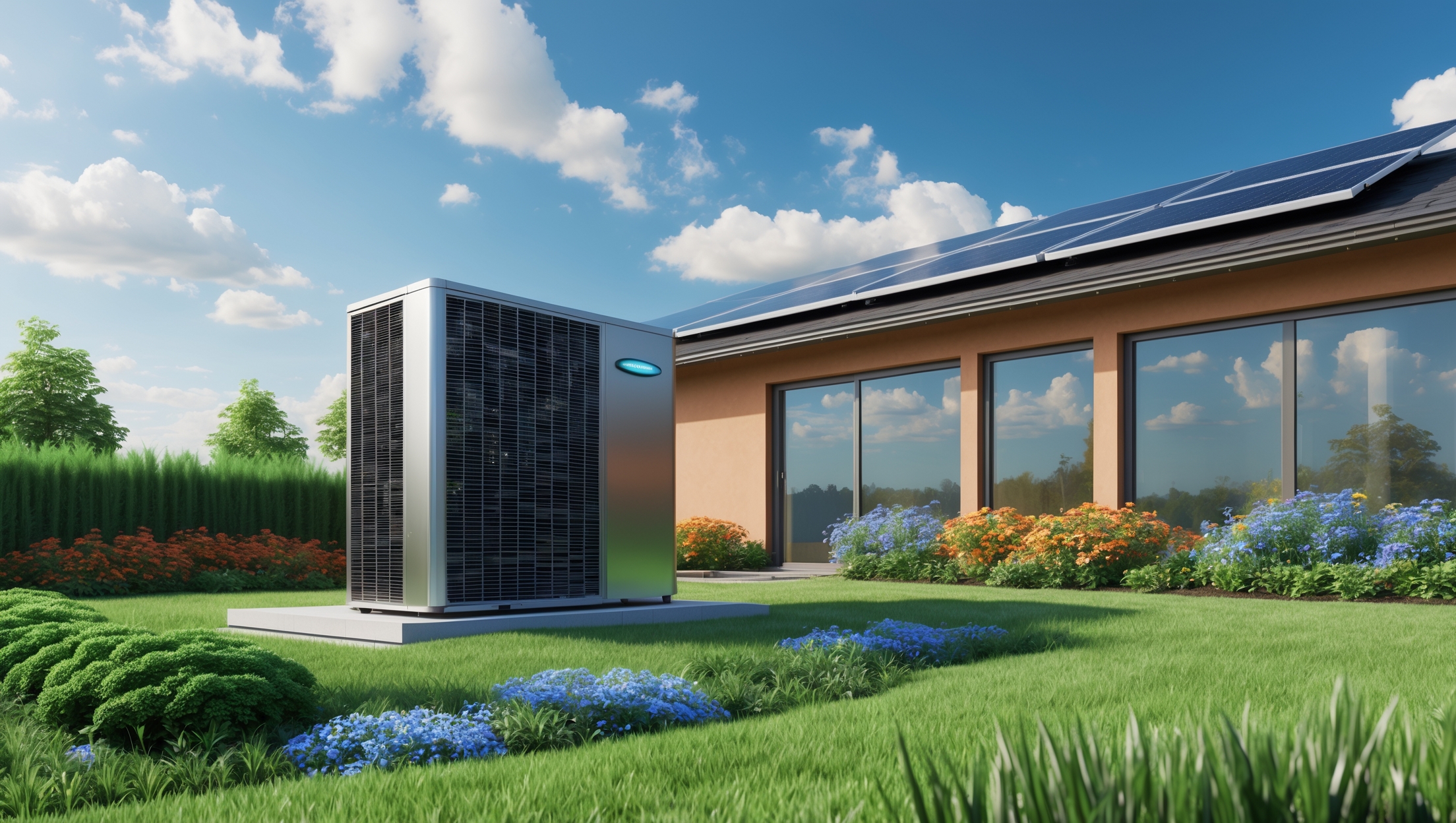
Introduction: The Heat Pump Hype—Facts, Myths, and Your Sustainable Future
As the world pivots towards sustainable living and cleaner energy technologies, residential heat pumps have surged in popularity. Touted as a green alternative to traditional furnaces and air conditioners, these systems promise lower energy bills, reduced carbon footprints, and year-round comfort. However, as with any technology gaining rapid adoption, misconceptions abound. Homeowners often face conflicting advice: some say heat pumps don’t work in cold climates, others claim they’re prohibitively expensive, and many believe they are complicated to install or maintain. This tangle of myths can lead to hesitation or poor decision-making, potentially holding back wider adoption of a genuinely transformative technology.
This post dives deep into the most common myths surrounding home energy-efficient heat pumps. Whether you’re a curious homeowner, a sustainability enthusiast, or someone considering upgrading your home’s heating and cooling system, it’s crucial to separate fact from fiction. We’ll explore how modern heat pumps operate, where the myths come from, what the real-life data shows, and how you can leverage this knowledge to make informed, sustainable choices. By the end, you’ll have a clear, practical understanding of heat pumps—helping you cut through the noise and move confidently towards a more energy-efficient future.
Understanding Home Energy-Efficient Heat Pumps
What Is a Heat Pump?
A heat pump is an all-in-one heating and cooling system that moves heat rather than generating it. In winter, it extracts heat energy from the outside air (even when it’s cold) and brings it indoors. In summer, it reverses the process, moving heat from inside your home to the outdoors. By transferring heat instead of creating it, heat pumps can deliver up to three times more energy than they consume, making them an exceptionally efficient option for residential heating and cooling.
Types of Residential Heat Pumps
- Air-source heat pumps (ASHP): The most common type, transferring heat between your house and the outside air.
- Ground-source (geothermal) heat pumps: Move heat between your home and the ground; highly efficient but with higher installation costs.
- Water-source heat pumps: Use nearby water bodies as a heat exchange medium (less common for homes).
- Ductless mini-split heat pumps: Great for homes without ductwork, offering zoned heating and cooling.
Myth #1: Heat Pumps Don’t Work in Cold Climates
Origin of the Myth
This myth traces back to first-generation heat pumps from the 1970s and 80s, which struggled to extract heat efficiently from very cold air. Older models often needed backup resistance heaters in freezing conditions, leading to high electricity use and lackluster performance in northern regions.
The Facts: Modern Cold-Climate Heat Pumps
- Technological advancements—like variable-speed compressors and improved refrigerants—enable today’s heat pumps to operate efficiently at temperatures as low as -15°F (-26°C).
- ENERGY STAR certified models are independently tested for cold-weather performance.
- Many cold-climate installations in Canada, Scandinavia, and the northern U.S. routinely deliver reliable heating even in harsh winters.
Pro Tip: If you live in a very cold region, choose a heat pump model specifically rated for low-temperature performance, and ensure your installer sizes the system appropriately for your climate.
Myth #2: Heat Pumps Are Expensive and Not Worth the Investment
Breaking Down the Costs
It’s true that heat pumps often have a higher up-front cost compared to conventional furnaces or air conditioners. However, focusing solely on installation price ignores the much bigger picture of ongoing energy savings, incentives, and total cost of ownership.
- Up-front cost: While an air-source heat pump system may cost $4,000–$10,000 installed (depending on home size and complexity), rebates and tax credits can reduce this significantly.
- Energy savings: Heat pumps can cut heating energy use by 30–60% compared to electric resistance heating, and provide cooling more efficiently than many standard air conditioners.
- Maintenance: Fewer moving parts than combustion systems, resulting in lower long-term maintenance costs.
- Incentives: Many regions offer rebates, tax credits, and 0% financing for heat pump installations. Check your local utility or government websites.
Case in Point: According to the U.S. Department of Energy, homeowners switching from electric resistance heating to an ENERGY STAR certified air-source heat pump can save up to $500 annually on heating bills.
Myth #3: Heat Pumps Are Only for New Homes or Major Renovations
Retrofit-Friendly Technology
Another persistent myth is that heat pumps are only suitable for new builds or require extensive home renovations. In reality, modern heat pumps—especially ductless mini-splits—are highly adaptable for retrofitting existing homes.
- Ducted heat pumps can often connect to existing ductwork with minimal modifications.
- Ductless mini-splits require only a small hole for refrigerant and power lines, making them ideal for older homes, additions, or rooms lacking ductwork.
- Window and portable heat pump units are available for apartments or homes where permanent installation isn’t feasible.
Professional installers can assess your current setup and recommend solutions that minimize disruption while maximizing efficiency.
Myth #4: Heat Pumps Are Noisy and Uncomfortable
Improvements in Comfort and Sound
Today’s heat pumps are engineered for near-silent operation. Key advances include:
- Variable-speed compressors that ramp up and down to match demand, eliminating noisy on/off cycling.
- Advanced fan and motor designs for quiet airflow.
- Indoor units often operate at noise levels below 30 decibels—quieter than a whisper.
On comfort, heat pumps excel at maintaining steady indoor temperatures. Unlike traditional furnaces that blast hot air in cycles, heat pumps provide consistent, even heating and cooling. Many users report improved indoor comfort and better humidity control.
Myth #5: Heat Pumps Don’t Provide Hot Enough Air
Understanding Heat Delivery
Some homeowners are used to the intense rush of hot air from gas furnaces and perceive the gentler warmth of a heat pump as inadequate. In reality:
- Heat pumps typically deliver air between 90–110°F (32–43°C), compared to 130–140°F (54–60°C) from a furnace.
- This lower, but steady, temperature avoids hot and cold swings, keeping rooms more consistently comfortable.
- Correct sizing is crucial—an undersized heat pump may struggle, but a properly sized system will easily meet heating demands.
If you prefer a toasty home, communicate your comfort preferences with your installer to ensure system settings and sizing align with your expectations.
Myth #6: Heat Pumps Require Constant Maintenance
Maintenance Needs vs. Traditional Systems
Heat pumps are generally easier and less costly to maintain than combustion-based systems. Typical maintenance tasks include:
- Cleaning or replacing air filters every 1–3 months.
- Checking and clearing leaves or debris from outdoor units.
- Annual professional inspections to ensure refrigerant levels and electrical components are in good condition.
No need for chimney cleaning, burner tune-ups, or fuel deliveries. Most homeowners can handle basic upkeep themselves, with a professional check-up once a year.
Myth #7: Heat Pumps Can’t Be Combined with Solar or Other Green Tech
Perfect Partners for Renewable Energy
Heat pumps run on electricity, making them a perfect match for homes with solar PV panels or other renewable energy sources. By combining a heat pump with rooftop solar, you can:
- Offset heating and cooling energy use with your own green electricity.
- Reduce your home’s carbon emissions to near zero.
- Boost your return on investment from both technologies.
Some smart home energy management systems allow you to optimize heat pump operation around solar generation, maximizing self-consumption and savings.
Myth #8: Heat Pumps Are Bad for the Environment Because of Refrigerants
Refrigerant Advances and Environmental Impact
It’s true that older heat pumps used refrigerants (like R-22) with high global warming potential (GWP). However, today’s models use much more environmentally friendly options:
- R-410A is chlorine-free and less damaging than previous refrigerants.
- R-32 and R-454B are newer refrigerants with significantly lower GWP, being adopted in recent models.
Proper installation and maintenance virtually eliminate the risk of refrigerant leaks. When a heat pump reaches end-of-life, certified technicians recover and recycle refrigerants responsibly. Over its operational life, a heat pump’s energy savings and emission reductions far outweigh the environmental impact of refrigerant use.
Myth #9: Heat Pumps Can’t Be Used in Humid or Coastal Climates
Performance in Challenging Environments
Modern heat pumps are designed to handle a wide range of climate conditions, including high humidity and salty coastal air. Features include:
- Corrosion-resistant coatings on outdoor coils and components.
- Smart defrost cycles and humidity management controls.
- Specialized models rated for high humidity or salt air environments.
Regular cleaning and professional maintenance are especially important in these regions to prevent salt or mold buildup, but heat pumps remain a reliable and efficient choice.
How to Make the Most of Your Home Heat Pump
Choosing the Right System
- Work with a reputable, experienced installer who understands your region’s climate.
- Check for ENERGY STAR certification and cold-climate performance ratings if relevant.
- Size the system based on a professional heat load calculation (Manual J or equivalent).
Maximizing Efficiency
- Seal air leaks and upgrade insulation to reduce heating and cooling loads.
- Use programmable or smart thermostats to optimize operation.
- Keep air filters clean and clear outdoor units of debris for peak performance.
- Schedule annual professional maintenance to keep your system running smoothly.
Leveraging Incentives
- Research local, state, and federal rebates—these can cover 20% or more of installation costs.
- Look for green financing options and low-interest loans specifically for energy-efficient upgrades.
Conclusion: Making Informed Decisions for a Greener Home
As heat pumps become a cornerstone of sustainable home energy strategies, it’s vital to base your decisions on facts, not outdated myths. Today’s heat pumps are a versatile, highly efficient, and environmentally responsible option for both heating and cooling—suitable for new builds and retrofits, cold climates and coastal zones, and homes with or without solar power. While initial costs can be higher than traditional systems, the long-term savings, comfort, and reduction in greenhouse gas emissions make heat pumps a compelling investment for your home and the planet.
The keys to success are selecting the right system for your climate and home, working with qualified professionals, and taking advantage of available incentives. Routine maintenance is simple, especially compared to combustion systems, and the latest models are whisper-quiet and comfortable. Don’t be deterred by misinformation—modern heat pumps are backed by decades of field data, independent testing, and widespread adoption in some of the world’s harshest environments.
By debunking these common myths, you’re empowered to explore heat pump technology with confidence. Transitioning to a cleaner, more energy-efficient home doesn’t have to be complicated or risky—with the right information and support, you can enjoy lower bills, greater comfort, and the peace of mind that comes from living sustainably. If you’re considering an upgrade, start by consulting a local expert and researching incentives in your area. The green future of home comfort is here—and it’s more accessible than ever.

From a budgeting perspective, how do the installation and long-term maintenance costs of a heat pump compare to sticking with a traditional furnace and air conditioner over a ten-year period?
Over a ten-year period, heat pumps usually have higher upfront installation costs than a traditional furnace and air conditioner combination. However, heat pumps tend to be more energy-efficient, leading to lower monthly utility bills. Maintenance costs are often similar or slightly lower for heat pumps, as they combine both heating and cooling functions into one system. In many cases, the energy savings over time can help offset the initial investment, making heat pumps cost-competitive in the long run.
The article discusses the efficiency benefits of heat pumps, but what about the upfront costs compared to replacing an old furnace or AC with standard options? Have you come across any average payback periods for typical US households?
Upfront, heat pumps usually cost more to install than standard furnaces or AC units—often several thousand dollars more, depending on your home and the system type. However, many households see lower monthly utility bills, which helps offset the initial investment. For typical US households, the average payback period is often between 5 and 10 years, but this can vary based on climate, energy prices, and available rebates or incentives in your area.
If I wanted to upgrade to a heat pump for both heating and cooling, how should I figure out if the upfront cost makes sense for my budget? Are there typical payback periods or incentives that make this more affordable for someone on a tight budget?
To decide if a heat pump fits your budget, start by getting quotes from local installers to understand upfront costs. Compare that with your current energy bills and ask installers for estimated yearly savings. Typical payback periods are usually 5 to 10 years, depending on your home’s energy use and climate. Also, check for federal, state, or utility incentives, which can significantly reduce the initial cost and make heat pumps more budget-friendly.
I live in a colder part of the country and have always heard that heat pumps really struggle when the temperature drops. Can you explain how modern heat pumps work in freezing conditions and if they’re truly an option for homes in areas like mine?
Modern heat pumps are designed to work efficiently even in cold climates, thanks to advances like variable-speed compressors and improved refrigerants. Many models, known as cold-climate heat pumps, can extract heat from outdoor air even when temperatures dip below freezing. In very low temperatures, some systems may use a backup electric or gas heater to maintain comfort. Overall, they are a viable option for homes in colder regions and can significantly reduce heating costs compared to traditional systems.
I live in the Northeast where winters get pretty cold, and I’ve always heard that heat pumps struggle when temperatures drop below freezing. Do modern heat pumps really work efficiently in those conditions, or would I still need a backup heating system?
Modern heat pumps, especially cold-climate or variable-speed models, are designed to perform efficiently even in freezing temperatures common in the Northeast. Many can handle outdoor temperatures well below freezing without a significant drop in performance. However, for extremely cold spells, some homeowners choose to have a backup heating system as extra assurance, but it’s not always necessary with newer technology. It’s best to consult with a local installer who can recommend the right system for your specific climate and home.
If I already have an existing AC and furnace, is it possible to upgrade just one part to a heat pump, or do I have to replace my entire system all at once? The article talks about upgrading but doesn’t mention partial replacements.
You don’t always have to replace your entire HVAC system to install a heat pump. In many cases, you can swap out just the AC unit with a heat pump, while keeping your existing furnace. This setup, called a dual-fuel system, lets you use your furnace for very cold weather and the heat pump for milder conditions. However, compatibility depends on your current equipment, so a professional assessment is recommended.
I’d like to know more about maintenance—are there common issues that owners should look out for, especially during the first few years after installation? Also, is professional servicing expensive compared to traditional HVAC systems?
Heat pumps are generally low-maintenance, but it’s important to check air filters regularly, keep outdoor units free of debris, and monitor for unusual noises or performance drops. Common early issues can include thermostat problems or minor refrigerant leaks. Professional servicing costs are usually comparable to traditional HVAC systems, and many technicians offer annual maintenance plans. Scheduling routine checks helps prevent costly repairs and keeps your system efficient.
The excerpt says heat pumps can still work in cold climates, but how effective are they during really harsh winters? Are there specific models or features I should look for if I live somewhere with sub-freezing temperatures?
Heat pumps have come a long way and many models are now designed to perform well even in sub-freezing temperatures. If you live in an area with harsh winters, look for cold-climate or low-temperature heat pumps. Features like variable-speed compressors and enhanced vapor injection help boost efficiency when it’s very cold. Some models are rated to work efficiently even at temperatures as low as -15°F, so check the manufacturer’s specs for winter performance.
If I’m on a tight budget, are there entry-level heat pumps that still provide decent energy efficiency? The article says they’re not necessarily prohibitively expensive, but I’d love some guidance on what to expect when shopping around.
Absolutely, there are entry-level heat pumps that offer good energy efficiency without the premium price tag. Look for models with a solid Energy Star rating, as these are tested for efficiency. While basic units might not have all the advanced features, they can still significantly lower energy bills compared to older heating systems. It helps to compare SEER and HSPF ratings and ask local installers about rebates or incentives that can lower upfront costs.
Are there any recent studies or real-world data that show how much homeowners can realistically expect to save on their energy bills after switching to a heat pump? It seems like the savings could vary a lot.
You’re right that the savings from switching to a heat pump can vary depending on your climate, home insulation, and local energy rates. Recent studies, including reports from the U.S. Department of Energy and real-world pilot programs, suggest average savings of 20–40% on heating costs compared to electric resistance or fuel oil systems. Your actual results might differ, but most homeowners do see noticeable reductions in their energy bills.
Does the efficiency of heat pumps really hold up during freezing Midwest winters, or would I need a backup heat source? I keep seeing conflicting advice and I’m not sure what’s accurate for my climate.
In Midwest winters, modern cold-climate heat pumps are much more efficient than older models and can handle freezing temperatures quite well. However, during extreme cold snaps (below 0°F), their efficiency can drop, and some homeowners choose to have a backup heat source just in case. It’s wise to consult with a local installer familiar with current heat pump technology and regional weather to determine if a backup is recommended for your home.
I’m curious about the upfront costs versus long-term savings. For someone upgrading from an older furnace or AC, how quickly do heat pumps generally pay for themselves through reduced energy bills?
The payback period for heat pumps can vary, but most homeowners upgrading from older furnaces or AC units see noticeable savings on their energy bills. Typically, the upfront cost of a heat pump is recouped within 5 to 10 years, depending on your local energy rates, climate, and the efficiency of your previous system. Rebates and incentives may also shorten this payback time.
As someone who’s not very familiar with HVAC tech, the idea of maintenance comes up a lot in the myths you discuss. What routine maintenance tasks should I expect with a heat pump compared to a regular furnace and AC system?
With a heat pump, routine maintenance is similar to what you’d do for a furnace and AC. You should change or clean air filters regularly, check for debris around outdoor units, and schedule annual professional inspections to keep everything running smoothly. Unlike separate furnace and AC units, a heat pump does both heating and cooling, so you only have one main system to maintain instead of two.
For homeowners on a budget, are there incentives, rebates, or financing options in the US that can help offset the initial installation cost of a modern, energy-efficient heat pump system?
Yes, many homeowners in the US can take advantage of federal and state incentives, rebates, and financing options to make installing an energy-efficient heat pump more affordable. The federal government offers tax credits for qualifying systems, and many utility companies and state programs provide additional rebates. Some manufacturers and installers also offer special financing or payment plans, so it’s worth checking all available options in your area before making a decision.
Is it true that heat pumps are significantly more expensive than traditional systems up front? I’m trying to figure out if the long-term savings on my energy bills actually make up for the initial investment, especially for a family on a budget.
Heat pumps do often cost more upfront compared to traditional furnaces or air conditioners, mainly due to the equipment and installation. However, many families find that lower monthly energy bills help offset the initial expense over time. The break-even point depends on your climate, current energy costs, and home size. Incentives or rebates in some areas can also help make heat pumps more affordable.
I’ve heard that heat pumps might struggle in really cold climates, but you mentioned they can still extract heat even when it’s cold outside. Can you clarify how effective they really are during harsh winters, especially compared to traditional furnaces?
Heat pumps have improved a lot in recent years and many modern models, especially cold-climate or variable-speed heat pumps, work well even in subfreezing temperatures. While their efficiency can drop in extreme cold, they still outperform electric resistance heaters and can be comparable to gas furnaces down to certain temperatures. Some homeowners pair heat pumps with backup heating for the coldest days to ensure comfort and efficiency all winter.
I noticed the article touched on cost concerns. Are there any financial incentives or rebate programs available in the US that could help offset the upfront expense of installing a heat pump system?
Yes, there are several financial incentives and rebate programs in the US to help with the upfront cost of heat pump installation. Many states and local utilities offer rebates for energy-efficient upgrades. Additionally, there is a federal tax credit available for qualifying heat pumps, which can cover a significant portion of the costs. It’s a good idea to check the Database of State Incentives for Renewables & Efficiency (DSIRE) or contact your local utility provider for specific programs in your area.
I’m interested in upgrading my old furnace to a heat pump, but I’m worried about how complicated the installation might be. Are there certain steps or requirements that usually surprise homeowners during the process?
Switching from a furnace to a heat pump can involve some unexpected steps. Homeowners are often surprised that electrical upgrades may be needed, since heat pumps usually require a dedicated circuit. Ductwork might need adjustments for proper airflow, and outdoor space must be available for the unit. A professional installer will assess your home’s layout and may recommend insulation improvements to maximize efficiency.
You mentioned heat pumps can work in cold climates—is that true even for places that get lots of snow and below-zero temperatures? If not, do you recommend a backup system, or are modern heat pumps reliable enough on their own?
Modern heat pumps are designed to work efficiently even in areas with heavy snowfall and below-zero temperatures. Many cold-climate heat pumps can operate reliably down to -15°F or even lower. However, in regions that experience prolonged extreme cold, some homeowners choose to have a backup heating system, like an electric or gas furnace, for added peace of mind. In most cases, today’s advanced heat pumps are dependable on their own, but a backup can offer extra security during the harshest winter spells.
I’m interested in upgrading my home’s heating and cooling system, but I’m not sure how complicated the installation process for a heat pump really is. Could you provide more detail about what’s involved and how long it generally takes?
Installing a heat pump typically involves removing your old system, positioning the new indoor and outdoor units, connecting refrigerant lines, and updating electrical components. For most homes, the process takes one to three days, depending on the size of your home and system complexity. Professional installers handle all technical aspects, and most disruptions are minimal. After installation, they’ll test the system and show you how to use it.
Since the article talks about potential confusion around installation and maintenance, what should a homeowner budget for when considering both the upfront and ongoing costs of a modern heat pump?
When budgeting for a modern heat pump, homeowners should typically expect to pay $4,000 to $8,000 for upfront installation costs, depending on system size and home requirements. Ongoing maintenance is usually modest—annual servicing averages $150 to $300. Remember to factor in possible utility rebates and energy savings over time, as heat pumps are highly efficient and can lower monthly heating and cooling bills.
It sounds like heat pumps are efficient, but I’m concerned about the upfront cost. Can you explain what factors most affect the initial price and if there are any incentives or rebates available in the US?
The upfront cost of a heat pump can depend on factors like the size of your home, the type of heat pump (air-source vs. ground-source), installation complexity, and the brand or efficiency rating you choose. In the US, many states and utility companies offer rebates or tax incentives to help offset these costs, especially for energy-efficient models. It’s a good idea to check with your local utility provider and look into federal programs for the most current incentives.
The article talks about common myths slowing down adoption of heat pumps. What are some real-life maintenance issues or challenges owners run into, if any, and how do those compare to maintaining a regular HVAC system?
Heat pumps generally require similar maintenance as regular HVAC systems, such as cleaning or replacing filters, checking refrigerant levels, and inspecting coils. One unique challenge is ensuring the outdoor unit stays clear of ice, snow, or debris, especially in colder climates. However, with routine upkeep, heat pumps are no more demanding to maintain than traditional HVAC units, and many users find the process straightforward once they’re familiar with the equipment.
The article mentions that heat pumps can deliver up to three times more energy than they consume. Is that efficiency rating still true when the system is both heating and cooling, or does one mode tend to be less efficient than the other?
Heat pumps can indeed deliver more energy than they consume in both heating and cooling modes, but the efficiency can vary depending on the mode and outdoor temperatures. Typically, heat pumps are most efficient when cooling, as they’re simply moving heat out of your home. In heating mode, especially in colder climates, efficiency can decrease because the system works harder to extract heat from the outside air. However, even then, modern heat pumps still outperform many conventional systems in terms of efficiency.
You talk about heat pumps moving heat instead of generating it. If someone wants to maximize efficiency, are there certain types of homes or climates where a heat pump really makes the most sense, or are they a solid choice pretty much everywhere now?
Heat pumps work best in well-insulated homes and are especially efficient in moderate climates where winters aren’t extremely cold. However, modern cold-climate heat pumps have improved a lot and can perform well even in colder regions. In very poorly insulated homes, efficiency drops, so upgrades may be needed. Overall, heat pumps are now a solid choice for most areas and home types, but maximizing insulation helps them work at their best.
The article touches on energy bill savings, but I’m curious about the payback period. On average, how long does it take for the lower energy costs to outweigh the initial investment of purchasing and installing a heat pump?
The payback period for a heat pump typically ranges from 5 to 10 years. This depends on factors like your local electricity rates, the cost of installation, the efficiency of the heat pump model, and how much you currently spend on heating and cooling. In areas with higher energy costs or when replacing older systems, you might see savings sooner.
I’m a little confused about how heat pumps work in really cold climates. The article mentions that they can still extract heat from the air even when it’s cold, but is there a temperature where they just stop being effective? If so, what happens then?
Heat pumps can work efficiently even in cold climates because they can extract heat from the air down to surprisingly low temperatures, often as low as -15 to -20°C (5 to -4°F) for modern models. However, their efficiency does drop as it gets colder. If the outdoor temperature falls below the system’s minimum, most heat pumps switch to a backup heat source, such as electric resistance coils, to maintain indoor comfort.
For someone on a tighter budget thinking about replacing an aging furnace, do you have practical tips or incentives to help offset the upfront cost of a heat pump system? Are there particular brands or programs in the US you’d recommend investigating first?
If you’re on a tight budget, look into federal tax credits and local utility rebates for installing heat pumps, as these can make a significant difference in the upfront cost. Many states also offer additional incentives. For reliable brands, consider Goodman, Trane, or Carrier—they’re known for efficiency and quality. It’s also worth exploring programs like ENERGY STAR for guidance and potential rebates. Contacting your local utility company can reveal state-specific programs and financing options to help make the transition more affordable.
You mention that heat pumps move heat rather than generate it. Does this mean they could be less effective during extreme temperature swings, or are there specific design types that handle those situations better?
Heat pumps do sometimes face challenges in extreme cold because there’s less heat to extract from the outside air. However, newer models, especially cold climate heat pumps and ground-source (geothermal) heat pumps, are designed to work efficiently even in harsher weather. If you live in an area with significant temperature swings, choosing a system rated for your climate will ensure reliable performance.
I’m curious about the claim that heat pumps are more energy efficient because they move heat instead of generating it. Does this efficiency depend on the type or age of the pump? How much can homeowners realistically save on their energy bills?
Heat pumps are indeed more energy efficient because they transfer heat rather than create it, which usually requires less energy. However, their efficiency can vary depending on the type (air-source, ground-source, etc.) and age of the unit—newer models tend to be more efficient. Homeowners typically see energy bill savings of 20–50%, but this depends on your climate, home insulation, and the system you’re replacing.
Can you elaborate on the installation process for heat pumps? The article mentions some people think they’re complicated to install—what specific challenges should homeowners expect if they upgrade from an older system?
Upgrading to a heat pump from an older system can involve several steps. Homeowners may face challenges like updating or modifying ductwork, ensuring electrical compatibility, and finding space for the outdoor unit. The installation can also require refrigerant lines and adjustments to thermostats. While the process is more involved than a simple replacement, a qualified installer will assess your home’s needs and manage these technical details to ensure an efficient setup.
For those living in more moderate climates, is there any significant performance difference between air-source and ground-source heat pumps? I’m wondering if one is more cost-effective or easier to maintain over the years.
In moderate climates, both air-source and ground-source heat pumps perform efficiently, but air-source models are typically more cost-effective to install and maintain. Ground-source heat pumps are more expensive upfront, though they tend to be slightly more efficient and have lower operating costs over time. For most homeowners in moderate climates, air-source heat pumps offer a good balance of cost, efficiency, and ease of maintenance.
The article says heat pumps are efficient year-round, but are there specific building types or insulation standards a space should meet first before installing one? I want to make sure my shop is actually a good candidate.
Heat pumps work best in buildings with good insulation and minimal air leaks. If your shop has proper wall, roof, and floor insulation, and windows and doors are well-sealed, a heat pump can perform efficiently year-round. Older or drafty buildings may need upgrades first to maximize the benefits. It’s a good idea to have an energy assessment done on your shop to identify any improvements needed before installation.
I’m interested in upgrading for sustainability, but I’d be concerned if the upfront investment doesn’t pay off quickly. Are there typical timelines or case studies showing how long it takes to see energy bill savings after switching to a heat pump?
Most homeowners start seeing noticeable energy bill savings within the first year of switching to a heat pump, but the full payback period typically ranges from 3 to 7 years. This depends on factors like your climate, home size, insulation, and local energy rates. Some case studies show quicker returns where electricity rates are lower or if you’re replacing older, inefficient systems.
If heat pumps are so energy-efficient, what explains the hesitation among homeowners to adopt them? Is it mostly misinformation, or are there certain home types or regions where they genuinely aren’t a good fit?
Hesitation to adopt heat pumps is a mix of factors. Misinformation does play a big role, especially around their performance in colder climates. However, older homes that aren’t well-insulated or properties with specific heating needs may find heat pumps less effective or require costly upgrades. Initial installation costs can also be a barrier. Most modern heat pumps work well even in cold regions, but it’s wise for homeowners to consider their home’s insulation and local climate before deciding.
You mention that heat pumps can work even in cold climates by extracting heat from the outside air. How effective are they during really harsh US winters, like in the Midwest or Northeast, compared to traditional gas furnaces?
Heat pumps have made great advances and many modern cold-climate models can efficiently heat homes even when outdoor temperatures drop below freezing—even down to -5°F or lower. However, their efficiency does decrease as it gets colder, so in the Midwest or Northeast, some homeowners use a backup heat source, like electric resistance heat or a gas furnace, for the coldest days. Overall, heat pumps can still be very effective, but their performance can vary depending on the specific model and insulation of the home.
With heat pumps being promoted as a way to reduce carbon footprints, do you have any information on how their actual energy consumption and emissions compare to those of standard gas or electric furnaces over a typical year?
Heat pumps generally use less energy than standard gas or electric furnaces because they transfer heat instead of generating it. Over a typical year, a heat pump can be two to three times more efficient than electric resistance heating and usually outperforms gas furnaces in terms of energy savings. As for emissions, if your electricity comes from cleaner sources, heat pumps can significantly reduce your home’s carbon footprint compared to gas furnaces.
You mentioned that heat pumps can deliver up to three times more energy than they consume by transferring rather than generating heat. Could you explain how this efficiency translates into actual cost savings for homeowners over a typical year, especially when compared to conventional HVAC systems?
Heat pumps are so efficient because they move heat instead of creating it, often delivering three units of heating or cooling for every unit of electricity used. Compared to conventional HVAC systems—like electric furnaces or baseboard heaters, which convert electricity directly into heat—they use much less energy. Over a year, this higher efficiency can mean significantly lower utility bills, with many homeowners saving 30–50% on heating and cooling costs, depending on climate, electricity rates, and the system replaced.
Our energy bills are through the roof, so I was curious if the savings from a heat pump would be noticeable right away or if it takes a few years to break even? Does your article address typical payback periods?
The article explains that while you may see some savings on your energy bills right after installing a heat pump, the full payback period usually depends on your home’s energy use, local utility rates, and any available incentives. Most homeowners notice a reduction in costs fairly quickly, but breaking even on the investment often takes several years. The article covers these factors and what to expect in terms of payback timelines.
I noticed the article says modern heat pumps can work even in cold climates. Could you explain how they manage to extract heat from outside air during really cold US winters? I’ve heard they struggle below certain temperatures.
Modern heat pumps use advanced technology like variable-speed compressors and improved refrigerants to pull heat from outdoor air, even when it’s very cold. They work by transferring heat rather than generating it, and even cold air contains some heat energy. Some models, called cold-climate heat pumps, are specifically designed to perform efficiently at temperatures as low as -5°F to -15°F, thanks to these innovations. In extremely low temperatures, some systems may use a backup heating source for extra support.
You mention that heat pumps can extract heat from the outside air even in cold climates. Can you elaborate on how effective modern heat pumps really are during extremely low winter temperatures, say below 20°F, especially compared to traditional heating systems?
Modern heat pumps, especially cold-climate models, are designed to work efficiently even when outdoor temperatures drop below 20°F. While their efficiency does decrease as it gets colder, many can still provide reliable heat down to 5°F or even lower. Compared to traditional electric resistance heating, heat pumps are significantly more efficient in these conditions, though in extreme cold, some backup heating (like electric strip heat or a furnace) may be needed.
The article talks about installation myths. What are the key factors that could make installing a heat pump more complicated for some homes, and are there common pre-installation steps homeowners should know about?
Some homes face extra challenges with heat pump installation due to factors like existing ductwork compatibility, the home’s insulation quality, and the electrical system’s capacity. Older houses may need upgrades to wiring or ducts. Before installation, homeowners should have an energy assessment, check local building codes, and ensure their home’s insulation and air sealing are adequate. These steps help ensure the heat pump works efficiently and avoids unexpected costs.
If a heat pump system is supposed to provide both heating and cooling year-round, what kind of maintenance am I looking at to keep everything running smoothly, compared to traditional systems?
Heat pump systems generally require similar maintenance as traditional HVAC systems, but since they run year-round, regular upkeep is even more important. You’ll need to replace or clean air filters every 1–3 months, check and clean coils, keep outdoor units clear of debris, and schedule annual professional servicing. Unlike separate furnace and AC units, a heat pump combines both functions, streamlining maintenance but making consistent attention crucial for efficiency and reliability.
You mentioned that heat pumps are more efficient because they move heat rather than generate it. Can you explain a bit more about how this works during really cold winters? I’ve heard older models struggle below freezing, so how have newer technologies addressed that?
Heat pumps work by transferring heat from the outside air into your home, even when it’s cold out. In very cold winters, older models did struggle because there was less heat to extract from the air. However, newer heat pump technologies, like variable-speed compressors and improved refrigerants, allow them to operate efficiently even at sub-freezing temperatures. Some models can perform effectively in temperatures as low as -15°F, making them suitable for colder climates.
If I make the switch to a heat pump, do I need to worry about more frequent maintenance compared to a regular AC or furnace? How much time or effort should I expect to put into keeping the system running well year-round?
Switching to a heat pump doesn’t mean you’ll face more frequent maintenance than with a typical AC or furnace. Heat pumps generally require similar upkeep: change or clean filters regularly, keep outdoor units clear of debris, and schedule annual professional checkups. Overall, expect about the same time and effort as you would for your current heating or cooling system.
You mentioned that heat pumps can be more energy-efficient than traditional furnaces or air conditioners. Can you explain how much money a typical homeowner might actually save on energy bills by switching to a heat pump?
Most homeowners switching from traditional furnaces or air conditioners to a heat pump can expect to save between 20% and 50% on their annual energy bills, depending on factors like local climate, current system efficiency, your home’s insulation, and energy rates. In dollar terms, this often translates to several hundred dollars per year, but the exact savings will vary from one household to another.
Since the article mentions some common myths come from older data or outdated systems, how can someone check if their home is actually a good fit for a modern heat pump and what steps are involved in getting an upgrade started?
To find out if your home is suitable for a modern heat pump, begin with a professional home energy assessment. An expert will evaluate your insulation, windows, and heating needs. If your home is a good fit, the next steps include selecting the right heat pump model, getting installation quotes from qualified contractors, and checking for any available rebates or incentives to help with costs.
One concern I keep hearing is about the initial investment for heat pumps. Do you have any insights on the average payback period for a typical US home, or what financial incentives might help offset the upfront cost?
The average payback period for a heat pump in a typical US home is usually between 5 to 10 years, depending on your local energy costs and climate. There are also financial incentives that can help, such as federal tax credits (up to 30% of the system cost), state rebates, and some utility company programs. These can significantly reduce your initial investment and shorten the payback period.
I’m interested in the installation process you referenced. Is it actually complicated to switch from a traditional furnace to a heat pump, or is that one of the myths? How long does it usually take to get a heat pump system up and running in an average home?
Switching from a traditional furnace to a heat pump isn’t as complicated as some people think, especially for most homes. The installation typically takes one to three days, depending on your home’s size and whether ductwork modifications are needed. Professional installers handle the removal of your old system, setup of the new heat pump, and any adjustments required, so the process is usually smooth.
I’m a student living in a pretty cold part of the country, so the claim that heat pumps don’t work well in cold weather worries me. Could you share some real-world examples or data about their performance in colder climates?
Heat pumps have improved significantly and now work well in colder climates. For example, in places like Minnesota and Maine, many homeowners use cold-climate heat pumps that efficiently heat homes even when temperatures drop below freezing. These systems can operate at outdoor temperatures as low as -15°F, maintaining good performance. Recent studies show that, with proper installation, heat pumps can reduce energy costs and keep homes comfortable in regions with harsh winters.
If I want to switch my business location to a heat pump system, what is the typical installation timeframe? Is there much disruption to daily operations during the switch from a traditional system?
Switching your business location to a heat pump system usually takes anywhere from a few days to about two weeks, depending on the size and complexity of the building and the system being installed. There can be some disruption, such as noise or temporary loss of heating or cooling, but many installers work to minimize downtime and often schedule major work outside of business hours when possible. It’s a good idea to discuss your daily operations with the installer beforehand so they can plan accordingly.
How long does it usually take to install a residential heat pump, and are there any major maintenance tasks I should plan for each year to keep it running efficiently?
Installing a residential heat pump typically takes one to three days, depending on your home’s layout and the type of system. For yearly maintenance, it’s important to clean or replace air filters regularly, check refrigerant levels, clean coils, and ensure outdoor units are clear of debris. Scheduling a professional inspection once a year also helps keep your heat pump running efficiently.
After reading about the efficiency benefits, I’m curious how long it typically takes for homeowners to see a return on their investment in a heat pump system through lower energy bills. Is there an average payback period based on current energy prices?
Homeowners usually see a payback period of about 5 to 10 years after installing a heat pump, although this can vary depending on local energy costs, the size and efficiency of the system, and your home’s insulation. In areas with high electricity or fuel prices, the payback can be even quicker as the energy savings add up faster.
I see that heat pumps can both heat and cool your home. Are there certain brands or models that are better suited for regions with extreme temperature swings, or do all energy-efficient heat pumps perform about the same?
Not all heat pumps perform the same in extreme climates. Some brands and models are specifically designed for regions with very hot summers or cold winters. Look for models labeled as ‘cold climate heat pumps’ if you live in an area with harsh winters. Brands like Mitsubishi, Daikin, and Carrier are known for reliable performance in challenging conditions. Be sure to check the unit’s HSPF (Heating Seasonal Performance Factor) and SEER (Seasonal Energy Efficiency Ratio) ratings to ensure they’re suitable for your local climate.
Since the article talks about a lot of common myths, is there a reliable way for homeowners to sift through conflicting advice they might hear from contractors or friends? Are there any third-party resources or certifications that help ensure you’re getting accurate, unbiased information before upgrading to a heat pump?
Homeowners can look for certifications like ENERGY STAR or seek guidance from organizations such as the U.S. Department of Energy and local utility companies, which often provide unbiased information. It’s also helpful to check if a contractor is accredited by groups like the Air Conditioning Contractors of America (ACCA) or North American Technician Excellence (NATE). Comparing multiple reputable sources and consulting these third-party organizations can help you make more informed decisions about heat pumps.
I noticed the article mentions that some people believe heat pumps don’t perform well in cold climates. As a small business in the Midwest, can you clarify how modern heat pumps actually work when temperatures drop below freezing?
Modern heat pumps are designed to work efficiently even when temperatures drop below freezing, thanks to advancements like improved refrigerants and variable-speed compressors. Many models, especially cold-climate or air-source heat pumps, can provide reliable heating in Midwest winters. While efficiency may decrease as temperatures get extremely low, these systems still offer substantial heating and can be paired with backup systems if needed. This makes them a solid choice for small businesses in colder regions.
I’m curious about the claim that heat pumps can deliver up to three times more energy than they consume. How does this efficiency compare to the latest high-efficiency furnaces or central AC units, especially in terms of real-world energy bills?
Heat pumps work by moving heat rather than generating it, which allows them to deliver up to three times more energy than they consume in electricity. In comparison, even the most efficient gas furnaces can only convert about 97% of fuel into heat, and central AC units have efficiency limits too. In real-world conditions, this means heat pumps often lead to lower energy bills, especially for both heating and cooling, though savings can vary depending on your climate and local energy prices.
Are there specific factors or home layouts where a heat pump might not be the most efficient choice? For example, would older homes with poor insulation benefit as much as newer, well-sealed homes?
Heat pumps work best in homes that are well-insulated and sealed, so older homes with poor insulation may not benefit as much until upgrades are made. Large, open layouts or drafty spaces can make it challenging for a heat pump to maintain comfortable temperatures efficiently. Improving insulation and sealing drafts can help maximize a heat pump’s effectiveness in older homes.
If someone currently has an old furnace and window AC units, how big of a project would it be to switch their whole house to a heat pump system? Is the installation disruptive or could it be done during a regular semester break?
Switching from an old furnace and window AC units to a whole-house heat pump system is a significant upgrade, but it’s a common project. The installation usually takes several days to a week, depending on your home’s size and whether new ductwork is needed. There will be some disruption, such as technicians moving equipment and possibly working inside walls or ceilings, but most homeowners find it manageable, especially if done during a semester break.
The article mentions that heat pumps can deliver up to three times more energy than they consume. Does this efficiency vary significantly depending on the brand or model, or is it fairly standard across most modern heat pumps?
The efficiency of heat pumps—being able to deliver more energy than they consume—is fairly standard among modern models, but there are some differences between brands and specific units. Factors like the quality of components, compressor technology, and features such as variable speed can make certain models more efficient than others. Efficiency ratings like SEER and HSPF allow you to compare performance when choosing a heat pump.
I’m interested in upgrading my small shop’s heating and cooling, but I keep hearing that heat pumps can struggle in very cold climates. Does the article cover how well modern heat pumps perform during harsh Midwest winters?
Yes, the article addresses how modern heat pumps perform in very cold climates like the Midwest. It explains that recent advancements have made newer heat pumps much more effective, even during harsh winters. Manufacturers now offer cold-climate models designed to operate efficiently in freezing temperatures, so a heat pump could be a reliable option for your small shop.
What kind of upfront costs should I expect if I decide to replace my current central AC and gas furnace with a heat pump? Are there any budget-friendly options or incentives that make this transition more affordable?
Upfront costs for replacing your central AC and gas furnace with a heat pump can range from $8,000 to $20,000 depending on your home’s size, the type of heat pump, and installation complexity. Budget-friendly models are available, and many utility companies and government programs offer incentives or rebates that can lower your cost significantly. It’s a good idea to get quotes from several installers and ask them about current rebates in your area.
A lot of us hear conflicting advice around whether older homes can easily be retrofitted for heat pumps. Based on your research, what are the most common challenges or extra steps involved in upgrading from an old HVAC setup?
Retrofitting older homes for heat pumps can present a few challenges. Common issues include inadequate insulation, outdated ductwork that may need sealing or resizing, and possible electrical upgrades to support the new system. Sometimes, extra steps like improving air sealing or adding more insulation are needed to maximize efficiency. A professional assessment helps identify and address these specific needs before installation.
I see you mention that heat pumps can work efficiently even in cold climates. Do you have any insight into how well they actually perform during extremely low temperatures, like those common in the northern US during winter?
Modern heat pumps, especially cold-climate models, are designed to work efficiently even at temperatures as low as -5 to -15°F. While their efficiency decreases somewhat in extreme cold, they still provide reliable heating. Some systems include backup electric or gas heaters for the coldest days to ensure comfort. Proper sizing and professional installation are key to optimal performance in northern winters.
The article mentions that people believe heat pumps are expensive to install. For a small business owner considering switching, what sort of upfront investment and payback period should I realistically expect compared to upgrading a traditional system?
For a small business, installing a heat pump typically costs more upfront than a standard furnace or AC—often ranging from $4,000 to $10,000 depending on your building’s size and system type. However, lower operating costs can mean payback in 5–10 years, especially if you qualify for rebates or incentives. The actual timeframe depends on your local energy rates, current system efficiency, and available financial assistance.
You mention that heat pumps move heat instead of generating it, which makes them more efficient. Are there specific incentives or programs for small businesses looking to switch to heat pumps, or is most support aimed at homeowners?
There are indeed incentives and programs available for small businesses interested in switching to heat pumps, though availability varies by location. Many utility companies and some local governments offer rebates or tax credits for commercial installations, not just for homeowners. It’s a good idea to check with your state energy office or local utility provider to see what specific programs are currently open for small businesses in your area.
If someone already has central air or a furnace, is it possible to use a heat pump alongside those systems, or would you need to completely replace what you have to see the benefits described in the article?
You don’t have to completely replace your current system to benefit from a heat pump. Many homeowners set up a heat pump as part of a dual-fuel or hybrid system, where it works alongside your existing furnace or central air. The heat pump can handle most heating and cooling needs efficiently, and your furnace or air conditioner can kick in only during extreme temperatures, maximizing efficiency and comfort.
I’m curious about the upfront costs compared to traditional furnaces or central AC systems. Are there incentives or rebates available that help offset the initial investment in heat pumps?
The upfront cost of heat pumps is often higher than traditional furnaces or central AC systems, but there are many incentives available to help offset this. Federal tax credits, local utility rebates, and sometimes state programs can significantly reduce your out-of-pocket expenses. It’s a good idea to check with your local utility provider and government websites for the most current programs in your area.
Can you clarify if switching to a heat pump usually requires major renovations, especially with installations in older homes? I’m worried that the installation process might be more complicated than the article suggests.
Switching to a heat pump often does not require major renovations, even in older homes. Most modern heat pumps can be installed using existing ductwork or as ductless systems with minimal changes. However, in some cases—like homes without any ductwork or with very old electrical systems—some modifications may be needed. A qualified installer can assess your home and explain any specific adjustments required.
If heat pumps transfer heat instead of creating it, does that mean they’re quieter or safer than traditional furnaces? I’m especially thinking about noise at night and safety around kids.
Yes, heat pumps are generally quieter and safer than traditional furnaces. Since they move heat rather than burn fuel, there’s no open flame or risk of carbon monoxide. Their outdoor units make a steady hum, but it’s much quieter than a gas furnace’s blower. Inside, the noise is often similar to a refrigerator, so nighttime disruptions are rare. This makes them a good choice for families with kids and anyone sensitive to noise.
I’m trying to figure out how switching to a heat pump might affect my utility bills. The article says they can deliver up to three times more energy than they consume—that sounds almost too good to be true. Could you give a rough estimate of how much homeowners might actually save on energy costs compared to using a regular furnace and AC?
Heat pumps typically use electricity to move heat rather than generate it, which is why they can be so efficient. On average, homeowners who switch from an electric furnace and traditional AC can see energy cost savings of 30% to 50%. If you’re switching from oil, propane, or baseboard heating, the savings could be even greater. Actual savings will depend on your home’s insulation, local climate, and current energy rates.
If heat pumps can still extract heat from the outside air even when it’s cold, how efficient are they during extreme winter temperatures, say below 10°F? Would I still need a backup heat source in those conditions?
Heat pumps can operate in temperatures as low as 10°F, but their efficiency does decrease as the outside temperature drops. In extreme cold, most systems struggle to extract enough heat and may need support. Many homeowners in colder climates use a backup heat source, like electric resistance heaters or a furnace, to ensure their home stays warm during the coldest days.
The article highlights that maintenance concerns are common with heat pumps. What does routine maintenance actually involve for these systems, and how does it compare to maintaining a traditional HVAC setup in terms of time and cost?
Routine maintenance for heat pumps typically includes cleaning or replacing air filters, checking and cleaning coils, ensuring proper airflow, and inspecting refrigerant levels. Compared to traditional HVAC systems, heat pumps generally require similar upkeep but may need a bit more frequent filter changes since they operate year-round. In terms of time and cost, both systems are quite comparable, especially if maintenance is performed regularly to prevent bigger issues.
The article mentioned that heat pumps are often seen as expensive. Is the upfront cost really a lot higher than a traditional furnace and AC system, and how long does it typically take to start seeing savings on energy bills?
Heat pumps can have a higher upfront cost than installing a basic furnace or air conditioner, especially if you’re replacing both systems at once. However, this cost difference often narrows when considering the combined heating and cooling capabilities of a heat pump. Most homeowners start seeing noticeable savings on energy bills within a few years—typically 3 to 7 years—depending on energy usage, local climate, and available rebates.
The article talks about heat pumps moving heat instead of generating it, which is supposed to make them more efficient. Are there situations where a traditional system would actually be a better fit than a heat pump?
Yes, there are situations where a traditional heating system might be better than a heat pump. In areas with extremely cold winters, some heat pumps can lose efficiency as the temperature drops. Also, if your home lacks good insulation or ductwork, or if you require very rapid heating, a conventional furnace or boiler may be preferable. It’s always best to consider your local climate and your home’s specific needs before making a choice.
The article talks about both installation and maintenance concerns with heat pumps. For someone who has a fairly old home, are there extra steps or unexpected costs I should factor in before deciding to switch from a traditional furnace?
Older homes can sometimes require extra preparation before a heat pump is installed. You might need to upgrade insulation, electrical systems, or ductwork for the system to work efficiently. Unexpected costs can arise if repairs or modifications are needed. It’s a good idea to have a professional assess your home’s current condition so they can give you a clear estimate of any additional steps or expenses.
The article touches on confusion over maintenance. Can you explain what typical ongoing maintenance actually involves for homeowners with a heat pump compared to a regular HVAC system?
For homeowners, heat pumps require similar maintenance to regular HVAC systems. Both need air filters changed every 1–3 months, and outdoor units kept free from leaves or debris. However, heat pumps should also have their outdoor coils cleaned and refrigerant checked annually, since they operate year-round for both heating and cooling. Regular professional inspections ensure efficiency and help avoid costly repairs over time.
Since heat pumps are said to be a greener option, are there any local or federal incentives or rebates available right now that can make the upgrade more affordable for families on a tight budget?
Yes, there are both federal and many local incentives available to make heat pump upgrades more affordable. The federal government currently offers tax credits for qualifying heat pump installations under the Inflation Reduction Act. Additionally, many states and utility companies offer rebates or special financing to help lower upfront costs. It’s a good idea to check with your local energy provider and state energy office for the latest programs in your area.
The article highlights myths about complicated installation and maintenance. If I were to consider upgrading our heating and cooling system to a heat pump, what kind of disruptions or downtime should I expect during installation?
Installing a heat pump typically causes less disruption than many people expect. Most residential installations take one to three days, depending on your home’s layout and whether ductwork modifications are needed. You might experience a brief period without heating or cooling, usually just a few hours. Installers work to minimize downtime, and you can usually remain at home during the process.
If I’m considering switching to a heat pump system but my house has older ductwork, are there specific installation challenges I should expect? I’d appreciate more insight into how complicated retrofitting older homes can get.
Retrofitting a heat pump into an older home with existing ductwork can present some challenges. Older ducts may be leaky, poorly insulated, or not properly sized for a heat pump’s airflow needs. An installer will typically inspect and may recommend sealing, insulating, or even resizing sections of the ductwork to ensure efficient operation. While this adds some complexity and cost, it’s often manageable, and a thorough assessment by a qualified professional can give you a clear idea of what’s required for your specific situation.
After reading about myths related to heat pump installation complexity, I’m wondering what kind of downtime or business interruption I should realistically expect if I upgrade my small office’s HVAC system to a heat pump.
Upgrading your small office’s HVAC system to a heat pump generally involves minimal downtime. Most standard installations can be completed within one to three days, depending on the size and layout of your office. While some disruption is likely as technicians work, many businesses are able to continue operations by coordinating work during off-hours or less busy periods. It’s a good idea to discuss your schedule and needs with the installer in advance to minimize interruptions.
If a heat pump handles both heating and cooling, is maintenance easier or harder compared to having separate systems? What kind of upkeep should a first-time owner plan for each year?
Since a heat pump combines both heating and cooling into one system, maintenance is generally simpler than managing separate furnace and air conditioner units. You’ll only need to schedule annual professional servicing for the heat pump, where a technician will check refrigerant levels, clean coils, inspect electrical parts, and ensure proper operation. As a first-time owner, also remember to change or clean air filters every 1 to 3 months and keep the outdoor unit clear of debris throughout the year.
I’m interested in upgrading my home’s system, but I’ve heard installation and maintenance can be complicated. Can you provide more details on what the typical installation process looks like for an existing house, and whether certain home layouts pose challenges?
Installing a heat pump in an existing home usually involves placing the outdoor unit near the house and connecting it to an indoor air handler. Most homes can accommodate this setup, but unique layouts—like older homes with limited ductwork or very tight spaces—may require additional planning or ductless systems. The process typically takes one to three days, and reputable installers handle most of the challenges. Maintenance is generally straightforward, involving regular filter changes and occasional professional servicing.
When deciding whether to switch to a heat pump, is there a certain timeframe or payback period most homeowners can expect before actually starting to see savings on their energy bills?
Most homeowners see a payback period of about 5 to 10 years after switching to a heat pump, depending on local energy costs, home size, and the efficiency of your old system. Savings can start to show up in the first year, but full payback comes as the reduced energy bills add up over time. Rebates or incentives may shorten this period.
You highlight energy efficiency, but I’m curious about the upfront costs. Is there data on average payback periods for homeowners after installing a heat pump, especially when factoring in possible rebates or incentives?
Upfront costs for heat pumps can vary, but many homeowners see a payback period of 5 to 10 years, depending on factors like local energy rates, home size, and system efficiency. When rebates or incentives are applied, the payback period often shortens. For example, federal and state programs can reduce the initial investment, making the switch to heat pumps more financially attractive.
Are there specific types of homes or regions in the US where heat pumps might not be recommended, despite the advantages you discussed in the article?
Heat pumps work well in most US regions, but there are some exceptions. In extremely cold climates, especially in older homes that lack good insulation, traditional heat pumps may struggle to maintain warmth efficiently. However, newer cold-climate heat pumps perform much better in low temperatures. Homes with poor ductwork or unique layouts may also need extra consideration or specialized systems to get the best results.
If I decide to switch to a heat pump after reading this, what should my first steps be to determine if my home is actually a good fit? Are there common pitfalls I should know about before committing?
To see if a heat pump suits your home, start by having a professional energy assessment done—this will check insulation, existing ductwork, and your climate zone. Some pitfalls to watch out for are poor insulation (which reduces efficiency), undersized units, and incorrect installation. Make sure to choose a qualified installer and ask about the right size and type for your needs.
I’ve heard that upgrading to a heat pump can be expensive up front. Are there government rebates or incentives that help make them more affordable for college students or renters?
Yes, there are often government rebates and incentives available to help offset the upfront cost of installing a heat pump. Many states and local utilities offer programs, and some federal tax credits may also apply. These incentives can reduce costs significantly, even for students or renters, though eligibility depends on your location and whether you have control over your home’s heating system. It’s a good idea to check with your local energy provider or government energy office to see what’s available in your area.
The article touches on the idea that heat pumps are a greener alternative and can help with lower energy bills. Can you share any real-life data or ballpark figures on how much a homeowner could realistically save on their utility bills after switching to a heat pump?
Switching to a heat pump can lead to significant savings, but the exact amount depends on factors like your local energy rates, climate, and what system you’re replacing. On average, homeowners report saving between 20% and 50% on heating and cooling costs after installation. For many, this can mean several hundred dollars in annual savings compared to older electric or oil-based systems.
You noted that people often perceive heat pumps as prohibitively expensive. Are there any available tax credits, rebates, or other financial incentives that can help offset the initial upfront costs of installing a heat pump?
Yes, there are financial incentives that can help with the upfront cost of installing a heat pump. Many homeowners may qualify for federal tax credits, state or local rebates, and sometimes utility company incentives. These programs vary by location, but they can significantly reduce your initial investment. I recommend checking with your local energy authority and the IRS guidelines for up-to-date details on what’s available in your area.
When considering upgrading to a heat pump, what kind of installation challenges should homeowners actually expect? The article breaks down myths about them being complicated, but are there common issues that do come up during the installation process?
Homeowners might face a few typical installation challenges with heat pumps, even though they’re not as complicated as some myths suggest. The most common issues include ensuring the existing ductwork is compatible or properly sealed, finding enough outdoor space for the unit, and upgrading electrical systems if needed. It’s also important to have a qualified installer to size and place the unit correctly. Addressing these factors ahead of time helps ensure a smoother installation process.
You mentioned that heat pumps are both a heating and cooling system. Would it make sense to replace both my furnace and window AC units with a single heat pump, or are there situations where separate systems are still better?
Replacing both your furnace and window AC units with a single heat pump can simplify your setup and increase efficiency, especially in moderate climates. However, if you live in an area with extremely cold winters, a supplemental heating source may still be helpful during the coldest days. In most homes, though, a properly sized heat pump can comfortably handle both heating and cooling year-round.
You acknowledged that installation and maintenance are common concerns. For someone with an older home, what potential challenges should I be prepared for during the installation process, and are there ways to minimize disruptions?
With older homes, you might encounter challenges like outdated electrical systems, limited space for new ductwork, or inadequate insulation. These can affect installation complexity and efficiency. To minimize disruptions, consider having a thorough pre-installation assessment to identify any upgrades needed in advance. Working with an experienced installer familiar with older properties can help ensure the process goes smoothly and any issues are addressed efficiently.
The article mentions that heat pumps can deliver more energy than they consume—does that translate into noticeable savings on utility bills right away, or is there a long payback period before seeing real financial benefits?
You’ll often start to notice lower utility bills soon after switching to a heat pump, especially if you’re replacing electric resistance heating or older systems. The exact payback period depends on your current energy use, local rates, and the system’s efficiency, but many homeowners see meaningful savings in the first year and a full return on investment in several years.
You mentioned that heat pumps are efficient even in cold climates, but I’ve heard from neighbors that their systems struggled during a recent cold snap. Are there specific models or features I should look for if I live in a region with harsh winters?
Absolutely, some heat pumps are designed to handle harsh winter climates better than others. Look for models labeled as ‘cold climate heat pumps’ or those with inverter-driven compressors, as they maintain efficiency at lower temperatures. Features like variable-speed motors and supplemental electric heat can also help performance during extreme cold. It’s a good idea to check the manufacturer’s minimum operating temperature and consult a local installer experienced with cold-weather systems.
I’m interested in more sustainable heating and cooling, but upfront costs are a concern for my budget. Are there realistic ways for homeowners to offset installation expenses, like rebates or financing options, that you recommend looking into?
Absolutely, there are several ways to make heat pump installation more affordable. Many local utilities and government programs offer rebates or tax credits to offset costs. Some manufacturers and installers also provide financing plans, allowing you to pay over time. It’s a good idea to check with your local energy office and ask installers about available incentives in your area before making a decision.
I’m interested in upgrading to something more sustainable, but I’m worried about the upfront cost. Are there incentives or rebate programs currently available in the US that could make a heat pump more affordable for someone on a tight budget?
Yes, there are several incentives in the US that can help make heat pumps more affordable. Many states offer rebates through utility companies, and the federal government provides tax credits for energy-efficient home upgrades. The Inflation Reduction Act also expanded these opportunities in recent years. It’s a good idea to check with your state energy office and local utility for specific programs available in your area.
Your article highlights that heat pumps are said to help with lower energy bills. Do you have any real-life comparisons or data showing how much a typical household might save each year by switching from a traditional furnace to a heat pump?
Switching from a traditional furnace to a heat pump can lead to noticeable savings, but the exact amount varies depending on your local climate and how efficient your old system was. On average, U.S. households that switch to a heat pump can save between $300 and $950 a year on heating and cooling costs. These figures are based on studies from the Department of Energy and utility reports comparing annual energy use before and after the switch.
How long does it typically take to install a heat pump system in a single-family house, and are there things I can do in advance to make the process faster or easier on installation day?
Installing a heat pump system in a single-family house usually takes one to three days, depending on the complexity of your home’s layout and the type of heat pump. To help things go smoothly, you can clear the areas around both the indoor and outdoor unit locations, make sure installers have easy access to the electrical panel, and move any obstacles or furniture out of the way ahead of time.
You mentioned that heat pumps can still work in cold climates by extracting heat from the air even when it’s cold outside. How efficient are they in places with really harsh winters, like Minnesota or upstate New York?
Heat pumps have become much more efficient in cold climates thanks to new technology. In places like Minnesota or upstate New York, cold-climate heat pumps can still provide reliable heating, often down to temperatures as low as -15°F. Their efficiency does drop as it gets colder, but many homeowners use them as the main heating source, sometimes with a backup system for extreme cold snaps.
Regarding maintenance, is servicing a heat pump more complicated or expensive than taking care of a regular AC or furnace? I want to know what to realistically expect for annual upkeep and potential repair costs over time.
Servicing a heat pump is generally similar in complexity and cost to maintaining a conventional AC or furnace. Annual upkeep includes cleaning filters, checking refrigerant levels, and inspecting electrical components—much like with other systems. Most routine maintenance visits are not significantly more expensive. Over time, repair costs are comparable, though heat pumps may run more often, so some parts might show wear sooner. Still, many homeowners find upkeep manageable and costs predictable.
You mentioned that some people think heat pumps don’t work well in cold climates. I live in the Midwest where winters are harsh—are there specific models or features I should look for to make sure a heat pump will be effective here?
For harsh Midwest winters, look for cold-climate heat pumps, sometimes called “hyper-heat” or “low-ambient” models. These are designed to remain efficient even when outdoor temperatures drop well below freezing. Key features to check include variable-speed compressors and a high Heating Seasonal Performance Factor (HSPF). Some systems also offer a backup electric or gas heating option for extreme cold snaps. Consulting with a local installer who understands your region’s climate can help you pick the best model for your needs.
If I live in an older home with existing ductwork, what are the main challenges or additional costs I should consider when switching to a heat pump system?
When switching to a heat pump in an older home with existing ductwork, you might face challenges like duct leaks, inadequate insulation, or sizing issues if the ducts weren’t designed for heat pumps. These can lead to extra costs for sealing, insulating, or possibly upgrading the ductwork. A professional assessment is important to identify what needs improvement to ensure the heat pump works efficiently.
The article mentions that heat pumps can still extract heat energy from the outside air even when it’s cold. How efficient are these systems during really harsh US winters, say in places like Minnesota or upstate New York? Are there specific models that perform better in extreme cold?
Heat pumps have become much more efficient in cold climates thanks to advances like variable-speed compressors and improved refrigerants. In places with harsh winters such as Minnesota or upstate New York, look for cold climate heat pumps—sometimes called ‘hyper-heat’ or ‘cold climate air-source heat pumps.’ These models are tested to perform efficiently even at temperatures well below freezing, often down to -15°F or lower, making them a good option for those regions.
For people who want to maximize their home’s efficiency, do you recommend pairing a heat pump with solar panels or another system? Are there benefits to combining technologies, or does a heat pump alone provide most of the gains?
Combining a heat pump with solar panels can offer greater efficiency and savings than a heat pump alone. Solar panels help offset the electricity the heat pump uses, reducing your energy bills and carbon footprint. While a heat pump alone is already efficient, pairing it with solar increases your independence from the grid and maximizes your home’s overall energy performance.
If I plan to transition my building to a heat pump system, what should I be looking for in terms of sizing or features to make sure it’s suitable for both heating and cooling throughout the year?
When transitioning to a heat pump, accurate sizing is key—too large or too small can reduce efficiency and comfort. Ask a qualified professional to assess your building’s insulation, window quality, and layout to calculate the right capacity. Look for models rated for both heating and cooling, ideally with variable-speed compressors for better performance in different seasons. Cold climate heat pumps are also worth considering if you face very low winter temperatures.
Since a heat pump handles both heating and cooling, what happens if one function stops working? Is it usually an easy fix, or does it mean your whole system is down until it’s repaired?
If one function of your heat pump—either heating or cooling—stops working, the other function might still operate, depending on the specific issue. Sometimes, a problem can affect just one mode and is often related to components like reversing valves or thermostats. Many repairs are straightforward, but if a major system part fails, both modes could be impacted. It’s best to have a technician diagnose the problem quickly to minimize downtime.
After reading about the efficiency advantages, I’m wondering about the timeframe to see real savings on energy bills. How long does it typically take for homeowners to notice a return on investment with a modern heat pump system?
Most homeowners begin to notice lower energy bills within the first billing cycle after installing a modern heat pump, as these systems are more efficient right away. However, the full return on your investment—when the energy savings have offset the upfront cost—usually takes between 5 to 10 years. This timeframe can vary depending on your local climate, system type, and previous heating and cooling methods.
The article addresses myths about maintenance, but could you provide more details on what regular maintenance actually looks like for a homeowner? Are there specific tasks I’d need to do differently compared to owning a conventional HVAC system?
Regular maintenance for a heat pump is quite similar to what you’d do with a conventional HVAC system. Homeowners should clean or replace air filters every one to three months, keep outdoor units clear of debris, and periodically check for obstructions around intake and exhaust vents. Unlike some traditional systems, heat pumps often run year-round for both heating and cooling, so it’s extra important to monitor for ice buildup in winter and arrange annual professional servicing to check refrigerant levels and system performance.
If heat pumps are so energy efficient, how long does it usually take for the energy savings to offset the initial installation costs? I’m curious about the real payback period for a typical family home.
For a typical family home, the payback period for a heat pump usually ranges from 5 to 10 years. This depends on factors like your local climate, existing heating system, energy prices, and how well your home is insulated. Many households see significant reductions in annual energy bills, which helps recover the upfront installation costs within that timeframe.
Could you share more details about maintenance? Are heat pumps actually harder or more expensive to maintain than a traditional furnace and AC, or is that just one of the myths you mention?
Heat pumps are not actually harder or more expensive to maintain than traditional furnaces and air conditioners. Regular maintenance for a heat pump typically includes cleaning or replacing filters, checking coils, and making sure the system is clear of debris—similar to what you’d do for a furnace or AC. The article highlights that with routine care, maintenance costs are generally comparable, making the idea that heat pumps are harder to maintain a common myth.
The article mentions that heat pumps can deliver up to three times more energy than they consume. In real-world use, how much could a typical homeowner expect to save on energy bills compared to a modern high-efficiency gas furnace?
A typical homeowner who switches from a modern high-efficiency gas furnace to an energy-efficient heat pump can often save between 10% and 40% on annual heating bills. The exact savings depend on your local climate, electricity and gas rates, home insulation, and the specific models compared. Heat pumps are especially cost-effective in milder climates or where electricity prices are competitive with gas.
I’m curious how complex it really is to switch from an old gas furnace to a heat pump system. Do I need to do a lot of modifications to my home for installation, and will it disrupt our daily life much?
Switching from a gas furnace to a heat pump system usually requires some modifications, like updating ductwork or electrical components, but the extent depends on your current setup. Most installations can be completed in a day or two, and while there may be some noise and activity, professionals aim to minimize disruption. Your HVAC contractor can assess your home and explain any specific changes needed before the project starts.
The article mentions that heat pumps can lower energy bills and are more efficient than traditional systems. How long does it typically take for a homeowner to recoup the upfront investment through energy savings?
The payback period for a heat pump usually ranges from 5 to 10 years, depending on factors like your local climate, utility rates, the type of heat pump installed, and how much you’re replacing older, less efficient equipment. Homes with high energy needs or expensive heating sources may see payback sooner. After that, ongoing savings continue for the life of the system.
I like the idea of lower energy bills, but I’m worried about upfront costs. Are there any tips or incentives for first-time homeowners looking to offset the initial expense of getting a heat pump?
Absolutely, there are several options to help with the upfront cost of a heat pump. Many regions offer rebates or tax credits for installing energy-efficient systems—check with your local utility company and government programs. Some manufacturers also provide special financing or discounts for first-time buyers. It’s a good idea to get multiple quotes from installers, as some may include incentives in their pricing.
You mention that installation complexity is often misunderstood. For a small business operating out of an older building, what specific challenges should I expect if I want to upgrade to a heat pump system?
Upgrading an older building to a heat pump system can present several challenges. You might encounter issues with outdated electrical systems that may need upgrades to support the new equipment. Ductwork may require modification or even replacement to ensure efficient airflow. Insulation and airtightness are also important—older buildings often need improvements to make the most of a heat pump’s efficiency. It’s a good idea to have a qualified professional assess your building for these factors before starting the installation.
I’m interested in the promise of lower utility bills but concerned about the upfront price. Does the article explain what kind of payback period or long-term savings homeowners can realistically expect with heat pumps?
The article does mention that heat pumps can lower utility bills due to their efficiency but doesn’t give an exact payback period or specific long-term savings figures. It explains that savings depend on factors like your current heating system, energy costs in your area, and your home’s insulation. For a clearer estimate, it suggests consulting local energy experts or utility providers.
As someone exploring more sustainable options for our business building, what should I look out for in terms of installation complexity or business disruptions when switching to a heat pump?
When installing a heat pump in a business building, consider the size and layout of your space, as these factors affect installation time and system selection. Some disruptions are possible, such as temporary changes to heating or cooling and noise from installation work. Schedule the installation during off-peak business hours if possible and consult with experienced installers to minimize downtime and ensure the new system meets your building’s needs efficiently.
The article notes that heat pumps promise lower energy bills and a reduced carbon footprint. Are there specific types of homes or climates where these benefits are maximized, or where heat pumps might not be as effective?
Heat pumps are most effective and provide the greatest savings in well-insulated homes and moderate climates where extreme cold is rare. In very cold regions, standard air-source heat pumps may become less efficient, though newer cold-climate models can still work well. If your home is poorly insulated or in an area with long, freezing winters, you may need supplemental heating or a different system for optimal results.
The piece touches on cost concerns. For a small business looking to lower energy bills, do you discuss typical upfront investment versus long-term savings, and are there incentives or rebates available for upgrading to heat pumps?
The article does mention that while heat pumps often have a higher upfront cost, they can lead to significant long-term savings on energy bills, which is especially beneficial for small businesses. It also points out that there are often local, state, or federal incentives and rebates available to help offset installation costs. For the most accurate numbers and rebate opportunities, contacting local energy providers or checking government programs is recommended.