
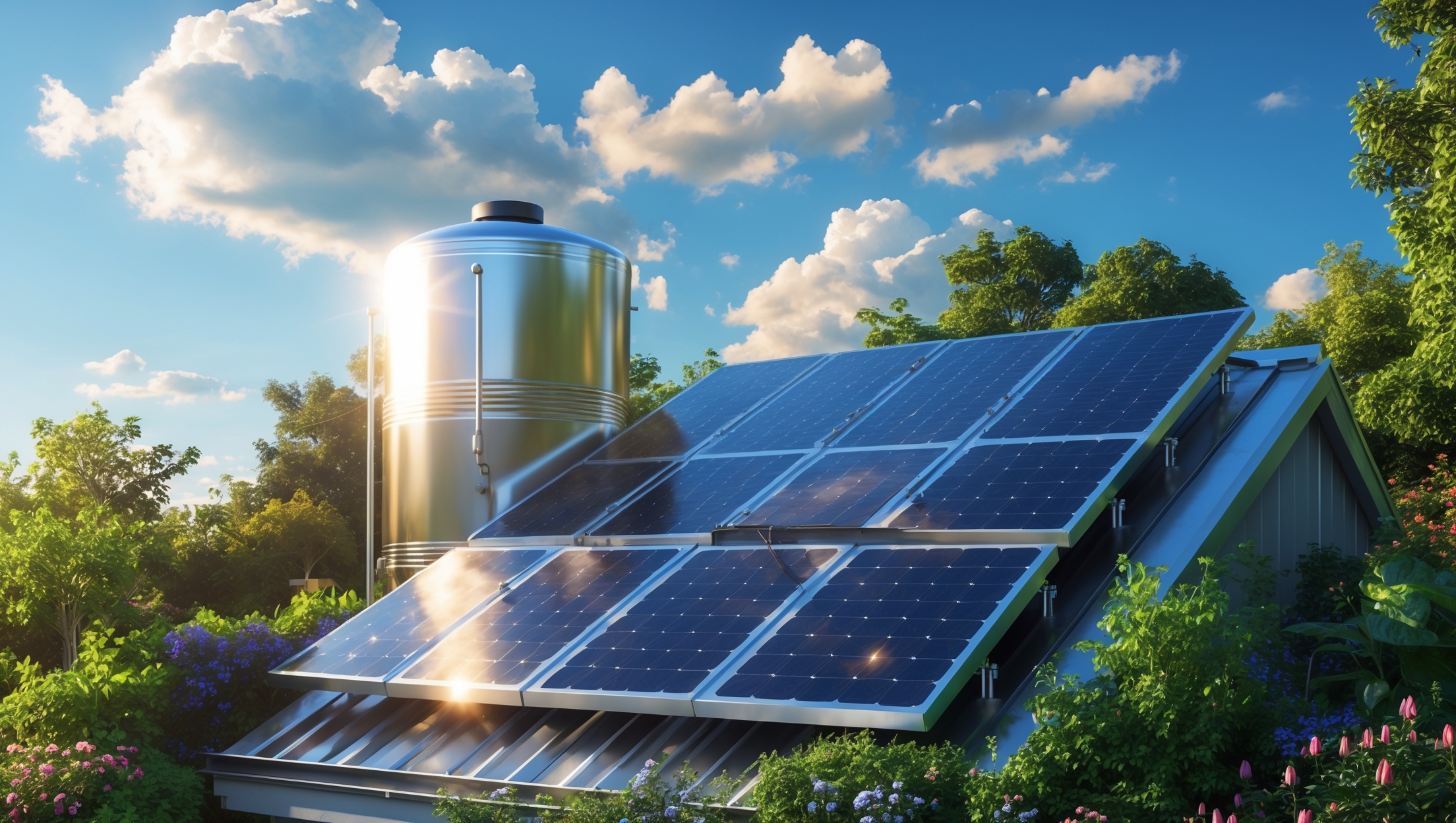
Introduction
Solar-powered water heaters are among the most popular and cost-effective ways for homeowners to harness renewable energy. By using the sun’s energy to heat water for domestic use, these systems not only lower utility bills but also contribute significantly to a household’s sustainable footprint. However, like any advanced home technology, solar water heaters require careful, ongoing maintenance to perform optimally. Neglecting maintenance can lead to reduced efficiency, unexpected breakdowns, or even costly repairs that undermine the long-term benefits of your investment.
This comprehensive guide covers practical, field-tested maintenance best practices specifically for home solar-powered water heaters. Whether you have a thermosiphon or a pumped active system, these maintenance steps will help you maximize energy savings, extend system lifespan, and ensure safe operation year-round. We’ll address common maintenance tasks, troubleshooting tips, and seasonal adjustments, as well as detailed advice on inspecting both solar collectors and storage components. By the end, you’ll have a reliable, actionable plan to keep your solar water heating system running smoothly for years to come.
Understanding Your Solar Water Heater System
Types of Residential Solar Water Heaters
Before diving into maintenance, it’s important to know which type of solar water heater you have, as maintenance requirements can differ:
- Thermosiphon (Passive) Systems: Use gravity and natural convection to circulate water between the solar collector and storage tank, typically mounted on the roof. Fewer moving parts, but exposed to weather.
- Active (Pumped) Systems: Use electric pumps and controllers to circulate water or heat-transfer fluids between roof-mounted collectors and a tank that may be located indoors or outdoors. More efficient in colder climates, but have electrical components to maintain.
Major Components to Monitor
- Solar Collectors: Absorb solar energy and transfer heat to water or heat-transfer fluid.
- Storage Tank: Insulated tank that stores heated water for later use.
- Pipes and Insulation: Circulate water or heat-transfer fluid; insulation prevents heat loss.
- Pumps and Controllers: (Active systems only) Move fluid and manage system operation.
- Heat Exchanger: (Closed-loop systems) Transfers heat from heat-transfer fluid to potable water.
- Valves and Sensors: Regulate flow and monitor temperature/pressure.
Routine Visual Inspections
Monthly Checks
Set a monthly reminder to perform a quick visual inspection. Early identification of issues prevents minor problems from escalating.
- Collector Surface: Look for dust, dirt, bird droppings, leaves, or snow accumulation. These reduce efficiency and should be cleaned as needed.
- Glazing and Seals: Check for cracks or condensation inside glazing (glass or plastic covers). Damaged glazing or degraded seals can let in moisture, causing corrosion or mold.
- Pipes and Insulation: Inspect for signs of leaks, drips, or deteriorating insulation. Wet or moldy insulation suggests a leak.
- Mounting Hardware: Ensure all racks, brackets, and fasteners are secure and show no signs of corrosion or loosening.
- Controller Display: (Active systems) Look for error codes or abnormal temperature readings.
Seasonal Roof Inspection Safety Tips
Always prioritize safety when inspecting rooftop collectors. Use a sturdy ladder, non-slip footwear, and consider a safety harness for steep roofs. Do not attempt inspections during wet or icy conditions.
Cleaning Solar Collectors
Why Cleaning Matters
Dirt, pollen, bird droppings, and air pollution can reduce collector efficiency by up to 25%. Regular cleaning ensures maximum sunlight absorption.
How to Clean Your Collectors
- Frequency: At least twice a year, or more often in dusty or leafy environments.
- Materials Needed: Soft-bristled brush, garden hose with spray nozzle, bucket of mild soapy water, and a squeegee.
- Steps:
- Rinse collectors with water to remove loose debris.
- Gently scrub with soapy brush to remove stubborn dirt, avoiding abrasive pads.
- Rinse thoroughly. Remove excess water with a squeegee to prevent streaks.
- Inspect for damage while cleaning. Do not use high-pressure washers as they can damage seals and glazing.
Checking and Replacing Insulation
Well-insulated pipes and tanks are essential for heat retention. Damaged or missing insulation allows significant heat loss, especially in winter.
- Inspect all exposed pipes for cracks, gaps, or moisture in insulation.
- Replace damaged sections with closed-cell foam pipe insulation rated for outdoor use.
- Ensure insulation is tightly sealed at joints and bends.
- Check tank insulation covers for tears or degradation and replace as needed.
Monitoring and Flushing the Storage Tank
Why Flushing Is Critical
Mineral and sediment buildup in storage tanks can reduce capacity, lower heating efficiency, and clog valves or pipes. Annual flushing is recommended in most regions; more frequently in areas with hard water.
Step-by-Step Tank Flushing
- Turn off power to the pump and shut off water supply.
- Allow the tank to cool to avoid scalding.
- Connect a garden hose to the tank’s drain valve and direct it to a safe drainage area.
- Open the drain valve and a hot water tap to allow air in.
- Flush until water runs clear, then close the valve and remove the hose.
- Refill the tank, restore water supply, and turn the system back on.
Inspecting and Maintaining Pumps and Controllers (Active Systems)
Pump Maintenance
- Listen for unusual noises or vibrations from the pump. These may indicate wear or impending failure.
- Check for leaks around pump seals and connections.
- Clean pump filters or strainers every six months.
- Replace worn-out pumps according to manufacturer’s guidelines, typically every 5–10 years.
Controller and Sensor Checks
- Test system controls by manually cycling between on/off modes.
- Verify sensor readings (temperature, pressure) match actual system conditions; replace faulty sensors as needed.
- Ensure wiring and terminals are dry, free of corrosion, and securely connected.
Heat-Transfer Fluid and Closed-Loop System Maintenance
Some solar water heaters use a heat-transfer fluid (glycol or antifreeze) in a closed loop to prevent freezing. This fluid degrades over time and must be checked and replaced periodically.
- Annual Fluid Check: Use a refractometer or test strips to check glycol concentration and pH.
- Fluid Replacement: Typically required every 3–5 years, or sooner if test results show degradation.
- System Flushing: Drain old fluid, flush with clean water, and refill with new fluid at the correct concentration.
- Check Expansion Tank: Ensure pressure is within manufacturer’s recommended range and that the tank diaphragm is intact.
Pressure Relief and Safety Valves
Pressure relief valves are a critical safety feature. They automatically release water if pressure or temperature gets too high, preventing tank explosions or pipe bursts.
- Test the pressure relief valve every six months by lifting its lever; hot water should discharge briefly and stop when released.
- Replace valves that drip continuously or fail to reset, as they may be faulty or corroded.
- Ensure discharge pipes are clear and direct hot water safely away from people and property.
Leak Detection and Troubleshooting
Common Signs of Leaks
- Unexpected drops in hot water pressure or temperature.
- Visible water or damp spots around collectors, pipes, or tanks.
- Mold or mildew growth near system components.
Address leaks immediately to prevent water damage and system losses. Tighten connections or replace faulty parts as needed.
What to Do in Case of System Failure
- Check for tripped breakers or blown fuses (active systems).
- Inspect controller display for error codes.
- Verify pump and sensor operation.
- If unable to resolve, contact a qualified solar technician for advanced diagnostics.
Seasonal Adjustments and Special Considerations
Winterizing Your Solar Water Heater
- In freezing climates, ensure heat-transfer fluid is at proper antifreeze concentration.
- Insulate all exposed pipes, especially on roofs and exterior walls.
- Drain non-pressurized or seasonal systems fully before winter.
Summer Optimization
- Check for excess hot water buildup; install thermostatic mixing valves if needed to prevent scalding.
- Inspect for overheating or pressure issues, particularly during prolonged heatwaves.
- Ensure shading (from growing trees or new structures) hasn’t reduced collector sunlight exposure.
Record-Keeping and Professional Inspections
Maintenance Log
- Keep a written record of all inspections, cleanings, repairs, and fluid changes.
- Note dates, observations, parts replaced, and technician visits. This helps identify patterns and anticipate future maintenance.
When to Call a Professional
- Annual professional inspection and servicing is strongly recommended for all solar water heater systems.
- Hire a certified technician for complex repairs, major leaks, collector glazing replacement, or heat-transfer fluid replacement.
Upgrades and Longevity Tips
- Consider swapping older, less efficient collectors for modern, high-efficiency models.
- Upgrade insulation on tanks and pipes with advanced materials for improved performance.
- Install monitoring systems with real-time performance tracking for early warning of issues.
- Replace tanks older than 10–15 years to prevent catastrophic failures and improve efficiency.
Conclusion
Investing in a solar-powered water heater is a decisive step toward a more sustainable, energy-efficient home. However, the true value of that investment depends on how well you care for the system over its lifespan. By following the maintenance best practices outlined in this guide—regular inspections, cleaning, checking insulation, flushing tanks, monitoring electronic components, and scheduling annual professional checkups—you’ll ensure your solar water heater delivers reliable, eco-friendly hot water for many years. Proactive care not only maximizes efficiency and energy savings but also prevents unexpected breakdowns, costly repairs, and potential safety hazards.
Remember, each solar water heater system is unique, with its own set of requirements based on design, climate, and installation. Stay attentive to the manufacturer’s recommendations, maintain detailed records, and don’t hesitate to consult professionals when needed. With dedicated maintenance, your solar water heater will provide lasting returns—lower bills, reduced carbon footprint, and the peace of mind that comes with true energy independence.
Make maintenance a regular part of your sustainable living routine, and your solar water heater will reward you with comfort, savings, and environmental stewardship for decades to come.


How does the maintenance routine differ between summer and winter months, especially for active systems in colder climates? I’m curious if there are specific adjustments needed to keep everything running smoothly year-round.
The maintenance routine for active solar water heaters does vary with the seasons, especially in colder climates. In winter, it’s important to check antifreeze levels in the heat transfer fluid, inspect for pipe insulation damage, and ensure freeze protection systems are functioning. During summer, focus more on cleaning collectors, checking for overheating signs, and making sure the circulation pump is operating correctly. Adjusting your checks based on the season helps the system run smoothly all year.
When inspecting the storage tank for a thermosiphon system, what specific signs of wear or potential failure should I look out for? Are there parts that need regular replacement even if there aren’t obvious leaks?
When inspecting the storage tank in a thermosiphon system, check for rust or corrosion on the tank and its fittings, as well as any mineral buildup inside. Watch for damp spots or discoloration around seams and connections, which can signal small leaks. Even if there are no leaks, sacrificial anode rods should be inspected regularly and replaced as needed, since they protect the tank from internal corrosion.
For someone considering switching from a conventional water heater to a solar-powered system, do maintenance costs or requirements tend to be higher or lower over a five-year period? I am curious about long-term budget implications.
Over a five-year period, maintenance costs and requirements for solar-powered water heaters are usually lower than those for conventional systems. Solar water heaters have fewer moving parts and rely less on electricity or gas, which reduces wear and tear. Routine maintenance typically involves checking for leaks, cleaning the collector panels, and inspecting insulation. While occasional professional servicing may be needed, the overall long-term costs are generally less than with traditional water heaters.
Could you explain a bit more about the seasonal adjustments mentioned in the guide? I live in the northeast US, so is there anything special I should do with my pumped active system ahead of winter?
In the northeast US, it’s important to prepare your pumped active solar water heater for winter. Before cold weather sets in, check the antifreeze levels in your system and top up or replace it if needed, since this prevents freezing. Also, inspect pipes and collectors for any signs of wear or leaks, and consider insulating any exposed piping. Make sure the pump and controller are working properly, as these are critical in colder months.
Since active systems rely on electric pumps and controllers, what are the most common electrical issues that could arise, and are these repairs something a homeowner can do themselves, or should I call a professional?
Active solar water heating systems often experience electrical issues like pump failure, faulty wiring, blown fuses, or malfunctioning controllers. Some basic checks, such as replacing a blown fuse or resetting a tripped breaker, are doable for handy homeowners. However, diagnosing or repairing pumps, controllers, or wiring problems is best left to a qualified technician to ensure safety and proper system function.
Could you clarify if the maintenance schedule differs much between thermosiphon and active pumped systems, or are the major steps mostly the same for both types?
The core maintenance steps—like checking for leaks, cleaning collectors, and inspecting storage tanks—are quite similar for both thermosiphon and active pumped systems. However, active pumped systems have extra components such as pumps and controllers, which require periodic checks and sometimes filter cleaning or pump servicing. So, while the general schedule is alike, active systems need a bit more attention to their additional parts.
In the troubleshooting section, are there early warning signs of decreased efficiency I should be watching for, especially before busy seasons when we rely heavily on hot water for our operations?
Yes, there are a few early signs you can watch for before peak usage times. Look out for slower water heating, lower water temperatures than usual, or increased energy use. Also, check for mineral buildup on the collector or storage tank, and keep an eye on any leaks or odd noises from the system. Catching these early can help you prevent bigger issues during your busiest seasons.
Could you clarify what specific seasonal adjustments I should make to a thermosiphon solar water heater versus an active pumped system, especially if I live in an area with mild winters?
For a thermosiphon system in mild winters, it’s important to check insulation around pipes and the storage tank, and ensure panels are clean for maximum sun exposure. With an active pumped system, also inspect the pump and controller settings seasonally. You might adjust temperature setpoints a bit lower for winter to avoid excessive heat loss overnight. Both systems benefit from a quick visual check after storms or wind, but the active system requires more attention to electrical and pump components.
Could you provide more details on what kind of seasonal adjustments are necessary for solar water heaters in regions with cold winters, and whether these adjustments differ between thermosiphon and pumped systems?
In regions with cold winters, it’s important to insulate exposed pipes and storage tanks to prevent freezing, especially for thermosiphon systems, which often have roof-mounted tanks. Thermosiphon systems may need to be drained or use antifreeze solutions, while pumped systems with closed loops typically circulate antifreeze, requiring periodic fluid checks and possible replacement before winter. Both types should have their solar collectors cleaned and checked for leaks or cracks before the cold season.
For homeowners like me with a thermosiphon system, what are the most common signs that maintenance is overdue, and are there particular parts of the solar collector or storage tank that tend to need attention first?
With a thermosiphon system, look out for signs like decreased hot water output, unusual noises, or visible scaling on the collector or pipes. The most common areas needing attention first are the solar collector glazing (for dirt or debris buildup) and storage tank insulation (for leaks or corrosion). Regularly check for blockages in the pipes and ensure valves are functioning smoothly.
After installing a solar water heater, is there a typical adjustment period before maintenance is necessary, or should I start regular checks right away even if everything seems to be working perfectly?
It’s wise to start regular checks soon after your solar water heater is installed, even if everything appears to be running smoothly. Look for any leaks, unusual noises, or drops in performance during the first few weeks. After that, you can follow a recommended maintenance schedule, usually every six to twelve months, but those initial checks help catch early issues.
For beginner DIYers, is there a recommended schedule or checklist for inspecting both the solar collectors and the storage tank throughout the year?
For beginner DIYers, a simple maintenance schedule works well. Inspect the solar collectors and storage tank at least twice a year—ideally in spring and fall. Check for dirt or debris on collectors, leaks in pipes or the tank, and ensure insulation is intact. Also, confirm all connections are tight and look for any signs of corrosion. Regularly cleaning the collectors and monitoring for any unusual drops in system performance can help catch issues early.
When it comes to budgeting for long-term maintenance, are there common repairs or parts replacements that tend to be more expensive for either thermosiphon or active systems?
For long-term maintenance, active solar water heater systems generally have higher repair or replacement costs compared to thermosiphon systems. Common expensive items for active systems include circulation pumps and electronic controllers, which may need replacement after several years. Thermosiphon systems are simpler, so their main costs are typically tank or collector repairs, which can also be costly but tend to occur less frequently.
I have a thermosiphon system installed on my roof, and I’m wondering how often I should inspect the collector for weather-related damage versus normal performance issues. Are there signs I should look out for between the recommended maintenance intervals?
For a thermosiphon system, it’s wise to visually inspect the collector after any severe weather event, such as hail or strong winds, in addition to your regular checks every 6–12 months. Look for visible cracks, broken glass, water leaks, or signs of corrosion. Also, keep an eye out for reduced water temperature or flow, which could indicate a performance issue even between scheduled maintenance.
Could you explain what seasonal adjustments I should be making for an active (pumped) solar water heating system as the weather changes? I am particularly concerned about preventing efficiency loss in the winter months.
For an active solar water heating system, it’s important to check your antifreeze levels before winter to prevent freezing in the pipes. Clean the collectors and ensure insulation is intact around pipes and tanks to minimize heat loss. Adjust the controller settings to optimize pump operation for shorter daylight hours. Also, inspect the system for leaks or blockages and consider partially covering collectors if overheating happens in warmer months.
Are there any budget-friendly maintenance tips or schedules you recommend for maximizing system lifespan without incurring high annual maintenance costs?
To keep costs low while maximizing your system’s lifespan, check and clean the solar panels every few months to remove dust and debris. Inspect pipes and insulation for leaks or wear annually. Flush the storage tank once a year to prevent sediment build-up. Most of these tasks can be done yourself with basic tools, avoiding expensive service calls.
Could you elaborate on what kind of seasonal adjustments are needed for solar water heaters, particularly in areas with large temperature swings between summer and winter?
Seasonal adjustments for solar water heaters are important in regions with big temperature changes. In the summer, you might need to adjust the system to prevent overheating, such as tilting panels less towards the sun or using a heat dump. In the winter, check for proper antifreeze levels in closed-loop systems, increase insulation on pipes and tanks, and adjust panel tilt to capture more low-angle sunlight. Regularly check valves and fittings for leaks caused by temperature fluctuations.
Could you elaborate on what seasonal maintenance adjustments are needed for thermosiphon systems versus pumped active systems? My area has both hot summers and freezing winters, so I want to be sure I’m not missing anything crucial.
For thermosiphon systems, in hot summers, check for overheating risks by ensuring adequate insulation and shading if needed. In freezing winters, it’s crucial to use antifreeze fluids or ensure the collector and pipes are well-insulated to prevent freezing, as thermosiphon relies on natural flow. Pumped active systems often have built-in freeze protection and antifreeze loops, but you should still inspect pumps and controls each season, top up antifreeze if needed, and verify sensors are working before temperature extremes hit.
For homeowners with older thermosiphon systems that have been on the roof for a decade or more, what are the main signs that the collector might need more in-depth maintenance or even replacement, rather than routine cleaning?
For thermosiphon systems over ten years old, watch for reduced hot water output, visible corrosion or leaks on the collector or piping, cracked or clouded glass, and signs of insulation breakdown. If you notice persistent performance drops despite regular cleaning, or physical damage that can’t be repaired, it’s likely time for more in-depth maintenance or even replacement of the collector.
You mentioned that neglecting maintenance can reduce efficiency. Could you share any signs to watch for that might suggest my system isn’t running optimally before it breaks down completely?
Absolutely. Watch for a noticeable drop in hot water temperature, slower water heating, or water that runs lukewarm. Unusual noises from the system, visible leaks, mineral buildup, or error codes on the control panel are also warning signs. Checking these regularly can help you catch issues before they become serious and reduce system efficiency.
Could you explain how troubleshooting works differently between a thermosiphon and a pumped active solar water heater system when you notice a drop in hot water temperature? Not sure which steps apply to each.
When troubleshooting a drop in hot water temperature, a thermosiphon system usually involves checking for blockages in pipes, ensuring the tank and collector are clean, and making sure nothing is preventing natural water flow. For pumped active systems, you’ll also need to inspect the circulation pump, check controllers and sensors, and verify the pump is receiving power. The key difference is active systems rely on working electrical components, while thermosiphon systems are entirely passive.
Given that active systems have more electrical parts, do they tend to break down more often than passive systems? I want to weigh longevity and repair risks before I decide which type to install.
Active solar water heating systems do have more electrical and mechanical components, such as pumps and controllers, which can make them more prone to breakdowns compared to passive systems. Passive systems are simpler, relying mostly on gravity and natural circulation, so they generally require less maintenance and tend to last longer. If minimizing repair risks and maximizing longevity are your main priorities, a passive system may be a better fit.
Are there special maintenance considerations or system adjustments I should follow as the seasons change, especially here in the Midwest where winters can be harsh? I want to avoid unexpected breakdowns.
Seasonal changes in the Midwest do call for a few extra steps with your solar-powered water heater. Before winter, make sure your system’s antifreeze levels are adequate and check all insulation for wear, especially around pipes and the storage tank. Clear any snow or debris from the collectors to keep them efficient. In summer, inspect for leaks and clean the panels more frequently due to pollen and dust. Regularly monitor your system performance, and schedule a professional inspection annually to catch any potential issues early.
Are there any budget-friendly tips for keeping a home solar water heater running smoothly, especially when it comes to replacing parts or doing seasonal adjustments?
To keep your solar water heater running smoothly on a budget, try cleaning the panels and checking for debris every few months, as this can prevent performance issues. Insulate pipes with affordable foam sleeves to reduce heat loss. For replacing parts, look for compatible generic components rather than brand-specific ones, which often cost less. During seasonal changes, adjust your system’s tilt angle if possible and check antifreeze levels in colder months to avoid costly repairs.
If my solar-powered water heater suddenly stops producing hot water, should I look at the collectors or the storage tank first based on common issues, or is there a standard troubleshooting sequence you’d recommend?
If your solar-powered water heater stops producing hot water, it’s best to start by checking the collectors first, as issues like dirt, shading, or leaks are common and can quickly impact performance. After confirming the collectors are clear and undamaged, inspect the storage tank for problems such as leaks, corrosion, or faulty valves. This sequence helps you address the most likely causes in order of frequency and ease of access.
If my system suddenly starts losing efficiency, what are some of the first troubleshooting steps you recommend before calling in a technician?
If your solar water heater starts losing efficiency, first check for obvious issues like dirt or debris on the solar panels and clean them if necessary. Make sure all valves are open and that there are no visible leaks in the pipes or tanks. Inspect the system’s temperature settings and look for error indicators on any control panels. If you use antifreeze, check its levels and appearance. If these steps don’t resolve the issue, it may be time to contact a professional.
Are there any maintenance tasks for these systems that a typical homeowner can safely do themselves, or do most require a licensed technician? I want to get a sense of what I can handle on my own versus budget for professional help.
Many maintenance tasks for home solar-powered water heaters are homeowner-friendly. You can clean solar panels with water and a soft brush, regularly check for debris or shading, inspect pipes for visible leaks, and monitor system gauges for unusual readings. However, anything involving electrical components, pressurized systems, or refrigerant should be left to a licensed technician. Annual professional inspections are recommended, but simple cleaning and visual checks are safe and helpful for homeowners.
You mention inspecting both the solar collectors and storage components regularly. How often should these inspections be done for someone living in a region with a lot of dust and debris, and what tool or cleaning method would you recommend?
In areas with heavy dust and debris, it’s wise to inspect your solar collectors and storage components every 1 to 2 months. For cleaning, use a soft brush or a non-abrasive cloth with water to gently remove dust from collectors. Avoid harsh chemicals, as they can damage the surface. For storage tanks, check for rust or leaks during inspections.
My system uses a heat-transfer fluid instead of just water. Are there signs I should watch for that the fluid needs to be replaced, and how frequently is that service typically required?
With heat-transfer fluids, it’s important to check for signs like fluid discoloration, unusual odors, decreased system performance, or visible particles in the fluid. Manufacturers typically recommend replacing the fluid every 3 to 5 years, but this can vary based on system usage and climate. Regularly inspecting for leaks and monitoring system pressure can also help catch issues early.
If I’m considering switching from a thermosiphon to an active system, do the maintenance costs and complexity tend to be much higher over time, or is it mostly just a one-time investment in upkeep?
Switching from a thermosiphon to an active system does generally mean higher ongoing maintenance costs and complexity. Active systems have pumps, controllers, and sometimes sensors, which require periodic inspection and occasional part replacement. While there is a one-time investment for installation and initial setup, expect some regular upkeep over the years that isn’t needed with simpler thermosiphon systems.
For homeowners on a budget, are there any essential maintenance tasks that should never be skipped to avoid expensive repairs or loss of efficiency in solar water heaters?
Absolutely, some basic maintenance steps are crucial to keep your solar water heater working efficiently and to avoid costly repairs. Make sure to regularly check and clean the collector panels to remove dust and debris, inspect for any visible leaks or corrosion in the pipes and tank, and monitor the pressure relief valve to ensure it’s functioning properly. Also, check the insulation on pipes and connections to make sure it’s intact. These simple tasks can help extend the life of your system and maintain its performance.
If my solar-powered water heater seems to be heating less water than usual lately, what basic troubleshooting steps should I try before calling in a professional?
First, check if the solar panels are clean and free from dust or debris, as this can block sunlight. Next, ensure that there are no visible leaks or blockages in the pipes. Also, inspect the thermostat settings to make sure they’re correct and verify that the circulation pump is operating if your system has one. If these steps don’t resolve the issue, then it may be time to consult a professional.
You mentioned that neglecting maintenance can cause major issues. What basic troubleshooting steps would you recommend before calling in a professional if my water isn’t heating properly?
If your solar-powered water heater isn’t heating properly, start by checking if the collector panels are clean and free of debris. Make sure there’s enough water in the system and that valves are open. Inspect the system for obvious leaks or damaged insulation. Also, verify that the controller and pump (if your system uses them) are powered and working. If these basics don’t solve the issue, it’s best to contact a professional.
Could you provide more details on the seasonal adjustments you mentioned? For those of us living in regions with harsh winters, what steps should we take before the cold sets in to avoid freeze-related damage?
Before winter, it’s important to insulate all exposed pipes and storage tanks to prevent freezing. If your system uses water as the heat-transfer fluid, consider draining it or switching to an antifreeze solution approved for solar heaters. Check the manufacturer’s recommendations for your specific model. Also, inspect and seal any gaps in the collector or piping, and ensure that automatic drain-back systems are functioning properly. Regularly checking these elements before the cold season helps avoid costly freeze damage.
I noticed you covered seasonal adjustments for solar water heaters. How often should I check the system controls and pump settings for an active system in a climate with large temperature swings between summer and winter?
In climates with significant temperature swings, it’s wise to check your system controls and pump settings at least twice a year—ideally before the start of summer and winter. This ensures your solar-powered water heater operates efficiently during peak seasonal changes. If you notice unusual behavior or performance drops, it’s a good idea to inspect the controls and pumps more frequently.
You touched on differences between passive and active systems. For a homeowner trying to decide which type is easier and less expensive to maintain over the years, are there key considerations or cost comparisons you can share based on your experience?
Passive solar water heaters tend to be simpler, with fewer moving parts, so their maintenance needs and costs are generally lower over time. Active systems, which use pumps and controllers, can be more efficient but require periodic servicing and possible replacement of electrical components, making them potentially more expensive to maintain. When considering long-term costs, passive systems are usually more budget-friendly, especially if you prioritize low maintenance.
When inspecting the solar collectors, how can I tell if they’re starting to lose efficiency? Are there any simple signs homeowners can look for before calling in a professional?
You can watch for a few easy signs that your solar collectors might be losing efficiency. Look for any visible dirt, dust, or debris on the collector surface, as well as cloudiness or discoloration on the glass. Also, check for leaks or moisture inside the collector. If your water isn’t getting as hot as usual, that’s another clue. If you notice any of these issues, cleaning the collector or making a simple inspection can help, but call a professional if the problem persists.
For someone who is trying to keep maintenance costs low, are there key preventative tasks that offer the most value in terms of preventing expensive repairs or system failures?
Focusing on a few simple preventative tasks can really help keep your long-term costs down. Regularly check for leaks in pipes and connections, clean the collector panels to maintain efficiency, and flush the storage tank annually to prevent mineral buildup. Also, monitoring system pressure and inspecting insulation on exposed pipes are inexpensive steps that can prevent bigger, costly issues.
For homeowners with older thermosiphon systems, are there any warning signs that indicate the solar collectors or storage tank might need professional servicing beyond basic inspection?
Absolutely, older thermosiphon systems can develop issues that go beyond basic checks. Watch for warning signs like sudden drops in water temperature, visible leaks or rust around the storage tank or collector, unusual noises from the system, or persistent air bubbles in the pipes. Stains or mineral buildup on the collector’s surface can also signal problems. If you notice any of these symptoms, it’s best to call a professional for a thorough assessment and servicing.
What are some warning signs that my solar water heater’s efficiency is dropping before a full breakdown occurs? I want to catch any issues early and avoid costly repairs if possible.
Some early warning signs of reduced efficiency in your solar water heater include longer heating times, inconsistent water temperatures, a noticeable drop in hot water supply, or increased reliance on backup heating. Also watch for visible leaks, unusual noises from the tank or pipes, and a buildup of limescale or sediment. Regularly checking your system’s performance and cleaning the collectors can help you catch these issues early.
We’ve had a solar water heater for about five years. Could you share any specific troubleshooting tips for unexpected drops in water temperature, particularly related to the electrical components in active systems?
For unexpected drops in water temperature in active solar water heaters, first check the controller settings and ensure it has power. Inspect sensors and wiring for corrosion or loose connections. Verify that the circulation pump is running when it should be—listen for operation or confirm flow at the pump. Also, check that fuses and circuit breakers related to the system are intact and not tripped.
You mention inspecting solar collectors and storage components, but I’m not sure what exactly I should be looking for during an inspection. Are there any signs of wear or damage that are especially common in a thermosiphon system?
When inspecting a thermosiphon solar water heater, check the collectors for cracks, discoloration, or clouding on the glass, as well as any signs of leaks at pipe connections. For storage tanks, look for rust, corrosion, or wet spots that could indicate leaks. Insulation around pipes should be intact and dry. Also, make sure mounting hardware is secure and there are no obvious signs of physical damage or loose bolts.
Could you give a rough idea of the annual maintenance costs for both passive and active solar-powered water heaters? I’m trying to estimate the ongoing expenses before committing to an installation.
For passive solar-powered water heaters, annual maintenance costs are usually minimal—often under $50 per year, mainly for periodic visual inspections and keeping the system clean. Active systems, which have pumps and controllers, typically cost more to maintain—plan for $100 to $200 per year, including potential servicing of pumps and replacing antifreeze if needed. These are rough estimates and can vary depending on your system’s size and local service rates.
How long do solar water heating systems normally last if properly maintained as you describe? I want to know if regular upkeep really makes a noticeable difference in the lifespan compared to minimal maintenance.
With proper maintenance as described in the article, solar water heating systems typically last 15 to 20 years, sometimes even longer. Regular upkeep such as cleaning panels, checking for leaks, and servicing pumps helps prevent small issues from turning into major problems, significantly extending the system’s lifespan compared to minimal maintenance, which can lead to early failures or costly repairs.
Does winterizing a solar water heater system require different steps depending on whether it’s a thermosiphon or active system? I’m in a colder region and want to avoid freeze damage, but I’m not sure where to start.
Yes, winterizing steps do differ between thermosiphon and active solar water heater systems. For thermosiphon systems, it’s important to drain water from panels and pipes if they aren’t freeze-protected. Active systems often use antifreeze solutions, so you’ll want to check the antifreeze level and condition, and ensure all pumps and controls function properly. In colder regions, active systems with antifreeze loops are usually better protected from freezing, but regular checks before winter are essential.
For someone considering switching from a traditional water heater to an active solar-powered system, do the maintenance costs or requirements tend to be higher over time compared to a thermosiphon system?
Active solar-powered water heaters generally have higher maintenance costs and requirements over time compared to thermosiphon (passive) systems. This is because active systems use pumps, controllers, and other mechanical components that need periodic servicing or replacement. Thermosiphon systems have fewer moving parts, so they typically require less upkeep and incur lower ongoing maintenance expenses.
How often do you actually need to inspect the solar collectors for things like dirt or debris, and what’s the best way to clean them without damaging anything?
You should inspect your solar collectors every 1 to 3 months, especially if you live in an area with dust, pollen, or heavy tree cover. To clean them safely, use a soft sponge or cloth with water, and avoid any harsh chemicals or abrasive materials. Always clean when the panels are cool, ideally in the early morning or late afternoon, to prevent cracking from rapid temperature changes.
What kind of seasonal maintenance adjustments are usually needed for solar water heaters in climates that experience both hot summers and freezing winters? I’m curious if the maintenance tasks change much from season to season.
Seasonal maintenance for solar water heaters in areas with both hot summers and freezing winters does change a bit. Before winter, it’s important to check antifreeze levels in closed-loop systems and insulate pipes and tanks to prevent freezing. In summer, you should clean the collectors to maximize efficiency and look for signs of overheating. Also, a general inspection for leaks or damage at the change of each season helps ensure everything runs smoothly all year.
I just installed a thermosiphon solar water heater and I’m not sure how to tell if the collectors on my roof need cleaning or maintenance. Are there signs I should look out for before scheduling a professional inspection?
You can check your collectors for visible dust, leaves, or bird droppings, as these reduce efficiency. Also, look for any discoloration or cloudy spots on the glass. If your system isn’t heating water as well as usual, that may be another sign. Monitoring these factors can help you decide if cleaning or professional attention is needed before you call for an inspection.
Is there an ideal time of year to do a full maintenance checkup on a solar water heater, or should it be based on usage patterns instead? I want to make sure I’m not missing key seasonal adjustments.
A full maintenance checkup on your solar water heater is usually best done in late spring or early summer. This timing ensures everything is in top shape before peak sunlight and hot water usage. However, if your household has heavy or unusual usage patterns, adding a mid-year inspection can be helpful. Additionally, check for seasonal adjustments like cleaning panels after pollen-heavy spring months or before winter if you live in a cold climate.
You mentioned that thermosiphon systems have fewer moving parts but are more exposed to weather. What specific maintenance steps should homeowners take to protect these systems from weather-related damage or wear, especially in areas with heavy rain or snow?
To protect thermosiphon systems in areas with heavy rain or snow, regularly inspect the insulation on pipes and water tanks for wear or gaps, as moisture can cause damage. Make sure mounting brackets and frames are secure and rust-free. Clear snow or debris from panels and piping after storms, and check all exposed connections for leaks or corrosion. Consider installing protective covers or shields if your local weather is especially harsh.
Could you elaborate on the maintenance differences between thermosiphon and pumped active systems, especially in terms of time and potential costs involved over a year?
Thermosiphon systems rely on natural convection, so they have fewer moving parts and generally require less maintenance—mainly occasional cleaning and checking for leaks or insulation wear. Pumped active systems use pumps and controllers, which should be inspected more regularly and may need parts replaced over time. Annually, thermosiphon maintenance is usually less time-consuming and less costly, while pumped systems can incur extra costs for pump servicing or replacement if needed.
For troubleshooting reduced hot water output from a solar-powered water heater, which component usually causes the problem: the collector, the pump, or the storage tank? Any step-by-step advice for narrowing down the culprit?
Reduced hot water output in a solar-powered water heater is most often caused by issues with the collector (such as dirt or shading), but the pump and storage tank can also be involved. To troubleshoot, first check the collector for debris or obstructions. Next, ensure the pump is running and circulating water properly. Finally, inspect the storage tank for leaks or sediment buildup. Addressing each component in this order usually helps pinpoint the problem.
For someone on a tight budget, which routine maintenance tasks would you say are absolutely critical to avoid costly repairs down the road?
If you’re on a tight budget, focus on a few essential tasks: regularly check and clean the solar panels to maximize efficiency, inspect for leaks in pipes and connections, and flush the storage tank every year to prevent sediment buildup. Also, make sure the pump (if your system has one) is working properly. These simple steps can help prevent expensive breakdowns later.
Once I create a maintenance plan using these best practices, how often should I revisit or update the routine? Does system maintenance frequency change as the system ages?
Once you’ve set up your maintenance plan, it’s a good idea to review it at least once a year to make sure it still fits your system’s needs. As your solar-powered water heater ages, parts may wear out and require more frequent inspections or servicing, so you might need to adjust your routine accordingly. Watch for any changes in performance, and update your plan if you notice issues or after manufacturer-recommended intervals.
Could you explain more about the different seasonal adjustments needed for maintaining solar water heaters, especially in places with harsh winters or lots of cloud cover? I’m not sure what to look out for as the weather changes.
Seasonal adjustments are important for solar water heaters. In harsh winters, check for insulation on pipes and storage tanks to prevent freezing, and make sure antifreeze levels in the system are adequate if it’s a glycol-based setup. Remove any snow or debris from collector panels and inspect for leaks caused by ice. During cloudy seasons, monitor your backup heating system more closely, as the solar heater may not provide enough hot water. Regularly check the system’s pressure and circulation to ensure everything is working efficiently as the weather changes.
Can you explain the key differences in maintenance routines between thermosiphon and pumped active systems over the course of a year? I want to make sure I am not overlooking anything important for my specific setup.
Thermosiphon systems rely on natural convection and generally have fewer moving parts, so maintenance often focuses on checking for leaks, cleaning collectors, and ensuring insulation is intact. Pumped active systems, on the other hand, require additional attention to the circulation pump, controllers, and sensors—check these regularly for proper operation. Both systems need periodic flushing to prevent mineral buildup, but active systems may also need annual pump servicing or replacement. Tailor your routine to these differences to keep your system running smoothly.
For homeowners in colder climates, are there special maintenance steps needed during winter for the storage tank or the pipes? How do I prevent freezing and keep the system efficient year-round?
In colder climates, it’s important to insulate both the storage tank and all exposed pipes to prevent freezing. You might also want to use antifreeze solutions in closed-loop systems. Regularly check for cracks or leaks and make sure any insulation is intact. Draining the system or using electric pipe heating cables during severe cold snaps can add protection. These steps help maintain efficiency and prevent winter damage.
What would you estimate as the average annual maintenance cost for a home solar water heater, especially for someone who prefers to hire a professional for inspections and basic upkeep rather than DIY?
If you prefer hiring a professional for annual inspections and routine maintenance of your home solar water heater, you can typically expect to pay between $100 and $300 per year. This cost often covers inspection of the system, cleaning of panels, checking for leaks, and ensuring valves and pumps are working properly. Actual prices can vary based on your location and specific service needs.
Could you explain which maintenance tasks differ the most between thermosiphon and active solar water heater systems? I’m not sure which parts need extra attention depending on the system type.
Thermosiphon systems rely on natural circulation, so checking for blockages in pipes and ensuring the tank is above the collector are especially important. Active systems use pumps and controllers, which means you’ll need to inspect pump operation, sensors, and electrical connections regularly. For active systems, pump maintenance and controls testing require more attention, while thermosiphon systems focus more on keeping water pathways clear and monitoring for leaks.
I’m wondering how often the storage components in a solar-powered water heater typically need to be inspected or serviced to maintain efficiency. Is there a recommended maintenance schedule you’d suggest for homeowners to follow?
For most home solar-powered water heaters, the storage tank and related components should be inspected at least once a year. This includes checking for leaks, corrosion, sediment buildup, and ensuring all valves and insulation are in good condition. Some manufacturers may suggest a more frequent schedule, so it’s good to review the owner’s manual. Regular annual servicing helps maintain system efficiency and extends the lifespan of your equipment.
The article mentions that active (pumped) solar water heaters have electrical components that need maintenance. Could you elaborate on which electrical parts typically require the most attention, and what specific signs of wear or malfunction homeowners should look out for?
Active solar water heaters often rely on pumps, controllers, sensors, and wiring. The pump is especially important—listen for unusual noises or check for leaks, which could signal wear. Controllers and sensors can fail, leading to erratic temperature readings or system shutdowns, so watch for error messages or inconsistent performance. Inspect wiring for signs of corrosion, loose connections, or visible damage, as these could cause intermittent issues or failures.
The article mentions inspecting both the solar collectors and the storage components. How often should these inspections be performed throughout the year, and are there any signs of wear specific to thermosiphon versus active systems that homeowners should watch for?
Inspections for both solar collectors and storage components should generally be done at least twice a year—ideally in spring and fall. For thermosiphon systems, look out for mineral buildup or leaks around piping and the storage tank. Active systems might show signs like unusual noises from pumps, erratic temperature readings, or electrical faults in the control unit. Regular checks will help catch these issues early.
I’m concerned about maintenance costs over time. Can you share any tips on affordable DIY checks or supplies that can help prevent larger repairs for solar water heating systems?
Keeping maintenance costs down is definitely possible with some regular DIY checks. Periodically inspect your system for leaks, clean the collector panels to remove dust or debris, and check insulation on pipes for any wear. Using a soft brush and mild soap for cleaning, as well as replacing worn pipe insulation with foam sleeves, are inexpensive steps that help prevent bigger issues and extend your system’s life.
Could you explain what kind of routine maintenance is needed for a thermosiphon system versus an active pumped system? I am not sure which one I have and want to be sure I’m following the right steps for my setup.
For a thermosiphon (passive) system, routine maintenance mainly involves checking for leaks, cleaning the collector surface, and flushing the tank annually to remove sediment. For active pumped systems, you should also inspect and service the circulation pump, check controller settings, and make sure sensors are working properly. If you’re unsure which system you have, look for a pump and control panel—these are clear signs of an active system.
What are early warning signs of reduced efficiency or impending breakdowns in solar collectors, and what troubleshooting steps should homeowners try before calling a professional?
Early warning signs in solar collectors include noticeable drops in hot water temperature, unusual noises from the system, visible leaks, cloudy or discolored collector covers, and a persistent decrease in system pressure. Homeowners can first check for obvious obstructions like dirt or debris on the collectors, inspect for leaks in pipes or connections, and ensure the circulation pump is running. Cleaning the collector surface and resetting the controller may also help. If these steps don’t resolve the issue, it’s wise to consult a professional.
For someone new to solar water heaters, how often should I be inspecting the solar collectors and what are the signs that something might be wrong with them? Are there any specific seasonal checks that you recommend doing in colder climates?
Inspect your solar collectors at least twice a year, ideally at the start of spring and fall. Look for dirt buildup, cracks in the glass, obvious leaks, or loose mounting hardware. In colder climates, before winter, check for any blockages, make sure pipes are insulated, and look for signs of frost damage. After heavy snow, gently remove snow from collectors to maintain efficiency and prevent panel damage.
If someone is just starting out with a new solar water heater, what would be the ideal maintenance schedule during the first year to maximize both efficiency and system lifespan, and does this schedule differ for active versus passive systems?
For the first year, it’s best to check your solar water heater every three months. Inspect for leaks, clean panels to remove dust or debris, and verify temperature and pressure readings. For active systems, also check pumps and controls, as they have more moving parts. Passive systems are simpler, so focus on panel cleanliness and plumbing checks. Regular attention helps maximize both efficiency and lifespan, especially early on.
If the water from my solar heater suddenly starts coming out less hot than usual, should I first check the solar collectors or the storage tank? I want to troubleshoot efficiently before calling in help.
Start by checking the solar collectors, since they are primarily responsible for heating the water. Make sure they are clean, free of debris, and positioned correctly toward the sun. Also, look for any shading or damage. If the collectors appear fine, then inspect the storage tank for insulation issues or leaks. This process can help you pinpoint the problem before seeking professional help.
Since the article covers seasonal adjustments, do you have tips on what needs to be done before winter hits in a cold climate? I’m worried about freezing and want to avoid any expensive mistakes the first year.
Absolutely, preparing your solar-powered water heater for winter is important in cold climates. Make sure all water pipes are well-insulated to prevent freezing. If your system uses water as the heat transfer fluid, ensure it has proper antifreeze protection—check or replace the antifreeze if needed. Drain external components if your system is designed for seasonal shutdown. It’s also a good idea to inspect for leaks and clear away any debris around the panels so snow and ice don’t accumulate. Regularly check system pressure and performance during cold spells.
For someone on a tight budget, are there any DIY maintenance tasks that can be safely done without special tools, or is professional servicing necessary for most components of a typical residential solar water heater?
You can handle several basic maintenance tasks on your own without special tools. Flushing the storage tank to remove sediment, cleaning dust and debris off the solar collectors, and checking for obvious leaks are all simple DIY jobs. Just remember to turn off power and water supplies before starting. For more complex issues like electrical components or major leaks, it’s best to call a professional.
I’m interested in how often the heat transfer fluid should be checked or replaced in active systems. Is there a recommended schedule, or does it depend entirely on the manufacturer’s guidelines?
For active solar water heating systems, it’s commonly recommended to check the heat transfer fluid at least once a year. Many manufacturers also suggest replacing the fluid every 3 to 5 years, but this can vary depending on the specific fluid and system model. Always consult your manufacturer’s manual for the most accurate schedule, but annual checks are a good general practice.
How much should I budget each year for routine maintenance and possible repairs on a home solar water heater? Is there a big difference in ongoing costs between thermosiphon and active systems?
For routine maintenance, you can expect to budget about $100–$200 per year for a solar water heater. Minor repairs or part replacements may occasionally add to this, so setting aside an extra $100 annually is wise. Thermosiphon (passive) systems generally have lower maintenance costs compared to active systems, mainly because they have fewer mechanical parts and no pumps or controllers that might require servicing.
Do you have any advice on how to budget for regular maintenance, and are there parts that typically require more frequent replacement that I should plan for?
When budgeting for solar water heater maintenance, it’s smart to set aside a small annual fund for routine inspections and minor repairs, typically around 1–2% of the system’s installation cost. Key parts that may need more frequent attention or replacement include sacrificial anode rods, valves, and pumps. Setting aside extra for these components can help you avoid unexpected expenses.
For someone on a tight budget, what are the most critical maintenance tasks I shouldn’t skip if I want to avoid expensive repairs in the future with my home solar water heater?
If you’re watching your budget, focus on the essentials: regularly check for leaks or corrosion in pipes and connections, clean the collector panels to ensure they aren’t blocked by dirt or debris, and monitor system pressure and temperature to catch issues early. Also, inspect the insulation on pipes and tanks and make sure it’s intact. These steps will help prevent bigger, costly problems down the line.
For homeowners on a budget, which regular maintenance steps would you consider non-negotiable to extend a solar water heater’s lifespan, even if we can’t afford professional servicing every year?
If you’re on a budget, focus on a few key maintenance steps: Check and clean the collector surface regularly to ensure maximum sunlight absorption, inspect the system for leaks or corrosion, and flush the storage tank at least once a year to prevent sediment buildup. Also, monitor the pressure and temperature to catch problems early. These steps will go a long way in keeping your solar water heater running efficiently.
For homes with active solar water heater systems that use electric pumps, are there any specific maintenance steps you recommend for checking the functionality of the electrical components, especially before seasonal changes?
For active solar water heater systems with electric pumps, it’s wise to inspect the electrical components before each season. Check that the pump operates smoothly when the system is on, verify all wiring and connections for signs of wear or corrosion, and ensure the controller and sensors respond correctly. Test any circuit breakers or fuses linked to the system, and listen for unusual noises from the pump. If you notice any issues, consider contacting a qualified technician for deeper diagnostics.
For homeowners without much experience, are there maintenance steps that are safe and straightforward to handle ourselves, or is it better to call a technician for most tasks?
Homeowners can safely handle some basic maintenance tasks for solar-powered water heaters, such as regularly checking for visible leaks, cleaning dirt off the solar panels with water and a soft cloth, and inspecting pipes for obvious damage. For more complex tasks like flushing the system, checking electrical components, or repairing any issues, it’s best to call a technician to avoid accidental damage or safety risks.
Could you clarify how often homeowners should inspect the solar collectors for debris or damage, especially in areas with a lot of trees or wind? I want to make sure I’m not missing a critical maintenance interval.
In areas with lots of trees or frequent wind, it’s advisable to inspect your solar collectors at least once a month for debris like leaves, branches, or dust buildup, as well as any visible damage. After storms or strong winds, check sooner to catch any issues early. Regular monthly checks help keep the system operating efficiently and prevent long-term problems.
How frequently should homeowners plan to check or clean the solar collectors, especially in areas with lots of dust or pollen? I want to make sure I’m maintaining peak efficiency without overdoing it.
In areas with high dust or pollen, it’s usually best to inspect the solar collectors every one to two months. If you notice a visible buildup, a gentle cleaning is recommended to keep efficiency high. Otherwise, a thorough cleaning every three to six months should be sufficient. Regular visual checks help you avoid unnecessary cleaning while ensuring optimal performance.
How often do you recommend flushing the storage tank for a solar water heater to prevent sediment buildup, and are there any signs that indicate it’s overdue for this kind of maintenance?
For most home solar-powered water heaters, it’s recommended to flush the storage tank at least once a year to prevent sediment buildup. If you notice reduced hot water flow, odd noises from the tank, or water that appears cloudy or discolored, these can be signs that flushing is overdue. Regular maintenance helps keep your system efficient and prolongs its lifespan.
Are there any affordable DIY troubleshooting steps homeowners can take if they notice their solar water heater is suddenly not providing enough hot water, before calling a professional for repairs?
Absolutely, there are a few simple steps you can try. First, check if the collector panels are clean and free of debris or dirt, as buildup can reduce efficiency. Next, inspect the plumbing connections for leaks or loose fittings. Make sure the storage tank is insulated and hasn’t lost heat overnight. Lastly, confirm the system’s settings, like timers or thermostats, haven’t been accidentally changed. If these steps don’t fix the issue, it may be time to consult a professional.
How much should I expect to budget each year for typical maintenance on a home solar water heating system, including replacement parts and professional inspections?
You can generally expect to budget between $100 and $300 per year for routine maintenance of a home solar water heating system. This covers basic upkeep, occasional replacement parts like valves or sensors, and a professional inspection or servicing once a year. Costs might be higher if major components like pumps or controllers need replacement, but these parts usually last several years.
I just installed a thermosiphon solar water heater on my roof but I’m not sure how often I should check for leaks or issues with the collector. Is there a recommended inspection schedule for beginners?
For a thermosiphon solar water heater, it’s a good idea to visually inspect the system every 1–2 months, especially after installation. Look for leaks, corrosion, or debris around the collector and pipes. Additionally, a more thorough check—including connections and insulation—should be done at least once or twice a year. This routine helps you catch small issues early and keep your system running efficiently.
For homeowners with thermosiphon systems that are exposed to harsh weather, what specific maintenance steps are recommended to prevent weather-related damage to the rooftop collectors and storage tanks?
For thermosiphon systems in harsh climates, it’s important to regularly inspect the rooftop collectors and storage tanks for cracks, corrosion, or loose fittings. Apply weather-resistant coatings to metal parts, ensure insulation is intact and properly sealed, and clear away any debris or snow buildup. Securely fasten all mounting hardware to prevent wind damage, and check for any signs of leaks after storms or extreme temperature shifts.
Can you explain what specific maintenance steps should be prioritized for thermosiphon systems exposed to harsher weather conditions, like heavy snow or hail? I am wondering how often those rooftop collectors should be inspected or cleaned compared to milder climates.
For thermosiphon systems in areas with heavy snow or hail, prioritize regular inspections for damage to the rooftop collectors, especially after major weather events. Check for cracks, leaks, or dents and clear off snow promptly to prevent excess load. Cleaning should be done at least twice as often as in milder climates, typically every 3–4 months, to remove debris and ensure optimal performance. Additionally, verify that mounting hardware remains secure, as strong winds or ice buildup can loosen fittings.
Could you provide a rough estimate of the yearly maintenance costs for a typical home solar water heating setup? I’m trying to budget for both occasional repairs and regular upkeep.
For a typical home solar water heating system, you can expect yearly maintenance costs to range from $100 to $300. This estimate covers basic upkeep like cleaning collectors, checking for leaks, inspecting pumps and antifreeze, and flushing the system if needed. Occasional repairs, such as replacing a pump or valve, might increase costs in some years but are not usually needed annually.
You mentioned inspecting both the solar collectors and storage components, but is there a checklist or a quick way to tell if my collectors need cleaning or repairs? Sometimes I’m not sure if reduced hot water is due to the weather or a maintenance issue.
To quickly check if your solar collectors need cleaning or repairs, look for visual signs like dirt, debris, or cloudiness on the glass, and check for cracks or leaks around the frame and pipes. If sunlight is strong but your water isn’t as hot as usual, that could indicate a maintenance issue rather than just weather. Regularly comparing your current hot water output to past performance can also help spot problems early.
For homeowners with active (pumped) solar water heating systems in colder climates, what specific seasonal adjustments or maintenance checks should be prioritized to protect both the electrical and plumbing components during winter months?
For active solar water heating systems in colder climates, it’s important to check antifreeze levels in the heat transfer fluid before winter. Inspect all plumbing for insulation, especially exposed pipes, to prevent freezing. Ensure the pump and any electrical controls are protected from moisture and cold—look for weatherproofing and test the pump’s operation. Finally, verify freeze protection devices are functioning properly to safeguard both plumbing and electrical components throughout winter.
You talked about potential breakdowns and costly repairs if maintenance is neglected. Can you give examples of what might go wrong if I skip one of the routine maintenance steps—like what kind of repairs I could be looking at down the road?
If routine maintenance is skipped, you might encounter issues like mineral buildup in the water tank or collectors, which can reduce efficiency or even cause parts to fail. Leaks in pipes or loose electrical connections might go unnoticed and worsen over time, leading to water damage or system shutdowns. Repairs could involve replacing corroded pipes, faulty pumps, or damaged collector panels, which can be costly compared to regular upkeep.
For someone considering an active (pumped) solar water heater in a colder climate, can you elaborate on the extra maintenance that electrical components might require compared to passive systems?
Active (pumped) solar water heaters in colder climates do need more attention than passive systems, mainly because of their electrical components. You’ll need to regularly check and test the pumps, sensors, and controllers for proper function, as cold temperatures can affect wiring and connections. Ensuring the freeze protection mechanisms work correctly is also crucial. Periodic inspection for any corrosion or moisture buildup in electrical boxes and connectors is recommended, whereas passive systems lack these electrical parts and so require less of this type of upkeep.
If the system has electrical components, like pumps and controllers, what are the most common troubleshooting issues, and is it generally safe for homeowners to address these themselves or should a professional always be involved?
Common issues with electrical components in solar water heaters include faulty pumps, blown fuses, tripped breakers, loose wiring, or malfunctioning controllers. Homeowners can safely check for simple problems like resetting breakers or ensuring connections are secure, as long as the system is powered off. However, for anything beyond these basic checks—such as persistent electrical faults, unusual noises, or if you’re unsure—it’s best to contact a professional to avoid safety risks.
If my system seems to be underperforming lately, aside from the general troubleshooting steps, are there particular seasonal adjustments or component inspections you’d recommend tackling first to get it back on track?
If your solar water heater system is underperforming, it’s a good idea to start with seasonal checks: in the spring and fall, clean the collector panels and make sure they’re free from debris or pollen buildup. Inspect for any shading changes from new plant growth. In colder months, check insulation on pipes and the antifreeze levels if you have a glycol system. Also, look for leaks, corrosion, or scale buildup in valves and connections, as these can worsen with temperature changes.
I’m curious about seasonal adjustments for active systems. Do you have any tips on how often I should check the pump and controller during colder months versus summer, and are there specific warning signs that indicate a problem with these components?
During colder months, it’s wise to check your pump and controller at least once a month, since freezing temperatures can stress these components. In summer, a check every two months is usually enough. Watch for unusual noises from the pump, error codes or warning lights on the controller, and any drop in system performance. If you notice these issues, inspect the system promptly to prevent bigger problems.
The article mentions seasonal adjustments for solar water heaters. Could you elaborate on what maintenance should be done before winter versus summer?
Before winter, it’s important to check the insulation on pipes and the storage tank to prevent freezing, and ensure the antifreeze level in closed-loop systems is adequate. For summer, clean the collectors to maximize efficiency, check for any leaks from expanded components, and make sure the system isn’t overheating. These seasonal checks help your solar water heater perform efficiently all year.
If the efficiency of my solar water heater suddenly drops, are there common troubleshooting steps I can try on my own before calling in a professional, especially when inspecting the collectors or tank?
Yes, there are several steps you can take before calling a professional. First, check the collectors for dirt, leaves, or snow, and clean them if needed. Inspect for any obvious damage or leaks in the pipes and around the tank. Make sure the pump (if your system has one) is running. Also, check the temperature and pressure indicators on the system. If everything appears fine but performance is still low, it may be time to consult an expert.
If you have a thermosiphon system that’s exposed to weather on the roof, are there specific parts that should be checked more often than on an active system with components inside?
Yes, with a roof-mounted thermosiphon system, you should check the collector panels, insulation, and exposed pipes more frequently, since they face direct weathering. Pay attention to seals and joints for leaks, and inspect for corrosion or UV damage. In contrast, active systems with indoor components are less exposed, so outdoor parts in thermosiphon setups generally need more regular inspection.
For homeowners who are new to solar water heating, what are some common early mistakes people make with performing or scheduling maintenance that could reduce system efficiency? Any tips on how to avoid these pitfalls?
A common early mistake is neglecting regular checks of the system’s fluid levels and not cleaning solar collector surfaces, which can lead to reduced performance. Some homeowners also forget to inspect insulation or fail to schedule yearly professional inspections. To avoid these issues, set reminders for basic monthly checks, keep the collectors clean, and plan an annual service appointment with a qualified technician.
When inspecting for potential breakdowns, are there warning signs or early symptoms unique to solar water heating systems that I should watch out for so I can address issues before they require expensive repairs?
Yes, there are some early warning signs unique to solar water heating systems you can watch for. Cloudy or discolored water from your taps, a noticeable drop in water temperature, unusual noises in the collector or pump, visible leaks around panels or pipes, and a build-up of scale on components all suggest potential issues. Regularly checking for these symptoms can help you catch and address problems before they turn into costly repairs.
I have a thermosiphon solar water heater, and I’m a bit unsure how to tell if my rooftop collector is still working efficiently. Are there signs of reduced performance I should look out for, especially after storms or seasonal changes?
With a thermosiphon solar water heater, signs of reduced collector efficiency include noticeably cooler water temperatures, slower heating than usual, or visible debris and dirt on the collector after storms. Watch for leaks, broken glass, or unusual noises, too. After seasonal changes or storms, it’s a good idea to visually inspect the collector for shading from new plant growth or any physical damage, and also check your system’s temperature over a few sunny days to see if it’s performing as expected.
Could you clarify what sort of seasonal adjustments are needed for solar water heaters in areas with occasional freezing temperatures? I want to avoid any winter issues with both the collectors and storage tanks.
In areas with occasional freezing, it’s important to use antifreeze solutions in closed-loop solar water heating systems to prevent damage. For open-loop systems, drain and shut them down before freezing weather hits. Also, add insulation to exposed pipes and storage tanks to reduce the risk of freezing. Regularly check valves and connections for leaks or cracks before winter to ensure everything is secure.
Could you clarify what kind of seasonal adjustments are necessary for a thermosiphon system, especially if the system is constantly exposed to weather on the roof?
For a thermosiphon solar water heater exposed on the roof, seasonal adjustments mostly involve checking insulation and system protection. In colder months, make sure all pipes and the storage tank are well-insulated to prevent freezing. In summer, inspect the system for any leaks or scale buildup due to higher temperatures and increased usage. Periodically check and flush the system as recommended to maintain efficiency year-round.
When considering either a thermosiphon or an active pumped system, are there differences in long-term maintenance costs or common repair issues that homeowners should budget for?
Yes, there are some notable differences. Thermosiphon systems generally have lower long-term maintenance costs since they rely on natural convection, so there are fewer moving parts that can wear out. Active pumped systems use pumps and controllers, which may require occasional repair or replacement over the years, increasing potential maintenance expenses. It’s wise to budget for pump or controller servicing if you choose an active system, while thermosiphon systems often just need periodic checks for leaks or insulation issues.
Could you provide more detail on how often seasonal adjustments should be made to a home solar-powered water heater? For example, are changes necessary in both spring and fall, and what are the key tasks to prioritize each season?
Seasonal adjustments for home solar-powered water heaters are typically needed twice a year, in spring and fall. In spring, focus on cleaning collector surfaces, checking insulation, and adjusting the tilt angle for higher sun paths. In fall, inspect for debris buildup, ensure frost protection, and adjust the tilt angle for lower sun angles. Prioritizing these steps helps your system stay efficient year-round.
For a homeowner with a thermosiphon solar water heater, how often should the roof-mounted storage tank and collectors be inspected for weather-related wear, especially in regions with frequent hail or harsh winters?
For homes in areas with frequent hail or harsh winters, it’s best to inspect the roof-mounted storage tank and collectors at least twice a year—once before winter and once after. Additionally, always check the system right after any major weather event like hailstorms. This helps catch any damage early and ensures your system keeps working efficiently.
Could you clarify how often homeowners should inspect solar collectors for dirt or damage, especially if the panels are exposed on the roof like in a thermosiphon system? I want to avoid missing early signs of problems that could affect efficiency.
Homeowners with roof-mounted solar collectors, such as those in thermosiphon systems, should visually inspect the panels for dirt, debris, or visible damage about once every three months. After storms or periods of heavy pollen or dust, an additional quick check is helpful. Regular inspections like this make it easier to spot early issues, which helps maintain the system’s efficiency.
After installing a solar water heater, how often do you recommend scheduling maintenance checks throughout the year for both the solar collectors and the storage system to keep things running smoothly?
For optimal performance, schedule a thorough maintenance check for your solar water heater at least once a year. This annual check should cover both the solar collectors and the storage system. However, if your area is prone to dust, leaves, or harsh weather, it’s wise to visually inspect the collectors every three to six months for debris or damage. Regular cleaning and prompt attention to any issues will help ensure your system runs efficiently.
If a thermosiphon system is installed with the storage tank and collector both on the roof, what are some effective ways to safely access and inspect them in areas that experience heavy seasonal snowfall?
When both the storage tank and collector are on the roof in snowy areas, safety is key. Use a sturdy, non-slip ladder and wear traction footwear. Consider installing permanent roof access systems such as walkways or railings. Inspections are safest during mild weather when snow and ice are minimal. If snow remains, hiring a professional with safety gear is the best option to avoid accidents.
For homeowners who live in areas with harsh winters, are there any seasonal maintenance routines or precautions you would suggest to ensure the system survives freezing temperatures without damage?
In areas with harsh winters, it’s important to insulate exposed pipes and storage tanks to prevent freezing. Consider using antifreeze solutions designed for solar water heating systems, especially for active systems. Draining and shutting down passive or seasonal-use systems before the first freeze is also wise. Always check the manufacturer’s guidelines for winterization and schedule a professional inspection before and after the cold season to catch any potential issues early.
For homeowners trying to budget their yearly maintenance costs, can you provide a ballpark estimate of what typical out-of-pocket maintenance expenses are for a home solar water heater system?
For most homeowners, the annual maintenance costs for a solar water heater system usually range from $100 to $300. This amount typically covers professional inspections, basic system cleaning, and minor repairs if needed. Keep in mind that costs may vary depending on your system’s complexity, local labor rates, and whether any parts need replacement during the year.
If I notice my utility bills creeping up even though I have a solar-powered water heater, what troubleshooting steps would you suggest to pinpoint whether it’s a maintenance issue with the collectors or the storage tank?
Start by checking if the collectors are clean and unobstructed, since dirt or debris can reduce efficiency. Next, inspect for any leaks or corrosion around the storage tank and the connections. Also, make sure the insulation on pipes and the tank is intact. If everything looks normal, monitor the temperature of the water leaving the collectors and entering the tank to see if there’s a significant drop, which could indicate a collector issue.
I’m still deciding between a passive thermosiphon setup and an active pumped one. From a maintenance perspective, are there significant differences in annual upkeep costs or typical repair issues I should be aware of before choosing?
There are some key maintenance differences between passive and active solar water heating systems. Passive thermosiphon setups are simpler, with fewer moving parts, so they typically have lower annual maintenance costs and fewer repair needs—mainly occasional cleaning and checking for leaks. Active systems use pumps and controllers, which can require more frequent servicing and may need pump or sensor replacements over time. Overall, passive systems are generally less expensive and less complex to maintain each year.
I’m curious if there are specific signs to look out for that indicate reduced efficiency in a thermosiphon system before a major problem develops. Any maintenance red flags to pay attention to?
Yes, there are a few early signs that may point to reduced efficiency in a thermosiphon solar water heater. Watch out for unusually slow water heating, lower-than-normal hot water temperature, visible mineral buildup on pipes or the collector, and any leaks or dampness around connections. Also, if you hear gurgling or bubbling sounds in the pipes, that could suggest air or sediment is affecting flow. Regularly checking for these issues can help catch problems before they become serious.
For those of us in colder climates with active solar water heaters, are there specific seasonal maintenance steps we need to prioritize, especially regarding the electric pumps and controllers?
In colder climates, it’s especially important to check your electric pumps and controllers before winter. Make sure pumps are free of debris and operate smoothly—test them as temperatures drop. Inspect wiring and controller settings to ensure freeze protection features are enabled. Also, confirm your antifreeze levels are correct if your system uses glycol, and look out for any signs of leaks or unusual noises in the pump during operation.
How do maintenance needs differ between systems in warmer versus colder climates, especially in terms of preventing freeze damage and ensuring year-round efficiency?
In colder climates, solar-powered water heaters require extra measures to prevent freeze damage, like using antifreeze solutions or drain-back systems that empty pipes when temperatures drop. Regular checks for insulation and leaks are also more important. In warmer climates, freeze protection is less critical, so maintenance focuses on cleaning panels and checking for mineral buildup to maintain efficiency year-round.
If my household is on a tight budget, are there any low-cost DIY steps I can take to extend the life of a solar-powered water heater before needing to call in a professional for more serious maintenance?
Absolutely, there are several budget-friendly DIY steps you can take. Clean the collector panels regularly to remove dust and debris, check for obvious leaks around pipes and fittings, and make sure any shading from plants is minimized. Also, periodically inspect and flush the storage tank to prevent sediment buildup. These simple tasks can help keep your solar water heater running efficiently and extend its lifespan without significant expense.