

Introduction: Why Combine Solar Power and Green Roofs?
Urban homeowners and eco-enthusiasts are increasingly drawn to innovative solutions that combine energy efficiency with environmental benefits. Among the most compelling is the solar-powered green roof—a rooftop that merges living vegetation with photovoltaic (PV) solar panels. This hybrid system not only generates clean electricity but also insulates the home, reduces stormwater runoff, and enhances urban biodiversity. While the appeal is high, many are unsure about the real costs and how to budget for such a project. This comprehensive guide breaks down every cost component, from materials to long-term maintenance, and provides actionable budgeting strategies for a successful, sustainable DIY installation. Whether you’re motivated by lower utility bills, reduced carbon footprint, or simply want to bring more green spaces into your city, understanding the financial landscape is the crucial first step.
Understanding Solar-Powered Green Roofs: System Overview
What Is a Solar-Powered Green Roof?
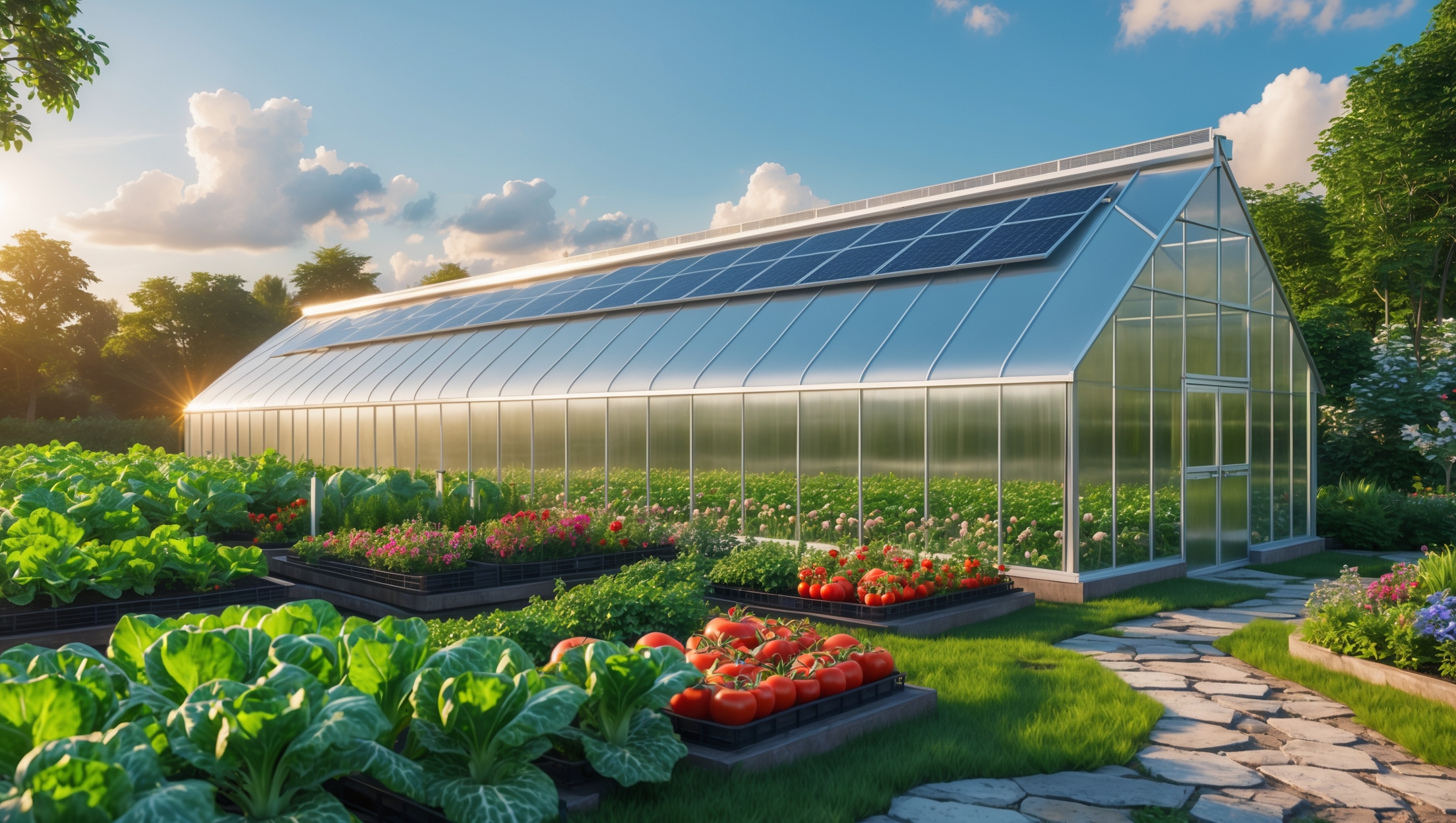
A solar-powered green roof is a dual-purpose structure that integrates PV solar panels with a living roof system. The green roof consists of layers: waterproofing membrane, root barrier, drainage, substrate (soil), and vegetation. Solar panels are either installed on top of the vegetation (elevated racking) or integrated with the green roof at optimal angles. This synergy enhances panel efficiency—plants cool the roof, reducing heat buildup, which helps solar panels operate more efficiently.
Key Benefits
- Energy Generation: Produces electricity for the home, reducing utility bills.
- Thermal Insulation: Living roof layers insulate, lowering heating/cooling needs.
- Stormwater Management: Retains and filters rainwater, reducing runoff.
- Biodiversity: Provides habitat for pollinators and urban wildlife.
- Longevity: Protects roofing materials, extending roof life.
Initial Planning: Factors Influencing Cost
1. Roof Structure and Load-Bearing Capacity
Not all roofs are suitable for green and solar systems. Assess if your structure can bear the combined weight of substrate, vegetation, and solar equipment. Professional engineering consultation is recommended and may incur costs.
2. Roof Type: Flat vs. Pitched
Flat roofs are ideal for green roofs and allow flexible solar panel orientation. Pitched roofs may require custom racking and additional safety measures, impacting overall expenses.
3. System Scale and Complexity
The size of your roof and the extent of green and solar coverage dictate material and labor costs. Larger, complex designs may involve additional irrigation, custom mounting, and more extensive waterproofing.
4. DIY vs. Professional Installation
DIY installation can yield significant savings but may require renting specialized equipment or consulting experts for critical steps (e.g., structural assessment, electrical hookup).
Detailed Cost Breakdown
1. Structural Assessment and Permits
- Professional Engineering Consultation: $500–$1,500
- Building Permits: $100–$700 (varies by municipality and project scope)
- Total: $600–$2,200
2. Waterproofing and Root Barrier
- High-Quality Waterproof Membrane: $4–$8 per sq. ft.
- Root Barrier Layer: $1–$2 per sq. ft.
- Total for 500 sq. ft. Roof: $2,500–$5,000
3. Drainage and Insulation Layers
- Drainage Mat/Boards: $1.50–$3 per sq. ft.
- Insulation Board (if needed): $2–$5 per sq. ft.
- Total for 500 sq. ft. Roof: $1,750–$4,000
4. Growing Medium (Soil Substrate) and Vegetation
- Specialized Green Roof Soil: $3–$6 per sq. ft.
- Sedum Mats/Plugs or Native Plants: $2–$5 per sq. ft.
- Total for 500 sq. ft. Roof: $2,500–$5,500
5. Solar Panel System
- Panels (3–5 kW system): $6,000–$10,000 (equipment only)
- Racking/Mounting Systems: $1,000–$2,000 (specialized for green roofs)
- Inverter, Wiring, and Balance of System: $1,500–$3,000
- Total: $8,500–$15,000
6. Irrigation (if required)
- Drip Irrigation Kits: $400–$1,000
- Rainwater Harvesting Integration (optional): $500–$2,000
- Total: $400–$3,000
7. Tools, Equipment, and Safety Gear
- Rental of Ladders, Scaffolding, Safety Harnesses: $300–$1,000
- Hand Tools, Wheelbarrows, Spreaders: $200–$500
- Total: $500–$1,500
8. Miscellaneous and Contingency
- Extra Materials, Waste Disposal, Unforeseen Repairs: $1,000–$2,000
Estimated Grand Total (DIY, 500 sq. ft. Roof)
- Low-End: $17,250
- High-End: $38,200
Note: These figures exclude professional labor costs, which can add 30–60% to the total for turnkey installations.
Budgeting Strategies for DIY Solar-Powered Green Roofs
1. Prioritizing Needs vs. Wants
Determine which features are essential (e.g., waterproofing, panel capacity) and which are optional (e.g., high-end plant selection, rainwater harvesting add-ons). Start with core components and phase in upgrades later if needed.
2. Phased Implementation
For budget constraints, consider installing the green roof first, then adding solar panels after initial savings accrue or incentives are secured. Alternatively, start with a smaller roof section as a pilot before scaling up.
3. Sourcing Materials Wisely
- Compare multiple suppliers for bulk discounts on substrate and vegetation.
- Seek local nurseries for native plants, which are often cheaper and better adapted.
- Look for gently used solar panels or racking systems from reputable resellers.
4. Utilizing Tax Credits and Incentives
Federal, state, and local incentives for solar and green roofs can offset 10–30% of costs. Research current programs and deadlines. Some utilities also offer cash rebates or net metering.
5. DIY Labor and Community Support
- Enlist friends or green building groups for installation days.
- Attend workshops or training sessions to develop key skills, reducing reliance on paid labor.
6. Building in a Contingency Fund
Set aside 10–15% of your total budget for unexpected expenses—structural repairs, weather delays, or material shortages.
Long-Term Cost Savings and Payback Analysis
1. Energy Savings
A 3–5 kW solar system can offset 40–80% of an average city’s household electricity use, saving $600–$1,500 per year depending on local rates and sun exposure.
2. Heating and Cooling Reduction
Green roofs add insulation, reducing summer cooling and winter heating needs by up to 25%. This can save an additional $200–$400 annually.
3. Roof Longevity
The green roof shields your waterproofing and roof deck from UV and thermal cycling, potentially doubling roof lifespan and saving on future replacement costs ($5,000–$10,000+).
4. Stormwater Fee Reductions
Some municipalities offer reduced stormwater management fees for properties with green infrastructure. Check your local regulations for potential recurring savings.
5. Resale Value and Market Appeal
Eco-friendly homes with documented energy and environmental benefits command higher resale values and attract sustainability-minded buyers.
Sample Payback Calculation
- Initial Net Cost (after 26% solar tax credit, $30,000 project): $22,200
- Annual Energy + HVAC Savings: $1,700
- Simple Payback Period: ~13 years
With additional savings and increased property value, the effective payback may be even shorter.
Common Budgeting Mistakes and How to Avoid Them
- Underestimating Structural Requirements: Failing to properly assess roof load can lead to costly repairs or safety risks. Always budget for professional evaluation.
- Ignoring Maintenance Costs: Even low-maintenance green roofs require some annual care. Allocate funds for ongoing irrigation, fertilization, and panel cleaning.
- Overlooking Permit/Inspection Fees: Local codes may require multiple inspections. Confirm requirements and factor all fees into your total budget.
- Skipping Contingency Planning: Unexpected expenses are common in DIY projects. A 10–15% buffer protects against budget overruns.
- Relying on Outdated Incentive Information: Incentives change yearly. Double-check eligibility and deadlines before making financial commitments.
Practical Tips for Keeping Costs Down
- Group Purchases: Collaborate with neighbors or community groups to buy materials in bulk.
- Modular Green Roof Systems: These pre-assembled trays reduce installation time and labor costs.
- Choose Drought-Tolerant, Native Plants: Lower irrigation and maintenance needs translate to long-term savings.
- Install Monitoring Tech: Simple soil moisture and solar output monitors help you optimize performance and avoid expensive errors.
- DIY Solar Panel Assembly: If comfortable with electrical work, assembling solar panel kits can save on labor costs (always comply with local codes and safety standards).
Case Study: Budgeting for a 500 sq. ft. DIY Solar Green Roof
Project Snapshot
- Location: Minneapolis, MN
- Roof Type: Flat, single-story garage
- Green Roof: Sedum mats with local wildflowers
- Solar System: 4 kW, 12 panels
Budget Breakdown
- Engineering & Permits: $1,200
- Waterproofing & Root Barrier: $3,200
- Drainage/Insulation: $2,200
- Substrate & Vegetation: $3,500
- Solar Equipment: $9,200
- Irrigation: $700
- Equipment Rental & Tools: $950
- Contingency: $1,500
- Total: $22,450
Results
- Annual Utility Savings: $1,500 (electricity + HVAC)
- Tax Credit (Solar): $2,392
- Net Cost After Incentives: $20,058
- Estimated Payback: 13–14 years
Lessons Learned
- Upfront consultation with a structural engineer avoided costly mid-project changes.
- Buying substrate and sedum mats locally reduced shipping costs and ensured plant viability.
- A simple drip irrigation kit, using harvested rainwater, kept plants healthy with minimal expense.
Conclusion: Investing in a Greener, More Efficient Future
Installing a DIY solar-powered green roof is a substantial but rewarding investment. Beyond the environmental advantages—reduced carbon emissions, improved biodiversity, and stormwater management—homeowners benefit from tangible financial returns. By thoroughly understanding the cost components, leveraging available incentives, and employing practical budgeting strategies, you can make this transformative project accessible and manageable, even on a modest budget. Mistakes are best avoided by careful planning, honest self-assessment of DIY skills, and building in contingencies for the unexpected.
As energy prices rise and climate resilience becomes more urgent, hybrid solutions like solar green roofs will only grow in importance. Not only do they provide immediate utility savings, but they also future-proof your home against regulatory changes and environmental shifts. Even if your initial budget is limited, creative phasing and community collaboration can help you start small and scale up over time. Take the time to research, plan, and seek advice from both professionals and peers who’ve successfully completed similar projects.
Ultimately, a solar-powered green roof is more than an upgrade—it’s a statement of commitment to sustainable urban living. With careful budgeting and an eye for long-term value, your eco-friendly rooftop can pay dividends for decades to come, both for your wallet and the planet.

The article talks about long-term maintenance as a cost component. Can you give examples of typical annual maintenance tasks and what realistic yearly expenses might look like for a small residential system?
For a small residential solar-powered green roof, typical annual maintenance tasks include inspecting and cleaning solar panels, checking electrical connections, removing debris from roof vegetation, weeding, pruning plants, and checking drainage systems. Most homeowners can expect to spend $100–$300 per year for basic upkeep if they do most tasks themselves. If you hire professionals for both the solar and green roof maintenance, the yearly cost could rise to $400–$600.
For someone budgeting this as a DIY project, can you break down the typical upfront costs versus the long-term savings on energy and maintenance? I am trying to figure out how quickly the investment pays off, based on your cost breakdown.
Based on the article, upfront costs for a DIY solar-powered green roof typically range from $15,000 to $25,000, covering materials for solar panels, waterproofing, soil layers, and plants. Annual savings on energy bills can be around $1,000 to $2,000, plus reduced maintenance costs compared to traditional roofs. Most homeowners see a payback period of about 8 to 15 years, depending on local incentives and energy usage. After that, ongoing savings continue to add up.
I noticed the article mentions elevated racking for solar panel installation over the green roof vegetation. Are there specific types of racking or mounting hardware that work best for DIY projects, and how do their costs compare to traditional flat roof installations?
For DIY projects, modular ballasted racking systems are popular because they don’t require roof penetrations and are easier to install over green roofs. These systems are designed to sit above the vegetation, allowing airflow and plant growth underneath. Compared to traditional flat roof mounts, ballasted systems can cost a bit more—often $0.15–$0.30 per watt extra—due to added materials and design considerations for plant protection, but they simplify installation and maintenance.
How do you estimate the maintenance costs for a DIY solar-powered green roof over time, especially considering both the solar panels and the living vegetation? Is there a rule of thumb or specific factors I should prioritize in my budget?
To estimate maintenance costs for a DIY solar-powered green roof, count on yearly expenses for both the vegetation (like weeding, irrigation, fertilizing, and seasonal plant replacements) and the solar panels (cleaning and occasional inspection). A common rule of thumb is to budget 1-2% of your initial installation cost per year for upkeep. Prioritize budgeting for irrigation repairs, plant health, panel cleaning, and inverter or wiring checks.
Could you explain a bit more about how the initial roof structure assessment impacts the overall budget, especially for older homes? I’m curious if extra reinforcement for solar plus green roof setups tends to be a major hidden expense.
The initial roof structure assessment is especially important for older homes because they may not have been built to handle the extra weight of both a green roof and solar panels. If your roof needs reinforcing to safely support these additions, it can significantly increase costs—sometimes by thousands of dollars. This step often reveals hidden expenses that should be factored into your budget from the start.
After finishing the installation, what have you found to be the most time-consuming or expensive part of maintaining both the green roof vegetation and the solar panels over the years?
After installation, the most time-consuming part tends to be maintaining the green roof vegetation—especially regular weeding, watering during dry periods, and checking for pests or diseases. For the solar panels, cleaning dust and debris off the surface to maintain efficiency is the main ongoing expense, but it’s generally less frequent and costly than caring for the plants. Overall, plant care usually requires more time and attention in the long run.
I’m curious about how much ongoing maintenance usually costs for a solar-powered green roof compared to a regular green roof or a traditional solar setup. Could you provide more detail on what to budget for after the initial installation?
Ongoing maintenance for a solar-powered green roof typically combines costs from both solar panels and green roofing. You’ll need to budget for periodic cleaning, occasional repairs to the waterproof membrane, plant care (like weeding or replanting), and inspections for the roof and solar components. Compared to a regular green roof, expect to add around 10–20% more per year for solar panel upkeep. Versus just a traditional solar setup, costs are higher due to the added plant and waterproofing maintenance. Plan for annual expenses in the range of $1,000–$2,500, depending on roof size and plant type.
What would be the best budgeting strategy if my main goal is to reduce utility bills as quickly as possible? Are there certain components of the system where it makes sense to invest more upfront for faster payback?
If your priority is to lower utility bills quickly, focus your budget on high-efficiency solar panels and a reliable inverter, as these directly impact energy generation and savings. Consider investing a bit more upfront in quality panels and professional installation to maximize output and avoid costly issues later. Green roof materials can be selected for affordability, as they don’t impact immediate energy savings as much. Prioritize components that boost electricity production and system reliability for the fastest payback.