

Introduction: Why Preparing Your Home Battery Storage for Winter Matters
As the days grow shorter and temperatures drop, the demands on your home’s energy systems change dramatically. For households relying on renewable energy—whether solar, wind, or hybrid setups—battery storage is the backbone of your winter energy resilience. A well-maintained home battery system ensures you have reliable backup during outages, maximizes your return on investment, and supports sustainable living even when sunlight is scarce or the grid is strained. However, winter brings specific challenges: lower ambient temperatures can reduce battery efficiency and capacity, increased heating needs can strain reserves, and holiday storms can increase the likelihood of power disruptions. Preparing your home battery storage for winter isn’t just a matter of routine maintenance—it’s a proactive strategy to safeguard your comfort, energy independence, and sustainability goals. In this comprehensive checklist, we’ll walk you through practical steps to ready your battery storage for the cold season, from system inspections and thermal management to backup planning and performance optimization. Whether you’re new to home energy storage or a seasoned green tech enthusiast, following this structured approach will help you avoid costly mistakes and ensure your system delivers when you need it most.
Understanding Winter Challenges for Home Battery Storage
The Impact of Cold Weather on Battery Performance
All battery chemistries are affected by temperature, but lithium-ion (the most common in home systems) and lead-acid batteries are particularly sensitive to the cold. As temperatures drop below 15°C (59°F), batteries lose efficiency and available capacity. In extreme cold, charge acceptance declines, and deep discharges can permanently reduce lifespan. Knowing your battery’s operational temperature range is the first step in planning for winter.
Increased Energy Demand
With heating systems, holiday lighting, and more time spent indoors, winter energy consumption often spikes. If your battery storage isn’t sized or managed for these seasonal peaks, you risk running short during critical periods. Proactively adjusting your usage and charging strategies is essential.
Grid Reliability and Outage Risks
Winter storms can knock out power for hours or days. Your battery storage system may become your primary power source unexpectedly, so ensuring it’s winter-ready is not just a convenience but a necessity for safety and comfort.
Comprehensive Winterization Checklist for Home Battery Storage
- 1. Inspect the Physical Installation
Check for Weatherproofing and Insulation
Examine the battery enclosure or room for drafts, leaks, or direct exposure to outside air. Even indoor systems should be protected from cold drafts. For outdoor batteries, check that enclosures are rated for your climate and add extra insulation if needed. Use rigid foam panels, weather stripping, or insulated battery blankets as appropriate.
Assess Mounting and Structural Integrity
Freeze-thaw cycles can shift or loosen mounts, especially for wall-hung battery packs. Tighten all bolts, anchors, and brackets. Ensure any conduit or wiring entering the enclosure is sealed against moisture ingress.
- 2. Test System Performance and Health
Run a Full-System Diagnostic
Use your battery management system (BMS) or integrated monitoring app to check the current state of charge, cell balance, and recent error logs. Look for signs of declining performance: excessive voltage fluctuations, rapid self-discharge, or abnormal temperature readings. Schedule a professional diagnostic if you notice anomalies.
Capacity and Efficiency Check
Compare your battery’s current usable capacity to the manufacturer’s specs and your system’s past winter performance. Significant drops may signal aging cells or issues exacerbated by cold weather.
- 3. Optimize Charging and Discharging Parameters
Adjust Charge Rates for Lower Temperatures
Most batteries can’t accept high charge rates when cold. Program your inverter-charger or BMS to limit charging current during low-temperature periods. Enable or set up temperature compensation if available.
Update Depth of Discharge (DoD) Limits
Conservative discharge limits protect battery health in winter. For lithium-ion, consider reducing maximum DoD from, say, 90% to 80%, especially if your system is aging or you expect longer outages. For lead-acid, never exceed 50% DoD in cold weather.
- 4. Fine-Tune Thermal Management
Verify and Activate Heating Systems
Some premium batteries feature built-in heaters. Test that these systems activate properly as outdoor or room temperatures drop. For DIY setups, consider low-wattage battery heaters or heat mats with thermostatic control. Never use improvised or unapproved heating sources, as these can cause fires or void warranties.
Monitor Ambient Temperatures
Install a reliable thermometer or smart sensor in the battery enclosure. Track daily minimums and ensure temperatures remain within the safe operating range (typically 10–30°C/50–86°F for lithium-ion). If temperatures routinely fall below this threshold, increase insulation or add controlled heating.
- 5. Inspect and Test Safety Devices
Check Breakers, Fuses, and Disconnects
Cold can make plastics brittle and cause metal contacts to contract. Test all safety disconnects and breakers for proper operation. Replace any components showing signs of wear, corrosion, or cracking.
Test Smoke and CO Detectors
If your battery is located indoors, ensure smoke and carbon monoxide alarms are operational and not blocked by insulation or other winterization measures. Replace batteries and test alarms monthly during winter.
- 6. Review Backup Power and Load Management Plans
Identify Critical Loads
Reassess which circuits or appliances your battery should support during an outage (e.g., heating, refrigeration, communications). Update your load panel or smart switches to prioritize these essential loads. Practice switching to backup mode to ensure a smooth transition in an emergency.
Set Realistic Runtime Expectations
Given lower battery efficiency in the cold, recalculate your expected backup runtimes. Share these figures with your household so everyone knows what to expect and how to conserve power if the grid goes down.
- 7. Clean and Inspect Battery Connections and Ventilation
Tighten Terminals and Inspect for Corrosion
Cold, moist conditions can accelerate corrosion on terminals, especially with lead-acid batteries. Disconnect power (following safety protocols) and inspect all terminals. Clean with a battery-safe contact cleaner and a non-metallic brush, then tighten connections to manufacturer specifications.
Check and Clear Ventilation Paths
Proper airflow prevents condensation and overheating during heavy winter use. Ensure intake and exhaust vents are unobstructed by snow, ice, or insulation. Clean dust and debris from fans and grilles.
- 8. Update Software and Firmware
Apply Manufacturer Updates
Many modern battery systems and inverters receive firmware updates that adjust winter performance parameters, improve error handling, or add safety features. Check for updates through your system’s app or web portal, and apply them before peak winter weather arrives.
Detailed Maintenance Tasks: What to Do and When
Monthly Checks (December–March)
- Monitor state-of-charge and temperature daily during cold snaps.
- Visually inspect enclosures, cables, and disconnects for signs of ice, water intrusion, or animal nesting.
- Test all alarms and safety devices.
- Look for error codes or alerts in your system’s monitoring app.
Pre-Winter Preparation (October–November)
- Complete the full winterization checklist as described above.
- Run a backup power simulation to verify system readiness.
- Order replacement fuses, terminal grease, or insulation supplies before demand spikes.
Post-Winter Review (April)
- Inspect for condensation damage, corrosion, or insulation fatigue.
- Analyze winter performance data to plan upgrades or adjustments for next year.
Common Mistakes to Avoid When Winterizing Battery Storage
- Neglecting Insulation: Many homeowners assume indoor installations are immune to cold, but unheated garages and basements can drop below safe battery temperatures.
- Overlooking Firmware Updates: Skipping software updates can leave you without vital winter performance tweaks or safety improvements.
- Improper Heating Solutions: Using ad hoc heaters or heat lamps can create fire hazards and void warranties. Only use manufacturer-approved solutions.
- Ignoring Small Signs of Trouble: Minor error codes or inconsistent readings often signal deeper winter-related issues. Investigate all anomalies promptly.
- Inadequate Load Planning: Failing to revise backup plans for winter can lead to premature battery depletion during outages.
Pro Tips for Maximizing Winter Energy Resilience
Smart Energy Management
Leverage your battery’s smart features to schedule charging during midday (when solar production is highest) and discharging during peak demand or grid outages. Use time-of-use rates where available to maximize savings and resilience.
Passive Warming Techniques
For outdoor or unheated indoor systems, consider passive warming solutions: insulating enclosures, placing thermal mass (like water barrels) nearby, or positioning batteries away from north-facing walls.
Integrate Weather Monitoring
Connect your BMS or smart home system to local weather data. Automated pre-charging before a forecasted storm can ensure maximum backup availability.
Communication and Training
Make sure all household members know how to check battery status, switch to backup mode, and conserve energy during emergencies. Create a simple reference guide and keep it near your system.
When to Call a Professional
While many winterization steps are DIY-friendly, certain situations require expert intervention. Call a licensed installer or battery technician if you notice:
- Rapid capacity loss or failure to hold charge
- Visible swelling, leaking, or unusual odors from battery packs
- Unexplained error codes that persist after basic troubleshooting
- Condensation or water inside the battery enclosure
- Repeated tripping of breakers or safety devices
Regular professional checkups can also extend your system’s lifespan and ensure warranty compliance.
Conclusion: Secure, Efficient, and Sustainable Winter Energy
Preparing your home battery storage for winter isn’t just a technical task—it’s an investment in your family’s safety, comfort, and sustainability. By systematically inspecting, maintaining, and optimizing your system before and during the cold season, you protect your hardware, maximize efficiency, and ensure backup power is there when you need it most. Winter’s unique challenges—reduced charge acceptance, increased energy demand, and heightened outage risks—require a tailored approach that goes beyond routine maintenance. From physical insulation and thermal management to smart software updates and backup planning, each step in this checklist contributes to a resilient home energy ecosystem.
Remember: the best time to winterize is before you need backup power. Make these checks and optimizations part of your annual routine, and involve your household so everyone understands how the system works. Embracing these best practices not only extends your battery’s lifespan and performance but also reinforces your commitment to sustainable living. As green technologies evolve, winterizing your home battery storage will become even more seamless and effective—ensuring you stay powered, comfortable, and eco-friendly year-round.
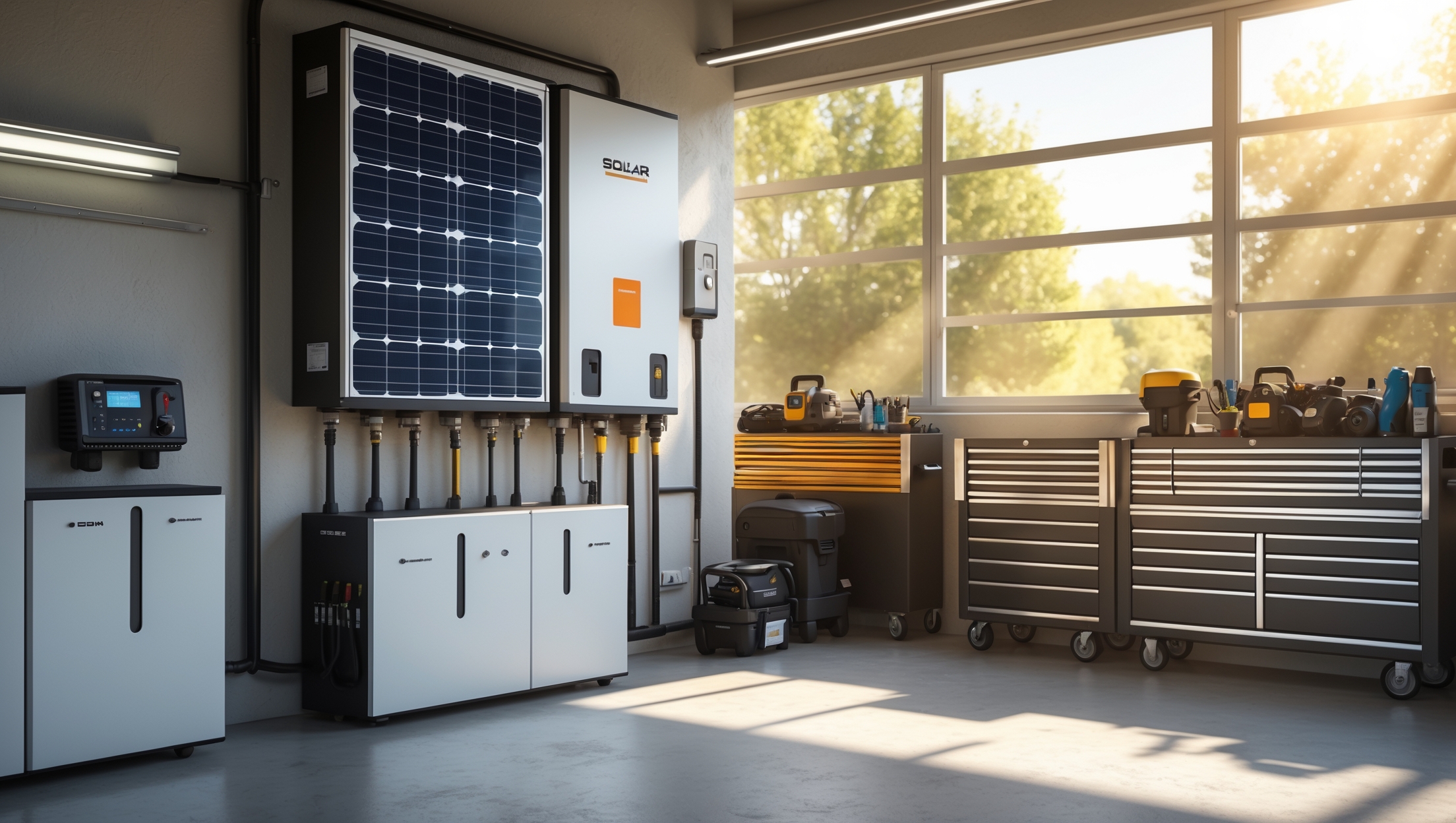


For people new to managing home energy storage, could you give more details on which maintenance tasks are most critical to perform right before the first big cold snap?
Before the first major cold snap, focus on a few key tasks for your battery storage system. First, check battery connections for tightness and corrosion. Make sure the battery enclosure is properly sealed and insulated to protect from cold temperatures. Update any system software or firmware and review settings for winter mode if available. Finally, test your backup system to confirm it activates correctly during a simulated outage. These steps help ensure reliable performance all winter.
Could you share more about how to keep a home battery operating within its ideal temperature range during cold snaps? Are there practical insulation or heating methods recommended for lithium-ion batteries specifically?
To keep lithium-ion home batteries within their ideal temperature range during cold snaps, installing the battery in a well-insulated, enclosed space like a garage or basement is helpful. For extra protection, some owners use battery blankets or low-wattage heating pads designed specifically for batteries. Make sure any heating method is approved for your battery model to avoid safety issues. Avoid exposing batteries to direct cold drafts, and check that the area stays above the minimum recommended temperature for your battery type.