
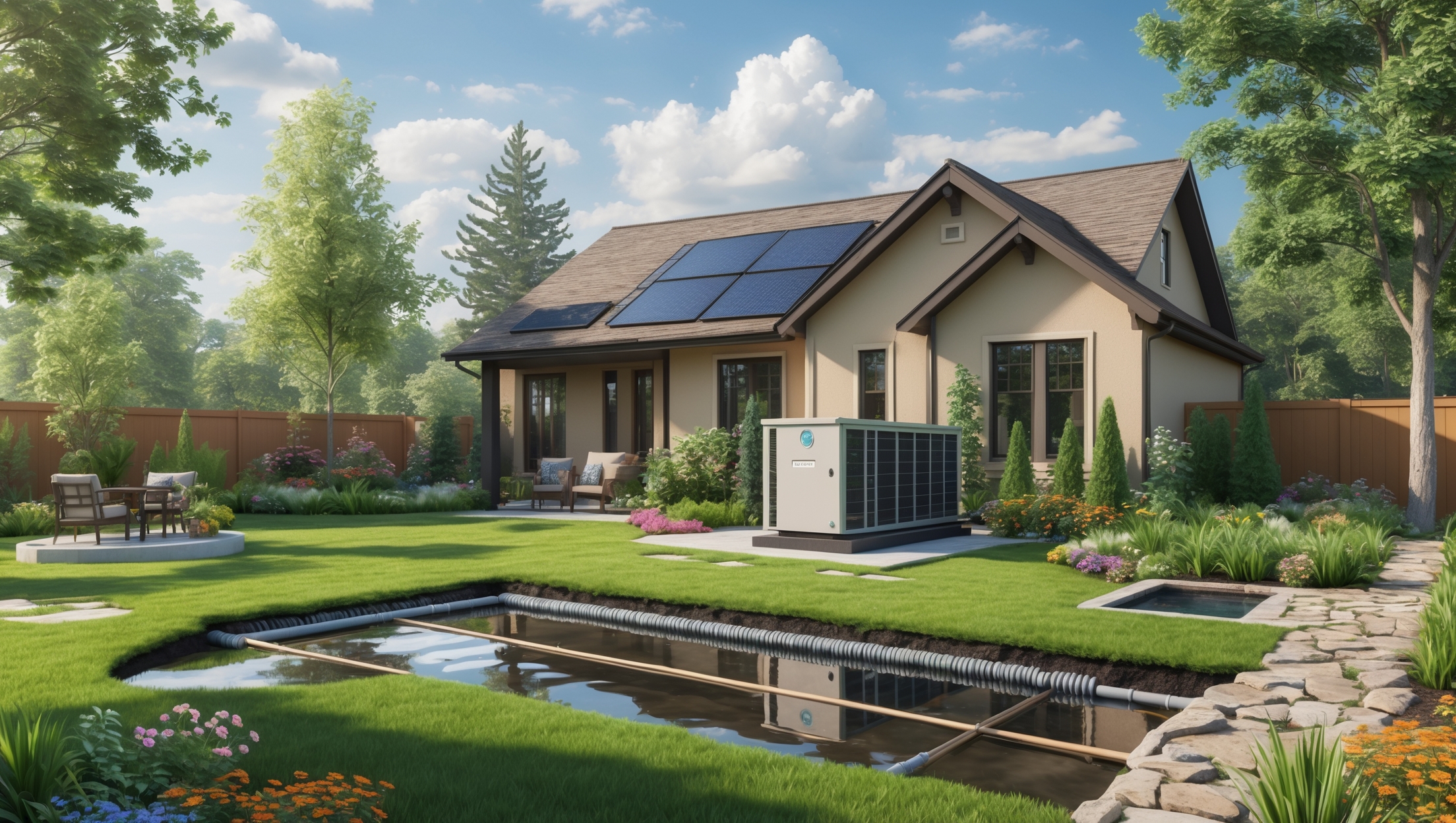
Introduction: Home Geothermal Systems—Separating Fact from Fiction
As more homeowners seek sustainable ways to heat and cool their homes, geothermal energy has emerged as one of the most promising options. Yet, despite its proven track record and growing adoption, numerous myths and misconceptions continue to cloud the reputation of home geothermal heating and cooling systems. Are they too expensive for average households? Is the installation process disruptive or only suited for new builds? Do they really work in all climates? If you’ve considered geothermal but hesitated due to conflicting information, this guide is for you. We’ll dissect the most persistent myths around residential geothermal systems, explain the science behind their operation, and share practical insights to help you make informed decisions about integrating this green technology into your sustainable living journey.
From cost realities and installation logistics to year-round performance and maintenance needs, we’ll provide evidence-based answers and real-world examples. Whether you’re an eco-conscious homeowner, an aspiring green builder, or simply curious about future energy solutions, understanding the true capabilities of geothermal systems is crucial. Read on as we debunk common myths and reveal how geothermal can be a reliable, cost-effective, and environmentally responsible choice for home comfort.
Myth 1: Geothermal Systems Are Only for New Homes
Retrofit Possibilities
One of the most widespread misconceptions is that geothermal systems can only be installed in new builds or require major renovations. While it’s true that planning for geothermal from the start can streamline installation, many existing homes are excellent candidates for retrofitting. Modern geothermal heat pumps (GHPs) come in both vertical and horizontal loop configurations, allowing flexibility to suit different lot sizes and landscaping constraints. Professionals can often utilize existing ductwork or adapt systems for homes with hydronic (radiator-based) heating.
Case Example: Retrofitting in Urban Neighborhoods
In many urban and suburban neighborhoods, vertical loop drilling minimizes yard disruption and can be completed in a matter of days. A recent case study in Chicago’s inner suburbs showed a 1960s home upgraded to geothermal with minimal landscaping restoration required. The key is working with experienced installers who can assess your property and customize the system layout.
Myth 2: Geothermal Is Too Expensive for Typical Homeowners
Upfront Costs vs. Long-Term Savings
While geothermal systems do have a higher upfront cost than conventional furnaces or air conditioners, it’s crucial to consider the full financial picture. Installation costs for a typical 2,000 square foot home range from $18,000 to $30,000 before incentives. However, generous federal tax credits (currently 30% in the U.S.), state rebates, and utility incentives can reduce this significantly.
- Operating Costs: Geothermal systems use 25–50% less electricity than traditional HVAC, translating to annual savings of $1,000 or more.
- Return on Investment: Most homeowners recoup their investment within 5–10 years through energy savings.
- Home Value: Studies by real estate experts suggest geothermal-equipped homes sell faster and at a premium compared to similar properties.
Budgeting Tips
Many installers offer financing plans, and the low operating costs can offset monthly payments. Always request detailed cost breakdowns and account for incentives in your budget calculations.
Myth 3: Geothermal Only Works in Warm Climates
The Consistent Temperature Advantage
Unlike air-source heat pumps, geothermal systems tap into the earth’s stable underground temperature, which remains between 45°F and 75°F (7°C to 24°C) year-round, regardless of surface weather. This means geothermal can efficiently heat in frigid northern winters and cool during hot southern summers.
Performance in Cold Regions
Modern geothermal heat pumps are engineered to deliver reliable heating even when outside air temperatures drop below zero. In states like Minnesota, Maine, and Alaska, thousands of homes use geothermal as their sole heating source. Backup electric or gas systems are rarely needed except in the most extreme cold snaps.
Myth 4: Installation Is Extremely Disruptive and Damages Landscaping
Modern Drilling Techniques
Early geothermal installations often involved digging up large sections of property, but today’s methods are far less invasive. Vertical boreholes require only a few small access points, and horizontal loops can be installed with minimal surface disturbance using trenchless technology or directional boring.
- Duration: Most residential installations are completed in 2–5 days.
- Restoration: Sod and landscaping can typically be restored within weeks of completion.
Planning for Minimal Impact
Discuss layout options with your installer to avoid mature trees or gardens. In urban areas with limited yard space, vertical systems are almost always feasible.
Myth 5: Geothermal Systems Require Constant, Costly Maintenance
Low Maintenance Requirements
Another persistent myth is that geothermal systems are maintenance-heavy. In reality, the underground loop field has no moving parts and can last 50 years or more with no intervention. The heat pump itself is located indoors, shielded from weather, pests, and debris—greatly reducing wear and tear compared to outdoor HVAC units.
- Annual Maintenance: Typically involves inspecting the heat pump, changing air filters, and checking system pressures, similar to other HVAC systems.
- Repairs: Major component failures are rare, and warranties often cover 10–25 years on key parts.
DIY Friendly?
Basic upkeep, like filter changes and thermostat calibration, can often be done by homeowners. However, regular professional checks are recommended to maintain peak efficiency.
Myth 6: Geothermal Systems Are Noisy and Uncomfortable
Quiet, Consistent Comfort
Unlike traditional systems that cycle on and off noisily, geothermal heat pumps operate at low speeds with minimal sound. The noisy outdoor condenser is eliminated entirely, and the indoor unit produces less noise than a refrigerator.
Even Temperatures
Geothermal delivers gentle, even heat and cooling without the drafts or hot/cold spots common in forced-air systems. Most users report improved comfort and indoor air quality after switching to geothermal.
Myth 7: Geothermal Isn’t Really Green
Environmental Impact
Geothermal systems are among the most environmentally friendly HVAC solutions available. They use the earth’s renewable thermal energy, dramatically reducing reliance on fossil fuels.
- CO2 Reductions: A typical geothermal home system cuts carbon emissions by up to 70% compared to oil or gas heating.
- Longevity: Underground loops last decades, minimizing waste and resource use.
- Water Use: Closed-loop systems use minimal water; open-loop systems recycle water back into the ground.
Green Certifications
Many geothermal installations help homes achieve LEED, ENERGY STAR, and other green building certifications, further boosting their sustainability credentials.
Myth 8: Geothermal Systems Need a Lot of Land
Space-Efficient Designs
The belief that geothermal requires acres of open space is outdated. Vertical borehole systems can fit in small yards, side lots, or even under driveways. Horizontal loops do need more surface area but can be configured in slinky or spiral patterns to maximize limited space.
Urban and Suburban Case Studies
Many city homes have successfully installed geothermal by using innovative drilling techniques. It’s also possible to share geothermal fields between condominiums or attached townhouses, further reducing space requirements.
Myth 9: Geothermal Systems Are a New, Unproven Technology
Decades of Reliable Performance
Geothermal heat pumps have been in use since the 1940s. Millions of systems operate worldwide in all climates, including schools, hospitals, office buildings, and homes. The technology is well-proven, highly regulated, and supported by an established network of certified installers and service providers.
Manufacturer Warranties and Support
Leading geothermal manufacturers offer robust warranties and long-term support. Government agencies and industry groups conduct ongoing research and publish verified performance data.
Frequently Asked Questions About Home Geothermal Systems
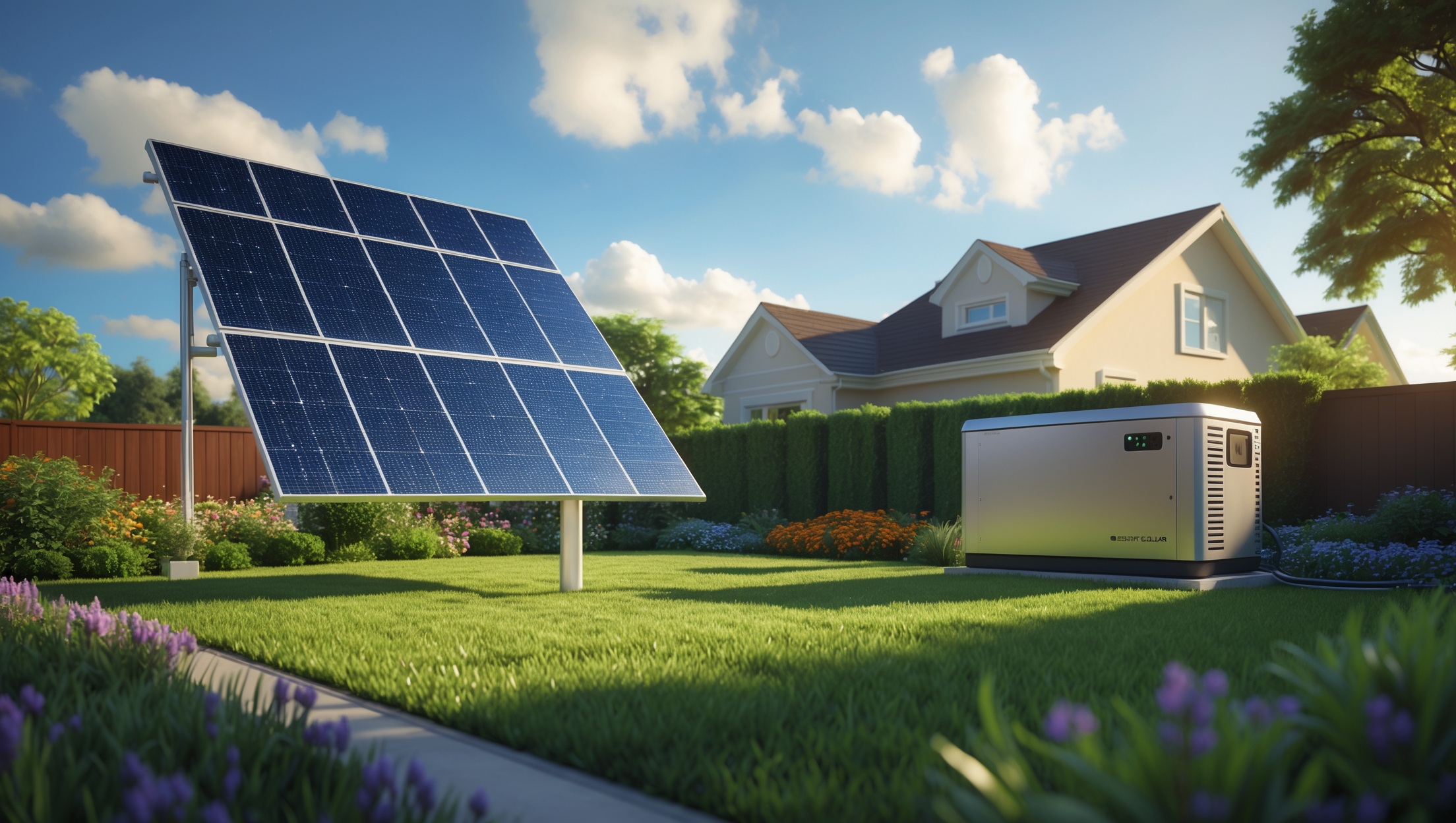
- Can I combine geothermal with solar panels? Absolutely. Many homeowners use solar to run their geothermal systems, creating a near-zero-carbon home.
- What about resale value? Studies show homes with geothermal sell faster and for higher prices than those with conventional HVAC.
- How long does the system last? Underground loops typically last 50+ years; heat pumps last 20–25 years with proper maintenance.
- Will it heat my water too? Many systems can be configured to provide domestic hot water at little or no extra cost.
Conclusion: Making an Informed Choice for Sustainable Comfort
Geothermal heating and cooling systems are not just for the eco-elite or new luxury homes. With decades of proven performance, robust incentives, and flexible installation options, they are increasingly accessible to a wide range of homeowners. By dispelling common myths, we see that geothermal is neither disruptive nor untested; rather, it’s a mature, reliable technology that delivers unparalleled comfort, efficiency, and environmental benefits.
Adopting geothermal is a significant investment, but one that pays dividends in lower energy bills, increased home value, and a dramatically reduced carbon footprint. Thanks to modern drilling techniques and adaptable system designs, even homes with limited space or older construction can enjoy the benefits of this green technology. The key to success lies in working with certified professionals, thoroughly evaluating your property, and understanding the real costs and savings involved.
If you’re committed to sustainable living and want a future-ready, low-maintenance solution for home comfort, geothermal deserves a place on your shortlist. By looking past the myths and focusing on facts, you can make a decision that’s good for your wallet, your home, and the planet. Ready to dig deeper? Consult with a qualified geothermal installer in your area to explore your options and join the growing community of green homeowners embracing the energy of tomorrow—today.


You mentioned that geothermal systems can be retrofitted into existing homes using different loop configurations. How disruptive is the installation process for homeowners who already have established landscaping or mature trees, and does it require digging up the whole yard?
Installing a geothermal system in an existing home can be adapted to minimize disruption, especially if you have mature landscaping or trees. Vertical loop systems, for example, require drilling deep holes rather than trenching across your entire yard, which can help preserve most of your landscaping. While some digging is unavoidable, a professional installer can usually plan the layout to avoid disturbing established trees and limit the impact on your property.
The article talks about cost realities for geothermal systems. How do the upfront installation expenses for a retrofit typically compare to high-efficiency air source heat pumps in the US, especially for homeowners on a budget?
Upfront installation expenses for geothermal systems in a retrofit are generally higher than for high-efficiency air source heat pumps. Geothermal retrofits often involve drilling or excavation, which increases costs, sometimes making them two to three times more expensive initially. For homeowners on a budget, air source heat pumps are usually more affordable to install, though geothermal can offer greater savings over time through lower operating costs.
Could you clarify how disruptive the installation process is for existing homes? I’m interested in retrofitting my current house but I’m worried about how much of my yard or landscaping might have to be dug up for the geothermal loop.
Retrofitting a geothermal system in an existing home can involve some disruption, especially to your yard. The extent depends on the type of loop system you choose. Horizontal loops require significant digging and more yard space, while vertical loops need deep but narrow drilling, minimizing the surface area affected. Landscaped areas above the loops may be disturbed, but most contractors will restore the yard as much as possible after installation.
The article claims geothermal works in all climates, but does performance drop off in very cold northern states? If so, do you need supplemental heating in those areas, or can a properly sized system handle the load year-round?
Geothermal systems do work well in all climates, including very cold northern states, because the ground temperature stays relatively constant below the surface. However, in extremely cold conditions, performance can decrease slightly. In most cases, a properly sized geothermal system can still handle the heating load year-round, but some homeowners may choose to install a small supplemental heating source for backup during rare, extreme cold spells.