
Introduction: Sustainable Gardens Need Reliable Solar Water Pumps
Sustainability-minded gardeners are increasingly turning to solar-powered water pumps to irrigate their gardens efficiently and ecologically. These systems offer benefits such as reduced utility bills, minimized carbon footprint, and independence from municipal water systems. Yet, the key to reaping these rewards lies in consistent, attentive maintenance. Like all green technologies, solar water pumps require regular care, tailored to the changing seasons, to ensure year-round reliability and optimal performance. Neglect can lead to reduced water flow, system failures, and even costly replacements—undermining both your sustainability goals and your budget.
This comprehensive seasonal checklist is designed for homeowners with solar-powered garden irrigation systems. We’ll guide you through the critical tasks to perform throughout the year, including cleaning, inspection, component testing, and winterization. Whether your system supports drip irrigation, fountains, or raised bed watering, these practical maintenance steps will help you maximize efficiency, extend equipment lifespan, and keep your garden thriving. Let’s dig into how to keep your solar water pump system running smoothly, regardless of weather or season.
Understanding Your Home Solar Water Pump System
Key Components
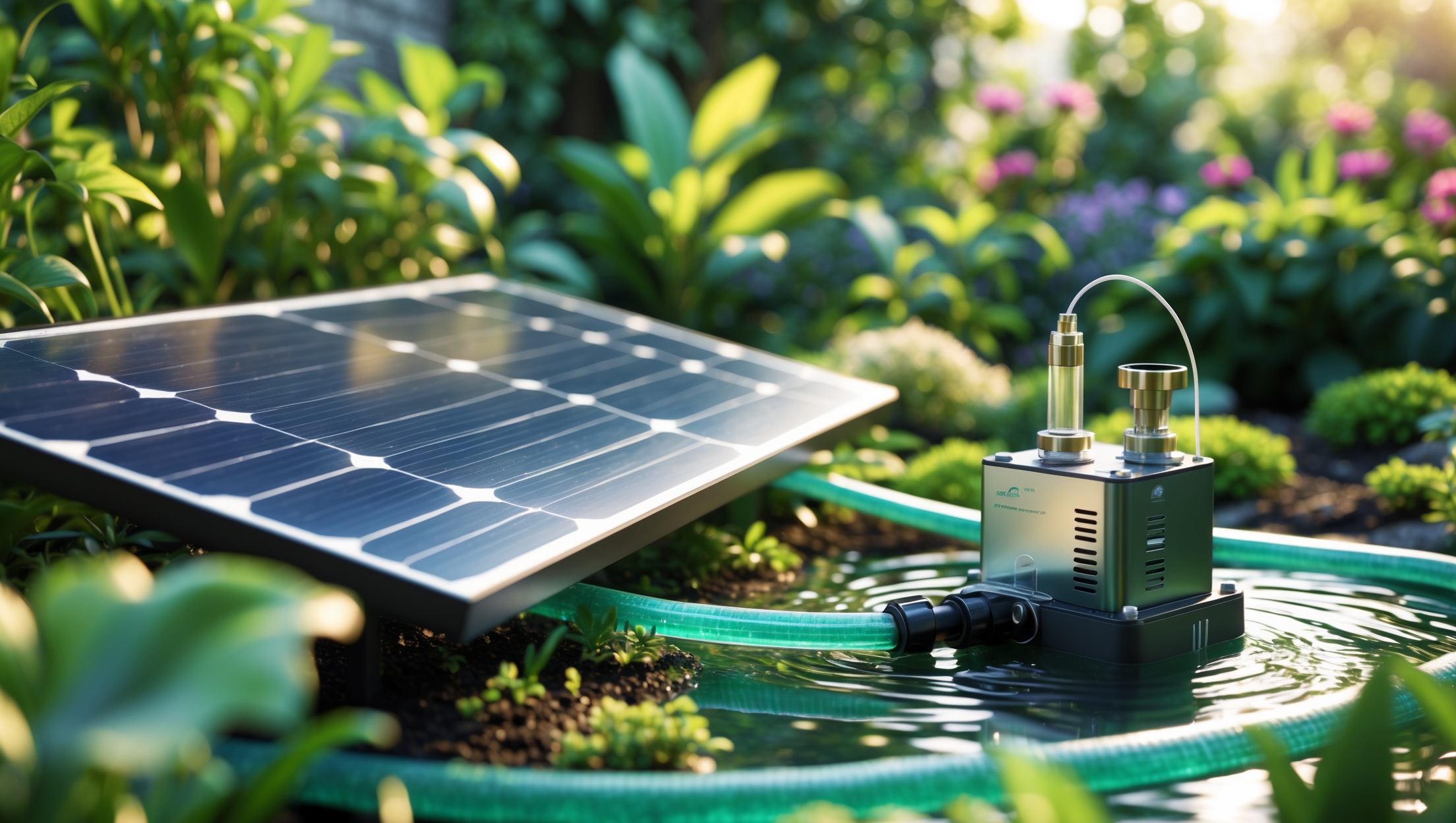
- Solar Panels: Capture sunlight and convert it into electricity.
- Pump Unit: Moves water from your source (cistern, rain barrel, pond, or well) to your irrigation system.
- Controller: Regulates power, often with a timer or sensor setup.
- Battery Bank (optional): Stores surplus energy for nighttime or cloudy days.
- Piping and Hoses: Distribute water to garden zones.
- Filters: Trap debris and prevent clogging.
Common Pump Types
- Submersible Pumps: Installed below water level, ideal for wells or ponds.
- Surface Pumps: Mounted above water source, suited for shallow sources like barrels or tanks.
Identifying your specific system type and components ensures that you follow the most relevant maintenance practices in this seasonal checklist.
Spring: Preparing for Active Irrigation
1. Initial System Inspection
- Visual Check: Inspect panels, pump, cables, and hoses for winter damage or debris.
- Connections: Tighten loose electrical and water fittings. Check for corrosion or frayed wires.
2. Solar Panel Maintenance
- Cleaning: Gently wash panels with a soft cloth, water, and mild soap. Remove dust, pollen, bird droppings, and leaves.
- Angle Adjustment: Optimize panel tilt for spring sunlight if your mount allows.
3. Pump and Filter Care
- Pump Priming: For surface pumps, re-prime according to manufacturer instructions.
- Filter Cleaning: Flush or replace filters to remove sediment built up during winter.
- Test Run: Activate the system to check for abnormal noises, vibration, or weak water flow.
4. Irrigation Line Check
- Leak Inspection: Look for splits or leaks in hoses and connectors. Replace as needed.
- Flush Lines: Run clean water through the system to clear any blockages.
5. Battery and Controller Assessment (if applicable)
- Battery Voltage: Test battery voltage and recharge or replace if capacity is low.
- Controller Settings: Reset schedules or timers for new season watering needs.
Summer: Peak Usage and Preventive Measures
1. Biweekly Visual Inspections
- Check solar panels for dust or shading from fast-growing foliage.
- Inspect pump housing and wiring for signs of overheating or wear.
2. Solar Panel Upkeep
- Wipe panels every 2-4 weeks, especially during dry, dusty weather.
- Trim back plants that may cast shade over your array.
3. Pump and Filter Monitoring
- Listen for changes in pump noise indicating potential mechanical issues.
- Clean or replace filters monthly to ensure steady water flow.
4. Water Source Management
- Check water levels in barrels, tanks, or ponds, topping up during drought.
- Remove algae or debris that could clog your intake.
5. Irrigation System Adjustment
- Adjust watering times as plants mature and temperatures rise.
- Ensure emitters and sprinklers are not blocked or misaligned.
Autumn: Preparing for Reduced Activity
1. System Cleaning
- Give solar panels a final thorough cleaning before leaf fall increases debris risk.
- Flush irrigation lines to remove sediment and organic matter.
2. Inspect and Service Pump
- Check pump for wear, including seals and bearings.
- Lubricate parts as recommended by the manufacturer.
3. Battery Maintenance
- Fully charge batteries before storage or reduced use.
- Disconnect and store in a dry, cool location if your system will be inactive over winter.
4. Drain and Protect
- In cold climates, drain water from exposed pipes, hoses, and pump housings to prevent freeze damage.
- Install pipe insulation or heat tape if your system must remain operational.
5. System Testing
- Run a full system test after cleaning and draining to ensure everything operates as expected.
Winter: Protecting Your Investment
1. System Shutdown (Where Necessary)
- Turn off the pump and controller if not in use during freezing conditions.
- Remove submersible pumps from ponds or cisterns if risk of ice damage exists.
- Store pumps indoors in a dry, frost-free location.
2. Solar Panel Care
- Clear snow from panels gently with a soft broom to maintain off-season charging.
- Periodically check for fallen branches or wind-blown debris after storms.
3. Off-Season Monitoring
- Inspect exposed wiring and supports after severe weather.
- Check batteries monthly if left connected, topping up charge as needed.
4. Early Spring Preparation
- Start planning for spring startup by sourcing replacement filters, seals, or hoses in advance.
Troubleshooting Common Issues by Season
Spring/Summer
- Weak Water Flow: Likely clogged filters or blocked emitters. Flush and clean.
- Pump Not Starting: Check solar panel output, wiring, and battery charge.
- Intermittent Operation: Inspect for loose wiring or controller faults.
Autumn/Winter
- Pump Freezing: Drain system or add insulation promptly.
- Panel Output Drops: Clean panels and check for shading from fallen leaves or snow.
Pro Tips for Long-Term Performance
- Keep a Maintenance Log: Record inspection dates, cleaning, repairs, and part replacements.
- Stock Spare Parts: Have extra filters, seals, and lubricants on hand to avoid downtime.
- Review Manufacturer Instructions: Always follow specific care and winterization advice for your model.
- Upgrade Components: Consider swapping old hoses for UV-resistant types or adding a secondary filter for murky water sources.
- Monitor System Remotely: Install a solar controller with remote monitoring to track performance and receive maintenance alerts.
Conclusion: Sustainable Gardens Start with Consistent Care
Maintaining a home solar water pump system is more than just a technical chore—it’s a commitment to reliable, eco-friendly gardening. As we’ve explored, seasonal care is essential for optimizing your solar irrigation setup. Each season brings unique challenges: spring requires a thorough restart and cleanup, summer demands vigilance during heavy use, autumn is the time for preventive measures, and winter focuses on protection and preservation. Skipping steps can mean breakdowns, wasted water, or expensive repairs, while following this checklist ensures your system remains efficient, safe, and sustainable.
Regular attention to solar panels, pumps, filters, batteries, and piping sustains not only your garden’s health but also your investment in renewable energy. By adopting these practical maintenance habits, you’ll enjoy lush, thriving gardens and the peace of mind that comes with responsible resource stewardship. Over time, your well-maintained solar water pump will pay dividends in water savings, lower utility bills, and a lighter environmental footprint. Commit to this seasonal checklist, and your sustainable garden will flourish—rain or shine, year after year.
How can I recognize early signs of reduced water flow or other issues in my solar pump setup before they turn into bigger problems? Is there a particular inspection routine you recommend for each season?
To spot early signs of reduced water flow, watch for weaker water output, unusual noises, or the pump cycling on and off more frequently. Each season, check and clean the pump’s intake, solar panels, and filters. Inspect wiring and connections for corrosion after winter, look for clogs after spring pollen, and ensure panels are free of dust and debris in summer and fall. Keeping a simple monthly log of flow rates can also help catch changes early.
Could you explain more about the winterization process for solar water pumps? I live in an area with pretty harsh winters and want to be sure my system survives the cold months without any damage.
Winterizing your solar water pump is crucial in areas with harsh winters. Start by disconnecting and draining all water from the pump, pipes, and storage tanks to prevent freezing and cracking. If your system has removable parts, store them indoors. Clean the solar panels and check wiring for damage. Cover outdoor pump components with weatherproof insulation or a sturdy cover to shield them from snow and ice. Reconnect everything in spring, checking for leaks before restarting the system.
Can you suggest affordable ways to test if the filters and hoses are getting clogged? I’m worried about spending too much on maintenance tools as a beginner.
You can check for clogs in filters and hoses with a few low-cost methods. Disconnect the hose and run water through it; if the flow is weak or uneven, there may be a blockage. For filters, hold them up to a light—if you can’t see through, it’s time to clean. A simple garden hose and a bucket are often all you need, so you don’t have to invest in expensive tools.
What’s the typical lifespan for key components like the pump unit or controller if you follow the outlined maintenance routine? I’m trying to budget for eventual replacements and wondering what kind of timeline to expect.
With regular maintenance as described in the article, a quality solar water pump unit typically lasts between 8 to 12 years. The controller often lasts around 7 to 10 years. Factors like local climate, water quality, and usage can affect these estimates, but following the checklist helps maximize lifespan and lets you plan ahead for replacements within these timeframes.
I’m curious how maintenance routines differ between submersible and surface pumps, especially related to cleaning or inspecting the pump unit and hoses. Are there unique considerations for each type throughout the year?
Submersible pumps, which operate underwater, need periodic removal from the well or tank to check for sediment buildup and clean intake screens. Inspect the waterproof seals, as they can wear over time. Surface pumps, situated above ground, are easier to access, so you can more regularly check for leaks, hose clogs, or debris near the inlet. Surface pumps also may need extra winterizing to prevent freeze damage. Both types benefit from checking hoses for cracks or algae, but submersible pumps require more attention to underwater components and seals throughout the year.
If I have a basic solar pump setup without a battery bank, are there specific maintenance tips I should follow for ensuring reliable performance during cloudy periods?
If your solar pump setup does not include a battery bank, it’s especially important to keep the solar panels clean and free from dust or debris, as any obstruction can further limit efficiency during cloudy weather. Regularly check all connections for corrosion or looseness. Consider installing a manual backup water source or increasing water storage capacity to compensate for reduced pump output on cloudy days. Monitoring your garden’s moisture levels can also help you adjust watering routines as needed.
How often should I be cleaning or replacing the filters on a solar water pump, and is this different depending on if I use drip irrigation versus a simple fountain setup?
You should check and clean the filters on your solar water pump every two to four weeks, especially during peak gardening seasons. If you use drip irrigation, it’s important to clean the filters more frequently since small particles can quickly clog the system. For a simple fountain setup, monthly cleaning is usually sufficient. Always replace filters if they appear damaged or too clogged to clean effectively.