Introduction: The Importance of Seasonal Maintenance for Solar EV Charging Stations
As the adoption of electric vehicles and home solar energy systems accelerates, more homeowners are installing solar-powered EV charging stations. These setups offer the ultimate synergy between clean energy and sustainable transportation, slashing electricity bills and reducing carbon footprints. Yet, many owners underestimate the importance of regular, seasonally tailored maintenance. Without routine care, even the most advanced systems can suffer from efficiency loss, safety hazards, and untimely breakdowns—negating much of the initial investment and environmental benefit.
This comprehensive guide provides a detailed, practical seasonal checklist for maintaining your home solar-powered EV charging station. You’ll learn exactly what to inspect, clean, and optimize as the weather changes, ensuring year-round performance, safety, and system longevity. Whether you’re in a snowy northern climate or a sun-soaked southern region, this guide will help you adapt to the unique challenges each season brings. Let’s maximize your return on investment and keep your EV fueled by the sun, no matter the month.
Spring: Post-Winter Recovery and System Rejuvenation
1. Inspect Solar Panels for Winter Damage
- Visual Inspection: Check for cracks, chips, or discoloration on solar panels. Winter ice and snow can cause microfractures or loosen mounting hardware.
- Frame & Mountings: Ensure all bolts and fasteners are tight. Look for rust or corrosion, especially on roof mounts.
2. Clean Off Residual Debris
- Gently Remove: Use a soft brush or leaf blower to clear leaves, twigs, or pollen that may have settled over winter.
- Wash Panels: If grime remains, use a hose and sponge with mild, non-abrasive soap. Avoid high-pressure washers that can damage seals.
3. Examine Charging Station Cables and Plugs
- Check for Frays: Winter freeze-thaw cycles can cause cable insulation to crack. Replace any compromised cables immediately.
- Plug Integrity: Make sure EV connector pins are not corroded. Clean contacts with electrical contact cleaner if needed.
4. Test System Performance
- Monitor Output: Use your inverter or monitoring app to check if spring sunlight yields expected power output.
- Compare with Baseline: Reference last year’s spring data to spot any notable drops in efficiency.
5. Confirm Ground Clearance
- Vegetation Check: Trim back new plant growth or weeds near ground-mounted panels and charger units to prevent shading and pest intrusion.
Summer: Managing Peak Output and Heat Stress
1. Monitor for Overheating
- Panel Temperature: High ambient temperatures can reduce panel efficiency. Ensure adequate airflow beneath panels.
- Charger Heat Sinks: Dust off heat sinks and vents on your charging station to prevent thermal shutdowns.
2. Inspect Electrical Connections
- Tighten Terminals: Expansion and contraction from temperature swings can loosen connections. Double-check all accessible terminals for tightness.
- Look for Melted Insulation: Examine wires for signs of heat damage—replace as necessary.
3. Clean Panels More Frequently
- Dust & Pollen: Summer often brings fine dust and heavy pollen. Clean panels every month to maintain optimal output.
4. Check Surge Protection
- Lightning Season: Summer storms increase surge risks. Test or replace surge protectors on both the solar inverter and charging station.
5. Adjust Charging Schedules
- Peak Sun Hours: Schedule charging during midday to maximize direct solar input, reducing reliance on grid power.
- Battery Storage: If using home batteries, ensure they are not overheating and are properly ventilated.
Autumn: Preparing for Shorter Days and Leaf Fall
1. Clear Fallen Leaves and Debris
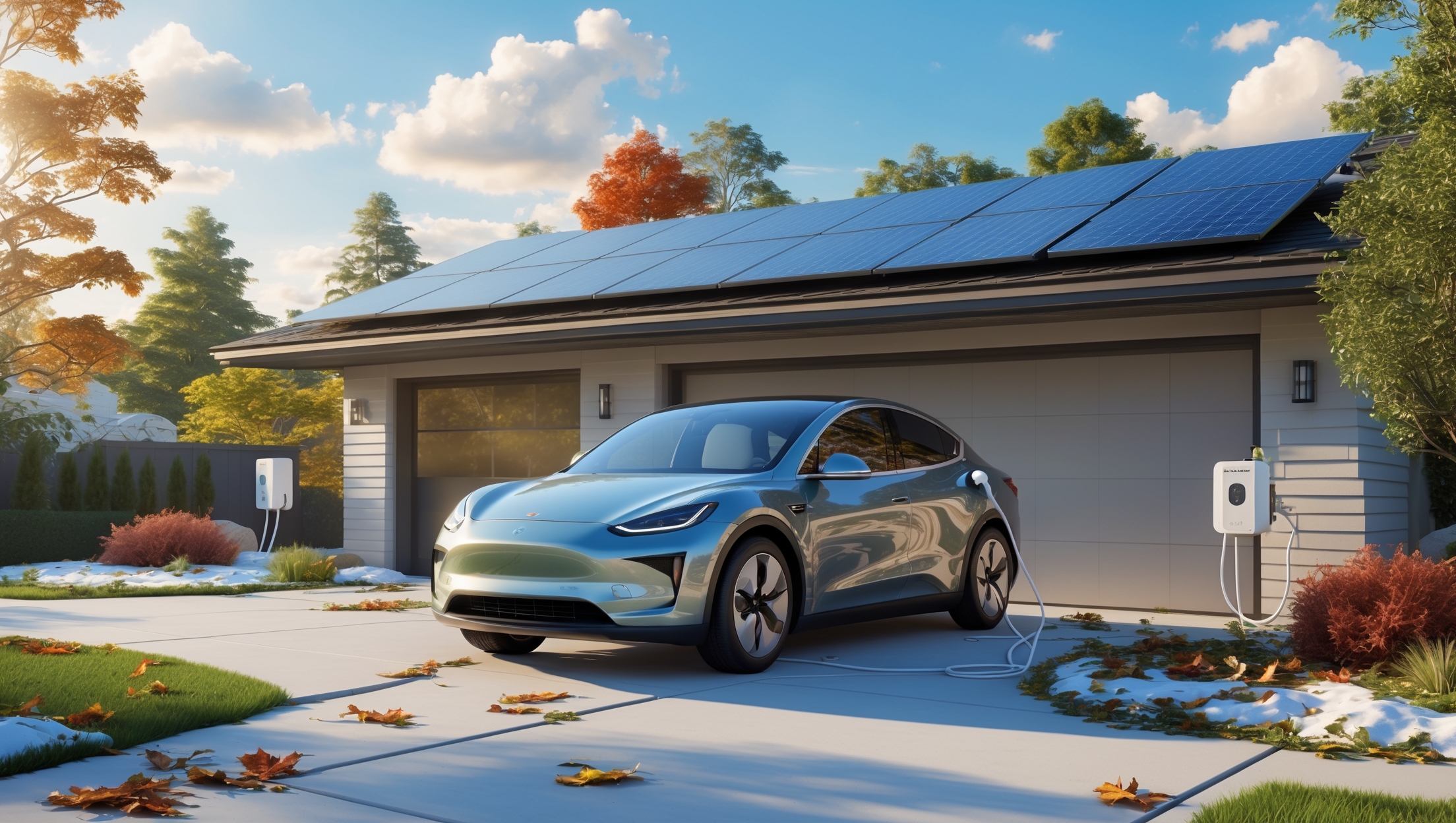
- Weekly Sweep: Remove leaves from solar panels and around the charging station to prevent shading and moisture buildup.
- Check Gutters: Ensure roof gutters are clear to prevent water overflow onto panels or electrical hardware.
2. Inspect Weatherproofing
- Seals and Gaskets: Check all exterior seals, weatherproof enclosures, and cable entry points. Replace any cracked or worn weather-stripping.
3. Test System Under Cloudy Conditions
- Inverter Readings: Monitor how efficiently your panels generate power on overcast days—autumn’s shorter and cloudier days can reveal inverter or panel weaknesses.
4. Backup Power Assessment
- Generator Check: If you rely on a backup generator for prolonged outages, test it and stock up on fuel or ensure your battery storage is healthy.
5. Review Tree Growth
- Prune Branches: Ensure nearby trees haven’t grown to shade your panels. Pruning now prevents winter storms from causing debris damage.
Winter: Safeguarding Against Cold, Snow, and Ice
1. Remove Snow Buildup Safely
- Soft Tools Only: Use a soft foam roof rake to gently clear snow from panels. Never use metal tools that can scratch surfaces.
- Prioritize Safety: If panels are out of reach or on a steep roof, do not attempt to clear them yourself—wait for natural melt or hire professionals.
2. Check for Ice Dams and Icicles
- Panel Edges: Inspect for ice dams that can force water beneath panel mounts, risking leaks and electrical faults.
- Charger Area: Remove icicles from enclosures and cable runs to prevent cable damage.
3. Inspect Outdoor Charger Housing
- Door Seals: Ensure all access doors to the charger are sealing tightly to keep out snow, ice, and rodents seeking warmth.
4. Monitor Battery Health
- Cold Weather Effects: If you use a home battery, remember cold can reduce capacity. Keep the battery in a temperature-controlled enclosure if possible.
5. Adjust Charging Times
- Shorter Days: With less sunlight, consider shifting charging to coincide with peak sun or supplementing with grid power if needed.
Year-Round Maintenance Essentials
1. Regular System Monitoring
- App Alerts: Enable notifications on your solar and charger monitoring apps for fault detection, low-output warnings, or inverter errors.
- Monthly Data Review: Compare current energy data with previous months to spot trends or sudden drops.
2. Professional Inspections
- Annual Checkup: Schedule a certified technician to perform a thorough inspection of wiring, inverter, and charger electronics once a year.
3. Safety Checks
- GFCI Outlets: Test ground-fault circuit interrupter outlets monthly using the built-in test button.
- Fire Extinguisher: Ensure a suitable, up-to-date fire extinguisher is easily accessible near the charging station.
4. Firmware and Software Updates
- Charger Updates: Check for manufacturer firmware updates for smart chargers and apply them as recommended.
- Inverter Updates: Update solar inverter firmware for improved performance and new features, following manufacturer guidelines.
Climate-Specific Considerations
Cold Climates
- Install snow guards or heating elements if heavy snow is frequent.
- Use cold-rated cabling and weatherproof connectors for all outdoor wiring.
Wet/Humid Climates
- Apply anti-corrosion spray to exposed metal parts.
- Check for mold or algae near ground-mounted units and clean as needed.
Hot/Dry Climates
- Install shade structures for charger electronics if exposed to intense sun.
- Increase panel cleaning frequency to combat dust and sand accumulation.
Documentation and Record Keeping
- Keep a dedicated maintenance log—note dates, actions taken, and any anomalies found.
- Store product manuals, warranty documents, and installer contact details in a safe, accessible place.
Conclusion: Consistency is the Key to Green Mobility
Maintaining a home solar-powered EV charging station is an ongoing commitment, but the rewards are significant: lower energy bills, reliable charging, and a lighter environmental footprint. By following this detailed seasonal checklist, you’ll stay ahead of potential issues, ensure system longevity, and maximize your investment. Remember, each season brings its own set of challenges—from winter’s snow and ice risks to summer’s heat and pollen. Adapting your maintenance approach accordingly ensures that both your solar and charging systems remain safe, efficient, and resilient.
Regular attention to cleaning, inspections, and hardware updates will keep your setup performing at its best throughout the year. Don’t overlook the value of professional inspections and thorough documentation—they provide peace of mind and can identify hidden problems before they escalate. By embedding these best practices into your routine, you’ll not only protect your equipment but also reinforce your commitment to sustainable living and green mobility. Embrace the rhythm of the seasons, and let your solar-powered EV charger be a lasting symbol of your dedication to a cleaner future.