

Introduction
As sustainable living continues to gain momentum, more eco-conscious homeowners are turning to innovative solutions that combine energy efficiency with food production. Solar-powered aquaponics systems—integrating solar energy, fish cultivation, and hydroponic plant growth—are at the forefront of this movement. These systems offer the unique advantage of producing fresh vegetables and fish year-round with minimal environmental impact. However, achieving consistent yields and operational reliability requires more than just setup; regular, targeted maintenance is essential to keep everything running smoothly and sustainably.
Unlike traditional gardening or aquaculture, solar-powered aquaponics involves the interplay of multiple living systems, water chemistry, renewable energy components, and automated controls. Neglecting maintenance can lead to nutrient imbalances, fish health issues, plant deficiencies, or even equipment failure—jeopardizing the entire ecosystem. This comprehensive guide dives deep into the best practices for maintaining a home solar-powered aquaponics system. Whether you’re a beginner or a seasoned practitioner, you’ll find actionable insights on water quality, system cleaning, solar hardware care, and troubleshooting. The goal: ensure robust yields, healthy fish and plants, and long-term sustainability all year round.
Understanding Your Solar-Powered Aquaponics System
Key Components Overview
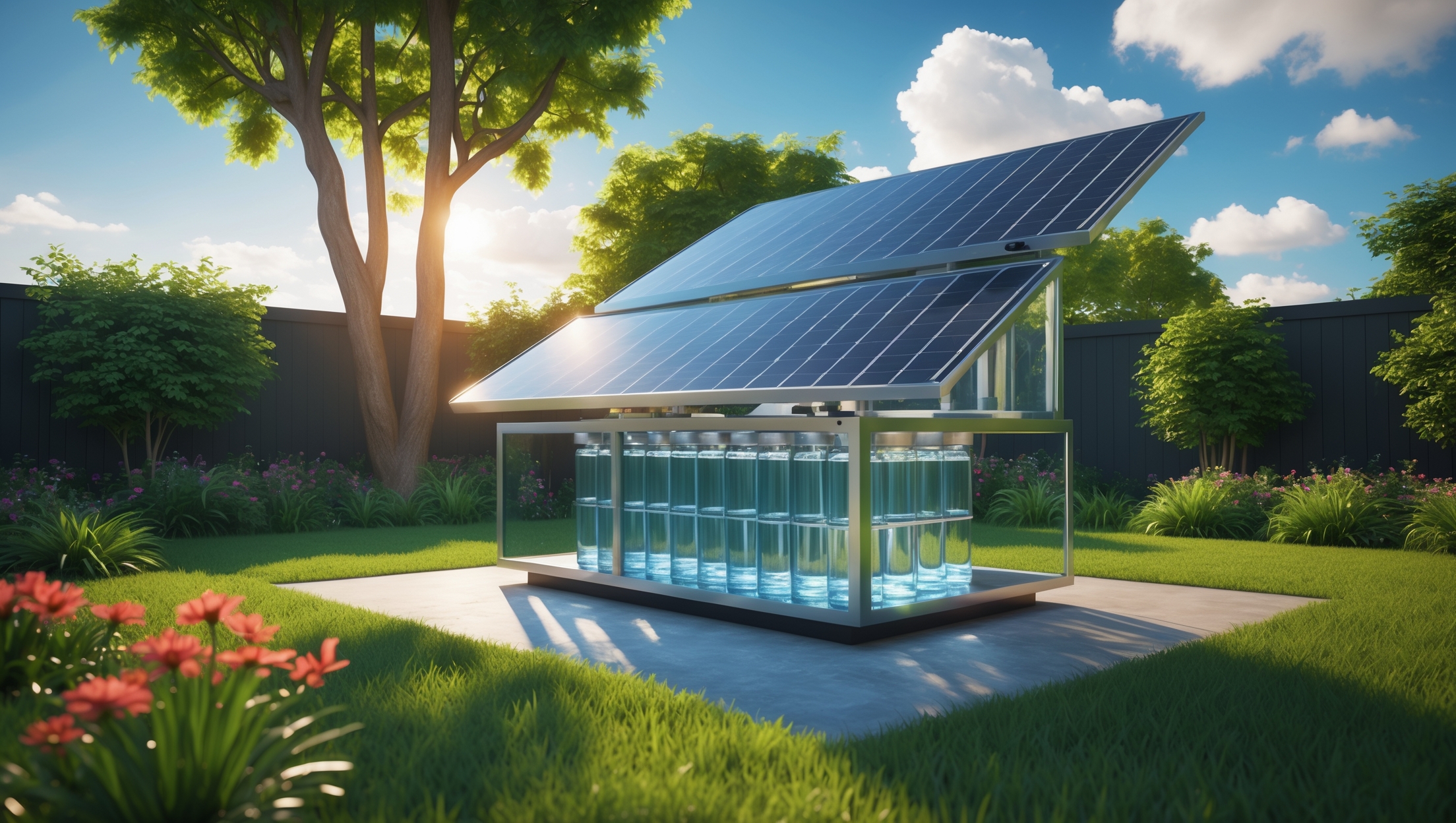
- Solar Array & Inverter: Captures sunlight and converts it to usable electricity.
- Battery Bank (optional): Stores excess energy for night or cloudy periods.
- Water Pumps & Aerators: Circulate water and maintain oxygen levels.
- Fish Tank: Houses aquatic species, producing nutrient-rich waste.
- Grow Beds: Support plant roots, filtering and absorbing nutrients from water.
- Plumbing & Sensors: Ensures stable water flow and provides feedback on system conditions.
Why Maintenance Is Critical
Your system intertwines biological and mechanical components. Small issues—like a clogged filter or faulty solar panel—can cascade into significant losses. Regular maintenance preserves balance, efficiency, and food safety.
Daily, Weekly, and Monthly Maintenance Routines
Daily Tasks
- Visual System Check: Inspect fish behavior, plant health, and look for leaks or abnormal noises.
- Temperature Monitoring: Ensure water temperatures are within optimal ranges for your species (typically 18–28°C for tilapia and most plants).
- Solar Output Glance: Confirm that solar inverters and controllers show normal operation. Address glaring error messages or power drops immediately.
Weekly Tasks
- Water Quality Testing: Use test kits to check pH (6.8–7.2 ideal), ammonia, nitrite, and nitrate levels. Record results for trend analysis.
- Solid Waste Removal: Clean mechanical filters and check for sludge buildup in sump tanks. Excess solids can reduce oxygen and clog grow beds.
- Plant Pruning & Harvest: Remove dead leaves and harvest mature crops to prevent overcrowding and promote healthy growth.
- Fish Feeding & Observation: Check feed rates and watch for signs of stress or disease (e.g., clamped fins, erratic swimming).
Monthly Tasks
- System Deep Clean: Inspect and clean pump impellers, check grow bed media for compaction/algae, and flush plumbing lines if necessary.
- Solar Hardware Inspection: Clean PV panels with soft water and a non-abrasive sponge. Remove debris and check for shading from new plant growth or dust accumulation.
- Battery Bank Maintenance (if applicable): Check battery voltage, connections, and electrolyte levels for lead-acid types. Look for corrosion or swelling.
- Backup System Test: Simulate a grid outage (if grid-tied) or disconnect the main supply to ensure battery/inverter switchover works as expected.
Water Quality Management
Key Parameters and Their Impact
- pH: Affects nutrient availability for plants and toxicity for fish. Keep within 6.8–7.2 for most systems.
- Ammonia & Nitrite: Toxic to fish in high concentrations. Should be undetectable or < 0.25 mg/L.
- Nitrate: Safe for fish below 80 mg/L; higher levels can stress sensitive species.
- Dissolved Oxygen: Target > 5 mg/L for optimal fish and plant health.
- Temperature: Influences growth rates and oxygen solubility.
Routine Testing Tips
- Use reliable liquid test kits, not just test strips, for accuracy.
- Test at the same time of day for consistency.
- Log your results digitally or in a notebook to spot trends.
Correction Strategies
- pH Adjustments: Use potassium carbonate or calcium carbonate to raise pH; use food-grade phosphoric acid to lower.
- Ammonia/Nitrite Spikes: Reduce feeding, increase aeration, and add biofilter media if needed.
- Low Dissolved Oxygen: Clean or add extra aerators, especially during heat waves.
Plants: Keeping Growth Lush and Sustainable
Pest and Disease Management
Aquaponics is less prone to soil-borne pests, but aphids, whiteflies, and fungal diseases can still appear. Favor organic controls—like neem oil sprays (applied off-cycle from fish tanks), introducing beneficial insects, and removing infected plant material promptly.
Nutrient Deficiencies
- Yellow Leaves: Often indicate iron deficiency. Use chelated iron supplements compatible with aquaponic systems.
- Slow Growth: May stem from low potassium or calcium. Add potassium carbonate or calcium hydroxide in small doses, monitoring pH.
- Stunted Roots: Could indicate poor oxygenation—check for clogged grow media or low aeration.
Plant Rotation and Diversity
Rotate plant varieties to avoid nutrient depletion and pest buildup. Integrate fast-growing greens (lettuce, basil) with fruiting crops (tomatoes, peppers) for balanced nutrient uptake and system resilience.
Fish Care and Health Monitoring
Stocking Densities
Overstocking is a common mistake. Maintain fish densities at or below 20–25 kg per 1,000 liters of water. Lower densities reduce stress, disease risk, and water quality fluctuations.
Feeding Practices
- Feed only what fish consume within 2–3 minutes to limit waste.
- Vary diet with high-quality pellets and occasional fresh vegetables or insect larvae (if species-appropriate).
- Remove uneaten food promptly to prevent ammonia spikes.
Health Checks
- Inspect for signs of parasites (white spots, flashing behavior).
- Quarantine new fish for at least two weeks before introduction.
- Respond quickly to disease outbreaks: Isolate affected fish, improve aeration, and consult aquaculture resources for appropriate treatments.
Solar Hardware: Maximizing Renewable Energy Performance
Panel Cleaning and Inspection
- Clean panels monthly, or more often in dusty or pollen-heavy climates.
- Inspect for bird droppings, leaf litter, or shading from overgrown trees.
- Check mounting hardware for rust or looseness—tighten and treat as necessary.
Inverter and Charge Controller Maintenance
- Ensure inverters display normal operating lights. Reset if needed and note any recurring faults.
- Clear dust from vents with a low-pressure blower every quarter.
- Keep all wiring connections dry, secure, and free from rodent damage.
Battery Bank Care (if present)
- Check all terminals for corrosion; clean with a mix of baking soda and water.
- For flooded lead-acid batteries, top up with distilled water monthly (never tap water).
- Monitor charge/discharge cycles to prevent deep discharges that shorten battery life.
Troubleshooting Common Issues
Pump Failures
- Check for tripped breakers or blown fuses first.
- Inspect for debris in the impeller housing.
- Keep a spare pump on hand for emergencies—downtime can be catastrophic in hot weather.
Water Leaks
- Regularly check all unions, valves, and bulkheads for drips.
- Use silicone sealant or replace worn gaskets as needed.
- Monitor water levels daily so sudden drops are caught early.
Solar Power Drops
- Verify panel cleanliness and sunlight exposure.
- Use a multimeter to check voltage at panel outputs and at the charge controller.
- If performance is still low, inspect for damaged wiring or defective panels.
Preparing for Seasonal Changes
Summer
- Increase aeration to offset reduced oxygen solubility in warm water.
- Provide shade (shade cloth, pergolas) to prevent plant and fish stress.
- Monitor water evaporation rates and top up with dechlorinated water as needed.
Winter
- Add insulation to tanks and plumbing to reduce heat loss.
- Install backup heaters powered by solar or low-energy sources if temperatures drop below species tolerance.
- Ensure solar array tilt is optimized for low sun angles.
Storms and Power Outages
- Have a manual backup aeration method (battery-powered air pumps or hand-operated siphons).
- Use waterproof covers for inverters and electrical connections.
- After storms, check for debris on panels and structural damage.
Record-Keeping and Data-Driven Decisions
Track water quality, fish stocking and harvest, plant yields, maintenance activities, and solar energy performance. Over time, this data reveals patterns—helping you optimize feed rates, harvest schedules, and anticipate issues before they escalate. Use spreadsheets, dedicated apps, or even cloud-based IoT sensors for automated logging if your budget allows.
Conclusion
Maintaining a home solar-powered aquaponics system is a rewarding commitment to sustainable living, offering fresh produce and protein with a fraction of the environmental footprint of conventional food systems. But the rewards require diligence: regular care of your biological and mechanical components, thoughtful response to seasonal changes, and a willingness to learn from both data and experience. By following the best practices detailed here—daily visual checks, weekly and monthly cleanings, thorough water quality management, and keen attention to your solar hardware—you lay the foundation for resilient, efficient, and productive aquaponics year-round.
As you gain experience, you’ll find that small, consistent efforts yield major dividends: healthier fish, more robust plants, and lower energy bills. Embrace the learning curve and document your journey. With each season, your skills and yields will grow—helping you feed your household, reduce your carbon footprint, and inspire your community. Remember, sustainable systems are dynamic; adapt your routines as your system evolves, and never hesitate to seek out new research or connect with fellow practitioners. With these maintenance best practices, your solar-powered aquaponics setup can deliver reliable, sustainable abundance for years to come.

Could you elaborate on the specific routine or schedule you recommend for cleaning the grow beds and how to avoid disturbing the plant roots during the process? I want to make sure I’m not accidentally harming my crops while maintaining the system.
Cleaning the grow beds should be done every 4 to 6 weeks, or as you notice debris buildup. To avoid disturbing plant roots, gently remove surface debris by hand or with a soft brush, focusing only on exposed areas. Never dig into the media near plant bases. If deeper cleaning is needed, do it in sections, leaving some plants undisturbed at all times. This reduces stress on the roots and helps maintain healthy crops.
Are there budget-friendly strategies for maintaining or upgrading the solar array and inverter, especially for someone who wants to start small but still ensure long-term system reliability?
Absolutely, starting small is a smart approach. For budget-friendly maintenance, regularly clean your solar panels using soft brushes and water to ensure efficiency, and check for loose wires or corrosion. When upgrading, consider adding secondhand or refurbished panels and inverters, which are often much cheaper. Also, opt for modular systems, so you can scale up as your budget allows without replacing the whole setup. Routine monitoring and keeping spares for key components can also help prevent costly downtime.
The article mentions nutrient imbalances as a potential risk. Do you recommend any particular tests or sensor setups to catch these issues early before they affect plant growth or fish health?
Monitoring nutrient levels is important for both plant and fish health. Regularly testing water for ammonia, nitrites, nitrates, and pH is key, and test kits for these are widely available. For real-time monitoring, you might consider installing electronic sensors for pH and EC (electrical conductivity) to help catch imbalances early. Automated alert systems can also notify you of sudden changes so you can respond promptly.
If someone notices the plants in their aquaponics bed aren’t thriving despite stable solar power, what are the most common troubleshooting steps you’d suggest before looking at more expensive hardware issues?
If your plants aren’t thriving but your solar power is steady, start by checking water quality—test for pH, ammonia, nitrite, and nitrate levels. Next, inspect water temperature, as extremes can stress plants. Ensure your water pumps and aerators are running consistently, and check for any blockages or clogs in your system. Also, confirm your plants receive adequate light and aren’t overcrowded. These steps often reveal and resolve most common issues before considering upgrades or hardware repairs.