

Introduction
Sustainable living often starts in our own backyards, and harnessing green technologies for everyday needs can make a substantial difference. One innovative approach gaining traction among eco-conscious homeowners is the installation of wind-powered water pump systems for irrigation. These systems tap into wind energy to efficiently move water from wells, ponds, or rainwater tanks to gardens and landscaping, reducing reliance on the grid and lowering both environmental impact and utility costs.
However, while the technology is appealing for its sustainability and long-term savings, safety must never be an afterthought. Wind-powered water pumps involve moving mechanical parts, electrical connections (sometimes for control systems or hybrid solar-wind setups), and exposure to weather elements. Without adequate safety protocols, there’s risk of injury, property damage, or system failure. Many DIY enthusiasts underestimate the importance of comprehensive safety planning—from site selection and component installation to regular maintenance and emergency procedures.
This detailed guide presents a robust, step-by-step safety checklist for home wind-powered water pump systems. Whether you’re planning a new build or seeking to improve an existing setup, these expert insights will help you ensure your system operates reliably and safely for years to come.
Site Assessment and Preparation
Evaluate Wind Resource and Site Suitability
- Wind Speed and Consistency: Use an anemometer or consult local wind maps to verify average wind speed (ideally 9–12 mph minimum for most small turbines).
- Obstruction-Free Zone: Ensure the turbine site is at least 30 m away from large trees, buildings, or other obstructions that could create turbulence or wind shadows.
- Ground Stability: Confirm soil type and stability for safe anchoring of the tower foundation. Avoid flood-prone areas or ground with high water tables.
- Proximity to Water Source: Position the turbine within practical distance to the water pump and irrigation zones to minimize pipe runs and energy losses.
Legal and Environmental Checks
- Zoning Compliance: Double-check local regulations regarding wind turbine height, noise, and permitted uses. Secure permits if required.
- Wildlife Impact: Assess potential impact on birds and local fauna. Use bird diverters or install at heights that minimize collision risks.
- Utility Lines and Underground Services: Call before you dig. Mark out and avoid buried power, gas, or water lines.
System Component Safety
Wind Turbine Safety
- Quality Certification: Purchase turbines certified to recognized safety standards (e.g., IEC 61400-2 for small wind turbines).
- Blade Material and Design: Choose blades made from UV-resistant, shatterproof materials to reduce flying debris risk.
- Automatic Braking: Ensure the turbine has a mechanical or electrical overspeed protection mechanism.
- Lightning Protection: Integrate a lightning arrestor and proper grounding system to prevent electrical surges during storms.
Pump and Piping Safety
- Non-Toxic Materials: Use lead-free, food-grade pipes and components if irrigating edible plants.
- Check Valve Installation: Fit check valves to prevent backflow and potential water contamination.
- Pressure Relief: Install a pressure relief valve to avoid over-pressurization and pipe bursts.
- Secure Mounting: Ensure the pump is securely anchored to prevent vibration-induced movement or tipping.
Electrical and Control System Safety
- Weatherproof Enclosures: Use NEMA-rated (or IP-rated) enclosures for any control panels or batteries.
- Proper Wiring: Select wire gauges rated for the system’s voltage and current. Use outdoor-rated, UV-resistant cables.
- Disconnect Switch: Install a lockable disconnect switch so the system can be safely shut down during maintenance or emergencies.
- Ground Fault Protection: Fit ground fault circuit interrupters (GFCIs) on all electrical outlets and circuits near the pump.
Installation Safety
Personal Protective Equipment (PPE)
- Hard Hat: Protect against falling objects during tower erection and turbine mounting.
- Gloves: Use cut-resistant gloves for handling metal components and wiring.
- Safety Glasses: Guard eyes from debris, especially when drilling or grinding.
- Fall Protection: Use harnesses and lifelines if working at height on towers.
- Steel-Toe Boots: Prevent foot injury from dropped tools or heavy parts.
Safe Tower Erection
- Team Lifting: Never attempt to raise a tower alone. Use a team and mechanical winches as needed.
- Guy Wire Tension: Check guy wire tension and anchor security before and after raising the tower. Use turnbuckles for fine adjustment.
- Clearance Zone: Establish a no-go perimeter during lift to keep bystanders safe.
- Weather Watch: Avoid installing during high winds, rain, or electrical storms.
Electrical and Pump Connections
- De-energized Work: Ensure all circuits are off before making electrical connections.
- Waterproofing: Seal all connectors and junctions with appropriate weatherproof gaskets and tape.
- Pipe Support: Secure piping every 4–6 feet to prevent sagging or breakage.
- Ventilation: Ensure control boxes and battery compartments have adequate airflow to prevent overheating.
Operational Safety
Routine Inspection Checklist
- Blade and Hub: Inspect for cracks, warping, or loose fasteners monthly.
- Tower and Guy Wires: Check for corrosion, tension loss, and anchor integrity every season.
- Pump and Pipes: Look for leaks, pressure drops, or odd noises during operation.
- Electrical Connections: Test GFCIs, check for loose wires, and look for signs of heat damage quarterly.
- Lightning Protection: Ensure ground connections are secure and free from corrosion.
Monitoring and Emergency Procedures
- Wind Speed Monitoring: Use a wireless anemometer or system controller alerts to detect dangerous gusts.
- Manual Shutdown: Know the procedure for safely engaging the turbine brake or disconnect switch in high winds or malfunctions.
- First Aid Kit: Keep a stocked first aid kit accessible near the work area.
- Emergency Contacts: Post utility, fire department, and installer contacts in a visible location.
Seasonal and Long-Term Safety Considerations
Weather-Related Risks
- Storm Preparation: Inspect and tighten all fasteners and guy wires before storm season. Engage the turbine brake if high winds are forecast.
- Ice and Snow: Remove snow buildup from towers and components. Use cold-resistant lubricants on moving parts.
- Heat and UV: Inspect plastic and rubber parts for UV degradation during summer. Replace as needed.
Wildlife and Environmental Protection
- Bird Guards: Install mesh or diverters to minimize bird strikes.
- Pest Control: Seal control boxes and battery enclosures against rodents and insects.
Documentation and Training
System Documentation
- Component Manuals: Store all manuals and wiring diagrams in a weatherproof binder near the site.
- Maintenance Log: Keep a dated record of all inspections, maintenance, and repairs.
- Safety Checklists: Print and post the safety checklist for quick reference by all users.
User Training
- Family Briefing: Explain shutdown procedures, basic troubleshooting, and safety protocols to all household members.
- Signage: Post warning signs and contact information near the system.
- Professional Support: Identify local technicians or installers for periodic professional inspections or emergencies.
Common Mistakes and How to Avoid Them
- Neglecting Anchor Maintenance: Failing to check and tighten guy wires and anchors is a leading cause of tower collapse.
- Improper Electrical Work: DIYers sometimes underestimate the risk of improper grounding or undersized wiring—always consult or hire a licensed electrician for complex tasks.
- Skipping Weatherproofing: Water ingress in control boxes or connectors can lead to shorts and corrosion.
- Ignoring Manufacturer Limits: Overloading the turbine or pump can cause premature failure. Always match component ratings to your system’s expected loads and duty cycles.
- Inadequate Training: If all users don’t understand emergency shutdown procedures, you risk injury or equipment damage in urgent situations.
Conclusion
Wind-powered water pump systems represent a powerful step toward sustainable, off-grid living. When installed and maintained correctly, they offer years of reliable, eco-friendly irrigation—cutting costs and carbon footprints in the process. But the key to unlocking these benefits safely lies in disciplined preparation, vigilant maintenance, and a clear understanding of potential risks at every stage.
The safety checklist provided here is designed to be your comprehensive guide, whether you’re just starting out or optimizing an existing system. From site assessment and component selection to installation, operational procedures, and seasonal care, every step is rooted in real-world best practices and the latest industry standards. Don’t overlook documentation and ongoing training, which can make a critical difference in emergency response and long-term performance.
By prioritizing safety at every turn—using the right equipment, adhering to local codes, and fostering a culture of vigilance—you not only protect your investment but also ensure the wellbeing of your family and property. Sustainable innovation flourishes when paired with responsibility. With this checklist, you’ll be well equipped to enjoy all the benefits of wind-powered irrigation, confident in the knowledge that your system is as safe as it is green.

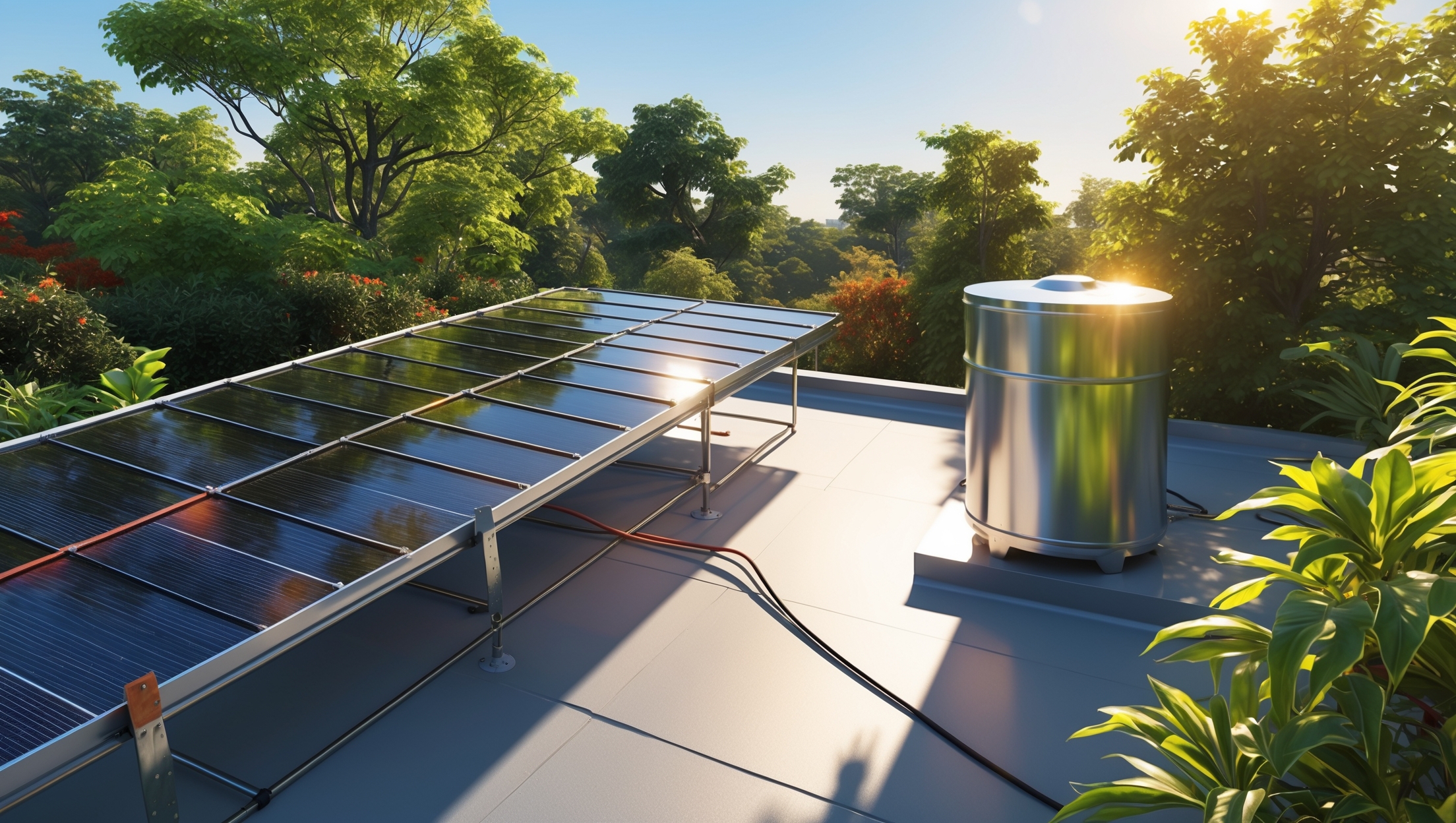

I noticed you mention hybrid solar-wind setups in passing. Are there any specific additional safety considerations or unique risks that homeowners should be aware of when adding solar components to a wind-powered water pump system?
When adding solar panels to a wind-powered pump system, you’ll need to consider electrical compatibility, such as voltage matching between solar and wind components. Extra care should be taken with wiring and fusing, since combining sources can increase risk of overloads or short circuits. Also, ensure your charge controller and inverter are rated for hybrid use. Regularly inspect for weatherproofing at all connection points, since more components mean more potential failure points. Finally, make sure all safety disconnects are accessible in case you need to isolate one power source quickly.
I noticed the safety checklist emphasizes avoiding flood-prone areas for the tower foundation. If my property has a high water table but otherwise meets the wind and obstruction guidelines, are there special foundation types or precautions I should consider to keep the system stable and safe?
If your property has a high water table, it’s important to use foundation types designed for wet or unstable soil. Helical piles, deep concrete piers, or driven piles can provide better stability than shallow footings. You should also consider waterproofing measures and proper drainage around the base to prevent water damage and erosion. Consulting with a structural engineer familiar with wind tower installations in wet conditions is highly recommended for long-term safety.
Could you clarify what kind of routine maintenance is required to keep both the mechanical and electrical components of a wind-powered water pump safe and functioning over time? I’m especially interested in any seasonal tasks homeowners shouldn’t overlook.
Routine maintenance for wind-powered water pumps includes regularly lubricating moving parts, checking for wear on gears and bearings, and tightening bolts on the mechanical side. Electrically, inspect wiring for damage and ensure all connections are secure. Seasonally, clear debris from blades, inspect for rust or corrosion after wet seasons, and winterize the system by draining water lines and protecting exposed parts from freezing. These steps help ensure safe, efficient operation year-round.