
Introduction: The Unique Insurance Challenges of Community Solar
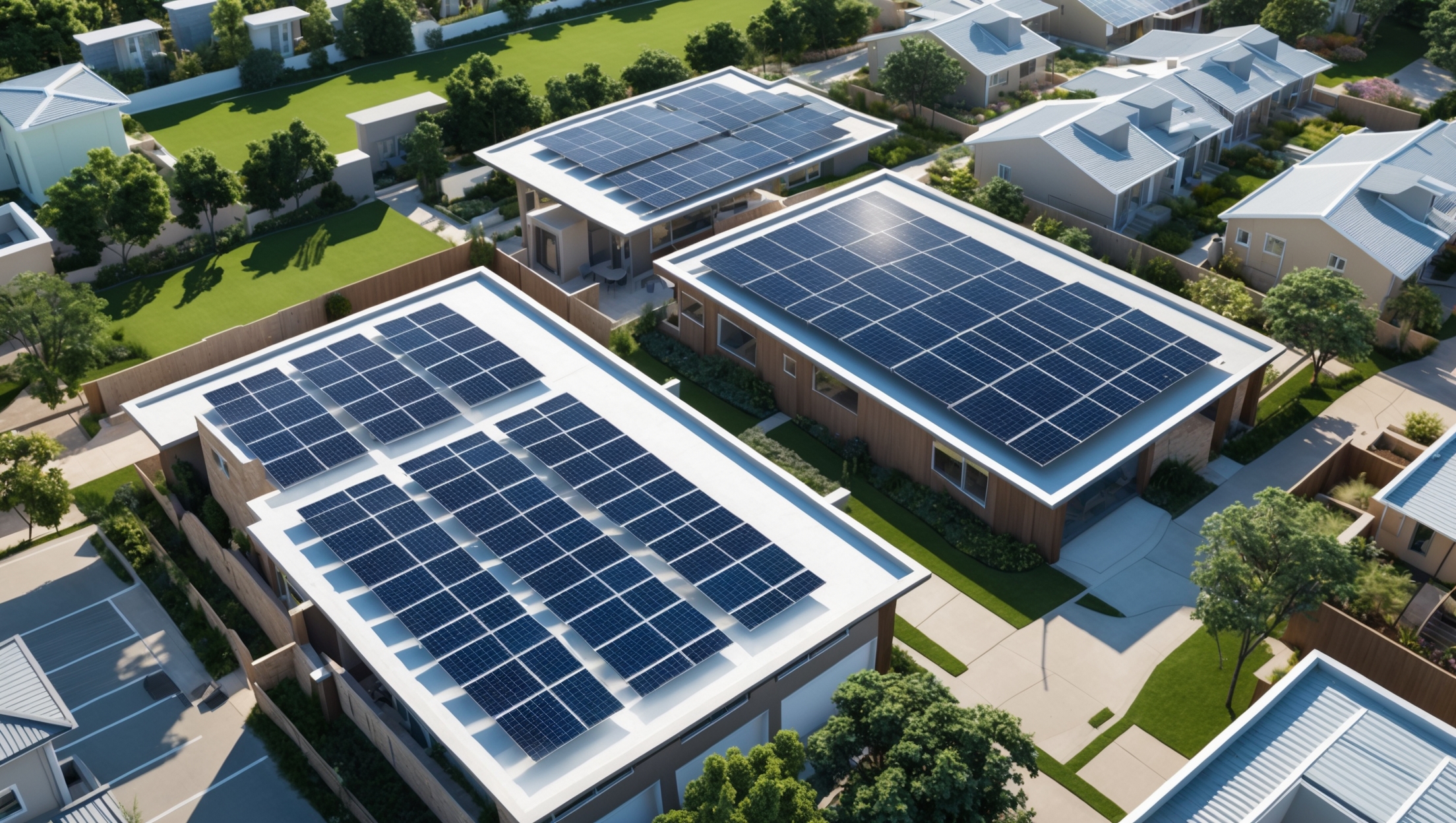
Community solar projects are revolutionizing how neighborhoods, homeowner associations (HOAs), and groups of like-minded residents access clean, renewable energy. By pooling resources, communities can install and share the benefits of solar arrays, even when individual rooftops are unsuitable or ownership structures are complex. While the advantages—cost savings, reduced carbon footprint, and local energy resilience—are substantial, the collaborative nature of these projects introduces unique risks and insurance complexities.
Unlike single-home solar installations, community solar involves multiple stakeholders, shared assets, and often, third-party ownership or management. Questions of liability, property protection, and continuity in the event of member turnover or system failure require careful attention. Without a robust insurance strategy tailored to the group’s structure and local regulations, even well-intentioned projects can be derailed by unforeseen events such as natural disasters, theft, or legal disputes.
In this comprehensive guide, we’ll break down the insurance essentials every community solar project should consider. Whether you’re a board member of an HOA, a member of a neighborhood energy cooperative, or a sustainability advocate helping your town transition to renewables, you’ll find actionable insights to safeguard your investment and ensure the long-term success of your shared solar system.
Understanding Community Solar: Structures and Stakeholder Risks
What is Community Solar?
Community solar refers to solar power installations that are shared by multiple households or businesses, typically located on a communal building, dedicated land, or a utility-scale site. Participants purchase or lease a share of the solar array and receive credits or direct power based on their share of the output.
- Ownership Models: Direct ownership, third-party ownership (developer or utility), or cooperative structures.
- Location: On-site (e.g., shared roof, parking lot canopy) or off-site (nearby field or utility property).
- Participation: Residents, HOAs, businesses, nonprofits, and sometimes local governments.
Key Risks Unique to Community Solar
- Property Damage: Weather events, fire, vandalism, or system failure affecting shared assets.
- Liability: Injuries during installation, maintenance, or due to malfunction; legal disputes among members.
- Income Loss: Loss of solar production due to system downtime or damage, affecting revenue or credits.
- Management Risks: Changes in membership, disputes over maintenance responsibilities, or insolvency of third-party operators.
- Regulatory Compliance: Insurance requirements set by local authorities, utilities, or lenders.
Core Insurance Policies for Community Solar Projects
1. Property Insurance
This policy covers physical damage to the solar array and associated equipment due to perils such as fire, hail, windstorm, theft, or vandalism. It is essential regardless of whether the array is ground-mounted or rooftop, and whether it’s owned by the group or a third party.
- Assess coverage limits based on replacement cost, not depreciated value.
- Include all system components: panels, inverters, racking, wiring, and monitoring hardware.
- Consider coverage for loss of use or business interruption if generation is halted.
2. General Liability Insurance
General liability insurance protects the group or HOA against claims of bodily injury or property damage to third parties. For example, if a panel becomes dislodged in a storm and damages a neighbor’s property, or if a visitor is injured during a site tour, this insurance is crucial.
- Ensure the policy includes coverage for both installation and ongoing operations.
- Verify whether volunteers, contractors, and guests are included as insured parties.
- Check for exclusions related to solar-specific risks.
3. Directors and Officers (D&O) Liability Insurance
For HOAs or solar cooperatives, D&O insurance is vital. It covers the personal liability of board members and officers against claims of mismanagement, breach of fiduciary duty, or wrongful acts in administering the solar project.
- Protects individual members from personal financial risk.
- Often required for projects with outside investors or grant funding.
4. Equipment Breakdown Insurance
This policy covers repair or replacement costs arising from mechanical or electrical failures not caused by external events. It can be bundled with property insurance or purchased separately, and is especially important for systems with complex monitoring or battery storage components.
- Covers failures due to internal malfunctions, power surges, or operator error.
- May include expedited repair or replacement services.
5. Workers’ Compensation Insurance
If your group directly employs installation or maintenance staff, workers’ comp is legally required in most jurisdictions. Even if using contractors, ensure your agreements specify which party holds this responsibility.
6. Builder’s Risk Insurance (For New Projects)
During construction or major upgrades, builder’s risk insurance protects against losses from fire, weather, theft, or vandalism before the system is operational. This is usually carried by the installer, but the project sponsor should verify coverage and be named as an additional insured.
Assessing Your Community’s Insurance Needs: A Step-by-Step Approach
Step 1: Map Out Stakeholders and Ownership Structure
Clarify who owns the solar assets, who manages the system, and who benefits financially. Common arrangements include:
- Direct ownership by the HOA or co-op
- Third-party ownership with lease or power purchase agreements (PPAs)
- Shared ownership among a subset of residents
This will determine who must purchase and maintain insurance, and whose interests need to be protected.
Step 2: Inventory Assets and Exposure Points
List all physical assets (panels, inverters, monitoring systems), their locations, and values. Identify potential exposure points such as public access, proximity to trees or traffic, and local weather hazards.
Step 3: Consult Local Regulations and Utility Requirements
Many municipalities and utilities require proof of specific insurance coverage for interconnection or permitting. Lenders and grant programs may also impose minimum policy limits and types.
Step 4: Solicit Quotes from Specialized Insurers
Work with insurance brokers specializing in renewable energy or community associations. Compare policy terms, exclusions, deductibles, and claim processes. Request quotes for both bundled and separate policies.
Step 5: Assign Maintenance and Claims Responsibilities
Clearly outline in your group’s governing documents who is responsible for ongoing maintenance, reporting incidents, and handling insurance claims. This avoids confusion in the event of a loss and speeds up resolution.
Common Insurance Pitfalls and How to Avoid Them
1. Underinsuring the System
Many groups underestimate the true replacement cost of their solar assets or fail to update coverage after adding new capacity. Review and update your policy after every major upgrade.
2. Overlapping or Gaps in Coverage
If the HOA, third-party installer, and individual residents all carry different policies, gaps or overlaps can occur. Coordinate with all parties to clarify who is the primary insured and how deductibles are shared.
3. Ignoring Subrogation and Waiver Clauses
Some insurers include clauses that limit their obligation to pay if another party is also responsible. Carefully review waiver of subrogation clauses, especially in agreements with installers or utility companies.
4. Failing to Name All Stakeholders as Additional Insureds
Ensure all relevant parties—co-op members, HOA board, property owners, lenders—are listed as additional insureds to protect their interests in the event of a claim.
5. Not Reviewing Policies Annually
Your insurance needs may change as membership shifts, policies renew, or local laws evolve. Set a calendar reminder for an annual insurance review tied to your group’s budget cycle.
Budgeting for Insurance: Cost Breakdown and Funding Strategies
Typical Insurance Costs for Community Solar
Insurance costs vary widely depending on system size, location, ownership structure, and risk profile. As a rough guide:
- Property Insurance: $8–$20 per $1,000 of insured value annually
- General Liability: $500–$2,000 annually for small systems; higher for larger arrays
- D&O Insurance: $600–$2,500 annually, depending on group size and coverage limits
- Equipment Breakdown: $300–$1,000 annually
Builder’s risk insurance is typically a one-time cost during construction, ranging from 1%–4% of project value.
Funding Insurance Premiums
- HOA Assessments: Spread cost across all members as part of annual dues.
- Energy Credits: Deduct from solar energy credits or utility bill savings.
- Grant Funding: Some state or utility grants allow insurance costs as eligible expenses.
- Special Assessments: For major upgrades or claims, a one-time assessment may be needed.
Discuss insurance budgeting transparently during your project’s planning and annual meetings to avoid surprises.
Best Practices for Ongoing Risk Management
Regular Maintenance and Inspections
Documented maintenance not only maximizes system performance but can also lower insurance premiums and speed up claims. Schedule semi-annual inspections and keep logs of all work performed.
Incident Reporting and Claims Protocol
Establish a clear procedure for reporting losses or incidents, including who contacts the insurer, submits documentation, and communicates with other members. Train at least two board members or group leaders on this process.
Review and Update Coverage After Major Events
After storms, upgrades, or turnover in group membership, review your policies for continued adequacy. Notify your insurer of any material changes to avoid denied claims.
Case Study: Sunridge Gardens Community Solar Co-op
Sunridge Gardens is a 40-home neighborhood in Colorado that installed a 150 kW ground-mounted solar array on shared green space. The HOA owns the system, and residents receive bill credits proportional to their share. Early on, the community faced a hailstorm that damaged several panels and caused confusion over who would file the claim and how deductibles would be split.
Key lessons from Sunridge Gardens:
- Centralized Insurance: The HOA bundled property, general liability, and D&O insurance with one provider, ensuring consistent coverage and easier administration.
- Clear Documentation: The community added a solar addendum to their bylaws specifying insurance responsibilities and claims protocols.
- Regular Reviews: An annual insurance review is now part of the HOA’s budget process, with input from residents and their solar installer.
As a result, claims were processed smoothly, and the system was quickly restored to full operation without dispute among members.
Conclusion: Building a Resilient, Insured Community Solar Future
Community solar projects are at the forefront of the renewable energy revolution, offering a powerful way for neighborhoods and HOAs to take collective action for sustainability. Yet, the very collaboration that makes these projects possible also introduces new risks that must be managed wisely. Without adequate insurance, your group’s hard-earned investment can be jeopardized by events beyond your control—whether it’s a severe storm, an accident, or a legal dispute.
The good news is that with careful planning, transparent communication, and the right set of insurance policies, your community can mitigate these risks and enjoy decades of clean, affordable energy. Start by mapping out your ownership structure, inventorying your assets, and consulting with insurance professionals who understand the nuances of renewable energy and group projects. Make insurance costs a regular part of your budgeting process, and don’t overlook the importance of annual policy reviews as your project evolves.
By following the practical steps and best practices outlined in this guide, your community solar initiative can weather any storm—literally and figuratively—while delivering on the promise of a greener, more resilient future. Insurance isn’t just a legal requirement or a box to check; it’s an essential pillar of project sustainability, community trust, and long-term success. Protect your investment, empower your members, and set your community solar project up to shine for years to come.


I’m trying to understand what kind of property protection our group would need if the solar array is on shared land but vulnerable to natural disasters like hail or tornadoes. Are there specialized policies for these situations?
If your solar array is on shared land and exposed to risks like hail or tornadoes, property insurance specifically designed for solar installations is available. These policies can cover physical damage caused by natural disasters and often include replacement cost coverage. It’s important to discuss your setup with insurance providers, as some offer tailored products for community solar projects. Make sure the policy covers all relevant perils in your area and consider coverage extensions for equipment breakdowns or loss of income due to system downtime.
For a newly-formed neighborhood solar cooperative, what are the first insurance steps to take to align with local regulations and make sure the project doesn’t get delayed by coverage issues?
Start by researching your local and state insurance requirements for solar cooperatives, as rules can vary by area. Next, consult with an insurance broker experienced in community solar projects. Secure general liability coverage as a baseline, then consider property and builder’s risk insurance if installing new equipment. It’s also wise to review any HOA or municipal mandates. Taking these steps early will help prevent delays and ensure your cooperative stays compliant.
When it comes to HOAs managing community solar projects, what specific types of insurance should be prioritized to handle member turnover and changing ownership? Are there particular policies that directly address the disruptions caused by new residents joining or leaving?
For HOAs managing community solar projects, it’s important to prioritize general liability insurance and directors and officers (D&O) insurance. D&O insurance specifically helps protect the HOA if disputes arise from decisions about the solar project, which can happen with member turnover. Consider a policy with provisions for changing board composition, and check if your insurer offers coverage that automatically adapts to new members joining or leaving, ensuring continuous protection during transitions.
I’m interested in how insurance requirements for community solar compare to those for individual residential solar systems. Are there big differences in what’s needed, especially regarding legal disputes or system failures?
Insurance requirements for community solar projects are generally more complex than for individual residential solar systems. Community projects involve multiple owners or stakeholders, so coverage often includes broader liability, protection against legal disputes among members, and higher limits for system failures. Residential systems usually need only basic property and liability insurance, while community projects may require directors and officers (D&O) insurance and special agreements to address shared risks and responsibilities.
If a member leaves an HOA or neighborhood energy cooperative, how does that affect the project’s insurance policies and liability for the remaining members?
When a member leaves an HOA or energy cooperative, the project’s insurance policies generally remain in place for the group as a whole. The departing member is typically released from future liabilities tied to the project, but the insurance premiums and any shared obligations may be redistributed among the remaining members. It’s important for the HOA or cooperative to review its agreements and notify the insurer about membership changes to ensure continued proper coverage.