

Introduction: The Power of Community-Scale Energy Solutions
As cities and neighborhoods worldwide race to reduce their carbon footprints, district heating and cooling (DHC) systems have emerged as a powerful engine for change. While individual homes can slash emissions with solar panels or heat pumps, community-wide solutions like DHC offer unparalleled efficiency, reliability, and scalability—enabling entire neighborhoods to achieve net-zero energy. But what does it really take for a community to make this leap? In this detailed case study, we’ll explore how the Evergreen Eco-District, a mid-sized residential neighborhood, successfully transitioned to a net-zero energy model using advanced district heating and cooling infrastructure. From the initial planning and cost analysis to technology choices, compliance, and ongoing maintenance, this post will reveal practical, actionable insights for other communities, developers, and sustainability advocates seeking to replicate this remarkable achievement. Whether you’re part of a homeowner’s association, a municipal planner, or simply curious about the future of sustainable living, you’ll find real-world experience, lessons learned, and a blueprint to guide your own net-zero journey.
Background: What is District Heating and Cooling?
District heating and cooling systems deliver thermal energy (for space heating, hot water, and air conditioning) from a central plant to multiple buildings through a network of insulated underground pipes. Unlike traditional systems where each building operates its own boiler or chiller, DHC centralizes energy production—often leveraging renewable or waste heat sources for maximum sustainability.
- District Heating: Supplies hot water or steam for heating and domestic use.
- District Cooling: Provides chilled water for air conditioning.
- Energy Sources: Can include biomass, geothermal, solar thermal, combined heat and power (CHP), and even industrial waste heat.
Project Overview: The Evergreen Eco-District
Location and Demographics
The Evergreen Eco-District is a suburban neighborhood of 200 homes and 10 mid-rise apartment buildings in the Pacific Northwest. The community was originally built in the 1990s, with conventional gas and electric heating systems. In 2017, spurred by rising energy costs and climate commitments, the neighborhood association voted to pursue a net-zero energy goal for the entire district.
Goals and Objectives
- Eliminate fossil fuel use for heating and cooling by 2030
- Reduce community-wide greenhouse gas emissions by 90%
- Stabilize and lower energy costs for residents
- Create a replicable model for other neighborhoods
Planning and Feasibility: Laying the Groundwork
Initial Assessments
The district began by hiring an independent energy consultant to conduct a feasibility study. This involved:
- Energy usage audits for each building
- Analysis of local renewable energy resources (solar, geothermal, biomass)
- Assessment of existing underground infrastructure and rights-of-way
- Community engagement to gauge support and address concerns
Key Findings
The audits revealed significant heating and cooling loads during winter and summer, respectively. A hybrid DHC network leveraging ground-source heat pumps (geothermal) and solar thermal panels emerged as the optimal solution, supplemented by high-efficiency backup boilers using locally sourced biomass pellets.
Stakeholder Engagement
- Regular town hall meetings ensured transparency and buy-in
- Resident surveys shaped priorities (e.g., cost savings, comfort, environmental impact)
- Partnerships formed with local utilities, engineering firms, and municipal authorities
Cost Breakdown and Budgeting
Capital Costs
- Central Energy Plant: $3.2 million (geothermal wells, heat pumps, solar thermal arrays, backup biomass boilers)
- Underground Pipe Network: $1.5 million
- Building Interconnections: $600,000 (heat exchangers, internal piping upgrades)
- Design and Engineering: $300,000
- Permitting and Legal: $150,000
- Contingency: $250,000
- Total Upfront Investment: $6 million
Funding and Incentives
- State and Federal Grants: $2.2 million (renewable energy and energy efficiency programs)
- Low-Interest Green Bonds: $2 million (issued by the city, repaid via energy savings)
- Community Investment: $1.5 million (special assessment over 10 years)
- Private Sponsorships: $300,000 (local businesses and foundations)
Ongoing Operating Costs
- Annual maintenance and staffing: $110,000
- Biomass fuel (for backup): $15,000/year (declining as efficiency improves)
- Insurance: $18,000/year
- Routine system upgrades: $30,000/year (covered by reserve fund)
Resident Energy Bills
Before DHC: Average annual energy cost per household was $2,400. After DHC: Average cost dropped to $1,600—an immediate 33% savings, with further reductions expected as the system is optimized.
Technology Choices: Why Geothermal and Solar Thermal?
Ground-Source Heat Pumps
Geothermal heat pumps circulate fluid through deep underground wells, using the earth’s constant temperature to provide highly efficient heating in winter and cooling in summer. Their coefficient of performance (COP) is typically 3.5–4.5, much higher than conventional HVAC systems.
Solar Thermal Panels
Rooftop solar thermal collectors pre-heat water for both space heating and domestic hot water, especially effective during spring and fall. Surplus heat is stored in large insulated tanks for use during cloudy periods or peak demand.
Biomass Backup
High-efficiency pellet boilers (using waste wood from local sawmills) provide backup heat during extreme cold snaps, ensuring reliability without fossil fuels.
Thermal Energy Storage
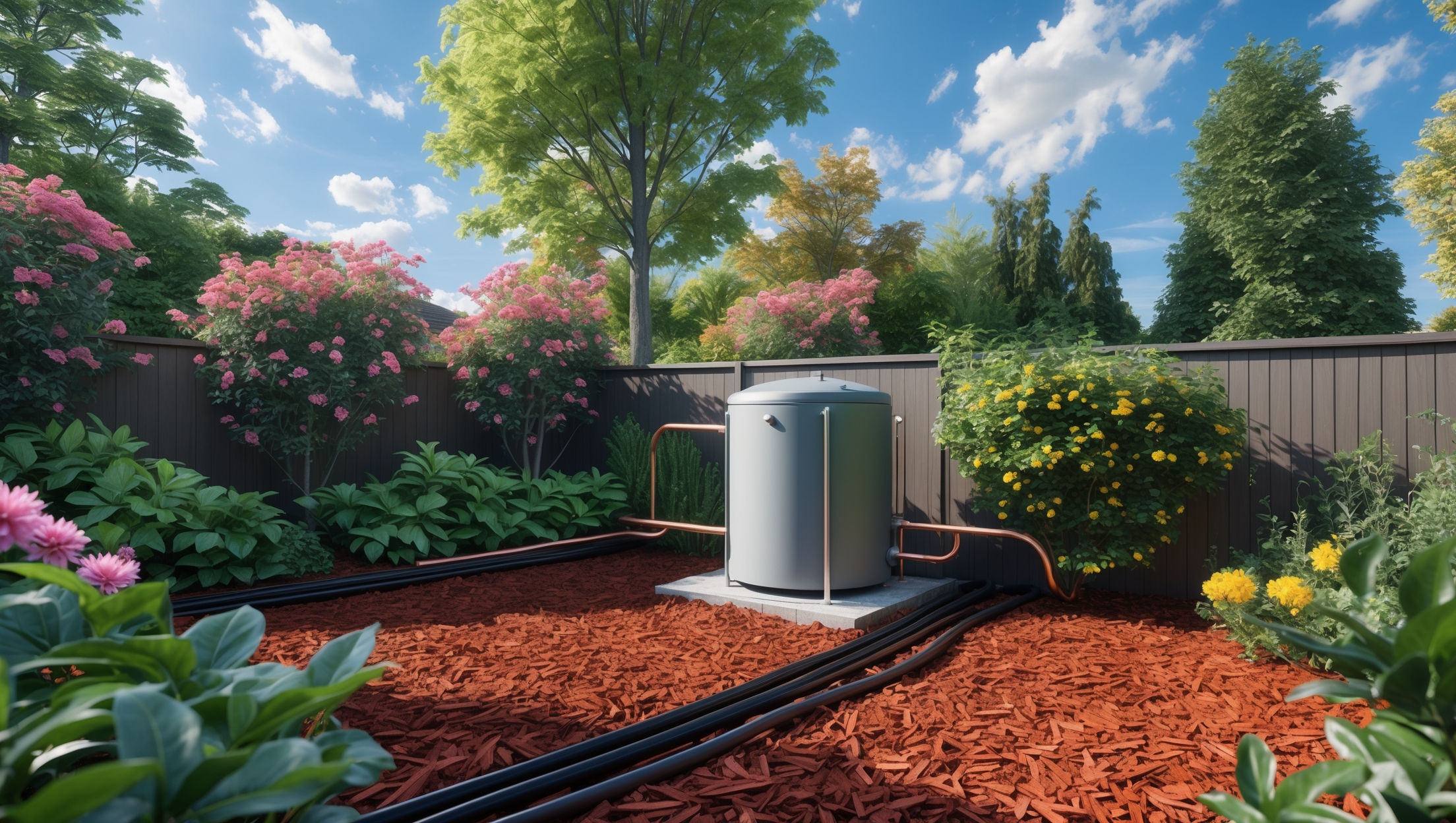
Centralized, insulated water tanks (capacity: 1 million liters) store excess thermal energy, balancing supply and demand within the network and minimizing waste.
Implementation: Step-by-Step Setup
1. Infrastructure Upgrades
- Excavation of main trenches for insulated piping (using low-impact directional drilling to minimize disruption)
- Installation of central plant and energy storage tanks
- Drilling and commissioning of 80 vertical geothermal wells (each 150 meters deep)
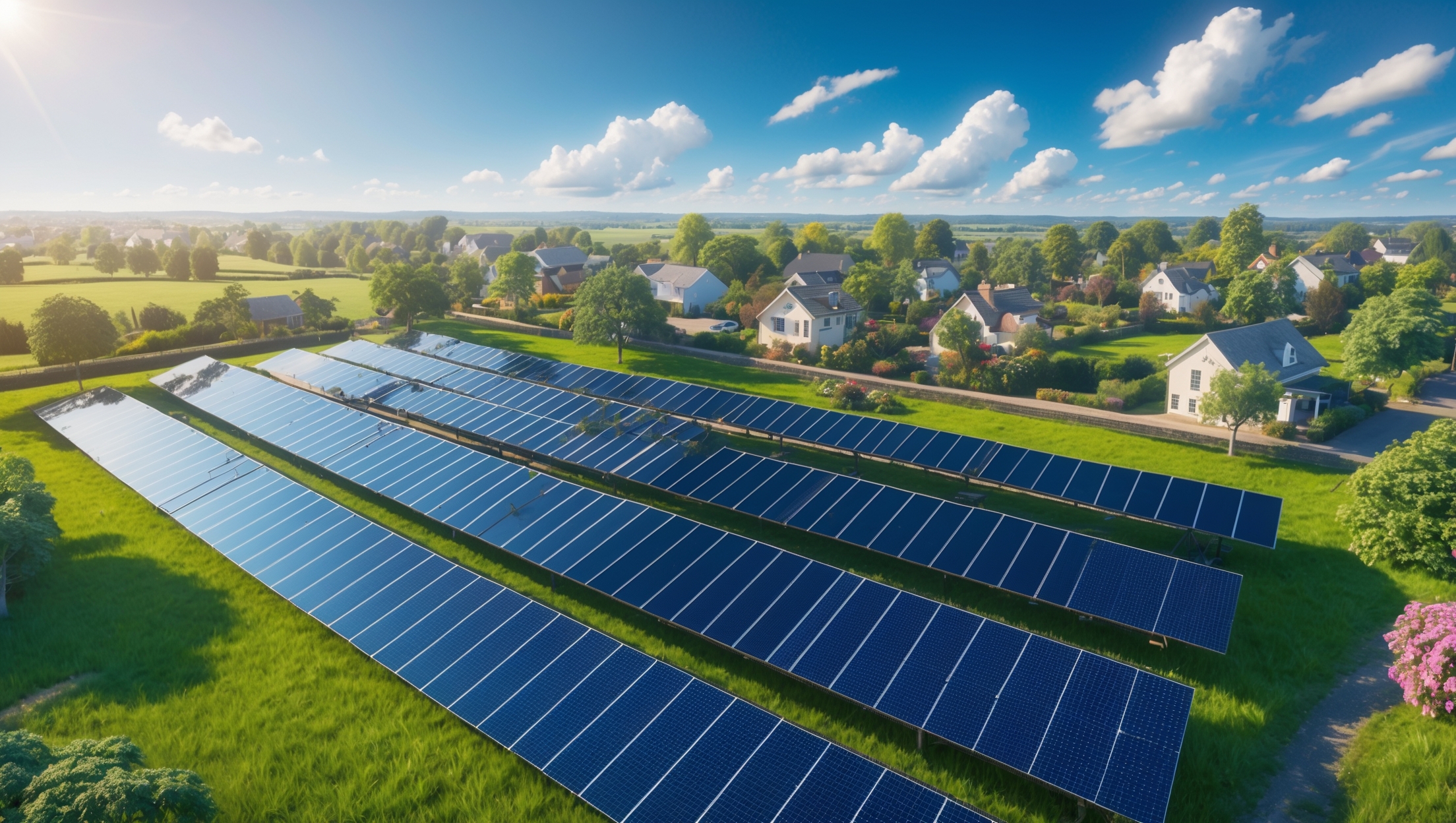
- Laying solar thermal arrays on south-facing roofs of apartment blocks
2. Building Connections
- Retrofit of individual building heat exchangers and smart meters
- Removal of legacy gas furnaces and air conditioners
- Upgrades to internal plumbing as needed
3. Commissioning and Testing
- Pressure testing of the entire pipe network
- Calibration of sensors, meters, and control software
- Initial operation under close supervision for first heating/cooling season
Compliance and Approvals
Permitting
- Secured right-of-way permits from the city for underground piping
- Obtained environmental impact assessments and mitigation plans
- Met all state energy code requirements for central plant and distribution systems
Regulatory Hurdles
- Negotiated with local utility for grid interconnection (for emergency backup only)
- Addressed noise and vibration limits for heat pump equipment
- Ensured compliance with fire and safety codes for thermal storage tanks
Maintenance Best Practices
Routine Inspections
- Quarterly inspection of all heat exchangers, pumps, and valves
- Annual cleaning and flushing of pipe network to prevent scaling
- Biannual check of geothermal well integrity and fluid levels
- Monthly monitoring of control software and remote sensors
Predictive Analytics
Advanced monitoring software uses AI to predict component failures before they happen, enabling just-in-time maintenance and minimizing downtime.
Resident Engagement
- Online portal for residents to track real-time energy use and report issues
- Seasonal workshops on maximizing in-home efficiency and comfort
Results and Lessons Learned
Energy and Emissions Impact
- Net-zero status achieved in year 3 (total annual renewable energy output matched total consumption)
- Greenhouse gas emissions reduced by 92% compared to 2016 baseline
- Peak winter heating load supplied 95% by geothermal/solar, 5% by biomass
Economic Benefits
- Energy bills stabilized despite utility price hikes
- Property values increased 12% over five years
- Community attracted sustainability-minded buyers and renters
Challenges Faced
- Initial disruption from trenching and retrofits required careful scheduling
- Some older buildings needed extra insulation to maximize benefits
- Long-term resident engagement critical to ensure proper use and reporting
Replicating the Success: Key Takeaways for Other Communities
- Start with a detailed feasibility study. Understand local energy needs, resources, and resident priorities before committing.
- Build strong partnerships. Collaborate early with utilities, city planners, and local businesses for funding, expertise, and support.
- Leverage multiple renewable sources. Combining geothermal, solar, and biomass increases reliability and resilience.
- Invest in smart controls and monitoring. Data-driven management maximizes efficiency and minimizes costs.
- Prioritize community engagement. Transparent communication builds trust and long-term commitment.
Conclusion: The Future of Net-Zero Communities
The Evergreen Eco-District’s journey to net-zero energy through district heating and cooling offers a blueprint for communities everywhere that are serious about climate action and energy resilience. By pooling resources, embracing advanced technologies, and prioritizing sustainability, this neighborhood not only reduced emissions but also delivered tangible economic and social benefits to its residents. The project demonstrates that net-zero living is within reach—not just for new developments, but for existing neighborhoods willing to invest in collective solutions.
The transition wasn’t without challenges: infrastructure upgrades required patience, and ongoing engagement remains vital. Yet the long-term payoff—stable, affordable energy bills; healthier living spaces; and a dramatically lower carbon footprint—has made the effort worthwhile. As more cities set ambitious climate targets, the lessons from Evergreen underscore the importance of community-scale action and integrated energy systems. If you’re considering a similar path, start with a robust feasibility study, engage stakeholders early, and don’t overlook the value of smart, adaptable technology. Net-zero isn’t just a dream; with the right approach, it can be your community’s reality.

Could you share more details about the types of renewable or waste heat sources Evergreen Eco-District prioritized, and what influenced their decision to go with those specific options versus something like all-solar or all-geothermal?
Evergreen Eco-District prioritized a mix of renewable and waste heat sources, including biomass, recovered heat from local industrial processes, and some geothermal input. Their choice was influenced by resource availability, cost-effectiveness, and the goal to balance energy loads year-round. For example, waste heat from nearby industries provided a steady source, while locally sourced biomass offered flexibility. They opted against an all-solar or all-geothermal approach because solar alone wouldn’t meet winter heating needs, and local geothermal resources weren’t sufficient for the district’s size.
Could you elaborate on the initial cost analysis phase for the Evergreen Eco-District? Specifically, I’m interested in how the community balanced up-front investment for district heating and cooling with anticipated long-term savings.
During the initial cost analysis for the Evergreen Eco-District, the community compared the up-front expenses of installing district heating and cooling systems to traditional individual systems. They evaluated equipment, installation, and infrastructure costs against projections for reduced energy bills and maintenance over time. Financial models helped demonstrate that while initial investments were higher, long-term operational savings and energy efficiency would offset those costs, making the project financially viable over the system’s expected lifecycle.
If a community wanted to start transitioning towards net-zero with district heating and cooling, what would be the first practical steps to take? Are there key decision points or common pitfalls to watch out for early on?
To begin transitioning to net-zero with district heating and cooling, a community should first assess its current energy needs and building infrastructure. Key decision points include selecting the right energy sources, determining the scale of the system, and engaging stakeholders early. Common pitfalls include underestimating costs, not accounting for future growth, and lacking community buy-in. Conducting a feasibility study and involving experienced planners from the start can help avoid these issues.
If a family in the district wants to add things like solar panels or a heat pump on their own home later, does that integrate easily with the central DHC system, or would that cause problems?
A family can usually add solar panels or a heat pump to their home, but integration with the district heating and cooling (DHC) system depends on how the local network is set up. Many DHC systems are designed to be flexible and can work alongside home solar panels, especially for electricity needs. However, adding a heat pump might require coordination with the DHC provider to avoid efficiency issues or system conflicts. It’s best to consult the district’s energy managers before making changes, to ensure smooth integration.
Could you share more about the initial cost analysis for the Evergreen Eco-District’s transition to district heating and cooling? I’m especially curious about the funding sources your team identified and any financial hurdles that had to be overcome in the early stages.
The Evergreen Eco-District’s initial cost analysis involved a thorough assessment of infrastructure upgrades, system integration, and long-term maintenance. Funding sources included municipal sustainability grants, low-interest green loans, and private investments from local stakeholders. Early financial hurdles centered around the high upfront capital costs and coordinating contributions from multiple partners. The team worked to secure phased funding, allowing construction to proceed while additional grants and private backing were finalized to bridge gaps.