
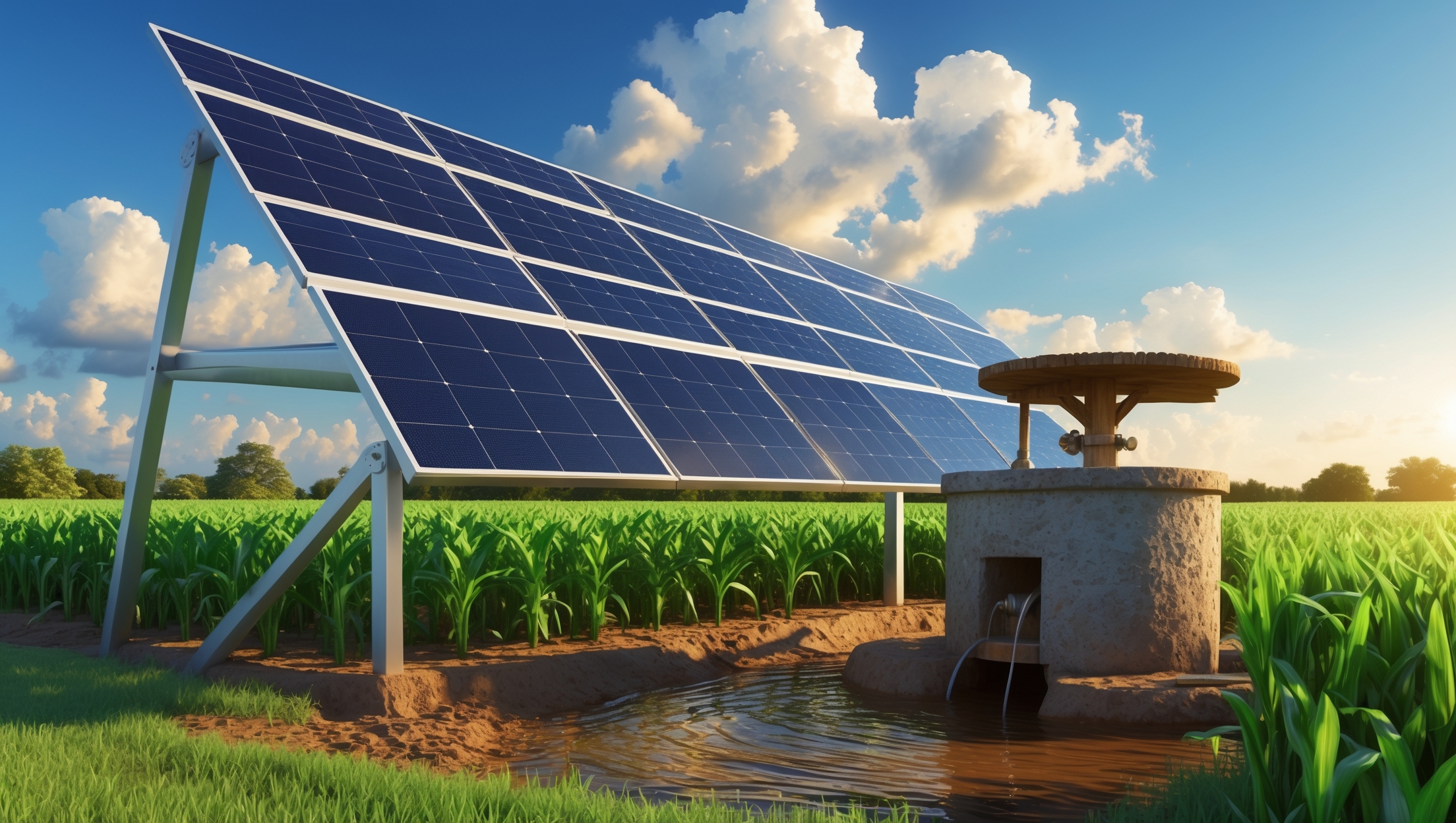
Introduction: Why Solar Water Pumping Makes Sense for Small Farms
As small-scale farmers seek greater sustainability, energy independence, and cost efficiency, solar water pumping systems are rapidly gaining traction. Traditional water pumps, powered by diesel or grid electricity, can be expensive to run, require constant fuel or electrical supply, and often contribute to greenhouse gas emissions. In contrast, a well-designed solar water pumping system harnesses the sun’s free energy, reducing operational costs, lowering carbon footprints, and supporting reliable irrigation even in remote areas.
This guide delivers a practical roadmap for small farm owners considering solar water pumping. It covers cost breakdowns, essential budgeting guidance, detailed setup strategies, and a comprehensive maintenance plan to ensure your system delivers year-round, trouble-free performance. Whether you’re irrigating crops, watering livestock, or managing remote water supply, you’ll find actionable advice to help you invest wisely and maximize the benefits of solar-powered water solutions.
Understanding Solar Water Pumping Systems
System Components and How They Work
A solar water pumping system uses photovoltaic (PV) panels to convert sunlight into electricity, powering a water pump to move water from a source (well, pond, river, or tank) to where it’s needed. The basic components include:
- Solar Panels: Capture sunlight and produce DC electricity.
- Water Pump: May be a surface pump (for shallow sources) or submersible pump (for deep wells).
- Pump Controller: Regulates power delivery, manages startup/shutdown, and often includes protection features.
- Mounting Structure: Supports and orients the solar panels for maximum efficiency.
- Piping and Storage: Pipes deliver water to storage tanks, troughs, or fields. Storage tanks enable pumping during the day and use at night.
- Optional Battery Bank: Stores energy for use when sunlight is unavailable (not always necessary, especially for daytime irrigation).
Common Applications on Small Farms
- Irrigation for vegetable plots, orchards, and high tunnels
- Supplying water to livestock troughs in remote pastures
- Filling storage tanks for household or greenhouse use
- Drip irrigation and low-flow watering for water conservation
Cost Breakdown: Budgeting for a Solar Water Pump System
Major Cost Elements
Understanding the full cost of a solar water pumping system is essential for accurate budgeting. Here’s a typical cost breakdown for a small farm system (designed for 1,000–5,000 gallons per day):
- Solar Panels: $400–$1,500 (400–1500 W, depending on water needs and sun hours)
- Pump (Surface or Submersible): $350–$1,200
- Pump Controller: $150–$600
- Mounting Hardware: $150–$500
- Piping, Fittings, and Storage Tank: $300–$1,200
- Wiring and Electrical Protection: $100–$400
- Installation Labor (DIY vs. Professional): $0 (DIY) to $2,000 (pro install)
- Optional Battery Bank: $400–$1,000 (if 24/7 pumping or cloudy climates require storage)
Total Typical Investment: $1,400–$6,500 (DIY installation, no batteries) or $2,500–$9,000 (with pro install and batteries). Actual costs depend on water volume, lift height, local hardware prices, and site conditions.
Hidden or Overlooked Costs
- Site Preparation: Clearing, trenching, or pouring small foundations for panel mounts
- Pump Replacement: Most pumps last 5–10 years; budget for eventual replacement
- Maintenance Supplies: Lubricants, cleaning equipment, and spare parts
- Permitting Fees: Some localities require permits for new wells, tanks, or electrical systems
Ways to Reduce Costs
- Choose the right system size: Oversizing wastes money, undersizing limits performance
- Leverage government grants and incentives (e.g., USDA REAP, state solar programs)
- Repurpose existing tanks or piping where possible
- DIY installation if you have electrical and plumbing skills
Step-by-Step Setup: Planning and Installing Your Solar Water Pump
1. Assess Your Water Needs and Source
Start by calculating daily water requirements based on acreage, crop type, or livestock numbers. For crops, factor in peak season needs and irrigation method (drip, sprinkler, flood). For livestock, use reliable tables (e.g., beef cattle need 10–20 gallons per head per day).
Identify your water source (well, pond, stream). Measure static water level (for wells) and vertical lift to the destination, as these determine pump sizing.
2. Sizing the Pump and Solar Array
- Choose a pump rated for the required flow (gallons per minute) and total dynamic head (vertical lift + friction losses).
- Calculate required daily watt-hours: (pump power in watts) × (hours of operation per day).
- Divide by average sun hours for your location (typically 4–6) to determine solar array size.
Use online calculators or consult vendors for precise sizing. Oversizing panels slightly (10–20%) covers cloudy days and panel aging.
3. Selecting the Right Equipment
- Pumps: DC solar pumps are efficient and simple; AC pumps require inverters but may offer more options for high-lift or large-volume needs.
- Controllers: Ensure compatibility with your pump and panels; look for built-in protections (dry-run, overvoltage).
- Mounts: Choose robust, weather-resistant racking. Pole mounts are common for small farms and resist animal damage.
- Piping/Tank: Use UV-resistant materials and properly size pipes to minimize friction losses.
4. Site Preparation and Installation
- Clear and level the solar panel site; ensure no shading during peak sun hours.
- Install mounting structure securely, orienting panels due south (in the northern hemisphere) at an angle equal to your latitude.
- Wire panels to the pump controller using outdoor-rated cable with proper strain relief and weatherproofing.
- Mount controller in a weather-protected location, but avoid enclosed, unventilated spaces that trap heat.
- Install pump in well or water source; ensure secure placement and correct depth.
- Lay piping to storage tank or irrigation network, using unions or quick-connects for easy maintenance.
- Test the system for leaks, electrical continuity, and correct pump operation.
5. Initial Testing and Commissioning
- Prime the pump if required (follow manufacturer guidance).
- Verify panel voltage and pump current; compare with specifications.
- Check water flow rate at the delivery point; adjust pressure regulator or flow control valves if needed.
- Observe system for at least one full cycle to ensure proper automatic start/stop and dry-run protection.
Maintenance Plan: Keeping Your Solar Water Pump Reliable
Routine Tasks
- Solar Panels: Inspect monthly and clean as needed (dust, bird droppings, leaves). Use soft cloth and water; avoid harsh chemicals or abrasive tools.
- Pump: Listen for unusual noises; check for leaks; inspect wiring connections annually.
- Controller: Ensure enclosure is dry, free of pests, and connections are corrosion-free.
- Piping and Tanks: Inspect for leaks, cracks, and algae buildup. Flush tanks annually to prevent sediment accumulation.
Seasonal and Annual Checks
- Inspect mounts and supports for rust, loose bolts, or animal damage (spring and fall).
- Test flow rate and pressure before peak irrigation season; compare to system baseline.
- Before winter, drain exposed piping and pumps if in freeze-prone regions.
- Check battery condition (if used): Top up fluids (for lead-acid batteries), clean terminals, and check voltage monthly.
Troubleshooting Common Issues
- No Water Flow: Check panel output (voltage in sunlight), pump controller status, and for clogged intakes.
- Low Flow: Inspect for partially blocked pipes, dirty filters, or worn pump components.
- Intermittent Operation: Look for loose wiring, undersized panels, or overheating controller.
Keep a logbook of all maintenance tasks and issues. Early attention to small problems prevents costly breakdowns.
Optimizing Performance: Tips to Maximize Value and Efficiency
- Time Irrigation Strategically: Pump water to storage tanks during peak sun hours and irrigate crops early morning or evening to minimize evaporation.
- Use Drip or Micro-Irrigation: Reduces water use and system strain, allowing a smaller, more affordable pump and panel setup.
- Regularly Monitor System Data: Install inexpensive flow meters or energy monitors to track performance trends.
- Protect Against Wildlife: Fence off panels and exposed wiring from livestock and burrowing animals.
- Plan for Expansion: Size your mounting structure and wiring to allow for extra panels or larger pumps if future needs grow.
Financial Incentives and Grants: Lowering Your Upfront Costs
Federal and State Programs
Several programs help offset the cost of solar water pumping systems for farms:
- USDA REAP Grants: The Rural Energy for America Program provides grants and loans for renewable energy projects, covering up to 25% of project costs for eligible farms.
- State and Utility Rebates: Many states offer solar rebates or tax credits. Some utilities provide incentives for efficient water pumping or irrigation upgrades.
- Tax Credits: The Federal Solar Investment Tax Credit (ITC) covers a percentage of system costs (check latest rates and eligibility for agricultural systems).
Consult local agricultural extension offices or solar vendors for guidance on available programs and application processes.
Conclusion: Sustainable Water Solutions for Small Farms
Solar water pumping systems empower small farms to achieve greater self-sufficiency, environmental stewardship, and economic resilience. By investing in a well-designed system, you reduce reliance on fossil fuels, cut ongoing energy costs, and gain freedom from grid outages or fuel shortages. With careful planning, you can select the right equipment for your needs, control upfront costs, and ensure reliable operation throughout the year.
Routine maintenance, strategic system sizing, and attention to local incentives will maximize your return on investment and keep your crops and livestock healthy. While the initial installation may seem complex, the long-term benefits—increased productivity, cost savings, and a reduced carbon footprint—are well worth the effort. As solar technology continues to improve and costs decline, there’s never been a better time for small farm owners to embrace solar-powered water solutions. Start small, learn from each season, and expand as your needs grow. With the right approach, solar water pumping can be a cornerstone of your farm’s sustainable future.



Can you share more detail on how to decide between installing a surface pump or a submersible pump for a small farm? Does the choice mostly depend on the water source depth, or are there other important factors I should consider?
The main factor is indeed the water source depth: use a submersible pump for deep wells or sources more than about 20 feet below ground, and a surface pump for shallow sources like ponds or rivers. However, you should also consider water quality (submersibles handle dirty water better), accessibility for maintenance, and your required flow rate. Surface pumps are easier to maintain but less suitable for deeper sources.
Can these solar water pumping systems handle deep wells, or are they mainly best for shallow sources? I have a mix of both and want to know how that might affect my setup or equipment choices.
Solar water pumping systems can be used for both shallow and deep wells, but the setup and equipment will differ. For deep wells, you’ll need a more powerful solar pump designed for higher heads and possibly a larger solar panel array to supply enough energy. Be sure to check the pump’s maximum head rating and consult with suppliers to match the system to your well depths. Mixing well types on one property may require separate pumps or carefully chosen equipment for each source.
If my well is located pretty far from the main cropping area, are there special considerations for the piping and storage part of the system? I’m concerned about pressure loss and daytime-only pumping. Any tips from experience?
Distance from the well definitely affects your setup. To minimize pressure loss, use larger diameter pipes over long runs and opt for smooth, high-quality materials. Consider installing a storage tank near your cropping area: pump water during the day into the tank, then use gravity or a secondary pump to irrigate as needed. Float valves and timers help manage flow automatically, reducing manual intervention.
You mention that adding a battery bank is optional and not always necessary. For small farms with occasional cloudy weather but no access to the grid, how do I determine whether investing in a battery bank is worth the extra cost?
To decide if a battery bank is worth it, consider how often you need water when the sun isn’t out. If your water needs are flexible and you can pump during sunny hours only, you might skip the battery. But if livestock or crops require steady watering regardless of weather, a battery bank can prevent outages. Weigh the extra cost against how critical uninterrupted water supply is for your farm’s routine.
The guide talks about different pump types for shallow versus deep water sources. How can I figure out if I need a surface pump or a submersible pump if my well is about 40 feet deep?
For a well that’s about 40 feet deep, a submersible pump is generally the better choice. Surface pumps work best when the water source is less than about 25 feet deep. Submersible pumps are designed to operate below the water surface and can efficiently lift water from deeper sources like your 40-foot well. Double-check your well’s static water level, as that’s what matters most—not just the total depth.