
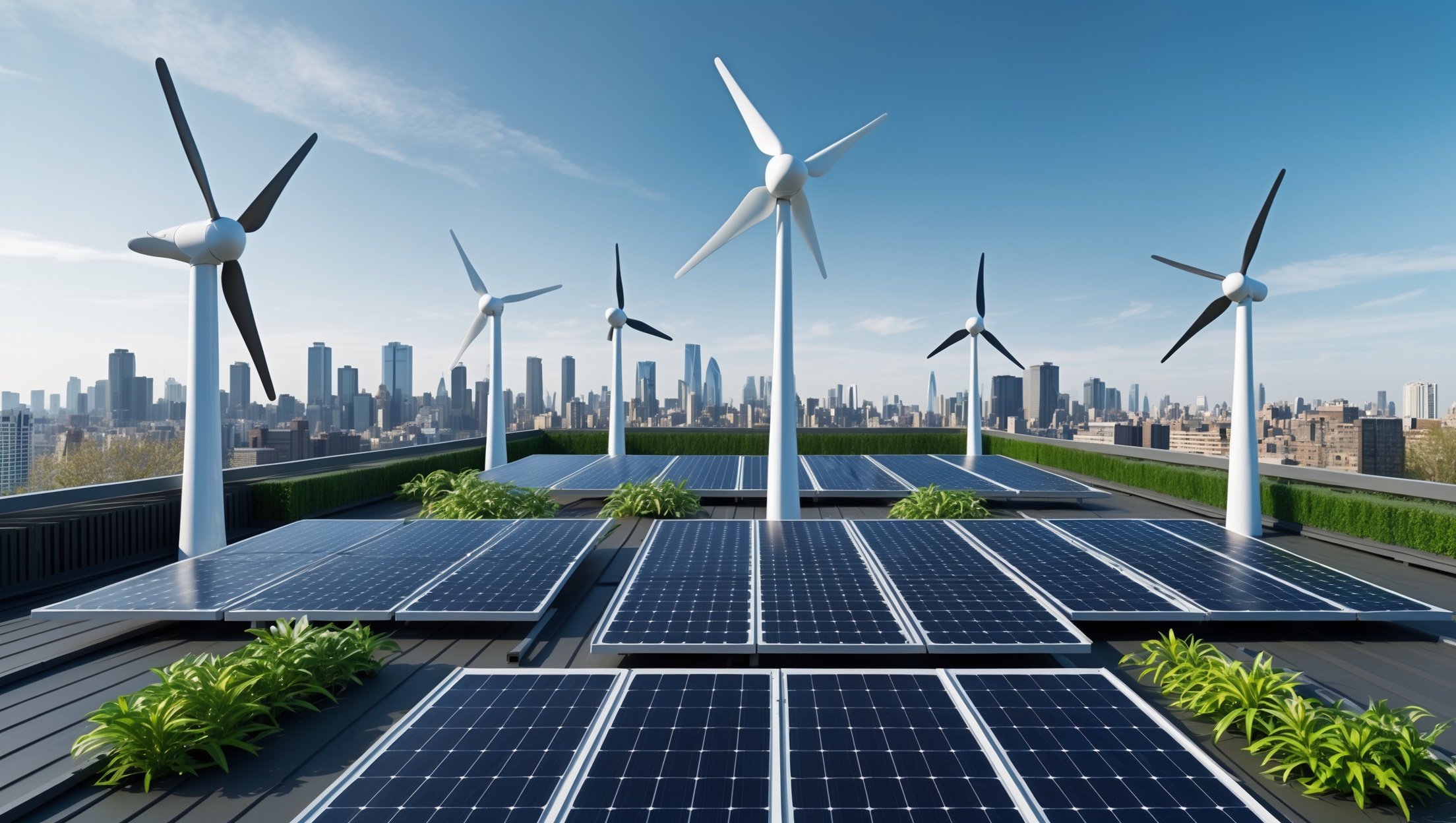
Introduction: Demystifying Urban Vertical Wind Turbines
Urban dwellers seeking energy independence are increasingly intrigued by home vertical wind turbines. Compact, visually striking, and often marketed as suitable for city rooftops or small yards, these devices promise a renewable energy supplement that seems almost tailor-made for city life. Yet, confusion and misinformation abound. Are vertical wind turbines actually viable in metropolitan environments? Do they deliver meaningful energy savings? Can they operate quietly and efficiently amidst swirling urban airflow? In this comprehensive article, we’ll cut through the noise. Drawing from engineering studies, real-world installations, and industry expertise, we’ll debunk the most persistent myths about home vertical wind turbines in urban settings, and arm you with the practical knowledge needed to make informed, sustainable choices for your home energy future.
Understanding Vertical Axis Wind Turbines (VAWTs)
What Are Vertical Wind Turbines?
Vertical Axis Wind Turbines (VAWTs) differ from the more familiar horizontal-axis models (like classic windmills) in that their main rotor shaft is set vertically. This design allows the turbine to capture wind from any direction without needing to be repositioned, potentially an advantage in turbulent or unpredictable wind environments common to urban areas. VAWTs typically come in two main designs: Darrieus (eggbeater style) and Savonius (barrel style).
How Do They Function in Urban Environments?
Urban wind presents unique challenges: buildings create complex wind patterns, increase turbulence, and reduce average wind speeds. VAWTs are often promoted as better-suited to these conditions than horizontal-axis models. We’ll examine whether this claim stands up to scrutiny and what it means for the average homeowner.
Myth #1: “Vertical Wind Turbines Work Anywhere—Just Install and Save”
Fact: Siting and Wind Resource Matter Tremendously
It’s a persistent misconception that VAWTs will generate useful power regardless of placement. In reality, wind energy production is highly site-specific. Urban areas generally have lower and more inconsistent wind speeds compared to open rural locations. Even the best-designed VAWT will underperform if installed in a low-wind microclimate, such as a sheltered courtyard or a rooftop shadowed by taller structures.
- Key Takeaway: Before purchase, conduct a wind site assessment using an anemometer over several months. National wind maps are not granular enough for urban microclimates.
- Optimal Placement: Rooftop edges, exposed corners, and above local obstructions are typically best, but every site is unique.
Myth #2: “VAWTs Don’t Need Maintenance—They’re Set-and-Forget”
Fact: Moving Parts and Urban Conditions Demand Regular Care
Manufacturers may tout the simplicity and durability of VAWTs, but like all mechanical systems, they require regular inspection and maintenance. Urban dust, pollution, and debris increase wear on bearings and can clog moving parts. Vibrations from rooftop installations, especially on older buildings, can cause mounting issues over time.
- Inspect for debris buildup every 3–6 months.
- Check mounting bolts and supports for vibration-induced loosening.
- Lubricate bearings and replace as needed; city air can accelerate corrosion.
Myth #3: “Vertical Wind Turbines Are Silent—Perfect for Neighborhoods”
Fact: All Wind Turbines Produce Noise, and Urban Reverberation Can Amplify It
VAWTs are often marketed as near-silent, but in practice, all wind turbines generate sound—from blade movement, generator operation, and vibration transmission to mounting structures. In dense neighborhoods, noise can reflect off nearby buildings, sometimes making the issue more noticeable than in open spaces.
- Typical sound levels: 35–60 decibels at close range—similar to a quiet conversation or background city noise.
- Mitigation tips: Use vibration isolation mounts and ensure the turbine is not directly attached to lightweight roofing materials.
- Regulatory note: Some municipalities have noise ordinances that may restrict turbine installation. Always check local codes.
Myth #4: “A Small Rooftop VAWT Can Power My Entire Home”
Fact: Power Output Is Modest—Supplement, Not Substitute
Compact VAWTs, often under 2 kW in rated capacity, yield much less energy than many expect—especially in urban wind conditions. The average North American home uses between 8,000–10,000 kWh per year. Even in an exposed location, a typical rooftop VAWT might produce 100–500 kWh annually, covering only a small fraction of household needs.
- Candid expectations: VAWTs are best for supplementing solar PV, reducing grid reliance, or powering low-load applications (outdoor lighting, battery trickle charging).
- Hybrid systems: Pairing with solar panels often delivers the most reliable year-round renewable energy in cities.
Myth #5: “Vertical Turbines Are Bird- and Wildlife-Friendly by Default”
Fact: Fewer Studies, But Still a Consideration
While some studies suggest that VAWTs may pose less risk to birds and bats than horizontal-axis turbines due to slower blade speed and different movement patterns, the urban context adds variables. Rooftop installations may still present collision hazards, especially for migratory or local bird species. Placement, visibility, and local wildlife patterns should always be assessed.
- Install visible markers or paint blades with high-contrast patterns to improve avian detection.
- Monitor for any signs of wildlife impact post-installation and adjust as needed.
Myth #6: “VAWTs Always Outperform Horizontal Turbines in Cities”
Fact: Performance Depends on Site and Technology
It’s commonly claimed that VAWTs outperform horizontal-axis wind turbines (HAWTs) in turbulent urban air. However, direct comparisons show that while VAWTs can function in multidirectional, gusty wind, their efficiency (capacity factor) is generally lower than similarly sized HAWTs. The appropriate technology depends on your specific site, local wind resource, available space, and regulatory constraints.
- Consider a professional assessment for choosing the optimal turbine type for your site.
- HAWTs may still be preferable in some urban fringe or suburban locations with steady wind.
Myth #7: “Vertical Wind Turbines Have No Permitting or HOA Issues”
Fact: Regulations Apply to All Wind Installations
Permitting requirements for wind turbines, including VAWTs, are increasingly common in urban areas. Local governments may regulate height, noise, proximity to property lines, and structural safety. Homeowners’ associations (HOAs) may restrict or outright ban visible installations. Always research and obtain all necessary permits and HOA approvals before proceeding.
- Prepare detailed installation and safety plans for permit applications.
- Engage neighbors and HOA boards early to address concerns and streamline approval.
Myth #8: “VAWTs Are Maintenance-Free in Snow, Ice, or Extreme Weather”
Fact: Urban Weather Can Challenge Turbine Durability
Winter ice storms, urban heat islands, and sudden gusts can all stress a rooftop VAWT. Icing can unbalance the rotor or stall the turbine. High winds may exceed design tolerances, especially for less robust consumer-grade models. Regular inspection, weatherization, and adherence to recommended operational limits are essential for safe, long-term operation.
- Install ice sensors and shut down turbines during severe icing events if possible.
- Check and reinforce guy wires or mounting brackets before seasonal storms.
- Follow manufacturer recommendations for storm shutdown procedures.
Case Study: Real-World Urban VAWT Performance
Example: Toronto Rooftop Installation
A homeowner in downtown Toronto installed a 1.5 kW Savonius-type vertical wind turbine atop a five-story residential building. Over a year, the system produced approximately 320 kWh—just over 3% of the household’s annual electricity use. Key lessons:
- Site-specific wind: The turbine’s output was limited by surrounding buildings that reduced average wind speed to 3.8 m/s.
- Hybrid advantage: Pairing with a 4 kW solar PV system yielded far more consistent renewable energy, particularly in summer.
- Maintenance: Quarterly inspections revealed fastener loosening due to rooftop vibration, but no significant wildlife issues.
Best Practices for Prospective Urban VAWT Owners
- Assess your wind resource with an anemometer at the intended installation height for at least 3 months.
- Check all local codes, permits, and HOA rules before ordering equipment.
- Budget realistically: Include installation, maintenance, and possible structural reinforcement costs.
- Consider hybridizing with solar PV for more reliable energy generation year-round.
- Plan for periodic maintenance—inspect, lubricate, and monitor for noise or vibration issues.
- Engage neighbors and community early to foster goodwill and address concerns.
Conclusion: The Honest Role of Vertical Wind Turbines in Urban Sustainability
Home vertical wind turbines, and especially VAWTs, offer a visible symbol of renewable energy commitment in dense urban environments. However, the realities rarely match the marketing hype. These turbines are not miracle devices that effortlessly slash utility bills or deliver off-grid independence for city dwellers. Rather, they are best understood as niche supplements: capable of generating a modest amount of clean energy when carefully sited, maintained, and integrated into a holistic, multi-source renewable strategy.
For most urban homeowners, the most reliable benefits come from thoughtful hybrid systems that combine solar PV, energy efficiency upgrades, and—where viable—a VAWT. By recognizing the true limitations and strengths of vertical wind turbines, you set realistic expectations and avoid costly disappointments. The key to urban sustainability is not in chasing silver bullets, but in making informed, strategic choices tailored to your unique environment and energy needs.
Before investing, take the time for site-specific research, honest budgeting, and open communication with all stakeholders. With the right approach, a rooftop VAWT can be a small but meaningful part of your journey toward greener living—contributing to a culture of innovation, resilience, and environmental stewardship in the heart of the city.


I’m curious about the actual energy output of vertical axis wind turbines in a typical city neighborhood with lots of buildings. Do studies show how much electricity an average homeowner can realistically expect given all the turbulence and lower wind speeds?
Vertical axis wind turbines (VAWTs) in city neighborhoods often face reduced performance due to turbulence and lower, inconsistent wind speeds caused by surrounding buildings. Studies suggest that, under typical urban conditions, small VAWTs may generate only a fraction of their rated power—sometimes less than 100 to 300 kilowatt-hours per year. This is usually much lower than the average home’s electricity usage, so it’s important to have realistic expectations about their contribution to energy independence in dense urban environments.
You mentioned that siting and wind resource matter a lot. Are there any practical tools or methods you recommend for urban homeowners to measure or predict rooftop wind potential before investing in a vertical wind turbine?
Urban homeowners can use handheld anemometers to measure wind speed over several weeks on their rooftops, ideally at different times and seasons. There are also online wind resource maps and tools, such as the National Renewable Energy Laboratory’s WINDExchange maps, that provide general wind estimates for specific areas. Combining real on-site measurements with these maps gives a clearer picture of your rooftop’s wind potential before making any investment.
If I want to pursue energy independence in the city, is it realistic to rely mainly on a home vertical wind turbine, or should it be just a minor supplement to solar panels or other systems? What minimum wind speeds should I be looking for before considering one?
A home vertical wind turbine is best used as a supplement rather than your main energy source, especially in urban areas. Wind speeds in cities are often inconsistent and lower due to buildings and other obstacles. For a wind turbine to be effective, consistent wind speeds of at least 10-12 mph (16-19 km/h) are generally recommended. Combining wind with solar panels or other systems usually offers more reliable energy independence.