
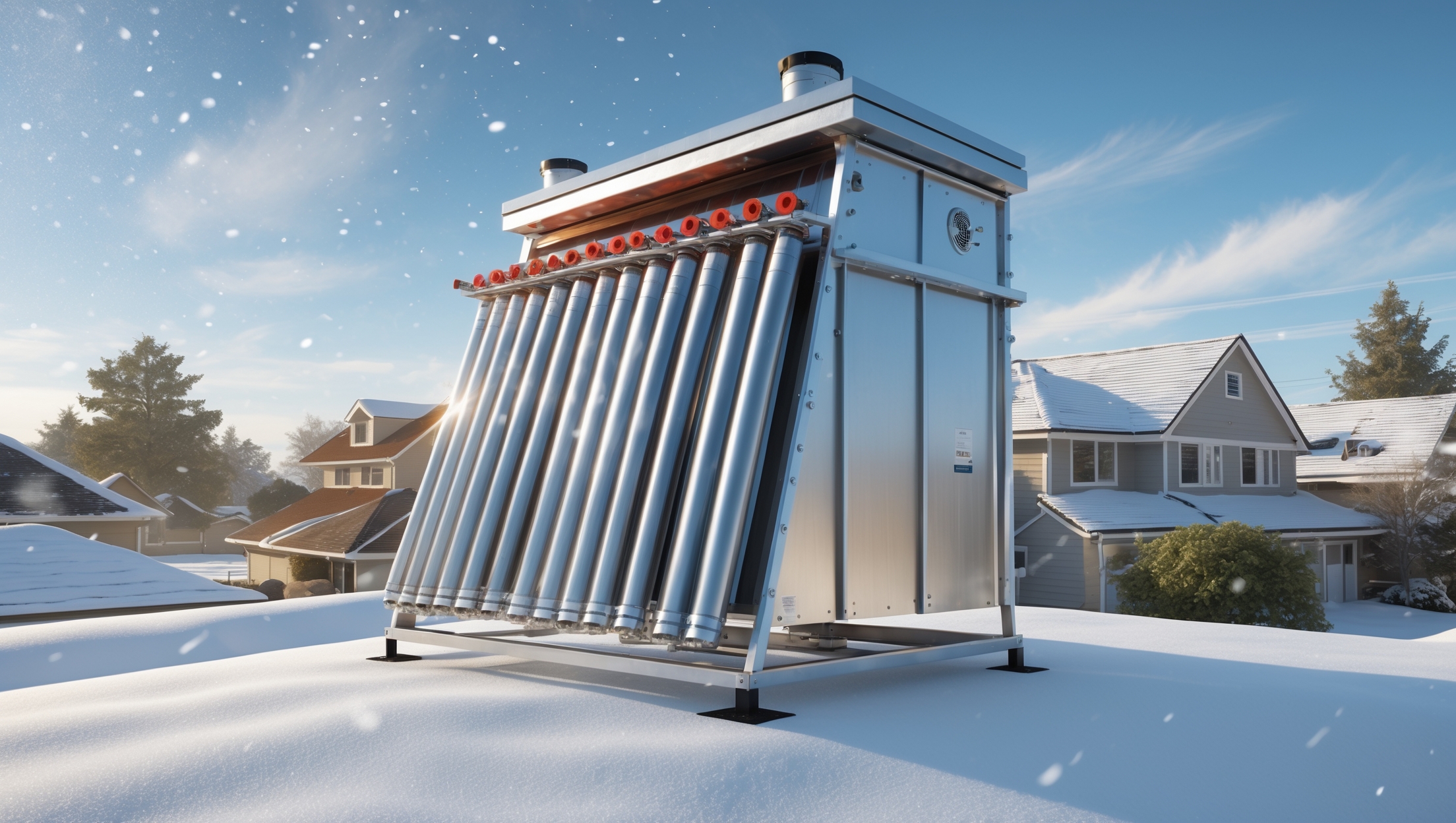
Introduction: Harnessing Solar Water Heating in Cold Climates
Solar water heating systems are a cornerstone of sustainable living, offering significant energy savings and reducing reliance on fossil fuels. However, in regions where winter temperatures drop well below freezing, many homeowners assume solar water heaters are impractical or inefficient. This is a common misconception. With the right technology, design, and installation practices, solar-powered water heaters can deliver reliable hot water throughout the year—even during harsh winters. In this comprehensive guide, we’ll walk you through every step of installing a solar water heater optimized for cold climates, from planning and system selection to equipment choices, plumbing considerations, insulation, and ongoing maintenance. Whether you’re a DIY enthusiast or working with a contractor, you’ll find actionable insights to maximize efficiency, minimize risks, and ensure your investment pays off in comfort and sustainability.
Understanding Solar Water Heating Technologies for Cold Regions
Active vs. Passive Systems
Solar water heating systems are divided into two main categories: active and passive. In cold climates, active systems—especially those using antifreeze heat transfer fluids—are typically best suited to prevent freezing and maintain performance.
- Active Systems: Utilize pumps and controllers to circulate a heat transfer fluid between solar collectors and a storage tank. Closed-loop systems with antifreeze are recommended for freeze-prone areas.
- Passive Systems: Rely on natural convection (thermosiphon) and are generally more vulnerable to freezing. Rarely recommended for cold climates unless specifically engineered for such conditions.
Collector Types: Flat Plate vs. Evacuated Tube
- Flat Plate Collectors: Less expensive, but lose more heat in cold, windy weather. Appropriate for mild climates, but require additional insulation in cold regions.
- Evacuated Tube Collectors: Superior cold-weather performance. The vacuum layer reduces heat loss, making them highly efficient even on frigid, overcast days.
Planning and Sizing Your System
Assess Your Hot Water Demand
Begin by calculating your household’s daily hot water usage. As a rule of thumb, allocate 20–30 gallons (75–115 liters) per person per day. Track usage for showers, laundry, and dishwashing to estimate accurately.
Determine Collector Area
For cold climates, oversizing the collector area is recommended to compensate for reduced winter solar gain. A typical guideline:
- 2–3 square meters (22–32 sq. ft.) of collector per person for evacuated tube systems
- Add 20–30% extra area if your location experiences frequent sub-zero temperatures or extended cloudy spells
Positioning and Angle
Install collectors facing true south (in the Northern Hemisphere) or true north (in the Southern Hemisphere). In cold climates, tilt the collectors at an angle equal to your latitude plus 10–15° to optimize for the lower winter sun and facilitate snow shedding.
Step-by-Step Installation Process
1. Site Assessment and Preparation
- Shading: Ensure the selected roof or ground location receives maximum sunlight, especially between 9 a.m. and 3 p.m. year-round. Trim overhanging branches if necessary.
- Roof Structure: Verify that your roof can support the added weight of collectors, mounting hardware, and potential snow loads. Reinforce if needed.
- Permit and Compliance: Check local building codes and secure necessary permits before starting work, especially in regulated municipalities.
2. Mounting the Collectors
- Install mounting brackets according to manufacturer specifications. In snowy regions, use stainless steel or powder-coated hardware to resist corrosion.
- Ensure the frame is securely anchored to rafters or trusses, not just the roof sheathing.
- Attach collectors, double-checking tilt and orientation. Leave a minimum clearance below the collector for snow to slide off without obstruction.
3. Plumbing: Closed-Loop, Antifreeze-Based System
Cold climate systems use a closed loop filled with non-toxic propylene glycol antifreeze. This fluid circulates through the collectors, absorbing heat, and transfers it to the potable water tank via a heat exchanger.
- Pipe Material: Use copper or cross-linked polyethylene (PEX) rated for high temperature and pressure.
- Insulation: All exterior and attic piping must be wrapped with UV-resistant, high-R-value insulation (minimum R-8). Seal all joints and elbows with weatherproof tape.
- Drain Valves: Install drain and fill valves at low points for future maintenance and system flushing.
4. Heat Exchanger and Storage Tank Installation
- Choose a storage tank with an integrated coil heat exchanger or install an external plate heat exchanger.
- Position the tank as close as possible to the collector’s output to minimize heat loss in piping runs.
- Insulate the tank with a thick, high-quality jacket (R-16 or higher). For external heat exchangers, insulate all connecting pipes thoroughly.
5. Pump and Controller Setup
- Install a solar-rated circulation pump. Choose a model with freeze protection features and adequate head for your system’s height.
- Wire the pump to a differential temperature controller, which activates circulation only when collector temperature exceeds tank temperature by a set margin.
- Set up temperature sensors on both the collector outlet and storage tank inlet for optimal control.
6. Expansion Tank and Safety Devices
- Install an appropriately sized expansion tank to accommodate thermal expansion of the antifreeze loop.
- Add a pressure relief valve on the closed loop (set per manufacturer specs, typically 87–100 psi or 6–7 bar).
- Include an air vent at the system’s highest point to automatically expel trapped air.
7. Filling, Testing, and Commissioning
- Flush the system to remove debris, then fill with pre-mixed propylene glycol solution.
- Pressurize and check for leaks at all connections, valves, and collector fittings.
- Test the controller, pump, and sensors by simulating temperature differentials (e.g., using hot water at the collector sensor).
- Monitor the system for several days, making adjustments as needed for optimal performance.
Essential Equipment and Materials Checklist
- Evacuated tube solar collector(s)
- Closed-loop heat transfer piping (copper or PEX)
- Non-toxic propylene glycol antifreeze
- High-R-value pipe insulation and weatherproof tape
- Solar-rated circulation pump and controller
- Heat exchanger-equipped storage tank (or external plate heat exchanger)
- Expansion tank
- Pressure relief valve and air vent
- Drain/fill valves
- Temperature sensors and wiring
- Roof mounting hardware (stainless or powder-coated)
- Sealants and flashing for roof penetrations
Special Considerations for Extreme Winter Conditions
Snow and Ice Management
- Collector Angle: Steep tilt (45–60°) facilitates natural snow shedding and maximizes winter solar gain.
- Snow Guards: Install snow retention devices above collectors to prevent large sheets of snow from sliding and damaging hardware.
- Ice Dams: Carefully seal and flash all roof penetrations to prevent leaks and ice dam formation.
Backup Heating Integration
In prolonged cold snaps or extended cloudy weather, a backup heater ensures reliable hot water. Integrate an electric or gas backup element within the storage tank and connect it to a smart controller for automatic operation.
System Monitoring
- Install a digital monitoring system to track collector, tank, and ambient temperatures. Some systems offer remote data access via smartphone apps.
- Monitor glycol concentration annually using a refractometer to ensure continued freeze protection.
Troubleshooting and Maintenance Best Practices
Annual Maintenance Checklist
- Inspect all pipe insulation for signs of UV degradation or animal damage.
- Test antifreeze concentration and replace as needed (typically every 5–7 years).
- Check for leaks or corrosion at every joint and fitting.
- Flush the heat exchanger and storage tank to remove sediment buildup.
- Test pressure relief valves and air vents for proper operation.
- Review system controller settings and calibrate temperature sensors if necessary.
Common Issues and Solutions
- Stagnation: If the system overheats in summer, consider installing a heat dump radiator or increasing hot water usage during periods of high solar gain.
- Freeze Damage: If temperatures in the collector loop approach the glycol’s freeze point, drain and refill with fresh solution immediately.
- Reduced Output: Clean collector tubes annually with a soft brush and mild detergent to remove dust, pollen, or bird droppings.
Cost Breakdown and Budgeting
Typical Expenses
- Evacuated Tube Collector: $1,200–$2,500 per panel (installed cost)
- Storage Tank with Heat Exchanger: $800–$1,500
- Piping, Insulation, and Hardware: $600–$1,000
- Pumps, Controllers, Sensors: $400–$800
- Antifreeze and Miscellaneous Materials: $150–$300
- Labor (if not DIY): $1,500–$3,000
Total Installed Cost: $4,500–$9,000 (varies by region, installation complexity, and system size)
Potential Incentives
- Federal, state, or provincial rebates for solar thermal systems (check current programs)
- Local utility incentives or low-interest financing for energy efficiency upgrades
- Property tax credits for renewable energy installations in some jurisdictions
Safety Checklist for Cold Climate Solar Water Heating
- Use only non-toxic propylene glycol in closed loops (never automotive ethylene glycol)
- Double-check all electrical wiring for pumps and controllers against local code
- Secure ladders and wear fall protection when working on icy roofs
- Label all isolation valves and pressure reliefs for easy identification
- Keep a fire extinguisher and first aid kit nearby during installation
- Hire licensed professionals for gas or electric backup heater connections
Conclusion: Reliable, Year-Round Solar Hot Water in Any Climate
Installing a solar-powered water heater in cold climates is both achievable and highly rewarding when approached with careful planning, quality equipment, and rigorous attention to detail. By selecting an active, closed-loop system with evacuated tube collectors and robust antifreeze protection, you can harness solar energy even during the depths of winter. Attention to proper sizing, collector orientation, insulation, and snow management will maximize efficiency and lifespan. Regular maintenance—especially monitoring antifreeze levels and insulating all exposed piping—will safeguard your system against the unique challenges of freezing weather.
While the upfront cost is higher than conventional water heaters, government incentives and long-term energy savings make solar water heating a sound investment for sustainable living. Most importantly, you’ll enjoy the peace of mind that comes from reducing your household’s environmental impact, gaining energy independence, and ensuring a reliable supply of hot water year-round. By following the steps and best practices outlined in this guide, you’ll be well-equipped to succeed—no matter how cold the winter gets.

The article mentions passive systems are rarely recommended for cold climates unless specially engineered. Are there any successful examples or products designed for this, or is it almost always better to stick with active systems?
Passive solar water heaters for cold climates are quite rare, but a few specialized designs do exist. Some evacuated tube collectors and integrated collector-storage systems are engineered to withstand freezing temperatures, often using freeze-resistant fluids or highly insulated tanks. However, these are less common and can be more complex or costly. In practice, most homeowners in cold regions opt for active systems with antifreeze and heat exchangers, as they’re more reliable and widely supported.
I’m interested in installing a solar water heater in a region with very harsh winters. Could you explain in more detail how the antifreeze heat transfer fluid works in active systems and if there are any maintenance issues I should be aware of during especially cold months?
In active solar water heating systems for cold climates, an antifreeze heat transfer fluid—usually a glycol-water mixture—circulates through solar collectors and absorbs heat, then transfers it to your water via a heat exchanger. This fluid resists freezing, protecting the system during harsh winters. Maintenance tips: check the fluid level and condition each year, ensure there are no leaks, and replace the fluid every 3–5 years as it can break down over time. Also, inspect insulation on pipes and the heat exchanger for damage.
If I already have a traditional gas water heater, is it possible to integrate a solar water heater with my existing setup, or am I looking at a full replacement to make this work in a cold climate?
You can often integrate a solar water heater with your existing gas water heater instead of doing a full replacement. In cold climates, it’s common to use the solar system as a pre-heater, so your gas heater only boosts the water temperature when needed. This setup can help you save energy and maintain reliable hot water, especially during winter months.
Could you explain a bit more about the insulation requirements for flat plate collectors in cold areas? I’m considering them because of the lower cost, but I’m worried all the extra insulation might eat up any savings.
Flat plate collectors can be a good low-cost option, but in cold climates, proper insulation is essential to prevent heat loss and freezing. You’ll usually need thicker insulation (at least 50–75 mm of high-quality mineral wool or polyurethane) around the piping and the back/sides of the collector. This might add to upfront costs, but it generally doesn’t outweigh the overall savings compared to evacuated tubes. Pay special attention to insulating all exposed plumbing and using frost-resistant materials to protect your investment.
You mentioned ongoing maintenance—what kind of routine should I expect after installing a solar water heater with antifreeze in a northern climate? Is this something a homeowner can easily manage, or does it need a contractor every year?
Routine maintenance for a solar water heater with antifreeze in a northern climate usually includes checking insulation, inspecting the antifreeze level and condition, cleaning collectors, and verifying system pressure. Most homeowners can handle basic checks like inspecting for leaks and cleaning, but it’s best to have a contractor annually test the antifreeze and perform a full system inspection to ensure safety and efficiency.