
Introduction: The Importance of Seasonal Maintenance for Solar Water Distillation
As sustainable living practices grow in popularity, more homeowners are turning to solar water distillation units to secure a reliable, off-grid source of clean water. These systems harness the sun’s power to purify water, making them ideal for eco-conscious households and those in areas with limited access to potable water. However, to ensure your solar water distillation unit consistently delivers safe, high-quality water, regular maintenance is crucial—especially as the seasons change. Environmental factors, temperature shifts, and varying sunlight levels all affect system performance. This comprehensive seasonal checklist will walk you through the essential tasks for maintaining your home-based solar water distillation unit throughout the year. With expert insights and practical steps, you’ll keep your system running smoothly, maximize efficiency, and extend its lifespan. Let’s dive into what you need to do each season to maintain optimal operation and water purity.
Understanding Home-Based Solar Water Distillation Units
How These Systems Work
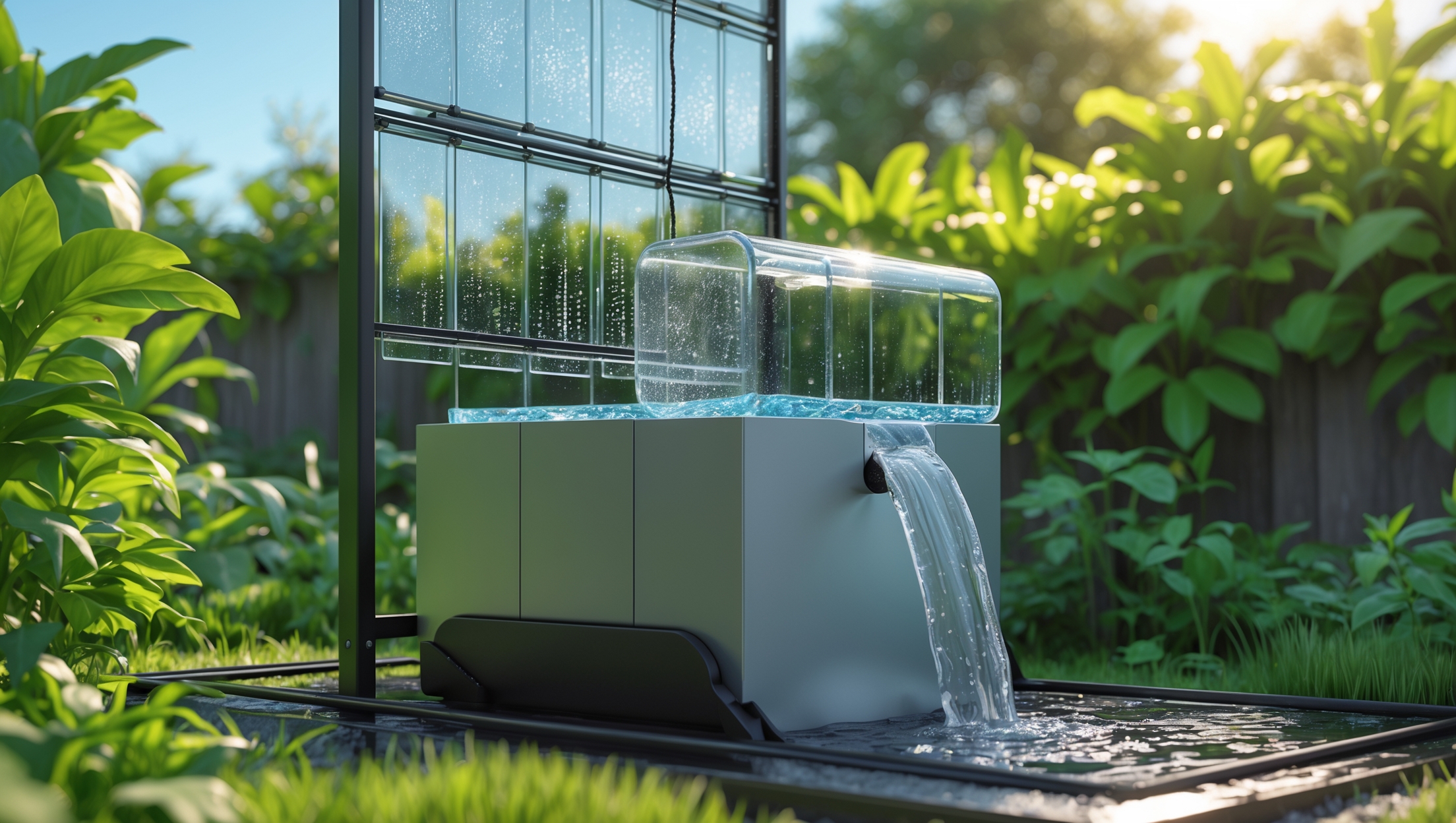
Solar water distillation units use solar energy to evaporate water, leaving contaminants behind. The vapor then condenses on a cool surface and collects in a separate chamber as purified water. These systems are typically composed of a transparent cover, evaporation basin, condensation surface, collection channel, and storage container.
Key Components Overview
- Transparent Cover: Usually glass or polycarbonate, lets sunlight in and traps heat.
- Evaporation Basin: Where raw water is poured and heated by solar energy.
- Condensation Surface: A sloped surface where vapor cools and condenses.
- Collection Channel: Guides the distilled water into a storage container.
- Seals and Gaskets: Prevent leaks and maintain internal temperature.
- Support Structure: Frames and stands that hold the unit in place.
Spring Maintenance Checklist
1. Inspect for Winter Damage
Winter’s freeze-thaw cycles can cause micro-cracks or stress fractures in transparent covers, basin linings, and seals. Carefully inspect all components for signs of damage, especially if your area experiences frost or snow.
- Check for cracks or clouding on the transparent cover.
- Examine all seals and gaskets for brittleness or gaps.
- Inspect the evaporation basin for warping or leaks.
2. Deep Clean All Surfaces
Dust, pollen, and debris accumulate during winter and early spring. Clean all surfaces to maximize sunlight penetration and condensation efficiency.
- Use a mild, non-abrasive soap and soft cloth for the transparent cover.
- Flush the evaporation basin and collection channels with clean water.
- Remove algae or biological growths with a vinegar solution if necessary.
3. Lubricate and Test Moving Parts
If your system has adjustable stands or sun-tracking components, lubricate hinges and check for rust or corrosion. Test all moving parts to ensure smooth operation.
4. Re-level and Reposition the Unit
Spring is a great time to re-level the system, especially if it sits on soil that may have shifted during winter. Ensure the unit is angled optimally for the coming months of increased sunlight.
Summer Maintenance Checklist
1. Maximize Sunlight Exposure
Summer brings longer days and stronger sunlight, but also the potential for overheating and algae blooms. Adjust the unit’s angle to capture maximum sun and consider shading the storage container if water temperature becomes excessive.
- Trim nearby plants or branches that may cast shade.
- Check for glare or hotspots on the condensation surface.
- Monitor water temperature regularly; excessively warm water can promote bacterial growth.
2. Prevent Algae and Biofilm
Warm temperatures accelerate algae and biofilm formation. Clean the evaporation basin and all wetted surfaces at least monthly with a brush and 1:10 vinegar-water solution.
3. Inspect and Protect Seals
Heat can degrade rubber seals and gaskets. Inspect them for softening, stickiness, or deformation. Replace components as needed to prevent leaks.
4. Monitor Water Output and Quality
Track daily output and sample the distilled water for taste and clarity. If you notice off-odors or cloudiness, repeat the cleaning process or inspect for system contamination.
Autumn Maintenance Checklist
1. Prepare for Reduced Sunlight
As days shorten, reposition the unit to maximize exposure to lower-angle sunlight. Remove any accumulated debris from summer storms.
- Adjust unit tilt based on autumn sun path.
- Clear fallen leaves and organic material from around the unit.
2. Inspect for Corrosion and Wear
Autumn moisture and falling temperatures can accelerate corrosion. Check all metal fasteners, frames, and support structures for rust or oxidation.
- Apply food-safe anti-corrosion spray to vulnerable areas.
- Tighten loose bolts and reinforce weak joints.
3. Deep Clean Before Winter
Perform a thorough system cleaning before the onset of winter. This prevents mold, mildew, and organic buildup during periods of lower use.
4. Test Drainage and Overflow Systems
Ensure all drainage channels and overflow outlets are clear. Blockages can cause flooding or ice buildup in winter.
Winter Maintenance Checklist
1. Protect Against Freezing
If you live in a region with freezing temperatures, take precautions to prevent ice damage. Drain the evaporation basin when freezing weather is forecast, and insulate exposed pipes or collection channels.
- Add removable foam or rubber insulation to external pipes.
- Use a tilt mechanism to drain standing water after each use.
2. Reduce Ice Accumulation
Ice can crack transparent covers and damage seals. If possible, use a soft brush to remove snow and ice buildup after storms. Avoid chipping or scraping, which may scratch surfaces.
3. Monitor for Condensation Issues
Low winter temperatures can reduce condensation efficiency. If practical, set up a temporary windbreak or enclosure to shield the unit from cold winds and maintain internal temperature.
4. Check for Wildlife Intrusion
In winter, small animals may seek warmth beneath or inside your unit. Inspect the support structure and cover vents or gaps with fine mesh as needed.
General Year-Round Maintenance Tips
- Keep Records: Maintain a logbook of all maintenance tasks, repairs, and water output levels.
- Monitor Water Quality: Test distilled water every few months for pH, clarity, and taste. Use test strips or send samples to a lab if contamination is suspected.
- Replace Worn Parts Promptly: Don’t delay replacing cracked covers, degraded seals, or corroded fasteners.
- Educate All Users: Ensure everyone in your household knows how to operate and maintain the system safely.
Troubleshooting Common Issues
Low Water Output
- Check for dirt or cloudiness on the transparent cover. Clean as needed.
- Ensure seals and gaskets are intact; leaks can reduce internal temperatures.
- Review the system’s orientation. Adjust tilt and position for optimal sun exposure.
Cloudy or Off-Tasting Water
- Deep clean the entire system, especially the condensation surface and collection channel.
- Check for algae or biofilm in the evaporation basin.
- Test source water for contaminants that may require pre-filtration.
Leaks and Drips
- Inspect all seals, gaskets, and junctions for wear or misalignment.
- Replace damaged components immediately to prevent further water loss.
Condensation Not Forming
- Confirm that the transparent cover and condensation surface are clean.
- Check for air leaks that could be reducing internal humidity.
- Ensure the evaporation basin has sufficient water and isn’t overheating or drying out.
Pro Tips for Extending System Lifespan
- Install a UV-resistant cover to reduce long-term sun damage.
- Opt for stainless steel or food-grade plastic components to prevent corrosion and leaching.
- Keep a spare set of seals, gaskets, and basic tools on hand for quick repairs.
- Consider integrating a pre-filter to reduce particulate load on the distillation unit.
- Schedule quarterly inspections, even if the system appears to be running smoothly.
Conclusion: Clean Water, All Year Long
Home-based solar water distillation units are a cornerstone of sustainable living, offering independence from municipal water supplies and reducing your environmental footprint. But like any investment in green technology, their performance and reliability depend on diligent, seasonally appropriate maintenance. By following the detailed checklists outlined above, you’ll prevent common problems, maximize water purity, and ensure your system operates efficiently through every season. Regular inspections, thorough cleaning, and timely part replacements are simple actions that yield years of worry-free, clean water. Remember to monitor water quality, keep detailed records, and educate household members on proper operation. With this proactive approach, your solar water distillation unit will continue to provide safe, eco-friendly water for your home—rain, shine, or snow. Embrace the rhythm of seasonal care, and you’ll enjoy the peace of mind that comes from true water security. Here’s to a greener, healthier future, one drop at a time.


Do you have any advice for dealing with hard water buildup in the evaporation basin? We have pretty mineral-rich well water, and I’m worried about scaling affecting the performance of the solar unit between seasonal cleanings.
Hard water can definitely cause scaling in the evaporation basin, which might reduce your solar unit’s efficiency. To help prevent buildup, rinse the basin with a vinegar solution every month or so instead of waiting for seasonal cleanings. If scaling is already present, gently scrub with a non-abrasive brush after soaking with vinegar. Regular light maintenance should keep mineral deposits under control and your unit running smoothly.
Could you elaborate on how to inspect and maintain the seals and gaskets in a solar water distillation unit, especially when dealing with fluctuating temperatures across different seasons?
To inspect seals and gaskets, check them visually each season for cracks, brittleness, or warping, especially after extreme temperature changes. Clean them gently to remove dust and mineral buildup. In colder months, ensure gaskets remain flexible by applying a food-grade silicone lubricant. Replace any seals that no longer fit snugly or show signs of damage to prevent leaks and maintain efficiency. Regular inspections after each season help catch issues early.
Are there any indicators during routine seasonal checks that suggest it might be time to replace the condensation surface or support structures, rather than just cleaning them?
Yes, during seasonal checks, you should look for signs like cracks, pitting, or persistent cloudiness on the condensation surface that doesn’t clear up after cleaning. For support structures, watch for rust, warping, weakened joints, or visible corrosion. If you notice these issues, it’s usually better to replace those parts to ensure your unit continues working efficiently and safely.
When doing the seasonal maintenance, is there a specific type of cleaning solution that’s safest to use on the transparent cover without damaging the material, especially for those with polycarbonate rather than glass components?
For polycarbonate covers, it’s best to use a gentle, non-abrasive cleaning solution—mild dish soap mixed with lukewarm water works well. Avoid products containing ammonia, alcohol, or harsh chemicals, as these can cause clouding or cracks in polycarbonate. Use a soft microfiber cloth, not anything abrasive, to preserve the clarity and integrity of the cover.
How often should the seals and gaskets be checked or replaced over the course of a year to prevent leaks, especially with temperature fluctuations mentioned in the article?
Seals and gaskets in solar water distillation units should be checked at least every three months, as seasonal temperature changes can cause them to wear or loosen. If you notice any cracks, brittleness, or leaks during inspections, replace them right away to ensure optimal performance. Regular checks, especially after extreme temperature shifts, help prevent water loss and maintain efficiency.
If I notice a drop in the amount of distilled water collected during cloudy seasons, are there quick troubleshooting steps I can try before considering upgrading any components?
Yes, if you see less distilled water during cloudy periods, first check for dirt or debris on the collector surface and clean it if needed. Make sure all seals are intact to prevent leaks or vapor loss. Also, verify that the unit is positioned for maximum sunlight. These steps often restore efficiency without needing upgrades.
I noticed you mention both glass and polycarbonate for the transparent covers. In your experience, is one material better at handling seasonal changes, especially freezing temperatures or hail?
Glass generally performs better than polycarbonate when it comes to handling freezing temperatures and resisting hail damage. Glass is less likely to crack from cold or become brittle over time, while some polycarbonate covers can yellow, warp, or get pitted from hail. However, polycarbonate is lighter and less prone to shattering, so it’s sometimes preferred in areas where heavy impacts are rare. For regions with harsh winters or frequent hail, glass is usually the more durable choice.
What’s the average cost or effort involved in completing the full seasonal checklist for solar water distillation units? I want to make sure I’m budgeting both time and money realistically to keep my system running well year-round.
Completing the full seasonal checklist for home-based solar water distillation units typically takes about 2–4 hours per season, depending on your familiarity with the system and its condition. Out-of-pocket costs are usually low—around $10–$30 per season for cleaning supplies, filters, or gasket replacements. Unless major repairs are needed, you can expect to manage most tasks with basic tools and household items.
Could you clarify what early warning signs homeowners should look for if their collection channel or storage container starts developing leaks, and is it better to patch these or replace the affected parts entirely?
Homeowners should watch for signs like unexplained drops in water collection, visible moisture or pooling around the unit, and dampness or discoloration near seals or seams. Small pinhole leaks or minor cracks can sometimes be patched as a temporary fix, but if the damage is extensive, recurring, or affects water quality, replacing the affected parts is safer and more reliable in the long run.
What are the typical costs for replacing key components like the evaporation basin or collection channel if they’re damaged during seasonal maintenance?
Replacing key components for home-based solar water distillation units can vary based on material and unit size. Typically, an evaporation basin might cost between $30 and $75, while a collection channel could range from $15 to $40. If you source parts locally or do basic repairs yourself, you could save on these costs. Always check compatibility with your unit’s model before purchasing replacements.
I noticed the article mentions extending the lifespan of the system. For families on a budget, are there parts that tend to wear out faster and should be prioritized for replacement over others, or is it best to replace several components at the same time each year?
For families watching their budget, it’s wise to focus on parts that are most exposed to wear. Typically, seals, gaskets, and any plastic tubing degrade faster due to heat and sunlight, so check and replace those as needed. The glass or transparent covers may also need attention if you notice cracks or clouding. You don’t need to replace all components yearly—just monitor the vulnerable ones and replace them individually when necessary.
If I notice a drop in purified water output, how can I determine whether it’s related to recent seasonal temperature shifts or a possible issue with seals and gaskets? Are there troubleshooting steps specific to these scenarios?
To figure out the cause of reduced water output, first check recent temperature patterns—colder or cloudier weather can naturally decrease distillation efficiency. If the weather hasn’t changed much, inspect your unit’s seals and gaskets for signs of wear, cracks, or leaks. Carefully feel around the edges for escaping steam or moisture. Cleaning the glass and panels can also help. If after these checks the output doesn’t improve, further inspection may be necessary.
I noticed you mentioned seals and gaskets as a key component. How often should those be replaced, and are there early signs of wear that I should watch for during seasonal checks?
Seals and gaskets in solar water distillation units generally last one to two years, but it’s a good idea to inspect them during each seasonal check. Early signs of wear include visible cracks, brittleness, warping, or any signs of leaks around the seals. If you notice these issues or if the material feels less flexible, it’s best to replace them to maintain efficiency and prevent water contamination.
Can you explain how temperature changes in winter might impact the seals and gaskets, and what preventive measures homeowners should take to avoid leaks?
Temperature drops in winter can make seals and gaskets in your solar water distillation unit more brittle and prone to shrinking, which increases the chances of leaks. To prevent this, regularly inspect seals and gaskets for cracks or stiffness, apply a suitable silicone lubricant to keep them flexible, and replace any worn parts before cold weather sets in. Ensuring all fittings are tight can also help maintain a good seal throughout winter.
I’m new to solar water distillation and I’m wondering how big of a difference seasonal temperature changes really make in the amount of distilled water produced. Should I expect a big drop in output during the winter months?
Seasonal temperature changes can have a significant impact on the amount of distilled water your solar unit produces. In winter, with fewer daylight hours and lower sun intensity, you’ll likely see a noticeable decrease in output compared to summer. For many users, winter production can drop to 30–50% of summer levels, so it’s a good idea to plan for this reduced yield during colder months.
I saw that sunlight levels can impact performance. Do you recommend any modifications or accessories to help maintain water output during months with less sun, or is adjusting the unit’s angle enough?
Adjusting the unit’s angle to capture as much sunlight as possible is a good first step, especially during months with lower sun angles. You might also consider adding reflective panels around the unit to direct more sunlight onto the distiller. Another helpful modification is using thermal insulation to minimize heat loss. These adjustments can help maintain water output even when sunlight is limited.
Could you provide more details on how different weather conditions, like heavy rain or extreme heat, might specifically impact the seals and gaskets mentioned in the system components? I want to make sure I’m checking the right places as we move through the seasons.
Heavy rain can cause seals and gaskets to swell or deteriorate if they aren’t properly waterproofed, leading to leaks at joints and lid edges. In extreme heat, rubber and silicone components might crack or become brittle, especially around transparent covers and connection points. As seasons change, pay close attention to any visible cracks, warping, or loss of flexibility in these areas and make sure to inspect corners, access hatches, and any spot where materials join.
Do you have any tips for cleaning the transparent cover and condensation surface, especially during pollen season in spring? I find buildup can really affect how much distilled water we get, and I worry about scratching the glass if I use the wrong materials.
For cleaning the transparent cover and condensation surfaces during pollen season, use a soft microfiber cloth with lukewarm water. If buildup is stubborn, add a drop of mild dish soap. Avoid abrasive pads or strong chemicals, as these can scratch or cloud the glass or plastic. Rinse thoroughly and gently dry with a lint-free cloth to prevent streaks. Cleaning every week during heavy pollen periods can help maintain peak distillation efficiency.
Could you clarify how to clean the condensation surface without scratching or damaging it? I have a polycarbonate cover and worry about reducing its effectiveness over time, especially after winter buildup.
To clean a polycarbonate condensation surface safely, use a soft microfiber cloth and a solution of mild soap diluted in lukewarm water. Gently wipe the surface without applying much pressure. Avoid using abrasive pads, harsh chemicals, or any cleaning products with ammonia, as these can scratch or cloud the polycarbonate. After cleaning, rinse with clean water and let it air dry or use a soft, lint-free cloth for drying.
For someone on a tight budget, which seasonal maintenance steps are the most critical to focus on, and which tasks could possibly be done less frequently without risking contaminated water?
If you’re on a tight budget, prioritize cleaning and inspecting the collection and evaporation surfaces every season, as buildup can directly impact water purity. Also, check for and repair any leaks in the system. Tasks like frame repainting or replacing non-essential seals can be done less frequently, as they don’t immediately affect water quality or safety.
For someone on a tight budget, are there any lower-cost DIY maintenance steps you would recommend to keep a solar water distillation system running smoothly between the main seasonal checkups?
Absolutely, there are several budget-friendly maintenance tasks you can do yourself. Regularly wipe down the glass cover to maximize sunlight absorption, clear away any dust or debris from the unit’s surface, and inspect for small leaks or cracks in the seal using soapy water. Also, flush out the collection basin with clean water every few weeks to prevent mineral buildup, which helps the system stay efficient between thorough seasonal checkups.
Is there a budget-friendly way to upgrade or insulate the support structure so it lasts longer, especially during seasons with heavy rain or frequent temperature swings?
A budget-friendly way to upgrade your solar distillation unit’s support structure is to use weather-resistant paints or sealants on wood or metal parts, which helps block moisture and prevent rust or rot. For extra insulation, you can wrap exposed areas with foam pipe insulation or recycled rubber mats. Regularly checking for loose joints and tightening bolts also extends the lifespan, especially in areas with harsh weather.
What are the signs that the condensation surface isn’t working as it should, and how can I troubleshoot issues with poor water collection during seasonal transitions?
If the condensation surface isn’t working properly, you might notice reduced water output, visible fogging or scaling, or droplets not forming and running down as usual. To troubleshoot, check for dirt or mineral buildup and clean the surface gently. Ensure the surface is cool enough for condensation and that seals around the unit are tight to prevent warm air leaks. During seasonal changes, temperature and humidity shifts may also impact efficiency, so monitor these conditions and adjust placement or insulation as needed.
If the water output from my solar distillation unit suddenly drops, which component should I check first according to your seasonal checklist?
If you notice a sudden drop in water output, the first component to check according to the seasonal checklist is the condenser surface. Make sure it is clean and free from debris or mineral buildup, as this can significantly reduce condensation efficiency and water collection. Cleaning or clearing the condenser often restores normal function.
About maximizing efficiency during seasonal sunlight changes, do you recommend repositioning the unit or adjusting its angle in summer versus winter? If so, how significant is the impact on daily water output?
Yes, adjusting the angle of your solar distillation unit with the changing seasons can make a noticeable difference in efficiency. In summer, a lower tilt matches the sun’s higher path, while in winter, a steeper angle captures more sunlight. This repositioning can improve daily water output by 10–25%, especially in regions with marked seasonal sunlight shifts. Regularly checking and adjusting the angle is a simple way to maximize your yield year-round.
With changing sunlight levels throughout the year, do you recommend adjusting the orientation or position of the solar distillation unit during certain seasons for better performance?
Yes, adjusting the orientation or position of your solar distillation unit can improve its efficiency as sunlight angles change with the seasons. In most regions, tilting the unit more steeply in winter helps capture lower-angle sunlight, while a flatter angle works better during summer. If your unit is portable or adjustable, try to position it so it faces the sun as directly as possible throughout the year for optimal performance.
The article lists a transparent cover as a key component—do you recommend any particular material (glass versus polycarbonate) for areas with frequent hail or storms, both for durability and efficiency?
For regions with frequent hail or storms, polycarbonate is generally the better choice for the transparent cover. It offers excellent impact resistance and is much less likely to crack or shatter compared to glass. While glass is slightly more efficient in transmitting sunlight, modern polycarbonate panels are quite effective and provide much greater durability, making them a safer long-term option in harsh weather conditions.
Since the condensation surface plays a big role in water purity, do you recommend any specific cleaning agents that won’t damage polycarbonate or glass covers, especially in areas with hard water deposits?
For cleaning polycarbonate or glass covers, especially with hard water deposits, use a mild vinegar solution (one part white vinegar to three parts water) to dissolve mineral buildup. Avoid abrasive pads and strong chemicals, as these can scratch or cloud the surface. After cleaning, rinse thoroughly with distilled water to prevent any residue and maintain water purity.
Can you share troubleshooting tips for common issues that might pop up during seasonal changes, like unexpected drops in water output or minor leaks around the transparent cover?
Sudden drops in water output can often be caused by reduced sunlight, dirty glass covers, or mineral buildup on the condenser surface—so clean the cover and condenser regularly. For minor leaks around the transparent cover, check the seals or gaskets for wear and reseat or replace them if needed. Tighten any loose fittings, and use waterproof silicone to seal small gaps. Inspect your unit each season for these issues to maintain efficiency.
When performing seasonal maintenance, what are some signs that the seals and gaskets might need to be replaced rather than just cleaned, especially after a harsh winter?
When inspecting seals and gaskets after a harsh winter, look for signs like visible cracks, brittleness, warping, or areas where the material feels loose rather than snug. If you notice leaks around the joints or if the gaskets remain deformed even after cleaning, it’s usually best to replace them. Discoloration or persistent mold can also mean they’re no longer sealing effectively.
How often would you recommend a thorough inspection of the support structure, especially in regions with heavy spring storms? Are there particular signs of wear or instability to watch for that could affect system safety or water purity?
In areas prone to heavy spring storms, it’s best to thoroughly inspect the support structure at least every three months, and especially after any major weather event. Watch for loose bolts, corrosion, cracks, or signs of bending in the frame. Any rust, shifting, or instability can compromise both safety and the purity of your distilled water, so address these issues promptly.
I’m a bit worried about harsh winters in my area. Are there specific steps I should take to protect the transparent cover and support structure from snow or ice buildup during colder months?
To protect your solar distillation unit in harsh winters, regularly clear snow and ice from the transparent cover to prevent damage or warping. Inspect the support structure for any signs of stress or bending caused by heavy accumulation. If possible, tilt the unit to help snow slide off more easily, and check that all fastenings are secure. Consider using a cover or tarp when the system is not in use to add an extra layer of protection.
If sunlight levels are lower in winter, does the checklist suggest any adjustments to the positioning or angle of the unit to ensure efficient water purification?
Yes, the checklist does recommend adjusting the positioning and angle of your solar water distillation unit during winter. It suggests tilting the unit more steeply to better capture the lower-angle sunlight and placing it in the sunniest available spot. These steps help maintain efficient water purification even when sunlight levels drop.
The article mentions that environmental factors and sunlight levels affect performance. During cloudy weeks or in low-sunlight seasons, are there recommended adjustments or temporary fixes to maintain consistent water output?
During cloudy weeks or low-sunlight seasons, you can boost your unit’s output by pre-warming the water before it enters the system, using reflective materials to direct extra sunlight onto the distiller, or temporarily increasing the number of units you use. Also, regularly check and clean the glass surfaces to maximize light absorption. These small adjustments help maintain a more consistent water supply when sunlight is limited.
Could you explain what kind of cleaning products or tools are safe to use on the transparent cover and evaporation basin to avoid damaging them over time?
For cleaning the transparent cover and evaporation basin, it’s best to use mild dish soap diluted in warm water and a soft, non-abrasive sponge or microfiber cloth. Avoid harsh chemicals, bleach, or scrubbing pads, as these can scratch or degrade the surfaces over time. Rinse thoroughly with clean water after cleaning, and gently dry with a soft cloth to prevent water spots.
I’m curious how the performance of these solar water distillation systems changes with seasons that get a lot of cloudy or overcast days. Would I need to supplement with another method during fall and winter, or is there an efficient way to boost output?
Solar water distillation units do experience reduced efficiency during cloudy or overcast seasons, as they rely on direct sunlight. In fall and winter, output will likely drop, so it’s wise to have a backup water purification method, such as a filtration system or boiling water. You can boost output somewhat by insulating the distiller, using mirrors to reflect more light onto it, or pre-warming the water, but these improvements won’t fully match sunny-day performance.
If the distilled water starts tasting odd or has a strange odor, what troubleshooting steps should I take first before calling a professional? Does the article cover any common sources for these types of issues?
If your distilled water develops an unusual taste or odor, start by cleaning the collection container and all surfaces that contact the water, as buildup or residue is a common cause. Check the distillation chamber for biofilm or mineral deposits and clean it thoroughly. The article also mentions that replacing filters and regularly inspecting seals can help address these problems before seeking professional help.
Our evaporation basin tends to develop mineral buildup by late summer. Does your checklist suggest any specific cleaning products or techniques that are safe for solar distillation units and won’t damage the materials?
The checklist suggests using a soft brush or non-abrasive sponge to gently remove mineral buildup from the evaporation basin. For tougher deposits, a solution of white vinegar diluted with water is effective and safe for most solar distillation units. Avoid harsh chemicals or abrasive tools, as these could damage the unit’s materials. After cleaning, rinse thoroughly to remove any residue.
Is there much difference in efficiency between using a glass versus a polycarbonate transparent cover, especially in climates with harsher winters? I’m curious if one holds up better over multiple seasons or affects how often I need to perform maintenance.
Glass covers generally offer better thermal insulation and allow more sunlight through, making solar distillation units slightly more efficient—especially important in harsher winters. Glass also resists discoloration and scratching over time, so maintenance is usually less frequent. Polycarbonate is lighter and more impact-resistant, but can yellow or degrade faster, which may mean more regular cleaning or replacement. For long-term durability and minimal upkeep in tough climates, glass is often the better choice.
If I want to upgrade the transparent cover to a different material, like switching from polycarbonate to glass, what impact would that have on efficiency and maintenance needs throughout the seasons?
Switching from polycarbonate to glass can improve light transmission, which may boost your distillation efficiency, especially in low-light conditions. Glass is more resistant to scratching and UV degradation, so it’s likely to need less frequent replacement. However, glass is heavier and can be more fragile, so you’ll need to ensure it’s well-supported and check for cracks, especially after storms or temperature changes.
For households in areas with variable sunlight throughout the year, do you recommend any adjustments to the condensation surface or support structure to maintain optimal water output in different seasons?
In regions with variable sunlight, it’s helpful to adjust the angle of the condensation surface seasonally. Tilting it more steeply in winter can capture lower-angle sunlight, while a flatter angle works well in summer. Also, ensure the support structure is stable and allows easy angle changes. Regularly check for debris or wear, especially after storms or heavy weather, to keep the system efficient year-round.
The article mentions the importance of the transparent cover for optimal solar absorption. Are there recommended cleaning methods or products that help maintain the clarity of glass versus polycarbonate without causing damage or reducing efficiency?
For glass covers, use a soft cloth with mild soapy water and avoid abrasive pads or strong chemicals that might scratch or leave residues. For polycarbonate, stick to lukewarm water with a small amount of mild detergent, and never use ammonia-based cleaners, as these can cloud or degrade the material. Rinse both materials well and dry with a microfiber cloth to prevent streaks and water spots.
Could you clarify what kind of cleaning solution is best for the transparent cover and evaporation basin to avoid damaging the material while ensuring optimal sunlight penetration?
For cleaning both the transparent cover and the evaporation basin, use a mild solution of warm water mixed with a few drops of gentle dish soap. Avoid abrasive cleaners, harsh chemicals, or rough sponges, as these can scratch the surfaces or degrade plastic materials. Rinse thoroughly with clean water to remove any soap residue, ensuring the surfaces remain clear for maximum sunlight penetration.
Are there budget-friendly materials or DIY tips for maintaining the evaporation basin or condensation surface, especially if I notice mineral buildup or discoloration after a season?
If you notice mineral buildup or discoloration, a simple and budget-friendly way to clean the evaporation basin or condensation surface is to use a mix of white vinegar and water. Let it soak for a while, then scrub gently with a soft brush or cloth. For DIY maintenance, consider using food-grade silicone sealant for any leaks, and replace worn plastic sheets with inexpensive, UV-resistant clear plastic from a hardware store.
Is there a way to temporarily boost the efficiency of my solar water distillation unit during stretches of cloudy or low sunlight days, or should I stick to the normal seasonal maintenance and hope for better weather?
You can temporarily boost your solar distillation unit’s efficiency during cloudy periods by adding heat-retaining materials, such as black stones or thermal mass, inside the distiller to help absorb and store heat. You might also try using reflective surfaces around the unit to direct more available light into it. While these steps help, regular seasonal maintenance is still important for long-term performance.
Is there a recommended budget range for annual maintenance and replacement of parts like the condensation surface or collection channel? Trying to plan ahead so there aren’t any surprise expenses.
For a home-based solar water distillation unit, you can generally expect to budget between $50 and $150 per year for maintenance and replacement parts. This covers cleaning supplies, occasional replacement of the condensation surface, and any minor repairs to the collection channel. If your system uses specialized materials or has larger components, costs may be at the higher end. Planning within this range should help you avoid unexpected expenses.
If I notice a drop in the amount of distilled water being produced as we move from spring to summer, could that be due to issues with the seals and gaskets, or is it more likely sunlight-related?
A drop in distilled water output can be caused by both sunlight changes and issues with seals and gaskets. While summer usually means more sunlight, extreme heat can sometimes warp or degrade gaskets and seals, leading to vapor leaks and reduced efficiency. It’s a good idea to inspect all seals for wear or gaps, and also check that there’s no shading or buildup on the solar collector affecting sunlight exposure.
What signs should I look for over the changing seasons that might indicate my support structure is becoming unstable or compromised? I’m nervous about storms in spring affecting the overall safety of my setup.
You should check for signs like loose bolts or fasteners, rust or corrosion on metal parts, warping or cracking in wooden supports, and any noticeable leaning or shifting of the structure. After strong winds or storms, inspect for bent frames, unusual vibrations, or any parts that look misaligned. Address these issues quickly to maintain safety and stability, especially in unpredictable spring weather.
Is there a recommended way to clean the condensation surface without risking scratches or damage, especially since the transparent cover is usually glass or polycarbonate?
To clean the condensation surface safely, use a soft microfiber cloth and a mixture of mild soap with lukewarm water. Avoid harsh chemicals and abrasive pads, as these can scratch both glass and polycarbonate. For stubborn spots, soaking with the soapy solution before gently wiping usually helps. Always dry with a clean, lint-free cloth to prevent water spots.
I see the checklist mentions the transparent cover—do you recommend a specific way to clean polycarbonate versus glass covers, especially to avoid scratching or damaging the material as seasons change?
For polycarbonate covers, use a soft microfiber cloth with mild soap and lukewarm water, avoiding abrasive sponges or cleaners, as polycarbonate scratches easily. For glass covers, you can use standard glass cleaner and a soft cloth, as glass is less prone to scratching. Regular gentle cleaning helps maintain efficiency and extends the lifespan of both materials.
What should I do if my collection channel has developed a slight leak? Are there particular sealants or repair methods that work best for home-based solar distillation units without affecting the purity of the water?
If your collection channel has a slight leak, first make sure the area is dry and clean before repairing. Use a food-grade silicone sealant, as it’s safe for water contact and won’t contaminate your distilled water. Apply the sealant along the crack or leak and let it cure fully as instructed by the manufacturer. Avoid regular household sealants, as they may leach chemicals. For larger cracks, consider replacing the affected section if possible.
I see the checklist covers spring maintenance tasks, but do the cleaning routines or inspection steps differ a lot if you live in a really humid area versus a dry climate? I’m curious how regional differences affect seasonal upkeep for these solar distillers.
Regional climate does make a difference in how you approach maintenance. In humid areas, it’s important to check for mold or algae growth inside and around the distiller, so cleaning might need to be more frequent and thorough. In dry climates, dust buildup is a bigger issue, so you’ll want to focus on keeping the panels and surfaces clear of debris. Inspections for cracks or leaks remain important in any climate, but the specifics of what you clean or monitor most closely can shift based on local conditions.
For areas with harsh winters, do you have recommendations on protecting the seals and gaskets from cracking or becoming brittle between seasons? I noticed these are key components for preventing leaks, but I’m not sure what materials hold up best over time.
In regions with harsh winters, silicone and EPDM (ethylene propylene diene monomer) are the most reliable materials for seals and gaskets, as they resist cracking and brittleness in low temperatures. To further protect them, consider applying a thin layer of silicone grease before winter and storing portable units indoors when not in use. Regularly inspect for wear before and after the cold season to catch any early signs of degradation.
Do you have recommendations for affordable replacement parts, especially for things like the transparent cover or condensation surface, in case those get damaged while I’m doing seasonal maintenance?
For affordable replacement parts like transparent covers or condensation surfaces, you can often use clear polycarbonate or acrylic sheets from local hardware stores, which are durable and easy to cut to size. Food-grade glass panels are another good option if you prefer. Just ensure the material you choose is UV-resistant and safe for water contact. For condensation surfaces, stainless steel trays or even aluminum sheets can work well and are usually budget-friendly.
How often should I replace or check the seals and gaskets on my solar water distillation unit, especially as temperatures fluctuate with the seasons?
It’s a good idea to inspect the seals and gaskets on your solar water distillation unit at the start of each new season, as temperature changes can cause them to expand, contract, or wear out. If you notice cracking, stiffness, or leaks, replace them right away. Regular checks, at least four times a year, help maintain efficiency and prevent water contamination.
I’m curious about the seals and gaskets mentioned in the checklist. How often do these typically need to be checked or replaced, and are there particular signs of wear that I should look for as seasons change?
Seals and gaskets in solar water distillation units should be inspected every season, ideally at the start of each major weather change. Look for cracks, brittleness, warping, or any loss of flexibility. If you notice leaks or the gasket feels hard instead of supple, it’s time to replace them. Regular checks help prevent efficiency loss and water contamination.
If I notice a decrease in water output during a particular season, which part of the solar distillation unit should I check first based on your checklist? Is it more likely to be an issue with the transparent cover or the condensation surface?
If you notice a drop in water output during certain seasons, the transparent cover is the first part to check. Dirt, dust, or condensation on the cover can block sunlight and reduce efficiency. Clean the cover thoroughly and make sure it is free from obstructions. If the issue persists after cleaning, then inspect the condensation surface for buildup or damage.
Could you clarify how much the support structure is impacted by heavy winds or storms? Is reinforcement needed each year, or just after severe weather events? I’m concerned about seasonal durability in an area with harsh winters.
Heavy winds and storms can definitely stress the support structure of your solar water distillation unit, especially in regions with harsh winters. It’s wise to inspect and reinforce the structure after any major storm or wind event. Annual reinforcement is also a good practice, as regular wear from seasonal changes can weaken components over time. This proactive approach will help maintain durability and keep your unit operating safely.
Does following all the seasonal tasks in your checklist require any special tools or materials the average homeowner might not have on hand? I’m trying to budget what I’ll need for yearly upkeep.
Most of the seasonal maintenance tasks can be handled with common household tools, such as a screwdriver, soft brush, vinegar for cleaning, and a garden hose. You might need a silicone sealant for occasional resealing of joints and weatherproof tape, but these are inexpensive and easy to find at hardware stores. No specialized equipment is necessary, so your yearly upkeep costs should be modest.
For someone on a tight budget, are there any essential maintenance tasks that simply can’t be skipped seasonally, and which ones could be done less often without risking water purity or damaging the system?
If you’re on a tight budget, don’t skip cleaning the collector surfaces and checking for leaks each season—these are vital to keep your system efficient and your water safe. Tasks like deep cleaning or replacing some minor seals can be done less frequently, as long as you monitor for clear signs of wear or build-up. Prioritize anything that directly affects water flow or exposure to sunlight.
Do the frames and support structures of these units require weatherproofing treatments, especially in regions with heavy snowfall or rain, or are they generally maintenance-free aside from basic inspections?
The frames and support structures usually do need weatherproofing treatments, particularly in areas prone to heavy snow or rain. Materials like wood or untreated metal can deteriorate if left exposed. It’s recommended to apply sealants, paint, or use rust-resistant coatings as needed. While basic inspections are important, some periodic maintenance beyond just inspections helps extend the unit’s durability and efficiency.
Do you have any budget-friendly tips for repairing or replacing support structure components if I start noticing rust or instability during my seasonal check?
If you notice rust or instability in your solar distillation unit’s support structure, consider using galvanized steel or aluminum as replacements, since they resist rust and are often affordable. For minor repairs, sanding away rust spots and applying rust-resistant paint can extend the life of existing parts. Reinforce wobbly sections with weather-resistant wood or PVC piping, both of which are typically low-cost. Regular touch-ups and prompt attention to small problems can help avoid bigger expenses later.
What kind of cleaning routine would you recommend for the condensation surface, particularly if we have a lot of pollen or dust in our area during certain seasons?
For areas with a lot of pollen or dust, it’s best to clean the condensation surface at least once a week during peak seasons. Use a soft, damp cloth or a sponge with mild soap and warm water to gently wipe away buildup. Avoid abrasive cleaners or brushes that could scratch the surface. If buildup is heavy, rinse thoroughly and let the surface dry before reassembling. Regular cleaning will keep your unit efficient and prolong its lifespan.
If the distilled water output suddenly drops, which part of the unit would you suggest troubleshooting first—the transparent cover, the condensation surface, or the collection channel? Any tips for pinpointing the source quickly would be helpful.
If your distilled water output suddenly drops, start by checking the transparent cover first. Dirt or cloudiness on the cover can block sunlight and reduce evaporation. Next, inspect the condensation surface for buildup or blockages that could affect water collection. Finally, look at the collection channel for leaks or obstructions. Checking each part quickly in this order often helps pinpoint issues efficiently.
If I notice a drop in the amount of distilled water collected during the summer, what are the first troubleshooting steps you would recommend based on the seasonal checklist provided?
If you notice reduced distilled water output in summer, first check for any dirt or mineral buildup on the solar panels or glass covers, as these can block sunlight. Make sure the water input is steady and the seals are intact to prevent vapor leaks. Also, inspect for any obstructions that might be casting shade over the unit during peak sunlight hours.
Is it necessary to completely drain the storage container between seasons, or can water be safely left inside as long as the unit is regularly maintained? I want to avoid bacteria growth but also reduce hassle.
You don’t always need to completely drain the storage container between seasons if you’re keeping up with regular cleaning and inspections. However, if the unit won’t be used for an extended period, it’s a good idea to drain and dry the container to prevent bacteria or algae growth. For ongoing use, thorough cleaning and occasional flushing with clean water should be enough to keep it safe.
If I notice that the distilled water output drops suddenly even though sunlight hasn’t changed much, which component should I troubleshoot first according to your seasonal checklist?
If your distilled water output drops suddenly while sunlight levels remain steady, start by checking the glass or transparent cover for dirt, dust, or residue buildup. According to the checklist, a dirty cover can significantly reduce efficiency. Clean it thoroughly and see if the output improves before inspecting other components like seals or collection trays.
In the article, you mention that seals and gaskets are important for preventing leaks. How often should I expect to replace these parts, and are there any signs I should watch out for that indicate they’re starting to fail?
Seals and gaskets typically need to be checked every 6 to 12 months, as part of your regular maintenance routine. You should look for signs like cracking, discoloration, brittleness, or any water leaks around the joints. If you notice any of these issues or if the material feels stiff instead of flexible, it’s a good idea to replace the affected parts to ensure your unit stays leak-free.
For homeowners on a tight budget, which seasonal maintenance tasks would you consider absolutely essential for keeping the solar distillation unit running efficiently, and which ones can be safely postponed?
For homeowners watching their budget, focus on essential tasks like regularly cleaning the glass surfaces, checking for leaks or cracks, and clearing away any debris from the panels each season. These steps directly affect efficiency. Tasks like repainting the frame or replacing minor non-leaking seals can often be postponed unless deterioration becomes visible. Prioritizing cleanliness and structural integrity will keep your unit working well without unnecessary expenses.
When doing seasonal maintenance on a solar water distillation unit, what should I look for to know if the seals and gaskets are starting to fail? Are there specific signs during different seasons?
When inspecting seals and gaskets during seasonal maintenance, check for cracks, brittleness, or any warping—these are signs of wear. In colder months, look for hardening or shrinkage, while in hot weather, rubber may become soft or sticky. Also, watch for leaks around the joints or a drop in distillation efficiency, which can indicate seal problems. Regular cleaning and gentle handling help extend their lifespan.
What are some early signs that the condensation surface isn’t functioning properly? I want to make sure I can spot performance issues before they start impacting the quality of my distilled water.
Some early signs that the condensation surface isn’t working properly include visible mineral or salt buildup, cloudiness, or residue on the surface. You might also notice a slower rate of distilled water collection or water droplets forming unevenly or not at all. Regularly inspect the surface for these issues, and clean it as needed to maintain efficiency and water quality.
Are there specific cleaning products or methods recommended for the evaporation basin to avoid introducing contaminants as part of seasonal maintenance?
For cleaning the evaporation basin, it’s best to use mild, non-abrasive cleaners like diluted white vinegar or a gentle dish soap. Avoid harsh chemicals or scented cleaners, as these can leave residues that contaminate distilled water. Use a soft sponge or cloth to clean the surface, then rinse thoroughly with clean water to remove any cleaning agent before use.
If my home-based unit isn’t producing as much purified water during colder months, is there a way to boost its performance without investing in major upgrades? Any practical tips would be appreciated.
You can improve your unit’s efficiency in colder months by maximizing sun exposure—move the distillation unit to the sunniest spot available and keep its glass or plastic cover clean. Tilting the unit to match the sun’s lower winter angle can help, as can insulating the sides and base with foam or blankets to reduce heat loss. These small adjustments can boost performance without major investments.
What’s the best way to clean the transparent cover without scratching it or reducing its ability to trap heat? I noticed that sunlight levels fluctuate a lot in my area, so I want to make sure I’m not hindering performance.
To clean the transparent cover safely, use a soft microfiber cloth dampened with lukewarm water. Gently wipe away dust or smudges—avoid abrasive sponges or harsh cleaners, as these can scratch the surface or leave residue that reduces sunlight transmission. If buildup is stubborn, a mild dish soap solution works well. Always rinse thoroughly and dry with a clean cloth to keep light absorption at its best.
I noticed support structure durability is briefly mentioned. Are there any tips for reinforcing the frame or stands, especially in areas prone to strong winds or heavy spring storms?
Reinforcing the frame or stands is important in storm-prone areas. You can use galvanized steel or treated wood for added strength, and anchor the base securely into concrete or heavy pavers. Adding diagonal bracing or crossbars helps resist wind forces. Regularly check for rust, loose bolts, or cracked welds, and tighten or replace hardware as needed to keep the structure sturdy.
You mention that the transparent cover is usually glass or polycarbonate. Is one material better suited for handling temperature changes throughout the year, or do they have different maintenance requirements?
Glass covers generally handle temperature changes better because they are less likely to warp or discolor over time, but they can be heavier and more fragile. Polycarbonate is lighter and more impact-resistant, but it may scratch more easily and can degrade with prolonged UV exposure, which might require periodic cleaning or replacement. Maintenance for glass is mostly about keeping it clean and checking for cracks, while polycarbonate may need UV protection and scratch management.
How often should the condensation surface and collection channel be cleaned throughout the year, and does this frequency change based on geographic location or climate?
The condensation surface and collection channel should typically be cleaned every 1 to 2 months to ensure optimal efficiency. However, if you live in an area with high dust, pollen, or frequent storms, you may need to clean them more often—possibly monthly or even bi-weekly. In humid or wet climates, algae or mineral buildup might mean more frequent cleaning as well. Adjust your schedule based on how quickly you notice buildup or reduced water output.
Do you have any recommendations for the best way to check and replace seals and gaskets in these units? I’m concerned about potential leaks, especially after a harsh winter.
To check seals and gaskets, inspect them closely for cracks, brittleness, or deformation—these are common after freezing temperatures. Gently press on the gasket to test flexibility; stiff or crumbling parts should be replaced. Always use gasket material recommended by your unit’s manufacturer. When replacing, ensure the surfaces are clean and dry, then align the new gasket carefully to avoid gaps. Regularly checking after each season will help prevent leaks and prolong your unit’s lifespan.
Is there a budget-friendly way to replace or maintain the transparent cover if it gets scratched or clouded over time? The article mentions glass and polycarbonate—does one material last longer through seasonal changes?
If the transparent cover gets scratched or cloudy, you can often polish polycarbonate covers with a mild abrasive polish to restore clarity, making it a budget-friendly fix. Glass, on the other hand, is more scratch-resistant and tends to last longer through seasonal changes but can be more expensive to replace if broken. If replacement is needed, polycarbonate sheets are usually cheaper and easier to cut to size at home.
If sunlight levels drop for a few weeks due to cloudy weather, will the distillation process slow down significantly, or can the system still provide enough clean water for a small household?
If sunlight levels drop for a few weeks, the distillation process will slow down since these units rely on solar energy to evaporate water. Output could be significantly reduced, especially during prolonged cloudy periods. While you may still get some clean water, it might not be enough for all household needs, so it’s wise to store extra distilled water in advance or have a backup water source for such times.
Our water sometimes has a slightly off taste after heavy rains. Are there specific seasonal maintenance steps that address water quality concerns related to storm runoff, or do you recommend additional water testing during those times?
Heavy rains can sometimes introduce more contaminants into your source water, which may affect the taste after distillation. During rainy seasons, it’s a good idea to clean your intake filters and distillation chamber more frequently, and check for any buildup or residue. Additional water testing after storms is also recommended to ensure your distillation unit is effectively removing new impurities introduced by runoff.
For homeowners on a tight budget, are there any low-cost ways to check or replace the seals and gaskets mentioned in the checklist, or is it better to invest in higher-end replacements?
If you’re on a tight budget, you can often check seals and gaskets yourself by looking for cracks, brittleness, or leaks. For replacements, basic rubber weatherstripping or silicone sealant from a hardware store can work well as affordable substitutes. Just make sure the materials are heat-resistant and safe for water use. Investing in higher-end replacements can last longer, but many budget-friendly options perform well with regular inspection and maintenance.
If sunlight levels drop significantly in the fall and winter, is it safe to use supplemental heating, or does that undermine the eco-friendly aspect of these units? Are there best practices for maximizing efficiency during cloudy months?
Using supplemental heating with fossil fuels would reduce the environmental benefits of your solar distillation unit. If extra heat is needed, consider eco-friendly options like solar thermal collectors or heat pumps powered by renewable energy. To maximize efficiency in cloudy months, keep the distiller’s glass clean, use insulation to retain warmth, and angle the unit toward the winter sun. Pre-warming water indoors can also help improve output during colder periods.
Are there any budget-friendly tips for maximizing the lifespan of the collection channel and condensation surface, especially for families trying to keep annual maintenance costs down?
To extend the lifespan of the collection channel and condensation surface without overspending, regularly clean both with mild soap and soft cloths to prevent mineral buildup. Cover components when not in use to protect from debris and UV damage. Inspect for leaks or cracks and use affordable, food-safe sealants for small repairs instead of replacing parts. Avoid harsh chemicals, as they can degrade surfaces over time.
I’m curious about the maintenance differences between units with glass covers and those using polycarbonate. Does one material require more frequent cleaning or care over the seasons to maintain peak efficiency?
Glass covers typically require less frequent cleaning than polycarbonate, as glass is less prone to scratching and doesn’t attract as much dust or static. Polycarbonate, on the other hand, can develop surface scratches and may become cloudy over time, so it benefits from gentler, more regular cleaning to keep light transmission high. In general, glass is easier to maintain seasonally, but both materials will need extra attention during pollen-heavy or dusty months.
For households in regions with big temperature swings between seasons, should we be adjusting the setup or coverage of the unit, or is it fine to leave it in the same spot year-round?
In areas with significant temperature swings, it’s a good idea to adjust the placement or coverage of your solar water distillation unit seasonally. During colder months, move the unit to maximize sun exposure and consider adding insulation to reduce heat loss. In hot weather, ensure there is adequate ventilation to prevent overheating. Regular adjustments can help maintain efficiency throughout the year.
How do changing sunlight levels throughout the year impact the purification rate? I’d like to know if I should expect lower water output in winter or if there are ways to adjust the unit for better efficiency during those months.
Changing sunlight levels do affect the purification rate of solar water distillation units. In winter, with shorter days and lower sun angles, you can expect reduced water output. To offset this, try repositioning your unit to maximize sun exposure, clearing any obstructions, and adding thermal insulation around the base. Some users also use reflectors to direct more sunlight onto the unit, which can help boost efficiency during the colder months.
Since sunlight levels change throughout the year, are there any tips for optimizing the orientation or angle of the solar distillation unit as the seasons shift to maintain peak efficiency?
Adjusting your solar distillation unit’s angle with the seasons will help keep efficiency high. In winter, tilt the unit so it faces the sun more directly, usually at a steeper angle. In summer, a flatter angle works better since the sun is higher in the sky. Reposition the unit every few months to match the sun’s changing path, and make sure there’s no shade blocking sunlight during peak hours.
If a seal or gasket starts to show minor wear, is it possible to patch it up temporarily, or should it be replaced immediately to ensure the unit stays efficient?
If you notice minor wear on a seal or gasket, you can apply a temporary patch using food-safe silicone sealant or weatherproof tape to prevent leaks. However, replacing the worn part as soon as possible is best to maintain the unit’s efficiency and avoid potential water contamination or energy loss.
If sunlight levels drop significantly during winter months in my area, do you have any tips for maintaining water output or supplementing the distillation process to make sure I still have enough purified water?
If sunlight is limited during winter, try insulating your distillation unit to retain heat and use reflective surfaces to direct more sunlight onto the collector. You can also pre-filter water to prevent sediment buildup, which can lower efficiency. As a backup, consider using a small electric heater or kettle to distill additional water when solar output isn’t enough, especially for times when purified water is essential.
Could you give more details on what to look for when inspecting the seals and gaskets each spring? I want to make sure I’m catching leaks or potential problems before they affect water purity.
When inspecting seals and gaskets each spring, check for any cracks, hardening, or visible wear. Press gently to see if the material still feels flexible and not brittle. Look for signs of discoloration, mold, or mineral buildup, which could indicate leaks or compromised integrity. Make sure all seals fit tightly with no gaps along the edges. If you notice any dampness or residue around seals, replace them immediately to maintain proper water purity.
I noticed the checklist mentions varying sunlight levels affecting system performance. Are there any adjustments or upgrades you recommend for homeowners in regions with frequent cloudy spells or shorter winter days to maintain water purity?
In areas with frequent clouds or shorter winter days, you can improve your system’s performance by adding extra solar collectors or panels to capture more diffuse sunlight. Using high-quality insulation around the unit helps retain heat. Some homeowners also supplement with a small backup heater or store more distilled water during sunny periods to cover cloudy spells, ensuring steady water purity.
If sunlight levels drop significantly in my area during fall and winter, will that impact the system’s ability to provide enough purified water for daily use? What backup solutions do you suggest during low sunlight periods?
Yes, reduced sunlight in fall and winter will lower the output of your solar water distillation unit, which might not meet your daily purified water needs. To prepare, consider storing extra distilled water in advance, using a backup electric or gas-powered distiller, or supplementing with bottled water. If possible, adjust your system’s angle to maximize sun exposure during shorter days.
If my area gets a lot of spring pollen, what’s the best way to keep the evaporation basin and condensation surface clean without damaging the unit?
To keep your distillation unit clean during pollen season, use a soft, non-abrasive cloth dampened with warm water to gently wipe both the evaporation basin and condensation surface. Avoid harsh chemicals or abrasive scrubbers, as they can scratch or damage the surfaces. Cleaning weekly during peak pollen times will help maintain efficiency and protect your unit.
I noticed that seasonal changes can affect sunlight levels and temperature. How do you know if your solar still is underperforming due to weather, or if it actually needs repair or cleaning?
To tell if your solar still is underperforming because of weather or if it needs maintenance, start by tracking your daily water output and noting the weather conditions. If output drops during cloudy or cold periods, it’s likely due to less sunlight. However, if output stays low even on sunny days, it’s a sign your still may need cleaning or repair. Regular inspections for dirt, residue, and leaks can help you catch issues early.
How costly are the routine maintenance tasks you recommend? I’m trying to budget for the year and want to understand if there are parts or supplies I’ll definitely need to purchase regularly.
Routine maintenance for home-based solar water distillation units is generally affordable. Basic supplies like replacement filters, cleaning brushes, and distilled water testing kits are the most common recurring expenses, usually totaling $30–$60 per year. You might also need to replace gaskets or silicone seals occasionally, which can add another $10–$20 annually. Larger parts, like glass covers, rarely need replacement unless damaged. Overall, budgeting around $50–$80 annually should cover most routine needs.
The article mentions that sunlight levels might vary by season. If my property gets significantly less sunlight in winter, are there any additional steps I should take beyond the regular checklist to maintain water purity and output?
If you experience much lower sunlight in winter, you might want to monitor water output more frequently and store extra distilled water during sunnier days. Consider insulating pipes and the unit to minimize heat loss. Regularly clear away any debris or snow that could block sunlight from reaching the distillation panels. If possible, temporarily relocate portable units to sunnier spots to maximize efficiency.
When performing spring maintenance, are there any signs of damage or wear on the transparent cover—like hairline cracks or cloudiness—that should prompt immediate replacement rather than just cleaning?
Yes, during spring maintenance, it’s important to inspect the transparent cover closely. Hairline cracks, significant cloudiness, warping, or yellowing are all signs that the cover may not be working effectively. If you notice cracks or the cover has become very cloudy or brittle, it’s best to replace it right away rather than just cleaning it. Damaged covers can reduce sunlight penetration and lead to lower distillation performance.
Do you have any tips for inspecting or replacing the transparent cover if it develops cracks or gets cloudy over time? I’m curious if certain materials like glass versus polycarbonate are better in terms of durability and maintenance.
If the transparent cover gets cracked or cloudy, check for any signs of leaks or decreased sunlight penetration. For replacing, make sure to measure and cut the new cover to fit snugly. Glass offers excellent clarity and long-term durability but can be heavy and breakable. Polycarbonate is lighter, impact-resistant, and easier to handle, though it may scratch and cloud sooner. Regularly clean either material with mild soap and water to extend its lifespan.
Can you clarify if the type of transparent cover, like glass versus polycarbonate, makes a noticeable difference in performance or longevity across different seasons?
Yes, the type of transparent cover does make a difference. Glass generally allows more sunlight through and resists scratching, so it often performs better and lasts longer, especially in harsh sunlight or with frequent cleaning. Polycarbonate is lighter and less fragile but can yellow over time, which reduces efficiency, especially in sunny seasons. For year-round performance and durability, glass is usually the better choice.
Is it necessary to completely drain and clean the storage container at the start of each season, or are there certain signs of contamination I should watch out for before doing a full cleaning?
You don’t always need to drain and clean the storage container at the start of every season, but regular checks are important. Look out for signs like cloudy water, unusual odors, algae growth, or any residue inside the container. If you notice any of these, a thorough cleaning is recommended. Otherwise, a full cleaning every few months should be enough to maintain safety and efficiency.
What are the typical signs that my system’s storage container isn’t collecting enough distilled water, and are there troubleshooting steps to improve collection performance through the seasons?
If your storage container isn’t collecting enough distilled water, you might notice lower water levels than usual or it may take longer to fill. To troubleshoot, check for leaks, ensure the condensation surfaces are clean, and confirm that the unit is positioned for maximum sunlight. Also, inspect the seals and replace any worn parts. Adjusting the angle or cleaning the glass can help improve performance, especially in different seasons.
What would be the first thing I should look for if my unit isn’t producing as much distilled water as it did last season, even though I’m getting good sunlight?
Start by checking for any buildup or residue on the glass or plastic surfaces of your distillation unit. Even a thin film of dirt, mineral deposits, or algae can significantly reduce efficiency. Clean all transparent surfaces thoroughly, and make sure the collection channels and trays are free from blockages. If everything is clean and clear, inspect for leaks or cracks that could be causing loss of vapor.
How often should the seals and gaskets on a solar water distillation unit be checked or replaced to prevent leaks, especially with temperature fluctuations between seasons?
You should inspect the seals and gaskets on your solar water distillation unit at least every three months, or at the start of each new season. Temperature changes can cause materials to expand and contract, increasing the risk of leaks. If you see any cracks, warping, or signs of wear during your inspection, it’s best to replace the affected parts right away to maintain efficiency and prevent water loss.
How should we adjust maintenance routines for solar water distillation units during particularly rainy seasons? Does excess humidity affect the condensation process or long-term performance?
During rainy seasons, it’s important to check the unit more frequently for mold, algae, or debris caused by excess moisture. High humidity can slow down the evaporation and condensation process, so ensure all seals are tight and surfaces are clean to maximize efficiency. Regularly inspect and dry out any areas prone to water pooling. Long-term performance can be preserved by monitoring for corrosion or leaks that might develop due to persistent dampness.
How much does sunlight variability in fall and winter impact the efficiency of these units? Should I consider any adjustments if I live in an area with a lot of cloudy days?
Sunlight variability, especially during fall and winter, can significantly reduce the efficiency of solar water distillation units because less sunlight means less energy for evaporation and condensation. If you live in a cloudy area, consider increasing the surface area of your unit, improving insulation, or using thermal storage to make the most of available sunlight. You may also need to plan for supplementary water sources during periods of prolonged low sunlight.
I noticed the article mentions both glass and polycarbonate for transparent covers. Are there significant differences between these materials in terms of maintenance needs or durability across seasons?
Glass covers typically offer better scratch resistance and long-term clarity compared to polycarbonate, but they are heavier and more prone to breaking if hit by debris or during storms. Polycarbonate is lighter and impact-resistant, making it less likely to break, but it can scratch more easily and may yellow over time with sun exposure. Maintenance for glass usually involves regular cleaning, while polycarbonate might need more frequent inspections for scratches or discoloration, especially after harsh weather.
What steps should I take if my distillation unit seems to be producing less water during periods with fewer sunny days? Is there a recommended backup process or modifications to improve efficiency in late fall or winter?
During periods with fewer sunny days, production can drop due to lower sunlight. To help, keep the glass or collector surface clean and clear of debris to maximize light absorption. You can also insulate the unit to retain more heat. For backup, consider pre-filtering and storing extra distilled water, or use a small electric distiller on cloudy days if available. Positioning the unit at a steeper angle may also help it catch more low-angle sunlight in late fall or winter.
You described the importance of regular maintenance to maximize efficiency. Do you have any suggestions for cost-effective tools or materials to help with cleaning and inspection, particularly for homeowners on a budget?
Absolutely, there are several budget-friendly options for maintaining your solar water distillation unit. For cleaning, soft sponges, microfiber cloths, and a simple vinegar-water solution can help remove mineral buildup from glass surfaces. An old toothbrush is great for scrubbing corners or small parts. For inspection, a basic flashlight and a handheld mirror can help you check for leaks or cracks without expensive equipment. These common household items should cover most regular maintenance needs.
If I’m on a budget and can’t replace all parts at once, which component should be my top priority each season to keep the distillation unit running safely?
Focus on checking and maintaining the transparent cover or glazing first each season, as it’s essential for capturing solar energy efficiently and preventing contamination. If it becomes cracked or cloudy, your distillation output and water safety can suffer. Next, inspect seals and gaskets to avoid leaks, but prioritize the cover if you can only replace one part at a time.
What’s the best way to winterize these solar water distillation units in regions that occasionally get hard freezes? Do you recommend fully draining the system, or are there parts that should be insulated instead?
For regions with occasional hard freezes, it’s best to fully drain your solar water distillation unit before winter. This prevents any remaining water from expanding and damaging the system. Additionally, consider insulating vulnerable components like pipes and storage tanks, especially if a sudden freeze is possible. If the unit will not be in use for a while, draining is the safest option, but insulation can help if you plan to use it through mild winter conditions.