
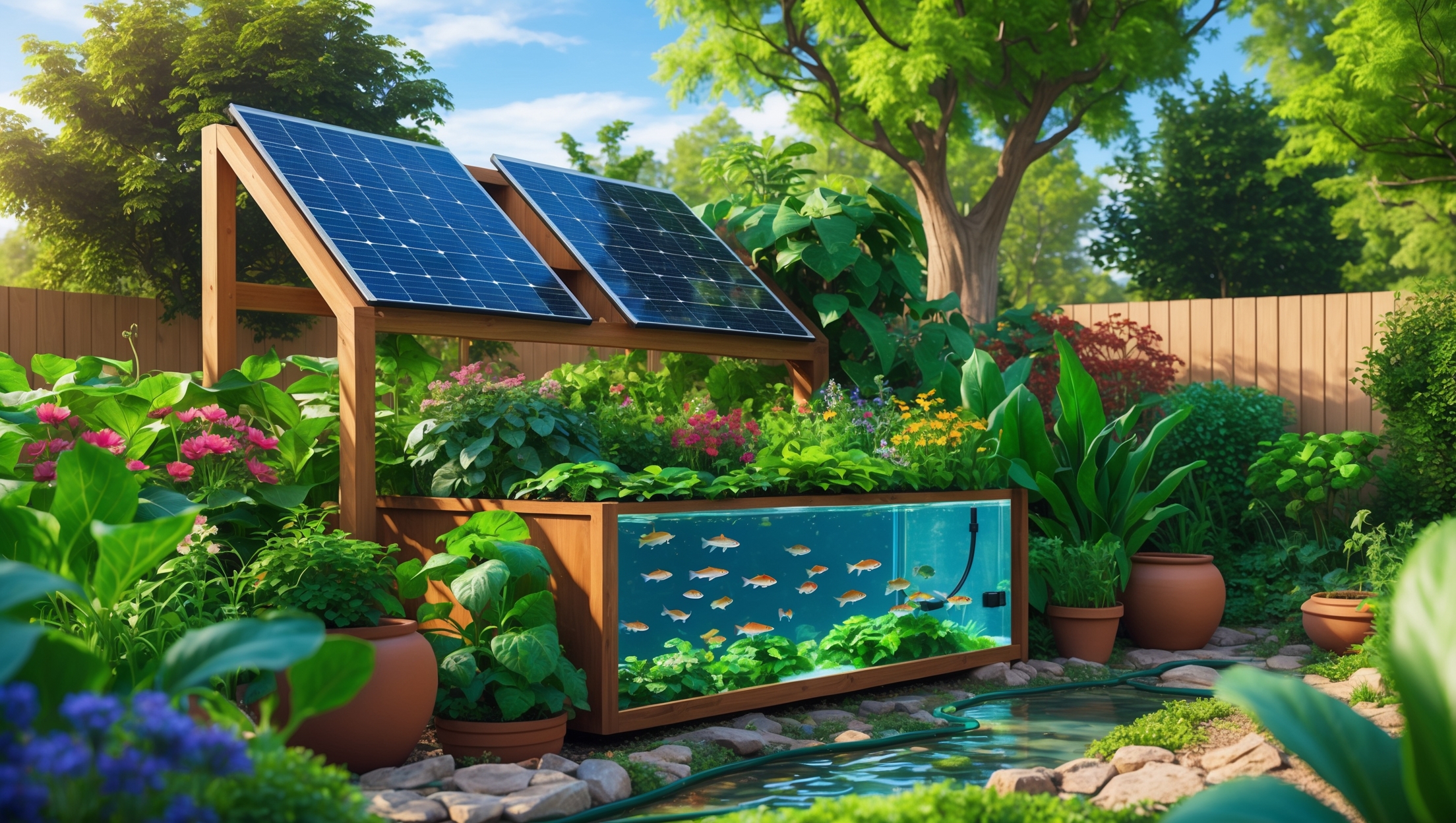
Introduction
Sustainable living enthusiasts are increasingly drawn to aquaponics—a harmonious marriage of aquaculture and hydroponics—especially when powered by renewable energy like solar panels. The prospect of growing fresh food and raising fish with minimal environmental impact is undeniably attractive. However, as DIY solar-powered aquaponics systems gain popularity, so do myths and misconceptions about their practicality, efficiency, and cost. Many would-be practitioners are uncertain about what truly works and what is merely wishful thinking promoted in online forums or viral social media posts.
This comprehensive guide is dedicated to debunking the most persistent myths about DIY solar-powered aquaponics systems. We’ll separate fact from fiction, clarify what components are essential, outline the real-world challenges, and provide actionable insights for anyone considering this sustainable food and energy solution. Whether you’re a beginner or an experienced homesteader, understanding these truths is crucial for success and avoiding costly mistakes.
Understanding Solar-Powered Aquaponics: The Basics
What Is Aquaponics?
Aquaponics is a closed-loop system that combines raising aquatic animals (like fish or shrimp) with cultivating plants in water. The fish waste provides nutrients for the plants, and the plants filter the water, creating a self-sustaining ecosystem. Adding solar power allows you to run pumps, aerators, and even temperature controls without relying on grid electricity, enhancing sustainability.
Why Solar Power?
- Energy Independence: Solar panels allow your system to run off-grid, reducing energy costs and carbon footprint.
- Reliability: In areas with frequent power outages, solar ensures continuous operation, protecting fish and plants.
- Scalability: Solar-powered systems can be designed for small backyards or scaled up for larger food production.
Myth 1: Any Solar Panel Will Do
The Myth
Many believe any off-the-shelf solar panel can power an aquaponics system, regardless of size or configuration.
The Reality
Solar panels come in various wattages and efficiencies. Aquaponics systems require continuous water circulation and aeration, particularly for fish health. Undersized panels or mismatched batteries lead to system failures, especially during cloudy days or at night.
What Really Works?
- Calculate Total Electrical Load: List all devices (water pumps, air pumps, heaters, lights) and their wattage.
- Account for Running Hours: Most aquaponics pumps run 24/7. Multiply wattage by hours to get daily energy needs.
- Build in a Safety Margin: Size your solar array and batteries to handle at least 25% more than your daily load for weather variability.
- Invest in Quality: Use deep-cycle batteries and a reputable charge controller for consistent performance.
Myth 2: Solar Aquaponics Runs Maintenance-Free
The Myth
Some claim that once set up, a solar-powered aquaponics system needs little to no ongoing attention.
The Reality
While these systems are efficient, they are not maintenance-free. Pumps, filters, batteries, and solar panels require regular checks. Neglect can lead to fish deaths, plant failure, and equipment breakdowns.
What Really Works?
- Clean Solar Panels: Dust and debris reduce efficiency. Clean panels monthly for optimal output.
- Check Water Quality: Test for ammonia, nitrites, nitrates, and pH weekly.
- Inspect Pumps and Aerators: Ensure no blockages or wear.
- Battery Maintenance: Monitor charge levels and replace batteries every 3–5 years as needed.
Myth 3: You Don’t Need Backup Power
The Myth
It’s often suggested that a well-sized solar system never needs a backup, even in cloudy weather or at night.
The Reality
Solar energy production fluctuates. Extended periods of overcast weather or unexpected equipment failures can halt water circulation or aeration, endangering fish and plants. Relying entirely on solar without a contingency plan is risky.
What Really Works?
- Install a Backup Power Source: A small generator or grid-tied backup can save your system during prolonged low-sunlight periods.
- Use Battery Storage: Sufficient battery capacity ensures overnight operation and cloudy-day resilience.
- Monitor System Health: Automated alerts can notify you of low battery or pump failures.
Myth 4: Any Water Pump Works With Solar
The Myth
Some believe that any pump, whether AC or DC, is suitable for a solar-powered aquaponics system.
The Reality
Standard AC pumps are less efficient and draw more power, putting pressure on your solar setup. DC pumps are designed for renewable energy systems and typically offer higher efficiency for the same flow rate.
What Really Works?
- Choose DC Pumps: They’re more efficient and easier to integrate with solar and battery systems.
- Consider Flow Rate: Match the pump’s flow rate to your system’s volume for optimal circulation.
- Look for Low-Voltage Models: 12V or 24V pumps reduce energy conversion losses.
Myth 5: Solar Aquaponics Is Always Cheaper
The Myth
There’s a common belief that running aquaponics on solar is always more cost-effective than grid electricity.
The Reality
Upfront costs for solar panels, batteries, charge controllers, and specialized equipment can be significant. Payback periods depend on system size, local electricity rates, and available sunlight. Savings accumulate over years, not months.
What Really Works?
- Budget for Quality Equipment: Cutting corners on components leads to repairs and inefficiencies.
- Calculate True Payback: Factor in equipment lifespan, replacement cycles, and local incentives or rebates.
- Scale Appropriately: Small systems may not recoup costs as quickly as larger, more productive setups.
Myth 6: Location Doesn’t Matter
The Myth
Some sources suggest solar-powered aquaponics systems work equally well anywhere.
The Reality
Solar panel output is highly dependent on geographic location, orientation, and shading. Systems in areas with limited sunshine require more panels and larger batteries, impacting both design and cost.
What Really Works?
- Assess Solar Potential: Use solar calculators or consult local installers to estimate average sunlight hours.
- Position Panels Correctly: South-facing panels (in the northern hemisphere) maximize exposure.
- Keep Panels Unshaded: Even partial shading can reduce output by up to 80%.
Myth 7: Any Fish and Plant Combo Will Thrive
The Myth
It’s often claimed that any combination of fish and plants will work well in an aquaponics setup.
The Reality
Different species have specific requirements for water temperature, pH, and nutrient loads. Choosing the wrong combination can lead to stunted growth, disease, or high mortality rates.
What Really Works?
- Research Compatibility: Pair fish and plants with overlapping environmental needs. Tilapia and leafy greens are popular choices for beginners.
- Monitor Water Parameters: Adjust stocking and planting density to balance nutrient production and uptake.
- Start Small: Test with a modest setup before scaling up.
Myth 8: Solar-Powered Aquaponics Can Be Fully Automated Without Issues
The Myth
Some believe automation (timers, sensors, remote monitoring) eliminates the need for manual oversight.
The Reality
Automation reduces daily workload but doesn’t replace the need for human observation. Sensors can fail, and automated systems may not detect subtle changes in fish behavior or plant health.
What Really Works?
- Combine Automation with Regular Checks: Use timers and sensors for routine tasks, but inspect the system daily.
- Maintain Redundancy: Have manual overrides for critical systems like water pumps and aerators.
- Log Data: Track system parameters to identify trends or emerging issues.
Practical Tips for Success
Design Your System for Your Climate
Cold climates may require extra insulation or solar-powered heaters, increasing energy demand. Hot climates may need shading or evaporative cooling to keep fish comfortable.
Start with a Pilot Project
Begin with a small, manageable setup. This allows you to learn the system dynamics and refine your solar sizing before committing to a larger investment.
Use Reliable Monitoring Tools
Digital thermometers, pH and ammonia meters, and solar charge controllers with remote readouts provide valuable data for fine-tuning your system.
Engage With the Community
Join online forums and local groups to exchange experiences, troubleshoot issues, and stay updated on technology advancements.
Case Study: A Real-World DIY Solar Aquaponics System
Background
In central California, a homeowner set up a 300-gallon aquaponics system with solar power. The system included:
- Two 250W solar panels
- Four 12V deep-cycle batteries
- A 24V DC water pump (rated at 60W)
- Air pump (20W)
- Tilapia and a variety of leafy greens
Lessons Learned
- Battery storage was essential for overnight operation and during three consecutive cloudy days.
- Cleaning solar panels every month improved output by over 10%.
- Switching from an AC to a DC pump reduced energy use by 30%.
- Automated monitoring caught a pump failure early, preventing fish loss.
This system achieved a steady supply of vegetables and fish for a family of four, with an estimated payback period of 7 years based on local utility rates and equipment costs.
Frequently Asked Questions
- Q: How much does a typical DIY solar aquaponics system cost?
A: Expect to pay $1,500–$5,000 for a small backyard system, depending on scale and component quality. - Q: Can I use solar power for an indoor aquaponics system?
A: Yes, but you’ll need to factor in grow lights, which increase energy demand significantly. - Q: What’s the biggest risk for solar-powered aquaponics?
A: Power interruptions, especially at night, can quickly harm fish and plants. Reliable backup is critical.
Conclusion
DIY solar-powered aquaponics systems offer a compelling vision of self-sufficiency and sustainability—growing food and producing protein while minimizing energy use and carbon emissions. However, achieving success requires moving beyond the myths and marketing hype that too often mislead new enthusiasts. The reality is that careful planning, appropriate equipment selection, and ongoing maintenance are essential. Solar panels must be properly sized and maintained, backup and battery storage are non-negotiable, and system design should reflect both your climate and your available resources.
Don’t be discouraged by the upfront investment or the need for regular monitoring. The rewards—fresh vegetables, healthy fish, reduced utility bills, and the satisfaction of sustainable living—are well worth the effort. Start small, learn from the experiences of others, and be prepared for a learning curve. By approaching solar-powered aquaponics with realistic expectations and evidence-based strategies, you’ll be well on your way to a thriving, resilient system that truly delivers on its green promise. Remember: in sustainable living, the best results come not from shortcuts or wishful thinking, but from informed action and continual adaptation.


For someone new to aquaponics, what are the essential solar components you’d recommend starting with, and are there common mistakes people make when selecting or sizing these components?
For beginners, it’s best to start with a reliable solar panel, a deep-cycle battery for energy storage, a charge controller, and an efficient water pump suitable for your system size. A common mistake is underestimating the power needs, leading to undersized panels or batteries. It’s important to calculate your pump’s daily energy consumption and ensure your solar setup can handle that, even on cloudy days.
I’m on a pretty tight budget but really want to try building a small-scale solar aquaponics system. Are there any tips in the article on prioritizing which components to invest in first to avoid costly errors?
The article suggests focusing your budget on reliable solar panels and a quality water pump, since these are crucial for keeping your aquaponics system running smoothly. It also recommends starting with a simple setup and gradually expanding as you gain experience, which helps you avoid overspending on unnecessary extras. Reusing materials for the grow bed and fish tank is another tip mentioned for saving money without compromising on essentials.
If someone is just starting out and wants to avoid costly mistakes with a DIY solar aquaponics setup, what are the most essential components you would recommend focusing on first?
For beginners, focus first on a reliable solar power system sized for your water pump’s needs, a quality water pump suitable for continuous use, and a simple, sturdy grow bed and fish tank. Make sure your pump, battery, and solar panel are compatible. Start with hardy fish and easy-to-grow plants to minimize risk while you learn. Keeping it simple at the start helps prevent overspending and reduces technical complications.
I’m curious about the initial costs involved. Is it really possible to build a functional solar-powered aquaponics system on a tight budget, or are there hidden expenses most beginners overlook?
Building a functional solar-powered aquaponics system on a tight budget is possible, but it’s important to plan carefully. Basic setups can be affordable if you repurpose materials and start small. However, many beginners underestimate costs for things like quality solar panels, backup batteries, plumbing, and reliable water pumps. Unexpected expenses can also arise from system repairs and upgrades. Budgeting extra for these essentials will help avoid surprises.
Could you share more about scaling up these systems? If I wanted to expand from a small backyard setup to a larger one for my business, are there key differences in solar requirements or system design I should plan for?
Scaling up a solar-powered aquaponics system for business use does require some changes. You’ll need to calculate your new energy needs based on the increased water volume, more pumps, and additional lighting or heating. Larger setups often benefit from more efficient pumps and larger, possibly ground-mounted solar arrays. System design should also account for redundancy, easier access for maintenance, and possibly battery backup to handle higher loads and ensure reliability.
I’m interested in the reliability aspect you mentioned, especially in areas with frequent outages. What are some common troubleshooting issues with solar-powered aquaponics systems, and are there ways to prevent them from failing unexpectedly?
Solar-powered aquaponics systems can face reliability issues like battery failures, solar panel shading, and pump malfunctions—especially during outages or cloudy days. To prevent problems, regularly clean panels, check battery health, and use a backup power source if possible. Installing a system monitor helps catch issues early. Also, sizing your solar and battery setup for a few days of autonomy adds extra security against unexpected failures.
If you’re building a DIY solar aquaponics setup for the first time, what are some unexpected challenges that beginners usually encounter with solar integration, based on your experience?
Some unexpected challenges beginners often face with solar integration include sizing the solar panels correctly for both daytime and backup needs, dealing with inconsistent sunlight (especially in cloudy weather), and making sure batteries and inverters are matched to the pump and aerator requirements. Wiring and waterproofing outdoor connections can also be tricky, and maintenance of panels to keep them efficient is often overlooked at first.
I’m curious if the article goes into detail about how to size the solar panel for a backyard aquaponics setup. How do you figure out exactly what kind of solar power system you need for a small family, especially if you live in a region that gets less sun during the winter?
The article does touch on solar panel sizing but doesn’t provide a step-by-step formula. It suggests first calculating the total wattage your pumps, lights, and air systems use daily, then factoring in how many hours of sunlight you typically get, especially in winter. To size your system, you’d divide your daily energy needs by the average daily sun hours in your area, and add extra capacity for cloudy days. Consulting local solar data and an installer can also help fine-tune your setup.
The article mentions that solar systems can be scaled up for larger food production. How challenging is it to expand a DIY setup if I start small—would I need to replace all the gear, or just add more panels and tanks?
Expanding a DIY solar-powered aquaponics system can be quite manageable if you plan ahead. Usually, you don’t need to replace everything. You can often just add more solar panels, batteries, and tanks as needed. However, you might need to upgrade your inverter or pumps if your original ones can’t handle the increased load. It’s a good idea to choose scalable components from the start for easier expansion.
I’ve seen a lot of viral posts about DIY solar aquaponics being super cheap to set up, but you mention that’s a myth. For a first-timer on a tight budget, what are the most essential components I absolutely shouldn’t compromise on?
When starting out, focus your budget on reliable solar panels, a good quality water pump, and a sturdy fish tank or grow bed. These three are essential for your system to function smoothly. Cheaper versions of these can lead to breakdowns or inefficiency, so it’s best not to compromise here. You can get creative or thrift other parts like piping or plant containers.
You mention the myth that ‘any solar panel will do’—could you explain what actually makes one panel suitable over another in these systems? Is it just about wattage, or are there other features to look for when shopping for panels for aquaponics?
Wattage is important, but other factors matter too. For aquaponics, panel efficiency, durability (especially waterproofing), and output voltage are critical. You’ll want panels that produce enough power even on cloudy days, match your pump’s voltage, and withstand outdoor conditions. Check for panels with good weather resistance and the right connectors for your setup, rather than just going by wattage alone.
If I want to scale up from a small backyard system to something larger in the future, would I need to redesign the whole solar setup, or can I just add more panels and equipment as I go?
You don’t necessarily have to redesign the entire solar setup when scaling up, but planning for expandability from the start helps a lot. If your original system is modular, you can often add more panels and upgrade your inverter or battery bank as needed. However, some components, like charge controllers or wiring sizes, might need to be replaced to safely handle increased loads. It’s wise to consult with a solar professional to ensure your system can be expanded safely and efficiently.
I noticed you said not every off-the-shelf solar panel is suitable. What are the key specifications or features someone should look for in a solar panel when building a reliable aquaponics system at home?
When choosing a solar panel for a home aquaponics system, pay attention to its wattage (should meet or exceed your system’s total power needs), efficiency (how well it converts sunlight), and durability (weatherproofing and lifespan). Also, check its voltage output matches your pump and battery requirements. Panels with good warranties and certifications for outdoor use are ideal for reliable performance.
I’ve read online forums suggesting you can use just about any solar panel for a small backyard aquaponics setup. Could you clarify what makes a solar panel truly suitable for these systems, and what specific factors should a parent like me consider before buying one?
Not every solar panel will work optimally for an aquaponics system. You need to match the solar panel’s wattage and voltage to your water pumps and aerators’ requirements. Also, consider your area’s average sunlight, backup battery needs for cloudy days, and whether the panel is weatherproof for outdoor use. A parent should also prioritize safety, reliable mounting, and easy monitoring to ensure everything runs smoothly and safely.
You mention that not all solar panels are suitable for powering aquaponics systems. How do you determine the right size or type of solar panel for a backyard setup with both fish and vegetables?
To choose the right solar panel for your backyard aquaponics setup, start by adding up the total wattage your pumps, filters, and aerators use daily. Then, consider how many hours of sunlight your area gets on average. Select a solar panel (or panels) that can supply at least 25% more power than your system needs, ensuring a buffer for cloudy days and future expansion. Always make sure the panels are rated for outdoor use and compatible with your system’s voltage requirements.
the breakdown between myth and fact here. You mentioned that adding solar power can run pumps and aerators off-grid, but how do you determine the right size solar panel and battery setup for a small backyard aquaponics system?
To size a solar panel and battery for your backyard aquaponics, first check the wattage of your pumps and aerators and estimate their daily run time (in hours). Multiply the wattage by hours to get daily watt-hours needed. Choose a solar panel that can generate at least this much energy, factoring in your local sunlight hours. For the battery, select one that can store enough power for a day or two of cloudy weather, adding a safety margin for reliability.
I noticed you said solar power makes these systems more reliable, especially with power outages. But if something in the solar setup fails, like an inverter or charge controller, what’s the best troubleshooting approach to keep fish and plants safe?
If a component like the inverter or charge controller fails, quickly switch your system to a backup power source if available, such as a generator or grid connection. Check for visible damage, loose wiring, or blown fuses. Restart the affected device after confirming connections. Keeping spare parts and a simple manual backup (like battery-powered air pumps) can help safeguard your fish and plants until repairs are completed.
The article talks about the importance of continuous operation in case of power outages. What backup solutions are most effective if there are several cloudy days in a row?
For several cloudy days in a row, the most effective backup solutions are large-capacity deep-cycle batteries and a backup generator. Batteries store excess solar energy from sunnier days, providing power when the sun isn’t shining. For extended outages, a generator—either gas or propane—can ensure your system keeps running. Some people also use hybrid systems that combine solar with wind power for extra reliability.
The article mentions separating fact from fiction about what components are essential for a DIY solar aquaponics setup. Could you provide a basic list of absolute must-have items versus optional upgrades, especially for beginners trying not to overspend?
For a basic DIY solar aquaponics setup, the essentials are: a grow bed, a fish tank, a water pump (compatible with solar power), a small solar panel with charge controller, piping or tubing, and a biofilter. Optional upgrades include backup batteries for cloudy days, automatic feeders, water testing kits, larger solar panels, and more advanced filtration systems. Beginners can start with just the essentials and upgrade later as needed.
You talk about solar helping with energy independence and reliability, but what are the real-world challenges in making sure there’s enough power during cloudy days or in the winter?
You’re right to consider cloudy days and winter, as solar panels do generate less power with less sunlight. In real-world setups, people often use larger battery banks to store excess energy or connect to the grid for backup. Some also add wind generators or schedule high-energy tasks for sunny periods. Planning for seasonal changes in sunlight is key to keeping everything running smoothly.
When debunking the myth about solar panels, do you have specific recommendations for panel wattage or types that actually work best for a small backyard aquaponics system?
For a small backyard aquaponics system, most setups do well with solar panels rated between 100 to 300 watts, depending on your pump size and sunlight hours. Monocrystalline panels are generally more efficient and space-saving, making them a good choice if you have limited room. Make sure to total your system’s daily energy use and add extra capacity to account for cloudy days.
Given the focus on sustainability and energy independence, what are some common mistakes beginners make when integrating solar panels with aquaponics that can be avoided with a bit more upfront research?
One common mistake is underestimating the energy needs of pumps and filtration systems, leading to undersized solar panel setups. Beginners also sometimes overlook battery storage, which is crucial for nighttime or cloudy days. Carefully calculating your system’s total power requirements and planning for energy storage will help ensure reliable operation and better sustainability from the start.
Is there a particular type of pump or aerator that’s recommended for solar-powered systems, or can you retrofit standard equipment easily? I’d love to know what has worked best in a DIY context.
For DIY solar-powered aquaponics, many people successfully use standard water pumps and aerators, but it’s important to match them with the solar system’s capacity. Energy-efficient, DC-powered pumps are ideal because they run directly off solar panels and reduce conversion loss. If you already have AC equipment, you can use an inverter, but be aware of extra energy requirements. Look for pumps labeled as ‘low watt’ or ‘solar compatible’ for best DIY results.
When starting out with a DIY solar aquaponics system, what components are truly essential to buy first, and which ones can be added or upgraded later as budget allows?
For a basic DIY solar-powered aquaponics setup, you’ll need to start with an aquaponics tank (for fish), a grow bed for plants, a water pump, plumbing materials, and a solar panel system powerful enough to run the pump. These are essential for the system to function. You can add extras like backup batteries, automated monitoring sensors, or improved filtration as your budget allows and your system expands.
I noticed you mention that not all solar panels are created equal for aquaponics systems. Could you elaborate on the specific features or specifications I should look for when selecting a solar panel to reliably run pumps and aerators year-round?
When choosing solar panels for aquaponics, focus on wattage (enough to cover the total power draw of pumps and aerators), panel efficiency (higher is better in limited sunlight), and durability (look for weatherproof, UV-resistant panels). Also, ensure compatibility with your battery and charge controller. If you expect cloudy days or winter use, consider oversizing your system or adding extra panels for year-round reliability.
In regions that have long stretches of cloudy weather, do you recommend specific battery setups or backup plans to ensure an aquaponics system can keep running reliably on solar energy?
In areas with extended cloudy periods, it’s smart to use deep-cycle batteries with enough capacity to cover several days of lower solar input. Many setups also include a backup generator or connect to the grid as a fallback. Calculating your system’s energy needs and planning for at least three days of autonomy is a good rule of thumb for reliable operation.
Based on your experience debunking these common myths, what are some unexpected challenges I should budget for when building a DIY solar aquaponics setup? Are there hidden costs people often overlook?
Some unexpected costs often come from underestimating the wiring and safety components for your solar system, like fuses, charge controllers, and protective housing for batteries. Many people also overlook the expense of backup power solutions for cloudy days, water testing kits, and replacement parts like pumps or tubing. Maintenance supplies and extra fittings to handle leaks or system tweaks can add up, so it’s wise to plan a buffer in your budget for these.
How much does it really cost to get started with a basic DIY solar-powered aquaponics setup? You mention cost concerns in the myths section—are there affordable ways to avoid expensive beginner mistakes?
A basic DIY solar-powered aquaponics setup can often be started for around $300 to $700, depending on how much you repurpose materials like containers and pumps. To keep costs low, try sourcing recycled tanks, using secondhand solar panels, and starting with simple fish and plant species. Careful planning and small-scale testing can help prevent costly mistakes as you learn.
Could you clarify what types of solar panels are actually recommended for a DIY aquaponics setup? The article mentions that not just any off-the-shelf panel will work, but I’m not sure whether to look for specific wattages or technologies like monocrystalline versus polycrystalline.
For a DIY aquaponics setup, it’s best to use monocrystalline solar panels because they are more efficient and space-saving compared to polycrystalline panels. Aim for panels with enough wattage to power your water pumps and aerators—typically, this means a combined output of at least 100–200 watts for small home systems. Be sure to calculate your electrical needs before purchasing, so your system runs smoothly day and night.
I’m curious about the actual power requirements for running both pumps and aerators in a typical home-scale aquaponics setup. The article mentions using solar to run everything, but how do you calculate how much solar panel capacity you’ll really need, especially if you want to add temperature controls too?
To estimate the solar panel capacity, first check the wattage of your pumps, aerators, and any temperature control devices. Add up their total power usage in watts, then multiply by the number of hours they’ll run each day to get daily watt-hours. Divide this total by your area’s average daily peak sun hours to find the minimum solar panel wattage needed. Also, factor in some extra capacity for cloudy days and system inefficiencies.
When you mention that not all solar panels will work for aquaponics, how do I figure out exactly what size and type of system I need for running pumps and aerators, especially if I want to keep everything running overnight or on cloudy days?
To determine the right solar system size for your aquaponics setup, first check the wattage and voltage requirements of all pumps and aerators. Add their daily energy use in watt-hours. Then, factor in how many hours you want them running during cloudy days or overnight, which means you’ll need batteries for storage. Choose panels that can generate enough energy for your needs, plus a bit extra for cloudy weather. Consulting with a solar installer or using an online solar calculator can help with these calculations.
I’m curious about the cost aspect. Are there budget-friendly components that still work effectively, or do you usually have to invest in higher-end equipment to avoid problems down the line?
You can definitely build a reliable solar-powered aquaponics system using budget-friendly components. Many hobbyists find that affordable solar panels, pumps, and grow lights from reputable brands work well if you size them correctly and maintain them regularly. While higher-end equipment can last longer or offer more efficiency, careful selection and proper care of mid-range or entry-level gear can be just as effective for most DIY setups.
In the myths section, there’s a reference to misconceptions about efficiency and cost. For folks starting on a tight budget, what are the absolute essential components they should prioritize to avoid expensive mistakes early on?
If you’re starting a solar-powered aquaponics system on a tight budget, focus first on a reliable water pump, a basic but sturdy fish tank, grow beds, and healthy plants. For the solar setup, prioritize an appropriately sized solar panel and battery to keep your pump running. Avoid splurging on automatic controls or high-end lighting until the basics are working smoothly, as these are not essential in the beginning.
Has anyone actually run into issues with solar reliability on days with extended rain or snow, and if so, does the article suggest ways to protect fish and plants during these periods? I’m curious about real-world backup solutions that still keep the system sustainable.
The article does mention that solar-powered aquaponics systems can face reliability issues during long stretches of cloudy, rainy, or snowy weather. To address this, it suggests practical backup options like using battery banks to store excess solar energy, or supplementing with a small wind turbine. It also recommends setting up an emergency power source, such as a manually operated aerator, to keep fish and plants safe without relying solely on the grid.
If I want to start small, is it realistic to rely only on solar panels for everything, or will I still need to use some grid power, especially in winter? Any advice for beginners like me?
For a small setup, it is possible to run everything on solar panels, especially if you choose energy-efficient pumps and limit your system size. However, in winter or during cloudy spells, solar output can drop, so having a backup power source or battery storage is wise. Start with a simple system, monitor your energy use, and consider expanding your solar array or adding a backup as you learn.
If someone is just getting started and worried about making costly mistakes, what key pitfalls did you come across in your early DIY solar-powered aquaponics projects that beginners should look out for?
One major pitfall is underestimating your system’s power needs—many beginners choose solar panels that are too small, resulting in unreliable pumps or lights. Also, watch out for improper water flow or fish tank sizing, which can stress your fish and plants. Take time to match your solar setup to your actual energy requirements and double-check all system connections to avoid costly leaks or electrical issues.
When you talk about real-world challenges, do you have any advice for troubleshooting common problems like inconsistent water temperatures or pump failures in solar-powered systems, especially for beginners?
For inconsistent water temperatures, insulating your tank and using a backup thermal mass (like water barrels) can help stabilize swings. For pump failures, try using a simple battery backup or manual siphon system, and regularly clean both solar panels and pump filters to reduce issues. Starting with a small, manageable setup will make troubleshooting much easier as you learn.
How do you determine the right size and type of solar panel for a small backyard aquaponics system? I see a lot of conflicting advice online and would love practical tips on calculating energy requirements and making sure the system runs reliably year-round.
To size a solar panel for a backyard aquaponics system, first list the wattage of all components—pumps, aerators, lights—and estimate their daily run times to get total watt-hours needed per day. Add 20–30% for cloudy days and battery storage losses. Choose a solar panel system that matches or exceeds this daily total, factoring in your local average sunlight hours. Opt for panels and batteries rated for outdoor and year-round use to ensure reliable operation.
One thing I’m worried about is the real-world challenge of running everything off-grid as suggested. What are the biggest ongoing issues, like maintenance or unexpected downtime, that you have seen with fully solar-powered aquaponics setups?
Running a fully solar-powered aquaponics system can be rewarding, but there are a few challenges to expect. The most common issues include inconsistent power during cloudy days, which can impact pumps and aerators, and the need to regularly maintain both the solar panels and battery storage. Unexpected downtime often occurs if the battery storage is undersized or not well maintained, so careful monitoring and routine checks are essential to keep everything running smoothly.
I noticed the article touches on using solar panels to power pumps and aerators in aquaponics systems, but how do you determine the right solar panel sizing given the energy needs fluctuate throughout the day and with different equipment?
To size your solar panels for an aquaponics system, start by listing all the equipment you plan to run—like pumps and aerators—and find out their total wattage and how many hours per day they’ll operate. Calculate the total daily watt-hours needed, then factor in local sunlight hours and add a buffer (typically 25–30%) for cloudy days and energy losses. This will give you a reliable estimate of the solar panel capacity required to keep your system running smoothly.
After reading about the essential components, I’m still a bit unclear about how to troubleshoot if my solar-powered pumps aren’t running consistently. What steps would you recommend checking first for common issues?
If your solar-powered pumps aren’t running consistently, start by checking whether your solar panels are getting enough sunlight or if they’re dirty and need cleaning. Next, inspect all wiring connections for looseness or corrosion, and ensure your battery is holding a charge. It’s also helpful to check if the pump itself is clogged or obstructed. These basic checks usually resolve the most common issues.
After debunking the myth about any solar panel working, what specific criteria should I look for when choosing panels to power the pumps and aerators efficiently? Are there particular brands or specifications you’d recommend for beginners?
When choosing solar panels for aquaponics, focus on panels with enough wattage to meet the combined power needs of your pumps and aerators, ideally with a little extra for cloudy days. Check for good efficiency (at least 15–20%), weather resistance, and compatibility with your system’s voltage (usually 12V or 24V). For beginners, brands like Renogy and HQST offer reliable, user-friendly kits. Always match the panel output to your equipment’s requirements for smooth operation.
When setting up a solar-powered aquaponics system like the one described, how do you figure out the right size and type of solar panel needed for your climate and the kinds of fish and plants you want to raise?
To size your solar panel, start by listing all the electrical equipment your system needs—like water pumps, aerators, and lights—and adding up their daily energy use (in watt-hours). Consider your local average sunlight hours to estimate how much solar power you can realistically generate. Also, factor in the power needs of your chosen fish and plants, since more sensitive species or large systems may need more circulation and filtration. This helps you choose both the panel size and battery storage suitable for your setup and climate.
For someone just starting out, what are the most essential components you’d suggest not skipping, and where can beginners usually make affordable substitutions without risking the whole ecosystem?
For beginners, don’t skip a reliable water pump, a quality grow bed with good media, and an appropriate fish tank. These are essential for keeping water circulating and plants healthy. You can often save money on the frame or support structures by using recycled materials, but it’s best not to cut costs on the pump, biofilter, or water test kits, as these directly impact the system’s balance and health.
I’m curious about the actual energy requirements for running a basic DIY aquaponics system with solar panels. The article mentions pumps, aerators, and even temperature controls, but how do I calculate how much solar capacity I’ll need for a small backyard setup?
To calculate the solar capacity needed, add up the wattage of all devices you’ll run (like your pump, aerator, and any temperature controls), then multiply this total by the number of hours they’ll operate each day to get daily watt-hours. Divide this number by the average hours of sunlight your location receives to estimate the minimum wattage your solar panel setup should provide. Don’t forget to factor in battery storage and system inefficiencies, adding about 20-30% extra capacity for reliability.
I’m interested in trying this out, but I’m not sure how realistic it is for someone with no prior experience in solar or aquaponics. What would you say are the biggest challenges beginners face when setting up a solar-powered system for the first time?
Starting a solar-powered aquaponics system without prior experience is definitely doable, but there are some common challenges. Beginners often struggle with sizing solar panels to meet their system’s energy needs and understanding basic wiring for safe setup. Balancing fish and plant requirements while learning about water chemistry can also be tricky at first. Taking things step by step and starting with a small system can make the learning curve much more manageable.
I noticed the article says not all solar panels will work for aquaponics. Could you clarify what types or specs of solar panels and equipment are actually needed for a basic DIY setup?
For a basic DIY aquaponics setup, you’ll want solar panels that can reliably power your water pump and possibly an aerator. Look for panels with at least 100–200 watts total output and pair them with a deep-cycle battery (12V) for energy storage. Also, use a charge controller to protect the battery, and make sure your pump is compatible with the power output (usually 12V DC or 24V DC). Match equipment voltage for the most efficient operation.
I’m curious about the real-world challenges you alluded to, especially regarding solar reliability during cloudy days or winter months. Are there backup strategies for maintaining fish and plant health when solar production dips unexpectedly?
Solar reliability can definitely be a challenge, especially during extended cloudy periods or in winter when sunlight is limited. Many DIY aquaponics enthusiasts use battery storage to buffer short-term dips, but for longer interruptions, a backup power source like a small generator or even connecting to the grid (if possible) is often recommended. Monitoring water temperature and oxygen levels is crucial, and automated alerts can help you act quickly if conditions change unexpectedly.
You mention that solar power adds reliability, especially during power outages. Could you go into more detail about how much battery storage is typically needed to keep a small backyard aquaponics system running through several cloudy days?
To keep a small backyard aquaponics system running during several cloudy days, you’ll want enough battery storage to power essentials like water pumps and aerators for at least 2–3 days. For most small systems, this usually means batteries with a total storage of around 2–4 kilowatt-hours. The exact amount depends on your system’s energy use, so calculating daily consumption is a helpful first step.
The myth section starts to talk about choosing the right solar panel. Could you explain what makes a particular solar panel suitable or unsuitable for aquaponics setups compared to standard grid-tied solar use?
A solar panel suitable for aquaponics should reliably power pumps and aerators without interruption. Unlike grid-tied setups that can draw backup electricity, standalone aquaponics systems depend solely on their panels and batteries. Look for solar panels with sufficient wattage to meet your equipment’s peak demand, and prioritize durability and weather resistance. Also, consider battery storage and charge controllers to maintain consistent power, especially during cloudy days or at night.
How do you deal with cloudy days or stretches of bad weather in a solar-powered aquaponics setup? Is battery storage essential, or are there ways to keep things running reliably without a big investment in batteries?
For cloudy days or periods of bad weather, battery storage is the most reliable way to keep your solar-powered aquaponics system running. However, you can also use a hybrid approach—connecting your system to the grid as a backup or reducing power loads during low-sun periods. Some users incorporate manual aeration or low-power backup pumps during these times to minimize costs instead of investing in large battery banks.
The article mentions the reliability of solar power during power outages, but are there common issues with the solar system not producing enough energy on cloudy days? How do most DIYers handle days when sunlight is limited to keep the fish and plants safe?
Cloudy days can definitely impact how much energy a solar system generates, which is a common concern for aquaponics setups. Most DIYers address this by adding battery storage to keep pumps running during low-sunlight periods. Others use backup power sources, like small generators, or reduce system loads temporarily. Regularly monitoring battery levels and planning for energy needs during less sunny weather are key strategies to keep both fish and plants safe.
My biggest concern is what happens during several cloudy days in a row. What kinds of backup solutions or battery storage would you recommend to keep the fish and plants healthy if solar production drops off?
For stretches of cloudy weather, adding a battery bank to your solar setup is a practical solution. Deep-cycle batteries, like AGM or lithium-iron phosphate, can store extra solar power to keep pumps running overnight or on low-sun days. Some hobbyists also use a hybrid system with a backup generator, just in case. Whichever you choose, make sure your backup can handle at least 2–3 days of normal system operation to keep your fish and plants healthy.
I’m curious about the real-world challenges you mentioned in maintaining a solar-powered aquaponics system. What are some specific issues a beginner might face with the solar setup, especially when it comes to running pumps and aerators consistently?
A beginner might encounter several solar-specific challenges. Cloudy weather or short winter days can reduce solar output, making it hard to run pumps and aerators continuously. Storing enough power in batteries for overnight use is another common issue. Sizing your solar panels and batteries accurately is crucial, as underestimating needs can lead to system failures. Regular maintenance to keep panels clean and batteries healthy also becomes important to avoid unexpected downtime.
For someone new to aquaponics, how do you figure out the right size and type of solar panel for a backyard system? The article says not any solar panel will work, but what are the main factors to consider when choosing?
When choosing a solar panel for a backyard aquaponics system, focus on the total wattage needed to power your pump, aerator, and any lights for the hours they’ll run each day. Add up their energy use (in watts), then multiply by the hours of daily operation. Choose a solar panel and battery that provide at least that much power, factoring in local sunlight conditions and some extra capacity for cloudy days.
Since reliability was listed as a benefit for solar-powered aquaponics, how do these systems usually handle cloudy days or stretches of bad weather? Are there affordable battery options for beginners to make sure everything keeps running?
Solar-powered aquaponics systems usually manage cloudy days or bad weather by storing extra energy in batteries during sunny periods. For beginners, affordable deep-cycle lead-acid batteries are a popular option, as they balance price and reliability. Some also use lithium batteries, which last longer but cost more upfront. Sizing your battery bank to cover at least a couple of cloudy days helps ensure pumps and aerators keep running smoothly even when the sun isn’t shining.
I understand the appeal of going fully off-grid with solar, but what do you do if you live in an area with lots of overcast days or unpredictable weather? Are there backup options or tricks to keep fish and plants healthy during extended cloudy periods?
In areas with frequent overcast days, you can use a hybrid system that combines solar power with the grid or a backup generator. Another common approach is to add a battery bank to store excess solar energy for cloudy periods. For shorter cloudy spells, reducing system loads—like shortening pump run times—can help. Make sure to monitor water quality closely and avoid overstocking fish during less predictable weather.
You talked about separating myths from facts when it comes to system costs. For someone on a tight college budget, what are the essentials I should definitely invest in versus components I could maybe upgrade later?
If you’re on a tight college budget, prioritize essentials like a reliable water pump, sturdy grow bed containers, and quality air stones or aeration equipment. These are crucial for the system to function properly from the start. You can start with basic grow lights and inexpensive fish tanks, then upgrade to larger tanks or more efficient lighting later when your budget allows.
When planning a DIY solar-powered aquaponics setup, how do I figure out the right type and size of solar panel for my specific needs, instead of just using any off-the-shelf panel like you mentioned in the myth?
To find the right solar panel type and size, start by listing all the electrical devices your aquaponics system will use (pumps, aerators, lights, etc.) and note their power ratings. Calculate their total daily energy use in watt-hours. Then, consider your location’s average sunlight hours per day to determine how much solar power you can realistically generate. Divide your total daily energy use by the sunlight hours to estimate the required panel wattage, and add a safety margin (20-30%) for cloudy days or inefficiencies.
You talk about separating fact from fiction, especially around common myths. One issue I’ve heard about is system reliability when running pumps and aerators on solar power alone. What happens during long stretches of cloudy weather—do you need batteries or a backup, and how do you plan for that?
During extended periods of cloudy weather, solar panels might not provide enough power for pumps and aerators to run continuously. In these cases, batteries are highly recommended to store excess energy during sunny periods and supply power when sunlight is limited. Some setups also include a backup generator for extra reliability. When planning, estimate your system’s daily energy needs and choose batteries with enough capacity to cover several cloudy days.
I’m new to aquaponics and was surprised to read that not just any solar panel will work. How do I figure out what size or type of solar panel is actually needed to reliably run the pumps and aerators for a small backyard setup?
To find the right solar panel size, start by adding up the total wattage of your pumps and aerators, then multiply by how many hours you want them to run daily. Factor in some extra capacity for cloudy days and system inefficiencies—usually about 25-30% more. Look for panels with enough output to meet this total daily wattage, and make sure your chosen panel is compatible with your battery and inverter setup if you’re using them.
I’m new to aquaponics and still working out the details. If I’m only growing a few vegetables and keeping a small number of fish, can I do it with a portable solar kit or do I need a more permanent solar installation?
For a small-scale setup with just a few vegetables and a handful of fish, a portable solar kit can usually provide enough power, especially if you’re only running a small water pump and basic aeration. Just make sure the kit you choose can handle the total wattage needed by your equipment, and consider battery storage if you want the system to run at night or on cloudy days. A permanent installation is only needed if you plan to expand or increase your system’s power needs.
I’m new to all this and was wondering, when you talk about running pumps and aerators off solar power, does that mean I need special versions of those devices, or can the regular ones work with a solar setup?
You can typically use regular pumps and aerators with a solar setup, but you’ll need the right equipment to make it work. The key is to have a solar panel, a charge controller, and a battery to store energy. These components will power your standard devices using an inverter if they’re AC-powered, or directly if they’re DC-powered. No need for special versions, just ensure compatibility with your power system.
When setting up a solar-powered aquaponics system, what are the most common real-world challenges with keeping both the fish and plants healthy during periods of low sunlight or cloudy weather?
Periods of low sunlight or cloudy weather can reduce the efficiency of your solar panels, leading to less power for pumps and aeration. This can lower oxygen levels for fish and disrupt water circulation for plants. To keep both healthy, many growers use backup batteries, adjust feeding to reduce fish waste, and avoid overcrowding. Some also consider supplemental lighting or backup power sources for especially long cloudy spells.
I’m new to aquaponics and a little confused about sizing the solar setup. The article says not just any solar panel will work, so how do I figure out exactly how much solar power I’d need for a small backyard system with just a few fish?
To size your solar setup, first calculate the total wattage your system will use—mainly the water pump and any aeration devices. Add up their wattages, then multiply by the number of hours you’ll run them daily to get watt-hours per day. Make sure your solar panels can provide at least that much energy, and factor in inefficiencies by adding a 20–30% buffer. This helps ensure your system runs smoothly even on cloudy days.
When you say that not just any off-the-shelf solar panel will work for aquaponics, what are the key specifications we should be looking at when choosing a panel? Is there a common mistake beginners make when sizing their solar setup?
When selecting a solar panel for aquaponics, focus on the panel’s wattage, voltage output, and compatibility with your pump and system needs. Calculate the total power your system will use over a day, including pumps and lights, and choose a panel (or panels) that can consistently supply that amount, even on cloudy days. A common beginner mistake is underestimating energy needs or not accounting for battery storage, which can lead to system failures.
I’m interested in setting up a backyard solar-powered aquaponics system but am unsure how to size the solar panels to meet the needs of pumps and aerators. What factors should I consider when calculating the right solar panel capacity for a small home setup?
When sizing solar panels for your aquaponics system, consider the total wattage required by your pumps and aerators, how many hours per day they need to operate, and your local average sunlight hours. Add up the daily energy consumption (watts x hours) of your equipment, then choose panels with enough output to meet that demand, factoring in efficiency losses and cloudy days. Also, think about battery storage if you want your system to run at night or during low sunlight.
I’m interested in trying out a small solar-powered aquaponics system, but the article mentions that not any solar panel will do. Could you explain how to figure out exactly what size and type of solar panel is needed for a basic, beginner setup?
To choose the right solar panel for a basic aquaponics setup, first add up the wattage of all essential equipment—like water pumps and air pumps. Estimate how many hours they’ll run daily. Multiply their total wattage by the hours of use to get daily watt-hours needed. Choose a solar panel that can reliably supply that amount, factoring in average sunlight hours in your area. Monocrystalline panels are usually best for small spaces and efficiency.
I’m trying to figure out how many solar panels I would realistically need to keep my aquaponics system running, especially if I want to power pumps and aerators 24/7. Is there a formula or rule of thumb for sizing the solar setup?
To estimate how many solar panels you need, first calculate your system’s total daily energy use in watt-hours (W): multiply each device’s watt rating by how many hours it runs per day, then add them up. Divide the total by your average sun hours per day (usually 4–6 hours), and add 25–30% to account for efficiency losses. This will give you the minimum panel wattage required for reliable operation.
If I already have a traditional aquaponics setup, are there specific challenges or steps involved in switching it over to solar power, based on the myths you mention in the article?
Switching your traditional aquaponics system to solar power mainly means ensuring your pumps, aerators, and any sensors can run reliably on solar energy. Some challenges include choosing the right solar panel size, adding battery storage for cloudy days or nights, and possibly updating electrical components to work efficiently with DC power. The article highlights that with proper planning, most DIY myths—like solar being too weak or complex—aren’t true, but careful system sizing and backup planning are important.
You mentioned that not every solar panel works for a DIY aquaponics setup. Could you explain what specific features or wattage I should look for when choosing a solar panel for a small backyard system?
For a small backyard aquaponics system, focus on solar panels that provide enough power for your water and air pumps. Usually, a setup like this needs panels rated between 100 and 200 watts, depending on your equipment. Look for panels with good efficiency (17% or higher) and weather resistance. Also, check that the panel voltage matches your battery and pump requirements, typically 12V for small systems.
In your experience, what are the main challenges with keeping the pumps and aerators running consistently during cloudy days or at night in a solar-powered aquaponics setup? Is battery storage always necessary, or are there workarounds for smaller systems?
The main challenge with solar-powered aquaponics is ensuring a steady power supply for pumps and aerators when sunlight is limited. For most setups, battery storage helps bridge those periods, especially at night or during cloudy weather. For very small systems, some people use larger water reservoirs or design their setups to tolerate short outages. However, reliable battery backup is generally the best way to protect your fish and plants from power interruptions.
Can you go into more detail about real-world challenges? For example, what are the most common issues people run into when running aquaponics systems solely on solar power, and how can those be avoided?
Running aquaponics systems solely on solar power can present a few recurring challenges. The most common issues include inconsistent energy supply due to cloudy weather, insufficient battery storage, and equipment failures like faulty inverters or pumps. To avoid these problems, it’s important to size your solar and battery systems generously, use energy-efficient pumps, and regularly maintain all equipment. Also, consider backup options such as manual aerators or a small generator for emergencies.
For someone just starting out, how much maintenance do solar-powered aquaponics systems typically require compared to traditional, grid-powered setups? Does integrating solar add significant complexity for beginners?
Solar-powered aquaponics systems generally require a bit more initial attention than grid-powered ones, mainly to ensure the solar panels and batteries are functioning well and providing enough energy. Once set up, ongoing maintenance is similar for both systems: regular checks of water quality, pumps, and plant health. For beginners, the main added complexity is learning how to manage the solar components, but with clear instructions, it’s manageable and gets easier over time.
When trying to run an aquaponics system completely off-grid, how do you handle extended periods of cloudy weather or low sunlight? Have you found backup batteries alone are enough, or do you recommend a hybrid setup for reliability?
Extended cloudy periods can be a real challenge for off-grid solar aquaponics. Backup batteries help, but they often aren’t sufficient for longer stretches of low sunlight. Many experienced users recommend a hybrid setup, combining solar with another power source like a generator or wind turbine, to ensure pumps and aeration continue reliably during bad weather. This approach adds a safety net for your fish and plants.
The article talks about scalability for backyard or larger systems. For a business looking to upgrade from a backyard setup to something commercial, what unexpected challenges should I budget extra time or money for when increasing the system’s size?
When scaling up from a backyard to a commercial aquaponics system, be prepared for increased complexity in maintaining water quality, system monitoring, and pest management. Larger systems often need more robust filtration, automated monitoring, backup power solutions, and stricter regulatory compliance. Also, factor in extra time for staff training, troubleshooting larger-scale equipment, and managing higher initial costs for materials and permits that aren’t an issue with smaller setups.
You point out the importance of reliability in solar-powered aquaponics, especially in areas with frequent outages. Are there particular battery storage solutions or backup options you would recommend for ensuring continuous operation during cloudy weather or at night?
To maintain reliable operation during cloudy days or at night, it’s a good idea to use deep-cycle batteries like AGM or lithium-iron phosphate (LiFePO4) batteries, as they hold up well to frequent charging and discharging. Additionally, having an automatic backup generator—preferably propane or natural gas powered—can provide peace of mind during extended outages. Make sure to size your battery bank based on the daily energy needs of your system to cover at least one or two days without sun.
You mention that not all solar panels are suitable for aquaponics systems. How can I determine what size or type of solar panel I would need for a beginner-friendly system that runs pumps and aerators efficiently?
To choose the right solar panel for your aquaponics system, start by adding up the total wattage needed for your pumps and aerators (check their labels for wattage or amps). Multiply that by how many hours each device runs daily to estimate daily power needs in watt-hours. Choose a solar panel that can provide at least 20–30% more than this amount to account for cloudy days and system losses. Most beginner setups operate well with a 100–200 watt solar panel, but your actual needs may vary based on your equipment and climate.
Could you clarify if it’s possible for beginners to gradually scale from a basic solar-powered setup to something larger over time, or is it better to plan for the final size from the beginning?
It’s definitely possible for beginners to start small with a basic solar-powered aquaponics setup and expand gradually. This approach lets you learn as you go and adjust your system based on experience. However, it’s smart to keep future expansion in mind when choosing your location and initial equipment, so scaling up later is easier and more cost-effective.
You mention that not just any off-the-shelf solar panel will work for these systems. What factors should I look for when choosing the right solar panel to run pumps and aerators reliably year-round?
When choosing a solar panel for your aquaponics system, pay close attention to the panel’s wattage, as it needs to match or exceed the combined power requirements of your pumps and aerators. Also, consider local sunlight hours, potential shading, and whether you’ll need battery storage for cloudy days or nighttime use. Durability and weather resistance are important too, especially for year-round reliability.
You mentioned that not every solar panel is suitable for aquaponics, which caught my eye. For a small business trying to minimize cost, how do I determine which components (like panel size and type) are really essential versus just nice-to-have add-ons?
Focus on essentials by first calculating your aquaponics system’s daily power needs, including pumps, lights, and any sensors. Choose solar panels that can reliably meet or slightly exceed this demand, factoring in your local sunlight hours. Prioritize a good-quality charge controller and reliable batteries. Extras like remote monitoring or automatic feeders are helpful but not critical for basic operation and can be added later as your budget allows.
Could you elaborate on what specific solar panel features or ratings are most important for dependable aquaponics performance, since the article mentions that not all off-the-shelf panels are equally effective?
When choosing solar panels for reliable aquaponics, prioritize panels with high efficiency ratings (above 18%), and check their wattage to match your system’s energy needs, especially for pumps and aerators. Also, look for panels with durable, weather-resistant construction and high-quality warranties. Ensuring the panel output matches your battery and controller requirements is crucial for consistent operation, particularly in less sunny climates or for larger setups.
In your article, you mention the misconception that any solar panel will work for aquaponics systems. Could you elaborate on what specific factors small business owners should consider when selecting solar panels for a commercial setup, especially regarding output and reliability?
When choosing solar panels for a commercial aquaponics setup, small business owners should focus on the total energy needs of pumps, aerators, and lighting. Look for panels with high wattage and efficiency ratings to ensure consistent power, even in low-light conditions. Reliability is key, so consider panels with good warranties and proven performance. Factor in battery storage for cloudy days and ensure your system can scale if your operation grows.
You mentioned scaling systems up or down depending on your needs. How easy is it to expand a solar-powered aquaponics setup once it’s already running? Are there common mistakes people make when upgrading?
Expanding a solar-powered aquaponics setup is quite feasible, but it’s important to plan carefully. The main challenges are ensuring your solar power can handle the extra load and making sure water flow stays balanced. People often underestimate the extra energy needed for more pumps or lights. Before upgrading, check your solar panel capacity and battery storage, and add new tanks or grow beds gradually to avoid stressing fish or plants.
The article mentions the appeal of running pumps and aerators on solar power for aquaponics. Are there specific recommendations or minimum wattages for solar panels needed to keep these components reliably running through cloudy days?
For small-scale aquaponics, it’s generally recommended to use solar panels with at least 100–200 watts of capacity to reliably run pumps and aerators. This allows for extra power during cloudy days and covers typical needs for continuous operation. It’s also wise to include a battery storage system so your equipment keeps running at night or during extended overcast periods. Always check the wattage and amperage requirements of your specific pumps and aerators to size your system appropriately.
You mentioned that solar-powered aquaponics systems can help with energy independence and even work during power outages. Can you explain what kind of backup or fail-safes are recommended if there are several cloudy days in a row?
For several cloudy days in a row, it’s smart to include backup options like deep-cycle batteries that store extra solar energy when the sun is shining. Many setups also use automatic switches to connect to the grid or a generator if batteries run low. Some people install low-power backup air pumps or water circulation devices that can run on batteries for extra safety. This helps keep your system running smoothly even without consistent sunlight.
When you mention that solar-powered aquaponics is scalable for small backyards or larger production, how do you determine the right size and number of solar panels for a basic starter setup? Are there online calculators you’d recommend for figuring this out?
To determine the right size and number of solar panels, start by calculating the total wattage your pumps, aerators, and lights will need each day. Once you know your daily energy use (in watt-hours), you can match that to the solar panel output, factoring in local sunlight hours. There are online solar calculators—look for ones that let you input daily energy needs and your location for tailored results. This helps ensure your starter aquaponics setup runs smoothly.
When you talk about the reliability of solar power for aquaponics during power outages, what happens during extended cloudy periods or in the winter? Do I need a battery backup, or is there another workaround you recommend for those conditions?
During extended cloudy periods or winter months, solar panels often produce much less energy, which can affect your aquaponics system. Using a battery backup is the most reliable way to keep things running smoothly, as it stores any excess energy for use when sunlight is low. Some people also use grid-tied systems as a backup or reduce power needs by insulating tanks and using more efficient pumps. A combination of these approaches works best for consistent reliability.
Could you clarify which components are absolutely essential for a basic DIY solar-powered aquaponics setup? The article mentions separating fact from fiction about what is necessary, but I’d like to avoid overspending on features I might not need as a beginner.
For a basic DIY solar-powered aquaponics system, you’ll need just a few key components: a fish tank, a grow bed for your plants, a water pump (which can run on solar power), and a biofilter to help clean the water. You’ll also need a solar panel and charge controller to power the pump. Extras like automatic feeders or water heaters aren’t essential for beginners and can be added later as your system grows.
You mentioned that not every solar panel is suitable—what specific features or specs should I look for when choosing solar panels that can efficiently support an aquaponics setup?
When choosing solar panels for an aquaponics system, focus on their wattage (power output) to ensure they can run your pumps, lights, and aerators continuously. Look for high efficiency (at least 18–20%), durable materials like tempered glass, and weather resistance (check for IP65 or better rating). High-quality MPPT charge controllers and compatibility with battery storage are also important for consistent operation.
The article talks about energy independence and running pumps and aerators off solar power. How do you figure out how many panels or what size system you need before building your aquaponics setup, so you don’t end up with something underpowered?
To size your solar system correctly, first add up the wattage of all pumps, aerators, and any other equipment, then multiply by the number of hours per day you’ll run them to find your daily energy use in watt-hours. Divide this total by your local average daily solar hours to estimate the panel wattage needed. It’s also wise to factor in extra capacity for cloudy days and system losses.
You mentioned that reliability is one of the major benefits of using solar power in aquaponics systems, especially in areas with frequent outages. Can you elaborate on the minimum components I would need to keep my system running reliably during cloudy periods or at night?
To keep your aquaponics system running reliably during cloudy periods or at night, you’ll need a few essential components: solar panels to capture energy, a charge controller to regulate power flow, deep-cycle batteries for energy storage, and an inverter if your equipment runs on AC power. This setup ensures your pumps and aerators continue operating even when sunlight is limited or unavailable.
When you mention that not all solar panels work for aquaponics, how can I figure out the right size and type of panel I would actually need for a small backyard system?
To choose the right solar panel for your backyard aquaponics system, start by adding up the total wattage of all the electrical components you plan to run, like water pumps and air stones. Multiply that by how many hours per day they’ll operate. Then, select a solar panel setup that can supply at least that much energy, factoring in cloudy days and your location’s average sunlight hours. Panels labeled as ‘off-grid’ or ’12V’ are often a good match for small systems.
I’m curious about the actual energy requirements for a backyard aquaponics setup running pumps and aerators. How do I figure out the right size and type of solar panels, rather than just picking any model off the shelf like the myth suggests?
To determine the right solar panel size for your aquaponics system, first check the wattage of your pumps and aerators and estimate how many hours per day they’ll run. Multiply watts by hours to get daily energy needs in watt-hours. Factor in panel efficiency and local sunlight hours—then choose panels that can supply at least that much energy, plus a margin for cloudy days. This ensures your system runs reliably instead of just guessing based on generic recommendations.
I get that solar panels can help keep things running in an outage, but what happens if there’s a string of cloudy days? Do most people install backup batteries, or is there another workaround to make sure the fish and plants stay healthy?
On cloudy days, solar panels generate less power, which can be a challenge for aquaponics systems. Most DIYers add backup batteries to store excess energy for use during low-sun periods. Others might use a hybrid setup, combining solar with grid or generator power as a fallback to keep pumps and aerators running and protect fish and plants from stress.
You mentioned that going solar with your aquaponics setup can make it more reliable, but I’m wondering how these systems perform in places with a lot of cloudy days or long winters. Is solar still a practical choice in those conditions?
Solar power can still be practical for aquaponics in areas with frequent clouds or long winters, but you’ll need to plan carefully. Consider using larger battery banks to store energy, or a hybrid system that combines solar with grid power or a backup generator. Lowering your energy needs with efficient pumps and lights can also help. Monitoring and adjusting your system for seasonal changes will make it more reliable year-round.
If you design your aquaponics system to be completely off-grid with solar, do you need to account for battery backup or can you rely on direct solar only? What happens overnight or during extended cloudy periods?
You definitely need to plan for battery backup if you want your aquaponics system to be fully off-grid. Relying on direct solar alone means your pumps and aerators would stop working at night or during cloudy weather, which can harm both plants and fish. Batteries store excess solar power during the day, ensuring your system runs consistently even when the sun isn’t shining.
I noticed the article talks about the myth that any solar panel will work for these systems. What are the main factors that actually determine if a particular solar panel is suitable for powering pumps and aerators in aquaponics?
The main factors that determine if a solar panel is suitable for powering pumps and aerators in aquaponics are its wattage (power output), voltage, efficiency, and compatibility with your system’s needs. You should match the panel’s output to the total energy demands of your equipment, account for cloudy days or seasonal changes, and ensure it works safely with your batteries or controllers. Proper sizing and quality are key for reliable operation.
In the section about reliability, the article talks about solar helping during power outages. Have you run into any challenges with keeping the system running on cloudy days or in winter, and if so, what workarounds do you recommend?
Cloudy days and winter months can definitely pose challenges for solar-powered aquaponics systems, since less sunlight means your batteries may not recharge fully. Common workarounds include adding extra battery storage, using a backup generator for emergencies, or switching to energy-efficient pumps to reduce overall power needs. Some people also supplement with grid power during extended cloudy periods to keep the system running smoothly.
You talk about the reliability of solar during power outages, but what happens on several cloudy days in a row? Are there affordable backup options that work well with solar-powered aquaponics systems?
On several cloudy days in a row, solar panels may not generate enough power for your aquaponics system. To handle this, many DIY enthusiasts use deep-cycle batteries to store excess energy on sunny days for use during cloudy periods. Another affordable backup is a small generator—either gas or battery-powered—that can temporarily run your pumps and aerators when solar isn’t enough. This combination offers reliable support for your system.
If fish and plant health depend so much on consistent power, what troubleshooting steps should I take first if my solar-powered aquaponics system suddenly stops circulating water or the pumps cut out?
If your solar-powered aquaponics system stops circulating water or the pumps cut out, start by checking if the solar panels are receiving enough sunlight and are clean. Next, inspect the battery connections and charge level, as weak batteries can cause power loss. Also, check all wiring and connectors for loose or corroded connections. Finally, examine the pump for blockages or debris. Addressing these steps can usually identify and resolve common issues quickly.
About the myth that any solar panel will work, can you explain what specific features or ratings to look for when buying solar panels for a small backyard aquaponics setup? I’ve seen panels with different wattages and voltages, and I’m not sure what actually matters.
When choosing a solar panel for your backyard aquaponics system, focus on the panel’s wattage (power output) and voltage. Wattage should match or exceed the combined power needs of your pumps and equipment, typically 50–150 watts for small setups. The voltage must also be compatible with your devices or battery system, often 12V. Also, look for weather-resistant panels and reliable warranty terms to ensure long-term performance outdoors.
Are there any common mistakes beginners make with solar aquaponics that end up costing way more than expected? I’m trying to budget realistically and avoid expensive errors that seem to catch a lot of DIYers off guard.
Yes, beginners often underestimate the energy needs of their pumps and aerators, leading to undersized solar setups that require costly upgrades later. Another frequent mistake is overestimating sunlight hours, especially in cloudy climates, which can mean needing extra batteries or panels. Planning for seasonal changes, factoring in inefficiencies, and sizing your system with a margin for cloudy days can help you avoid unexpected expenses.
I’m curious about the real-world challenges mentioned when trying to run an aquaponics system completely off-grid with solar. What are the biggest obstacles people actually encounter, and how hard is it to keep things running smoothly year-round, especially in areas with changing weather?
Some of the main obstacles with fully off-grid solar aquaponics are power consistency during cloudy or short winter days, properly sizing battery storage, and handling unexpected weather extremes. People often find it tough to maintain steady water circulation and aeration when sunlight is limited. Year-round reliability usually means investing in high-capacity batteries and possibly backup generators, especially in areas with variable weather. Regular monitoring and system adjustments are key to keeping things running smoothly.
Can you explain more about which types of aquatic animals are best suited for beginner solar-powered aquaponics systems? Are there certain species that handle fluctuations in temperature or power loss better if the solar setup isn’t 100 percent reliable?
For beginners, hardy fish like tilapia, goldfish, and koi are excellent choices for solar-powered aquaponics. These species tolerate temperature changes and low-oxygen conditions better than more sensitive fish, making them more resilient if your solar system isn’t always consistent. Avoid species like trout or catfish if you can’t maintain stable conditions, as they can be more sensitive to temperature fluctuations and power interruptions.
After getting the basics running, what would be the next most important upgrade for efficiency or peace of mind? For example, would it be smarter to add more solar panels, a bigger battery, or better water monitoring tech first?
Once your system is up and running reliably, adding a better water monitoring system is typically the most impactful next step. Accurate monitoring helps you catch water quality issues early, protecting both plants and fish. If your solar setup is already keeping up with demand, improved monitoring offers more peace of mind than extra panels or a larger battery at this stage.
If someone tried setting up their system but their fish or plants keep suffering during cloudy spells, what troubleshooting steps would you suggest to increase system reliability? Are there backup options or design changes you would recommend for these situations?
If your system struggles during cloudy weather, consider adding a battery backup to store excess solar energy for low-light periods. You might also use a hybrid power setup that switches to grid electricity when solar isn’t sufficient. Reducing stocking density, choosing shade-tolerant plants, and insulating tanks can help maintain stability. Regularly monitoring water quality and temperature is key to catching issues early.
I noticed the article mentions that solar power can be used to run not just pumps, but also aerators and temperature controls for an aquaponics system. In your experience, how do you determine the right solar setup to handle all these loads reliably, especially during cloudy periods?
To determine the right solar setup for running pumps, aerators, and temperature controls, start by calculating the total wattage each device uses and estimate their daily operating hours. Add these up to find your total daily energy need in watt-hours. Choose solar panels that can generate at least this amount on your area’s average sunniest day, then add extra capacity (usually 25-50%) for cloudy periods. Pair this with batteries sized to store enough energy for several days, ensuring reliability when sunlight is limited.
When discussing the cost of setting up a solar-powered aquaponics system, do you have ballpark figures for a basic backyard setup versus a larger one? I’m trying to understand what kind of investment I should expect.
For a basic backyard solar-powered aquaponics system, the setup typically ranges from $800 to $2,500, depending on the size and equipment quality. A larger, more advanced system designed to support more plants and fish can cost anywhere from $4,000 to $10,000 or more. Costs vary based on solar panel capacity, tank sizes, and automation features you choose.
The article mentions that solar-powered aquaponics can be scaled for small backyards or larger setups. Are there particular challenges or extra equipment needed when scaling up, especially related to power storage or battery capacity?
When scaling up a solar-powered aquaponics system, power storage becomes much more important. Larger setups need bigger or additional batteries to ensure continuous operation, especially during cloudy days or at night. You may also need more powerful charge controllers and inverters to handle increased energy loads. It’s important to size your solar panels, batteries, and related equipment according to the total wattage needed for all pumps, lights, and other devices.
The article highlights that not every off-the-shelf solar panel is suitable for aquaponics. What are some of the most common mistakes people make when selecting solar components, and how can beginners avoid those issues?
A common mistake is choosing solar panels or batteries that don’t provide enough power for pumps and lights, especially during cloudy days or at night. People also often overlook the need for an appropriately sized inverter and charge controller. Beginners should start by calculating the total energy needs of their system, then select panels, batteries, and controllers that can reliably meet those demands with some extra capacity as a buffer.
For people in colder climates, do you recommend any particular adaptations for a solar-powered aquaponics setup so it can keep functioning efficiently during winter months?
In colder climates, it’s important to insulate your aquaponics system well—using greenhouse covers or double glazing can help retain heat. You might also consider integrating thermal mass, like water barrels, to store warmth from the day. Ensure your solar array is sized to handle shorter daylight hours, and think about using backup batteries or a supplementary heater if sunlight is limited. These adaptations will help your system run efficiently through winter.
For someone who lives in an area with unreliable grid power, how realistic is it to rely solely on solar for both fish tank aeration and water circulation? Are there any common pitfalls newcomers should anticipate?
Relying solely on solar for both aeration and water circulation is definitely possible, but success depends on sizing your solar system correctly for both sunlight hours and your equipment’s energy needs. Common pitfalls include underestimating battery storage, not accounting for cloudy days, and choosing pumps or aerators that aren’t energy efficient. Make sure you have reliable backup storage and prioritize energy-efficient equipment to avoid disruptions that could stress your fish or plants.
I’ve seen people online claim they can set up a DIY solar aquaponics system pretty cheaply, but you mention hidden costs and real-world challenges. Could you outline what unexpected expenses or common pitfalls beginners should watch for before starting?
Certainly! Many beginners overlook costs like durable water pumps suited for continuous use, backup batteries for cloudy days, and quality solar controllers. Plumbing supplies, fish food, water testing kits, and replacement parts can also add up. A common pitfall is underestimating how much power your system needs, leading to undersized solar setups. It’s wise to budget extra for maintenance and unexpected repairs as well.
Are there common mistakes people make in sizing their solar panels for aquaponics, or specific calculations the article recommends before purchasing equipment?
Yes, the article points out that many people underestimate the energy requirements of pumps and filtration systems, leading to undersized solar panels. It recommends calculating the total wattage your system needs by adding up the power draw of all equipment, then factoring in hours of sunlight and potential energy losses. This helps ensure your solar setup is both reliable and efficient for your aquaponics system.
After debunking the common myths, could you share what were the biggest challenges you personally faced during your first few months running a solar aquaponics setup at home? Any troubleshooting tips you wish you’d known early on?
In my first months with a home solar aquaponics setup, balancing water temperature and keeping power consistent were tough. Cloudy days sometimes drained batteries faster than expected, affecting the pumps. I wish I’d set up a backup power option from the start and regularly checked water quality. Monitoring battery charge and having spare parts for pumps on hand can save a lot of stress.
The article mentions that solar-powered aquaponics systems can be scaled for small or large setups. As someone looking to start small, what are the main challenges I should expect with solar power reliability during cloudy weeks or in the winter months?
When starting small with solar-powered aquaponics, the main challenges during cloudy weeks or winter months are reduced solar panel output, which can impact your pumps and aeration. You may need to invest in a battery backup to store extra energy or have an alternative power source as a backup. Monitoring your system regularly and sizing your solar array for seasonal conditions can help keep everything running smoothly.
I’m on a tight budget and was curious—are there any common DIY shortcuts people try with solar-powered aquaponics that end up costing more in the long run? I want to avoid expensive mistakes as I plan my setup.
Cutting corners with cheap solar panels or undersized pumps is a common mistake that can lead to higher costs later—systems often underperform or break down, requiring replacements. Skipping backup batteries or controllers is another shortcut that can result in crop and fish loss during cloudy days. It’s better to invest in reliable components upfront, even if you start small, to avoid unexpected expenses and headaches down the road.
I’m curious about the initial investment for a small backyard solar aquaponics system. Are there any typical budget ranges outlined, including both the solar and aquaponic components?
The article mentions that a basic backyard solar aquaponics setup can typically cost between $500 and $1500, depending on the size and quality of the components you choose. This estimate includes both the solar equipment and the aquaponic system itself. Factors like tank size, type of solar panels, and pump efficiency can affect the final budget.
When you say aquaponics can be scaled from small backyard setups to larger food production, does the approach change much for off-grid solar systems depending on size? Are there big differences in what works at a small scale versus larger installations?
Yes, the approach to off-grid solar aquaponics does change as you scale up. Small backyard systems often run well on basic solar kits and minimal automation. Larger setups require more powerful solar arrays, advanced battery storage, and backup systems to handle higher and more consistent energy demands. Also, water circulation, aeration, and system monitoring become more complex as you increase size. Planning for efficiency and redundancy is much more important at a larger scale.
I’m new to aquaponics and I’m a bit confused about what kind of solar panels I actually need. The article mentions that not just any panel will work, but how do I figure out what size or type is right for a small backyard setup?
To choose the right solar panel for your backyard aquaponics system, start by listing all the electrical equipment you’ll run (like water pumps, air pumps, and lights) and find out their total wattage. Add up how many hours per day each will run, multiply by their wattage to get daily watt-hours, and then select a solar panel system that can supply at least that much energy, factoring in battery storage for cloudy days. Look for panels rated for outdoor use and consider a small, reliable charge controller.
When you mention that not all solar panels are suitable for aquaponics, could you elaborate on what specific features or specifications are truly necessary for powering pumps and aerators effectively in a DIY setup?
For a DIY aquaponics setup, it’s important to choose solar panels that can reliably supply enough power for your pumps and aerators. Look for panels with sufficient wattage—generally 100 watts or more, depending on your equipment’s needs. Make sure the panel voltage matches your pump and aerator requirements, often 12V or 24V. Weather resistance, good efficiency ratings, and compatibility with charge controllers and batteries are also important for consistent operation.
You mentioned that not all off-the-shelf solar panels are suited for aquaponics setups. Can you elaborate on what technical specs or features I should look for when choosing solar panels specifically for running pumps and aerators in a small backyard system?
When choosing solar panels for a small aquaponics setup, focus on panels that provide enough wattage to handle the total power draw of your pumps and aerators, even on cloudy days. Look for weatherproof or outdoor-rated panels, and consider 12V or 24V systems, as most small pumps and controllers are compatible with these voltages. Reliable panels with good efficiency ratings (at least 15-18%) and durable frames will ensure your system runs smoothly year-round.
For someone just starting out and on a limited budget, what are the truly essential components to prioritize when building a solar-powered aquaponics setup, according to your findings in the article?
Based on the article, the most essential components for a budget-friendly solar-powered aquaponics system are a reliable water pump (to circulate water between the fish tank and grow bed), an appropriately sized solar panel with a compatible battery (to power the pump), a basic fish tank, and a simple grow bed. You can start small with these basics and expand as you gain experience and resources.
Do you have any tips for integrating battery storage into a solar aquaponics setup? I’m worried about powering pumps overnight—are there affordable battery options that work well for beginners?
You can definitely integrate battery storage to keep your aquaponics pumps running overnight. For beginners, a deep-cycle lead-acid battery (like AGM or gel type) is affordable and reliable. Calculate your pump’s daily energy use in watt-hours, then choose a battery that covers at least 1.5–2 days of that. Pair it with a solar charge controller to avoid overcharging. As your system grows, you can upgrade to lithium batteries for longer lifespan and less maintenance.
I’m curious about the reliability aspect mentioned for solar-powered aquaponics in areas with frequent power outages. Have you seen any issues with solar systems struggling during long periods of cloudy weather, and what kind of backup options are practical for small businesses?
Solar-powered aquaponics systems can face challenges during extended cloudy periods, as solar panels generate less electricity when sunlight is limited. This can potentially impact pumps and aerators. Small businesses often use deep-cycle batteries as backup to store extra energy for cloudy days. Some also add a gas or propane generator as a secondary backup to keep the system running smoothly during prolonged low-sunlight stretches. Regular maintenance and monitoring help ensure reliability.
After you have the basic solar-powered aquaponics setup running, what kind of ongoing maintenance or troubleshooting should I expect, particularly with the solar equipment?
Once your solar-powered aquaponics system is up and running, you’ll need to regularly check the solar panels for dirt, debris, or shading that can reduce efficiency. Inspect the wiring and connections for signs of corrosion or wear, and monitor the battery (if used) to ensure it holds charge and isn’t over-discharging. It’s also smart to check that your inverter and charge controller are working properly. Addressing these points on a monthly basis helps prevent unexpected power issues and keeps your system reliable.
You mention the myth that any solar panel will work, but are there specific brands or types of solar panels that are particularly well-suited for off-grid aquaponics systems?
For off-grid aquaponics systems, look for monocrystalline solar panels, as they tend to be more efficient and space-saving than polycrystalline types. While there’s no single best brand, reliable options include Renogy, Eco-Worthy, and BougeRV. Consider panels with at least a 100-watt output and pair them with a quality charge controller and battery bank to ensure steady power for pumps and aeration equipment.
I’m interested in setting up a small backyard solar-powered aquaponics system, but I keep seeing conflicting advice about battery backup. Does the article recommend a certain battery type or capacity for reliably running pumps and aerators overnight or during extended cloudy periods?
The article addresses battery backup by recommending deep-cycle batteries, such as AGM or lithium-ion, for reliable overnight or cloudy-day operation. It suggests sizing your battery to provide at least 24 hours of backup power based on your system’s total daily energy usage. This way, your pumps and aerators can keep running even when solar input is low.
I’m curious how reliable solar-powered aquaponics setups are during stretches of cloudy weather. Does the article address whether battery backups are truly essential, or can some systems get by without them for a few days?
The article does explain that cloudy weather can significantly reduce solar power output, which can affect the operation of your aquaponics system. It emphasizes that battery backups are highly recommended to maintain consistent water circulation and aeration, especially during several days of low sunlight. While some minimal systems might last a day or two without batteries, most setups really do need backup power to avoid stressing or harming the fish and plants.