
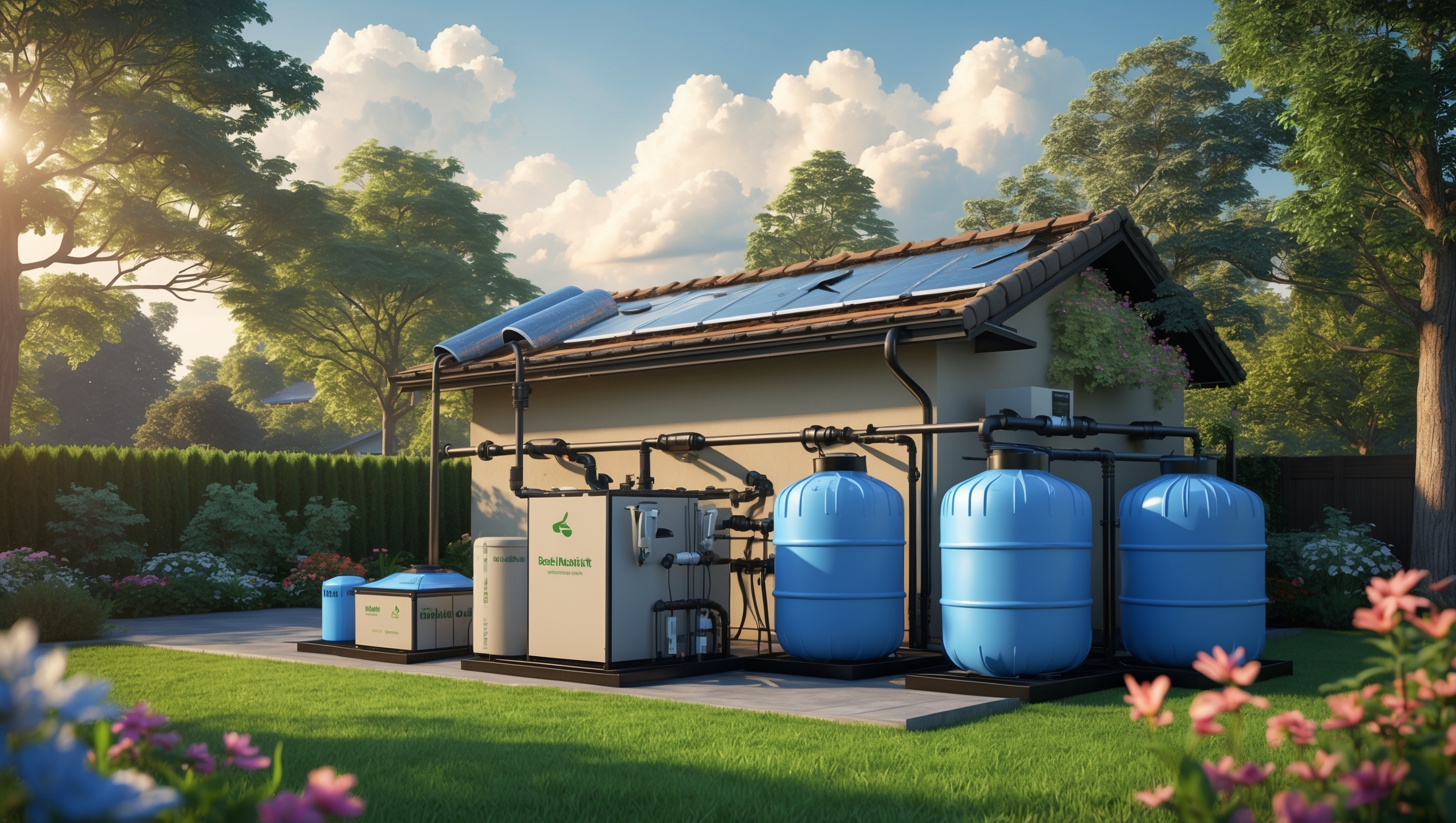
Introduction: Why Insurance Matters for Home Rainwater Harvesting
Rainwater harvesting systems are becoming an integral part of sustainable living, offering homeowners an eco-friendly way to reduce water bills, conserve resources, and build resilience against droughts. However, as with any significant home upgrade, installing a rainwater harvesting system introduces unique risks and liabilities. Damaged tanks, leaks, contamination, and even legal issues from improperly managed runoff can result in costly repairs or disputes. Many homeowners overlook the importance of insurance coverage tailored to their system, only to discover gaps after an incident occurs. This comprehensive guide will walk you through the critical insurance considerations for home-scale rainwater harvesting, helping you safeguard your investment, comply with regulations, and ensure long-term peace of mind.
Types of Rainwater Harvesting Systems and Their Insurance Implications
1. Above-Ground Barrel Systems
These are the most common entry-level approach, using barrels or tanks to collect and store water from roof gutters. They are cost-effective and easy to install, but are more exposed to physical damage from weather, vandalism, or accidents. Consider the following insurance factors:
- Physical Damage: Many standard homeowners policies do not automatically cover damage to free-standing equipment. Confirm whether your barrels or tanks are considered “appurtenant structures” and ensure their value is included in your policy.
- Liability: Overflow or leaks can cause property damage to your home or neighboring lots. Confirm that your policy includes liability protection for water damage resulting from your system.
2. Underground Cisterns
Underground systems are more durable and offer greater capacity. However, installation often involves excavation, plumbing, and electrical work, all of which can impact your home insurance:
- Structural Risks: Improper installation can destabilize foundations or cause sinkholes. Ask your insurer if these risks are covered, especially during and after installation.
- Equipment Coverage: Underground tanks and associated pumps may require a rider or endorsement to be fully insured.
3. Integrated Irrigation and Potable Systems
Systems connected to indoor plumbing or used for potable water introduce health and compliance concerns. Insurers may have stricter requirements for coverage:
- Backflow Prevention: Confirm that you have approved backflow protection, as water contamination incidents can lead to liability claims.
- Maintenance Requirements: Some policies require regular inspections and maintenance logs, especially for potable water systems.
Assessing Insurance Needs: What Should Be Covered?
Not all rainwater harvesting systems are created equal, and neither are insurance policies. Here’s what you need to consider when assessing your coverage needs:
- Physical Components: Tanks, barrels, gutters, piping, pumps, and filtration units.
- Installation Workmanship: Damage caused during or after installation, especially for underground or roof-mounted components.
- Water Damage: Coverage for accidental leaks, overflow, or backup that damages your property or neighbors’ property.
- Contamination: Liability for health issues or damage caused by contaminated harvested water, especially if your system is plumbed indoors.
- Environmental Liability: Runoff or overflow causing erosion, flooding, or pollution.
Policy Types That May Apply
- Homeowners Insurance: May provide limited coverage for systems attached to the home but often excludes detached or underground equipment.
- Endorsements/Riders: Additional coverage for equipment not included in your base policy.
- Flood Insurance: May be required in flood-prone areas, especially if your system could exacerbate water flow issues.
- Umbrella Liability: For peace of mind against larger claims, especially if you host community or educational events involving your system.
Common Insurance Pitfalls and How to Avoid Them
1. Assuming Standard Coverage Applies
Many homeowners mistakenly believe that any home upgrade is automatically covered. In reality, insurance companies often exclude non-standard structures or require explicit notification of new installations. Always disclose your rainwater harvesting system to your insurer and request written confirmation of coverage.
2. Underestimating Replacement Costs
Rainwater systems can add thousands of dollars in value to your property. Failing to update your policy means you may only receive a partial payout after a loss. Provide your insurer with installation invoices, photos, and an itemized list of components to ensure adequate coverage limits.
3. Ignoring Maintenance Requirements
Many policies require regular maintenance to remain valid. Keep logs of filter changes, tank cleaning, and inspections. Neglecting these tasks can give insurers grounds to deny claims related to system failure or contamination.
4. Overlooking Liability Exposures
Water damage or contamination affecting others can trigger costly lawsuits. Make sure your liability limits reflect the potential risks, especially if your property is on a slope or near other homes.
Step-by-Step: Securing the Right Insurance for Your System
Step 1: Document Your System
- Take detailed photos of all components, including tanks, piping, and filtration units.
- Keep copies of installation contracts, permits, and receipts.
- Create a system diagram showing water flow, shutoff valves, and connections to your home.
Step 2: Notify Your Insurer
- Contact your insurance agent before installation if possible.
- Provide documentation and explain the system’s purpose (outdoor irrigation, potable use, etc.).
- Request confirmation of what is (and isn’t) covered in writing.
Step 3: Request Policy Adjustments
- Ask about endorsements for equipment, especially for underground tanks or high-value filtration systems.
- Consider raising your personal property and liability limits if recommended.
- Clarify exclusions related to water damage, flooding, or contamination.
Step 4: Meet All Compliance Requirements
- Ensure your system meets local codes and permitting requirements.
- Install approved backflow prevention devices for any plumbing connections.
- Follow manufacturer maintenance guidelines and keep detailed logs.
Step 5: Review Annually
- Reassess coverage after any upgrades or expansions to your system.
- Update your insurer with new documentation and updated replacement values.
- Check for new policy offerings or discounts for sustainable home features.
What to Do if You Experience Damage or a Claim
Immediate Steps
- Take photos of the damage before making repairs.
- Shut off water flow to prevent further damage.
- Notify your insurer promptly and provide documentation.
Working With Adjusters
- Be prepared to explain the function of each system component.
- Share maintenance logs and receipts to demonstrate proper upkeep.
- Request clarification on what is covered in your specific scenario.
Mitigating Future Risk
- After a claim, review your system for weak points and consider upgrades.
- Ask your insurer for recommendations to reduce future premiums (e.g., protective enclosures, alarms, regular inspections).
Risk Management Tips Beyond Insurance
Insurance is just one part of a comprehensive risk management plan. Here are additional best practices to protect your rainwater harvesting system:
- Install Overflow Alarms: Early warning can prevent costly water damage.
- Use Durable Materials: Choose UV-resistant barrels and robust fittings to minimize wear and tear.
- Regular Inspections: Set a quarterly schedule for checking all components for leaks, clogs, and wear.
- Label Shutoff Valves: Make it easy to isolate the system in case of an emergency.
- Secure Tanks: Anchor above-ground tanks to prevent tipping in storms or earthquakes.
- Community Education: Inform neighbors about your system, especially if they’re downhill or nearby, to foster goodwill and minimize disputes.
Frequently Asked Questions
Is rainwater harvesting legal everywhere?
Laws vary widely by location. Some regions encourage it, others restrict or regulate it due to water rights issues. Always check local codes before installing a system and confirm that your insurance policy is valid for your region.
Will my insurance premiums increase?
Not always. Some insurers offer discounts for sustainable features, while others may charge more if they perceive added risk. Shopping around and providing full documentation can help you secure the best rates.
Is liability coverage really necessary?
Yes. Even small leaks or overflows can cause significant property damage, and homeowners can be held responsible for harm to neighbors or public property.
Conclusion: Protecting Your Sustainable Water Investment
Investing in a home-scale rainwater harvesting system is a commendable step toward sustainability, resilience, and self-sufficiency. However, the journey doesn’t end with installation. Proper insurance coverage is vital to protect both your property and your peace of mind. By understanding the specific risks associated with your system, documenting every component, maintaining clear communication with your insurer, and staying on top of maintenance, you significantly reduce the chances of costly surprises. Remember, insurance is only effective if it’s tailored to your unique setup and kept up-to-date as your needs evolve.
In addition to securing robust insurance coverage, proactive risk management—through quality components, regular inspections, and community engagement—ensures your rainwater harvesting system remains an asset, not a liability. As more homeowners turn to green technologies, insurance companies are gradually adapting their policies to support and encourage these efforts. By being an informed, diligent homeowner, you not only safeguard your investment but also contribute to a more sustainable future for your community. Take the time to review your coverage today and enjoy the peace of mind that comes from knowing your rainwater harvesting system is fully protected.


The article mentions liability from water overflow or leaks. In your experience, have insurance companies typically required proof of professional installation or regular maintenance records to approve claims related to rainwater harvesting systems?
Insurance companies often look for evidence that a rainwater harvesting system was installed correctly and maintained properly, especially when assessing claims related to water damage or liability. While some insurers may not explicitly require professional installation or detailed maintenance records upfront, providing this documentation can definitely help support your claim and demonstrate due diligence. It’s a good idea to check your specific policy details, as requirements can vary between providers.
Can you clarify what steps I should take with my insurance provider before starting excavation for an underground cistern? I’m worried about the potential impact on my home’s foundation and whether that could affect my policy or premiums.
Before beginning excavation for an underground cistern, contact your insurance provider to explain your plans in detail, including the location and depth of the excavation relative to your home’s foundation. Ask if this work could affect your coverage, premiums, or any policy exclusions. It’s also wise to get written confirmation of their guidance and consider having a structural engineer assess the risks to your foundation before starting the project.
What would be the best way to document my rainwater system for my insurance provider, so they recognize its value and potential risks? Should I get it professionally appraised or just keep records of the installation and equipment cost?
For your insurance provider, it’s best to keep thorough records of the installation, including invoices, equipment lists, photos of the system, and any permits or certifications. This documentation helps prove the system’s value and shows you followed safety guidelines. While a professional appraisal can add credibility, it’s usually not required unless your insurer specifically asks for one. Start with detailed records, and check with your insurance agent if further steps are necessary.
I’m thinking about getting an underground cistern and I’m worried about how the excavation might affect my foundation insurance. Are most policies fine with this kind of upgrade, or should I expect higher premiums?
Excavating for an underground cistern near your home can raise concerns with some foundation insurance policies. Insurers may require an inspection or specific documentation to confirm the work won’t compromise your foundation. While some policies may remain unchanged, others could increase your premiums or add exclusions. It’s best to contact your insurer before starting the project to clarify coverage and any necessary approvals.
If I already have a standard homeowners policy, how can I find out whether it covers damage to my above-ground rain barrels or if I need to add extra coverage for these structures?
To find out if your homeowners policy covers damage to your rain barrels, review your policy documents for any mention of coverage for detached structures or outdoor equipment. It’s also a good idea to call your insurance agent directly and ask about specific coverage for rainwater harvesting systems. They can clarify any limitations and let you know if you should consider adding extra coverage or a rider for your rain barrels.
I noticed you mentioned that standard policies might not cover above-ground barrels unless they’re listed as ‘appurtenant structures.’ How can I confirm with my insurance provider if my setup is actually included in the policy?
To confirm if your rainwater barrels are covered, contact your insurance provider directly and provide details about your setup, including where the barrels are located and how they’re used. Ask if they’re considered appurtenant structures under your policy, and request written confirmation or an updated policy statement that specifically includes them if necessary.