

Introduction
Solar-powered aquaponics systems are at the cutting edge of sustainable living, combining renewable energy with closed-loop food production. By harnessing solar energy to power water pumps, aerators, and heaters, homeowners can cultivate fresh vegetables and fish with minimal environmental impact. However, ensuring your home-based solar aquaponics system thrives throughout the year requires more than just initial setup. Seasonal changes in light, temperature, and humidity can significantly influence water chemistry, plant growth, and fish health. Without a structured maintenance routine tailored to each season, even the most advanced systems can suffer from algae blooms, nutrient imbalances, equipment failures, or crop loss. This in-depth guide provides a comprehensive, season-by-season checklist to help you keep your solar-powered aquaponics system running at peak performance. Whether you’re a beginner or a seasoned enthusiast, following these expert recommendations will maximize yields, safeguard your fish and plants, and ensure your investment continues to deliver sustainable benefits year-round.
Understanding Your Solar-Powered Aquaponics System
Core Components
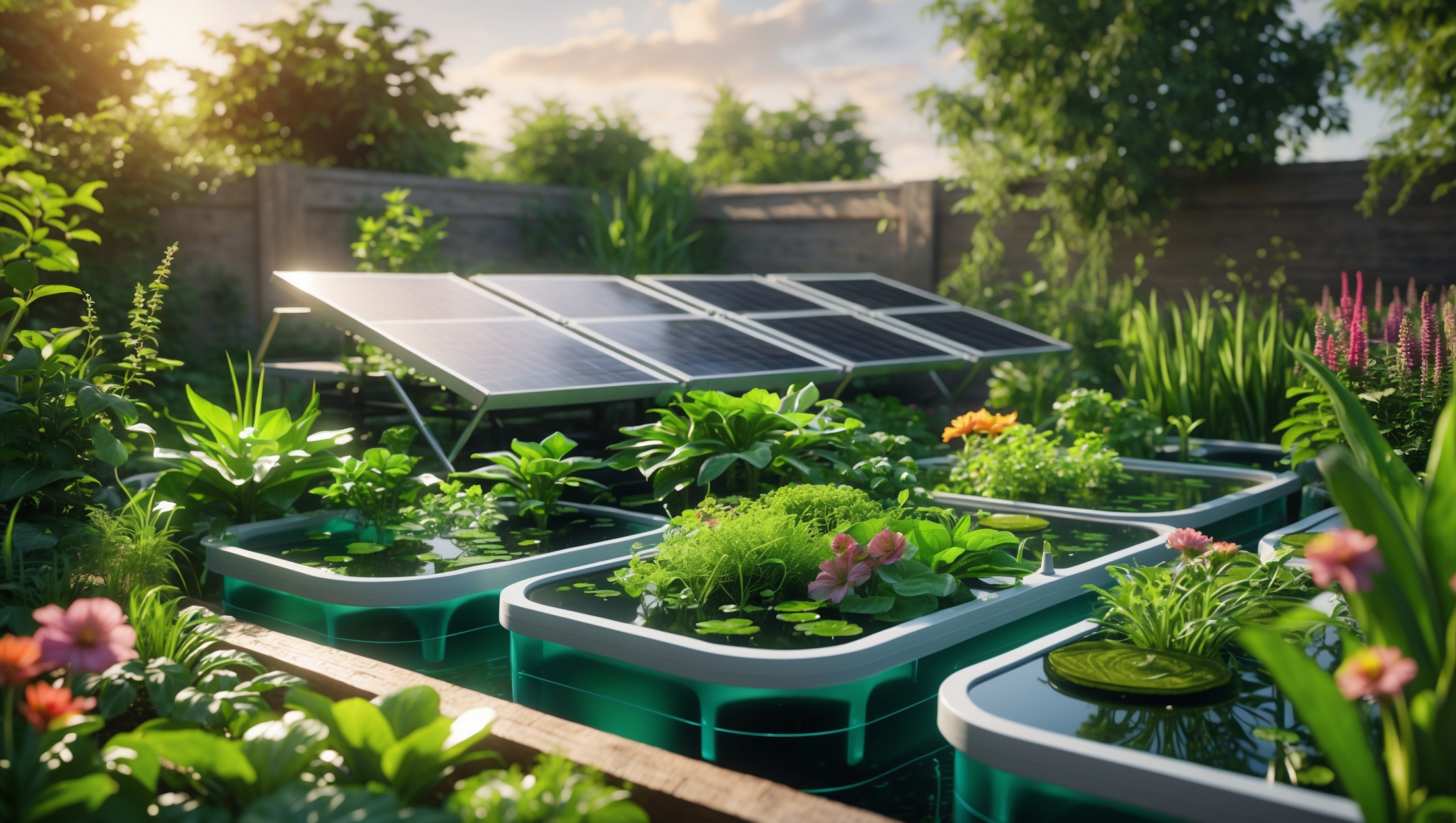
- Fish Tank: Houses the aquatic species and produces nutrient-rich waste.
- Grow Beds: Where plants absorb nutrients from the water.
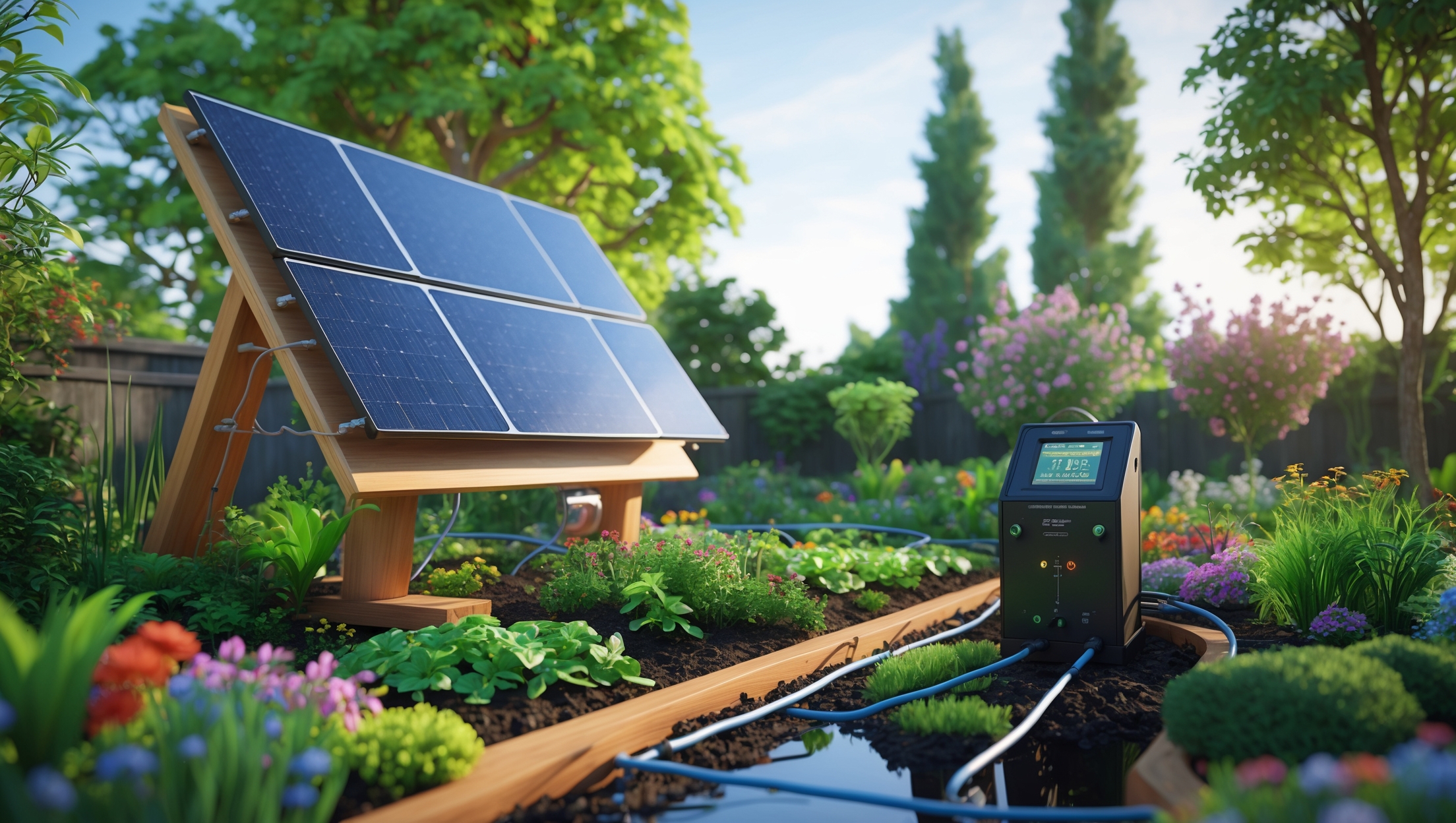
- Solar Power Array: Provides energy to water pumps, aeration, and, if needed, supplemental lighting.
- Pumps & Aerators: Circulate water and provide oxygen for fish and plant roots.
- Filtration Units: Mechanical and biological filters to maintain water clarity and health.
- Monitoring Systems: Sensors for pH, water temperature, dissolved oxygen, and ammonia/nitrite/nitrate levels.
The interdependence of these components is sensitive to environmental shifts, making season-specific maintenance critical.
Spring Checklist: Awakening the System
System Inspection and Cleaning
- Visual Check: Inspect all plumbing, connectors, and grow beds for cracks or leaks caused by winter freezes.
- Solar Panel Cleaning: Remove dust, pollen, and debris for maximum efficiency. Use a soft brush and distilled water.
- Tank Cleaning: Remove sediment and detritus from the fish tank and sump without disturbing beneficial biofilm.
- Filter Maintenance: Replace or clean mechanical filters; rinse biological media in tank water to preserve bacteria.
Water Chemistry Reset
- Partial Water Change: Replace 10-20% of the water to dilute built-up nitrates and refresh the system.
- pH and Hardness Adjustment: Test and adjust to optimal ranges (pH 6.8–7.2 for most species; hardness as required).
Fish and Plant Health
- Acclimatization: Gradually increase feeding as water temperature stabilizes above 15°C (59°F).
- Planting: Start seedlings indoors for transfer or directly plant cold-tolerant greens.
- Fish Health Check: Look for signs of stress or disease after winter dormancy; remove any dead fish promptly.
Solar System Check
- Connection Inspection: Examine wiring and junction boxes for winter damage.
- Battery Maintenance: If using battery backup, check electrolyte levels and charge/discharge cycles.
- Inverter Test: Ensure the inverter is functioning and delivering stable current to pumps and controls.
Summer Checklist: Managing Peak Growth and Heat
Temperature and Shade Management
- Monitor Water Temperature: Keep water below species-specific upper limits (e.g., tilapia: 30°C/86°F max).
- Install Shade Cloths: Use 30–50% shade netting to prevent overheating and reduce algae growth.
- Check Insulation: Insulate tanks and pipes exposed to direct sun.
- Evaporative Cooling: Install a small evaporative cooler or increase water circulation if overheated.
Solar Power Optimization
- Panel Orientation: Adjust tilt angle to capture maximum summer sun.
- Cooling for Electronics: Ensure inverters and controllers have adequate ventilation.
Water Quality Vigilance
- Monitor Evaporation: Top up with dechlorinated water as needed; check for salinity drift.
- Algae Control: Remove string algae manually; avoid copper-based algaecides that harm fish and plants.
- Oxygen Levels: Increase aeration during heatwaves. Warmer water holds less dissolved oxygen.
Intensive Feeding and Growth
- Fish Feeding: Monitor for leftover food; overfeeding increases waste and ammonia.
- Prune Plants: Regularly harvest and prune to maximize yields and maintain nutrient balance.
- Pest Inspection: Check for aphids, caterpillars, or spider mites; use organic controls compatible with aquaponics.
Autumn Checklist: Preparing for Cooler Weather
Harvest and System Adjustments
- Final Harvest: Collect mature vegetables and thin out older fish if needed.
- Plant Cool-Season Crops: Switch to lettuce, kale, or chard as temperatures decline.
- Reduce Stocking Density: If overwintering, consider lowering the number of fish to reduce bioload.
Solar and Power Adjustments
- Panel Cleaning: Remove fallen leaves or sap from solar panels.
- Backup Planning: Test battery backup or grid-tied support for shorter daylight hours.
- Timer Adjustments: Adjust pump and light schedules to match reduced sunlight and plant needs.
Water and Equipment Care
- Insulate Exposed Pipes: Prevent early frosts from damaging plumbing.
- Check Heaters: Test water heaters or consider solar water pre-heating systems for nighttime lows.
- Monitor Water Levels: Rain and leaf litter can dilute or pollute tank water; check and correct frequently.
Winter Checklist: Protecting the System in Harsh Conditions
System Protection
- Greenhouse or Cold Frame: Enclose the system if possible, or add insulated covers to tanks and beds.
- Pipe and Tank Insulation: Use foam sleeves or bubble wrap to maintain water temperature.
- Frost Guards: Install thermostatic heaters or submersible heating elements for fish health.
Solar Power and Backup
- Snow Removal: Gently clear snow or ice from panels after storms to restore generation.
- Monitor Battery Health: Cold reduces battery efficiency; keep enclosures above freezing if possible.
- Reduce Loads: Temporarily cut back on non-essential electronics or lighting to conserve energy.
Water Chemistry and Biological Balance
- Reduced Feeding: Fish metabolism slows; feed less to prevent uneaten food decay.
- Bacterial Activity: Monitor ammonia and nitrite, as cold slows biofilter bacteria; consider adding a bacterial supplement.
- Monitor for Ice: Prevent surface icing to maintain oxygen exchange; use air stones or circulation pumps.
Year-Round Monitoring and Record-Keeping
Data Collection
- Maintain a log of water parameters (pH, ammonia, nitrite, nitrate, temperature, dissolved oxygen) at least weekly.
- Track solar generation and battery status monthly to spot trends and catch issues early.
Preventive Maintenance
- Schedule quarterly equipment checks (pumps, filters, aerators, sensors).
- Lubricate mechanical parts as recommended by manufacturers.
- Replace worn tubing or connectors proactively to avoid leaks.
Common Seasonal Issues and Troubleshooting
- Spring: Sudden ammonia spikes after restarting system—test and perform partial water changes.
- Summer: Rapid algae growth—reduce light and increase mechanical filtration.
- Autumn: Leaf litter and clogging—install mesh screens over tanks and grow beds.
- Winter: Freezing pipes or pumps—apply insulation and ensure continuous water flow where possible.
Conclusion
A home-based solar-powered aquaponics system can provide a reliable source of fresh food and sustainable energy, but only with vigilant, seasonally tailored maintenance. Each season brings its own challenges: spring’s system awakening and water chemistry resets, summer’s battle against heat and algae, autumn’s preparation for dormancy, and winter’s fight against freezing and low light. By adopting a proactive, checklist-based approach, you minimize risks and maximize productivity, ensuring healthy fish and abundant crops while maintaining energy efficiency. Keeping detailed records of system performance, water quality, and maintenance actions allows you to spot trends, anticipate issues, and continuously improve your operation.
Remember, the most successful aquaponics enthusiasts treat their systems as living ecosystems, responsive to the rhythms of nature. By aligning your care routine with the changing seasons, you not only protect your investment but also deepen your connection to sustainable living. The rewards—nutritious food, lower energy bills, and the satisfaction of resilience—are well worth the effort. Start integrating these seasonal checklists today, and your solar-powered aquaponics system will thrive for years to come, serving as a model of green technology and future-ready energy at home.

I’m curious about what to do if my solar output drops during overcast winter days. Are there particular backup options recommended for aquaponics systems, or should I scale back operations during those periods?
If your solar output drops during overcast winter days, it’s wise to have a backup power source like a battery bank or a generator to keep your aquaponics system running smoothly. Reducing system loads—like running pumps less frequently or minimizing lighting—can also help. Scaling back fish feeding and plant growth during low-light periods is common as well, since both will naturally slow down. Backup options are recommended to avoid stressing your fish and plants.
If my solar array isn’t providing enough power in the winter to run pumps and heaters as usual, what are some effective backup solutions that won’t drastically increase my operating costs?
To keep your aquaponics system running through winter without high costs, consider using a battery bank to store extra solar energy generated during sunnier days. You could also switch to more energy-efficient pumps and heaters or use timers to run equipment only when absolutely necessary. If needed, a small backup generator fueled by propane or natural gas can provide occasional support without significantly increasing your regular expenses.
Can you explain how often I should check the pH and nutrient levels in the water as the seasons change? I want to avoid nutrient imbalances and keep both my fish and plants healthy, especially during spring and fall when temperatures swing a lot.
During periods of significant temperature changes like spring and fall, it’s best to check the pH and nutrient levels at least twice a week. Fluctuating temperatures can affect water chemistry quickly, potentially stressing your fish and plants. Regular monitoring lets you adjust conditions promptly, helping to prevent imbalances and maintain a healthy system year-round.
For families on a budget, are there any low-cost filtration or water testing solutions that still meet the recommended seasonal maintenance standards listed in your article?
For budget-conscious families, sponge or DIY gravel filters are affordable options that can be cleaned and reused for seasonal maintenance. For water testing, simple test strips for pH, ammonia, and nitrate are much cheaper than electronic meters and still give accurate enough results for regular monitoring. Both options help you meet the key maintenance standards mentioned in the article without high costs.