

Introduction: Separating Fact from Fiction in Home Greywater Recycling
As water scarcity and sustainability concerns rise worldwide, home greywater recycling systems are gaining popularity among eco-conscious homeowners. These innovative setups capture gently used water from showers, bathroom sinks, and laundry, diverting it for landscape irrigation or toilet flushing instead of letting it become waste. Yet despite their clear environmental benefits, a haze of myths surrounds the technology, discouraging many from adopting it. Concerns about health risks, complicated regulations, cost, and system complexity persist—often fueled by outdated information or misunderstandings. In this article, we set the record straight. We’ll debunk the most pervasive myths about home greywater recycling, clarify what’s true and what’s not, and provide actionable advice for anyone considering this sustainable upgrade. Whether you worry about legality, maintenance, safety, or return on investment, read on to get the facts and make informed decisions for a greener, more water-wise home.
Myth 1: Greywater Recycling is Illegal or Too Difficult to Permit
One of the most persistent misconceptions is that greywater recycling is flat-out illegal or that navigating local codes is prohibitively difficult. The truth is more nuanced and increasingly favorable for homeowners.
Understanding the Regulatory Landscape
- Growing Acceptance: Over the past decade, many states and municipalities have updated or clarified codes to allow and even encourage residential greywater reuse.
- Permit Simplicity: In some areas, basic systems (like laundry-to-landscape) may not require a permit at all, provided they meet specific guidelines (e.g., subsurface irrigation, use of biodegradable detergents).
- Key Steps: Check with your local building and environmental health departments. They can provide clear requirements and often have handouts or online guidelines.
Best Practices for Compliance
- Start Simple: Begin with a basic laundry-to-landscape system, which is legal and permit-free in many regions.
- Document Everything: Keep records of your system design, components, and installation process in case inspections or future documentation are needed.
- Professional Help: For larger or plumbed-in systems, consider consulting a licensed plumber familiar with greywater codes.
Myth 2: Greywater is Unsafe and Will Harm Your Family or Garden
Safety is a legitimate concern, but the risks of greywater, when managed properly, are minimal and easily mitigated. Let’s dispel the fear with facts.
Health and Hygiene Realities
- Source Matters: Greywater is distinct from blackwater (from toilets and kitchen sinks). It contains far fewer pathogens when sourced from showers, bathroom sinks, or laundry.
- Smart Usage: Greywater should be used for subsurface irrigation or flushing toilets—not for vegetable gardens or above-ground spraying.
- System Design: Modern systems prevent pooling, odors, and contact with children or pets by using underground drip irrigation or mulch basins.
Protecting Plants and Soil
- Detergent Choice: Use biodegradable, low-sodium, and phosphate-free soaps and detergents to avoid soil buildup and plant damage.
- Rotating Irrigation: Alternate irrigation areas to prevent oversaturation and maintain soil health.
- Monitoring: Regularly inspect plants and soil for salt buildup or unusual growth and adjust practices as needed.
Myth 3: Greywater Systems Are Too Expensive to Be Worthwhile
Many assume that installing a home greywater system is cost-prohibitive and the payback period is too long. The reality is that systems can be affordable, and the benefits extend beyond financial savings.
Cost Breakdown: From DIY to Professional
- DIY Laundry-to-Landscape: Basic kits start at $200–$500, with additional plumbing supplies costing $100–$300 more. Most homeowners can install these with basic tools and skills.
- Professionally Installed Branched Drain Systems: These can range from $1,500–$4,000 depending on complexity, landscape size, and local labor rates.
- Operation and Maintenance: Annual maintenance rarely exceeds $50–$100 for filter cleaning and occasional part replacements.
Calculating the Return
- Water Bill Savings: Depending on your local water rates and system size, you could save 10,000–30,000 gallons annually, equating to $100–$400 in savings per year.
- Landscape Resilience: Greywater provides a drought-resistant irrigation source, reducing the need for potable water during restrictions or shortages.
- Environmental Impact: Reduced strain on municipal wastewater systems and lower potable water demand both have significant ecological benefits, even if harder to monetize.
Myth 4: Greywater Systems Are Too Complicated to Install or Maintain
Some believe greywater systems require advanced plumbing skills and constant tinkering to function. In fact, there are user-friendly options suitable for almost any home.
System Types and Complexity
- Laundry-to-Landscape: Minimal plumbing; usually involves attaching a diverter valve to your washing machine’s drain hose and running piping to the garden.
- Branched Drain: Involves more plumbing but follows a straightforward layout using gravity to distribute water to multiple mulch basins.
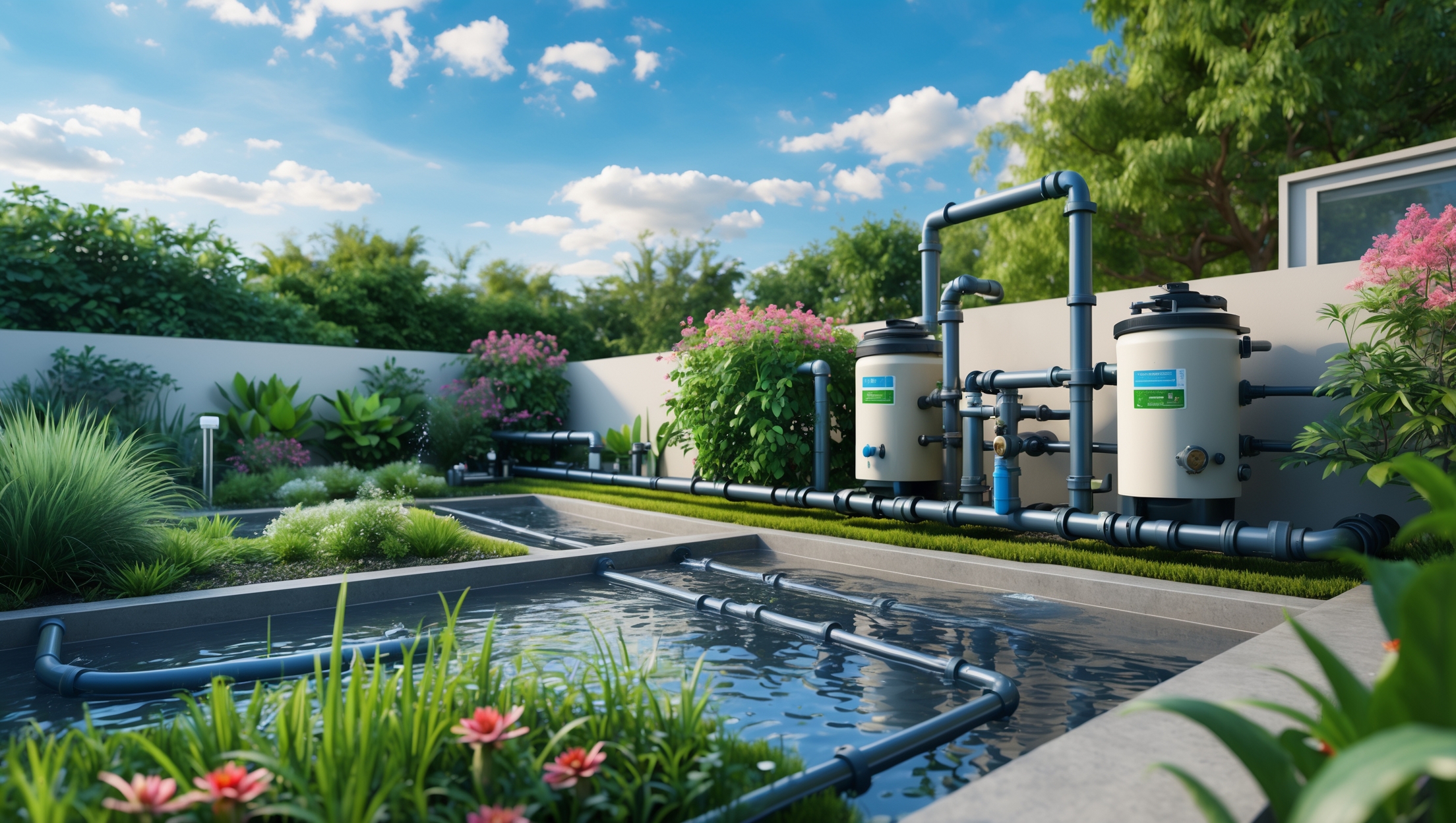
- Pumped or Filtered Systems: For more complex setups (e.g., indoor toilet flushing), a pump and filtration may be required; these are best handled by professionals.
Maintenance Simplified
- Regular Checks: Inspect filters and diverter valves quarterly for clogs or leaks.
- Seasonal Flushing: Once or twice a year, flush the system to remove sediment and ensure smooth flow.
- Winterizing: In cold climates, protect exposed pipes or drain the system to prevent freezing.
Myth 5: Greywater Can’t Be Used in Cold or Wet Climates
It’s a common belief that greywater recycling is only practical in arid regions. In reality, systems can be designed for many climates with a few adjustments.
Greywater in Wet Climates
- Seasonal Use: Consider diverting greywater only during dry months when irrigation is needed.
- Rain Sensors: Add a rain sensor or manual diverter to switch back to the sewer during rainy periods.
Greywater in Cold Climates
- Pipe Insulation: Insulate above-ground and shallow pipes to prevent freezing.
- Drainage: Ensure all pipes can drain when the system is not in use during winter.
- Indoor Reuse: Consider using greywater for toilet flushing or indoor plant irrigation, which is less affected by weather.
Myth 6: Greywater Systems Always Smell Bad
Odor is a concern, but a well-designed greywater system should not smell at all. Any persistent odor is usually a sign of incorrect design or maintenance.
How to Prevent Odors
- Avoid Stagnation: Greywater should be used within 24 hours of generation. Systems are designed to drain automatically—no storage tanks needed for simple setups.
- Proper Filtration: Use simple filters or mulch basins to trap larger particles and prevent buildup.
- Routine Maintenance: Clean filters and inspect for blockages to ensure water flows freely and doesn’t sit idle.
Myth 7: Greywater Reduces Home Value or Makes Resale Difficult
Some worry that adding a greywater system will complicate future home sales or turn off buyers. The opposite is increasingly true, especially in water-conscious regions.
Greywater as a Selling Point
- Environmental Appeal: Modern buyers are looking for sustainable upgrades, and a functioning greywater system is often seen as a plus.
- Transparency: Provide clear documentation, permits, and maintenance records during sale to reassure buyers and inspectors.
- System Removal: Most systems can be easily reverted if a future owner prefers to disconnect it.
Practical Tips for Successful Home Greywater Recycling
1. Choose the Right System for Your Needs
- Laundry-to-landscape for easiest installation and lowest cost.
- Branched drain for larger homes or multiple water sources.
- Pumped systems for advanced reuses like toilet flushing.
2. Use the Right Products
- Opt for soaps and detergents labeled “greywater safe,” free of salts, boron, and phosphates.
- Avoid bleach, fabric softeners, and antibacterial products in greywater sources.
3. Plan Your Landscape
- Choose drought-tolerant, non-edible plants for greywater irrigation zones.
- Install mulch basins to filter water naturally and prevent exposure.
- Design irrigation zones to match your household’s daily greywater output.
4. Regularly Inspect and Maintain
- Check for leaks, blockages, and proper drainage every few months.
- Clean filters or mulch basins at least once a season.
- Flush the system annually for optimal performance.
Conclusion: Embracing Greywater Recycling for a Sustainable Future
Greywater recycling is a practical, affordable, and safe way for homeowners to dramatically reduce their water footprint, support resilient landscaping, and contribute to sustainability at the local and global level. As we’ve seen, fears about legality, safety, cost, complexity, climate suitability, odors, and home value are largely rooted in myth or misunderstanding. In reality, most homeowners can find a system—from simple laundry-to-landscape setups to more advanced branched drains—that suits their needs, budget, and DIY skills. With proper planning and routine maintenance, these systems provide years of reliable service and tangible benefits. If you’re ready to take the next step in sustainable living, don’t let misconceptions hold you back. Start small, do your research, and join the growing community of households making a measurable positive impact through greywater reuse. The planet, your plants, and your wallet will all thank you for it.

When it comes to maintenance, are there common issues or mistakes homeowners make with new greywater systems that can be avoided early on?
Yes, some common avoidable mistakes include using harsh chemicals or cleaners that can damage the system, neglecting regular filter checks and cleanings, and letting debris enter the greywater pipes. It’s important to follow the manufacturer’s maintenance schedule, use greywater-safe products, and inspect the system periodically to prevent blockages and odors.
The article says many states and municipalities are becoming more accepting of greywater reuse. Do you know if there are particular regions where permitting is still especially challenging or restrictive for homeowners?
Permitting for greywater systems does vary widely. While states like California and Arizona have relatively supportive regulations, some areas, particularly in the Northeast and Midwest, can still be restrictive or lack clear guidelines. Urban regions with older infrastructure or strict plumbing codes may also present more challenges. It’s always best to check directly with your local building or environmental health department for the most up-to-date requirements.
How do I find out if my area requires a permit for a basic greywater system like laundry-to-landscape? The article mentions that some places have online guidelines, but what departments should I contact first?
To find out if you need a permit for a laundry-to-landscape greywater system, start by contacting your local building or planning department, which is usually part of city or county government. You can also check with your local environmental health department. These departments often handle guidelines and permits for water systems and can point you to any relevant regulations or online resources for your area.
Are there particular types of biodegradable detergents or soaps you recommend for laundry-to-landscape systems to avoid harming plants or clogging the pipes?
For laundry-to-landscape systems, choose liquid detergents labeled as biodegradable and free of phosphates, chlorine, boron, sodium, and fragrance. Look for products specifically marked as greywater-safe. Avoid powdered detergents, as they often contain salts and fillers that can clog pipes. Brands with plant-based ingredients and minimal additives are generally a good choice to protect both your plants and your plumbing.