

Introduction: Standing Out in the Green Home Renovation Market
The green home renovation sector is booming. As more homeowners seek to lower their environmental impact, demand for sustainable remodeling, energy-efficient upgrades, and green building materials is on the rise. Yet, for contractors and design-build professionals, this surge in interest brings new challenges: How do you effectively differentiate your services in a crowded marketplace? What marketing tactics actually convert eco-conscious leads into loyal customers? How can you communicate the value of sustainable upgrades to clients who may not fully understand the benefits?
This guide delivers practical, proven strategies for marketing green home renovation services. Whether you specialize in retrofitting existing homes with energy-saving technologies, integrating recycled or low-impact materials, or providing full-spectrum sustainable remodels, these tactics will help you reach the right audience, build trust, and grow your business. We’ll cover digital marketing, local outreach, content creation, strategic partnerships, and more—each tailored specifically for the unique needs of the sustainable renovation industry. Let’s dive in and transform how you connect with clients ready to invest in a greener future.
Understanding Your Ideal Green Renovation Client
Identifying Eco-Conscious Homeowners
Not every homeowner is ready to invest in sustainable upgrades. Successful marketing begins with identifying and understanding your target audience. The ideal green renovation client often:
- Values energy efficiency and lower utility bills
- Is motivated by environmental concerns (carbon footprint, waste reduction)
- Is interested in healthy home environments (low-VOC paint, non-toxic materials)
- May be influenced by incentives, rebates, or local regulations
- Seeks long-term value over short-term savings
Use surveys, client interviews, and website analytics to refine your understanding of local demographics, common pain points, and the language your clients use to describe their goals.
Mapping the Customer Journey
The path from curiosity to contract is nuanced in the green sector. Clients might:
- Research sustainable materials or technologies online
- Seek referrals from neighbors, architects, or local organizations
- Compare upfront costs versus long-term savings
- Be wary of “greenwashing”—false or exaggerated claims
Map these steps and identify where you can provide valuable information or reassurance at each stage.
Crafting a Compelling Green Brand Identity
Authenticity Matters
Green-minded consumers are discerning. Your branding should reflect a genuine commitment to sustainability—not just surface-level claims. Highlight:
- Certifications (LEED, Green Globes, Energy Star partnership)
- Years of experience with eco-friendly projects
- Use of proven sustainable materials and practices
- Community involvement in local environmental initiatives
Include a dedicated section on your website detailing your sustainable philosophy, sourcing policies, and ongoing education in green building techniques. Transparency builds trust.
Visual Identity for Green Renovators
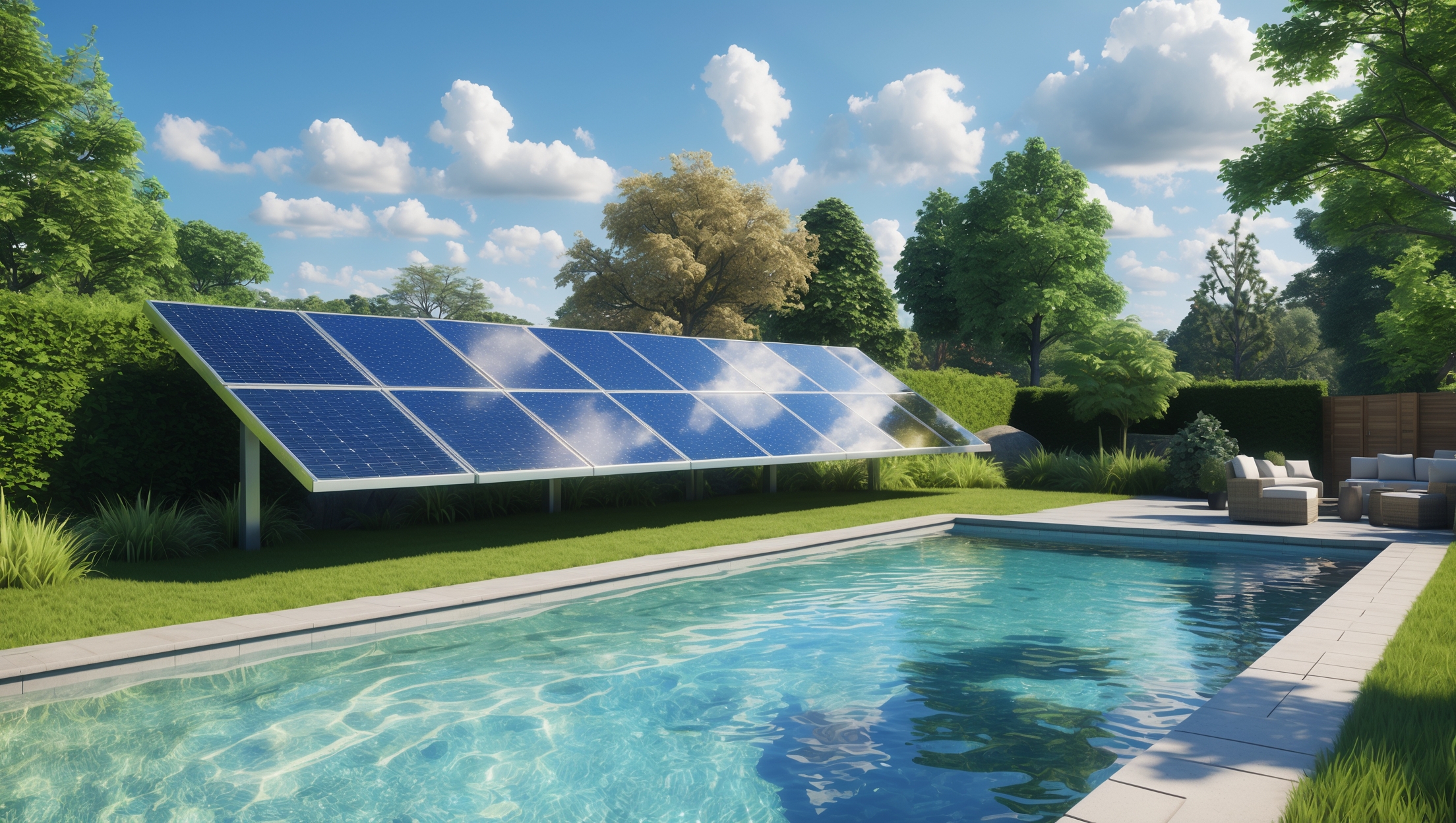
Consistent, professional visuals reinforce your message. Invest in high-quality photography of completed projects that showcase green features: solar panels, reclaimed wood, native landscaping, energy-efficient windows, and advanced insulation. Avoid clichéd stock images; authenticity is key. Use a cohesive color palette (greens, earth tones, clean whites) across your website, vehicles, uniforms, and printed materials.
Optimizing Your Website for Sustainable Clients
Clear, Educational Content
Your website is often the first point of contact. Make it easy for prospective clients to find:
- Detailed service pages (e.g., “Home Energy Retrofits,” “Low-Carbon Flooring Installation”)
- Explanations of sustainable materials and technologies you use
- Case studies with photos and results (energy savings, improved indoor air quality)
- Frequently asked questions addressing cost, process, and environmental benefits
SEO Strategies for the Green Renovation Niche
Optimize your content for keywords homeowners use, such as “eco-friendly home renovation [city],” “green kitchen remodel,” or “energy-efficient contractor near me.” Regularly update a blog with tips, project spotlights, and local sustainability news. Use schema markup for reviews and services to improve local search visibility.
Lead Generation and Calls to Action
Include clear calls-to-action (CTAs): “Book a Free Sustainability Assessment,” “Download Our Green Renovation Checklist,” or “See Our Portfolio.” Offer downloadable guides or webinars in exchange for email addresses. Make it easy for clients to request quotes or schedule consultations online.
Leveraging Social Proof and Testimonials
Showcasing Real Results
Nothing builds confidence like satisfied clients. Feature testimonials that highlight specific outcomes:
- “After switching to spray-foam insulation, our heating bills dropped by 30%.”
- “The low-VOC finishes made a noticeable difference in our indoor air quality.”
Encourage homeowners to share before-and-after photos and tag your business on social media. Video testimonials can be especially powerful for demonstrating authenticity.
Third-Party Endorsements
Display awards, certifications, and reviews from platforms like Houzz, Google, Yelp, and the Better Business Bureau. Build relationships with local environmental groups or green building councils for added credibility.
Building Local Authority and Community Connections
Educational Workshops and Events
Host free workshops on topics like “Maximizing Home Energy Efficiency” or “Introduction to Green Building Materials.” Partner with local hardware stores, libraries, or environmental nonprofits. Offer home energy audits as raffle prizes at community fairs. These events position you as a trusted local expert and generate referrals.
Strategic Partnerships
Form alliances with:
- Eco-friendly architects and interior designers
- Suppliers of sustainable materials (reclaimed wood, recycled glass tile)
- Home energy auditors and solar installers
- Local realtors specializing in “green homes”
Cross-promote each other’s services via newsletters, blogs, or social media. Co-branded projects can unlock new audiences and enhance your credibility.
Participating in Local Green Initiatives
Sponsor neighborhood cleanups, tree-planting days, or environmental education programs. Feature these activities on your website and social media. Community involvement demonstrates your commitment to sustainability beyond profit.
Content Marketing: Educating and Inspiring Prospects
Creating Value-Driven Content
Develop blog posts, videos, and downloadable guides that answer common client questions and showcase your expertise. Topic ideas include:
- “Choosing the Right Insulation for a Greener Home”
- “How to Qualify for Local Energy Efficiency Rebates”
- “Sustainable Flooring Options: Pros, Cons, and Costs”
- “The Truth About Low-VOC Paints”
Share real-life project stories, including challenges and solutions. Visual content—such as timelapse videos or interactive before-and-after sliders—tends to perform well on social media.
Email Newsletters
Build an email list by offering valuable resources. Send regular newsletters featuring:
- Recent projects and client testimonials
- Seasonal tips for maintaining a sustainable home
- Updates on incentives or regulation changes
Include a clear CTA in every email, such as scheduling a consultation or sharing the newsletter with friends.
Smart Paid Advertising for the Sustainable Sector
Targeted Digital Ads
Leverage Google Ads and Facebook/Instagram advertising with keywords and interests related to sustainability, energy savings, and green building. Use geo-targeting to focus your spend on neighborhoods with high homeownership rates and demonstrated interest in eco-friendly living.
Retargeting for Warm Leads
Install tracking pixels on your website to serve ads to visitors who didn’t convert on their first visit. Remind them about your unique offerings or announce special promotions—such as a free energy audit or discounted consultation.
Offline Marketing: Making a Tangible Impression
Eco-Friendly Print Materials
Distribute brochures, business cards, and yard signs printed on recycled paper with soy-based inks. Highlight specific project results and your green credentials. Consider direct mail campaigns to targeted zip codes or neighborhoods known for sustainability interest.
Showcasing at Home Shows and Green Fairs
Exhibit at local home and garden shows, green living expos, or sustainability fairs. Prepare interactive displays featuring samples of eco-friendly materials, project portfolios, and live demonstrations of products (e.g., smart thermostats or energy monitoring devices). Collect contact information for follow-up.
Tracking Results and Refining Your Approach
Measuring What Matters
Use analytics tools to track:
- Website visits and conversion rates
- Most popular blog topics and resources
- Lead sources (Google, referrals, events, ads, etc.)
- Return on ad spend for digital campaigns
Ask new clients how they discovered you and what influenced their decision. This feedback is invaluable for refining your marketing mix.
Continuous Improvement
The sustainable renovation market evolves rapidly. Stay informed about new technologies, rebates, and consumer trends. Regularly update your website, marketing collateral, and service offerings to reflect the latest best practices and client interests.
Conclusion: Growing Your Green Renovation Business
Marketing green home renovation services requires more than catchy slogans or recycled content. It’s about building trust, demonstrating expertise, and authentically communicating your commitment to sustainability. By understanding the needs and values of eco-conscious homeowners, crafting a transparent brand identity, and leveraging a mix of digital and offline strategies, you can stand out in a competitive market and attract the clients who appreciate the difference your work makes.
Remember: education is your most powerful marketing tool. Every blog post, consultation, or local workshop is an opportunity to inform prospects about the real benefits—financial, environmental, and health-related—of sustainable home improvements. Consistently sharing your knowledge, showcasing real-world results, and participating in your community will position your business as the go-to resource for green renovations in your area.
As you implement these tactics, track your progress and be ready to adapt. The sustainable housing movement is only gaining momentum, and contractors who invest in smart, value-driven marketing today will be leaders in the homes of tomorrow. Now is the perfect time to grow your green renovation business and help more clients create comfortable, resilient, and eco-friendly homes.


When it comes to digital marketing for green renovation services, do you find that content creation or strategic partnerships with other local eco-friendly businesses brings in more qualified leads?
Both content creation and strategic partnerships are valuable, but content creation usually brings in more qualified leads over time. Educational blogs, project showcases, and tips on green renovation help attract homeowners actively searching for eco-friendly solutions. Strategic partnerships can boost credibility and local visibility, but content tends to drive more direct inquiries from people who are already interested in green renovation services.
I’m curious about communicating the value of sustainable upgrades to clients who mainly care about cost savings. Do you have any specific suggestions for convincing homeowners that long-term benefits outweigh the upfront investment, especially when they seem hesitant?
To address cost-focused clients, use clear examples that show how sustainable upgrades can lower utility bills over time. Offer case studies or simple payback calculations to illustrate savings. Highlight incentives, rebates, or financing options that can reduce upfront costs. Sharing customer testimonials about real savings or improved comfort can also help build trust and show the practical value of green renovations.