
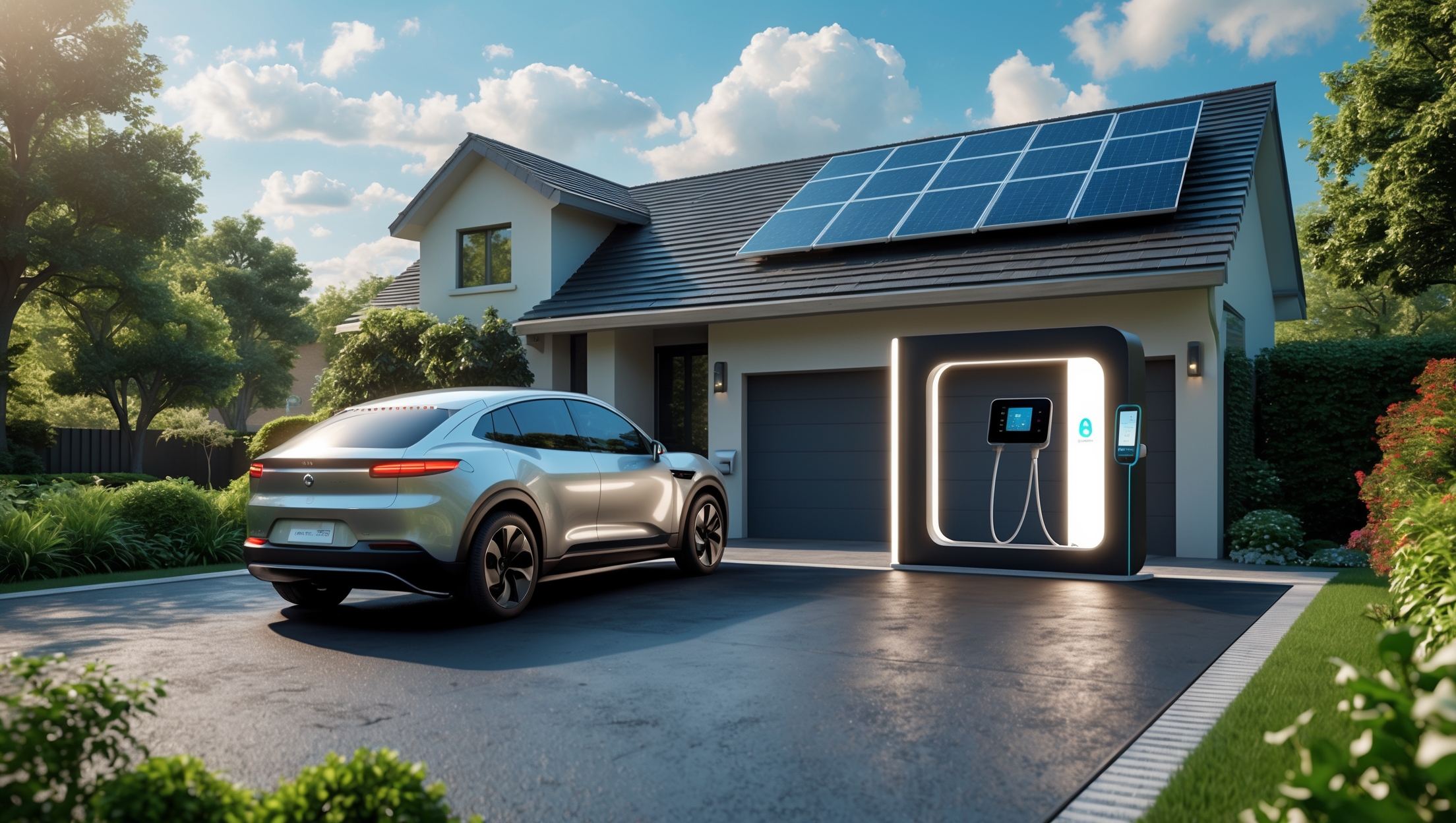
Introduction: Why Budgeting for a Home Solar EV Charging Station Matters
As electric vehicles (EVs) surge in popularity and solar technology becomes more accessible, many homeowners are exploring the benefits of pairing these two green technologies. Installing a solar-powered EV charging station at home offers unmatched convenience and the satisfaction of fueling your daily commute with clean, renewable energy. However, the journey from idea to implementation requires careful planning—especially when it comes to budgeting. Misunderstandings about true costs, equipment requirements, and incentives can lead to overruns or missed savings. In this comprehensive guide, we’ll break down every cost you should expect, from system design and equipment selection to installation, permitting, and ongoing maintenance. Whether you’re a new EV owner or a seasoned sustainability enthusiast, this post will equip you with actionable budgeting strategies, clear price ranges, and expert tips for making your home solar EV charging station both effective and affordable.
Understanding the Components: What Goes Into a Home Solar EV Charging Setup?
Solar Array
The backbone of your solar-powered EV charging station is the solar array. This consists of photovoltaic (PV) panels mounted either on your roof or ground, sized to meet your EV charging needs. The array’s size will directly influence your up-front costs.
- Typical Cost: $2.50–$3.50 per watt installed (before incentives)
- Average System Size: 2–5 kW dedicated for EV charging (may be larger if powering the entire home)
EV Charger (Electric Vehicle Supply Equipment – EVSE)
Home EV chargers come in Level 1 (120V, slow), Level 2 (240V, fast), and smart charger varieties. For most solar applications, a Level 2 charger is recommended for faster, more flexible charging.
- Level 2 Charger Cost: $400–$900 (hardware only)
- Smart Charger: $700–$1,500 (includes Wi-Fi, solar integration, energy management features)
Inverter
The inverter converts DC electricity from your solar panels to AC power for your home and EV charger. A dedicated inverter may be needed if you’re adding capacity specifically for EV charging.
- String Inverter: $1,000–$2,000 per system
- Microinverters/Optimizers: $200–$350 per panel (if required for complex roofs or shading)
Electrical Upgrades
Depending on your home’s existing electrical panel, you may need upgrades to accommodate the new charger and increased solar input.
- Panel Upgrade: $1,200–$3,500
- Wiring, Breakers, and Miscellaneous Materials: $300–$800
Mounting and Balance of System (BOS)
This includes racking, wiring, conduit, disconnect switches, and other essential hardware.
- Mounting Hardware: $500–$2,000 (roof vs. ground mount)
- Permitting and Inspection Fees: $200–$800 (varies by jurisdiction)
Step-by-Step Cost Breakdown: What to Expect
1. Sizing Your Solar Array for EV Charging
To estimate the size of solar you’ll need, start with your EV’s consumption. Most EVs use 25–35 kWh per 100 miles. If you drive 30 miles per day, that’s roughly 9 kWh per day, or about 3,300 kWh per year. In most U.S. locations, a 1 kW solar array produces 1,200–1,500 kWh annually. So, you’ll need a 2.2–2.8 kW array just for EV charging.
- Equipment Cost Range: $5,500–$9,800 (installed, before incentives, for 2.5–3 kW system)
2. Selecting Your EV Charger
Choose a Level 2 (240V) charger compatible with your EV brand/model. Smart chargers allow you to schedule charging during peak solar production or off-peak grid hours, maximizing both solar usage and savings.
- Hardware: $400–$1,500
- Installation: $400–$1,200 (if electrical work is needed)
3. Inverter and Electrical Integration
If you already have solar, you may only need to expand your existing array and possibly upgrade your inverter. If starting from scratch, include inverter costs in your solar installation budget.
- String Inverter Upgrade: $1,000–$2,000
- Electrical Panel Upgrade: $1,200–$3,500 (only if required)
4. Permitting and Inspection
Permitting requirements vary by city and state. Solar permitting is usually more complex than EV charger permits, but both are essential for safe, legal installation.
- Permitting Fees: $200–$800
5. Labor and Installation
Professional installation is recommended for both safety and warranty reasons. Labor typically represents 10–20% of the total system cost.
- Solar Labor: $1,200–$2,800 (for small to medium systems)
- Charger Installation: $400–$1,200 (as above)
Budgeting Strategies: How to Save Without Sacrificing Performance
Leverage Federal, State, and Local Incentives
The biggest cost reducer is the federal Solar Investment Tax Credit (ITC), which covers 30% of installed solar costs through at least 2032. Many states and utilities offer additional rebates for EV chargers and home solar integration.
- Federal Solar ITC: 30% of system cost (solar only, not charger hardware)
- State Rebates: Vary widely—check DSIRE for current offers
- Utility Charger Rebates: $200–$1,000 (some require proof of solar pairing)
Bundle Installation for Lower Labor Costs
Combining solar and EV charger installation with one contractor often reduces labor, permitting, and inspection costs. Some solar companies now offer EV charger add-ons at discounted rates.
Right-Size Your System
Oversizing your solar array can increase upfront costs without necessary benefit. Accurately estimate your driving habits and typical charging needs. Use your EV’s onboard telematics or a simple mileage log for at least a month before sizing your system.
Consider Smart Chargers
While smart chargers cost more upfront, their ability to optimize charging based on solar availability or time-of-use rates can drive significant savings over time—especially in regions with dynamic electricity pricing.
Shop for Quality, Not Just Price
Cheaper panels, inverters, or chargers may lack durability or support. Focus on proven brands and check for warranties: 10–25 years for panels, 10–12 years for inverters, and at least 3–5 years for chargers.
Hidden Costs and Common Budgeting Pitfalls
1. Electrical Panel Limitations
Older homes may lack capacity for a Level 2 charger and new solar inverter. Always budget for the possibility of a panel upgrade or subpanel installation.
2. Roof Repairs or Upgrades
Solar panels last 25+ years. If your roof needs replacement soon, factor this into your budget—removing and reinstalling panels later can be costly.
3. Trenching for Ground-Mounted Arrays
If you opt for a ground-mount solar array, budget for trenching and conduit to connect the array to your main panel. Costs vary based on distance and terrain.
4. Permit Delays and Revision Fees
Some jurisdictions require plan revisions or additional inspections, which can lead to unexpected fees. Ask your installer for a detailed timeline and contingency budget.
5. Network and Connectivity Fees
Smart EV chargers may require Wi-Fi connectivity or cellular plans for advanced features. Verify any ongoing subscription costs before purchasing.
Sample Budget Scenarios
Scenario 1: Adding an EV Charger to Existing Home Solar
- Smart Level 2 Charger: $1,000 (hardware)
- Installation and Wiring: $800
- Permitting: $200
- Total: $2,000
Scenario 2: Adding Solar and EV Charger to a Home Without Solar
- 2.5 kW Solar Array: $7,500
- Level 2 Smart Charger: $1,200
- Inverter: $1,500
- Electrical Panel Upgrade: $2,000
- Labor and Permitting: $2,500
- Federal ITC (30%): -$2,250 (applied to solar only)
- Utility Rebate: -$500
- Net Total: $12,450
Scenario 3: Ground-Mounted Solar + EV Charger
- 3 kW Ground-Mount Array: $10,500 (includes trenching and hardware)
- Level 2 Charger: $1,000
- Inverter: $1,700
- Panel Upgrade: $2,500
- Labor and Permitting: $3,000
- Federal ITC (30%): -$3,150
- State Rebate: -$1,000
- Net Total: $14,550
Note: These are illustrative examples. Actual costs vary by region, contractor, equipment, and incentive availability.
Maximizing Long-Term Savings: Calculating Payback and ROI
1. Avoiding Utility Rate Increases
Charging your EV with solar insulates you from rising electricity rates and time-of-use surcharges. The average U.S. household can save $600–$1,200 annually by combining home solar with EV charging, depending on driving habits and local rates.
2. Fuel Savings
Switching from gasoline to solar-powered EV charging can save $800–$2,000 per year compared to a similar gasoline vehicle (assuming 12,000–15,000 miles/year).
3. Increased Home Value
Solar installations and home EV charging infrastructure boost property value and appeal to future eco-conscious buyers.
4. Typical Payback Period
With incentives, most homeowners recover their investment in 5–9 years. After payback, EV fuel and charging are essentially free—minus minor maintenance.
Practical Budgeting Checklist
- Assess current and future driving habits (miles/day, kWh needed)
- Get multiple quotes for both solar and EV charger installation
- Ask for a full breakdown of equipment, labor, permitting, and potential upgrades
- Research and apply for all available incentives before signing contracts
- Set aside a 10–15% contingency for unforeseen expenses
- Verify warranties for all major components (solar panels, inverter, charger)
- Plan for future expansion (second EV, battery storage, etc.) if desired
Conclusion: Take Charge of Your Sustainable Commute
Investing in a home solar EV charging station is more than a lifestyle upgrade—it’s a strategic financial and environmental decision. By carefully mapping out each cost, leveraging incentives, and choosing the right equipment, you can avoid budget overruns and maximize your return on investment. Remember, every home and driving pattern is unique, so detailed planning and clear communication with your installer are key. Keep a flexible budget, ask questions, and revisit your calculations as you evaluate quotes. With the right approach, you’ll enjoy the freedom of clean, renewable energy fueling your EV—year after year—while lowering your total cost of ownership and shrinking your carbon footprint. Whether you’re making the switch to electric mobility or upgrading your sustainable lifestyle, a well-budgeted solar EV charging setup is a smart, future-proof investment for both your wallet and the planet.



When budgeting for this kind of project, what ongoing maintenance should I expect for both the solar array and the EV charger? I want to avoid any surprise expenses down the line.
For ongoing maintenance, solar arrays usually require periodic cleaning of panels to maintain efficiency and occasional inspections for wiring or inverter issues, typically once or twice a year. Most solar systems have minimal maintenance costs. For the EV charger, occasional checks for cable wear, loose connections, and software updates are advisable. Professional servicing may be needed if issues arise, but both systems are designed for low ongoing costs. Setting aside a small yearly budget for inspections and unexpected repairs can help avoid surprise expenses.
Can you explain how installation and permitting fees typically compare to the actual hardware costs when budgeting for a home solar EV charging setup? I’m trying to figure out which part is usually the biggest expense beyond the panels and charger.
Installation and permitting fees for a home solar EV charging setup can be significant, but hardware costs usually make up the largest portion of your budget, especially for quality panels and chargers. Installation fees often amount to about 10–30% of the total cost, while permitting fees are generally a small fraction. The main expense is typically the hardware itself, but local labor rates and permitting requirements can increase the non-hardware portion in some areas.
I noticed the article mentions that a 2–5 kW solar array is typical for charging an EV. If I’m only planning to commute short distances each day, could I get by with a smaller array, or is there a minimum size you’d recommend for reliable charging?
If your daily commute is short and your EV’s battery is relatively small, you can likely use a smaller solar array—possibly even below 2 kW. The minimum size depends on how much energy you need per day. For most short commutes, a 1–2 kW system may be enough, but consider local sunlight conditions and any future needs. It’s a good idea to estimate your daily energy use and discuss it with an installer to find the best fit.