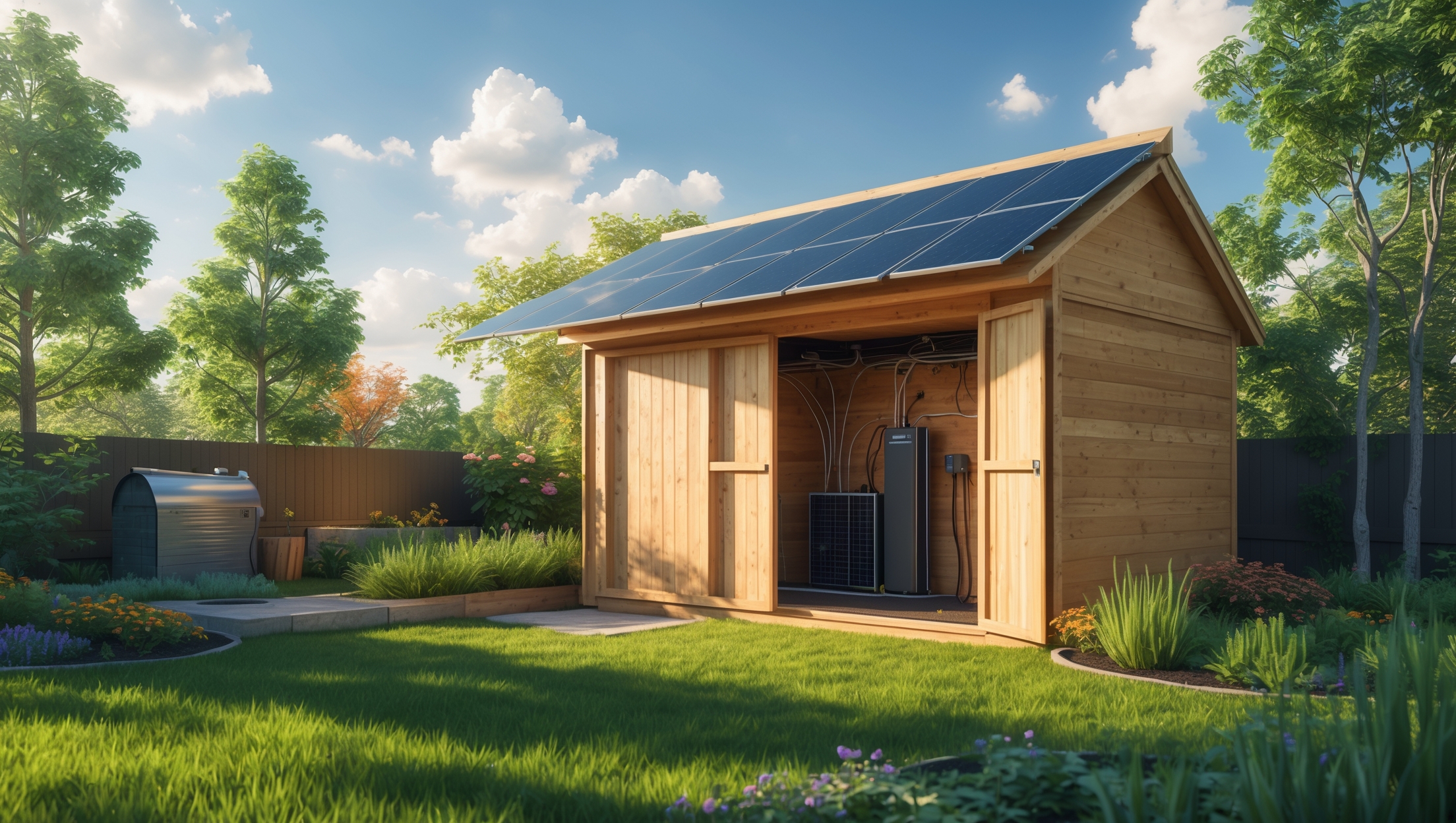

Introduction: Why Solar-Powered Compost Aeration?
Composting is a cornerstone of sustainable living, helping turn kitchen scraps and yard waste into nutrient-rich soil. However, traditional composting can be slow, labor-intensive, and sometimes smelly, especially when aeration is inadequate. Aeration—supplying oxygen to compost piles—accelerates decomposition, reduces foul odors, and produces higher-quality compost. Manual turning can be tough, especially for large or enclosed bins. Enter the solar-powered compost aeration system: a green technology that uses renewable energy to automate airflow, making composting more efficient and eco-friendly. This guide walks you through every step of installing a DIY solar-powered compost aeration system for your yard, detailing the tools, materials, practical tips, troubleshooting, and maintenance. Whether you’re an eco-enthusiast looking to optimize your compost or a sustainability beginner eager to innovate, this tutorial will help you transform your composting process while reducing your carbon footprint.
How Solar-Powered Aeration Works
Solar-powered compost aeration systems use a small photovoltaic panel to energize a low-wattage air pump. Flexible tubing or perforated pipes distribute air to the core of the compost pile, providing oxygen for aerobic microbes that drive decomposition. This automation means less manual labor and more consistent composting conditions, with the added benefit of running entirely on renewable energy.
- Key Components: Solar panel, charge controller (if using battery backup), 12V air pump, flexible tubing or PVC aeration pipes, check valve (to prevent backflow), weatherproof enclosure, and connectors.
- Benefits: Faster decomposition, fewer odors, less manual turning, and a fully off-grid solution.
Planning Your System
Assessing Your Compost Setup
Evaluate your existing compost bin or pile. This system works best with enclosed bins or static piles at least 1 cubic yard in volume. Ensure your bin is accessible for tubing installation and has adequate drainage.
Choosing the Right Location
- Sunlight: Place the solar panel where it receives full sun for at least 6 hours daily.
- Proximity: The solar panel should be close enough to the compost bin to minimize voltage drop in wiring.
Sizing Your System
- Air Pump: For most home compost bins (1–2 cubic yards), a 1.5–3 watt 12V diaphragm air pump provides adequate airflow.
- Solar Panel: A 10–20 watt panel is sufficient for continuous daytime operation. Add a small battery and charge controller for nighttime or cloudy-day operation if desired.
- Aeration Tubing: Use food-grade, UV-resistant tubing or ½–1-inch PVC pipes with drilled holes as diffusers.
Required Tools and Materials
- 12V solar panel (10–20 watt)
- 12V air pump (1.5–3 watt)
- Charge controller (optional, for battery backup)
- 12V sealed lead-acid or LiFePO4 battery (optional)
- Aeration tubing or perforated PVC pipe (10–15 feet)
- Check valve (aquarium-grade)
- Weatherproof junction box or enclosure
- Wire (16–18 gauge, outdoor-rated)
- Cable ties or clamps
- Drill and ¼–½ inch bit
- Screwdriver, wire strippers, crimp connectors
- Silicone sealant (weatherproofing)
Step-by-Step Installation Tutorial
Step 1: Prepare the Compost Bin
If your bin is enclosed, drill 2–3 holes (1 inch diameter) at the base or along the center of the bin for aeration pipes. For open piles, plan to bury tubing down the middle of the heap. Ensure drainage holes remain clear.
Step 2: Assemble Aeration Tubing or Pipes
- Cut tubing or PVC pipe to length, matching the bin’s height.
- Drill ¼-inch holes every 2–3 inches along the pipe except the last 6 inches, which will connect to the air pump.
- Cap the base of the pipe to prevent compost from blocking airflow.
Step 3: Install Tubing in the Compost
- Insert the aeration pipe vertically into the center of the pile or through the drilled holes at the base.
- If using flexible tubing, coil it in a spiral within the pile as you add compost layers.
- Keep the pipe/tubing end accessible for connection to the pump.
Step 4: Mount the Solar Panel
- Use brackets or a simple frame to mount the panel facing south (in the Northern Hemisphere) at the recommended tilt angle for your latitude.
- Secure the panel to a pole, fence, or shed near the compost bin.
- Run wiring in protective conduit to the pump location.
Step 5: Connect the Air Pump and Electrical Components
- Install the air pump in a weatherproof enclosure close to the compost bin.
- Connect the positive/negative leads from the solar panel to the pump (or to a charge controller and battery setup if desired).
- Install a check valve in the tubing between the pump and the compost to prevent moisture from backflowing into the pump.
- Attach tubing from the pump outlet to the aeration pipe or tubing in the compost.
- Seal all wire entries with silicone to prevent water ingress.
Step 6: Testing and Calibration
- On a sunny day, verify that the pump runs when the panel is illuminated.
- Check airflow at the compost pipe (you should feel a gentle breeze).
- Adjust tubing and seals as needed to eliminate leaks or blockages.
- If the system includes a battery, test operation after dark to ensure backup functions correctly.
Maintenance and Troubleshooting
Routine Checks
- Inspect tubing and pipes for clogging by compost or debris every 2–3 months.
- Wipe solar panel surface with a damp cloth quarterly to maximize efficiency.
- Listen for abnormal pump noises, which may indicate wear or blockage.
- If using a battery, check voltage monthly and replace every 3–5 years as needed.
Troubleshooting Common Issues
- No Airflow: Confirm the solar panel is producing voltage; check wiring and connections; inspect for blockages in the tubing or pump intake.
- Pump Fails on Cloudy Days: Consider adding a small battery backup or increasing solar panel wattage.
- Excessive Moisture in Tubing: Ensure the check valve is installed in the correct direction and not faulty.
- Odors Persist: Reevaluate the compost mix (balance greens and browns) and verify adequate airflow.
Optimizing Performance
Compost Mix and Moisture
Even with enhanced aeration, maintain a balanced mix of greens (nitrogen-rich) and browns (carbon-rich). The compost should feel like a wrung-out sponge; too wet or dry will impede decomposition and airflow.
Seasonal Adjustments
- In winter, composting slows. If the solar panel is snow-covered or the pump is at risk of freezing, disconnect and store the pump, resuming in spring.
- In hot, dry months, check moisture more frequently as aeration can speed drying.
Environmental Impact and Energy Savings
Switching to solar-powered aeration means your composting process is entirely off-grid. Over a year, this can save 10–30 kWh of electricity compared to a plug-in pump while reducing methane emissions from anaerobic decomposition. The improved compost quality supports healthier gardens, which in turn sequester more carbon and reduce the need for synthetic fertilizers.
Cost Breakdown and Budgeting Tips
- Solar panel: $30–$50
- 12V air pump: $20–$40
- Charge controller: $15–$25 (if using battery)
- Battery: $30–$60 (optional)
- Tubing/PVC: $10–$20
- Miscellaneous (enclosure, wiring, hardware): $15–$30
- Total: $85–$225, depending on system size and features
Most homeowners can build a basic system for under $150, with payback in the form of faster, higher-quality compost and minimal ongoing costs.
Safety Checklist
- Use weatherproof enclosures and outdoor-rated wiring to prevent electrical hazards.
- Install a check valve to avoid water or compost entering the pump.
- Position the solar panel securely to prevent wind damage.
- Wear gloves when handling compost to guard against bacteria and fungi.
- Regularly inspect all connections for signs of wear or animal interference.
Conclusion: Compost Smarter, Not Harder
Upgrading your compost bin with a DIY solar-powered aeration system is a practical leap toward sustainable living. This hands-on project combines renewable energy with natural recycling, offering tangible benefits: faster decomposition, reduced odors, and improved compost quality. The setup is accessible for most homeowners, with minimal electrical expertise required, and it can be tailored to fit everything from small urban bins to large backyard composters. By harnessing solar power, you reduce your reliance on the grid and make your composting process more resilient and climate-friendly.
Remember, the key to efficient composting is consistency—monitor airflow, maintain a balanced feedstock, and make seasonal adjustments as needed. With your new aeration system, you’ll spend less time turning compost and more time enjoying the rewards of healthy soil and lush gardens. This project is a visible, impactful way to embody sustainable values at home while learning valuable green tech skills. It’s not just about making compost; it’s about composting smarter for a healthier planet. Ready to take your yard to the next level of sustainability? Your solar-powered compost aeration system is the perfect place to start.