
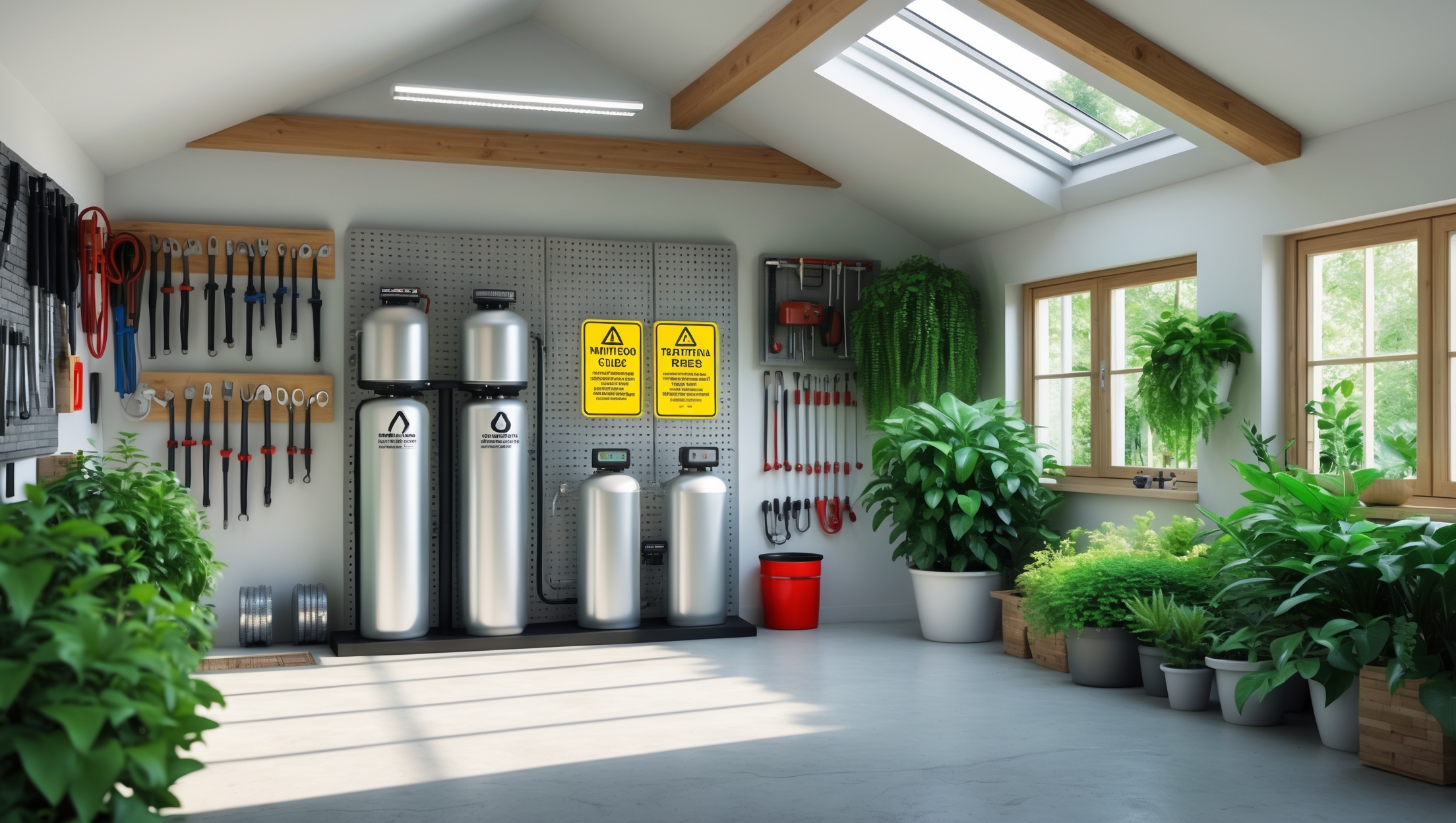
Introduction: The Rise of Home Hydrogen Fuel Cell Backup Systems
As the push for sustainable living intensifies and the demand for resilient home energy solutions grows, hydrogen fuel cell backup systems are capturing the attention of eco-conscious homeowners. Unlike traditional backup generators, these systems offer quiet, emission-free power generation, leveraging hydrogen’s high energy density and clean combustion. Whether you want to safeguard against grid outages or lower your carbon footprint, a home hydrogen fuel cell unit can provide electricity with only water vapor as a byproduct.
However, hydrogen is a highly flammable gas, and its storage and use require careful consideration. The promise of clean energy must be balanced with rigorous safety practices to ensure your home, family, and investment remain protected. This in-depth guide provides a comprehensive safety checklist for homeowners considering or already operating hydrogen fuel cell backup systems. You’ll learn how to assess installation sites, select and maintain equipment, implement emergency protocols, and comply with evolving safety standards. With this expert checklist, you can confidently harness the benefits of hydrogen while minimizing risk and maximizing peace of mind.
Understanding Home Hydrogen Fuel Cell Systems
What Is a Hydrogen Fuel Cell Backup System?
A hydrogen fuel cell backup system consists of a fuel cell stack, hydrogen storage, power electronics (inverters), and safety controls. When the grid fails or demand spikes, the system generates electricity by combining stored hydrogen with oxygen from the air in an electrochemical reaction—producing only electricity, heat, and water vapor.
Why Safety Is Paramount
Hydrogen’s small molecule size, low ignition energy, and wide flammability range make it uniquely challenging. Safe storage, leak prevention, and ventilation are critical. This checklist is designed to help you avoid common hazards and ensure ongoing, safe operation.
Pre-Installation Safety Assessment
Site Evaluation
- Location: Choose an installation site that is well-ventilated, away from sources of ignition (like water heaters, electrical panels), and outside of living spaces. Garages, outbuildings, or dedicated utility rooms with exterior access are ideal.
- Structural Requirements: Ensure the floor can bear the weight of the fuel cell and storage tanks. Verify that walls and ceilings are non-combustible or have proper fire-resistant finishes.
- Clearance: Maintain manufacturer-recommended clearances around the fuel cell and tanks for airflow and maintenance access (usually 3–5 feet).
Regulatory Compliance
- Check local and national fire codes (such as NFPA 2 and NFPA 853 in the US) for hydrogen storage and fuel cell installations.
- Secure all required permits and inspections before proceeding.
- Consult your local authority having jurisdiction (AHJ) for zoning, setback, and egress requirements.
Safe Installation Practices
Hydrogen Storage Safety
- Certified Tanks: Use only tanks certified to international standards (like ISO 11119 or ASME Section VIII).
- Proper Siting: Place storage tanks upright, secured to prevent tipping, and shielded from direct sunlight and heat sources.
- Pressure Relief: Ensure tanks have functional pressure relief devices and are regularly inspected for leaks or corrosion.
- Piping and Fittings: Use only hydrogen-rated piping, valves, and gaskets. Avoid dissimilar metal junctions to prevent galvanic corrosion.
Fuel Cell Unit Installation
- Install the fuel cell on a stable, non-combustible surface.
- Ensure all electrical connections are performed by a licensed electrician with fuel cell experience.
- Integrate automatic hydrogen leak detection sensors above and around the unit.
- Provide emergency shutoff valves accessible from outside the installation room.
- Connect exhaust venting (if needed) to direct any water vapor or trace gases safely outdoors.
Operational Safety Checklist
Hydrogen Leak Detection
- Install hydrogen gas sensors at ceiling level, as hydrogen is lighter than air and rises quickly.
- Test alarm and monitoring systems monthly. Calibrate sensors according to manufacturer guidelines.
- Integrate sensors with home automation for instant alerts via smartphone or central panel.
Emergency Preparedness
- Post clear signage indicating hydrogen storage, emergency shutoffs, and contact information for your service provider.
- Keep a Class B or C fire extinguisher (never water-based) within 10 feet of the system. Know how to use it safely.
- Develop and practice an evacuation plan with your household. Identify at least two exits from the installation area.
- Keep a written safety manual and maintenance logbook on site.
Routine Inspection and Maintenance
- Visually inspect storage tanks, valves, and piping for corrosion, wear, or leaks every month.
- Check all pressure relief, shutoff, and vent valves for function quarterly.
- Replace gaskets and seals as specified by the manufacturer (often every 3–5 years).
- Schedule annual professional servicing for full system checks, sensor calibration, and software updates.
Handling Hydrogen Deliveries and Refills
Safe Refueling Practices
- Coordinate deliveries for daylight hours, when visibility is best.
- Clear the area of unnecessary personnel and potential ignition sources before delivery.
- Only allow trained professionals to connect/disconnect tanks or refill on-site storage.
- Ventilate the area thoroughly before and after refueling. Do not operate electrical equipment during refueling.
Storage Volume Limits
- Do not exceed the manufacturer’s maximum storage volume.
- In some jurisdictions, storing more than a specified volume of hydrogen may require additional permits or fire suppression systems—always verify limits.
Electrical Integration and Isolation
Power Electronics Safety
- Ensure all inverters and controllers are UL-listed (or equivalent) for grid-interactive operation.
- Install an automatic transfer switch to safely disconnect from the grid during outages.
- Label all circuits supplied by the fuel cell backup system. Use color-coded wiring where possible.
Surge and Ground Fault Protection
- Install surge protectors and ground fault interrupters (GFIs) on all downstream circuits.
- Test GFI operation monthly, and replace any failed units immediately.
Fire Safety and Emergency Response
Fire Suppression
- Do not install sprinkler systems directly above hydrogen storage or fuel cell units. Use dry chemical or inert gas suppression if required.
- Ensure installation area has unobstructed access for emergency services.
First Responder Coordination
- Notify your local fire department of your system and provide a copy of the safety manual.
- Keep a site map with hydrogen storage and shutoff locations at your main entrance or in a lockbox for responders.
Periodic System Upgrades and Decommissioning
Technology Updates
- Monitor manufacturer bulletins for recalls or recommended upgrades, especially for sensors and controls.
- Update firmware and software as new safety features become available.
Safe Decommissioning
- Engage a certified technician for tank purging and fuel cell removal at end of life.
- Dispose of or recycle tanks and components through approved hazardous waste facilities.
Special Considerations for Families and Pets
- Install safety barriers or locked enclosures to restrict access by children or animals.
- Educate all household members on safety protocols and emergency shutoff locations.
Documentation and Recordkeeping
- Keep installation manuals, permits, inspection reports, and maintenance logs in a waterproof, accessible binder near the system.
- Record all sensor calibrations, alarm tests, and maintenance activities with dates and technician signatures.
Conclusion: The Path to Safe, Sustainable Hydrogen Power
Hydrogen fuel cell backup systems represent a leap forward in sustainable home energy, offering reliable, clean backup power for those committed to a greener future. However, the advantages of hydrogen come with a unique set of safety considerations. By following this comprehensive checklist—covering everything from pre-installation site selection to routine maintenance and emergency preparedness—you can ensure your system remains a safe, dependable asset for years to come.
Remember, safety is a continuous process. Stay informed about changing regulations, new technology, and best practices. Engage qualified professionals for installation and servicing, and never cut corners on equipment or procedural protocols. With careful planning, regular inspections, and a proactive safety culture, your home hydrogen fuel cell backup system can deliver peace of mind alongside sustainable energy security.
Investing in safety today is the best way to protect tomorrow’s power—both for your household and for the environment we all share.



Could you clarify what specific safety certifications or standards homeowners should look for when choosing a hydrogen fuel cell backup system? With evolving regulations, I want to make sure my system stays compliant over time.
When selecting a hydrogen fuel cell backup system, look for certifications like UL 2267 (Safety for Fuel Cell Power Systems), IEC 62282 series (international fuel cell standards), and CE marking for European compliance. Also, check for compliance with local building and fire safety codes. Since regulations can change, it’s wise to choose systems from reputable manufacturers who update their products and provide documentation to support ongoing compliance.
Can you elaborate on what specific maintenance tasks are required to keep the hydrogen storage tanks and fuel cell stack operating safely over time? I’m curious how often inspections or replacements are necessary to prevent leaks or performance issues.
For safe operation, hydrogen storage tanks should be visually inspected every 6 to 12 months for signs of corrosion, physical damage, or leaks. Pressure relief devices and valves should also be checked during this time. The fuel cell stack typically needs servicing every 1 to 2 years, which may involve cleaning, replacing air/fuel filters, and monitoring performance for any drops in efficiency. Always follow manufacturer guidelines for component replacement intervals, as some seals or gaskets may need periodic replacement to prevent leaks.
You mention the importance of assessing installation sites for hydrogen fuel cell backup systems. Are there particular home layouts or locations (like basements versus garages or outdoors) that are considered safer or recommended for hydrogen storage?
Hydrogen storage is generally safest in well-ventilated areas, ideally outdoors or in detached, purpose-built enclosures. Garages can be suitable if they have good ventilation and are not below ground level. Basements are not recommended, as hydrogen is lighter than air and could accumulate at the ceiling, increasing risk in confined spaces. Always follow manufacturer and local code guidelines for specific placement.
For someone on a tight budget, are there certain safety features or checklist items that you’d consider absolutely non-negotiable, versus others that could be added later as upgrades?
For a tight budget, a few safety features should always be included: proper ventilation for hydrogen, leak detection sensors, and an automatic shutoff in case of a leak. These are essential for preventing dangerous accidents. Items like remote monitoring or advanced control panels can usually be added later without compromising immediate safety.
You mention that hydrogen has a low ignition energy and wide flammability range. In practice, how often should homeowners check for leaks, and are there any recommended leak detection products for residential use?
Homeowners should check for hydrogen leaks at least once a month and after any maintenance or unusual system behavior. As for leak detection, residential hydrogen detectors designed for home use are available—look for models with audible alarms and digital displays. Brands like Safety Siren or H2Scan offer detectors suitable for residential settings. Always install detectors near the storage and fuel cell units, following the manufacturer’s placement guidelines.
You mention that hydrogen has a wide flammability range and low ignition energy, which sounds a bit intimidating. Compared to something like a natural gas backup generator, how much more complex and costly is it to meet the safety requirements for a home hydrogen fuel cell?
Meeting safety requirements for a home hydrogen fuel cell is generally more complex and can be somewhat costlier than for a natural gas generator. Hydrogen’s flammability means you need specialized leak detection, robust ventilation, and certified storage systems. Installation and inspections also tend to be stricter, often adding to upfront costs. However, as technology matures, these costs are gradually decreasing and safety systems are becoming more user-friendly.
When it comes to choosing a location in my house for installation, what are the main factors I should look for to ensure proper ventilation and minimize the risk of hydrogen buildup?
Choose a spot that has plenty of airflow, such as a well-ventilated utility room or garage with both upper and lower vents to disperse any leaking hydrogen. Avoid enclosed spaces or basements, since hydrogen rises and can accumulate near ceilings. Make sure the area is dry, away from heat sources or sparks, and easy for technicians to access for maintenance and inspections.
Since hydrogen storage and standards are still evolving, how often should homeowners expect to update or inspect their equipment to stay in compliance and avoid any lapses in safety?
Homeowners should plan to inspect their hydrogen fuel cell equipment at least once a year, or as recommended by the manufacturer. Since standards are evolving, it’s wise to check for updates from both your equipment provider and local authorities every six to twelve months. Staying in touch with certified service professionals can also help ensure your system remains compliant and safe.
The article mentions the importance of assessing installation sites for safety. Are there any particular requirements or common mistakes to avoid when selecting a spot for the hydrogen storage tanks within a residential property?
When choosing a spot for hydrogen storage tanks, pick a well-ventilated area away from electrical panels, open flames, and direct sunlight. Tanks should not be placed in basements or enclosed spaces where gas could accumulate. Make sure there’s easy access for maintenance and emergency responders. Common mistakes include placing tanks too close to living spaces, ignoring ventilation needs, or crowding the area with other equipment.
I noticed you cover emergency protocols briefly—could you outline what a basic emergency response plan should include for homeowners in case of a suspected hydrogen leak or other incident?
A basic emergency response plan for homeowners should include: knowing how to quickly shut off the hydrogen system, evacuating everyone from the area, avoiding use of electrical devices or open flames, and immediately contacting emergency services. You should also have the contact information for your system installer handy and ensure everyone in your home is familiar with these steps through regular safety drills.
The article talks about maintenance and emergency protocols. Could you give an example checklist of what a homeowner should regularly check or test to keep a hydrogen backup system safe and reliable?
Here’s a simple example checklist for homeowners: 1) Inspect for any visible leaks or odors near the system weekly. 2) Check ventilation and exhaust areas to ensure they’re clear. 3) Test gas and carbon monoxide detectors monthly. 4) Review and test emergency shut-off switches quarterly. 5) Make sure the manufacturer’s maintenance schedule is followed, including filter changes and system inspections by a pro. This routine helps keep your hydrogen backup system operating safely.
You mention that hydrogen’s small molecule size makes safe storage a challenge. For someone installing a system in a residential neighborhood, what types of tanks or storage solutions are considered safest for homes?
For residential hydrogen storage, the safest options are typically high-pressure composite tanks made from materials like carbon fiber with a polymer liner. These tanks are rigorously tested for leaks and durability. Some systems also use metal hydride storage, which absorbs hydrogen at low pressures, further reducing risk. Whichever option you choose, ensure it meets current safety standards and local regulations for home installations.
Does the safety checklist address the differences in installation requirements for homes in different climates or regions, particularly areas with extreme temperatures or high humidity? I want to make sure I understand any regional considerations.
The safety checklist does mention general considerations for different climates, such as ensuring proper ventilation and weatherproofing equipment. However, it doesn’t go into detail about specific installation requirements for extreme temperatures or high humidity. For homes in challenging climates, it’s best to consult your system manufacturer or a local installer to address regional needs, such as insulation, dehumidification, or temperature controls.
I was interested in the point about hydrogen needing careful storage and ventilation due to its flammability. Are there specific home ventilation requirements or best practices to follow for residential hydrogen systems, especially in smaller homes?
For residential hydrogen systems, especially in smaller homes, it’s essential to install ventilation that allows hydrogen—which is lighter than air—to safely disperse upwards and out of enclosed spaces. Best practices include placing vents near the ceiling, ensuring there is no obstruction, and using explosion-proof fans or electrical fixtures in the area. Regularly inspect for leaks and keep hydrogen storage away from sources of ignition or heat. Consult with certified professionals to meet local safety regulations and codes.
I’m interested in switching to a home hydrogen system for both eco and cost reasons. Do you have any guidance on the typical upfront installation and annual maintenance costs, particularly compared to conventional backup generators?
Upfront installation costs for home hydrogen fuel cell systems can range from $10,000 to $30,000, depending on capacity and local factors. Annual maintenance is often lower than traditional generators, typically around $300–$600, since there are fewer moving parts. In contrast, conventional backup generators (like diesel or natural gas) might cost $3,000–$10,000 upfront, with yearly maintenance averaging $200–$500. While hydrogen systems have a higher initial cost, their lower emissions and potential for fuel savings over time can balance out expenses in the long run.
For families with kids at home, are there particular emergency protocols you recommend practicing? I want to make sure everyone knows what to do if there’s ever a leak or other issue with the fuel cell.
For families with kids, it’s helpful to hold regular safety drills so everyone knows what to do in case of a hydrogen leak or fuel cell problem. Teach children how to recognize warning signs, like the smell of sulfur or alarms. Make sure everyone knows the location of emergency shut-off switches and evacuation routes, and explain the importance of not using electronics or open flames during a suspected leak. Practicing these steps together will help everyone respond calmly and safely if an issue ever occurs.
How does the cost of maintaining hydrogen storage and safety equipment compare to other types of home backup power systems, like solar batteries or natural gas generators? I’m interested in the long-term expenses for staying compliant with safety standards.
Hydrogen storage and safety equipment typically have higher maintenance costs compared to solar batteries or natural gas generators. This is due to the need for regular inspections, specialized components, and compliance with strict safety regulations. Over time, expenses can include system checks, sensor calibration, and replacement parts. Solar batteries generally have lower ongoing maintenance, while natural gas generators require fuel and occasional servicing, but less stringent safety compliance than hydrogen. If long-term cost and regulatory compliance are priorities, solar batteries may offer the most cost-effective and straightforward option.
With hydrogen’s small molecule size making it prone to leaks, are there affordable detection systems or monitors you recommend for a new homeowner? I want to make sure everything is up to code but I’m also concerned about staying within budget.
Hydrogen detectors designed for residential use are available and generally affordable. Look for UL-listed hydrogen gas detectors, which can often be found for a few hundred dollars. These detectors are typically installed near the fuel cell and in areas where leaks might accumulate. When choosing a system, prioritize models with audible alarms and consider integrated units that connect to your home security or smart home systems for added safety and convenience.
If someone already has a backup generator installed, what additional steps or modifications would be necessary to safely switch over to a hydrogen fuel cell system, particularly regarding site assessment and emergency protocols?
Switching from a backup generator to a hydrogen fuel cell system involves several key steps. First, a site assessment should check ventilation and hydrogen sensor placement, as hydrogen is lighter than air and requires different monitoring than fuel generators. You’ll also want to update your emergency shutdown procedures to address hydrogen leaks and train household members on these protocols. Professional installation is highly recommended to ensure safe integration with your existing electrical system.
How much ongoing maintenance is involved with the hydrogen storage equipment, and do most US homeowners need to get special training or certification to safely manage their fuel cell systems?
Hydrogen storage equipment does require regular maintenance, such as periodic checks for leaks, pressure monitoring, and ensuring valves and fittings are secure. Most manufacturers recommend professional servicing annually. In the US, homeowners are usually not required to get special certification, but thorough training from the installer or manufacturer is strongly advised to ensure safe handling and emergency preparedness.
You mentioned that hydrogen storage requires careful consideration. How often should storage tanks and connections be inspected for leaks or wear, and are there signs homeowners should watch for between professional checks?
Hydrogen storage tanks and connections should typically be inspected by professionals at least once a year, or as recommended by the system’s manufacturer. Between professional checks, homeowners should watch for signs like unusual hissing sounds, the smell of rotten eggs (if odorant is added), visible corrosion, or frost around valves and fittings. If you notice any of these, it’s important to contact a technician immediately.
Is there an estimated timeframe for how often critical components in these hydrogen fuel cell setups, like storage tanks or safety controls, typically need to be replaced or inspected?
Critical components in home hydrogen fuel cell systems usually need regular attention to maintain safety. Storage tanks typically require inspection every 1 to 3 years, depending on manufacturer guidelines and local regulations. Safety controls and sensors should be checked annually. Replacement intervals will vary, but tanks often last 10–15 years, while electronic safety components might need replacement every 5–10 years. Always follow the manufacturer’s maintenance schedule.
Could you go into more detail on what emergency protocols a homeowner should have in place? For example, is there special training needed for a family to respond safely to a hydrogen leak or other incident?
Homeowners should have clear emergency protocols for hydrogen fuel cell systems. This includes installing hydrogen detectors, knowing how to quickly shut off valves, and having an evacuation plan. Family members should receive basic safety training covering how to recognize leaks (such as alarms or hissing sounds), how to ventilate the area safely, and when to call emergency services. Professional guidance or a safety briefing from the system installer is strongly recommended to ensure everyone understands these procedures.
If I already have a backup generator, is it feasible to switch to a hydrogen fuel cell setup, or would the existing generator infrastructure pose any safety risks when making the change?
Switching from a traditional backup generator to a hydrogen fuel cell system is feasible, but there are some important safety considerations. You’ll need to properly decommission your existing generator and disconnect it from fuel sources before installing the hydrogen system. Any leftover fuel or wiring should be handled by professionals to prevent risks. Existing infrastructure can sometimes be reused, but always consult a qualified technician to ensure compatibility and safety during the transition.
Since hydrogen fuel cell backup systems produce only water vapor as a byproduct, are there best practices for managing moisture or heat buildup inside the installation area, especially if space is limited?
Yes, managing moisture and heat is important, even though the byproduct is just water vapor. In small or enclosed spaces, ensure there is proper ventilation to allow moisture and heat to escape. You might consider installing a dehumidifier if condensation is an issue, and keep the area around the unit clear for airflow. Regularly check for any signs of dampness or excessive heat buildup to maintain a safe environment.
How much should a family budget for the proper safety equipment recommended in your checklist, like leak detectors or specialized storage? Are these one-time costs or is ongoing investment required to keep the system safe?
Budgeting for proper safety equipment is crucial. Basic hydrogen leak detectors can range from $100 to $500 each, and safe storage cabinets or enclosures often cost between $500 and $2,000 depending on size and certification. Most of these are one-time purchases, but detectors usually require annual calibration or occasional sensor replacement, which means a small ongoing cost—estimate $50 to $150 per year for maintenance. Factoring in these costs helps ensure your system stays safe over time.
You mention the importance of proper ventilation when installing a home hydrogen fuel cell system. Are there specific guidelines or recommended airflow rates for residential installations to prevent hydrogen accumulation, especially in enclosed spaces like garages or basements?
Hydrogen is lighter than air and can accumulate near the ceiling if ventilation is inadequate. For residential hydrogen fuel cell systems, a typical guideline is to provide at least six air changes per hour in the installation area. Ensure vents are placed high on walls or ceilings, and avoid enclosed spaces without dedicated exhaust and intake vents. Always consult the manufacturer’s requirements and local safety codes, as they may specify minimum ventilation rates or additional safety measures.
If I have limited space in my utility room, what are the key considerations for selecting a safe installation site for hydrogen fuel cell systems, especially when storing the hydrogen cylinders indoors versus outdoors?
When space is limited, focus on ensuring proper ventilation, keeping the system away from heat sources, and maintaining clearances recommended by the manufacturer. Storing hydrogen cylinders outdoors is generally safer, as it reduces the risk of gas accumulation indoors. If indoor storage is necessary, use certified enclosures and install gas detectors. Always follow local codes and consult professionals before installation.
How often should a home hydrogen fuel cell system be professionally inspected to stay compliant with current US safety standards, and are there any typical maintenance costs homeowners should budget for?
A home hydrogen fuel cell system should be professionally inspected at least once a year to comply with current US safety standards. Some local codes or manufacturers might recommend more frequent checks, so it’s good to confirm with your installer. For maintenance, homeowners typically budget $300 to $700 annually, covering inspections, filter replacements, safety checks, and any minor repairs.
If someone experiences a minor hydrogen leak or notices unusual system behavior, what immediate actions should be taken before emergency responders arrive? Are there specific emergency protocols or safety shutoff steps detailed in your checklist?
If you suspect a minor hydrogen leak or see any abnormal system behavior, the first steps are to evacuate everyone from the area and avoid creating sparks or flames. The checklist recommends immediately shutting off the main hydrogen supply valve, if it’s safe to do so, and activating any emergency shutoff switch on your system. After that, ventilate the area and call emergency responders. Do not attempt further repairs yourself until professionals have assessed the situation.
How do home hydrogen fuel cell systems compare to traditional generators in terms of reliable performance during extended grid outages, especially in colder climates?
Home hydrogen fuel cell systems generally offer more reliable performance during extended grid outages compared to traditional generators, particularly in colder climates. Unlike some generators, hydrogen fuel cells don’t rely on combustion and are less affected by temperature drops, so they start and operate smoothly even in the cold. Additionally, as long as you have a steady supply of hydrogen, fuel cells can provide consistent power without the noise or emissions of conventional generators.
Can you elaborate on what kind of safety controls are typically included with home hydrogen fuel cell backup systems? I am concerned about automatically detecting and handling leaks, especially since you mention hydrogen’s wide flammability range.
Home hydrogen fuel cell backup systems usually come with several key safety controls. These include hydrogen leak detectors that trigger alarms or automatic shutoff valves if a leak is detected. Ventilation systems help disperse any leaked hydrogen safely. Pressure relief valves and flame arrestors are also standard to prevent over-pressurization or ignition. Continuous monitoring sensors ensure immediate response to any unusual conditions, focusing on quick containment and shutdown if hydrogen levels become unsafe.
For homes with children or pets, are there additional safety precautions or recommended equipment features beyond the basics mentioned in your checklist?
For homes with children or pets, it’s wise to use tamperproof enclosures and lockable cabinets for all hydrogen equipment. Ensure proper ventilation is maintained but that vents are out of reach. Choose systems with child-safety certifications or safety interlocks, and install clear warning labels. Additionally, consider installing hydrogen detectors at a lower height, since pets are closer to the ground, to provide early leak alerts.
You mention that proper ventilation is critical when installing a home hydrogen fuel cell backup system due to hydrogen’s properties. Could you elaborate on what specific ventilation standards or setups are recommended for residential installations?
Proper ventilation is crucial because hydrogen is lighter than air and can accumulate near ceilings, posing a fire risk. For residential setups, ensure that the room has continuous airflow, with vents placed high on walls or ceilings to allow hydrogen to escape. Many codes suggest a minimum of six air changes per hour in the equipment room. Additionally, use non-sparking exhaust fans and avoid enclosed, unventilated spaces. It’s also wise to consult local building codes, as some regions specify exact vent sizes and placement for hydrogen systems.
Can you provide more details on what kind of ventilation is needed for home hydrogen fuel cell backup systems, especially if they’re installed inside a garage or basement? I want to make sure I’m planning for adequate airflow and safety.
Proper ventilation is crucial when installing a hydrogen fuel cell system indoors, such as in a garage or basement. You’ll need a dedicated venting system that ensures continuous airflow, ideally with forced ventilation fans. Vents should be placed high up since hydrogen is lighter than air and rises. The setup should meet local building and fire codes, and it’s wise to include hydrogen gas detectors near the ceiling. Always consult with a qualified installer to assess your space and determine the required air exchange rate for safe operation.
For homeowners concerned about budget, what are the typical upfront and recurring costs associated specifically with the safety features (like leak detectors and emergency shutoff systems) described here?
For safety features like hydrogen leak detectors and emergency shutoff systems, upfront costs are usually in the range of $100–$300 for quality leak detectors and $150–$400 for emergency shutoff valves. Professional installation can add $200–$500. Recurring costs are minimal, mainly limited to annual detector calibration or replacement (about $20–$50 per year). These safety investments help protect your system and home over the long term.
I’m really interested in how the emergency protocols for hydrogen leaks work compared to those for more traditional backup generators. Do homeowners need specialized training or equipment for these scenarios?
Emergency protocols for hydrogen leaks focus on prompt detection and ventilation, since hydrogen is highly flammable and lighter than air. Homeowners should install hydrogen detectors and ensure good airflow around the system. Unlike traditional generators, which often involve carbon monoxide risks, hydrogen systems require awareness of invisible leaks. Basic safety training is recommended but extensive specialized training usually isn’t needed—just a clear understanding of the equipment, procedures, and emergency shutoff steps.
I understand these fuel cells produce only water vapor as a byproduct, but what kind of regular maintenance is needed to keep everything operating safely over time? Are there common things that homeowners tend to overlook with these systems?
Routine maintenance for home hydrogen fuel cell systems usually includes checking for hydrogen leaks, inspecting ventilation systems, and keeping filters clean. It’s also important to monitor connections and wiring for signs of wear. Homeowners sometimes overlook regular inspection of safety valves and sensors, as well as keeping the area around the unit clear for proper airflow and emergency access. Following the manufacturer’s maintenance schedule and keeping a log of all checks will help ensure safe, reliable operation.
With hydrogen being so flammable, are there specific emergency protocols I should have in place for my family, and do local fire departments typically have experience handling these systems?
You should have clear emergency protocols, such as evacuation routes and instructions on shutting down the hydrogen system if it’s safe to do so. Warn everyone to avoid electrical switches and open flames during a leak. It’s wise to inform your local fire department about your hydrogen setup, as not all departments have extensive experience with residential systems. Some might appreciate the chance to review your installation and discuss response plans with you.
Can you explain how the maintenance needs of a hydrogen fuel cell backup system compare to more conventional backup generators? I’m curious about long-term costs and ongoing safety checks specific to hydrogen.
Hydrogen fuel cell backup systems generally require less frequent maintenance than conventional generators because they have fewer moving parts and don’t rely on combustion. However, regular safety inspections are critical to check for hydrogen leaks, proper ventilation, and the condition of storage tanks and fuel lines. Long-term, maintenance costs can be lower, but you should factor in the need for qualified technicians and periodic replacement of system components like membranes or filters.
You mention evolving safety standards for these backup systems. Are homeowners responsible for keeping up with code changes after installation, or do service providers usually handle updates?
Homeowners are typically responsible for ensuring their hydrogen fuel cell system complies with local safety codes, even after installation. However, many service providers offer maintenance packages or update services that include checking for and implementing code changes. It’s a good idea to discuss this with your provider and clarify who will handle code compliance as standards evolve.
I noticed that the article mentions the importance of ventilation for storing hydrogen safely. Could you provide more details on what kind of ventilation system is recommended for a typical residential setup and whether passive or active systems are safer?
For a typical residential hydrogen fuel cell setup, it’s best to have active ventilation, such as fans or exhaust systems, to ensure any leaked hydrogen is quickly dispersed, since hydrogen is very light and can accumulate near ceilings. Passive systems like vents can help, but active systems provide more consistent airflow and safety, especially in enclosed or poorly ventilated spaces. It’s also important to place vents high up, as hydrogen rises, and regularly test your system to ensure the ventilation is working effectively.
I saw that safe storage and ventilation are critical with hydrogen fuel cell systems due to its flammability. Could you elaborate on what kind of ventilation setup is typically recommended for a residential installation, especially in basements or enclosed garages?
For residential hydrogen fuel cell systems, especially in basements or enclosed garages, the ventilation setup should ensure any potential hydrogen leaks are safely dispersed. This typically involves installing mechanical ventilation systems at the highest point of the room since hydrogen is lighter than air and accumulates near the ceiling. Continuous or demand-activated exhaust fans, hydrogen gas detectors, and vent ducts leading outside are commonly recommended. It’s important to avoid enclosed, unventilated spaces, and always follow local codes and manufacturer’s guidelines for ventilation rates and placement.
Could you share examples of emergency protocols homeowners should have in place in the event of a hydrogen leak or system malfunction? I’m interested in how these might differ from protocols for other backup power systems.
If you suspect a hydrogen leak or system malfunction, evacuate your home immediately and avoid using any electrical devices or open flames. Call emergency services and your hydrogen system provider from a safe location. Unlike traditional backup power systems, hydrogen requires strict ventilation and leak detection; be sure your system includes sensors and clear shut-off procedures. Regularly review your emergency plan with all household members and ensure you have contact information for qualified technicians.
With safety standards still evolving in this area, how should homeowners stay up to date to ensure ongoing compliance? Is it mostly a matter of following manufacturer updates, or are there local codes that change frequently too?
To stay compliant with hydrogen fuel cell safety, it’s wise to do both: regularly check for updates from your system’s manufacturer and also contact your local building department about relevant codes and regulations. Local requirements can change as technology and standards evolve, so it’s important to review them periodically—not just at installation. Joining local homeowner or clean energy groups can also help you stay informed about changes.
Could you elaborate on what types of hydrogen storage tanks are recommended for residential use and how often they need to be inspected for leaks or wear?
For residential hydrogen fuel cell systems, Type III (composite with metal liner) and Type IV (composite with polymer liner) storage tanks are commonly recommended due to their safety and lighter weight. Inspections for leaks or wear should typically be done annually, but always follow your manufacturer’s guidelines as some may suggest more frequent checks. Routine inspections help ensure the integrity and safety of the storage system over time.
I’m interested in hydrogen fuel cell backup systems, but I’m wondering how often homeowners realistically need to check for leaks or perform maintenance to stay safe. Are there recommended inspection intervals or signs we should watch for between professional visits?
For home hydrogen fuel cell backup systems, it’s usually recommended to visually inspect your system for leaks or unusual odors every month. Professional maintenance or full inspections are often suggested once or twice a year, depending on manufacturer guidelines. Between visits, watch for hissing sounds, strong smells (like rotten eggs), or drops in system performance—these can indicate a leak. Always follow your system’s manual for specific intervals and instructions.
How does hydrogen storage for these backup systems compare in cost and complexity to more traditional backup generators, and are there ongoing maintenance expenses homeowners should plan for?
Hydrogen storage systems generally involve higher upfront costs and more complex installation than traditional generators, mainly due to the specialized tanks and safety equipment required. Ongoing maintenance is needed for both types, but hydrogen systems may need periodic checks for leaks, tank inspections, and system calibration. Homeowners should budget for professional maintenance at least annually to ensure safety and efficiency.
If a hydrogen fuel cell backup system is set up in the garage, what should I have in place for emergency protocols in case of a leak? Do I need special equipment or materials on hand beyond what comes with the system?
For a garage installation, make sure you have a hydrogen gas detector installed and regularly maintained, as leaks can be hard to detect otherwise. Proper ventilation is essential to prevent gas buildup, so check that your system allows for it. It’s also wise to keep a Class B or C fire extinguisher nearby, even if your system comes with safety features. Finally, have a clear evacuation plan for all household members and post emergency contact numbers in a visible location.
You mentioned that hydrogen storage is a critical component of these systems. How does the cost and maintenance of hydrogen storage compare with other backup options like batteries or traditional generators for someone on a tight budget?
Hydrogen storage systems tend to have higher upfront costs and require more specialized maintenance compared to batteries or traditional generators. For someone on a tight budget, batteries are usually more affordable and easier to maintain, while generators often have lower initial costs but may incur ongoing fuel and servicing expenses. Hydrogen offers longer backup duration and clean energy, but it may not be the most budget-friendly option for most homeowners right now.
I noticed the article talks about the importance of proper ventilation with home hydrogen fuel cell systems. Can you provide specific recommendations for ventilation setups or standards that homeowners should follow to minimize risk?
For home hydrogen fuel cell systems, ensure the installation space has continuous airflow—ideally, at least six air changes per hour. Use non-sparking, explosion-proof fans and place vents high up since hydrogen rises. Follow local building codes and look for guidelines like NFPA 2 (Hydrogen Technologies Code). Installing a hydrogen detector near the ceiling adds extra safety. Always consult a certified professional to tailor the setup to your home’s specifics.
I’m wondering about the upfront and ongoing costs for maintaining hydrogen storage and safety controls compared to more common battery backup systems. Are there notable differences in maintenance fees or necessary replacements over the years?
Hydrogen storage and safety controls generally involve higher upfront costs than battery backup systems due to specialized tanks, sensors, and ventilation needs. Ongoing maintenance can also be more expensive, as regular inspections, leak checks, and periodic sensor or valve replacements are required for hydrogen systems. In contrast, battery backups often just need occasional battery replacements and basic system checks over several years. So, while hydrogen offers certain benefits, maintenance and replacement costs are typically higher and more frequent than with standard battery systems.
The checklist talks about ongoing safety and leak prevention. What are the recommended routines or inspections for homeowners to identify leaks or maintenance issues before they become a hazard with hydrogen fuel cell systems?
Homeowners should routinely inspect all visible piping and connections for signs of wear or corrosion, and listen for any unusual hissing sounds which may indicate a leak. Using a hydrogen leak detector or soapy water on joints is recommended. Check ventilation systems regularly to ensure proper airflow, and review manufacturer guidelines for filter changes and scheduled maintenance. Document each inspection and address any issues right away to maintain safety.
You mention that hydrogen has a low ignition energy and a wide flammability range. Are there recommended sensors or monitoring systems for early leak detection that homeowners should look for when selecting equipment?
Yes, it’s important to use reliable hydrogen leak detectors in home setups. Look for hydrogen sensors specifically designed for residential systems, typically based on electrochemical or catalytic bead technology. Some systems come with integrated automated shut-off valves and alarm features. Make sure the sensor you choose is certified for hydrogen detection, has an audible alert, and is installed in areas where leaks are most likely, such as near storage tanks and connection points.
The article mentions the importance of leak prevention and proper ventilation for hydrogen fuel cell systems. Do you have recommendations for specific types of sensors or ventilation setups that work best in a typical residential home?
For leak detection, look for hydrogen-specific sensors with fast response times and audible alarms; models using catalytic or electrochemical sensing are commonly used in homes. Install these sensors above fuel cell systems, as hydrogen rises quickly. For ventilation, passive vents near the ceiling or small exhaust fans are effective for dispersing any leaked gas. Ensure that the system design follows local building codes and consult with a licensed installer for the safest setup.
I’m considering switching to a hydrogen fuel cell for backup power, but I’m unsure how often homeowners should check for hydrogen leaks or update safety protocols as technology evolves. Could you share any recommended inspection intervals or best practices based on your checklist?
For home hydrogen fuel cell systems, it’s generally recommended to check for hydrogen leaks at least once a month and after any significant event, like an earthquake or maintenance work. Safety protocols should be reviewed and updated annually, or sooner if you install new equipment or if the manufacturer issues updates. Regular inspections, keeping gas detectors calibrated, and staying informed about advances in safety technology are all best practices to ensure ongoing protection.
If I already have solar panels as my backup power source, how does integrating a hydrogen fuel cell system impact my installation requirements or overall safety protocols?
Integrating a hydrogen fuel cell system alongside your solar panels adds a few extra considerations. You’ll need to ensure safe storage for hydrogen, extra ventilation, and proper separation from electrical components. Your installation will likely require specialized safety equipment for hydrogen detection and regular system inspections. While your existing solar setup may already follow electrical codes, hydrogen storage and handling introduce additional safety protocols to follow.
For those of us already operating hydrogen backup systems, do you have any troubleshooting advice for common issues like intermittent power delivery or minor leaks, and when should these go from DIY fixes to professional servicing?
For intermittent power delivery, check for loose connections, low hydrogen supply, or blocked vents. Minor leaks can sometimes be fixed by tightening fittings or replacing gaskets, but always ventilate the area and use a hydrogen detector to locate leaks. If you notice persistent leaks, unusual noises, repeated power interruptions, or smell hydrogen, stop using the system and contact a certified technician. Safety comes first with hydrogen systems—when in doubt, call a professional.
You mention site assessments for installation—are there any recommendations for minimum distance from living spaces or other specific placement requirements to enhance safety?
Yes, for safety, it’s best to install hydrogen fuel cell backup systems in a well-ventilated, outdoor area, away from direct living spaces. Ideally, maintain at least 10 feet (about 3 meters) from occupied areas, windows, doors, and ignition sources. Also, keep the system clear of heavy foot traffic and protected from the elements. Check your local building codes, as they may have additional or more specific distance and placement requirements.
Could you elaborate on what specific ventilation requirements are necessary for safe indoor installation of hydrogen storage, as mentioned in your safety checklist? I’m particularly interested in how frequent air exchanges or types of sensors are recommended in a typical residential setup.
For safe indoor hydrogen storage, it’s important to have continuous or very frequent air exchanges—ideally a minimum of 6 air changes per hour in the storage area. Ventilation should be mechanical, with exhaust placed high since hydrogen rises. Hydrogen sensors are essential; they should be installed near the ceiling and set to trigger ventilation or alarms at low detection levels, typically around 1% hydrogen by volume (well below the lower flammability limit).
Do you have any insights on how to ensure proper ventilation for indoor hydrogen fuel cell backup systems? The article mentions the importance of ventilation, but I’m not sure what standards or best practices to follow for a typical residential setup.
For residential hydrogen fuel cell systems, proper ventilation is crucial to prevent hydrogen buildup. Generally, guidelines recommend installing the system in a well-ventilated area, ideally with passive or mechanical ventilation that exchanges air frequently. Check local building codes, as some specify air change rates or vent sizes. The National Fire Protection Association (NFPA 2) offers safety benchmarks, and manufacturers typically provide ventilation requirements in their manuals. Consulting a professional installer ensures compliance with applicable standards and safe operation.
From a budget standpoint, do the ongoing costs of maintaining and checking safety systems (like regular equipment inspection or replacing sensors) add significantly to the overall cost of owning a home hydrogen fuel cell system?
Ongoing costs for maintaining home hydrogen fuel cell safety systems, such as equipment inspections and sensor replacements, are generally moderate compared to the upfront cost of installation. While regular checks and occasional sensor replacements are necessary, these maintenance expenses usually don’t add significantly to the overall long-term cost. However, it’s wise to budget for yearly inspections and possible sensor replacements every few years to keep the system safe and reliable.
The checklist talks about complying with evolving safety standards. Are there any recent code changes or local regulations in the US that homeowners should be aware of when installing these systems? How can I stay up-to-date on these requirements?
Yes, some codes have recently been updated. The National Fire Protection Association’s NFPA 2 Hydrogen Technologies Code and the International Residential Code now include newer guidance for residential hydrogen systems. Local building and fire codes may also have specific requirements. To stay current, check with your local building department and consider subscribing to updates from the NFPA or your state energy office. Regularly reviewing manufacturer and installer guidelines will also help ensure compliance.
I’m interested in how hydrogen fuel cell units compare to traditional backup generators when it comes to installation complexity and ongoing maintenance. Could you share specific challenges unique to hydrogen systems that homeowners should expect?
Hydrogen fuel cell units are generally more complex to install than traditional generators since they may require specialized ventilation, high-pressure hydrogen storage, and safety systems for leak detection. Maintenance also differs—hydrogen systems need periodic checks for leaks, filter changes, and sometimes professional servicing due to the sensitive components involved. Homeowners should expect to work with certified technicians and comply with stricter local regulations for hydrogen safety, which can add to both complexity and cost.
I see the article mentions assessing installation sites for safety, but what specific features should I look for in my home’s layout to make sure it’s suitable for a hydrogen fuel cell system?
When choosing a spot in your home for a hydrogen fuel cell system, make sure the area is well-ventilated to disperse any possible hydrogen leaks. Avoid confined or crowded spaces, and keep the system away from heat sources and direct sunlight. The location should also allow easy access for maintenance and should be protected from moisture and flooding. It’s also important to have the system installed on a stable, non-combustible surface.
You mentioned that hydrogen is highly flammable and storage needs special attention. What are the main differences in safety protocols between storing hydrogen tanks indoors versus outdoors for a home fuel cell system?
Storing hydrogen tanks indoors requires enhanced ventilation systems, leak detection alarms, and strict limits on where tanks can be placed to avoid enclosed, unventilated spaces. Outdoors, natural ventilation reduces the risk of gas buildup, but tanks should still be secured, shielded from direct sunlight and extreme temperatures, and kept clear of ignition sources. Indoor storage has stricter regulations due to confined space hazards, while outdoor storage focuses more on environmental protection and physical security.
You mentioned needing to comply with evolving safety standards. How can first-time DIYers stay updated on code changes or new regulations when it comes to home hydrogen fuel cell installations?
First-time DIYers can stay updated on hydrogen fuel cell safety standards by checking with local building authorities for the latest codes and permit requirements. Joining relevant industry forums or groups can help you hear about updates quickly. It’s also a good idea to regularly visit official websites like the National Fire Protection Association or your state’s energy department for announcements about new or revised regulations.
You mention that these units are emission-free and quiet, which is appealing, but I’m worried about ongoing maintenance. What regular checks or servicing do homeowners need to do to ensure safety?
Homeowners should regularly inspect for hydrogen leaks, ensure ventilation systems are clear, check for corrosion or moisture near connections, and monitor system indicators for any alerts. It’s also important to schedule annual professional servicing to test safety valves, replace filters, and review all seals and sensors. Keeping a maintenance log can help track these tasks and keep your fuel cell system safe and reliable.
The article details several components like the fuel cell stack and power electronics. If there is a malfunction, what is the most common safety issue that owners should watch out for, and is it something maintenance can easily prevent?
The most common safety issue with home hydrogen fuel cell systems during a malfunction is hydrogen leakage, which can pose a fire or explosion risk if not detected early. Regular maintenance, such as inspecting seals, connections, and ventilation, can greatly reduce this risk. Scheduled checks by professionals and using certified leak detectors are key steps homeowners can take to help prevent problems.
If I already have solar panels as part of my home energy setup, is there anything different I need to consider when adding a hydrogen fuel cell backup system, especially regarding installation or safety protocols?
When adding a hydrogen fuel cell backup to a home with existing solar panels, make sure your installer assesses how both systems connect to your electrical panel and that the hydrogen system’s safety features don’t conflict with your solar setup. Proper ventilation, leak detection, and placement remain critical. Also, coordinate both systems’ shut-off and emergency procedures so they work together without causing risks or confusion.
For those looking to keep costs down, are there any budget-friendly options for safety equipment or maintenance routines that still comply with the critical precautions you outlined?
There are budget-friendly ways to maintain safety without compromising on essential precautions. For safety equipment, consider basic but high-quality gas detectors and manual shutoff valves, which are often affordable. Regularly checking for leaks with a soapy water solution is a low-cost maintenance step. Also, following a set checklist for visual inspections and keeping a maintenance log can help you stay compliant without extra expense.
If the standards for hydrogen safety are still evolving, how should I ensure my system remains compliant as codes change? Are there certain organizations or resources I should follow for updates?
To keep your system compliant as hydrogen safety codes evolve, regularly check for updates from organizations like the National Fire Protection Association (NFPA), International Code Council (ICC), and your local building authority. It’s also a good idea to stay in touch with your system manufacturer or installer, as they often share changes relevant to your equipment. Attending local safety seminars and subscribing to relevant newsletters can also help you stay up to date.
If I’m starting the permitting process for a hydrogen fuel cell system, what are the main things local inspectors are usually most concerned about, especially regarding leak prevention and emergency protocols?
Local inspectors typically pay close attention to how your system prevents hydrogen leaks and how emergencies are handled. They will check for approved leak detection sensors, proper ventilation, and that all piping and fittings meet safety standards. Inspectors will also want to see clear emergency shutoff procedures and accessible instructions. Having up-to-date safety documentation and a visible emergency contact plan will help you meet these requirements.
Once a hydrogen backup system is installed, what are the typical signs that something might be going wrong, like leaks or system failures? I want to make sure I can recognize these early so I can protect my family and investment.
After installing a hydrogen backup system, watch for warning signs like an unusual smell (hydrogen can carry an odorant for detection), hissing sounds near piping or storage, unexpected drops in system pressure, or error messages from the control panel. Also, be alert for visible damage, corrosion, or condensation around valves and fittings. Regularly check the system’s built-in leak detectors and alarms, and schedule periodic professional inspections to catch issues early.
What are the key differences in site assessment for installing hydrogen fuel cell systems compared to solar or propane generators, especially regarding ventilation and leak prevention?
When installing hydrogen fuel cell systems, site assessment focuses heavily on ventilation and leak prevention. Unlike solar panels, which don’t involve fuel or combustion, hydrogen systems require excellent airflow to safely disperse any leaked gas, since hydrogen is highly flammable and lighter than air. Compared to propane, hydrogen detectors are often installed higher up, and special attention is given to airtightness and spark-free environments. Always ensure your installation site supports robust ventilation and allows for regular leak checks.
The article mentions the importance of ventilation for hydrogen systems. For homeowners with limited space, are there specific guidelines on minimum room size or required airflow to ensure safe operation?
For safe operation of hydrogen fuel cell systems in confined spaces, it’s essential to follow manufacturer recommendations, which often specify minimum room volume and required air changes per hour. Generally, a dedicated room with at least 5–10 square meters and continuous mechanical ventilation is advised, but exact figures can vary by model. Consulting local building codes and the system’s user manual will provide precise guidelines tailored to your setup.
I’m interested in adding a hydrogen fuel cell backup to my house, but I’m concerned about ongoing maintenance and costs. What should I budget for routine safety checks and equipment replacement after installation?
For a home hydrogen fuel cell backup system, you should budget for annual safety checks, which typically range from $200 to $400, depending on your location and the complexity of your setup. Equipment like filters or sensors may need replacement every few years, costing around $100 to $500 each time. Major components, such as the fuel cell stack, can last 7–10 years before needing replacement, which could cost several thousand dollars.
Budget-wise, are there hidden costs that come with meeting all these safety protocols for a home hydrogen fuel cell system, like inspections or permits, that homeowners should plan for?
Yes, there can be extra costs beyond just buying and installing the hydrogen fuel cell system. Homeowners should plan for expenses like local permits, safety inspections, and possibly hiring certified professionals for installation. Some insurance policies may also require updates or higher premiums. These costs vary depending on location and local regulations, so it’s wise to check with local authorities and factor these into your overall budget.
The checklist sounds comprehensive, but could you share a ballpark estimate of the total installation and ongoing maintenance costs for these home hydrogen backup systems compared to traditional generators?
Home hydrogen fuel cell backup systems typically cost between $10,000 and $30,000 for installation, depending on capacity and setup requirements. Annual maintenance usually ranges from $300 to $800. In comparison, traditional backup generators often cost $2,000 to $7,000 to install, with yearly maintenance around $200 to $500. While hydrogen systems are pricier upfront, they offer cleaner energy and potentially lower fuel costs over time.
Your checklist mentions site assessment and ventilation as critical steps. Could you elaborate on what specific features make an installation site safer for a home hydrogen fuel cell system, especially in older houses?
For older houses, a safe installation site for a hydrogen fuel cell system should have robust ventilation to prevent gas buildup and should be located away from ignition sources like furnaces or electrical panels. The room should be dry, free from flammable materials, and have easy access for inspection and maintenance. Reinforced walls or barriers are also recommended to contain any leaks, and installing hydrogen detectors enhances safety. Ensuring the area meets modern electrical and building codes is also important, especially in older properties.
Are there particular building codes or insurance considerations I should be aware of before installing a hydrogen fuel cell backup system at home, especially regarding hydrogen storage?
Yes, you should check local building codes since many areas require permits and have specific rules for hydrogen storage, ventilation, and fire safety. Insurance companies may also have special requirements or restrictions for hydrogen systems. It’s wise to consult your local authority and speak with your insurance provider before installation to ensure full compliance and coverage.
Is there a recommended plan-of-action in case of an emergency hydrogen leak, especially if you have children or pets in the house, or is this something a standard emergency protocol would cover?
In the event of a hydrogen leak, it’s crucial to act quickly by evacuating everyone from the house, including children and pets. Avoid using electrical switches or open flames, as hydrogen is highly flammable. Once safely outside, call emergency services. Standard emergency protocols are helpful, but it’s best to have a specific plan for hydrogen, including regular family drills and clear exit routes. Make sure everyone knows the risks and procedures.
I noticed the article mentions hydrogen’s small molecule size making it tricky to work with. Are there specific types of sensors or detection systems recommended for quickly identifying leaks in a residential setup?
Hydrogen sensors designed for residential use are typically electrochemical or catalytic bead sensors, both of which can quickly detect low concentrations of hydrogen gas. It’s smart to install these sensors near storage tanks, piping, and any enclosed areas where leaks could accumulate. Look for sensors that have a fast response time and are certified for hydrogen detection to ensure early warning and added safety.
I noticed the article mentions evolving safety standards for these systems. How often do homeowners need to update their equipment or safety practices to stay compliant, and where can I find the latest requirements?
Homeowners should review their hydrogen fuel cell system’s safety practices and equipment at least once a year or whenever there are major updates to local codes or standards. It’s wise to check with your local building authority or fire department for the latest requirements, as regulations can vary by area and evolve with new technology.
What are the recommended emergency protocols if a hydrogen leak is detected at home, and would you suggest installing specific sensors or alarms beyond the standard checklist you provided?
If a hydrogen leak is detected, immediately ventilate the area by opening doors and windows, avoid using electrical switches or open flames, and evacuate everyone from the premises. Call emergency services from outside your home. In addition to the checklist, it’s wise to install dedicated hydrogen leak sensors and alarms, ideally near storage tanks and fuel cell systems, as hydrogen is odorless and disperses quickly. Regularly test these sensors to ensure they are working properly.
For someone new to this, could you give some pointers on what to look for in a safe installation site? Are there any common household areas that should definitely be avoided when setting up a hydrogen fuel cell backup system?
When choosing a spot to install a hydrogen fuel cell backup system, look for a well-ventilated area away from heat sources, electrical panels, and direct sunlight. Avoid confined spaces like closets, basements with poor airflow, or garages where vehicles are stored. It’s also best not to install near flammable materials or where children and pets play. An outdoor, sheltered location with proper ventilation is usually safest.
How do the installation and maintenance costs of a home hydrogen fuel cell backup system typically compare to traditional backup generators or solar battery setups?
Installation and maintenance costs for home hydrogen fuel cell backup systems are generally higher than those for traditional backup generators and solar battery setups. Hydrogen fuel cells require specialized equipment, storage solutions, and periodic servicing, which can add to the expense. While traditional generators are usually less costly upfront, and solar batteries may have lower ongoing costs, hydrogen systems offer longer runtime and cleaner operation, but at a premium price.
Since hydrogen has a wide flammability range, do you have recommendations for the best ventilation practices or room configurations to prevent dangerous gas accumulation, especially in smaller homes?
To minimize hydrogen gas accumulation, install your fuel cell system in a well-ventilated area, ideally near an exterior wall. Use continuous mechanical ventilation to ensure rapid air exchange. Avoid sealed rooms and keep the ceiling free of obstructions, as hydrogen rises quickly. In smaller homes, prioritize horizontal airflow and place hydrogen detectors at the highest point in the room for early warning.
Given that hydrogen is highly flammable, how do home insurance providers generally view these backup systems? Are there common requirements or premium increases owners should expect?
Home insurance providers often view hydrogen fuel cell systems as a higher risk than standard backup power options due to hydrogen’s flammability. Many insurers may require professional installation, certified safety features, and regular maintenance checks. You can generally expect a premium increase, though the exact amount varies by provider and local regulations. It’s a good idea to discuss potential requirements and costs with your insurance company before installation.
If a small hydrogen leak was suspected, what immediate steps should homeowners take before professional help arrives? I’d like to know if there’s a specific emergency protocol recommended.
If you suspect a hydrogen leak, immediately ventilate the area by opening windows and doors, and turn off any open flames or electrical devices to minimize ignition risks. Do not use light switches or appliances, as hydrogen is highly flammable. Evacuate everyone from the house and keep a safe distance while you wait for professional help. Never attempt repairs yourself—safety is the top priority.
Could you clarify what specific ventilation requirements are recommended for rooms housing hydrogen storage tanks? I’m particularly interested in how often these guidelines are updated and whether there are any differences between residential and small commercial installations.
Hydrogen storage rooms should have continuous mechanical ventilation that provides at least six air changes per hour, helping to prevent gas accumulation. Guidelines for ventilation are updated periodically—usually every few years—by safety authorities and industry groups. For residential setups, requirements can be less stringent than for small commercial installations, but both must meet local building codes and national standards. Always check with your local authority for the latest regulations relevant to your installation type.
If a homeowner detects a hydrogen leak, what are the immediate steps they should take before emergency responders arrive, according to your checklist?
If a hydrogen leak is detected, the checklist advises homeowners to immediately evacuate everyone from the area without using electrical switches or open flames. Ventilate the space if safe by opening doors and windows, but avoid anything that could create a spark. Once safely outside, call emergency responders. Do not attempt to locate the leak or re-enter until professionals declare it safe.
Can you elaborate on how to maintain hydrogen storage tanks over time, particularly in terms of checking for leaks or material fatigue that might compromise safety?
To maintain hydrogen storage tanks, regularly inspect them for signs of corrosion, dents, or surface cracks. Use hydrogen-compatible leak detection solutions or electronic sensors to check for leaks along welds, valves, and fittings. Schedule periodic professional pressure tests as recommended by your tank manufacturer. Keep records of inspections and replace tanks or components at the end of their rated service life to minimize risks associated with material fatigue.
The article mentions compliance with evolving safety standards for hydrogen backup systems. Could you elaborate on which specific codes or certifications homeowners in the US should be aware of when installing or maintaining these systems?
Homeowners in the US should pay attention to several key codes and certifications when installing or maintaining hydrogen backup systems. The main standards include the National Fire Protection Association’s NFPA 2 Hydrogen Technologies Code, the International Residential Code (IRC), and local building and fire codes. It’s also important to look for systems certified by organizations like UL (Underwriters Laboratories). Always check with your local authority having jurisdiction (AHJ) for any additional or region-specific requirements.
Could you clarify what routine maintenance looks like for a home hydrogen fuel cell system? How often should I schedule checks for leaks or inspect the storage tanks, and is this something a homeowner can do or should it always be a professional?
Routine maintenance for a home hydrogen fuel cell system includes inspecting for leaks, checking connections, and ensuring vents are clear. Leak checks and storage tank inspections are typically recommended every 3 to 6 months. While basic visual inspections can be done by the homeowner, anything involving the hydrogen storage tanks, pressurized systems, or repairs should always be handled by a qualified professional for safety.
How often should I schedule inspections for hydrogen leaks or equipment wear if my backup system is only used a few times a year? Are there best practices for ongoing maintenance that differ from traditional backup generators?
Even if your hydrogen backup system is used only occasionally, you should schedule a professional inspection for hydrogen leaks and equipment wear at least once a year. Unlike traditional generators, hydrogen systems require particular attention to leak detection, ventilation, and sensor calibration. Regularly check seals, pipes, and valves for signs of wear, and test your leak detection devices periodically. Follow the manufacturer’s maintenance guidelines to ensure safety and reliability.
For someone just starting to explore home hydrogen fuel cells as a backup, what are the main upfront investments and ongoing maintenance costs compared to a traditional gasoline generator?
For home hydrogen fuel cells, initial costs are generally higher than gasoline generators. You’ll need to invest in the fuel cell unit, installation, safety systems, and possibly a hydrogen storage solution. Ongoing costs are lower though—hydrogen fuel, occasional servicing, and periodic safety checks. Gasoline generators cost less upfront, but require regular fuel purchases, oil changes, and more maintenance over time. Hydrogen systems cost more at first, but offer cleaner, quieter operation and lower long-term upkeep.
Could you provide more detail on what emergency protocols should look like, especially for families with children who may not recognize the signs of a hydrogen leak?
Emergency protocols for families with children should include clear, simple instructions and regular practice drills. Teach everyone to recognize alarms from hydrogen detectors and what they mean. Emphasize leaving the house immediately if an alarm sounds—no stopping to retrieve belongings. Designate a safe meeting point outside and call emergency services from there. Store emergency phone numbers in accessible places and explain them to children. Periodically rehearse these steps so everyone, regardless of age, knows exactly what to do.
Given hydrogen’s unique flammability risks, what signs or warning indicators should homeowners watch for that might signal a developing safety issue with these backup systems before it becomes serious?
Homeowners should watch for unusual hissing sounds, the smell of rotten eggs (if odorant is added), unexplained drops in system pressure, visible gas leaks or condensation around fittings, and warning lights or error codes on the system panel. Also, if the system room feels unusually warm or you notice any scorched marks or discoloration near connections, these are warning signs to act on immediately by shutting down the system and contacting a professional.
In terms of site selection, could you elaborate on any specific ventilation requirements for areas where the hydrogen storage tanks are installed? Are there differences between indoor and outdoor setups that homeowners should be aware of?
For hydrogen storage tanks, ventilation is crucial due to the flammability of hydrogen gas. Indoors, the installation area should have high and low ventilation points to allow lighter-than-air hydrogen to dissipate safely. Mechanical ventilation is often recommended. Outdoor setups usually rely on natural airflow, but tanks should still be placed away from enclosed or sheltered areas and ignition sources. Always check local codes, as requirements can vary, and a certified installer should assess your specific situation.
If my installation site has limited ventilation options, are there additional measures or equipment I should invest in to ensure hydrogen doesn’t accumulate and create a hazard?
If ventilation is limited, it’s very important to install hydrogen detectors in your system area, especially near the ceiling where hydrogen would accumulate. You should also consider using automatic venting fans that activate if hydrogen is detected. Additionally, ensure all equipment is certified for use in low-ventilation environments and regularly inspect for leaks to keep your setup safe.
Since safety standards for these systems are still evolving, how should homeowners keep up with new regulations or updates? Is there an agency or resource you recommend checking regularly?
To stay informed about changing safety standards for home hydrogen fuel cell systems, it’s best to monitor updates from your local building authority and the National Fire Protection Association (NFPA), as they often publish relevant safety codes. You can also check with your system manufacturer, who should communicate important regulatory changes. Setting up alerts from these organizations will help you keep up with any new requirements or best practices.
The checklist talks about maintenance, but I’m curious about what a typical maintenance schedule looks like for a homeowner. Are there any routine checks or specific tasks I should expect to do myself, or is professional servicing always required?
For home hydrogen fuel cell systems, routine maintenance typically includes visual checks for leaks, monitoring pressure gauges, ensuring ventilation is clear, and keeping the unit clean and dust-free. Many homeowners can perform these simple checks monthly. However, tasks like inspecting internal components or replacing filters are usually handled by professionals during annual servicing. Always follow the manufacturer’s maintenance schedule and safety guidelines for your specific system.
If the system generates both heat and water vapor as byproducts, are there ways to safely utilize either of these outputs within the home, or are they typically just vented outside?
Both heat and water vapor from a home hydrogen fuel cell system can be used if managed properly. The heat can often be captured for space or water heating, reducing your energy use. Water vapor, if condensed and filtered, might be reused for non-potable purposes, though most systems are set up to vent it outside. Always check your system’s manual and consult professionals to ensure safety if you want to repurpose these byproducts.
The article mentions that hydrogen has a low ignition energy and a wide flammability range, so I’m wondering what specific safety controls or sensor technologies are recommended to detect and prevent leaks before they become a serious hazard in a residential setting.
For residential hydrogen fuel cell systems, it’s important to install hydrogen gas detectors in areas where leaks could occur, such as near storage tanks and fuel lines. These detectors can automatically trigger alarms and ventilation systems if hydrogen is detected. Additionally, using intrinsically safe electrical equipment and maintaining good ventilation helps disperse any leaked gas quickly. Regularly scheduled inspections of all fittings and lines are also recommended to catch potential issues early.
The article emphasizes safe storage and ventilation for hydrogen. For someone renting rather than owning their home, are there safe portable options available, or would installation always require permanent changes to the property?
For renters, most hydrogen fuel cell backup systems do require careful installation for safety, which can involve permanent changes like venting and storage upgrades. Portable hydrogen power units do exist, but they are generally small-scale and don’t provide the same capacity as home systems. Before considering any setup, check with your landlord and local regulations to ensure compliance and safety.
What should homeowners do in the event of a suspected hydrogen leak besides evacuating the area? Are there specific emergency protocols or equipment you recommend having on hand until first responders arrive?
If you suspect a hydrogen leak, after evacuating the area, do not use electrical devices, light switches, or phones inside the building, as sparks can ignite hydrogen. Ventilate the area by opening doors and windows from a safe distance if possible. It’s a good idea to have hydrogen gas detectors installed, as well as a fire extinguisher rated for chemical fires. Make sure everyone in the household knows how to quickly contact emergency services and has access to an updated emergency plan.
Since hydrogen is so flammable, I’m wondering what kind of emergency protocols homeowners should put in place. Is there a recommended fire suppression system or specific equipment that you need to have on hand near the fuel cell?
Because hydrogen is highly flammable, it’s important to have safety measures in place. Homeowners should install hydrogen gas detectors near the fuel cell and ensure proper ventilation in the area. For fire suppression, a Class B or C fire extinguisher is recommended, as these are suitable for flammable gases. It’s also wise to have clear emergency shutoff procedures and make sure all household members know how to use the safety equipment.