

Introduction: Why Solar-Powered EV Charging at Home?
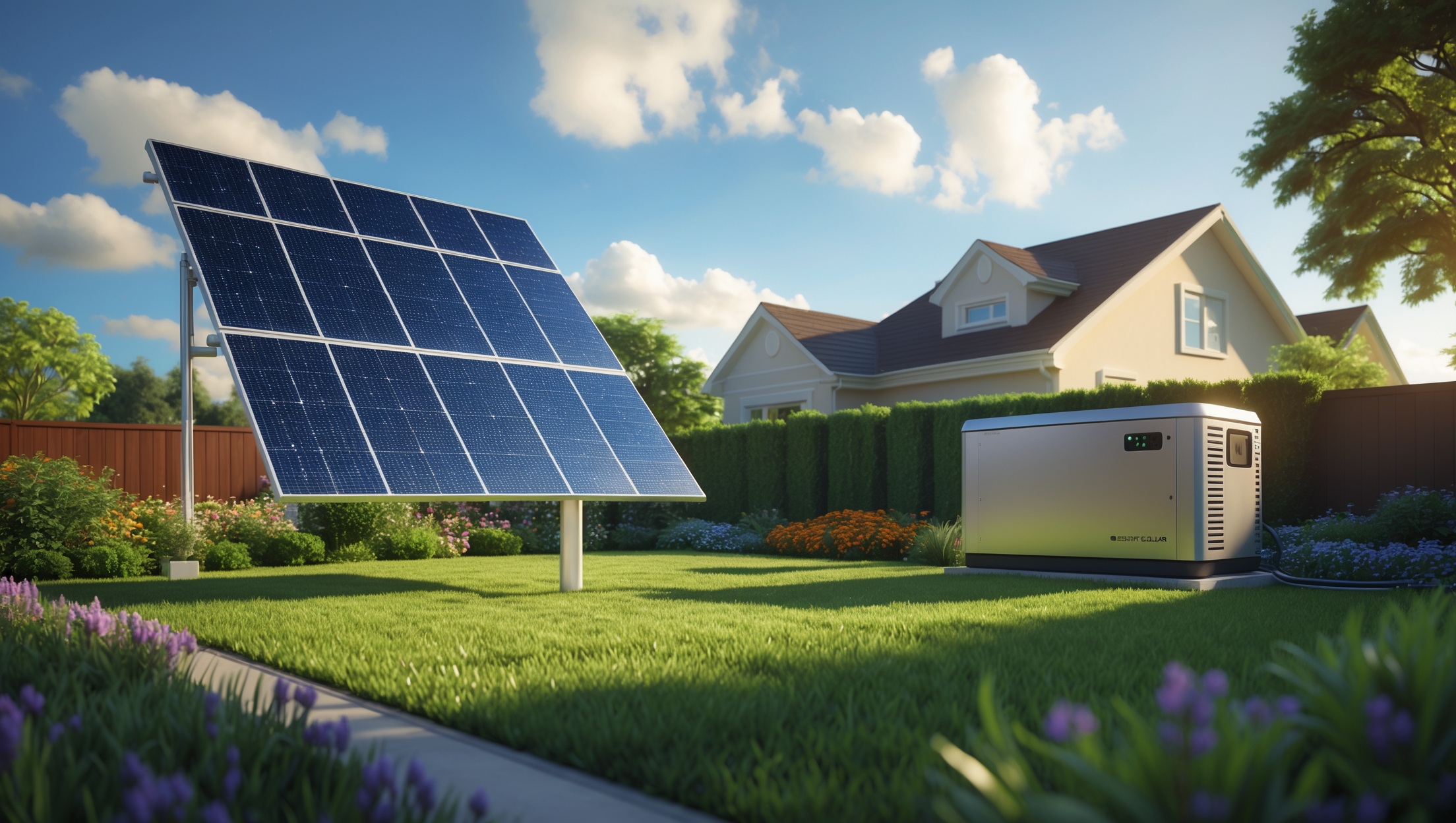
Electric vehicles (EVs) are rapidly transforming the way we think about personal transportation, offering a cleaner, quieter, and more sustainable alternative to traditional gas-powered cars. But true eco-friendliness is only achieved when the electricity that powers your EV is also renewable. That’s where a home solar-powered EV charging station comes into play. Combining rooftop solar panels or a solar carport with a dedicated EV charger allows you to “fuel” your car with sunlight—reducing both your carbon footprint and your electricity bills. For many homeowners, this setup represents the ultimate in sustainable living: clean mobility powered by on-site, self-generated energy. However, installing a solar-powered EV charging station involves more than simply plugging a charger into your solar system. It’s a project that demands careful planning, the right equipment, and a clear understanding of integration, safety, and maintenance. This step-by-step guide will walk you through every aspect of setting up a home solar EV charging station, from assessing your site and selecting equipment to optimizing system performance and long-term upkeep. Whether you’re new to solar, considering your first EV, or looking to maximize your green credentials, you’ll find practical, actionable advice here—so you can charge your car the cleanest way possible.
Assessing Your Home and Vehicle Charging Needs
Evaluating Your EV Charging Requirements
Before you begin, determine how much energy your EV requires for daily driving and how fast you want to charge. Most EVs consume between 3 and 4 miles per kWh. Multiply your average daily driving distance by your vehicle’s consumption rate to estimate daily charging needs. For example, if you drive 30 miles daily and your EV averages 4 miles per kWh, you’ll need about 7.5 kWh per day just for your car.
- Level 1 charging: Uses a standard 120V outlet, but is very slow (typically 3–5 miles of range per hour).
- Level 2 charging: Uses a dedicated 240V circuit, delivering 10–30 miles of range per hour. Most home solar EV setups use Level 2 chargers.
Reviewing Your Home’s Solar Potential
Consider roof orientation, shade, available space, and structural integrity. Online tools like PVWatts can help estimate your home’s solar production potential based on local weather data and roof parameters. If you already have a solar array, check if it has enough spare capacity to supply your EV; otherwise, plan for an expansion.
Electrical Panel and Circuit Considerations
Your main electrical panel must have space and capacity for a new 240V circuit dedicated to the EV charger. In many cases, a 40- or 50-amp circuit is recommended for Level 2 chargers. If your panel is older or already at capacity, budget for an upgrade.
Choosing the Right Solar Equipment for EV Charging
Sizing Your Solar Array
To reliably offset your EV charging, size your solar array based on your car’s needs and household consumption. For example, if you want to cover 7.5 kWh per day for your EV, that’s about 2,740 kWh per year. Given average solar production of 4–5 kWh per kW of panels per day, you’ll need an additional 2 kW of solar just for your EV (allowing for system losses and cloudy days).
- Assess if your existing system can be expanded or if a new, dedicated array (like a solar carport) is needed.
- Consider system losses (typically 15–20% from inverter inefficiencies, wiring, and weather variability).
Inverter and System Integration Options
Modern solar systems often use grid-tied inverters. If you want your EV charger to run directly from solar when the sun shines, look for a charger that supports solar synchronization or smart energy management. For whole-home backup or off-grid functionality, a hybrid system with battery storage may be required, but this adds cost and complexity.
Battery Storage: Do You Need It?
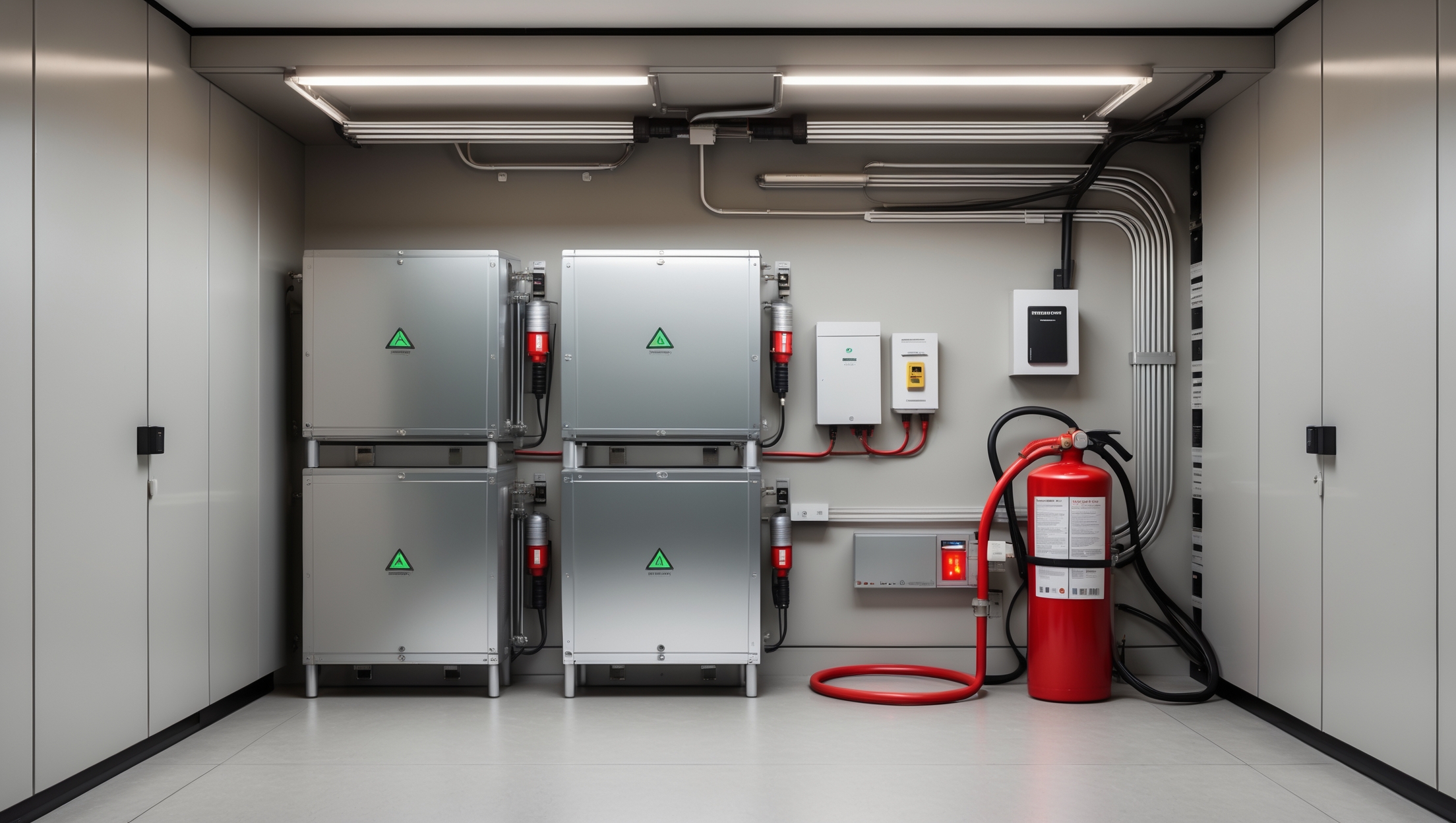
A battery bank (e.g., lithium-ion home storage) allows you to store solar energy during the day and charge your EV at night or during cloudy weather. Without batteries, your system will export excess power to the grid and import power when needed. Consider battery storage if you want to:
- Charge your EV overnight with solar energy
- Maintain EV charging during grid outages
- Reduce dependence on the utility grid
However, batteries increase cost and require more maintenance. For most grid-tied homes, they are optional but provide extra flexibility.
Selecting and Installing a Home EV Charger
Picking the Right Level 2 Charger
Look for chargers with features like:
- Power rating (typically 16–50 amps; higher amps = faster charging, but check your vehicle and home wiring limits)
- Weather resistance (if mounted outdoors)
- Smart charging capabilities (Wi-Fi/Bluetooth control, solar integration, scheduling, energy monitoring)
- Plug type (most EVs use the J1772 standard in North America; Teslas require an adapter)
Location and Mounting
Install your charger close to your parking spot to minimize cable length. Wall-mounting in a garage is typical, but outdoor setups may use pedestal or carport mounts. Ensure clear access, protection from weather, and compliance with local codes.
Professional Electrical Installation
Hire a licensed electrician to install the dedicated 240V circuit and hardwire the charger (if required). This ensures safety, code compliance, and eligibility for rebates or incentives. The installation should include:
- Upgrading the main panel if needed
- Installing a ground fault circuit interrupter (GFCI) breaker
- Running conduit and wiring to the charger location
- Proper labeling and documentation
Integrating Solar Power with Your EV Charging Station
Direct Solar-to-Charger Solutions
Some smart chargers and inverters allow for direct solar synchronization—adjusting charging speed based on available solar power in real-time. This maximizes self-consumption and minimizes grid draw. Brands like SolarEdge and Enphase offer integrated solutions, while others allow API-based automation for advanced users.
Net Metering and Grid Interaction
Most systems are grid-connected, meaning solar generation first powers your home and EV, with excess exported to the grid (via net metering). At night or during low-sun periods, power is drawn from the grid. Confirm your utility’s net metering policy and rates; some offer time-of-use pricing, which can be optimized with smart scheduling.
Using Battery Storage for EV Charging
If you add home batteries, your system can store surplus solar during the day and charge your EV after sunset or during outages. Prioritize critical loads (refrigerator, lights, etc.) before EV charging in an emergency. Use a compatible energy management system to coordinate charging times and maximize solar usage.
Permitting, Compliance, and Incentives
Permitting and Electrical Codes
Most municipalities require electrical permits for both solar and EV charger installations. Inspections will verify wiring, breaker sizing, ground fault protection, and proper labeling. Work with installers who understand local code requirements, including:
- National Electrical Code (NEC) provisions for EV supply equipment (Article 625)
- Solar PV installation standards (NEC Article 690)
- Local amendments, zoning, and utility interconnection rules
HOA and Neighborhood Considerations
If you live in a community with a homeowners association (HOA), check for restrictions on exterior chargers, solar panels, or wiring. Some states protect the right to install solar, but it’s best to confirm compliance early to avoid disputes.
Available Incentives and Rebates
Federal, state, and local programs may offer:
- Tax credits for solar installations (e.g., the U.S. federal Investment Tax Credit covers up to 30% of solar costs)
- Rebates for EV charger installation (utilities and state programs may cover part of the equipment or installation fees)
- Reduced electricity rates for EV charging at off-peak hours
Research incentives at DSIRE or your local government’s energy office.
Cost Breakdown and Budgeting
Solar Array Expansion or Installation Costs
- Additional solar panels: $2,000–$5,000 per kW installed (before incentives)
- Inverter upgrade or replacement: $1,000–$2,500 if required
- Structural work for carports or new roof mounts: $1,500–$5,000
EV Charger and Installation
- Level 2 charger: $400–$900 (depending on features)
- Professional installation: $500–$2,000 (wiring, breaker, permitting)
- Optional: Battery storage adds $10,000–$16,000 for a typical home-sized system
Ongoing Costs and Savings
After installation, your charging costs are nearly zero if you generate enough solar to offset usage. Regular maintenance (cleaning panels, checking connections) is low-cost. You’ll also save on gasoline and may increase your home’s resale value.
Maintenance Best Practices
Solar Array Upkeep
- Inspect panels quarterly for dirt, debris, or shading
- Clean panels as needed with a soft brush and water (avoid detergents)
- Monitor inverter performance and check for error codes
- Schedule professional inspections every 3–5 years
EV Charger Maintenance
- Check charging cables and connectors for wear or damage
- Keep charger enclosure clean and free of obstructions
- Review manufacturer’s software for updates; apply as needed
Battery System (If Installed)
- Check state of charge and health via monitoring app
- Schedule annual professional inspections
- Keep battery enclosure dry and well-ventilated
Safety Checklist for Solar EV Charging Setups
- Use only UL-listed equipment and certified installers
- Verify proper circuit sizing and GFCI protection
- Label all disconnects and breakers clearly
- Ensure all outdoor cable runs are in conduit and weather-sealed
- Never use extension cords for Level 2 charging
- Keep charging area free from standing water
- Test ground fault protection annually
Troubleshooting and Performance Optimization
Common Issues and Solutions
- Slow charging: Check for low solar production, grid interruptions, or charger settings.
- No charging: Inspect circuit breakers, inverter status, and charger connectivity.
- Utility bill not decreasing as expected: Verify solar system output, self-consumption ratio, and schedule charging for daylight hours.
Maximizing Solar Self-Consumption
- Time EV charging for sunny hours (use smart charger scheduling)
- Combine charging with other daytime loads (laundry, water heating) to maximize solar use
- Consider adding load management or home automation for greater efficiency
Conclusion: Driving on Sunshine—A Blueprint for Sustainable Mobility
Setting up a solar-powered EV charging station at home is more than a technical upgrade—it’s a personal commitment to cleaner, more sustainable living. By carefully assessing your needs, selecting the right equipment, and following best practices for installation, integration, and maintenance, you can ensure your EV is truly powered by renewable energy. While the initial investment can be significant, the long-term savings—both financial and environmental—are substantial. You’ll cut your reliance on fossil fuels, shrink your carbon footprint, and future-proof your home for the growing shift toward electrified transport.
Remember, the key to a successful setup is planning. Evaluate your daily driving and charging needs, size your solar array appropriately, and ensure your electrical system is up to the task. Take advantage of available incentives, work with experienced professionals, and don’t cut corners on safety or code compliance. Once your system is in place, regular maintenance will keep it running efficiently for years, making every mile you drive a testament to the power of clean energy.
By embracing solar-powered EV charging, you’re not only saving money and protecting the planet—you’re also supporting the broader transition to smart, distributed, and resilient energy systems. Whether you’re a sustainability enthusiast, a tech-savvy homeowner, or someone simply looking to lower your bills, this project puts you at the forefront of the renewable revolution. So plug in, charge up, and enjoy the journey toward a brighter, greener future—powered by the sun.

If I already have a Level 2 charger installed but want to transition to solar, are there compatibility issues I should watch out for, or can most chargers be easily integrated into a new solar system?
Most Level 2 chargers can be integrated into a solar system without major compatibility issues. The key is to ensure your home’s electrical panel and solar inverter can handle the additional load from charging your EV. It’s a good idea to have an electrician check if your current setup supports the combined demand and to confirm that your solar system is properly sized for both your home and charging needs.
Could you clarify how a solar-powered EV charging station integrates with an existing home solar setup? I’m wondering if I need to add extra panels specifically for my car, or can I use my current system if it’s large enough.
You can use your existing home solar system to charge your EV if it generates enough surplus electricity beyond your household consumption. You only need to add extra panels if your current setup doesn’t cover both your regular energy use and your EV charging needs. Assess your typical daily driving and charging requirements, compare those with your solar system’s output, and expand your system if there’s a shortfall.