
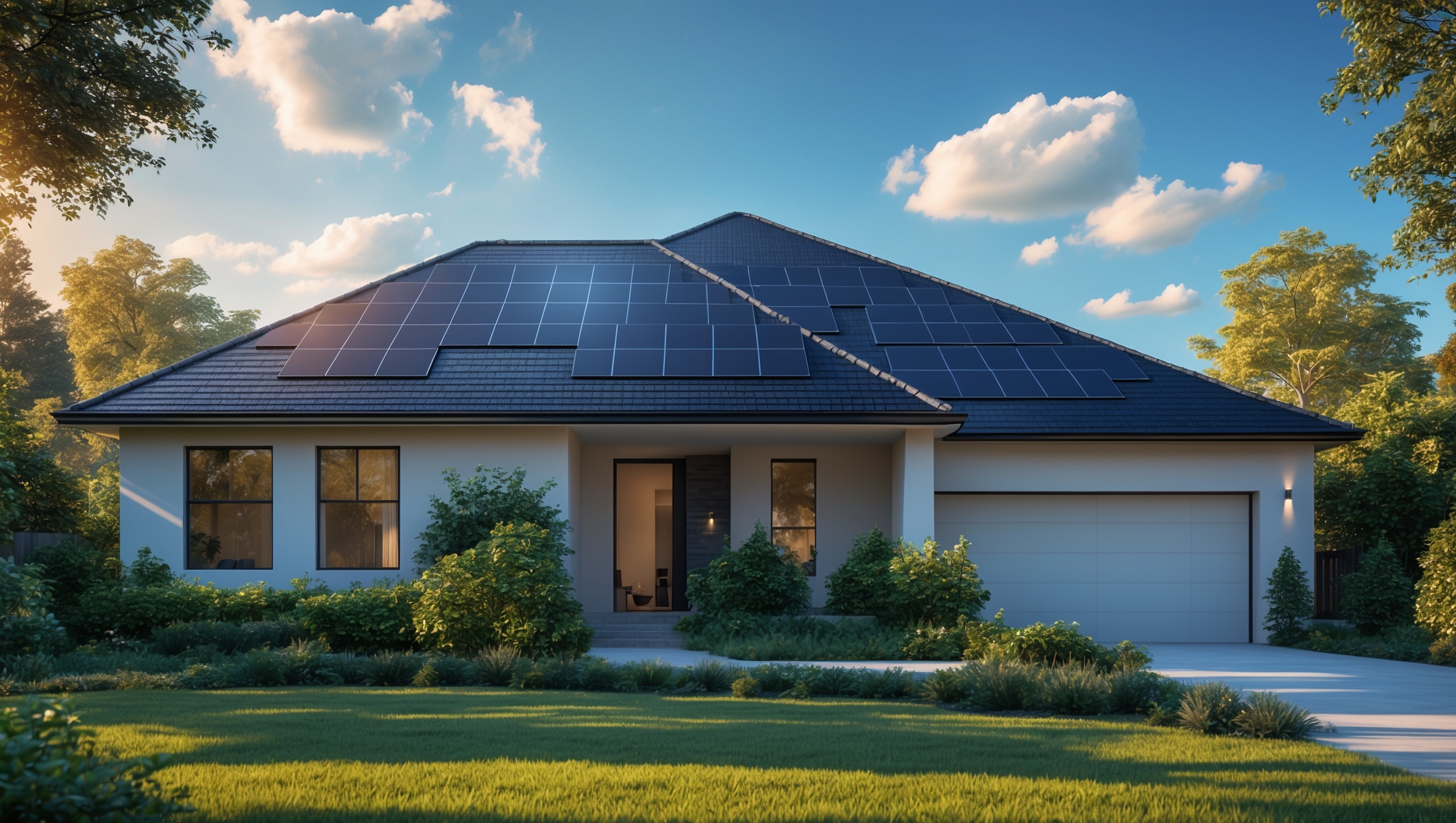
Introduction: Why Compliance Matters for Solar Shingle Roofs
Solar shingle roofs are rapidly changing the face of home energy production. As an elegant alternative to traditional solar panels, these integrated photovoltaic systems offer both aesthetic and practical advantages. However, their hybrid nature—as both a roofing material and an energy generator—means they fall under the scrutiny of multiple regulatory frameworks. Homeowners eager to embrace this green technology often find themselves entangled in permitting processes, code requirements, and utility interconnection rules. Navigating these compliance hurdles is critical to avoid delays, fines, or costly rework. In this comprehensive guide, you’ll learn exactly how to manage compliance and secure the necessary permits for a residential solar shingle roof installation. We’ll break down national codes, local variations, required documentation, and smart strategies to ensure your sustainable upgrade is approved and operational as smoothly as possible. Whether you’re a DIY enthusiast or working with a contractor, knowing the regulatory landscape is the first step toward a successful, stress-free solar shingle project.
Understanding the Regulatory Landscape
1. Building Codes and Solar Shingles
Unlike conventional solar panels, solar shingles serve as both a weatherproof roofing component and a source of renewable energy. This dual function means they must satisfy the International Residential Code (IRC) or your locality’s equivalent. Key considerations include:
- Fire Resistance: Solar shingles must meet Class A fire rating for roofing materials.
- Wind Load: Compliance with local wind uplift requirements is crucial, especially in hurricane or tornado-prone areas.
- Structural Support: Even though shingles are lighter than panels, your roof framing must be inspected to ensure it can handle the new load and attachment methods.
Building inspectors will look for third-party testing certifications (such as UL 1703/61730 for electrical safety and ASTM E108 for fire resistance) during the permitting process.
2. Electrical Codes and Interconnection
The National Electrical Code (NEC), specifically Articles 690 and 705, governs photovoltaic systems. For solar shingles, focus on:
- Wiring Methods: Use of approved connectors, conduit, and protection from weather exposure.
- Rapid Shutdown: Compliance with NEC 690.12 for emergency responder safety.
- Grounding and Bonding: Ensuring all components are properly grounded to prevent electrical faults.
Local amendments to the NEC may impose additional requirements, so always check with your city or county’s building department.
3. Zoning and Aesthetic Regulations
Many municipalities and homeowners’ associations (HOAs) regulate the appearance and placement of solar installations. Typical restrictions include:
- Prohibitions on front-facing solar arrays
- Height limits above roofline
- Color and material compatibility with surrounding homes
Solar shingles often fare better than panels in aesthetic reviews but must still be approved. Some states have “solar access” laws that limit how much HOAs can restrict solar, but these vary widely.
Step-by-Step Permitting Process for Solar Shingle Roofs
1. Initial Research: Jurisdictional Requirements
Begin by identifying all authorities having jurisdiction (AHJs) over your property. This typically includes:
- City or county building department
- Electrical inspector
- Planning/zoning commission
- HOA or neighborhood council (if applicable)
Collect their published solar permitting guidelines. Many jurisdictions provide checklists or sample applications online. Take note of any special permitting paths for integrated solar roofs, as these may differ from those for rack-mounted panels.
2. Pre-Application Planning
Before filling out applications, assemble the following:
- Site plan showing roof layout, shading, and system orientation
- Manufacturer’s technical specifications and certifications for the solar shingles
- Electrical line diagram, including inverter and rapid shutdown details
- Structural calculations (if required by your jurisdiction)
- Evidence of HOA approval, if needed
Having this documentation ready prevents unnecessary back-and-forth with plan reviewers.
3. Filing Your Permit Applications
Most projects require at least two permits:
- Building Permit: Covers roof removal, shingle installation, and any structural reinforcements.
- Electrical Permit: Covers wiring, inverter installation, and connection to your main service panel.
In some areas, a single “solar permit” can be filed for both aspects. Submit your applications electronically if possible—many cities now offer online portals that speed up review time.
4. Navigating the Plan Review
Expect building and electrical inspectors to review:
- Compliance with fire and wind standards
- Compatibility of shingles with the existing roof structure
- Proper labeling of disconnects and rapid shutdown features
- Manufacturer certifications
Respond promptly to requests for more information. If your project is unique or uses a newer product, be prepared to provide additional testing data from the manufacturer.
5. Permit Approval and Fees
Upon approval, you’ll pay permit fees—these vary widely but often include both a flat rate and a per-kilowatt surcharge. Some cities expedite solar permits or offer fee reductions for green projects. Check if your jurisdiction participates in programs like the SolarAPP+ automated permitting platform to cut down wait times.
Special Considerations: Historic Districts, HOA Rules, and State Laws
1. Installing Solar Shingles in Historic Districts
Historic preservation boards may have special authority over roof materials and colors. Solar shingles can be an advantage here, as their low profile and close resemblance to traditional materials often win approval where panels would not. Still, expect to provide visual mockups and possibly attend public hearings.
2. HOA and Community Rules
Even in states with solar rights statutes, HOAs can regulate certain aspects of installations. Typical requirements include:
- Submitting detailed design proposals
- Matching shingle color to existing roofs
- Limiting visibility from the street
If you encounter resistance, reference your state’s solar access law and consider mediation services.
3. State-Level Solar Access and Streamlining Laws
Some states, like California and New York, have adopted laws to prohibit “unreasonable” restrictions on solar energy systems and require local governments to streamline permitting. Familiarize yourself with your state’s statutes, as these can be powerful tools in expediting approval or appealing denials.
Utility Interconnection: Securing Permission to Operate
1. Net Metering and Utility Application
To connect your solar shingle system to the grid and take advantage of net metering, you must file a separate application with your electric utility. This typically involves:
- Submitting system specifications and a single-line electrical diagram
- Providing proof of building and electrical permits
- Signing an interconnection agreement outlining technical and safety requirements
Some utilities require a witness test or on-site inspection before activating net metering. Delays often occur at this stage, so submit paperwork early and follow up regularly.
2. Utility-Specific Requirements
Utilities may impose additional technical standards, such as:
- Use of certified, utility-approved inverters
- Anti-islanding protection
- External disconnect switches accessible to utility personnel
Check your utility’s solar interconnection handbook for specific policies.
Common Pitfalls and How to Avoid Them
1. Incomplete or Inaccurate Documentation
One of the most frequent causes of permit delays is missing or incomplete paperwork. Double-check all forms, plans, and certifications before submission. Make sure your installer’s drawings match the manufacturer’s details.
2. Overlooking Local Amendments
Don’t assume national or state codes are all you need to satisfy. Many cities add unique requirements—such as special setbacks, wildlife protection (for roof nests), or additional fire safety measures. Always confirm with your local building department.
3. Skipping Pre-Application Consultations
Most jurisdictions offer pre-application meetings with plan reviewers. Take advantage of these sessions to clarify requirements, catch potential issues early, and build rapport with reviewers who will be assessing your application.
4. Ignoring HOA or Community Guidelines
Even if you secure city permits, failing to get HOA sign-off can result in costly legal battles or forced removal of your solar roof. Always address HOA requirements in parallel with municipal permitting.
Tips for a Smooth Approval Process
- Work with Experienced Installers: Choose contractors with a track record of navigating local permitting for solar shingles. Their familiarity can save weeks or months of delays.
- Bundle Permits When Possible: Some cities allow bundled applications (roofing + solar). This can streamline review and minimize fees.
- Stay Organized: Create a digital folder with all correspondence, permits, plans, and approvals. This prevents missed deadlines or lost paperwork.
- Communicate Proactively: Stay in touch with inspectors and utility representatives. Promptly answer questions and provide supplementary materials as needed.
- Leverage State Solar Rights: If you face unreasonable restrictions, cite state laws designed to protect homeowners’ rights to install solar.
Future Trends: Evolving Codes and Streamlined Permitting
The regulatory environment for solar shingle roofs is evolving rapidly. Expect to see:
- Automated Permitting Platforms: Tools like SolarAPP+ are being adopted by more cities, reducing permit review times from weeks to hours.
- Integrated Codes: National and state codes are beginning to specifically address solar shingles, clarifying requirements and reducing ambiguity in plan reviews.
- Expanded Net Metering Access: Legislative efforts are underway to broaden eligibility and simplify utility interconnection procedures.
Staying informed about these changes can help you plan upgrades or future installations with less red tape.
Conclusion: Setting the Stage for a Sustainable, Code-Compliant Future
Installing a solar shingle roof is one of the most forward-thinking upgrades you can make for your home. Yet, as with any major improvement, success hinges on more than just product selection and technical know-how. Understanding and navigating the complex web of building codes, electrical standards, zoning rules, and utility requirements is crucial to turning your vision into reality. By proactively researching your local permitting process, assembling thorough documentation, and working closely with both municipal and community authorities, you can avoid costly delays and ensure your solar shingle roof is both safe and fully compliant.
As solar technology evolves and more jurisdictions adopt solar-friendly policies, the process will only get easier. Until then, a well-planned approach to compliance and permitting is your best tool for a smooth, stress-free installation. Take the time to learn your local rules, communicate with all stakeholders, and leverage experienced professionals whenever possible. Your investment in a code-compliant solar shingle roof will pay dividends for decades—in energy savings, property value, and environmental impact. With the right foundation, your sustainable roof will not only meet today’s standards but set a benchmark for the green homes of tomorrow.



For homeowners who want to handle part of the installation themselves, are there certain compliance steps or code checks that absolutely require a licensed contractor or inspector to sign off, or can some requirements be self-certified?
Some compliance steps in residential solar shingle installations do require a licensed contractor or inspector to be involved, especially for electrical work, structural changes, and final inspections. Homeowners may handle basic tasks like roof prep or shingle placement, but permitting, electrical connections, and code compliance checks usually need professional sign-off. Always check with your local building department to confirm which parts you can do yourself and which require licensure or official inspection.
Could you clarify whether solar shingles typically require a separate electrical permit in addition to the general building permit, or do most municipalities combine these into a single approval process?
In most municipalities, solar shingle installations do require both a building permit and a separate electrical permit. These are usually handled as distinct approvals because the electrical work must comply with local codes and safety standards. However, some areas offer a streamlined process where both permits are combined into a single application. It’s important to check with your local permitting office to see which process they use, as requirements can vary by location.
Regarding structural support, if my roof is already relatively new, are there still common upgrades or inspections required before installing solar shingles to meet code requirements?
Even if your roof is relatively new, most local codes require a structural inspection before installing solar shingles. Inspectors will check the roof’s load-bearing capacity to ensure it can handle the added weight. Sometimes, minor upgrades like reinforcing rafters or improving fasteners may still be recommended, depending on your roof’s design and local building standards.
Are there notable differences in permitting or code requirements when working with a contractor versus attempting a DIY solar shingle installation?
Yes, there are important differences. Contractors are typically familiar with local codes, permitting processes, and inspections, which helps ensure compliance and smoother approval. DIY installers may face more hurdles, including understanding technical code requirements, preparing proper documentation, and passing inspections. Some localities may not allow unlicensed individuals to perform electrical work or may require extra verification, so it’s crucial to check with your local permitting office before starting a DIY project.
When it comes to meeting fire resistance requirements for solar shingle roofs, is there a standard list of UL Class A–rated products, or does each jurisdiction have its own approved list? How have homeowners handled situations where fire certification isn’t clearly documented for a specific shingle brand?
UL Class A fire ratings are a common standard for roofing materials, including solar shingles, but there isn’t a single national list of approved products. Each jurisdiction may maintain its own list of accepted brands or require local documentation. If fire certification for a specific shingle isn’t clear, homeowners often contact the manufacturer for certification documents or consult their local building authority to determine acceptable alternatives or to request an evaluation.
Since my city gets high winds during tornado season, I’m trying to budget for beefing up roof framing if needed. Does the article’s advice mean I should expect extra inspection fees or reinforcement costs with solar shingle installations?
Yes, the article highlights that areas prone to high winds often require additional structural assessments and possible roof reinforcements when installing solar shingles. You should plan for potential extra inspection fees, as building departments may require structural engineering reports or more rigorous inspections to ensure your roof meets local codes for wind resistance. Reinforcement costs can also vary depending on your current roof structure and local requirements.
Does meeting the Class A fire rating for solar shingles tend to increase installation costs quite a bit compared to regular asphalt shingles, or is this something that’s usually built into the price of solar shingle products?
The Class A fire rating is typically a standard requirement for most solar shingle products designed for residential use. While solar shingles do cost more overall than regular asphalt shingles, the fire rating itself is generally built into the product design and does not add a separate, significant increase to installation costs. Most of the price difference comes from the solar technology and electrical components, not the fire rating compliance.
How do compliance steps and permit timelines for solar shingle roofs usually differ from those for regular solar panel setups? I’m trying to estimate how much longer the process might take before I can actually use the system.
Solar shingle roofs often require a more involved compliance process than regular solar panel arrays, since shingles integrate with the roofing structure and must meet both electrical and building codes. Permit approval can take longer, sometimes adding a few extra weeks compared to standard panels. Inspections may also be more detailed, focusing on both roofing and electrical aspects. Overall, expect the process to take a little longer primarily due to these extra checks.