
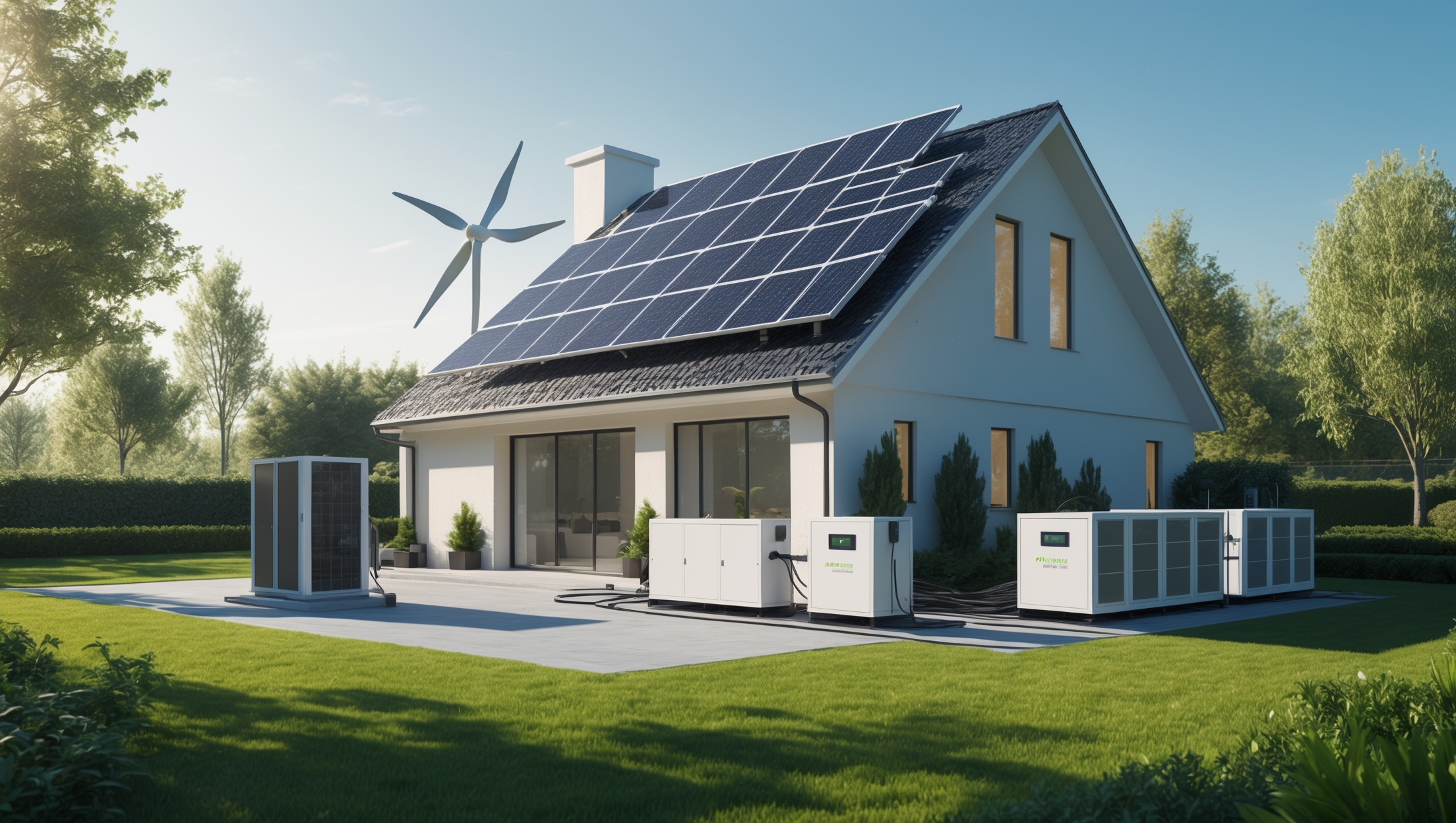
Introduction: Why Home Microgrids Are the Future of Sustainable Energy
Imagine never worrying about blackouts, energy price spikes, or your carbon footprint. Home microgrids—self-sufficient energy systems that generate, store, and manage electricity on-site—are rapidly emerging as a practical solution for resilient, sustainable living. With a combination of renewable energy sources (like solar panels and small wind turbines), battery storage, and smart controls, microgrids offer homeowners unprecedented independence and environmental benefits. However, the path to a successful home microgrid isn’t always straightforward. Many enthusiastic beginners dive in, only to stumble on pitfalls that lead to wasted money, underperforming systems, or compliance headaches. This comprehensive guide will walk you through the most common beginner mistakes in home microgrid setup. By learning what to avoid, you’ll save time, money, and frustration—ensuring your microgrid delivers reliable, green power for years to come.
Understanding the Basics: What Is a Home Microgrid?
Before diving into common mistakes, it’s essential to clarify what constitutes a home microgrid. Unlike a simple solar array or backup battery, a microgrid is a coordinated system integrating multiple energy sources, storage, and control technologies. It can operate independently (islanded) or in connection with the main grid, automatically switching based on conditions. Key advantages include improved energy resilience, reduced reliance on fossil fuels, and the potential for long-term cost savings. Typical components are:
- Renewable generation (solar PV, wind, possibly micro-hydro)
- Battery storage systems
- Smart inverters and controllers
- Backup generators (optional)
- Energy management software
1. Underestimating Your Actual Energy Needs
Why Sizing Matters
One of the most frequent mistakes is misjudging how much power your household consumes, leading to an undersized microgrid. This can result in frequent outages, drained batteries, or over-reliance on grid power during critical times. Conversely, oversizing can inflate costs without meaningful benefits.
How to Avoid This Mistake
- Conduct a Detailed Energy Audit: Use utility bills (12 months minimum), smart plugs, and energy monitors to log real consumption patterns—including seasonal spikes.
- Plan for the Future: Factor in new loads like EV charging, home offices, or future appliances.
- Account for Critical Loads: Identify which devices must run during grid outages (e.g., fridge, sump pump, medical equipment).
2. Overlooking Local Climate and Resource Variability
Solar and Wind Are Not Universal
Not all locations are equally suited for solar or wind energy. Many beginners install panels or turbines without assessing local solar insolation or wind speeds, leading to disappointing performance.
How to Avoid This Mistake
- Analyze Site Data: Use free resources like PVWatts (for solar) and the Global Wind Atlas to estimate local generation potential.
- Consider Seasonal Fluctuations: Plan for reduced winter sunlight or erratic wind patterns, and size your battery accordingly.
- Consult Local Installers: They can provide real-world performance data for your area.
3. Ignoring System Integration and Compatibility
The Pitfalls of a Patchwork System
Mixing and matching components without regard for compatibility is a recipe for frustration or even equipment failure. Incompatible inverters, batteries, or controllers may not communicate or operate safely together.
How to Avoid This Mistake
- Choose Components Designed for Microgrid Use: Some inverters and batteries are specifically certified for grid-interactive or islanded operation.
- Stick to One Ecosystem: Where possible, select products from manufacturers that guarantee interoperability.
- Review Communication Protocols: Ensure your devices use compatible standards (e.g., Modbus, CANbus, proprietary protocols).
4. Neglecting Proper System Monitoring and Controls
Why Smart Controls Are Essential
Without robust monitoring and automated controls, even the most advanced microgrid can underperform. Novices sometimes skip smart controllers or rely solely on manual operation, resulting in inefficient energy use, battery damage, or missed alerts.
How to Avoid This Mistake
- Invest in an Energy Management System (EMS): These systems automatically balance generation, storage, and loads for optimal performance.
- Prioritize Real-Time Monitoring: Use dashboards and mobile apps to track system health, battery state of charge, and grid status.
- Set Alerts and Automations: Configure notifications for anomalies (e.g., low battery, inverter errors) and automated load-shedding during outages.
5. Skipping Professional Consultation and Permitting
The Dangers of DIY Oversight
While DIY microgrids are possible, beginners often overlook complex electrical codes, local regulations, and utility interconnection requirements. This can result in denied permits, dangerous installations, or insurance voidance.
How to Avoid This Mistake
- Consult Licensed Professionals: Hire an electrician or solar installer experienced with microgrids for design review and installation.
- Start Permitting Early: Engage with local authorities to understand zoning, electrical, and fire code requirements.
- Document Everything: Keep detailed records of permits, inspections, and system diagrams for insurance and resale value.
6. Underestimating Battery Storage Needs and Safety
More Than Just Capacity
Batteries are the backbone of any microgrid, yet beginners frequently undersize them or overlook critical safety measures. Insufficient storage leads to frequent grid reliance, while poor installation poses fire risks.
How to Avoid This Mistake
- Calculate True Storage Needs: Size batteries for at least 24-48 hours of autonomy, accounting for worst-case weather and critical loads.
- Choose the Right Chemistry: Lithium-iron phosphate (LiFePO4) offers safety and longevity, but lead-acid may suit some budgets.
- Install Proper Ventilation and Fire Safety: Adhere to manufacturer guidelines for spacing, ventilation, and fire suppression systems.
7. Forgetting to Plan for Maintenance and Upgrades
Building for the Long-Term
Many first-time microgrid owners underestimate ongoing maintenance, or design systems that are difficult to upgrade. This can reduce lifespan and limit future flexibility.
How to Avoid This Mistake
- Schedule Regular Inspections: Clean panels, check wiring, and test batteries annually or as recommended.
- Design for Expandability: Leave space (physically and electrically) for future panels, batteries, or EV chargers.
- Use Modular Components: Opt for racking, inverters, and batteries that support easy scaling.
8. Overlooking Grid Interconnection Agreements
Stay on the Right Side of Utilities
Connecting your microgrid to the public grid often requires approval from your utility. Bypassing this step can lead to fines or forced system shutdowns.
How to Avoid This Mistake
- Understand Net Metering and Feed-in Tariffs: Research local policies for exporting excess energy or receiving credits.
- File All Required Applications: Utilities may require detailed plans, safety features (like anti-islanding), and inspections.
- Maintain Open Communication: Work proactively with utility engineers to avoid costly delays or compliance issues.
9. Not Budgeting for Hidden and Ongoing Costs
Financial Surprises
Home microgrid projects often exceed initial budgets due to overlooked expenses—such as trenching, electrical upgrades, professional fees, or software licenses.
How to Avoid This Mistake
- Build a Detailed Budget: Include installation, permits, inspections, future maintenance, and software subscriptions.
- Plan for Contingencies: Set aside 10–20% extra for unexpected costs.
- Investigate Incentives: Apply for federal, state, or utility rebates to offset upfront costs.
10. Failing to Educate All Household Members
People Are Part of the System
Even the best-designed microgrid can run into trouble if household members don’t understand how it works. Overloading circuits, disabling automations, or ignoring alerts can compromise safety and performance.
How to Avoid This Mistake
- Provide Simple Training: Teach everyone how to use the system interface, respond to alarms, and manage loads during outages.
- Post Emergency Procedures: Keep instructions for manual shutoff or rebooting in a visible, accessible location.
- Foster a Culture of Energy Awareness: Encourage efficient appliance use and regular system check-ins.
Conclusion: Set Yourself Up for Sustainable Success
Home microgrids represent a bold step toward energy independence, resilience, and environmental stewardship. But like any complex project, success depends on avoiding preventable mistakes. By accurately assessing your energy needs, respecting local climate realities, prioritizing system compatibility, and investing in smart controls, you lay the groundwork for a robust and reliable microgrid. Don’t underestimate the importance of professional guidance, proper permitting, and ongoing maintenance—these steps safeguard your investment and keep your home safe. Remember that your microgrid is not just a collection of technologies, but a living system that requires attention, adaptation, and teamwork from everyone in your household.
As a beginner, your journey may feel daunting, but each step you take is a stride toward a cleaner, more secure future. By learning from the missteps of others, you can avoid costly detours and enjoy the true benefits of your sustainable energy system. Whether you are motivated by environmental values, energy security, or long-term savings, a properly designed and maintained home microgrid can deliver all three—without the headaches. Take the time to plan carefully, ask questions, and build for the future. Your investment will pay dividends not only for your household, but for the planet as a whole.