
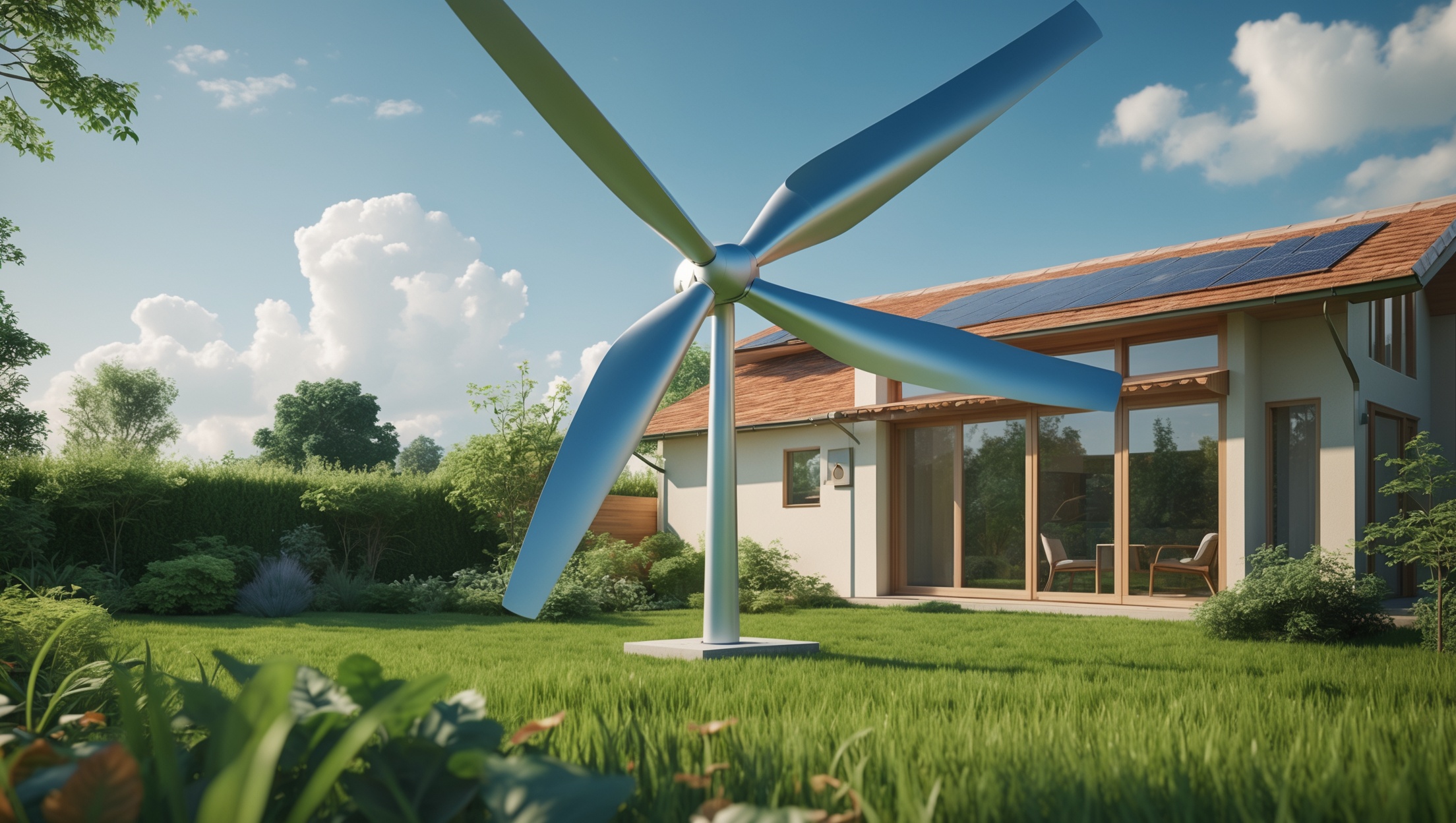
Introduction: Why Proper Permitting and Compliance Matter for Home Wind Turbines
Residential wind energy is fast becoming a cornerstone for homeowners aiming to achieve true energy independence and sustainability. Yet, the journey from inspiration to installation is dotted with regulatory hurdles, zoning nuances, and environmental responsibilities. Without a firm grasp of the required permits and compliance steps, a well-intentioned wind turbine project can quickly stall—or worse, lead to fines, forced removal, and legal headaches. This in-depth guide will walk you through the critical regulatory, zoning, and environmental checkpoints you must clear to install a residential wind turbine legally and responsibly. Whether you live in a rural area or a suburb, understanding these requirements is not just a box-checking exercise; it’s essential for community acceptance, long-term system performance, and your own peace of mind. Read on for a practical, step-by-step breakdown of everything you need to know before breaking ground on your wind energy project.
Understanding the Regulatory Landscape for Residential Wind Turbines
Federal, State, and Local Jurisdictions: Who Regulates What?
Permitting for residential wind turbines spans multiple layers of government, each with its own set of rules:
- Federal: The Federal Energy Regulatory Commission (FERC) has jurisdiction over grid interconnection and energy sales, but rarely regulates small residential systems directly.
- State: States may set renewable energy targets, net metering rules, and safety standards. Some offer streamlined permitting for small wind systems.
- Local: Most permitting decisions—zoning, noise, aesthetics, height limits—are made by city, township, or county authorities.
Start by researching your county or city’s wind energy ordinance, then work outward to state and utility requirements.
Key Permit Types for Residential Wind Turbines
- Zoning Permit: Confirms your property is in a zone that allows wind turbines, and that your project meets setback, height, and noise restrictions.
- Building Permit: Ensures the turbine, foundation, and tower meet structural and safety codes.
- Electrical Permit: Required if you plan to connect your turbine to your home’s electrical system or the utility grid.
- Special Use Permit or Variance: May be needed if your project doesn’t fit standard zoning rules.
- Environmental Review: In sensitive areas, you may need to show your turbine won’t harm wildlife or protected habitats.
Step-by-Step Guide: Navigating the Permit Process
Step 1: Research Local Zoning Ordinances
Your first step is to contact your local planning or zoning office. Ask about wind energy ordinances, which regulate:
- Allowed Zones: Is wind energy generation permitted in your area? Some residential zones ban or restrict turbines.
- Setbacks: Minimum distance from property lines, roads, and buildings—often 1.1-1.5 times tower height.
- Height Limits: Restrictions on tower height (commonly 35-120 feet for residential).
- Visual/Aesthetic Standards: Rules on color, finish, underground cabling, and signage.
- Noise Limits: Maximum allowable decibel levels at the property line (often 45-60 dB(A)).
Document all requirements and ask for clarifications in writing.
Step 2: Engage with Neighbors and the Community
Many zoning boards require you to notify neighbors and address their concerns in public hearings. Prepare to discuss:
- Visual impact
- Noise expectations
- Safety measures (e.g., anti-climb features, fall zones)
- Environmental impact (e.g., bird and bat safety)
Community support can smooth the approval process and reduce appeals.
Step 3: Prepare Your Permit Application Package
Typical permit applications require:
- Detailed site plan with turbine location, setbacks, and dimensions
- Structural engineering drawings and specs for the tower and foundation
- Electrical wiring diagrams (if grid-connected)
- Noise analysis and mitigation plan
- Manufacturer’s data sheets and certifications
- Proof of liability insurance (sometimes required)
Work with a certified installer or engineer to ensure your plans are code-compliant.
Step 4: Submit Applications and Pay Fees
Submit your application(s) to the appropriate offices. Expect to pay fees for:
- Planning/zoning review
- Building permit
- Electrical permit
- Environmental review (if required)
Keep copies of all submissions and receipts.
Step 5: Attend Hearings and Inspections
Be prepared to:
- Attend public hearings (if required)
- Present your project and answer questions
- Address conditions set by the planning board
- Schedule site inspections (foundation, tower, electrical) during and after installation
Inspections verify compliance with approved plans and safety codes.
Common Barriers and How to Overcome Them
Zoning Restrictions
Some municipalities lack wind ordinances or prohibit turbines in residential zones. If so, you may seek a variance or special use permit, which requires demonstrating that your project poses minimal risk and aligns with community goals.
Homeowners’ Association (HOA) Issues
HOAs often have separate rules restricting visible structures. Review your HOA bylaws and seek approval before applying for municipal permits. In some states, renewable energy access laws limit HOA restrictions—check your state’s statutes.
Environmental and Wildlife Concerns
If your property is near wetlands, protected habitats, or bird migration corridors, additional review may be required. Mitigation strategies include:
- Choosing turbine models with slow-rotating blades
- Avoiding installation during nesting seasons
- Positioning turbines away from known wildlife paths
Utility Interconnection Hurdles
Grid-connected turbines require a utility interconnection agreement. Utilities may require:
- Proof of UL-listed inverters and safety disconnects
- Net metering applications
- Electrical inspections
Start the interconnection process early to avoid project delays.
Environmental Impact and Best Practices
Wildlife Considerations
While small residential turbines have a lower impact than commercial wind farms, take steps to minimize risks:
- Site turbines away from dense tree lines and water sources to reduce bird and bat collisions
- Avoid placing turbines near migratory bird routes or critical habitats
- Install deterrents or use turbine designs with minimal wildlife impact
Noise and Shadow Flicker Mitigation
Modern turbines are quieter than older models, but noise can still be a concern. Choose equipment with certified noise ratings and consider:
- Buffer distances from living areas and neighbors
- Landscaping or sound barriers for additional noise reduction
- Positioning to minimize shadow flicker effects
Cost Breakdown: Permit and Compliance Expenses
Budgeting for compliance is just as important as equipment costs. Typical expenses include:
- Permit application fees: $100–$1,000, depending on locality and project size
- Engineering and site surveys: $500–$2,500
- Public hearing fees: $100–$500
- Environmental review: $0–$3,000 (if required)
- Interconnection fees (utility): $0–$1,000
Factor these costs into your overall project budget to avoid surprises.
Documentation Checklist: What You’ll Need
- Property deed or proof of ownership
- Site plan with scaled drawings
- Manufacturer’s equipment data sheets
- Structural and electrical engineering certification
- Insurance documentation (if required)
- HOA approval letter (if applicable)
- Completed permit application forms
Staying Compliant After Installation: Inspections and Reporting
Once your turbine is operational, ongoing compliance may include:
- Final inspection for certificate of occupancy or completion
- Periodic safety inspections (every 1–5 years, depending on locale)
- Noise/emissions testing (if complaints arise)
- Reporting generation data if required for rebates or incentives
Maintain thorough records in case of audits or insurance claims.
Conclusion: Setting Yourself Up for Success with Wind Power Compliance
Adding a residential wind turbine to your property is a powerful commitment to sustainable living and energy resilience. However, the legal and regulatory landscape is complex, and each misstep can lead to costly rework or even legal action. By understanding the necessary permits, anticipating local concerns, and rigorously documenting your process, you’ll not only meet your legal obligations but also foster goodwill among neighbors and regulators. Compliance is about more than just paperwork—it’s about ensuring your project is safe, environmentally responsible, and integrated into the fabric of your community.
Before you install, invest the time to:
- Consult with your local planning office and utility
- Engage transparently with neighbors and your HOA
- Work with experienced professionals for engineering and permitting
- Budget for all compliance-related expenses
- Plan for ongoing inspections and maintenance
With careful planning and a proactive approach to permits and compliance, you can enjoy the benefits of clean, renewable wind energy—confident that your investment is secure and your project stands on a solid legal foundation. Let your wind turbine be a beacon of sustainable progress in your neighborhood, setting a replicable example for others to follow.