

Introduction: Why Insurance Matters for Solar-Powered Water Heating Systems
Sustainable living is more than a trend—it’s a commitment. For homeowners integrating solar-powered water heating systems, the benefits are clear: reduced energy bills, lower carbon footprints, and increased property value. However, investing in green technologies also means taking proactive steps to protect those investments. One commonly overlooked aspect is proper insurance coverage. Without it, you could face significant financial losses from damage, malfunction, or liability issues. This comprehensive guide explores insurance essentials for solar-powered home water heating systems, covering policy types, potential risks, best practices, and expert strategies to ensure your system—and your peace of mind—remain secure. Whether you’re installing a new setup or reviewing an existing policy, understanding insurance requirements is a vital part of sustainable homeownership.
Understanding Solar-Powered Home Water Heating Systems
How Solar Water Heating Works
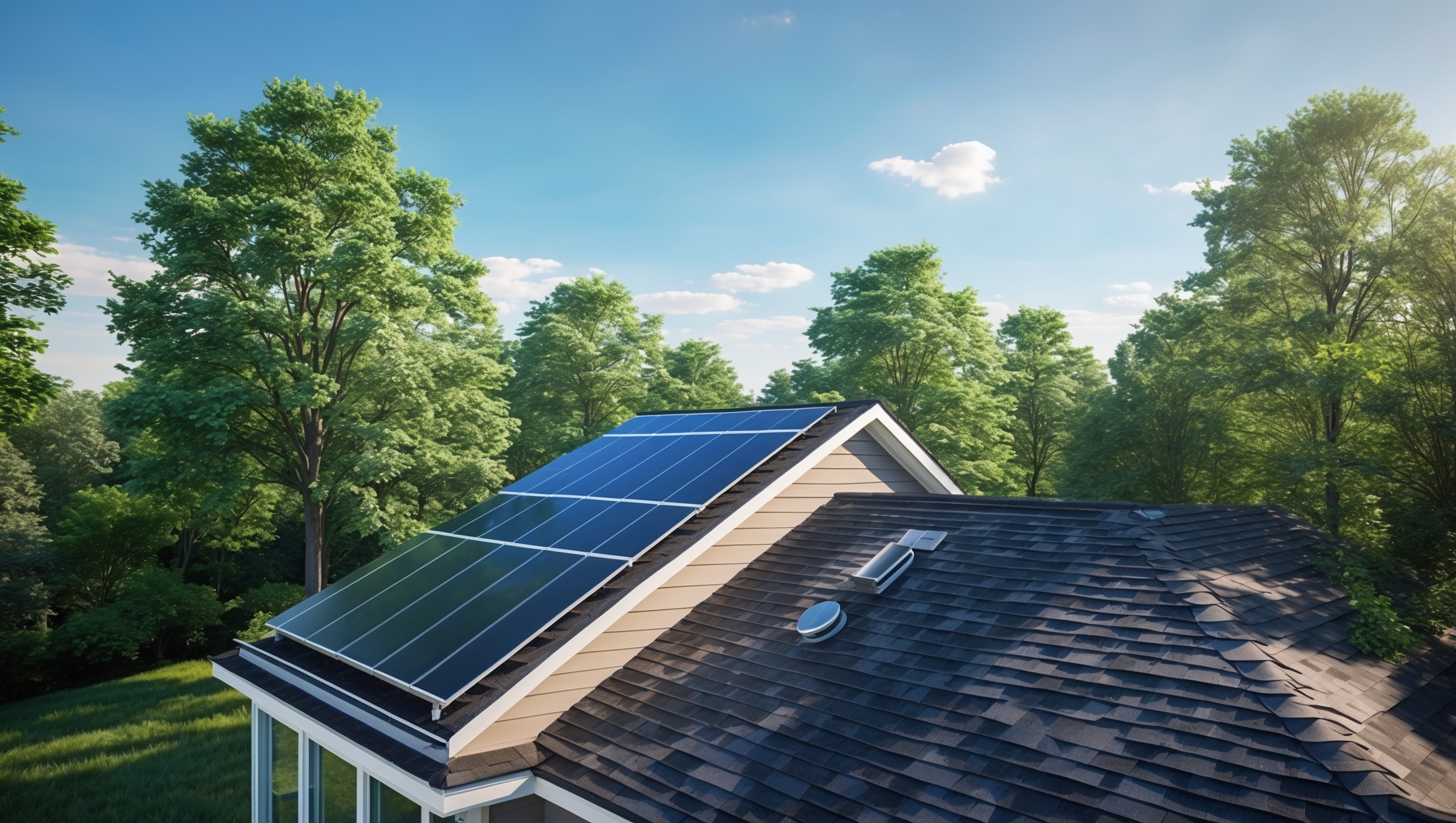
Solar-powered water heating systems use solar collectors—typically flat-plate or evacuated tube panels—to absorb sunlight and transfer energy as heat to water stored in an insulated tank. These systems can be direct (heating water directly) or indirect (using a heat-transfer fluid). By offsetting the need for conventional water heaters, they save energy and reduce greenhouse gas emissions.
Key Components
- Solar collectors (panels)
- Insulated storage tank
- Pipes and valves
- Heat exchanger (in indirect systems)
- Pumps and controllers (in active systems)
- Backup heater (optional, for cloudy days)
Common Risks and Vulnerabilities
- Weather Damage: Hail, wind, and freezing temperatures can crack panels or burst pipes.
- Fire: Faulty wiring or overheating may pose fire hazards.
- Theft & Vandalism: Solar panels are valuable and can be targeted.
- Leaks & Water Damage: Faulty installation or component failure can cause extensive property damage.
- System Malfunction: Mechanical or electrical failures may require costly repairs or replacements.
Insurance Coverage Options for Solar Water Heating Systems
Standard Homeowners Insurance
Many homeowners policies offer some protection for solar water heating systems, but coverage varies. Typically, if the system is permanently attached to your home, it may be covered as part of the dwelling. However, limits, exclusions, and claim processes differ between insurers. Always check:
- If solar equipment is included in your dwelling coverage or listed separately as “other structures”
- Whether policy limits are sufficient for the system’s full replacement cost
- Exclusions for certain perils (flood, earthquake, mechanical breakdown)
Riders and Endorsements
For broader protection, consider a policy rider or endorsement specifically for your solar water heating system. These add-ons can cover gaps not included in standard policies, such as accidental damage, equipment breakdown, or increased replacement cost.
Equipment Breakdown Coverage
Some insurers offer equipment breakdown coverage for an extra premium. This can cover repair or replacement of solar collectors, pumps, controllers, or tanks if they fail due to mechanical or electrical breakdown—events often excluded from basic homeowners insurance.
Liability Coverage
If your solar water heating system causes injury to others or damages neighboring property (for instance, if a panel detaches during a storm), personal liability coverage in your policy may offer protection. Review policy limits and consider increasing them if necessary.
Flood and Earthquake Insurance
Standard policies rarely cover flood or earthquake damage. If your area is at risk, purchase separate policies to cover your entire home, including the solar water heating system.
Product and Installation Warranties
Manufacturer warranties and installer guarantees are not insurance but can complement insurance by covering defects or installation errors for a limited period. Understand their terms and how they interact with your insurance policy.
Assessing Your Insurance Needs: Factors to Consider
System Value and Replacement Cost
Calculate the total installed cost of your solar water heating system. Include collectors, tanks, plumbing, controls, and labor. Ensure your insurance covers the full replacement value—not just the depreciated value.
Location-Specific Risks
- Climate: Areas prone to hail, snow, or hurricanes may require specialized endorsements.
- Local Regulations: Some jurisdictions require proof of insurance for permitting or incentives.
- Neighborhood Safety: Higher theft or vandalism rates may warrant additional coverage.
System Integration and Home Modifications
If your solar water heating system required major structural changes, inform your insurer. Unreported modifications can complicate claims or void coverage. Provide documentation, permits, and professional installation receipts.
Selecting and Working with Insurers
Questions to Ask Your Insurance Agent
- Does my current policy cover solar-powered water heating systems?
- Is the system included in dwelling coverage or as a separate structure?
- What perils are covered? Are there any exclusions?
- Do I need a separate rider or endorsement?
- Are there discounts for green technologies or risk mitigation (such as security systems)?
- What documentation is required for claims?
Comparing Policies
Obtain quotes from at least three insurers. Compare:
- Coverage limits and deductibles
- Included and excluded perils
- Premium costs
- Claims process reputation
- Flexibility in adding or upgrading coverage
Documentation Best Practices
Maintain a file with all purchase receipts, installation certificates, warranties, permits, maintenance logs, and photographs of your system. Update this file after every service or upgrade.
Common Coverage Gaps and How to Avoid Them
- Underinsurance: Not updating your policy after major upgrades can leave you short on coverage. Review annually.
- Exclusions for Wear and Tear: Most policies don’t cover gradual deterioration. Regular maintenance and record-keeping are critical.
- Improper Installation: DIY or unlicensed installs may not be covered. Use certified professionals and keep all documentation.
- Lack of Equipment Breakdown Coverage: Standard policies rarely cover mechanical failure. Add this rider if available.
- Unreported System: Failing to inform your insurer about the solar system may void claims. Always update your policy after installation.
Claims Process: Steps and Tips for Solar System Owners
What to Do After Damage or Loss
- Document the damage with clear photos and notes.
- Contact your insurer immediately and follow their reporting procedure.
- Provide all documentation: receipts, installation records, maintenance logs, and warranties.
- Cooperate with adjusters and provide access for inspections if needed.
- Keep records of all communications and claim numbers.
Tips for a Smooth Claims Experience
- File promptly—delays can complicate claims.
- Be thorough and honest in your reporting.
- Keep backup copies of all submitted documents.
- Review your policy annually and after any claim to address gaps.
Practical Strategies to Lower Premiums
- Invest in Security: Add security cameras, motion lights, and alarms to deter theft or vandalism. Many insurers offer discounts for risk mitigation.
- Bundle Policies: Bundle home, auto, and green technology coverages for potential multi-policy discounts.
- Maintain Your System: Regular maintenance reduces the risk of claims and may qualify you for lower premiums.
- Choose High Deductibles: If you have the financial ability, higher deductibles can lower your premium costs.
- Shop Around Annually: The insurance market changes—review and compare rates every year.
Case Examples: Insurance in Action
Example 1: Hail Damage Claim
After a severe hailstorm in Colorado, a homeowner’s solar collector panels were shattered. Because the system was properly disclosed and documented, the insurer processed a claim under dwelling coverage, minus the deductible, and the system was replaced at full value.
Example 2: Equipment Breakdown
A pump controller failed due to a power surge. The base policy did not cover mechanical breakdown, but an added equipment breakdown rider paid for the replacement and electrician’s labor, saving the homeowner $1,200 in out-of-pocket costs.
Example 3: Installation Error Not Covered
A DIY installation led to a major leak, damaging the attic and insulation. The insurer denied the claim due to unlicensed installation. The homeowner learned the importance of professional workmanship and documentation.
FAQs: Your Top Insurance Questions Answered
Is my solar water heating system covered if it’s mounted on a detached garage or shed?
Coverage may differ—some policies consider detached structures separately, with lower limits. Discuss this scenario specifically with your agent and update your policy as needed.
Will a solar water heater increase my premiums?
Not always. While additional value or risk may slightly raise premiums, some insurers offer green technology discounts. Risk mitigation (like security) can offset these costs.
Are manufacturer warranties enough to protect my investment?
No. Warranties protect against defects, not weather, theft, or liability. Insurance and warranties complement each other but serve distinct roles.
Can I insure a DIY-installed system?
Most insurers require professional, code-compliant installation for full coverage. DIY systems may be excluded or only partially covered. Always consult your insurer before installation.
Conclusion: Protecting Your Green Investment for the Long Term
Investing in a solar-powered home water heating system is a forward-thinking choice that yields environmental and economic benefits. But true sustainability means thinking beyond installation and operation—protecting your system with robust insurance is an essential, often overlooked step. By understanding your coverage options, identifying common gaps, and proactively communicating with your insurer, you can safeguard your investment from unpredictable risks. Remember to document every aspect of your system, choose professional installation, and review your policy regularly. The peace of mind that comes from comprehensive insurance allows you to focus on what matters most: enjoying the efficiency, savings, and environmental impact of your green home. As renewable energy becomes standard in modern homes, those who take insurance seriously will be best positioned to weather any storm—literally and figuratively. Make insurance an integral part of your sustainable living strategy and set an example for the next generation of eco-conscious homeowners.


Could you clarify what counts as ‘malfunction’ in an insurance context for these systems? For example, if a component like the heat exchanger fails due to regular wear and tear, is that usually covered, or only sudden accidental issues are eligible?
In insurance terms, a ‘malfunction’ is typically an unexpected, sudden failure of a covered component, like the heat exchanger, due to accidental causes. Most policies do not cover gradual damage or failure from normal wear and tear, aging, or lack of maintenance. It’s always best to review your specific policy details or ask your insurer which types of breakdowns are included.
I’m thinking of installing a solar water heating system, but I’m not sure if my regular homeowners insurance would cover both direct and indirect setups, especially with the risk of weather damage. Should I look for a specialized policy or an add-on to my current plan?
Your standard homeowners insurance might offer some coverage for solar water heating systems, but it’s important to check the specifics with your provider. Coverage can vary, especially regarding direct versus indirect setups and weather-related risks. You may need to add an endorsement or rider to your existing policy, or in some cases, seek a specialized policy. Contact your insurer to discuss your planned system and ensure you have comprehensive protection.
If my solar water heating system is damaged by hail or wind, does homeowners insurance typically cover just the panels or all related components like pumps and controllers as well? I want to make sure I don’t have unexpected gaps in coverage.
Homeowners insurance usually covers damage from hail or wind, but the extent of coverage can vary. In many cases, both the solar panels and related components like pumps and controllers are included if they’re considered part of your property. However, it’s important to review your specific policy or talk to your insurer to confirm that all system parts are covered and to address any potential coverage gaps.
If I want to make sure my indirect solar heating system is properly protected, what information about the heat exchanger and pumps will insurers typically ask for? I did my own installation, so I want to be sure I don’t miss any key documentation.
Insurers usually want details like the make, model, and installation date of your heat exchanger and pumps, plus specifications such as capacity, materials, and certifications (like UL or CE marks). Since the installation was DIY, be ready to provide clear photos, a detailed diagram, receipts, and any manuals or compliance paperwork. Some insurers may also ask for proof that your work meets local codes or was inspected by a professional.
Could you clarify whether most homeowners insurance policies consider solar water heating systems as part of the building’s permanent fixtures, or do you typically need a separate rider to cover damage from events like hail or vandalism?
Most homeowners insurance policies usually treat solar water heating systems as permanent fixtures if they are installed on the property, meaning they’re covered under the dwelling portion of the policy. However, coverage details can vary by insurer and location. For risks like hail or vandalism, your standard policy often provides protection, but in some cases, a separate rider might be recommended to ensure full coverage. It’s best to confirm with your insurance provider to be sure your system is adequately protected.
How do insurance companies typically differentiate between damage caused by weather events like hail or wind and issues that come from faulty installation in a solar water heating system?
Insurance companies usually rely on inspections and expert assessments to determine the cause of damage. Weather-related damage, like from hail or wind, often shows clear physical signs such as dents, cracks, or broken panels that match recent storms in your area. In contrast, faulty installation is identified through improper setup, poor connections, or code violations, which may not line up with any weather events. Detailed documentation and professional evaluations help clarify the cause for insurance claims.
When reviewing an existing policy for a solar-powered water heating setup, what are the most important clauses or exclusions to double-check to ensure full protection against theft and vandalism?
When reviewing your policy, pay close attention to the sections covering theft and vandalism. Check if your solar water heating system is specifically named as covered property, and review the limits, deductibles, and any special exclusions related to solar equipment. Confirm that outdoor equipment is protected and see if there are requirements for security measures, such as fencing or alarms, to maintain coverage.
You mention vandalism and theft as potential risks for solar panels. Are there best practices for making a system less of a target, and will taking those steps potentially lower my insurance premiums?
To reduce the risk of vandalism or theft, consider installing lockable mounting hardware, security cameras focused on your panels, motion-activated lights, and visible warning signs. Placing panels in less accessible areas, like rooftops, also helps. Some insurers may offer premium discounts if you can show you’ve taken these security measures—it’s a good idea to ask your provider about their requirements and available discounts.
If my solar-powered water heater is damaged by a hailstorm, does insurance generally cover the cost of temporary water heating until repairs are made, or would I need to plan for those expenses separately?
Most standard homeowners insurance policies will cover the repair or replacement of your solar-powered water heater if it’s damaged by a covered event like a hailstorm. However, coverage for the cost of temporary water heating (such as renting a traditional water heater or using an alternative method) is less common. You may need to plan for those expenses separately, unless your policy specifically lists additional living expenses that would include temporary water heating. It’s best to review your policy details or check with your insurance provider for clarification.
Our area sometimes deals with theft, and I worry about vandalism to the solar panels. Are there specific steps or endorsements I should ask my insurance agent about to fully cover potential theft or intentional damage?
It’s wise to be proactive about potential theft or vandalism. When talking to your insurance agent, ask if your homeowner’s policy specifically covers theft and vandalism of solar panels, as some policies may require a special endorsement for these risks. You might also want to confirm if the policy covers the full replacement value and whether there are any coverage limits or exclusions related to solar equipment installed outdoors.
If I am retrofitting my current water heating setup with solar components, are there specific steps I should follow to notify my insurer and avoid gaps in coverage during or after installation?
To ensure your coverage remains intact, contact your insurer before starting the retrofit. Describe the planned upgrades and ask if additional documentation or inspections are needed. Once the installation is complete, update your insurer with details and provide any requested paperwork. This approach keeps your policy current and avoids coverage gaps during and after the retrofit.
For someone on a tight budget, what are the most essential types of insurance for a basic solar-powered water heater setup? Is it possible to get adequate coverage without significantly raising my monthly insurance premium?
For a basic solar-powered water heater setup on a tight budget, focus on ensuring your homeowners or renters insurance covers damage to your solar equipment, as well as liability in case of accidents. Talk to your insurer about adding your solar water heater as part of your existing policy—it often won’t raise your premium by much. Shop around and ask about discounts or bundling options to keep costs low while staying protected.
How do insurance premiums typically compare for houses with solar-powered water heating systems versus conventional setups? I’m trying to plan my budget and want to know if adding solar equipment significantly changes annual insurance costs.
Insurance premiums for homes with solar-powered water heating systems are usually similar to those for conventional systems, but there may be a slight increase. This is mainly due to the higher replacement costs of solar equipment. On average, you might see an annual premium increase of 2–5%. It’s a good idea to notify your insurer and compare quotes, as some providers may offer discounts for using renewable energy.
Could you explain how insurance claims work if my solar water heating system causes a leak that damages other parts of my home? Do regular policies usually cover water damage from malfunctioning renewable energy equipment?
If your solar water heating system causes a leak that damages your home, you would typically file a claim under your homeowner’s insurance policy. Many standard policies do cover water damage, but coverage for damage caused by renewable energy equipment like solar systems can vary. It’s important to review your policy or speak with your insurer to confirm that your equipment is included and to understand any specific exclusions or requirements related to renewable energy systems.
Does insurance for solar-powered water heating systems tend to have different claim timelines or requirements compared to traditional water heating systems, especially in the event of fire or component failure?
Insurance for solar-powered water heating systems can sometimes involve different claim requirements compared to traditional systems, mainly because of the specialized components like panels and inverters. In the event of fire or component failure, insurers may request additional documentation, such as proof of installation and maintenance records. Claim timelines are generally similar, but processing could take a little longer if specialized assessments are needed. It’s a good idea to check with your provider about any specific documentation or steps for solar system claims.
For someone on a tight budget, what are the most essential insurance features to prioritize when protecting a new solar water heating system against theft or vandalism?
If you’re on a tight budget, focus on insurance features that specifically cover theft and vandalism of your solar water heating system. Look for policies with comprehensive coverage, but consider higher deductibles to lower premiums. Also, check if your homeowner’s policy can be extended or endorsed to include your solar system, as this may be more cost-effective than a separate policy.
Could you explain how the insurance process works if a pipe bursts in a solar-powered water heating system and causes water damage? Is this treated differently from regular water heater damage in standard policies?
If a pipe bursts in a solar-powered water heating system and causes water damage, most standard home insurance policies generally cover sudden and accidental water damage, regardless of whether the water heater is solar-powered or conventional. However, you’ll want to check if your policy specifically lists or excludes solar equipment, as some insurers require you to add solar systems as special endorsements. The claims process—reporting the damage, assessment by an adjuster, and payout—remains similar. Be sure to notify your insurer about your solar system to ensure proper coverage.
If my system uses an active pump and controller, does insurance generally cover breakdowns due to power surges or do I need to look into an equipment breakdown policy specifically for those components?
Homeowners insurance often excludes coverage for mechanical or electrical breakdowns, including damage from power surges to pumps or controllers in solar water heating systems. To protect these specific components, you’ll usually need an equipment breakdown policy or an endorsement added to your current policy. It’s a good idea to review your coverage details and speak with your insurer about the best options for power surge protection.
Would adding theft and vandalism coverage to protect my solar panels significantly increase my annual premium, or do most insurers include that when you upgrade to cover the system?
Most insurers offer theft and vandalism coverage as an add-on or as part of a more comprehensive policy when you upgrade to include your solar water heating system. While it can lead to a modest increase in your annual premium, the cost is usually not dramatic. The exact impact depends on your provider and local risk factors, so it’s wise to request a quote from your insurer for a clear comparison.
If my system was installed a few years ago and I’m only now reviewing my insurance, is there a typical timeframe or deadline for updating a policy to make sure new green technologies are included in the coverage?
Insurance companies usually don’t set a strict deadline for updating your policy after installing new technologies like solar water heating. However, it’s best to notify your insurer as soon as possible, as coverage for recent upgrades may not apply retroactively. Contact your provider, explain the installation date, and ask them to update your policy so your system is fully protected going forward.
With theft and vandalism listed as concerns, do insurance companies usually classify the solar panels as part of the home’s structure or as personal property? How does this affect my deductible and claim process?
Insurance companies often classify rooftop solar panels as part of your home’s structure, especially if they’re permanently attached. This means they’re usually covered under your dwelling coverage, not personal property. As a result, your deductible would be the one set for your dwelling—not for personal property—and the claim process would follow the steps for structural damage. It’s always best to review your specific policy, as some insurers might treat ground-mounted systems differently.
For homeowners on a tight budget, what cost-effective strategies or policy options do you suggest to adequately insure solar water heating components, especially when factoring in potential loss from leaks or water damage?
For budget-conscious homeowners, consider increasing your deductible to lower premium costs, but ensure you can afford that amount if a claim arises. Review your current home insurance policy to see if it already covers water damage from solar heating leaks, and if not, ask your insurer about adding an affordable rider specifically for solar equipment. Bundling policies or shopping around for companies with green technology discounts may also help reduce costs while maintaining adequate coverage.
I’m curious how backup heaters in these solar water setups affect insurance. Does including a backup system change the risk profile, or could it potentially lower premiums since it might reduce downtime and prevent freezing issues?
Including a backup heater in a solar water heating system can sometimes be viewed favorably by insurers. The backup reduces the risk of water freezing and potential damage during periods of low sunlight, which could lower the risk profile. However, whether it actually lowers your premiums depends on your insurer’s policies, so it’s a good idea to discuss the specifics of your setup with your provider.
We’re budgeting for a new solar-powered water heater and I’m trying to anticipate the full cost. How much does specialized insurance for these systems usually add to your annual homeowners insurance bill?
Specialized insurance for a solar-powered water heating system typically increases your annual homeowners insurance premium by about $50 to $150, depending on the value of the system, your location, and your insurer. Some policies automatically cover solar equipment, while others may require an endorsement. It’s a good idea to check with your insurance provider to get an accurate quote based on your specific setup.
You talk about both direct and indirect solar water heating systems. Are there any differences in insurance requirements or potential liabilities between these two types?
Yes, there can be differences in insurance considerations between direct and indirect solar water heating systems. Direct systems, which circulate household water through collectors, carry a higher risk of freeze damage and leaks, potentially leading to more frequent claims. Indirect systems use a heat-transfer fluid, which can reduce those risks but may introduce concerns with fluid leaks or maintenance of the heat exchanger. When insuring either system, be sure to discuss the specific setup with your provider, as requirements and premiums may vary based on potential hazards and system complexity.
If someone is planning to install a solar-powered water heater to replace their conventional system, what steps should they take to update their insurance policy in advance?
Before installing a solar-powered water heater, contact your home insurance provider to let them know about the planned upgrade. Ask what documentation they’ll need, such as details of the system and installation invoices. Check if your current policy will cover the new system or if you need to update coverage, especially to protect against damage or theft. Once installed, provide all required paperwork so your policy accurately reflects your home’s improvements.
Are there significant differences in insurance premiums or coverage requirements depending on whether I choose a direct versus an indirect solar water heating system?
Yes, there can be differences in insurance premiums and coverage requirements between direct and indirect solar water heating systems. Insurers may view direct systems as riskier because they have water flowing through the collectors, increasing the chance of freeze damage or leaks, especially in colder climates. Indirect systems, which use a heat transfer fluid, are often seen as less prone to those risks. It’s important to discuss your specific setup with your insurance provider to understand any premium differences or additional requirements.
What are the most common reasons claims for solar water heating systems might get denied, and are there maintenance best practices that insurance companies typically require to keep coverage valid?
Claims for solar water heating systems often get denied due to improper installation, lack of regular maintenance, using unapproved parts, or damage from excluded events like gradual wear and tear. Insurance companies usually require you to follow the manufacturer’s maintenance schedule, keep detailed service records, and have professional inspections at recommended intervals. Staying on top of these tasks helps ensure your coverage stays valid and can prevent claim denials.
Given the potential for fire hazards mentioned with faulty wiring in these systems, are there certain steps or certifications I should look for in an installer to make sure my insurance remains valid and my risk is minimized?
To minimize fire risks and keep your insurance valid, choose an installer who is licensed, insured, and experienced with solar water heating systems. Look for certifications such as NABCEP (North American Board of Certified Energy Practitioners). Also, ensure that all electrical work complies with local codes and that you receive documentation of the installation. Some insurers may require proof of professional installation and inspection before providing coverage.
I noticed you referenced increased property value as a benefit. Does adding one of these systems typically increase insurance premiums, or are there ways to keep costs down while still getting comprehensive coverage?
Adding a solar-powered water heating system can sometimes lead to a small increase in your home insurance premium, mainly because the replacement cost of your home goes up with new equipment. However, you can keep costs down by shopping around for insurers that offer discounts for energy-efficient upgrades. It’s also important to document the installation and any safety certifications, as some insurers may offer better rates for professionally installed, code-compliant systems.
I’m on a tight budget and want to make sure I protect my investment. Are there certain types of damage or system failures that are often excluded from typical insurance policies for solar water heating, so I can weigh the risks before deciding?
Typical home insurance policies might not cover all types of risks for solar water heating systems. Common exclusions include damage from poor installation, lack of maintenance, gradual wear and tear, and manufacturer defects. Some policies may also exclude coverage for damage from extreme weather, like hail or wind, unless specific endorsements are added. It’s wise to review policy details closely and consider asking your insurer about optional coverage or riders for your solar setup.
What happens if my solar water heating system is damaged due to faulty installation? Would insurance still help with repairs, or does it typically exclude issues related to improper setup?
If your solar water heating system is damaged because of faulty installation, most standard home insurance policies will not cover repairs or replacement. Damage resulting from improper setup is usually excluded, as insurers expect systems to be installed correctly by qualified professionals. It’s a good idea to check if the installer offers a workmanship guarantee or warranty, which might cover issues caused by installation errors.
If my solar-powered water heating system was installed a few years ago, are there best practices I should follow now to re-evaluate my coverage and make sure it still meets current risks and values?
It’s a smart idea to review your insurance when you have an older solar-powered water heating system. Start by checking if the system’s value or any key components have changed due to upgrades or wear. Contact your insurer to discuss current risks, such as new weather threats or updated building codes. Ask if your policy covers both system repairs and potential water damage. Document any recent maintenance or improvements, as this can help update your coverage accurately.
Could you elaborate on how insurance companies typically handle claims related to water damage from leaks in solar heating systems? Are there common exclusions homeowners should watch out for when reviewing their policies?
Insurance companies usually cover water damage claims from leaks in solar heating systems if the cause is sudden and accidental, like a burst pipe. However, they often exclude damage resulting from gradual leaks, poor maintenance, or faulty installation. Homeowners should check for exclusions related to wear and tear, corrosion, and improper installation. Reviewing your policy’s exclusions and maintenance requirements closely will help you understand what is and isn’t covered.
I’m planning to install a solar water heating system soon, but I’m concerned about increasing my insurance premiums. Are there certain features or types of system setups that are considered lower risk or more cost-effective for insurance purposes?
Insurance providers often consider professionally installed systems with safety certifications, like SRCC or UL listings, to be lower risk. Closed-loop systems with built-in freeze and overheat protection may also be viewed more favorably, as they reduce the chances of leaks or damage. Choosing reputable contractors and informing your insurer ahead of time can help ensure your premiums stay reasonable.
With weather damage like freezing and hail being common risks, are there certain preventative maintenance steps insurers expect homeowners to take to remain eligible for coverage?
Insurers usually expect homeowners to take practical steps to protect solar water heating systems from weather damage. This can include insulating pipes to prevent freezing, installing protective covers or shields against hail, draining the system if extreme cold is forecasted, and performing routine inspections for leaks or damage. Regular documentation of maintenance is also a good idea, as insurers may request proof that you’ve taken these precautions to remain eligible for coverage.
I understand that backup heaters are sometimes used for cloudy days. Do insurers treat systems with backup heaters differently in terms of premiums or coverage compared to systems that rely solely on solar power?
Insurers may view solar-powered water heating systems with backup heaters—like gas or electric units—as less risky, since there’s a lower chance of being left without hot water. This can sometimes mean more favorable premiums or broader coverage terms, but practices vary between insurance companies. It’s best to check directly with your insurer, as some may want details about the type and installation of the backup system.
What immediate steps should a homeowner take after installing a solar water heating system to make sure they are fully protected against risks such as theft, vandalism, or leaks, beyond just having insurance in place?
After installing a solar water heating system, homeowners should first notify their insurance provider and update their policy details. Additionally, consider installing security measures like locks, surveillance cameras, or fencing to deter theft and vandalism. Regularly inspect the system for leaks or damage, and keep documentation of the installation and maintenance. Keeping these records helps with claims and ongoing protection.
I’m in an area that gets a lot of freezing temperatures and sometimes hailstorms. Are there recommended best practices when setting up insurance for solar water heating systems to avoid being underinsured against weather damage?
When insuring your solar water heating system in an area prone to freezing and hail, make sure your homeowner’s policy specifically lists the system and its replacement value. Ask your insurer about coverage for weather-related events like hail, ice, and freeze damage, and consider riders or endorsements if needed. It’s also helpful to document the installation details and keep records for any upgrades or maintenance.
I noticed you mentioned both direct and indirect solar water heating systems. Are there different insurance requirements or risks for each type that homeowners should be aware of?
Yes, there are some differences in insurance considerations between direct and indirect solar water heating systems. Direct systems, which circulate water through collectors, can be more vulnerable to freezing and leakage, potentially increasing risk if you live in colder climates. Indirect systems use a heat-transfer fluid and often have additional components like heat exchangers, which could mean more parts to maintain. When insuring either type, let your provider know the system specifics, as coverage or premiums may differ based on these risks and the potential for water damage.
For homeowners who have already installed a solar water heating system, what steps would you recommend to verify that their current insurance covers all potential vulnerabilities, such as fire hazards or water leaks from faulty installation?
To make sure your existing insurance covers all possible risks with your solar water heating system, review your current policy documents for any mentions of solar equipment and specific exclusions. Contact your insurance provider directly to confirm coverage details, including fire hazards and water damage from installation issues. If coverage is unclear or insufficient, ask about policy endorsements or riders that can add protection for these vulnerabilities. Keeping documentation of your system’s installation and maintenance can also support your coverage.
I have a solar-powered water heating system with an insulated tank, as you described. Is it usually necessary to add a special rider to my homeowner’s insurance to cover risks like panel damage from hail or theft, or does typical insurance already handle those?
Standard homeowner’s insurance often covers solar panels and related equipment if they’re permanently installed, but coverage can vary, especially regarding specific risks like hail or theft. Some insurers require you to add a rider or endorsement for full protection. It’s best to review your policy’s details and speak with your agent to confirm whether additional coverage is needed for your solar heating system.
If a solar collector gets damaged by vandalism or theft, does the insurance typically replace it with the same technology, or do they offer cash value based on depreciation? I want to be sure my investment is fully protected.
Most homeowner insurance policies cover solar collectors under dwelling or equipment coverage, but the payout terms can vary. Some policies offer replacement cost coverage, meaning they’ll pay to replace the unit with the same or similar technology without factoring in depreciation. Others only provide the actual cash value, which deducts for depreciation. It’s important to review your policy or speak with your insurer to confirm which type of coverage you have, and consider upgrading if you want full replacement protection.