
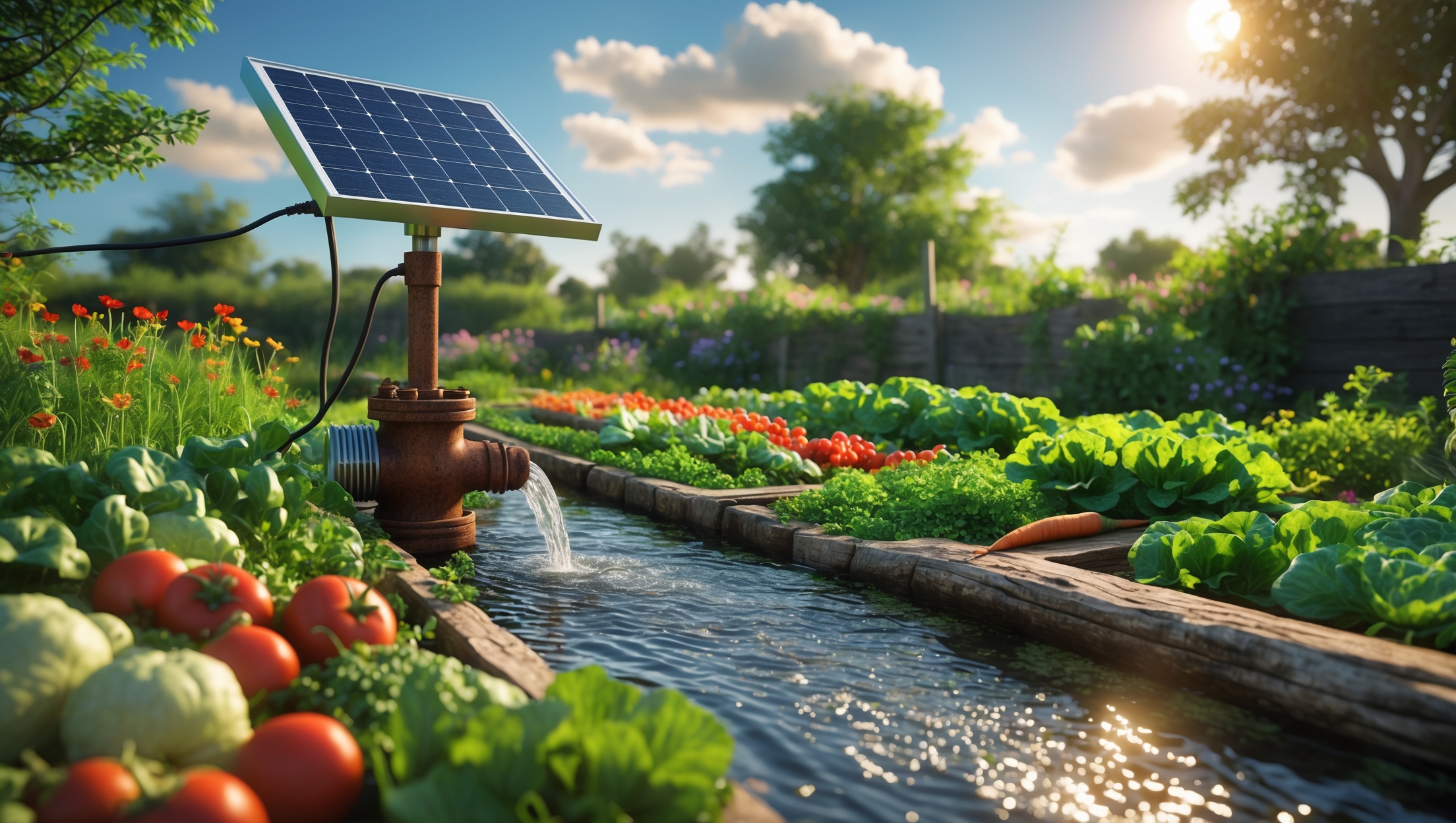
Introduction: The Legal Path to Sustainable Irrigation
The shift towards sustainable living has led many homeowners to explore solar water pump systems as a solution for eco-friendly garden and landscape irrigation. These systems harness the sun’s energy to move water efficiently, reducing dependence on fossil fuels and saving money long-term. However, installing a solar water pump at home isn’t as simple as setting up the equipment and flipping the switch. Homeowners must navigate a complex web of regulations, permits, and compliance requirements that vary by locality, water source, and system size. Understanding and fulfilling these legal obligations is crucial—not only to avoid fines or project delays but also to ensure your sustainable investment is safe, reliable, and fully above board.
This guide takes a deep dive into the compliance and permitting landscape for home solar water pump systems. We’ll cover how to assess your local legal environment, the types of permits you may need, how to prepare a successful application, and the most common roadblocks and how to overcome them. Whether you’re irrigating a vegetable garden, maintaining a wildlife pond, or supplying water to a small orchard, you’ll find actionable advice tailored to real-world scenarios. By the end, you’ll be equipped to navigate the regulatory waters and start irrigating sustainably with confidence.
Understanding Solar Water Pump Systems and Their Regulatory Context
What Is a Home Solar Water Pump System?
A solar water pump system for home use typically consists of solar panels, a controller, a water pump (submersible or surface), and plumbing components. The system uses solar-generated electricity to power the pump, delivering water from a well, rainwater tank, pond, or other source directly to your irrigation system or storage tank. These systems vary in complexity, from simple plug-and-play kits to custom installations integrated with smart irrigation controls.
Why Do Regulations Apply?
At first glance, using sunlight to move water seems harmless. However, water rights, electrical safety, and environmental protection laws govern how, where, and when you can divert or utilize water. In many regions, even small-scale systems must comply with utility interconnection rules, electrical codes, and water use restrictions. Ignoring these requirements can result in fines, forced removal of your system, or liability for damages.
Identifying Applicable Regulations and Permits
Types of Regulations to Consider
- Local Building Codes: Most municipalities require permits for any electrical or plumbing work, including solar pump installations.
- Electrical Permits: If your system is grid-tied or involves wiring beyond a simple plug-and-play setup, you’ll often need an electrical permit and inspections.
- Plumbing Permits: Any modification to water supply lines or the addition of new irrigation infrastructure may require a plumbing permit.
- Water Rights and Use Permits: Drawing water from wells, streams, or ponds is often regulated. Even rainwater harvesting systems can be subject to local rules.
- Zoning Restrictions: There may be restrictions on the placement of solar panels, noise from pumps, or changes to landscape grading.
- Environmental Regulations: If your system affects wetlands, protected species habitats, or runs close to waterways, additional permits may be required.
Who Governs These Rules?
- Municipal building departments (city or county level) for general construction and electrical/plumbing permits.
- Water management districts or state environmental protection agencies for water rights and environmental compliance.
- Homeowners’ associations (HOAs) for neighborhood-specific restrictions.
Step-by-Step: Navigating the Permitting Process
Step 1: Research Your Local Requirements
Start at your local building department’s website or office. Search for solar water pump, solar irrigation, or renewable energy permitting. If information is sparse, look up general solar or water use permits and contact staff for clarification. Take note of:
- Permit application forms and fees
- Required supporting documents (site plans, system specs, installer certifications)
- Inspection processes and timelines
Step 2: Assess Water Source Regulations
- If using a well, check with your state water authority or local health department for well use permits and reporting requirements.
- For surface water (ponds, streams), determine if you need a diversion permit, especially during drought or in water-scarce regions.
- For rainwater harvesting, some states (like Colorado) have strict limits, while others encourage it.
Step 3: Prepare Your System Documentation
Successful permit applications typically require:
- Site plan: Map showing solar panel location, pump, water source, and irrigation zones.
- System specifications: Datasheets for the solar panel, pump, controller, and any inverters or batteries.
- Installer qualifications: Some areas require systems to be installed by a licensed electrician or plumber.
- Electrical and plumbing schematics: For larger or grid-connected systems.
Step 4: Submit Your Application
File your permit application with the local building department and any relevant environmental or water agencies. Pay required fees and provide complete documentation. Incomplete applications are the most common cause of delays—review requirements carefully.
Step 5: Inspections and Final Approval
Most jurisdictions require one or more inspections before you can operate your system:
- Rough-in inspection: Before the system is fully assembled, to check wiring and plumbing.
- Final inspection: After installation is complete, verifying code compliance and safe operation.
Keep all approval documents and inspection reports for your records and insurance purposes.
Common Compliance Challenges and How to Overcome Them
Challenge 1: Ambiguous Local Rules
Some localities do not have clear guidelines for solar water pump systems. In these cases:
- Reference state-level solar or water use policies.
- Request a pre-application meeting or written clarification from your local permitting office.
- Partner with experienced solar installers who can help interpret local codes.
Challenge 2: Water Use Restrictions
During drought or in water-scarce regions, additional restrictions may apply:
- Apply for water use permits early and plan for possible seasonal restrictions.
- Consider rainwater harvesting or greywater reuse to diversify your water sources.
- Install flow meters and keep usage logs as required by authorities.
Challenge 3: Homeowners’ Association (HOA) Rules
Some HOAs limit the placement of solar panels or irrigation infrastructure:
- Review your HOA’s covenants and submit a formal request if required.
- Demonstrate low visual impact with discreet panel placement or landscaping.
- Highlight the sustainability benefits to gain neighbor support.
Challenge 4: Electrical and Plumbing Code Compliance
Improper installation can lead to failed inspections:
- Hire licensed professionals for electrical and plumbing work where required.
- Use UL-listed and code-compliant components.
- Follow manufacturer installation guidelines exactly.
Documentation and Record-Keeping
What to Keep
Maintain a project binder (digital or physical) with:
- All permit applications and approvals
- System design and installation plans
- Inspection reports and certificates
- Warranty information and receipts
- Any correspondence with agencies or your installer
Why It Matters
Good documentation is essential for:
- Simplifying insurance claims or system upgrades
- Proving compliance if challenged by authorities or neighbors
- Increasing property value at resale
Case Studies: Real-World Permitting Success Stories
Case Study 1: Suburban Vegetable Garden Irrigation
In Oregon, a homeowner wishing to irrigate a 0.2-acre vegetable plot from a backyard pond used a 300W solar panel and submersible pump. They were required to obtain a plumbing permit for the new irrigation lines and a water right permit from the state water resources department. Providing a detailed site plan and using a licensed plumber expedited the approval, and the system passed inspection on the first try.
Case Study 2: Rainwater-Fed System in Texas
A Texas resident installed a rainwater harvesting system with solar-powered pumping for drought-tolerant landscaping. They discovered that local ordinances encouraged rainwater use, requiring only a simple plumbing permit. The city inspector focused on backflow prevention and overflow controls. By following city guidelines and submitting a schematic, the homeowner obtained approval within two weeks.
Case Study 3: Off-Grid Orchard Irrigation in California
A small-scale orchardist in Northern California set up a 0.5kW solar pump to draw well water for drip irrigation. Due to the region’s groundwater management rules, they had to submit monthly usage reports and install a flow meter. The county required both electrical and water use permits. By working with a certified solar installer and keeping thorough records, the orchardist stayed in good standing with regulators.
Tips for a Smooth Permitting Experience
- Start early: Some permits take several weeks to process.
- Contact local officials with specific questions; don’t rely solely on website FAQs.
- Prepare complete, organized documentation up front.
- Work with licensed installers familiar with local codes.
- Communicate proactively with inspectors and address any feedback promptly.
Conclusion: The Rewards of Legal and Sustainable Irrigation
Embracing solar water pump systems for home irrigation is a powerful step toward sustainable living, offering environmental benefits, long-term cost savings, and increased resilience in the face of water scarcity. Yet, the path to a legal, reliable, and effective system runs through a maze of permits, codes, and regulatory bodies. While the process can seem daunting, understanding local requirements, preparing detailed documentation, and engaging with authorities proactively will set you up for success.
The effort you invest in compliance not only protects you from legal headaches but also ensures your system operates safely and as intended. With every water-efficient harvest or blooming landscape, you’ll enjoy the peace of mind that comes from knowing your solar irrigation is both green and above board. Future buyers, neighbors, and even local officials will appreciate your commitment to doing things right. So, whether you’re watering a backyard garden or managing a small orchard, take the time to navigate permitting thoughtfully—your sustainable oasis will be all the more rewarding for it.
Ready to get started? Begin by mapping your project, researching your local regulations, and assembling your documentation. With persistence and a clear plan, you’ll soon be harnessing the sun to nurture your landscape—legally and sustainably.


You mention that requirements can vary by locality, water source, and system size. How can I find out exactly which permits or regulations apply in my city before I invest in a solar water pump setup?
To determine which permits or regulations apply in your city, contact your local building or planning department—they handle permits for new installations. It’s also important to check with your local water authority, since water use may have separate rules. Explain your intended solar water pump setup, including location, water source, and capacity, to get precise guidance on what’s required before you invest.
How do local homeowners usually find out which specific permits they need for a solar water pump system? Do you recommend starting with county offices, or is there a state-level resource that lists all requirements?
Homeowners generally start by contacting their county building or planning office, since most permits and requirements are handled locally and can vary even between neighboring areas. Some states provide general guidance online, but these rarely include every local detail. After checking with your county, you may also want to ask about any relevant state-level environmental or electrical regulations to make sure all your bases are covered.
Can you clarify how budget might be affected by compliance costs? Are there typical fees or hidden expenses that come up while getting permits for a simple home solar water pump?
Compliance costs can impact your budget in several ways. Typical fees include permit application charges, which vary by region, and possible inspection fees. Sometimes, you may need to pay for site surveys or professional drawings if required by local authorities. Hidden expenses might arise if you need to address unexpected code requirements or make modifications to meet regulations. Factoring in an extra margin for these potential costs is wise when planning your project.
If I run into common roadblocks with my local authorities while applying for a solar pump permit, is there a recommended way to appeal or troubleshoot the situation without delaying my whole irrigation project?
If you encounter issues with local authorities during your solar pump permit application, try to communicate directly with the permitting office to clarify any specific concerns. Request a written explanation for any denials or delays, and address each point with the required documentation. If needed, you can formally appeal the decision through the local planning or zoning board, which often has a defined process. Keeping organized records and responding promptly can help minimize delays.
After I get the system installed and permitted, are there ongoing inspection or compliance checks I should be aware of, or is it mostly a one-time process?
Once your solar water pump system is installed and properly permitted, most areas treat the process as largely one-time, especially for residential setups. However, some localities may require occasional inspections or annual compliance checks, particularly if your system connects to public water sources or impacts groundwater. It’s a good idea to check with your local permitting office about any ongoing obligations, so you can stay fully compliant and avoid unexpected issues.
If a permit gets denied due to local restrictions, does the article suggest any specific steps for appealing or adapting the proposed solar irrigation setup so it meets legal standards?
The article doesn’t provide detailed steps for appealing a permit denial, but it does recommend consulting with local permitting authorities to understand the reasons behind the restrictions. It also suggests working with a qualified installer who is familiar with local codes. By adapting your system design to address specific concerns—such as adjusting placement, capacity, or safety measures—you can often modify the proposal to meet legal standards.
After reading this, I’m a bit worried about delays. About how long does the permitting and compliance process usually take for a home solar water pump install? Are there any tips for speeding things up or common mistakes to avoid?
Permitting for a home solar water pump system typically takes anywhere from a few weeks to a couple of months, depending on your local regulations. To speed things up, gather all necessary documents—like site plans and equipment specs—before applying. Common mistakes include incomplete applications, missing signatures, or not checking local zoning rules. Reaching out to your permitting office early for guidance can also help prevent delays.
Could you elaborate on what the permitting process typically involves for a small orchard versus a backyard vegetable garden? Does the intended irrigation use significantly affect the kinds of inspections or approvals I should expect?
The permitting process can vary by location, but generally, a small orchard may require more detailed review than a backyard vegetable garden because it tends to use more water and may impact local resources. For orchards, officials might request irrigation plans, site maps, and sometimes environmental assessments. Backyard gardens usually face a simpler process, often just basic permits or notifications. The intended irrigation use does affect inspections—larger or commercial-type setups often prompt more thorough checks, while small-scale, personal gardens are typically subject to minimal scrutiny.
You mention that the legal obligations can vary a lot by locality. Is there a recommended first step or department I should contact in my city to figure out exactly what permits I’ll need before buying equipment?
Your best starting point is your city or county’s building or planning department. They handle permits for new installations like solar water pump systems and can tell you exactly which permits or approvals you’ll need. It’s helpful to contact them before making any purchases, as they can also inform you about specific local codes or restrictions that might affect your project.
I’m in the planning stages for a solar pump to irrigate a small vegetable garden. About how long does the typical permitting process take from start to finish? I’m hoping to get it done before this growing season starts.
The permitting timeline for a residential solar water pump system can vary by location, but it often takes anywhere from two to six weeks, depending on your local authorities and how busy they are. To speed up the process, gather all required documents early and contact your local permitting office to confirm their current processing times. Starting soon should increase your chances of finishing before the growing season begins.
When assessing local regulations for installing a home solar water pump, is there typically a difference in the permitting process depending on whether you’re sourcing water from a rainwater tank versus a well?
Yes, there is usually a difference in the permitting process. Drawing water from a well often involves stricter regulations and may require specific permits related to groundwater use, well construction, and water rights. In contrast, using rainwater collected in a tank is generally less regulated, though local plumbing or storage rules might still apply. Always check with your local permitting office to understand the requirements for each water source.
I’m curious about how long the permitting process typically takes. If I start my application now, should I expect to wait weeks or months before I can actually install and use my solar pump?
The permitting timeline can vary quite a bit depending on your local regulations. In many areas, the process for residential solar water pump systems takes anywhere from a few weeks to a couple of months. Factors like the completeness of your application, local review backlogs, and any necessary inspections can affect the timeline. It’s a good idea to check directly with your local permitting office for the most accurate estimate.
How do the compliance requirements change if I decide to upgrade from a basic plug-and-play solar water pump kit to a more complex system with smart irrigation controls in the future?
When upgrading to a more complex solar water pump system with smart irrigation controls, compliance requirements often become more detailed. You may need updated electrical permits, inspections for new wiring or controllers, and possibly adherence to local water-use regulations. It’s important to check if your area requires licensed professionals for installation or additional safety certifications, as these requirements can be stricter for advanced systems compared to basic plug-and-play kits.
If my solar pump system is on the smaller side, mainly for a vegetable garden, do the same compliance rules apply as they would for larger, more complex setups? Or are there different regulations for smaller, simpler systems?
For smaller solar pump systems used for home vegetable gardens, regulations are often less strict than those for larger, commercial setups. However, local rules can differ, so you may still need to check for basic permits or notify local authorities, especially if you are connecting to an existing water source. It’s always best to contact your local permitting office to confirm the specific requirements for your system size.
Could you explain what the most common reason is for having a permit application denied when trying to install a solar water pump? Is there any way to avoid these issues up front?
The most common reason permit applications for solar water pumps get denied is incomplete or incorrect documentation, especially lacking site plans or not meeting local zoning or water rights regulations. To avoid this, carefully review your local requirements before applying, gather all necessary documents, and consider consulting with your local permitting office or a qualified installer to ensure your application is thorough.
Are there any common mistakes first-timers make when preparing their solar water pump permit applications, according to your experience? I want to avoid delays or extra costs, so any tips would really help.
A common mistake is submitting incomplete documentation, like missing site plans or technical specifications. Double-check all local requirements, as some areas need specific details about water usage or electrical connections. Also, don’t overlook homeowner association approvals if required. Reviewing everything before submission and contacting your local permitting office with any uncertainties can help you avoid delays or additional fees.
Could you clarify whether the permitting process for a solar water pump is different if I’m planning to use water from a rainwater collection tank versus a well? I’m concerned about how source type affects the specific permits or inspections required.
The permitting process can differ based on your water source. Using a rainwater collection tank typically involves fewer regulations since you’re not drawing from groundwater. Well water use often requires additional permits, inspections, and sometimes proof that your pumping won’t impact local water tables. Check with your local permitting office to confirm exact requirements for each source in your area.
With all the mention of different permit types, I’m wondering if there’s much of a cost difference between simple plug-and-play solar pump kits and more complex, custom installations when it comes to compliance and fees. Is it usually cheaper to keep things basic?
Yes, keeping things basic with plug-and-play solar pump kits typically results in lower compliance and permitting costs. Simple kits often need just minimal review or standard permits, making the process more affordable and straightforward. In contrast, complex custom installations tend to trigger more inspections, design approvals, and potentially higher fees, increasing overall costs. If minimizing compliance expenses is a priority, a basic system is usually the more budget-friendly option.
If a homeowner encounters unexpected project delays due to compliance issues, what immediate steps would you recommend to get back on track and avoid jeopardizing investment in a solar water pump system?
If you face delays from compliance issues, first contact your local permitting office to clarify the specific requirements or missing documents. Address any paperwork or inspection gaps promptly, and if needed, consult a professional with permitting experience. Keeping detailed records and maintaining open communication with both authorities and contractors will help you resolve issues efficiently and prevent further setbacks to your solar water pump investment.
About how long does the permitting and approval process usually take for a residential solar water pump setup? I’m planning around planting season and want to avoid delays if possible.
The permitting and approval process for a residential solar water pump system typically takes anywhere from two to eight weeks, depending on your local regulations and the efficiency of the permitting office. Some areas process applications faster, while others require additional reviews or inspections. To avoid delays, prepare all necessary documents in advance and contact your local permitting office early to understand their specific timeline and requirements.
Could you clarify whether there are specific limitations on solar pump system sizes for residential irrigation? I am considering a small orchard setup and want to know if there’s a threshold that triggers additional compliance requirements.
Most areas do set thresholds for solar water pump systems based on capacity, power output, or water use. For residential irrigation, such as a small orchard, small systems usually face fewer permitting hurdles. However, if your pump exceeds certain flow rates or connects to the main grid, additional compliance—like environmental reviews or electrical inspections—may apply. Always check with your local permitting office, as requirements can vary widely by region and water source.
I’m curious about the application process—how long does it usually take to get approval for installing a solar water pump system, and are there steps I can take to speed up the permitting timeline?
Approval timelines for solar water pump system permits can vary, but it often takes anywhere from a few weeks to a couple of months, depending on your local regulations and how busy the permitting office is. To help speed things up, prepare all required documents (like site plans and equipment specs) in advance, double-check your application for completeness, and follow up regularly with your permitting office. Consulting with a local installer familiar with the process can also help avoid unexpected delays.
For homeowners who use rainwater tanks as their water source, are the permitting requirements typically different compared to those pulling from a well? I’m trying to figure out if it’s easier to stay compliant with stored rainwater versus groundwater.
Yes, permitting requirements are often different for rainwater tanks compared to wells. In many areas, using stored rainwater is less regulated or may not require permits at all, since you’re not extracting groundwater. Wells usually involve more complex permits and regulations because groundwater use can impact local resources. Always check your local or state guidelines, but rainwater collection is usually the simpler compliance route for homeowners.
If I start installing my solar water pump and then hit a snag with permitting halfway through, what’s generally the best approach to avoid getting fined or having to undo work? Is it better to pause the project, or can I keep going while sorting out paperwork?
If you encounter a permitting issue while installing your solar water pump, it’s usually best to pause the project until the paperwork is sorted out. Continuing work without proper permits can lead to fines or requirements to remove non-compliant installations. Contact your local permitting office right away to clarify what’s needed, and document your progress so you can show intent to comply if needed.
If I encounter a permit application rejection, are there common troubleshooting steps or documentation I should prepare ahead of time to address the most frequent issues homeowners face?
If your permit application is rejected, it’s helpful to review the reasons provided by the permitting authority. Common issues include incomplete site plans, missing technical specifications, or unclear proof of property ownership. Be ready to supply detailed diagrams, manufacturer information for your solar pump, and any environmental impact assessments required. Double-check local zoning codes and ensure all required forms are filled out completely before reapplying.
If my solar water pump setup is relatively straightforward and just meant for garden irrigation, are there any simpler or expedited permit routes available, or do I still need to go through the full application process described in the article?
For smaller, straightforward garden irrigation setups, some local authorities do offer simplified or expedited permit processes. However, requirements can vary widely depending on your location. In some areas, you may still need to submit a basic application or notify officials, while others might exempt small, low-impact systems from full permits. It’s best to check directly with your local permitting office to see if your system qualifies for a streamlined process.
If my system gets its water from a rainwater collection tank rather than a well, do I still need to go through the same level of permitting as outlined in your guide, or would some requirements not apply?
If your solar water pump system uses rainwater collected from a tank instead of drawing from a well, some permitting requirements may be less strict or not apply at all. Many regulations focus on protecting groundwater and public water sources, so rainwater use is often treated differently. However, you may still need to check for local rules regarding rainwater collection and use, as some areas have guidelines or permits specific to storage and irrigation systems.
Are the compliance requirements much different if the solar water pump system is used for maintaining a wildlife pond instead of irrigating a garden? I’m hoping to understand if the intended use changes the process or legal hurdles.
The compliance requirements can differ depending on the intended use. Using a solar water pump for a wildlife pond may involve additional environmental regulations, particularly concerning habitat protection and water quality. Permitting agencies often review wildlife pond projects more closely to ensure local wildlife and ecosystems are protected. It’s a good idea to check with your local environmental or water authority to see if there are specific permits or assessments needed for wildlife ponds, as these can differ from those for garden irrigation.
I’m curious how much the compliance process typically adds to the total installation cost for a basic home solar water pump system. Is permitting usually a minor expense or something I should budget several hundred dollars for?
Permitting costs for a basic home solar water pump system can vary by location, but they’re often a noticeable part of the budget. In many areas, permit fees might range from $100 to $500, depending on local regulations and inspection requirements. While some places keep costs minimal, others may charge more, especially if additional inspections or paperwork are required. It’s a good idea to contact your local permitting office for an accurate estimate for your area.
Is there usually a recommended order of operations for assessing the legal landscape, obtaining permits, and actually purchasing equipment? I want to avoid buying a system that might not be compliant with local regulations.
Absolutely, to avoid compliance issues, it’s best to first research local regulations and any homeowners’ association rules. Next, contact your permitting office to confirm requirements and apply for necessary permits. Only after receiving approvals should you purchase and install the solar water pump system. This sequence helps ensure your investment meets all legal and technical standards.
If I go with one of those simpler plug-and-play solar pump kits for my backyard, do I still need to go through the same permitting process as with a custom system? I’m trying to figure out how strict the local requirements usually are for smaller setups.
For plug-and-play solar pump kits, permitting requirements can vary based on your local regulations. Some areas may exempt small, low-powered kits from full permitting, while others treat all solar water pump installations the same, regardless of size or complexity. It’s a good idea to check with your local building or planning department to see if there are streamlined processes or exemptions for smaller setups in your area.
If your property is near a pond and you’re considering using a solar pump for wildlife pond irrigation, are there specific environmental regulations or common roadblocks that people should watch out for in addition to standard permitting?
When using a solar pump for wildlife pond irrigation, it’s important to check for local water use regulations, especially regarding withdrawal limits and protection of wildlife habitats. Common roadblocks include restrictions on altering water levels, requirements to maintain natural flow for downstream users, and possible permits for impacting sensitive species. Consulting your local environmental agency is a good step, as they can clarify whether special assessments or protections apply to your pond.
If my solar water pump will only be used to irrigate a vegetable garden from a rainwater barrel, do I still need the same permits as someone drawing water from a well or natural water source?
If your solar water pump only uses rainwater collected in a barrel for irrigating your vegetable garden, permitting requirements are usually less strict compared to systems drawing water from wells or natural sources. In many areas, using harvested rainwater is encouraged and may not require the same permits. However, local regulations vary, so it’s a good idea to check with your local permitting office to confirm if any specific approvals are needed for your setup.
You mentioned preparing a successful application. What kind of documents or supporting information do authorities usually ask for when applying for solar water pump permits?
Authorities typically request documents such as site plans showing the pump location, proof of property ownership or land use rights, technical specifications for the solar pump system, and sometimes an environmental impact assessment. You may also need to submit water source details, expected water usage, and installation diagrams. Double-check with your local permitting office as requirements can vary by region.
What are some of the most common mistakes homeowners make when preparing permit applications for solar irrigation systems, especially regarding system size or integration with existing plumbing? I want to avoid delays or rejections when I apply.
One common mistake is underestimating the total system capacity, which can trigger more complex permit requirements or reviews. Another is not providing detailed diagrams showing how the solar pump connects to your existing plumbing. Incomplete site plans or missing manufacturer specifications also cause delays. Double-check all measurements, ensure your proposed system complies with local codes, and give clear details on any modifications to avoid rejections.
Does the permitting or compliance process differ if I purchase a prepackaged solar pump kit compared to having a custom system designed and installed? I’m trying to figure out which option will be less of a hassle overall.
Permitting and compliance requirements generally focus on factors like system size, electrical connections, and local codes, rather than whether you use a prepackaged kit or a custom-designed system. However, prepackaged kits often come with documentation and certifications that can simplify the approval process. Custom systems may require more detailed plans and inspections. If minimizing hassle is your priority, a prepackaged kit is typically easier to permit, but always check with your local authorities for specific requirements.
Does the article cover whether the type of water source—like well versus rainwater tank—changes the legal requirements for a home solar water pump system? I want to use rainwater but am unsure if that simplifies the process.
The article mentions that legal requirements can vary depending on the water source, but it doesn’t go into specific details about wells versus rainwater tanks. Generally, using rainwater often involves fewer regulations since you’re not drawing from public water supplies or groundwater. Still, it’s important to check with your local authorities to confirm any specific rules for rainwater use with a solar pump system.
Could you clarify what typically counts as a ‘small’ versus ‘large’ home solar water pump system in the eyes of local regulators or permitting offices?
Local regulators often define ‘small’ home solar water pump systems as those with lower power ratings (usually under 1–2 horsepower), minimal water output, and used for personal irrigation or household needs. ‘Large’ systems typically refer to those with higher horsepower pumps, larger solar arrays, and intended for commercial-scale or community irrigation. However, exact thresholds can vary, so it’s best to check specific guidelines with your municipal or county permitting office.
Once a solar water pump system is installed and permitted, are there ongoing inspections or maintenance requirements from local authorities that I need to plan for?
After your solar water pump system is installed and permitted, most local authorities do not require regular inspections unless there are major modifications or complaints. However, some regions may ask for periodic inspections to ensure continued compliance, especially if water rights or safety regulations are involved. It’s best to check with your local permitting office about any scheduled inspections or specific maintenance records they might require to keep your system in good standing.
If my solar water pump system is just a small plug-and-play kit for a backyard vegetable garden, do I still need to go through the full permitting process, or are there exemptions for smaller systems?
For small plug-and-play solar water pump kits used in backyard gardens, some localities do offer exemptions or a simplified permitting process. However, requirements vary by region. It’s important to check with your local permitting office or municipal website to see if your system qualifies for an exemption based on its size, power output, and whether it connects to existing water lines or electrical systems.
I’m curious if the compliance requirements are different depending on whether I’m drawing water from a rainwater tank versus a groundwater well. Could you explain which water sources tend to involve more complicated permitting?
Yes, the compliance requirements do differ based on your water source. Drawing water from a groundwater well typically involves stricter permitting, including water rights, drilling permits, and sometimes environmental assessments. Using rainwater from a tank is usually less complicated, with fewer regulations, though some regions have rules about storage and usage. Always check your local authorities for the exact requirements.
I’m new to this and trying to get a sense of the timeline. Roughly how long does it usually take to get all the permits approved for a home solar water pump system, and what are the most common delays homeowners run into?
The permitting process for a home solar water pump system usually takes anywhere from a few weeks to a couple of months. Timelines can vary based on your local regulations and how quickly your application is processed. Common delays include incomplete paperwork, waiting for inspections, and coordinating approvals from multiple agencies. It’s helpful to double-check all forms and requirements before submitting to avoid setbacks.
Could you clarify what the most common reasons are for permit applications to get rejected during the process? Are there checklists or tips homeowners can use to avoid delays right from the start?
Permit applications for home solar water pump systems often get rejected due to incomplete documentation, missing site plans, or not meeting local zoning or electrical safety codes. Homeowners can avoid delays by carefully reviewing local permitting requirements, using a checklist to gather all needed documents (like site maps and equipment specs), and double-checking that their plans comply with setbacks and safety standards. Contacting your local permitting office before applying can also help clarify any unique local rules.
You mentioned that the permitting requirements can change depending on the water source. Are there usually stricter rules if I want to use water from a small pond versus hooking up to a rainwater tank?
Yes, using water from a natural source like a pond often involves stricter permitting requirements compared to using water from a rainwater tank. Drawing from a pond can impact local ecosystems and water rights, so permits may require environmental assessments or limits on water usage. In contrast, rainwater harvesting is usually less regulated, since it doesn’t affect natural water bodies. Always check with your local authorities to confirm the specific rules for your situation.
If my property is on the edge of city and county lines, do I need to get multiple permits for a solar water pump setup, or does one agency typically take the lead? It’s not clear how overlapping jurisdictions work with these regulations.
When your property sits on the edge of city and county lines, it’s possible you may need permits from both city and county agencies, since both could have jurisdiction. Often, one agency will act as the lead, but this varies by location. It’s best to contact both your city’s building or planning department and your county’s permitting office to clarify which regulations apply and whether you’ll need approvals from both.
How do permitting requirements differ if I’m drawing water from a municipal supply versus collecting rainwater with a solar pump—are some sources easier to get approved for than others?
Permitting is usually easier when your solar pump uses collected rainwater, as this often falls under fewer regulations since you’re not impacting public water supplies. Drawing from a municipal supply typically requires stricter permits and adherence to utility rules, since it involves regulated infrastructure and water usage limits. Always check local guidelines, but generally, rainwater systems face simpler approval processes.
For budgeting purposes, do you have any advice on estimating permit and compliance costs upfront, or do these vary too much by location and system size to generalize?
Permit and compliance costs for home solar water pump systems can vary widely depending on your location and the size or complexity of your setup. However, you can get a rough estimate by contacting your local permitting office for their fee schedule and asking installers for typical costs in your area. It’s also wise to add a buffer to your budget to account for unexpected fees or requirements.
If my home is in a neighborhood with a strict HOA, are there any special considerations or additional steps I should take to ensure my solar water pump project meets both local laws and HOA rules?
Living in a neighborhood with a strict HOA means you’ll need to review your HOA’s rules in addition to local permitting requirements. Often, HOAs have guidelines on exterior changes, including solar installations and water equipment. Before starting your project, submit your plans for HOA approval and get written permission if needed. Make sure your proposal addresses issues such as aesthetics, noise, and placement. Also, keep documentation of all permits and approvals to avoid future disputes.
If my irrigation needs change after installation, like expanding from a vegetable garden to a small orchard, do I need to update permits or go through another compliance check? How flexible are the regulations for expanding an existing system?
If you increase your system’s capacity or change its usage significantly, like expanding from a vegetable garden to a small orchard, you may need to update your permits and ensure ongoing compliance. Regulations are often strict about changes that impact water use or system size. It’s best to check with your local permitting authority before making modifications, as some areas require new assessments or approvals for expansions.
Once an application for a solar water pump permit is submitted, what is a realistic timeframe for receiving approval? Are there common reasons for delays that homeowners should be prepared for during the process?
After submitting a permit application for a solar water pump system, approval typically takes between two to six weeks, depending on your local permitting office’s workload and requirements. Common reasons for delays include incomplete applications, missing site plans, or unclear technical specifications. Homeowners can help avoid delays by double-checking all documents before submission and responding quickly if the authorities request additional information.
I’m concerned about project delays—how long does the typical permitting process take for a residential solar water pump system, and are there ways to speed it up for families with busy schedules?
Permitting for a residential solar water pump system usually takes anywhere from a few weeks to a couple of months, depending on your local regulations and how quickly documents are processed. To speed things up, prepare all required paperwork in advance, check with your local permitting office about necessary forms, and consider hiring a solar installer who can handle the permitting process for you. This can save you time and help avoid common delays.
I read that failing to comply with local rules could lead to fines or delays. Do you have any advice on how to keep the project on budget and avoid unexpected costs related to permits and compliance?
To keep your project on budget and avoid surprise costs, start by contacting your local permitting office early to clarify requirements and fees. Make a checklist of all necessary permits and inspections, and schedule them in advance. It helps to work with installers familiar with local codes, as they can guide you through compliance steps. Setting aside a small contingency fund for unexpected fees or paperwork changes is also a smart move.
Could you clarify if permit requirements are different when drawing water from a rainwater tank versus a groundwater well for a home solar pump system? I’m wondering how the water source impacts the regulatory hurdles for a small vegetable garden.
Permit requirements often do vary depending on the water source. Drawing from a rainwater tank is typically less regulated, and many areas do not require permits for using stored rainwater, especially for small-scale uses like a vegetable garden. In contrast, using a solar pump with a groundwater well usually involves stricter permitting and may require demonstrating that your use will not negatively impact the water table. Always check your local regulations to confirm the specific requirements for each water source.
You mentioned that compliance requirements can vary by locality and water source. How can a homeowner figure out which specific local agencies they need to contact before starting an installation, and are there common mistakes people make during this step?
To identify which local agencies to contact, start by checking with your city or county planning and building departments—they often handle permits for solar and water systems. Also, reach out to your local water authority if you’re using groundwater or surface water. A common mistake is assuming one permit covers all approvals; in reality, you may need multiple permits and approvals from different agencies. Always confirm all requirements before beginning installation to avoid delays or penalties.
I’m in a rural area and want to use a solar pump to irrigate my vegetable garden from a small pond on my land. Does the permitting process differ if my water source isn’t a municipal supply and how do I find out which local laws apply?
Yes, the permitting process often differs if you’re using a private source like a pond instead of a municipal supply. Typically, you’ll need to check with your county or local environmental department, as rules can vary about water rights, usage limits, and equipment standards. Contacting your local extension office or water resources agency is a good first step to learn which regulations apply in your area.
How do the costs and timelines for getting permits for a basic plug-and-play solar water pump setup compare to more advanced or custom systems, especially for homeowners on a tight budget?
For basic plug-and-play solar water pump setups, permitting is often simpler and less expensive—sometimes costing only a small filing fee and taking just a few days to a couple of weeks, depending on your locality. More advanced or custom systems usually require more detailed plans and inspections, which can increase both permit fees and wait times, sometimes stretching into several weeks or months. Homeowners on a tight budget usually find the simple systems much more accessible in terms of both cost and timeline.
The article mentions that regulations can vary by system size. Is there a typical threshold (in terms of pump capacity or panel wattage) that triggers more stringent compliance requirements for home solar water pump systems?
The typical threshold that triggers stricter compliance often depends on your local jurisdiction, but many areas set it around 1 horsepower for pump capacity or about 1,000 to 2,000 watts for solar panel systems. Systems above these levels may require additional permits, inspections, or environmental reviews. It’s wise to check with your local permitting office to confirm the exact limits for your location.
Can you elaborate on the specific permits a homeowner might need if they’re pulling water from a rainwater collection system versus a well? It seems like the regulations could be pretty different depending on the water source.
You’re correct that the permits required can vary significantly based on the water source. Using rainwater collection for irrigation often requires fewer permits, but some localities still require notification or registration. If you plan to use a well, permits are usually needed for both drilling the well and extracting groundwater, and you may also need to prove the water use won’t impact neighbors or local resources. Always check with your local water authority to confirm specific requirements.
Are there any specific compliance issues or delays that homeowners commonly face when upgrading from a basic plug-and-play solar pump kit to a larger, customized system? I’m considering an upgrade and want to plan for any extra legal hurdles.
When upgrading to a larger, customized solar water pump system, homeowners often encounter additional permitting requirements, especially related to electrical work and water rights. Inspections may be needed, and local zoning or environmental regulations could apply. Delays can result from waiting for permit approvals or scheduling inspections. It’s wise to consult your local authority early and gather any paperwork needed to avoid unexpected holdups.
I’m curious about how the costs for permits and compliance affect the overall savings from switching to solar irrigation. Any insight on what a typical homeowner might expect in terms of permit fees or compliance costs for a DIY solar pump setup?
Permit and compliance costs can vary quite a bit depending on your location and local regulations. For a typical homeowner installing a DIY solar water pump, permit fees might range from $50 to $500. Additional costs could include inspections or minor upgrades to meet code requirements. While these upfront costs can slightly reduce your initial savings, most homeowners still see long-term benefits as solar systems lower energy bills and maintenance costs over time.
If my permit application for a home solar water pump gets delayed or denied, what are the typical reasons for that, and what steps can I take to resolve the issues and get approval?
Permit delays or denials for solar water pump systems often happen because of incomplete paperwork, missing site plans, failure to meet local zoning or safety codes, or concerns about water rights. To resolve these issues, double-check that all forms and documents are filled out correctly, address any feedback from permitting officials, and consult with local authorities to make sure your system complies with regulations. If needed, seek professional help from a licensed installer or permit specialist.
Could you clarify if permit requirements are different when sourcing water from a rainwater tank versus a well for a home solar water pump system? I want to make sure I’m not missing any specific regulations depending on my water source.
Permit requirements can indeed differ depending on your water source. Sourcing water from a rainwater tank is generally less regulated, and often requires minimal or no permits in many areas. However, using a well typically involves stricter permitting, water rights considerations, and inspections due to groundwater regulations. Always check your local and state regulations to ensure full compliance for your specific setup.
I’m interested in installing a solar water pump for a wildlife pond. Are there any unique compliance challenges or extra steps for using solar pumps with natural ponds versus artificial irrigation tanks?
Using a solar water pump for a wildlife pond can involve extra compliance steps compared to artificial tanks. Natural ponds may be regulated to protect wildlife, so you’ll likely need permits related to water rights, conservation, and environmental impact. Authorities often require proof that your setup won’t harm local ecosystems or reduce water levels. It’s important to consult your local environmental or water agency early in the planning process.
You mention common roadblocks in the permitting process—could you highlight which ones tend to cause the most project delays for homeowners, and any practical tips for addressing them ahead of time?
The biggest sources of delay are often unclear local zoning rules, missing documentation, and lengthy inspections. Homeowners sometimes underestimate the time needed to gather site plans, electrical diagrams, and proof of compliance with water use regulations. To avoid setbacks, check with your local permitting office early, prepare all required documents in advance, and schedule inspections as soon as possible. Consulting a local installer familiar with your area’s rules can also streamline the process.
I’m on a pretty tight budget and want to keep my solar water pump system simple. Are there certain sizes or system features that trigger more stringent compliance requirements or higher permitting costs?
Generally, smaller solar water pump systems with lower power outputs and basic features tend to face simpler permitting processes and lower compliance costs. Larger systems or those that tie into existing utilities, have high-capacity pumps, or use batteries and advanced controls may require more documentation and higher fees. It’s a good idea to check your local permitting office for specific size thresholds or feature requirements—staying below certain kilowatt or gallon-per-minute limits can often help keep costs down.
I’m trying to estimate how long the permitting process usually takes for a residential solar water pump setup. Should I expect to wait weeks or months before I can start installing, and are there common steps homeowners can take to speed up the approval?
The permitting timeline for a residential solar water pump system can vary quite a bit depending on your local jurisdiction, but it’s common for the process to take anywhere from a few weeks to a couple of months. To help speed things up, make sure all your application documents are complete, including site plans and specifications. It also helps to check local requirements in advance and work with a contractor experienced in solar permitting who can ensure your submission meets local codes and avoids common delays.
Could you clarify whether permits are typically needed just for the solar water pump equipment itself, or if you also need separate approval for using certain water sources, like a backyard pond or collected rainwater?
Permits are often required for both the solar water pump installation and the use of specific water sources. While you may need an electrical or construction permit for the pump equipment, separate approval is usually necessary if you plan to draw water from regulated sources such as a pond or even collected rainwater. Local authorities will have specific guidelines, so it’s best to check both equipment and water use regulations in your area.
Could you explain how permitting requirements might differ if I’m sourcing the water from a rainwater tank versus a well on my property? I’m trying to figure out which option might involve less regulatory hassle.
If you use a rainwater tank as your water source, permitting is usually simpler and may only require basic notification or none at all, since rainwater harvesting is less regulated in many areas. Using a well often involves more rigorous permitting, such as well construction approvals, water rights verification, and potential environmental reviews. Rainwater systems generally face fewer regulatory hurdles compared to wells.
If I install a basic plug-and-play solar water pump kit for my vegetable garden, would I still need to have inspections and obtain permits, or do simpler systems sometimes fall under less stringent requirements?
Even basic plug-and-play solar water pump kits can be subject to local permitting and inspection requirements, depending on your area’s regulations. Some jurisdictions do offer exemptions or streamlined processes for small-scale or low-voltage systems, but this isn’t universal. It’s important to check with your local building department or permitting authority to confirm exactly what’s required before you install your kit.
With all the different regulations between localities, is there a typical timeframe homeowners should budget for getting a solar water pump system fully permitted and legally operational? I’d love to get a realistic sense before starting the project.
Permitting timelines can vary a lot, but most homeowners should expect the process to take anywhere from one to three months. This includes gathering the necessary documents, submitting your application, and waiting for reviews or inspections. In some areas with streamlined procedures, it might be quicker, while others may require additional steps if environmental or water rights reviews are involved. Checking with your local permitting office early on will give you the most accurate estimate for your area.
If my main water source is a rainwater tank instead of a well, are there different compliance rules I need to watch out for when setting up a solar pump, or is it generally the same process?
When using a rainwater tank as your main source, compliance rules can sometimes be less strict compared to well water, especially regarding water rights and extraction limits. However, you might still need to follow local building codes, electrical regulations, and environmental guidelines for solar pump installation. It’s important to check with your local authorities, as some areas have specific requirements for rainwater harvesting systems and their use in irrigation.
If our solar irrigation setup is just a straightforward plug-and-play kit for a backyard wildlife pond, do we have to navigate the same level of compliance as someone installing a larger, more complex system?
For a simple plug-and-play solar water pump kit used with a backyard wildlife pond, most areas have fewer regulations compared to larger or more complex installations. Typically, these small-scale setups are considered low-impact and might not require extensive permitting. However, it’s a good idea to check with your local authorities or municipal office to confirm if any basic notifications or small permits are still needed in your area.
I noticed the guide talks about project delays due to regulations. For someone on a tight budget, are there upfront costs associated with compliance that I should factor in before even buying the equipment?
Yes, there can be upfront costs related to compliance that you should plan for before purchasing any equipment. These may include permit application fees, costs for site inspections, and possibly expenses for consulting with professionals if required by local authorities. Some areas may also require environmental assessments or grid connection fees. Factoring these into your budget early can help you avoid unexpected expenses or delays later on.
You mention preparing a successful application for permits. What kind of documents or evidence would I usually need to include when applying for permission to install a home solar pump system?
When applying for permission to install a home solar pump system, you’ll usually need documents like a detailed site plan, technical specifications of the solar pump system, proof of property ownership or authorization, and environmental assessments if required. You may also be asked for electrical schematics, installer qualifications, and sometimes a water rights certificate. Check with your local permitting office, as requirements can vary.
For homeowners working within tight budgets, are there affordable resources or services to help guide the permitting process for solar water pump systems, especially for those unfamiliar with local government procedures?
Homeowners on a budget can often find free or low-cost support through local cooperative extension offices, which offer guidance on agricultural and solar projects. Some solar pump suppliers provide permitting assistance as part of their package. Public libraries and local environmental nonprofits may also offer workshops or one-on-one help. It’s worth reaching out to your municipal planning office, as they sometimes provide step-by-step guides or even dedicated staff to answer questions about permits.
Are there any helpful resources or typical first steps you recommend for homeowners who want to assess their local legal environment before investing in solar irrigation equipment? I’d like to avoid ordering materials before confirming compliance.
A smart first step is to contact your local building or planning department—they can clarify permit requirements and any zoning rules for solar water pump systems. It also helps to check your state’s environmental or water resources agency for any additional guidelines. Many utility companies offer advice or resources on renewable energy compliance too. Gathering this information early can help you avoid costly compliance issues later.
If I want to set up a simple plug-and-play solar water pump kit for a vegetable garden, does that usually require fewer permits than a custom installation? Are there ways to streamline the process for smaller projects?
Plug-and-play solar water pump kits for small-scale uses like a vegetable garden often require fewer permits than full custom installations, especially if they’re not tied into your home’s electrical system or municipal water supply. To streamline the process, check with your local permitting office about thresholds for permit exemptions, keep your system portable, and use certified components. Document your setup, as some areas only require notification or registration for smaller projects.
Can you clarify if local HOA rules tend to impact solar water pump installations separately from city or county regulations? Have you seen any specific limitations or extra steps because of HOA requirements?
Homeowners associations (HOAs) can have their own set of rules about solar water pump installations, which are separate from city or county regulations. Some HOAs may require prior approval, limit placement or appearance, or restrict equipment that alters community aesthetics. In some cases, extra steps include submitting detailed plans or obtaining written consent from the HOA board in addition to local permits. It’s wise to review your HOA’s guidelines early to avoid delays.
What are the most common delays people face during the permit application for a solar water pump system, and are there any tips to speed up the approval process?
Common delays in solar water pump permit applications include incomplete paperwork, unclear site plans, and slow responses from local permitting offices. To speed up approval, double-check all application requirements, provide detailed system diagrams, and consider consulting with a local installer who understands area-specific rules. Regularly follow up with permitting authorities to address any questions quickly and keep your application moving forward.
If my solar water pump system is just a basic kit intended for a small wildlife pond, would the compliance requirements be much different from a larger, fully-integrated irrigation setup, or are the rules generally the same regardless of system size?
For a basic solar water pump kit serving a small wildlife pond, compliance requirements are often less strict than for larger, integrated irrigation systems. However, some local regulations—such as water rights, electrical safety, and environmental protections—can apply regardless of size. It’s important to check with your local permitting office to confirm if any exemptions or simplified procedures are available for small, non-commercial setups like yours.
You mentioned that system size can affect which permits are needed. For a smaller solar pump kit intended just for drip irrigating vegetable beds, are there simplified compliance steps, or do the same rules apply as with larger landscape systems?
For smaller solar pump kits meant for drip irrigation in home gardens, permitting requirements are often less complex than for larger systems. Many areas offer streamlined or even exempt processes for low-capacity, residential setups. However, some basic compliance steps, such as electrical safety checks or local zoning compliance, may still apply. It’s best to check with your local permitting office to confirm the exact requirements for your kit’s size and intended use.
For homeowners on a tight budget, are there any upfront costs associated with the permitting process itself that we should anticipate, and could delays in securing permits add significantly to overall project expenses?
Yes, most local authorities charge permit application fees, which can range from a modest amount to several hundred dollars depending on your area. Delays in getting permits approved can lead to extra costs, such as paying for extra site visits, rescheduling installers, or equipment storage fees if materials arrive before permits are ready. Factoring in both the permit fees and possible delay-related costs is wise when budgeting for your solar water pump project.
Does the permitting process change if I’m pulling water from a rainwater tank versus a well, or do most areas treat those sources the same when it comes to solar pump installations?
The permitting process often differs depending on your water source. Drawing water from a rainwater tank usually involves fewer regulations and permits compared to using a well, since rainwater systems are generally considered low-impact. Well water, on the other hand, often requires more permits and may be subject to stricter environmental and usage regulations. It’s important to check with your local permitting office, as requirements can vary widely by region.
Once I’ve submitted my application for a solar water pump permit, how long does the approval process usually take, and what are some common reasons for delays or rejections in the permitting phase?
After submitting your application, approval times can vary depending on your local authority, but it typically takes anywhere from two to eight weeks. Delays or rejections often happen due to incomplete documentation, missing technical details (like pump specifications or site plans), or non-compliance with zoning or water usage regulations. Double-checking all required materials and ensuring your proposed system meets local guidelines can help speed up the process.
If I set up a plug-and-play solar kit for my vegetable garden without realizing a permit was needed, what steps should I take now to avoid possible fines or future problems if the authorities find out?
If you’ve already installed a solar kit without a permit, the best step is to contact your local permitting office as soon as possible. Explain your situation and ask about retroactive permitting. Usually, you’ll need to provide details of your installation and possibly schedule an inspection. Taking action now can help you avoid fines and ensure your system meets safety standards.
If my property already has an existing rainwater collection tank, do the permit requirements change when adding a solar water pump, or do I still need to go through the full application process you mentioned?
If you’re adding a solar water pump to your existing rainwater collection tank, you’ll likely still need to follow the full permitting process. Most authorities evaluate changes to any part of the water system, not just new installations. However, having an existing tank may streamline approval, so check with your local permitting office to see if any specific requirements can be waived or expedited.
If I want to install a basic plug-and-play solar water pump for my vegetable garden, is a professional inspection usually required, or can I handle the compliance paperwork and installation myself as a homeowner?
For a basic plug-and-play solar water pump, requirements can vary depending on your local area. Many places allow homeowners to handle both installation and paperwork for small, self-contained systems, especially if no major electrical work is involved. However, some municipalities might still require a permit or inspection for any water or electrical installations. It’s best to check with your local permitting office to confirm the exact rules for your location.
For someone new to this, about how long does the permitting process typically take from start to finish, and are there common delays first-timers should watch out for?
The permitting process for a home solar water pump system usually takes anywhere from two to eight weeks, depending on your local regulations and how busy your permitting office is. Common delays for first-timers include incomplete paperwork, missing site plans, or unclear system specifications. It helps to double-check all requirements with your local authority and have everything prepared before submitting your application.
Could you clarify if there are different permitting requirements depending on whether the water source is a well versus a rainwater tank? I’m trying to figure out which path would make compliance easier.
Yes, permitting requirements do differ based on the water source. Using a well typically involves more stringent regulations, often requiring permits for both drilling and water extraction, and sometimes demonstrating water rights. In contrast, rainwater tanks usually have simpler or fewer permitting steps, as rainwater harvesting is less regulated in many areas. Choosing rainwater collection could make compliance easier, but always check with your local authorities for specific rules in your location.
Do regulations around system size only affect the solar panels or does the pump capacity also play a role in the permits I might need? I want to make sure I size my system correctly from the start.
Regulations often account for both the solar panel array size and the pump’s capacity. While some permitting focuses on electrical output from the panels, water agencies or local authorities may also regulate how much water your pump can move, especially in areas with water usage limits. It’s best to confirm both aspects with your permitting office before finalizing your system size to ensure compliance.
Do you have any advice for estimating the total time it might take from starting the permitting process to actually turning on a new solar water pump system for home irrigation?
The total time from starting the permitting process to activating your solar water pump system can vary widely based on your local regulations. Typically, expect anywhere from 1 to 3 months. Factors that influence this include how quickly your local permitting office processes applications, whether inspections are needed, and if any revisions to your plans are required. It’s a good idea to contact your local permitting authority early to ask about their average processing times and requirements.
Does the permitting process for a home solar water pump differ if you’re pulling water from a rainwater tank versus a well or a pond? I’m wondering if the water source impacts the complexity or cost of compliance.
Yes, the permitting process can differ based on the water source. Using a rainwater tank typically involves fewer regulations because it relies on collected rainwater, which is often less restricted. Drawing water from a well or pond may require additional permits, water rights checks, or environmental assessments, which can increase both the complexity and cost of compliance. Always check your local regulations to understand specific requirements for your chosen water source.
I’m interested in setting up a solar pump for my backyard vegetable garden. About how long does the permitting process usually take from start to finish, and are there common delays I should plan for?
For a backyard solar water pump, the permitting process typically takes anywhere from two to eight weeks, depending on your local regulations. Common delays can include incomplete paperwork, waiting for site inspections, or backlogs at your local permitting office. To help avoid setbacks, double-check your application and be proactive in communicating with your local authorities during the process.
For homeowners wanting more advanced setups with smart irrigation controls, are there additional compliance or inspection requirements compared to basic plug-and-play solar pump kits?
Yes, more advanced solar water pump systems with smart irrigation controls may trigger extra compliance requirements compared to simple plug-and-play kits. In many areas, these systems can require electrical or plumbing permits, and inspections to ensure safety and code compliance. It’s important to check with your local permitting office, as automated controls or internet-connected components may fall under different regulations than basic solar pump installations.
If my setup is just a small pump connected to a rain barrel for watering some plants, do I still have to go through the same permitting process as someone using a bigger well-based system?
If your setup only involves a small pump drawing water from a rain barrel, you’re usually subject to fewer regulations than systems connected to wells or municipal supplies. In many places, permits aren’t required for rainwater harvesting used for irrigation on a small scale. However, it’s still a good idea to check with your local authorities, since rules can vary by region.
You mentioned that legal requirements change by locality and system size. Is there a general threshold or system size where the permitting process gets much more complicated or expensive? I’m trying to figure out what size pump keeps things simple.
Typically, permitting becomes more complex and expensive when your solar water pump system exceeds a certain capacity—often around 5 to 10 horsepower or when larger solar arrays are involved. Small residential or garden systems, usually below 1-2 horsepower, are much simpler and may only need basic notification or a minor permit. It’s always wise to check with your local permitting office, but staying under these thresholds generally keeps the process straightforward.
Is there a significant difference in ongoing compliance costs or inspections depending on whether the pump feeds from a surface pond or an underground well? I’m comparing options and want to factor in long-term legal requirements.
Yes, there can be notable differences in compliance costs and inspection requirements depending on your water source. Pumps drawing from underground wells often require stricter permitting, more frequent inspections, and annual reporting to protect groundwater resources. Surface pond systems sometimes face fewer ongoing regulations, but you may need to prove the water source’s legal use and maintain water quality standards. It’s important to check local and state rules to estimate long-term requirements for each option.
Some of the permit requirements sound pretty involved. Is it common for homeowners to hire a consultant or legal expert to help navigate the compliance process, or is this something a dedicated DIYer can reasonably manage on their own?
Many homeowners manage the permitting process themselves, especially if they’re comfortable with paperwork and local building codes. However, if your area has complex water rights, environmental regulations, or multiple agencies involved, hiring a consultant or legal expert can save time and ensure you stay compliant. It really depends on your local regulations and your comfort level with navigating them.
What should I expect in terms of extra costs associated with legal compliance and permits for a small solar water pump setup? We’re trying to stick to a budget and want to know how much permitting might add to the project.
For a small solar water pump setup, extra costs for legal compliance and permits can range from as little as $50 to several hundred dollars, depending on your local regulations. Expect fees for permit applications, possible inspections, and documentation. Some areas might also require environmental assessments, but for small systems, these are less common. It’s a good idea to contact your local permitting office for exact fees, as rates and requirements vary widely.
If my irrigation needs change after the initial installation—say, expanding from a small garden to adding a wildlife pond—would I need to go through the permitting process all over again, or is there a way to update my original permit?
If your irrigation needs expand significantly, such as adding a wildlife pond, you may need to update your permit rather than start from scratch. Most local authorities allow you to amend or modify your existing permit to reflect changes in water use or system capacity. It’s best to contact your permitting office to explain your new plans so they can guide you through the update process and ensure continued compliance.
Can you clarify whether the permitting process is different if I’m using pond water versus drilling a new well? I want to make sure I understand if the water source changes the legal steps for installing a solar pump system.
Yes, the permitting process can differ depending on your water source. Using pond water often requires permits related to surface water use, which may involve inspections or approvals from environmental or local water authorities. Drilling a new well typically involves separate permits for groundwater extraction and well construction, usually handled by your county or state. Always check with your local permitting office, since requirements can vary by location and water source.
Do the permitting requirements for solar water pump systems differ significantly if you’re sourcing water from a rainwater tank versus a natural well? I’m trying to understand if the type of water source changes the approval process.
Yes, the permitting requirements can differ based on the water source. Using a rainwater tank usually involves simpler or fewer permits since the water is collected onsite and doesn’t impact natural resources. However, sourcing water from a natural well often requires more rigorous permits and compliance checks, as it may affect groundwater reserves and is subject to local water rights laws. Always check with your local permitting office for specific regulations in your area.
The article mentions custom installations with smart irrigation controls. If I start with a simple plug-and-play kit but want to upgrade later, do I need to redo the whole permitting process each time I change my solar water pump setup?
If you start with a basic kit and later upgrade to include smart controls or other features, you may need to update your permits, especially if the changes affect electrical work, water flow, or system capacity. However, you usually don’t have to redo the entire process—often, you can submit an amendment or additional documentation to your local permitting office. It’s a good idea to check with your local authorities before making significant upgrades.
How in-depth does the permit application process usually go when it comes to describing the solar pump system’s components and installation site? Are there any common documentation mistakes homeowners make that cause approval delays?
Permit applications for solar water pump systems typically require detailed descriptions of all major components, including the solar panels, pump, wiring, and mounting hardware. You’ll often need to submit site diagrams showing placement and distances from property lines or water sources. Common mistakes that delay approval include incomplete site plans, missing equipment specs, or unclear electrical schematics. Double-checking that all information matches your actual system and is clearly presented can help speed up the process.
For someone on a tight budget, what kind of permitting fees or hidden compliance costs should I be prepared for when planning a solar water pump system for my backyard irrigation?
When installing a solar water pump system for backyard irrigation, typical costs can include permit application fees, which may range from $50 to $500 depending on your location. Additional costs can come from required electrical inspections, water rights verification, or site surveys. Some areas may also require environmental assessments. It’s a good idea to call your local permitting office to get a clear breakdown of expected fees and ask about any possible waivers or streamlined permits for small, residential projects.
Once I submit my permit application, how long does it usually take before I can actually start installing my solar pump? Are there common delays I should be aware of in the process?
After you submit your permit application, approval times typically range from a few weeks to a couple of months, depending on your local authority’s workload and requirements. Common delays can include missing or incomplete documents, unexpected site inspections, or backlogs during busy seasons. To avoid holdups, double-check your application for accuracy and be proactive in responding to any requests from permitting officials.
For homeowners on a tight budget, do you have advice on estimating the potential cost of permits and compliance for a basic solar water pump setup before committing to the purchase?
To estimate permit and compliance costs before buying a solar water pump, start by contacting your local building or planning department to ask about required permits and associated fees. Ask if there are additional costs for electrical, plumbing, or environmental reviews. Some areas also require inspections, which might carry extra charges. Gathering this information specific to your location will give you a clearer, upfront picture of the budget needed.
The article mentions permits can depend on the water source and system size—how does that work if my only source is a backyard pond, and my pump is pretty low-power?
If your pump draws from a backyard pond and is low-power, permitting requirements may be less strict, but it still depends on local regulations. Some areas have exemptions for small, non-commercial systems, especially if the water is not used for drinking. However, you might still need to check with your city or county to confirm if a permit is necessary, as rules can vary by jurisdiction and intended water use.
You mentioned that compliance varies depending on the system size and local regulations. How can I find out exactly which rules apply in my area before investing in equipment? Is there a reliable starting point or local office to contact?
To determine which rules apply in your area, start by contacting your local building or planning department—they usually oversee solar installations and permits. County extension offices or your state’s energy commission can also offer guidance. It’s important to check both local zoning laws and any state-level requirements before making any purchases.
Are there typical costs involved with obtaining permits for a solar water pump system, and do these fees tend to vary based on the size of the pump or the source of the water?
Permit costs for solar water pump systems do vary depending on your location, the size and power of the pump, and the water source you are tapping into. Larger pumps or systems drawing from certain sources, like groundwater, may require more expensive or detailed permits. Fees can range from modest amounts for small residential systems to higher amounts for larger agricultural setups. It’s best to check with your local permitting office for exact figures and requirements.
If I want to install a solar water pump system myself instead of hiring a contractor, are there special compliance steps I should be aware of during the application process?
If you plan to install the solar water pump system yourself, it’s important to check if your local permitting authority requires work to be done by a licensed contractor or if homeowner installations are allowed. You’ll likely need to submit detailed plans and confirm your system meets electrical and safety codes. Be prepared for possible inspections at different stages, and keep records of all compliance documents to ensure approval.
Once all the permits are in place, how long does the final approval process usually take before you can start operating your solar pump? Does the timeline depend more on system size, location, or something else?
After you’ve secured all the necessary permits, the final approval process typically takes anywhere from a few days to several weeks. The timeline depends on factors like your local jurisdiction’s efficiency, system size, and sometimes the complexity of your installation. Rural areas may move faster, while urban or environmentally sensitive zones might take longer due to additional inspections or paperwork.
Are there any budget-friendly tips for navigating the permitting process, like preparing certain documents myself or avoiding unexpected fees that tend to catch homeowners by surprise?
You can definitely save money by researching your local permitting requirements ahead of time and preparing documents yourself, like site plans and system descriptions. Double-check what your city or county needs so you don’t pay for unnecessary paperwork or repeat submissions. Also, ask your permitting office if they have checklists or templates—they often provide these for free and they help prevent costly mistakes.
You mentioned that compliance rules differ depending on water source and locality. If I’m using a stored rainwater tank instead of a well or pond, would the permitting and regulatory process be simpler or are there similar hurdles?
If you’re using a stored rainwater tank, the permitting and regulatory process is usually simpler compared to using a well or pond. Most areas have fewer rules for rainwater harvesting, especially if the system is not connected to a public supply. However, some localities may still require permits or have guidelines on storage and use, so it’s important to check with your local authorities to ensure compliance.
How long does the permitting process usually take for installing a basic solar pump setup for home irrigation? I’m hoping to get mine running this season, so I’m wondering how far in advance I should start.
For a basic home solar water pump system, the permitting process typically takes anywhere from 2 to 8 weeks, depending on your local jurisdiction and the specifics of your setup. It’s a good idea to start as soon as possible to accommodate any potential delays. Contact your local permitting office early to get detailed timelines and requirements for your area.
If my solar water pump pulls from both a rainwater tank and a pond, do I need separate permits for each water source, or can I cover both with one application?
In most areas, permit requirements depend on the local water authority and how they regulate different water sources. Some jurisdictions allow a single permit if all water sources are detailed in your application, while others require separate permits for each source, especially if the pond is considered a natural water body. It’s important to contact your local permitting office to confirm their specific process and make sure all sources are clearly listed when you apply.
For homeowners looking to install plug-and-play solar pump kits, does the permitting and inspection process tend to be faster or more straightforward compared to custom integrated systems with smart controls?
Plug-and-play solar pump kits usually have a simpler and faster permitting and inspection process than custom integrated systems. Since these kits are often pre-certified and designed for ease of use, authorities may require less documentation and fewer inspections. In contrast, custom systems with smart controls typically need more detailed plans and can trigger additional reviews due to their complexity.
For a simple plug-and-play solar pump kit used solely for irrigating vegetable beds, would I typically face the same compliance steps as someone installing a more custom, large-scale system? Or are there streamlined options for smaller setups?
For smaller, plug-and-play solar pump kits used just for irrigating vegetable beds, the compliance process is often more straightforward than for large, custom systems. Many areas offer exemptions or reduced permitting requirements for low-impact, residential-scale setups. Still, it’s a good idea to check with your local permitting office, as some regions may require basic notification or adherence to safety standards even for small installations.
If my plan is just to use a solar pump for collecting rainwater into a garden tank, do I still face the same permitting process as someone drawing from a well or pond? Or are there some exemptions for rainwater catchment systems?
If you’re using a solar pump solely to collect and move rainwater into a garden tank, the permitting process is usually simpler compared to systems drawing from wells or surface water like ponds. In many areas, rainwater catchment systems are exempt from the more rigorous permits required for groundwater or surface water use, but local regulations can vary. It’s a good idea to check with your local permitting office to confirm any exemptions or minimal requirements for rainwater systems.
I’m curious how the permitting process changes if I want to upgrade from a basic plug-and-play solar pump to a custom setup with smart controls later on. Would I need to reapply or update my permits?
If you upgrade your solar water pump system from a simple plug-and-play model to a custom setup with smart controls, you’ll likely need to update your permits. Most local authorities require you to report modifications that involve changes to electrical, plumbing, or control systems. It’s a good idea to contact your permitting office before making changes, as you may need to submit revised plans or inspections to stay compliant.
Are there any unexpected costs with the permitting process besides the obvious paperwork fees? I’m trying to figure out if getting everything legal for a small-scale solar system could double my budget.
Besides the standard paperwork fees, there can be additional costs that surprise some homeowners. These might include required site inspections, electrical safety upgrades, or hiring a licensed professional to prepare plans or install the system. Sometimes, local agencies request changes to your original design to meet code, which can add costs. While these expenses likely won’t double your budget, it’s wise to set aside a contingency fund of 10–20% for permitting-related surprises.
Is there a big difference in compliance steps if I go with a simple plug-and-play solar pump kit versus having a more customized system built? I’m trying to figure out which route will be easier for a beginner.
A plug-and-play solar pump kit usually comes with fewer compliance requirements since it’s designed for straightforward installation and often meets safety and electrical codes out of the box. Customized systems, on the other hand, may need extra permits, inspections, and professional installation, especially if you’re altering plumbing or electrical systems. For beginners, the plug-and-play option is typically much easier to manage from a permitting perspective.
Could you give more information about what usually causes permit applications for home solar water pumps to get delayed or denied? Are there common mistakes homeowners make when preparing their paperwork?
Permit applications for home solar water pumps often get delayed or denied due to incomplete documentation, missing site plans, or lack of technical details about the pump and solar components. Homeowners sometimes overlook local zoning rules or forget to check if their water source has specific regulations. Double-checking application requirements, including schematics and proof of property ownership, helps prevent these common issues and speeds up approval.
For homeowners on a strict budget, do you have any insights into the potential costs associated with permit applications or compliance for a DIY solar water pump installation, and are there ways to minimize these expenses without cutting corners on legality or safety?
Permit application costs for a DIY solar water pump can vary widely depending on your local regulations, but they typically range from $50 to a few hundred dollars. To keep expenses down, check if your municipality offers reduced fees for small-scale or sustainable projects. Preparing accurate documentation yourself and consulting local inspectors early can help avoid costly corrections or reapplications. Always verify requirements with your local permitting office to ensure you remain compliant and safe.
If my property draws irrigation water from a well rather than municipal supply, are there different permit considerations I need to be aware of that the article mentions? It sounds like the water source really changes the compliance process.
Yes, the water source does impact the compliance process. If your property uses a well, you may need additional permits related to groundwater extraction, and regulations often vary by state or county. The article points out that well users typically face stricter oversight to protect aquifers, so you might need to document your well’s capacity or get a water rights permit, as opposed to those using municipal water, who usually just follow utility guidelines.
The article mentions that compliance obligations can vary significantly depending on locality. Do you have advice on the best first point of contact at the municipal or county level to efficiently assess what permits I’ll need for my project?
To efficiently assess the permits needed for your home solar water pump system, your best first point of contact is typically your local building or planning department. They can clarify zoning requirements, building codes, and any specific solar installation rules. If you’re near agricultural land, also consider contacting your county’s environmental health or water resources department for guidance.
For someone new to solar irrigation, how long does it typically take to go from deciding to install a system to actually having it permitted and running, assuming you don’t run into any major roadblocks?
If the process goes smoothly, you can generally expect it to take 4 to 10 weeks from the time you decide to install a solar water pump system until it’s permitted and operational. This timeline includes site assessments, designing the system, submitting permit applications, waiting for approvals, and scheduling installation. Local permitting processes and installer availability are the biggest variables, but planning ahead helps keep things on track.