

Introduction: Rethinking Home Biogas Digesters
As the demand for renewable energy solutions rises, home biogas digesters have quietly emerged as a powerful, sustainable technology. These systems convert kitchen scraps, yard waste, and even certain animal manures into two valuable resources: clean biogas for cooking or heating, and nutrient-rich liquid fertilizer for gardens. Yet, despite their proven benefits and decades of global use, a surprising number of myths and misconceptions persist around home biogas digesters. Many homeowners dismiss these systems as too complex, unsafe, or impractical for their needs, missing out on a unique opportunity to reduce waste, lower their carbon footprint, and boost garden productivity. In this in-depth post, we’ll tackle the most common myths head-on. We’ll separate fact from fiction, explain the real science and practicalities behind biogas, and show how everyday households can safely and efficiently harness this green technology. Whether you’re considering your first setup or have been skeptical about home biogas, you’ll finish with a clear, expert understanding of its true potential.
Myth 1: Home Biogas Digesters Are Unsafe and Prone to Explosions
Understanding Biogas Safety
One of the most persistent fears is that home biogas units are essentially ticking time bombs, waiting to leak or explode. This misconception is fueled by confusing biogas with commercial natural gas or industrial-scale systems. In reality, modern home biogas digesters are engineered for low pressure and designed with multiple safety features:
- Low-Pressure Operation: Home digesters operate at a fraction of the pressure found in municipal gas lines, minimizing explosion risk.
- Built-in Pressure Relief Valves: These valves automatically vent excess gas safely, preventing dangerous pressure buildup.
- Flame Arrestors: Many systems include flame arrestors to prevent flames from traveling back into the digester from appliances.
- Non-Toxic, Non-Corrosive Materials: Digesters are made from materials that do not corrode or leak dangerous substances.
Best Practices for Safe Operation
- Install the digester outdoors, away from open flames and electrical outlets.
- Regularly inspect for leaks using soapy water (bubbles indicate leaks).
- Keep the system well-ventilated and never store large quantities of gas indoors.
With these basic precautions, the risk of a biogas mishap is extremely low—comparable to a backyard propane grill.
Myth 2: Home Biogas Digesters Require Constant Maintenance
Daily Reality of Biogas System Upkeep
Some believe these systems are maintenance headaches, demanding daily attention. In truth, home-scale digesters are remarkably low-maintenance compared to other renewable technologies. Here’s what’s actually involved:
- Feeding: Add organic waste regularly, just as you would tend a compost bin. Frequency depends on the digester size and household waste output.
- Mixing: Many modern designs are self-mixing or require only occasional stirring to ensure even digestion.
- Draining Liquid Fertilizer: The nutrient-rich effluent should be drained and used on gardens every few weeks or as needed.
- Visual Inspections: A quick check for blockages or leaks, once a week, is sufficient.
There’s no need for daily hands-on work, complex monitoring, or specialized tools. Most users spend less than 15 minutes per week maintaining their system.
Myth 3: Biogas Digesters Only Work in Hot Climates
Temperature and Biogas Production
Biogas production is indeed temperature-dependent; microbial activity slows in cold weather. However, modern digesters are designed to function in a range of climates:
- Insulation: Many home units come with built-in insulation or can be wrapped with inexpensive materials to retain heat.
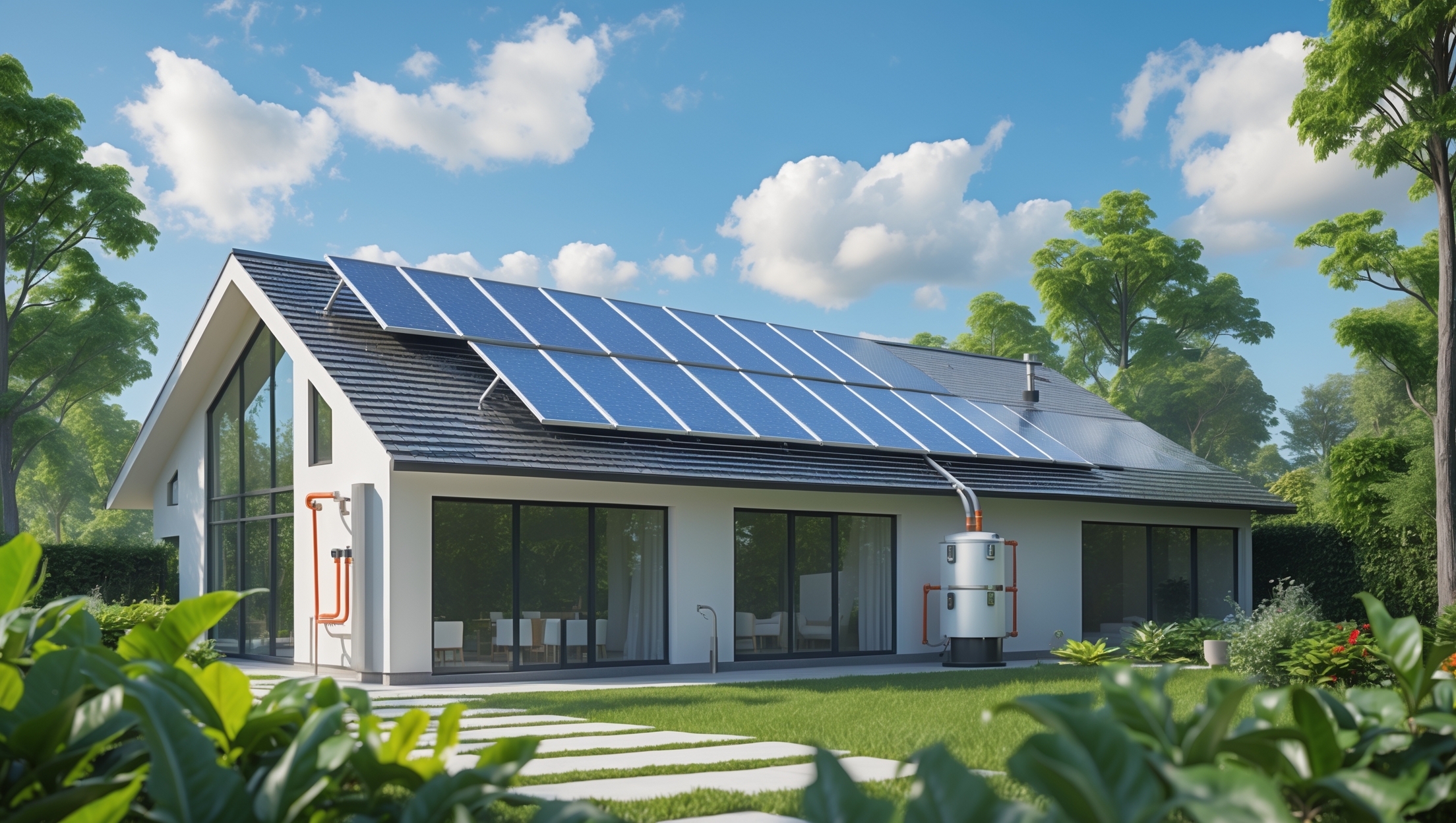
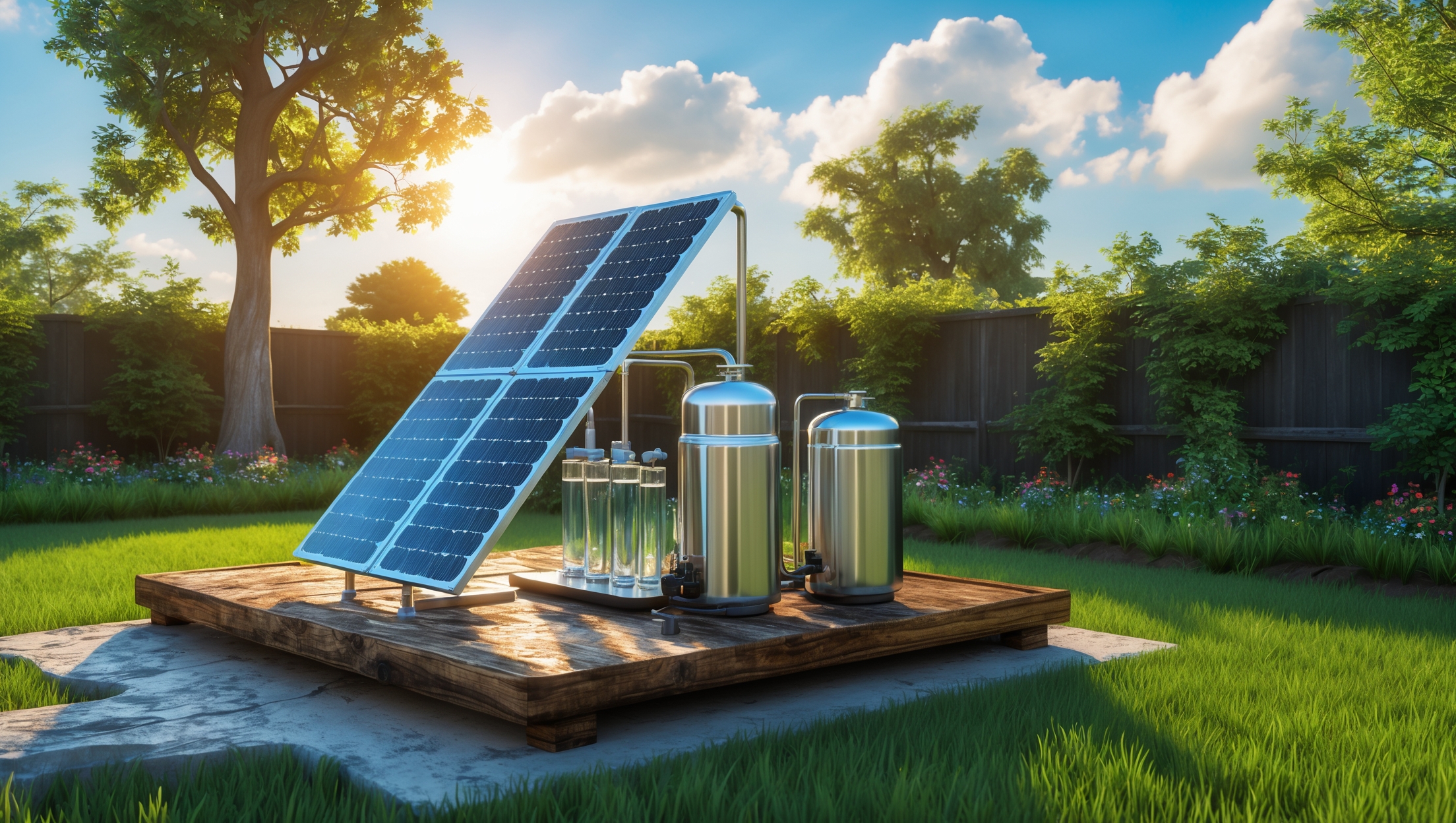
- Solar Heating: A small, dedicated solar water heater can keep the digester at optimal temperatures in cool seasons.
- Seasonal Operation: In very cold regions, you can run the digester from spring to fall and simply pause during deep winter.
With minimal adaptation, biogas digesters can operate effectively in temperate and even some cold climates, not just tropical zones.
Myth 4: The Output Isn’t Enough to Be Worthwhile
Evaluating Biogas Yields
Another misconception is that home digesters produce negligible amounts of gas and fertilizer. The reality is quite different. A typical small-scale digester (1–2 cubic meters) can process 2–6 kg of organic waste daily, yielding:
- 600–1,000 liters of biogas per day—enough for 1–2 hours of cooking on a standard gas stove.
- Several liters of high-quality liquid fertilizer per week, rich in nitrogen, phosphorus, and potassium.
While you won’t power your whole house, you can substantially offset fossil gas or propane use for cooking, and replace commercial chemical fertilizers in your garden.
Myth 5: Biogas Digesters Attract Pests and Smell Bad
Modern Odor and Pest Control
Some imagine a biogas digester as a smelly, pest-magnetizing eyesore. In fact, a correctly managed system is nearly odorless and discourages pests:
- Sealed System: Digesters are airtight by design; no oxygen means no aerobic decomposition and minimal odor escape.
- Proper Feeding: Only use biodegradable organics—no meat, dairy, or oils that can rot and smell. This also deters rodents and flies.
- Regular Use: Draining fertilizer and adding waste regularly prevents buildup and stagnation.
- Location: Install the digester on a well-drained base, away from standing water.
Most users report little to no smell and far fewer pests than typical compost heaps.
Myth 6: Only Special Wastes Can Be Used—Not Your Everyday Kitchen Scraps
Feedstock Flexibility
Contrary to belief, you don’t need rare or special ingredients. Most digesters accept a wide range of household organics:
- Vegetable and fruit scraps
- Cooked rice, pasta, and bread (in moderation)
- Coffee grounds, tea leaves
- Garden clippings (chopped finely)
- In some designs, animal manure (e.g., from chickens, rabbits)
Just avoid large quantities of meat, dairy, oils, and citrus, which can disrupt the microbial balance. For most families, daily kitchen waste is perfect feedstock.
Myth 7: Setup Is Difficult and Requires Expensive Equipment
Simplicity of Modern Kits
Past biogas projects often involved large concrete tanks and complex plumbing, but today’s home digesters are designed for easy DIY assembly. Most systems are:
- Pre-fabricated and modular, requiring basic household tools
- Accompanied by clear, step-by-step instructions
- Based on durable plastics or composite materials with few moving parts
Installation typically takes a few hours for two people, with only simple plumbing connections for gas and effluent. No advanced skills are required, and customer support is readily available from reputable suppliers.
Myth 8: The Fertilizer Output Is Unsafe for Edible Gardens
Fertilizer Safety and Best Use
Because biogas digesters use food and sometimes manure, some worry the resulting liquid fertilizer is unsafe for food crops. In reality:
- Proper digestion destroys pathogens, especially when the system is run at recommended temperatures (mesophilic or thermophilic ranges).
- The effluent is typically diluted 1:5 with water and applied to soil, not directly to edible leaves or fruits.
- Laboratory tests show biogas effluent is safer and less polluting than raw manure or chemical fertilizers.
Following safe handling practices, this fertilizer is perfect for fruit trees, vegetable beds, and ornamental gardens, closing the nutrient loop sustainably.
Myth 9: Biogas Digesters Are Illegal or Require Complex Permits
Navigating Permits and Regulations
While large-scale biogas operations may face permitting hurdles, home-scale digesters are often exempt from industrial regulations. Still, it’s wise to:
- Check local bylaws or homeowners’ association rules regarding outdoor installations.
- Ensure setbacks from property lines and water sources are met.
- Avoid connecting biogas to indoor gas lines without professional inspection.
Most municipalities recognize the environmental benefits and have no objection to small, correctly installed digesters. Always verify with local authorities before starting your project.
Myth 10: Biogas Digesters Have No Real Environmental Impact
Quantifying the Benefits
Some skeptics claim that home digesters are too small to make a difference. In fact, their cumulative impact is profound:
- Each household digester diverts 500–1,500 kg of organic waste from landfills annually, reducing methane emissions.
- Replacing fossil gas for cooking with biogas cuts household carbon emissions by 0.5–1.5 metric tons per year.
- Homemade fertilizer reduces reliance on fossil-fuel based commercial fertilizers and prevents nutrient runoff.
When adopted at the community level, home digesters are a critical piece in the circular, low-carbon economy.
How to Get Started: Practical Steps for a Successful Home Biogas Project
Assess Your Household Waste Stream
Estimate how much organic waste your family generates daily. For most households, a 1–2 m3 digester is sufficient.
Choose the Right System
- Evaluate reputable kits with good support and safety certifications.
- Prioritize models with clear assembly instructions and included safety features.
Select a Suitable Location
- Pick a level, sunny spot near your kitchen or garden, with safe distance from property lines.
- Ensure access for periodic feeding and maintenance.
Plan for Seasonal Use
If you live in a cold climate, consider insulation or solar heating, and plan for seasonal shutdown if needed.
Follow Local Guidelines
Consult with local authorities to confirm installation requirements and safety standards.
Conclusion: Embracing Biogas for True Sustainable Living
Home biogas digesters offer a rare opportunity to turn waste into wealth: transforming kitchen scraps into clean, renewable energy and powerful fertilizer, all on your own property. As we’ve seen, most fears about safety, complexity, and practicality are rooted in misconceptions or outdated information. Modern systems are safe, affordable, low-maintenance, and remarkably effective for average households. By debunking these common myths, we hope to empower more people to embrace this underappreciated technology. Every home that installs a biogas digester diverts waste from landfill, cuts greenhouse gas emissions, saves money on gas and fertilizer, and takes another step toward true self-sufficiency. The impact may start small, but as more communities adopt biogas, the collective environmental and economic benefits are enormous. If you’re seeking a tangible, hands-on way to live more sustainably and close the resource loop at home, a biogas digester deserves a place at the top of your green technology wishlist. With the right knowledge and preparation, you can harness this ancient yet innovative solution for a cleaner, greener future.

I’m intrigued by the claim that home biogas digesters are engineered to operate at low pressure and include safety features like pressure relief valves and flame arrestors. For a family with young kids, how much maintenance and routine checking do these safety features actually require to keep the system safe?
Home biogas digesters are designed with family safety in mind, so the built-in pressure relief valves and flame arrestors usually require only minimal maintenance. Regularly inspecting these components for blockages or damage—perhaps once a month—is sufficient. Manufacturers often provide clear instructions, and some systems offer visual indicators for easy checks. Aside from occasional cleaning or replacement if wear is noticed, most families find maintenance manageable and straightforward.
If I want to start using a home biogas digester, what are the typical upfront costs and ongoing expenses compared to other renewable energy options like solar panels?
Home biogas digester systems usually have an upfront cost between $500 and $1,500, depending on size and features. Ongoing expenses are minimal, mainly for maintenance and adding organic waste. In comparison, solar panels often require $5,000 to $15,000 upfront, with little ongoing cost beyond occasional cleaning. Biogas digesters are more affordable to start but produce less overall energy than solar, making them a budget-friendly supplement rather than a complete alternative.
After debunking the myth about explosions, do you have any advice on what warning signs homeowners should watch for to catch minor leaks or malfunctions early in a home biogas system? What routine checks do you recommend?
Watch for unusual smells (like rotten eggs), hissing sounds near connections, or any visible damage to pipes and seals as signs of leaks. For routine checks, inspect all fittings and hoses weekly for tightness, check pressure gauges, and look for moisture or corrosion around joints. Also, verify that your gas storage area is well-ventilated. Promptly address any issues to keep your system safe and efficient.