

Introduction: Rethinking Rainwater—Why Rain Gardens Matter for Sustainable Living
Water is one of our most precious resources, yet urban and suburban landscapes often let it slip away. Imagine a solution that not only manages stormwater runoff but also beautifies your home, supports local biodiversity, and reduces your water bill—all while fighting climate change. Welcome to the world of rain garden systems. While rain gardens are gaining traction in eco-conscious circles, persistent myths and misunderstandings prevent many homeowners from reaping their full benefits. Are rain gardens just for expert gardeners? Will they attract mosquitoes? Are they expensive or complicated to maintain? This post clears the fog, debunks the myths, and provides a step-by-step guide to setting up your own rain garden for maximum water savings. Whether you’re a sustainability enthusiast or a curious beginner, you’ll find practical advice, real-world examples, and actionable tips to make your rain garden project a success.
Understanding Rain Gardens: What They Are and How They Work
What Is a Rain Garden?
A rain garden is a shallow, planted depression designed to collect, filter, and absorb rainwater from roofs, driveways, or other hard surfaces. Unlike traditional gardens, rain gardens are engineered to manage water runoff and reduce the load on stormwater systems. They use native plants and soil layers to trap pollutants, slow water flow, and allow water to soak into the ground, replenishing local aquifers.
Key Benefits of Rain Gardens
- Reduces stormwater runoff: Mitigates flooding and erosion.
- Filters pollutants: Plants and soil remove contaminants from runoff.
- Recharges groundwater: Promotes natural infiltration.
- Supports wildlife: Attracts pollinators and beneficial insects.
- Enhances landscape aesthetics: Adds color and texture year-round.
- Lowers water bills: Reduces need for supplemental irrigation.
Common Myths About Rain Gardens—Debunked
Myth #1: Rain Gardens Are High Maintenance
Fact: Once established, rain gardens require less maintenance than typical lawns. Native plants are adapted to local conditions and need little watering, no fertilization, and minimal weeding after the first year. Regular checks for debris and occasional pruning are usually sufficient.
Myth #2: Rain Gardens Create Mosquito Problems
Fact: Properly designed rain gardens do not hold standing water for more than 24–48 hours, a period too short for mosquitoes to breed. Good drainage is a core design principle.
Myth #3: Rain Gardens Are Expensive to Install
Fact: The cost varies by size, soil, and plant selection, but DIY installation significantly reduces expenses. Many municipalities offer rebates or incentives for rain garden projects.
Myth #4: Rain Gardens Only Work in Large Yards
Fact: Rain gardens can be tailored to fit small suburban lots or even urban spaces. The key is proper sizing and siting, not the size of your property.
Myth #5: Any Plants Will Work in a Rain Garden
Fact: Using native and water-tolerant plants is critical. Non-natives may not survive wet-dry cycles and could require more maintenance.
Real Benefits: How a Rain Garden Transforms Your Water Footprint
Reducing Household Water Use
By capturing rainwater, a rain garden supplies moisture to plants that would otherwise rely on household irrigation. Homeowners can cut landscape watering needs by up to 30% or more in many climates.
Protecting Local Waterways
Rain gardens filter out sediment, oil, fertilizers, and other pollutants before they enter storm drains and nearby streams. This protects aquatic ecosystems and supports cleaner community water supplies.
Enhancing Curb Appeal and Property Value
A well-designed rain garden adds visual interest and seasonal color. Studies suggest sustainable landscaping can boost property values and marketability.
Supporting Biodiversity and Pollinators
Native plantings provide habitat for bees, butterflies, and birds. Rain gardens can become mini-ecosystems, fostering urban biodiversity.
Step-by-Step Setup: Planning and Building a Rain Garden
1. Site Assessment and Selection
- Identify runoff sources: Downspouts, driveways, patios, or sloped lawns.
- Choose a location at least 10 feet from foundations to prevent seepage.
- Avoid septic drain fields and areas with poor drainage (standing water after rain).
2. Sizing Your Rain Garden
- Estimate the size of the area draining to your rain garden (e.g., roof section connected to a downspout).
- General rule: Rain garden should be 10–30% the size of the drainage area. For a 500 sq ft roof, aim for a 50–150 sq ft rain garden.
- Depth: 6–8 inches for most residential projects.
3. Soil Testing and Preparation
- Conduct a percolation test: Dig a 12-inch-deep hole, fill with water, and observe drainage. Water should drain within 24 hours.
- If drainage is slow, amend soil with sand or compost, or consider a shallower garden with overflow.
- Remove sod and loosen soil to at least 18 inches deep.
4. Shaping and Excavation
- Mark the outline with a hose or spray paint.
- Excavate to the planned depth, creating gentle slopes toward the center.
- Use excavated soil to form a berm (raised edge) on the downhill side, helping retain water.
5. Plant Selection and Layout
- Divide the garden into zones: center (wettest), mid-zone (periodically moist), outer edge (driest).
- Choose native species adapted to your region and moisture zones. Example combinations:
- Center: Blue flag iris, swamp milkweed, cardinal flower
- Mid-zone: Black-eyed Susan, purple coneflower, bee balm
- Edge: Little bluestem, butterfly weed, switchgrass
- Arrange taller plants toward the center or back, shorter species at the front or edges.
6. Planting and Mulching
- Plant in spring or early fall for best establishment.
- Space plants according to mature size, generally 1–2 feet apart.
- Apply 2–3 inches of shredded hardwood mulch; avoid piling against plant stems.
7. Water Management and Overflow
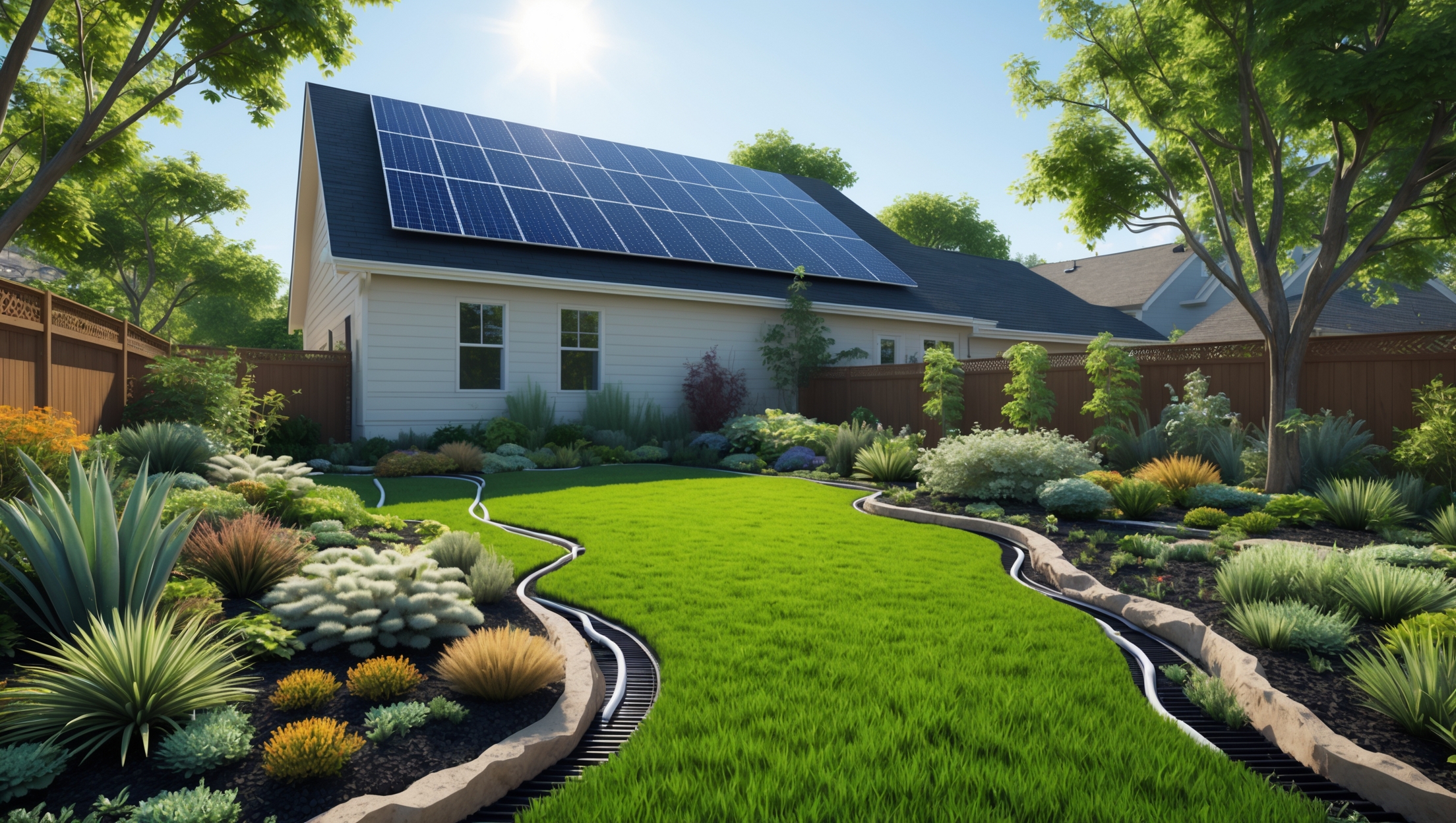
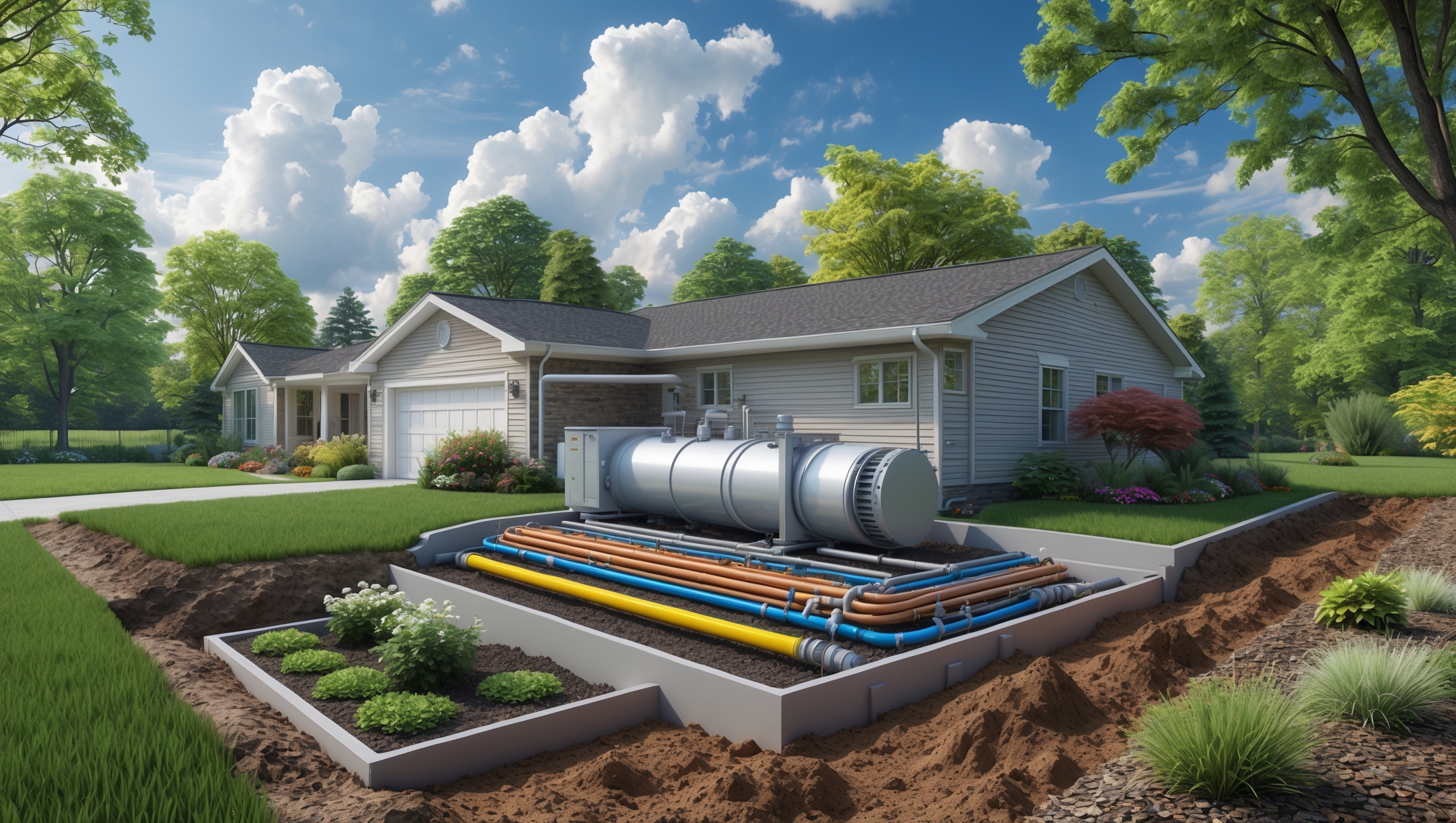
- Direct downspouts or runoff channels into the garden using swales, rock-lined channels, or buried piping.
- Install an overflow outlet (shallow swale or gravel trench) for heavy rains, directing excess water safely away.
Cost Breakdown and Budgeting Tips for a DIY Rain Garden
Typical Expenses
- Soil amendments/compost: $30–$100
- Native plants: $150–$400 (depending on size and quantity)
- Mulch: $25–$75
- Rocks for edging or channels: $40–$100
- Tools (if not on hand): shovel, wheelbarrow, rake ($0–$100)
- Total (DIY): $250–$700 for an average 100 sq ft garden
Budget Tips
- Buy small or bare-root plants for cost savings.
- Source mulch and compost from municipal programs where available.
- Ask local native plant societies for plant swaps or sales.
- Check for local government rebates or incentives.
Maintenance Best Practices for Long-Term Success
First Year Care
- Water plants regularly during the first growing season (unless rainfall is sufficient).
- Weed monthly to prevent invasive species from establishing.
- Replenish mulch as needed to suppress weeds and retain moisture.
Ongoing Maintenance
- Inspect after major storms for debris or erosion.
- Prune dead or damaged plant material each spring.
- Monitor for persistent standing water—if present, troubleshoot drainage.
- Divide or thin plants every 3–5 years to maintain healthy growth.
Rain Garden Safety and Compliance Checklist
- Call 811 or your local utility marking service before digging to avoid underground hazards.
- Check local regulations regarding stormwater management and landscaping.
- Use gloves and proper tools when handling soil, plants, and mulch.
- Ensure overflow is directed away from structures and neighboring properties.
- Label or flag newly planted areas to prevent accidental trampling.
Case Study: Transforming a Suburban Yard with a DIY Rain Garden
In a typical suburban neighborhood in the Midwest, the Smith family faced puddling and runoff issues after heavy rains. They decided to install a 120 sq ft rain garden to catch runoff from two downspouts. After mapping their yard and performing a percolation test, they excavated the site, amended the clay soil with compost and sand, and planted 40 native perennials sourced from a local plant sale. The total out-of-pocket cost: $490. Within a year, the garden was thriving, attracting pollinators and absorbing spring downpours that previously flooded the sidewalk. Maintenance involved weeding the first summer and topping up mulch in year two. The Smiths estimate a 25% reduction in outdoor watering and have inspired several neighbors to start their own rain gardens.
Expert Tips: Maximizing Water Savings and Ecological Impact
- Group plants with similar water needs together for efficiency.
- Install a rain barrel upstream of your rain garden for additional water capture and slow release.
- Choose deep-rooted perennials for better infiltration and stability.
- Incorporate a mix of grasses, sedges, and flowering plants for year-round interest and habitat value.
- Monitor your garden during the first few major rain events to observe flow patterns and adjust as needed.
Conclusion: Your Rain Garden—A Small Change with Big Impact
Embracing sustainable living is not about grand gestures—it’s about making practical, impactful choices where you live. A rain garden system is one of the most effective and rewarding ways to reduce your home’s water footprint, beautify your property, and support the local environment. Despite persistent myths, rain gardens are accessible for most homeowners, affordable to set up, and straightforward to maintain. By choosing native plants, following smart design principles, and committing to simple seasonal care, you can transform your yard into a water-saving, pollinator-friendly oasis. The benefits ripple outward: cleaner streams, healthier soil, and a more resilient neighborhood ecosystem. Whether you’re starting small or dreaming big, your rain garden will serve as a living example of how green technologies and thoughtful landscaping can shape a more sustainable, vibrant future. Start planning today—you’ll see the difference with the next rainstorm.

You mention that rain gardens help recharge groundwater and reduce stormwater runoff, but how do I determine if my yard’s soil is suitable for this type of system? Are there specific tests or signs I should look for before starting?
To check if your yard’s soil is suitable for a rain garden, try a simple percolation test: dig a hole about 12 inches deep, fill it with water, and see how long it takes to drain. Ideally, the water should drain within 24 hours. If your soil stays soggy much longer, you may need to amend it or choose another location. Sandy or loamy soils are best, while heavy clay may need improvement.
For a business with limited landscaping experience, what are the main differences in upkeep between a rain garden and traditional flower beds, especially in terms of time and recurring costs throughout the year?
Rain gardens generally require less ongoing maintenance than traditional flower beds once they are established. In the first year, you’ll need to weed and water more frequently, but after that, native plants in rain gardens typically outcompete weeds and need less watering, which reduces time and water bills. Traditional flower beds often need regular watering, fertilizing, and more frequent replanting, so their yearly costs and effort tend to be higher overall.