
Introduction
The transition to sustainable energy is no longer just a trend—it’s rapidly becoming a necessity. As energy costs rise and environmental concerns deepen, homeowners are searching for efficient, eco-friendly solutions to heat and cool their homes. Enter the residential heat pump: a technology capable of slashing emissions, reducing utility bills, and providing year-round comfort. Yet, despite their significant advantages, heat pumps often face slow adoption rates in many regions. Why? The answer often lies not in the technology, but in how it is marketed.
For installers, manufacturers, and energy advisors, cracking the code on effective marketing is crucial. Unlike solar panels or electric vehicles, heat pumps remain misunderstood by much of the public. There are misconceptions about their performance, confusion over costs, and uncertainty about climate suitability. To accelerate adoption, marketing must move beyond technical jargon and rebates. It should address real homeowner concerns, use powerful storytelling, and build trust through every channel—from online ads to neighborhood workshops. This comprehensive guide unpacks proven marketing strategies, offering actionable tactics and real-world examples to help you connect with homeowners and drive green heating adoption in your region.
Understanding the Residential Heat Pump Market
What is a Heat Pump?
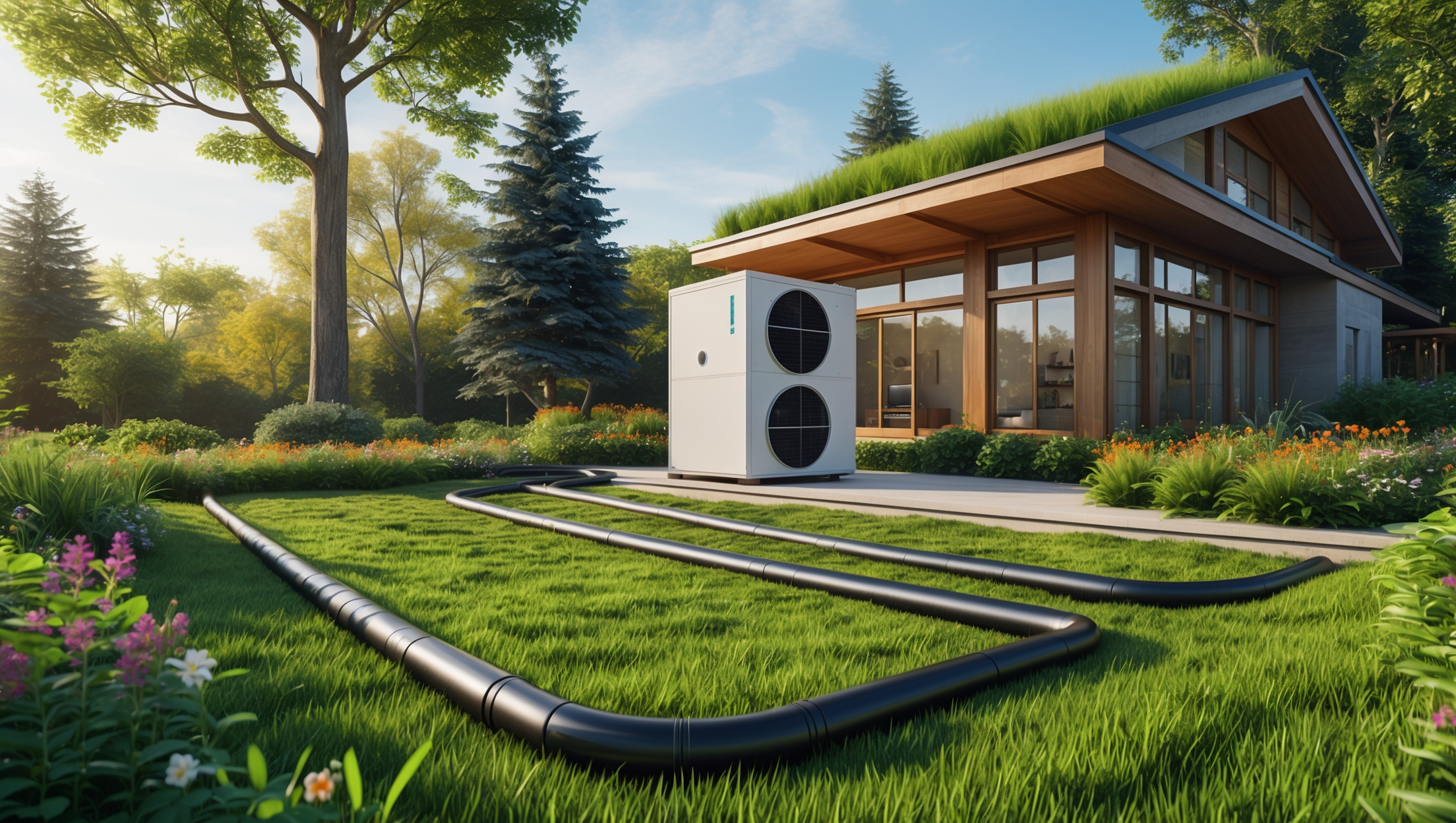
A heat pump is an electrical device that transfers heat from one place to another, offering both heating and cooling capabilities. There are several types—air-source, ground-source (geothermal), and water-source—each suited to different climates and home designs. Unlike furnaces or boilers that generate heat by burning fuel, heat pumps simply move heat, making them far more energy-efficient and less carbon-intensive.
Why Adoption Lags
- Lack of Awareness: Many homeowners are unfamiliar with how heat pumps work or their benefits.
- Performance Myths: Misconceptions persist, such as poor cold-weather performance or high upfront costs without long-term savings.
- Complex Messaging: Technical features are often emphasized over real-world comfort or cost benefits.
- Market Fragmentation: Multiple brands, models, and installer networks create confusion and inconsistent messaging.
Crafting Effective Messaging
Focus on Homeowner Benefits
Your marketing should always put the homeowner first. While efficiency ratings and refrigerant types matter, most consumers want to know:
- “How much will this save me?”
- “Will it keep my family comfortable in winter and summer?”
- “Is it reliable?”
- “Is it good for the environment?”
Lead with answers to these questions in all your materials. Use clear comparisons (e.g., “Save up to 40% on home heating costs compared to oil or electric resistance systems”).
Addressing Common Objections
Preemptively tackle the biggest concerns:
- Cold climate performance: Highlight cold-climate certified models and local case studies.
- Upfront cost: Clearly explain incentives, rebates, and financing options. Use cost calculators for transparency.
- Installation disruption: Outline the typical installation timeline and steps to minimize inconvenience.
Storytelling and Social Proof
Homeowners trust their peers. Incorporate testimonials, video interviews, and photo tours of local installations. Feature stories from diverse households—families, retirees, first-time home buyers—to show broad appeal.
Choosing the Right Marketing Channels
Digital Marketing Tactics
- SEO-Optimized Content: Create blog posts, FAQs, and guides that answer common questions (“Are heat pumps worth it in cold climates?”).
- PPC Advertising: Target local homeowners with Google Ads and social media campaigns. Use compelling headlines like “Cut Your Winter Heating Bills—See How Heat Pumps Work in [Your Region].”
- Video Marketing: Publish explainer videos and virtual home tours showing real systems in action.
- Email Newsletters: Nurture leads with regular updates on incentives, new technology, and seasonal tips.
Community Engagement
- Home Energy Workshops: Partner with local utilities, municipalities, or neighborhood associations to host Q&A sessions and demonstrations.
- Installer Open Houses: Invite homeowners to visit completed installations or live demos at your office. Hands-on experiences build confidence.
- Local Media: Pitch stories to local newspapers, radio, and TV stations about heat pump success stories or new rebate programs.
Leveraging Partnerships
Utility and Government Programs
Many regions offer rebates or low-interest loans for heat pump installations. Collaborate with utilities and energy offices to:
- Feature your company on official program websites.
- Co-host incentive information sessions.
- Distribute co-branded educational materials.
Real Estate Agents and Home Inspectors
Homebuyers often seek energy-efficient features. Equip real estate agents and home inspectors with concise literature on heat pump benefits. Offer training sessions so they can confidently answer questions or refer clients.
HVAC Contractor Networks
Form alliances with established contractors who may not yet specialize in heat pumps. Provide them with marketing resources, training, and exclusive offers to encourage adoption within their customer base.
Optimizing the Customer Journey
Simplifying the Process
The path from curiosity to installation should be frictionless. Successful marketing strategies include:
- Online Quoting Tools: Allow homeowners to estimate costs and savings in minutes.
- Clear Calls-to-Action: Use buttons like “Schedule a Free Home Assessment” to prompt engagement.
- Step-by-Step Guides: Email or print checklists outlining every phase from consultation to final inspection.
Follow-Up and Aftercare
Retention is as important as acquisition. Proactively check in with customers after installation, offer maintenance tips, and invite them to share their experiences online or at community events.
Case Studies: What Works in the Real World
Case Study 1: Neighborhood Bulk Purchase Program
A New England installer partnered with a local environmental group to organize a bulk-buy program. Homeowners attended workshops, received group discounts, and shared their journey on social media. Result: 50 installations in one season, with 80% of participants referring friends or neighbors.
Case Study 2: Utility-Driven Awareness Campaign
A Pacific Northwest utility launched a multimedia campaign featuring real customer testimonials, before-and-after energy bills, and a dedicated hotline. The campaign doubled heat pump inquiries in three months and increased installations by 30%.
Case Study 3: Interactive Home Energy Fair
In a suburban Midwest community, installers set up demonstration units at a local fair. Attendees could feel the actual air output, compare noise levels, and speak directly with technicians. This hands-on experience converted 20% of attendees into qualified leads.
Budgeting for Marketing: Where to Invest
Digital Ad Spend
Most heat pump marketing budgets allocate 40–60% to digital channels, including targeted search and social media ads. Track cost-per-lead and adjust spending to focus on the highest-converting channels.
Content Creation
Invest in professional photography of local installations, video production, and customer testimonials. Authentic visuals outperform stock images and generic graphics.
Event Participation
Budget for booth space at home shows, neighborhood events, and energy fairs. Factor in demonstration equipment, printed materials, and staff time.
Measuring Success: Key Metrics
- Lead Conversion Rate: Percentage of inquiries that result in installations.
- Cost per Acquisition (CPA): Total marketing spend divided by new customers acquired.
- Referral Rate: Number of new customers coming from existing customer referrals.
- Customer Satisfaction: Survey results and online reviews.
- Website Analytics: Page views, time on site, and form submissions.
Conclusion
Adopting residential heat pumps is one of the most impactful steps homeowners can take toward a sustainable, low-carbon future. Yet, the journey from awareness to installation is often filled with uncertainties. For green technology professionals, effective marketing is the bridge that connects technical innovation with mainstream adoption. By focusing on clear, benefit-driven messaging, leveraging social proof, and choosing the right mix of digital and community channels, you can break through homeowner skepticism and inspire action.
The best marketing strategies are those that meet people where they are, address their real concerns, and simplify the decision-making process. Empower your customers with knowledge, provide genuine aftercare, and celebrate their stories. The result: not just more installations, but a growing network of advocates who amplify the benefits of sustainable living in their communities.
Whether you’re an installer, manufacturer, or energy advisor, now is the time to refine your approach and lead the shift toward greener homes—one heat pump at a time.

I’m new to heat pumps and still trying to wrap my head around how they can handle both heating and cooling, especially in regions with really cold winters. Could you explain how effective air-source heat pumps are in cold climates?
Air-source heat pumps work by moving heat between your home and the outside air. Modern models, especially those labeled as cold-climate heat pumps, are designed to be effective even in very cold weather. They use advanced compressors and refrigerants to extract heat from outside air, even when temperatures drop well below freezing. While efficiency can decrease at extremely low temperatures, many systems are now reliable for winter use in colder regions, sometimes paired with backup heating for the coldest days.
I’m worried that switching to a heat pump will mean a huge upfront cost. Are there any budget-friendly ways to approach this, or should I expect to pay a lot more at first compared to traditional options?
It’s true that heat pumps often have higher upfront costs than traditional HVAC systems, but there are ways to make the switch more affordable. Many regions offer government incentives, rebates, or low-interest financing to help offset installation costs. Some installers also provide payment plans. Over time, heat pumps can save you money through lower energy bills, so the long-term savings can help balance out the initial investment.
I noticed the article mentions that many people misunderstand the costs and climate suitability of heat pumps. Could you explain in more detail how well heat pumps work in colder regions like the Northeast, and if there are specific models that perform better in extreme winter conditions?
Heat pumps have become much more effective in cold climates, including the Northeast, thanks to advances in technology like cold climate air-source heat pumps. These systems can operate efficiently even when outdoor temperatures drop below freezing. Some models are specifically designed for extreme winter conditions and are rated to perform at temperatures as low as -15°F or even lower. If you live in a colder region, it’s best to look for heat pumps labeled as ‘cold climate’ models and check their Heating Seasonal Performance Factor (HSPF) ratings to ensure reliable performance during winter.
The article talks about the need for better marketing through storytelling and local workshops. How realistic is it to find these neighborhood workshops about heat pumps, and who usually organizes them? I haven’t seen any in my area so far.
Neighborhood workshops about heat pumps do exist, but their availability really depends on your local area and how active your community or utility companies are. These events are most often organized by environmental groups, municipal governments, energy utilities, or sometimes by heat pump manufacturers looking to educate homeowners. If you haven’t seen workshops in your area, it could be worth checking with your local government office, utility company, or environmental organizations, as they occasionally host or promote such events.
What advice do you have for homeowners like me who are concerned about compatibility issues between heat pumps and older homes, especially when it comes to ductwork or insulation requirements?
When considering a heat pump for an older home, it’s important to assess your ductwork and insulation first. Some older ducts may need sealing or resizing to work efficiently with a heat pump. If insulation is lacking, upgrading it can significantly improve performance and comfort. You might also consider ductless mini-split systems, which are less invasive and often ideal for older homes. Consulting an experienced HVAC contractor can help you find the best fit for your specific situation.