

Making the leap toward energy independence with a home biogas system is a rewarding step for sustainable living enthusiasts. Biogas digesters convert organic waste into clean, renewable fuel and nutrient-rich fertilizer, making them an appealing solution for reducing household waste and cutting down on fossil fuel use. However, many first-time installers underestimate the complexity of these systems. Missteps during planning, installation, or operation can lead to poor gas output, safety hazards, or costly repairs. This article dives into the most common beginner mistakes made during home biogas system setups, offering practical advice to ensure your system runs smoothly, efficiently, and safely from day one.
Understanding Home Biogas Systems: What Are They?
A home biogas system is a compact anaerobic digester designed to break down organic waste—like food scraps, manure, or yard clippings—into methane-rich gas and a nutrient-dense slurry. The gas can be used for cooking, heating, or even electricity generation, while the byproduct serves as a potent fertilizer.
These systems range from simple DIY barrel setups to advanced commercial-grade units. Regardless of the type, all biogas digesters rely on a delicate balance of biological and physical processes. Knowing what these systems require—and what can go wrong—is crucial to success.
Top Beginner Mistakes When Setting Up a Home Biogas System
1. Choosing the Wrong Location
Many beginners underestimate the importance of proper site selection. Placing a digester in a shady, low-lying, or flood-prone area can cause serious problems:
- Temperature Fluctuations: Digesters function best between 30–37°C (86–98.6°F). Too much shade or exposure to wind can cool the system, slowing gas production.
- Flood Risk: Flooding can contaminate the digester or cause structural damage.
- Access: The site should be easily accessible for adding feedstock and removing digestate, but not so close to living areas that odors become an issue.
Pro Tip: Select a level, well-drained, sunny area, ideally near your primary waste sources but away from water wells or main buildings.
2. Underestimating Feedstock Requirements
Effective biogas production demands consistent and appropriate organic input. A common mistake is overestimating how much usable waste a household generates or using unsuitable materials. Problems include:
- Insufficient Feedstock: Not enough organic material means little or no gas.
- Wrong Materials: Avoid adding citrus, meat, dairy, fats, or chemically treated waste, as these can upset the microbial balance or cause blockages.
- Irregular Feeding: Sporadic input leads to erratic gas production and can harm the microbial community.
Pro Tip: Track your daily organic waste output before purchase and choose a system size that matches your actual input volume.
3. Ignoring System Sizing and Expansion
Choosing a digester that’s too small or too large for your needs is a frequent pitfall. Oversized systems may never reach optimal temperatures or microbial populations, while undersized units can become overloaded and fail.
- Calculate the average daily waste you can consistently supply.
- Factor in space for expansion if your household grows or your waste stream changes.
Pro Tip: Start with a modular system or one that allows for easy expansion.
4. Skipping Pre-Installation Soil and Drainage Checks
Improper ground preparation can cause your digester to settle unevenly or become waterlogged. Many beginners overlook:
- Soil stability and compaction
- Proper drainage to divert rainwater away
- Ensuring a solid, level base for the digester tank
Pro Tip: Install a gravel or concrete pad, and use drainage trenches if necessary.
5. Neglecting Gas Storage and Plumbing Details
Some homeowners focus only on the digester tank, forgetting that gas storage, piping, and pressure regulation are just as crucial. Mistakes include:
- Inadequate or leaky gas storage bladders/tanks
- Improperly sized or installed piping leading to gas loss
- Lack of a pressure relief valve or manometer
Pro Tip: Use high-quality, gas-rated piping and fittings. Install a simple manometer to monitor pressure and a safety valve to prevent over-pressurization.
6. Overlooking Safety Precautions
Biogas is mostly methane—a flammable and potentially explosive gas. Safety oversights can lead to dangerous leaks or fires. Common errors include:
- Skipping gas leak tests after installation
- Locating the digester near open flames, electrical panels, or children’s play areas
- Not installing flame arrestors on gas lines
Pro Tip: Always check for leaks with a soap solution and install the digester away from ignition sources. Use flame arrestors where required.
7. Failing to Monitor and Maintain the System
Once up and running, biogas digesters require regular attention. Neglect leads to reduced gas output, blockages, or system failure. Don’t make these mistakes:
- Ignoring temperature or pH levels
- Letting scum or sludge build up unchecked
- Failing to clean filters and pipes
Pro Tip: Invest in simple thermometers and pH strips. Set a recurring schedule for system checks and basic maintenance.
How to Avoid These Mistakes: A Step-by-Step Approach
Step 1: Assess Your Waste Stream and Energy Needs
Begin by carefully measuring your household’s daily organic waste output for at least two weeks. Consider kitchen scraps, garden waste, and (if permitted) animal manure. Estimate your daily energy needs—will you use the gas for cooking, heating, or both?
Step 2: Select the Right System Type and Size
Match your waste stream and energy goals to a system rated for your input volume. For most households, a 1–2 cubic meter digester suffices, but adjust as needed. Research modular systems for future scalability.
Step 3: Choose and Prepare Your Site
- Pick a sunny, well-drained spot at least 10 meters from wells, water sources, or living spaces.
- Level the ground and lay a solid base (gravel or concrete).
- Install proper drainage to avoid rainwater pooling.
Step 4: Install Gas Storage and Plumbing Safely
- Use dedicated biogas storage bags or tanks rated for methane.
- Lay gas lines with as few bends as possible and ensure all joints are tightly sealed.
- Install a manometer and pressure relief valve.
- Place flame arrestors on all gas appliance inlets.
Step 5: Commission the System and Monitor Closely
- Start the digester with recommended starter cultures (e.g., cow manure, if allowed).
- Feed regularly and gradually ramp up input volume.
- Monitor temperature, pH, and gas pressure daily for the first month.
- Check for leaks with soapy water before first use and after any modifications.
Case Study: Avoiding Common Mistakes in Practice
Consider the example of the Greenfield family, who installed a 2-cubic meter home biogas system in their suburban backyard. Initially, they placed the digester in a shaded corner near their compost heap. Within weeks, they noticed poor gas output and foul odors. Upon review, they realized:
- The site received less than two hours of sun per day, causing the digester to run cold.
- They were feeding mostly citrus peels and meat scraps, which inhibited the microbial population.
- Gas pipes were run using standard PVC, which leaked at the joints.
After relocating the system to a sunny area, switching to appropriate feedstock, and upgrading to gas-rated piping, their output stabilized, and safety improved dramatically. This case underscores the importance of site selection, correct materials, and regular monitoring.
Frequently Asked Questions About Home Biogas Systems
- Q: Can I use all my kitchen waste in a biogas system?
A: Most plant-based scraps are suitable, but avoid bones, dairy, fats, or chemically treated materials. - Q: How long before my system produces usable gas?
A: Typically 2–4 weeks, depending on temperature and initial feedstock. - Q: Are home biogas systems safe?
A: Yes, with proper installation, leak checks, and safe distances from ignition sources. - Q: What do I do with the leftover digestate?
A: Use it as a fertilizer for non-edible plants or compost it further, following local guidelines.
Conclusion: Set Yourself Up for Biogas Success
Embracing home biogas technology is a meaningful stride toward a cleaner, more self-reliant lifestyle. However, the promise of free, renewable energy can quickly be overshadowed by frustrating setbacks if you fall prey to common beginner errors. By carefully assessing your waste stream, choosing the right system and location, and paying close attention to safety and maintenance, you can sidestep the pitfalls that derail many first-time projects.
Remember, a successful biogas setup isn’t just about installing a tank and hoping for the best. It’s about understanding the living ecosystem inside your digester, respecting the engineering requirements, and committing to regular monitoring. Take the time to plan thoroughly, use appropriate materials, and never compromise on safety.
If you’re just starting your biogas journey, let the lessons of others guide you. Avoiding rookie mistakes will save you time, money, and headaches—while ensuring you enjoy the full benefits of this remarkable green technology. With patience and attention to detail, your home biogas system can be a cornerstone of a sustainable, future-ready household.


You mentioned temperature is important for biogas digesters. How do you maintain the optimal 86–98.6°F range in places with colder winters, especially if you don’t have a lot of sunlight on your property?
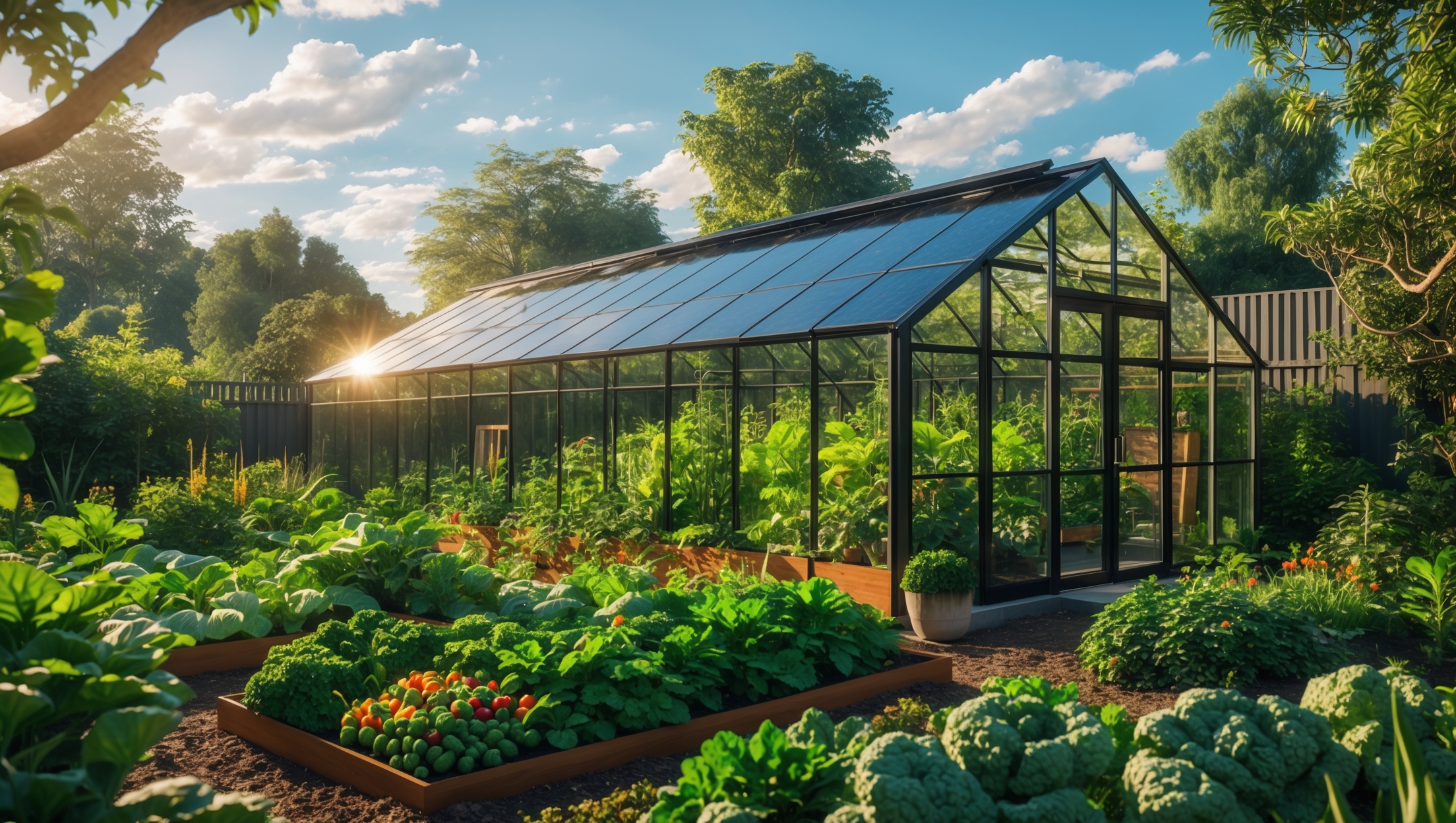
Maintaining the right temperature can be tricky in colder areas, but there are a few ways to help your biogas digester stay warm. You can insulate the digester with materials like straw, foam boards, or even earth. Installing a small electric or water-based heating system is another option, though it will add to your energy use. Some people also build a simple greenhouse structure around the digester to trap heat. Combining insulation with supplemental heating usually works best in areas with limited sunlight.
If you realize your home biogas system is producing less gas than expected after a few weeks, are there common troubleshooting steps for beginners to rule out the main issues mentioned here like temperature or feedstock problems?
If your biogas system is underperforming, start by checking the temperature—biogas bacteria work best between 30–40°C, so insulate your digester if it’s colder. Next, review your feedstock: use only fresh, organic waste and avoid overloading or underfeeding the system. Also, mix the contents regularly and make sure no toxic substances like chemicals or soap have entered the digester. These steps can help you identify and correct the main issues beginners face.
I see that both DIY barrel setups and commercial-grade units are options, but as a beginner with a limited budget, is there a big difference in risk of mistakes if I try to build it myself versus buying a kit?
Building a DIY barrel setup can save money, but it often comes with a higher risk of mistakes, especially for beginners. Common issues include leaks, incorrect sizing, and safety concerns. Commercial kits usually provide clear instructions and tested components, making them more beginner-friendly and reliable. If you’re new to biogas, starting with a kit reduces the chance of errors and safety problems, even if it costs a bit more upfront.
You mentioned safety hazards related to poor planning and installation. What are some early warning signs that something might be wrong with a new biogas system before it becomes dangerous?
Some early warning signs to watch for in a new biogas system include noticeable gas odors, unusual hissing sounds, condensation or leaks around joints, and changes in flame color if you’re using a gas burner—such as a yellow or flickering flame. If you notice persistent pressure drops or abnormal swelling in the digester, these can also indicate a problem. Checking for these signs regularly can help prevent larger safety issues.