
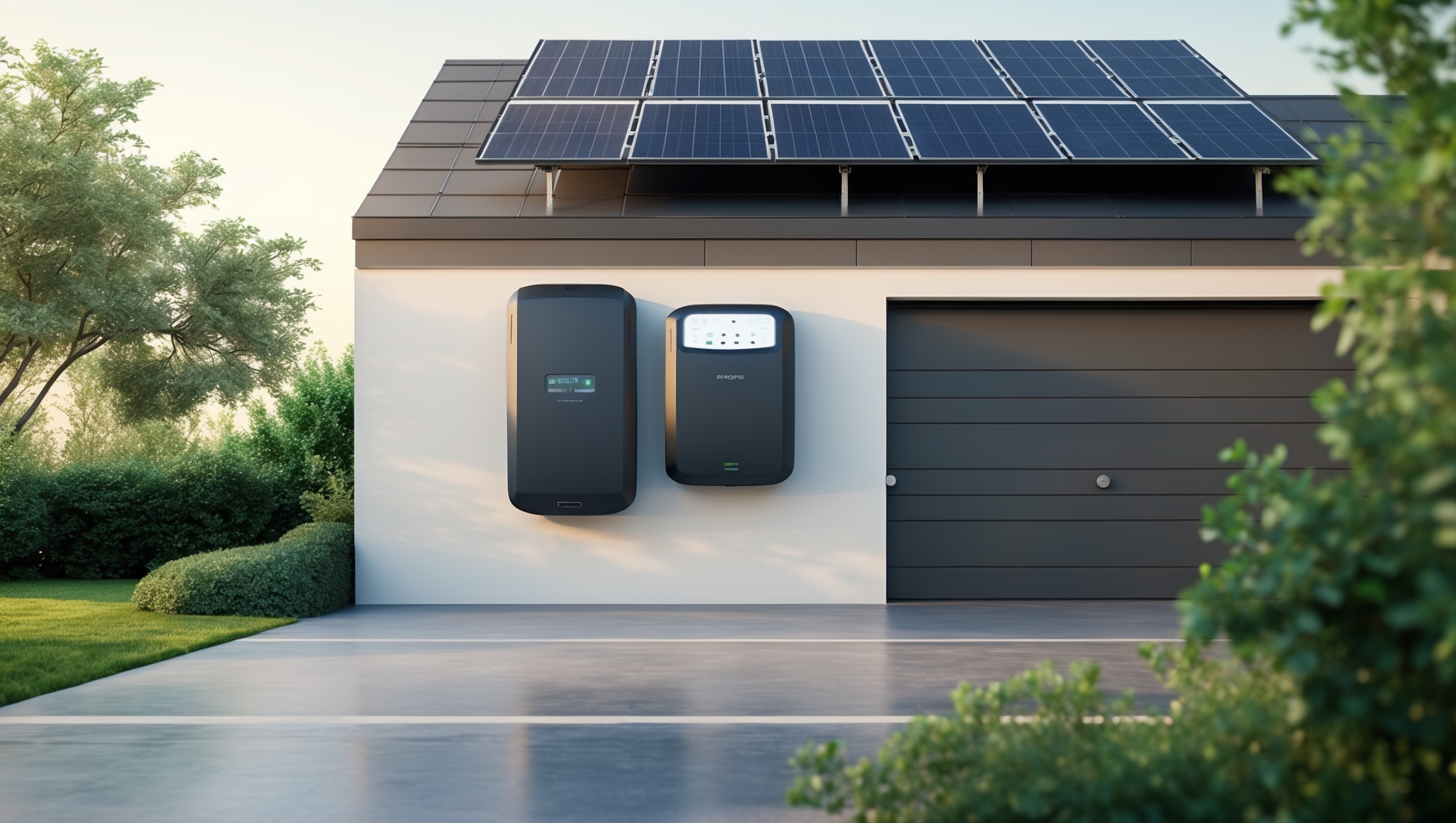
Introduction: Why Insuring Your Home Battery Storage Matters
The rapid rise of home battery energy storage systems has revolutionized sustainable living. Whether you rely on lithium-ion batteries to store solar energy, provide emergency backup, or participate in grid services, these systems represent a significant investment in your property and future. However, as with any valuable asset, home batteries come with unique risks: fire hazards, electrical surges, weather events, and even theft or vandalism. Many homeowners are surprised to learn that standard home insurance policies may not fully cover battery systems, or may have exclusions that leave your clean power investment vulnerable.
In this comprehensive guide, we’ll unpack the insurance essentials for residential battery storage. You’ll learn how these systems are classified by insurers, what coverage options are available, how to document your installation, and what steps to take if you need to file a claim. We’ll also examine common risk factors, liability issues, and best practices to minimize your exposure. If you’ve invested in energy storage—or plan to—this guide will help you make informed decisions to protect your sustainable home for years to come.
Understanding Home Battery Energy Storage Systems
What Is a Home Battery Storage System?
A home battery storage system is a device (or array of devices) that stores excess energy for later use. Most commonly, these are lithium-ion batteries paired with rooftop solar panels, allowing homeowners to power their homes at night or during outages. Advanced systems can also participate in demand response programs, selling stored energy back to the grid.
Types of Residential Battery Systems
- AC-coupled systems: Batteries installed separately from solar inverters; can be added to existing solar arrays.
- DC-coupled systems: Batteries directly integrated with solar panels and inverters for higher efficiency.
- All-in-one units: Integrated battery and inverter packages designed for simple wall-mount installation.
Common Risks Associated with Home Battery Storage
Battery storage is generally safe when installed and maintained correctly. However, insurers assess several risk factors that could affect your coverage and premiums:
- Fire and thermal runaway: Although rare, lithium-ion batteries can overheat and ignite if damaged or improperly installed.
- Electrical faults: Surges, short-circuiting, or faulty wiring can damage the system or pose safety risks.
- Water damage: Floods or leaks may compromise battery components, especially in basements or garages.
- Theft or vandalism: Batteries, inverters, and smart controllers have significant resale value and may be targeted.
- Weather events: Hurricanes, tornadoes, wildfires, and lightning strikes can cause direct or indirect damage.
- Improper installation: DIY or non-certified installations may void warranties and insurance eligibility.
How Home Insurance Policies Treat Battery Storage
Coverage Under Standard Homeowners Insurance
Most standard homeowners insurance policies classify permanently installed battery storage as part of the dwelling, similar to HVAC or solar panels. However, coverage is not guaranteed:
- Coverage limits: Policies may not cover the full replacement value of high-end battery systems.
- Exclusions: Damage caused by faulty installation, gradual wear, or manufacturer defects is often excluded.
- Deductibles: High deductibles can make minor claims impractical.
Potential Gaps in Coverage
- Detached structures: Batteries in garages or outbuildings may not be covered under the main dwelling policy.
- Business use: If you run a business from home using stored energy, a standard policy may not apply.
- Grid participation: Some insurers exclude systems that export energy to the grid or participate in virtual power plants.
Specialized Insurance Options for Battery Storage
Riders and Endorsements
If your current policy has gaps, you may be able to add a rider or endorsement specifically for your battery system. These supplements can:
- Increase coverage limits for energy storage equipment
- Cover unique risks such as electrical surges or fire from thermal runaway
- Extend protection to detached garages or sheds where batteries are installed
Equipment Breakdown Coverage
This optional coverage is designed for high-value home electronics and appliances, including battery storage. It typically covers:
- Mechanical or electrical breakdown not caused by normal wear
- Replacement or repair of damaged components
- Temporary power loss (in some policies)
Flood and Earthquake Insurance
Standard policies rarely cover damage from floods or earthquakes. If you live in a high-risk area, consider supplemental flood or earthquake insurance to protect your battery system.
Steps to Ensure Your Battery Storage Is Properly Insured
1. Disclose Your System to Your Insurer
Always inform your insurance provider when installing a battery system. Provide details such as:
- Manufacturer and model
- Capacity (kWh)
- Installation date
- Location within the home
- Installer credentials (licensed contractor, certified electrician)
2. Document Your Installation
Keep thorough records, including:
- Purchase receipts and warranties
- Photographs of the installed system
- Electrical diagrams and permits
- Inspection reports
3. Review and Update Your Policy
Work with your agent to:
- Verify that your battery system is listed on the policy
- Adjust coverage limits to reflect replacement cost
- Add any necessary riders or endorsements
- Review deductibles and exclusions
4. Schedule Periodic Policy Reviews
Revisit your coverage annually, or after any major upgrades or modifications to your energy system.
Risk Mitigation: Best Practices for Insurability
Professional Installation
Insurers may deny coverage for systems that are not installed by licensed professionals. Always choose certified installers who follow manufacturer guidelines and local electrical codes.
Compliance with Codes and Permits
Obtain all necessary local permits and pass required inspections before activating your battery storage. Non-compliance can void both your warranty and insurance coverage.
Regular Maintenance and Monitoring
Perform routine inspections and maintenance as recommended by the manufacturer. Use built-in monitoring systems or third-party apps to track system health and performance.
Physical Security
- Install batteries in secure, locked areas away from public access.
- Consider surveillance cameras for outdoor or garage installations.
- Register serial numbers and keep detailed records to assist in theft recovery.
Fire and Environmental Safety
- Ensure adequate ventilation around battery units.
- Install smoke detectors, fire extinguishers, and—if recommended—automatic fire suppression systems.
- Keep batteries above flood level and away from sources of water intrusion.
Liability Issues and Third-Party Risks
If your battery system malfunctions and causes damage to a neighbor’s property or injures someone, you could be held liable. Some insurance policies include personal liability coverage, but you may need to increase limits or add umbrella coverage if your system is large or participates in grid services.
Making a Claim: What to Expect
Document the Damage
Take immediate photographs and video of any damage. Collect fire or police reports if relevant.
Notify Your Insurer Promptly
Contact your insurer as soon as possible. Provide documentation, installation records, and receipts to support your claim.
Work with Adjusters
An insurance adjuster may inspect your system and evaluate the cause and extent of damage. Be prepared to provide access and answer technical questions.
Replacement vs. Repair
Policies may cover replacement or repair, depending on the nature of the damage and your coverage terms. Review your policy carefully to understand limits and exclusions.
What to Ask Your Insurance Agent
- Does my policy cover battery storage systems, and to what extent?
- Are there any exclusions related to battery chemistry or installation location?
- Do I need additional riders for full replacement value?
- Is equipment breakdown coverage available?
- How does my deductible apply to battery-related claims?
- Will my premium increase with the addition of a storage system?
Case Example: Navigating a Battery Storage Insurance Claim
Consider a homeowner in California who installed a 13.5 kWh lithium-ion battery system in a detached garage. After a lightning-induced power surge, the battery and inverter were rendered inoperable. The homeowner promptly contacted their insurance provider, who initially denied the claim, citing lack of documentation and unpermitted installation. After providing installation receipts, electrical permits, and inspection reports, and working with a licensed contractor, the claim was eventually approved under a supplemental equipment breakdown rider. The homeowner received full replacement value, minus a $1,000 deductible. This case highlights the importance of documentation and compliance for successful claims.
Conclusion: Proactive Protection for Your Clean Energy Future
Home battery storage systems are transforming the way we live, providing resilience, independence, and environmental benefits. However, these advantages come with responsibilities—chief among them, ensuring your investment is properly insured. Standard homeowners insurance may not provide adequate protection against all risks associated with battery storage, from fire and electrical faults to theft and extreme weather.
By understanding how insurers treat battery systems, proactively disclosing your installation, documenting every step, and adding specialized coverage where needed, you can safeguard your clean power investment against the unexpected. Risk mitigation through professional installation, regular maintenance, and physical security further strengthens your position—both for claims and for peace of mind.
Don’t leave your sustainable future to chance. Review your insurance policy today, ask targeted questions, and take steps to close any gaps. In the event of a claim, thorough documentation and compliance with codes can make all the difference. As battery storage technology continues to evolve, so too will insurance products—stay informed and revisit your coverage regularly. By blending smart risk management with innovative technology, you can enjoy the full benefits of home energy storage, knowing you’re protected for the long haul.