
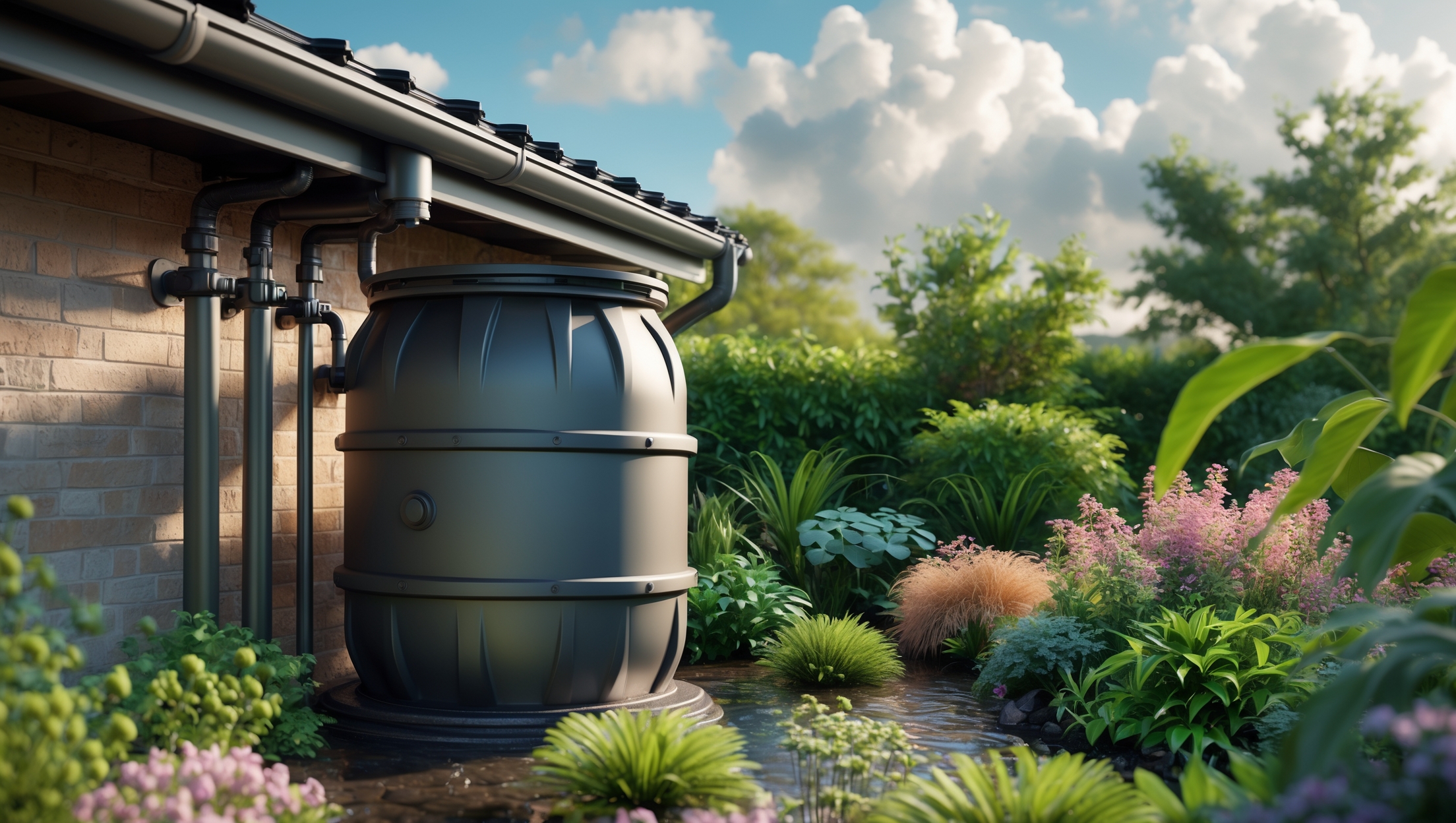
Introduction: Why Rainwater Harvesting Matters for Sustainable Homes
As sustainable living becomes a priority for more homeowners, rainwater harvesting stands out as one of the most practical and eco-friendly solutions for reducing reliance on municipal water sources. Collecting and reusing rainwater can significantly lower your water bills, help conserve natural resources, and provide a reliable backup supply for gardens, flushing toilets, washing vehicles, or even drinking (with proper treatment). However, many first-time installers of home rainwater harvesting systems encounter a host of avoidable mistakes that can lead to inefficiency, wasted resources, and even potential health hazards. With careful planning and attention to detail, you can sidestep these common pitfalls and maximize both the sustainability and savings of your system. This guide will walk you through the most frequent errors made by beginners in rainwater harvesting, offering actionable advice and expert insight at every step. Whether you’re considering a simple barrel or a more complex cistern setup, understanding these crucial do’s and don’ts will set you up for success in your green living journey.
1. Underestimating Your Home’s Rainwater Potential
1.1 Ignoring Local Rainfall Data
One of the most common mistakes is failing to accurately assess how much rainwater you can realistically collect. Many homeowners either overestimate based on a single heavy storm or underestimate during a dry season. It’s essential to look up annual average rainfall for your region and calculate your collection potential based on your roof’s catchment area. Use the formula:
- Gallons collected = Roof area (sq. ft.) × Rainfall (inches per year) × 0.623
Neglecting this step can result in an undersized or oversized system that either fails to meet your needs or wastes resources.
1.2 Overlooking Roof Material and Pitch
Not every roof is ideal for rainwater harvesting. Some roofing materials (like old asphalt shingles) can leach contaminants, while a very steep or flat roof will affect runoff rates. Always factor in the type and condition of your roof when assessing your system’s potential and suitability.
2. Poor System Sizing and Storage Planning
2.1 Choosing the Wrong Tank Size
It’s easy to select a tank that’s too small because it seems cost-effective, or too large and unnecessarily expensive. Proper sizing should be based on your usable roof area, average rainfall, and your intended water usage. Remember that rain often falls in bursts rather than evenly throughout the year. Oversized tanks take up space and cost more, while undersized ones overflow and waste water during heavy rains.
2.2 Ignoring Overflow and Drainage
Failing to plan for tank overflow is a classic error. Every rainwater system needs a well-designed overflow route to safely divert excess water away from your foundation, garden beds, and walkways. Without a proper overflow, you risk flooding, erosion, or even damage to your home’s structure.
3. Inadequate Filtration and First Flush Systems
3.1 Skipping Pre-Tank Filtration
Leaves, twigs, dust, bird droppings, and other debris inevitably end up on your roof. If you don’t install leaf screens and gutter guards, these contaminants will enter your tank, leading to clogged pipes, foul odors, and water that’s unsafe for irrigation or household uses. Always fit your gutters with screens and use a debris-diversion basket or filter before water enters your storage tank.
3.2 Neglecting a First Flush Diverter
The first few gallons of rainwater typically contain the most contaminants washed off your roof. A first flush diverter automatically discards this initial runoff, ensuring that cleaner water reaches your tank. Skipping this step increases the risk of waterborne pathogens, algae growth, and filter maintenance headaches.
4. Failing to Maintain Gutters, Tanks, and Filters
4.1 Irregular Gutter Cleaning
Even with gutter guards, debris can accumulate. Blocked gutters restrict water flow, cause overflow, and lead to mosquito breeding or mold growth. Clean your gutters at least twice a year, or more often if you have overhanging trees. Regular checks after major storms are also recommended.
4.2 Forgetting Tank and Filter Maintenance
Algae, sediment, and biofilm can build up inside tanks and filters over time. Inspect and clean your tank annually, and follow manufacturer guidelines for replacing or backwashing filters. Neglecting maintenance results in reduced water quality and system lifespan.
5. Overlooking Safety and Health Risks
5.1 Unsafe Water Use
Not all harvested rainwater is safe for all uses. Untreated rainwater should never be used for drinking, cooking, or bathing unless processed through certified filtration and disinfection systems. Using untreated water in this way risks exposure to bacteria, viruses, and chemical contaminants.
5.2 Ignoring Mosquito and Rodent Prevention
Openings in tanks, pipes, or filters are invitations for mosquitoes and rodents. All tank inlets and overflows should be fitted with fine mesh screens. Check regularly for any cracks or gaps, and repair immediately to prevent infestation and disease transmission.
6. Skipping Local Compliance and Permitting
6.1 Not Checking Local Laws
Rainwater harvesting laws vary significantly by region. Some municipalities require permits or have restrictions on tank size, placement, or water use. Others offer rebates or incentives. Failing to check local codes can result in fines, forced system removal, or missed opportunities for financial support.
6.2 Building Too Close to Property Boundaries
Many local codes dictate how close you can place tanks to property lines, septic systems, or dwellings. Always consult your local planning office before breaking ground to avoid legal and neighborly disputes.
7. Poor System Placement and Design
7.1 Placing Tanks on Unstable or Unlevel Ground
Water is heavy—just one gallon weighs over eight pounds. A 500-gallon tank weighs more than two tons when full. Always install tanks on a stable, level, and compacted base (like a concrete pad or crushed gravel). Failing to do so can result in tilting, leaks, or catastrophic tank collapse.
7.2 Ignoring Sun Exposure
Direct sunlight on your tank encourages algae growth, especially in translucent or lightly colored tanks. Whenever possible, place your tank in a shaded location or use opaque tanks. Tank covers, paint, or landscaping can also help reduce UV exposure.
8. Using Incompatible Materials and Components
8.1 Mixing Metals That Cause Corrosion
Combining copper, galvanized steel, and aluminum in your gutters, pipes, or tank fittings can lead to galvanic corrosion. Use compatible materials and plastic fittings where possible to avoid leaks and system failures.
8.2 Installing Non-Food-Grade Tanks
Not all tanks are suitable for water storage. Avoid repurposing old chemical containers or using non-food-grade plastics, which may leach toxins into your water. Always choose tanks certified for potable or at least irrigation use, especially if you plan to water edible plants.
9. Forgetting Accessibility and Usability
9.1 Hard-to-Reach Outlets or Valves
Position valves, spigots, and inspection ports where they are easy to access for filling watering cans, hooking up hoses, or performing maintenance. A system that’s inconvenient to use is less likely to be used at all.
9.2 Not Planning for Expansion
Many homeowners regret not designing their system with future expansion in mind. Whether it’s adding more tanks, integrating filtration, or connecting to irrigation systems, a little forward-thinking now saves time and money later.
10. Underutilizing Your Harvested Water
10.1 Only Watering the Lawn
Rainwater can be used for much more than just lawn irrigation. Consider using it for vegetable gardens, landscape ponds, washing vehicles, flushing toilets, or even laundry (with appropriate filtration). Maximizing usage increases your return on investment and environmental benefit.
Conclusion: Ensuring Success with Your Home Rainwater Harvesting System
Setting up a home rainwater harvesting system is a rewarding project that pays off in cost savings, resilience, and sustainability. However, its true value is only realized when installed and maintained with care and attention to detail. Avoiding the common mistakes outlined above will help you design a system that meets your household’s needs, complies with local laws, and operates efficiently for years to come.
Before starting, invest time in planning—study your local climate, roof, and water usage habits. Ensure your system is appropriately sized, well-sited, and uses only safe, compatible materials. Incorporate robust filtration and first flush systems to protect water quality, and make regular maintenance a non-negotiable habit. Always check local codes before installation, and don’t hesitate to seek professional advice for complex systems or potable water use.
By learning from the mistakes of others and applying best practices from the outset, you can enjoy the peace of mind that comes from knowing your rainwater harvesting system is safe, effective, and truly sustainable. With each drop collected and reused, you’re making a tangible contribution to a greener future—one rainstorm at a time.


Is it possible to upgrade from a simple rain barrel setup to a larger cistern system later on, or would that require starting over? I am on a budget right now and just want to make sure I don’t make costly mistakes.
You can absolutely start with a rain barrel and upgrade to a larger cistern system later. Many homeowners do this to spread out costs. When setting up your initial system, try to position the barrel and install the downspout in a way that makes future expansion easy. This way, you won’t need to redo everything and can simply swap or connect the new cistern as your needs and budget allow.
The article mentions using local average rainfall data to size the system properly. What’s the best way to find reliable rainfall statistics for a specific neighborhood, and are there any easy online calculators to help with these calculations?
You can usually find reliable rainfall data for your neighborhood from your local weather service, government meteorological agencies, or university extension offices. Many of these organizations provide detailed historical rainfall averages. For easy calculations, several online tools let you input your roof area and local rainfall to estimate potential collection; just search for ‘rainwater harvesting calculators’ and choose one that allows you to enter your location or customize rainfall amounts.
If I only want to use the collected rainwater for watering plants and washing my car, do I need to follow different guidelines compared to systems meant for drinking water? Not sure how detailed my setup needs to be.
You can keep your setup simpler if you’re only using rainwater for watering plants and washing your car. Filtration and disinfection don’t need to be as extensive as for drinking water. Focus on a basic first-flush diverter, leaf screens, and a covered storage tank to keep debris and mosquitoes out. Regular cleaning of your system is still important, but you don’t need advanced purification steps meant for potable use.
Budget-wise, does starting small with a barrel and upgrading later work well or do most people end up spending more in the long run compared to planning for a larger system based on the rainfall formula upfront?
Starting with a simple barrel can be an affordable way to test rainwater harvesting, but if you know you’ll want a larger system later, it can be more cost-effective to plan for it from the beginning. Upgrading in stages often means buying extra materials and reworking parts, which can add up over time. If your goal is significant water collection and you have the budget, designing for your long-term needs upfront usually saves money overall.
For those concerned about budget, what are some cost-effective ways to avoid oversizing a rainwater harvesting system and prevent wasting resources if they’re not sure about their exact water needs yet?
To stay budget-friendly and avoid oversizing, start by estimating your average water use—focus on essential activities like gardening or flushing toilets. You can begin with a smaller tank and modular components, adding capacity later if needed. Using rainwater calculators and consulting community averages can help you size your system sensibly without overspending upfront.
I noticed you brought up potential health hazards if common mistakes are made when setting up these systems. Can you clarify what health risks are involved, especially if someone plans to use the harvested rainwater for drinking after treatment?
When setting up a rainwater harvesting system, mistakes like using the wrong roofing material, not installing proper filters, or failing to clean tanks regularly can introduce contaminants. If the system isn’t well maintained, bacteria, viruses, heavy metals, or chemicals from roofing materials can remain in the water even after basic treatment. For drinking purposes, it’s important to have thorough filtration and disinfection, and to routinely check water quality to avoid risks like gastrointestinal illness or long-term health issues from chemical exposure.
When calculating the amount of rainwater I can collect, does the formula account for losses like evaporation or leaks from the storage system, or do I need to make separate adjustments for that?
The basic formula for calculating rainwater collection (catchment area x rainfall x runoff coefficient) generally estimates the maximum possible amount you could collect. It doesn’t automatically account for losses like evaporation or leaks. To get a more accurate estimate, you should make separate adjustments based on your local conditions and the specifics of your storage system to account for these potential losses.
The formula listed for estimating gallons collected is helpful, but are there any online calculators or tools you recommend for businesses that want to factor in variables like filtration efficiency and water usage patterns?
For businesses looking for more advanced rainwater harvesting estimations, there are specialized tools available that let you input variables like filtration efficiency, storage size, and water demand patterns. Some industry-grade calculators offer customizable inputs for commercial needs and can provide detailed reports based on local rainfall data, roof area, and usage schedules. Searching for commercial rainwater harvesting calculators or consulting with system providers can help you find a tool that fits your specific requirements.