
Introduction: The Promise of Solar-Powered Green Roofs in Urban Sustainability
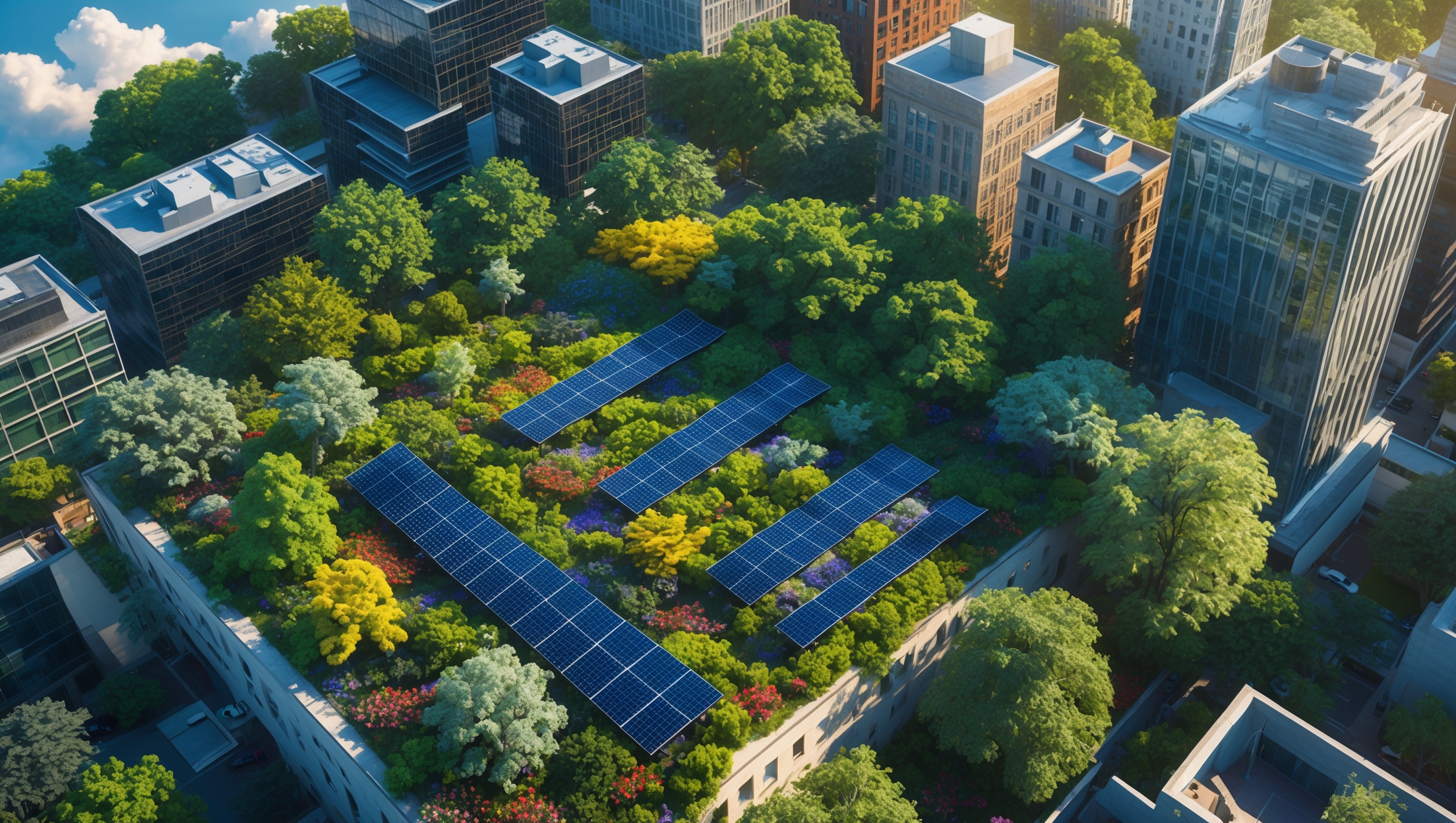
Urban environments face unique sustainability challenges—limited space, high energy consumption, and increased heat retention. As city populations soar, the need for innovative green solutions has never been greater. Enter the solar-powered green roof: an integrated system where photovoltaic (PV) panels and lush vegetation coexist on a building’s roof, harnessing the sun’s energy while delivering vital ecological benefits. This approach not only generates renewable electricity but also combats the urban heat island effect, manages stormwater, and improves air quality. But how does this concept translate from theory to practice?
In this detailed case study, we’ll follow the journey of a mid-rise apartment building in downtown Chicago that installed a combined green roof and solar PV system. We’ll examine the planning process, cost considerations, design and installation, regulatory hurdles, and the measurable impact on energy efficiency, tenant comfort, and city sustainability goals. You’ll gain actionable insights, see real-world performance data, and learn practical tips for anyone considering a similar project. Whether you’re a building manager, architect, or sustainability enthusiast, this in-depth look will help you understand the transformative power—and practical realities—of solar-powered green roofs in urban settings.
Project Overview: Setting the Stage
Building Profile
The subject of our case study is the Crescent Lofts, a 7-story, 72-unit apartment building located in the heart of Chicago’s West Loop. The building, constructed in 1983, features a flat 12,000-square-foot roof with existing waterproofing and moderate structural capacity. The property management team, eager to improve energy efficiency and tenant satisfaction, sought a solution that aligned with the city’s sustainability initiatives.
Goals and Objectives
- Reduce annual energy consumption and utility costs.
- Decrease the building’s carbon footprint.
- Improve stormwater retention and reduce runoff fees.
- Enhance roof insulation and tenant comfort.
- Increase property value and marketability.
Planning and Feasibility Assessment
Initial Site Audit
The project began with a comprehensive site audit, evaluating:
- Roof orientation and solar access (average 5.2 sun hours/day).
- Structural load capacity (determined via core sampling and engineering analysis).
- Condition and age of existing roofing membrane.
- Drainage patterns and parapet height.
Findings indicated that the roof could support up to 18 pounds per square foot of additional load, sufficient for an extensive green roof (low-profile, drought-tolerant vegetation) combined with lightweight solar panel arrays.
Design Considerations
- Vegetation Selection: Sedum and native grasses, requiring minimal irrigation and maintenance.
- Solar Panel Layout: 72 high-efficiency monocrystalline panels (total 28.8 kW), mounted on ballasted racks elevated above vegetation to maximize sunlight for both plants and panels.
- Access and Safety: Integrated walkways and guardrails for maintenance personnel.
- Waterproofing: Additional root barrier and drainage mat installed to protect the roof membrane.
Cost Breakdown and Financing
Budget Overview
- Site Audit & Engineering: $7,500
- Roof Preparation (membrane upgrade, root barrier): $24,000
- Green Roof System (plants, soil, irrigation, drainage): $58,000
- Solar PV System (panels, inverters, racking, wiring): $69,000
- Permitting & Compliance: $6,000
- Installation Labor: $41,000
- Total Project Cost: $205,500
Financing and Incentives
- Federal Solar Investment Tax Credit (26%): $17,940
- Local Green Roof Rebate: $15,000
- Utility Solar Rebate: $8,500
- Net Out-of-Pocket Cost: $164,060
The property secured a low-interest green building loan for the balance, with an expected payback period of 9–11 years based on projected energy and water savings.
Permitting, Compliance, and Regulatory Hurdles
Chicago’s building code has specific requirements for green roofs and solar installations, including wind uplift testing, fire safety standards, and stormwater management. The project team worked closely with city officials to:
- Obtain dual permits for both green and solar components.
- Submit engineered drawings and structural calculations.
- Address fire department access and emergency egress routes.
- Meet stormwater retention and runoff reduction standards.
Key tip: Early engagement with local permitting authorities and submitting a combined application for both systems streamlined approval, minimizing construction delays.
Installation Process: Step-by-Step
1. Roof Preparation
- Removal of old ballast/gravel and inspection of the membrane.
- Installation of a new root barrier and drainage mat.
- Upgrade of waterproofing in areas prone to ponding.
2. Green Roof System
- Placement of lightweight engineered soil (growing medium) at 4-inch depth.
- Installation of pre-vegetated sedum mats and plug planting of native grasses.
- Drip irrigation system connected to rainwater catchment.
3. Solar Panel Array
- Assembly of ballasted racking systems, elevated 18 inches above the vegetation.
- Placement of solar panels oriented 10 degrees southward for optimal sun capture.
- Wiring and connection to microinverters and the building’s electrical system.
4. Final Inspections and Commissioning
- City inspection of both the green roof and solar PV installation.
- Testing of waterproofing, electrical safety, and irrigation.
- Commissioning and integration with building management systems.
Performance Results: Energy, Environment, and Comfort
Electricity Generation and Savings
- Average annual electricity production: 34,650 kWh (covers ~32% of the building’s common area and hallway usage).
- Annual utility bill reduction: $5,880 (at $0.17/kWh).
- Net metering credits in summer months.
Thermal and Environmental Benefits
- Average roof temperature reduction of 28°F (compared to conventional black roofing).
- Decreased HVAC load—annual cooling costs reduced by 12%.
- Stormwater retention: 18,000 gallons annually diverted from municipal sewers.
- Improvement in local air quality (measured via particulate sampling on-site).
Tenant and Market Impact
- Increased tenant satisfaction (surveyed: 88% cited improved comfort and building value).
- Higher occupancy rates post-project (from 92% to 98%).
- Property value appraisal increase of $420,000 within one year.
Maintenance and Long-Term Care
Routine Green Roof Maintenance
- Quarterly inspection for plant health, irrigation function, and drainage blockages.
- Annual top-dressing with compost and selective weeding.
- Drip irrigation winterization (blow-out and shut-off in October).
Solar Panel Maintenance
- Biannual cleaning of panels to remove pollen and city grime.
- Visual inspection for shading (plant overgrowth, debris) and physical damage.
- System performance monitoring via online portal—alerts for inverter or output faults.
Key lesson: The synergy between the green roof and solar array resulted in lower panel temperatures and a 2–4% increase in PV efficiency during peak summer months compared to stand-alone rooftop solar installations in the area.
Challenges and Lessons Learned
- Structural Surprises: Some roof sections required extra reinforcement, increasing costs by 8% over initial projections. Early, thorough engineering analysis is critical.
- Coordination Complexity: Synchronizing subcontractors for green roof and solar install required detailed scheduling. A single project manager improved communication.
- Maintenance Access: Walkways and panel spacing must be planned to allow for both vegetation care and solar servicing—don’t skimp on access infrastructure.
- Permitting Delays: Combined systems can trigger additional reviews; starting paperwork early and providing detailed drawings expedites the process.
Practical Tips for Your Own Solar-Powered Green Roof
- Conduct a full structural assessment before design—account for snow/rain loads.
- Choose drought-resistant, shallow-rooted plants to minimize weight and watering needs.
- Design elevated solar racks to avoid shading vegetation and facilitate maintenance.
- Budget for long-term maintenance—green roofs and solar panels both need annual care.
- Leverage local incentives, rebates, and expertise; many cities offer technical assistance.
- Engage tenants or building users early—education builds support and stewardship.
Conclusion: The Impact and Future of Solar-Powered Green Roofs
The Crescent Lofts project demonstrates that a solar-powered green roof can be a powerful tool for urban sustainability—delivering measurable energy savings, improved comfort, and tangible environmental benefits. The integration of solar and living roof technologies maximizes limited rooftop space, addressing both energy and ecological needs while enhancing property value and tenant satisfaction. While the initial investment is significant, the combination of incentives and operational savings makes these systems increasingly accessible, especially in cities with progressive green building policies.
However, success hinges on thorough planning, expert design, and a commitment to ongoing care. The challenges faced—structural surprises, permitting nuances, maintenance logistics—offer valuable lessons for anyone considering a similar venture. With careful attention to site-specific details, collaborative project management, and community engagement, a solar-powered green roof can transform not just a building, but an entire city block. As urban centers strive for greater resilience and lower carbon footprints, expect to see more rooftops sprouting both solar panels and greenery—proof that our cities can be both innovative and sustainable, one roof at a time.
If you’re inspired to explore this solution for your own property, start with a professional site evaluation and reach out to local green building organizations for technical guidance. The future of sustainable urban living may well be just overhead.


I’m curious how the Crescent Lofts team dealt with the building’s moderate structural capacity when adding both solar panels and a green roof. Did they have to reinforce the roof to handle the extra weight, or were there specific lightweight systems used?
The Crescent Lofts team worked closely with engineers to assess the building’s structural limits before adding the green roof and solar panels. Instead of major reinforcements, they chose lightweight green roof materials and solar panel mounting systems designed for moderate load capacity. This approach allowed them to keep extra weight within safe margins while still achieving their energy and sustainability goals.
For someone interested in doing something like this on a smaller residential building, do you think the benefits you described—like improved energy efficiency and tenant comfort—would still be noticeable, or are they mainly seen in larger buildings like the Crescent Lofts?
The benefits described in the article, such as improved energy efficiency and enhanced comfort, can definitely be noticeable in smaller residential buildings too. While the scale of savings might be smaller, features like a solar-powered green roof still help lower energy bills, regulate indoor temperatures, and provide a more comfortable living space, regardless of building size. The impact might be less dramatic than in large complexes, but they’re still worthwhile improvements.