

Introduction
Solar-powered water features combine the soothing aesthetics of moving water with the sustainability of renewable energy. Whether it’s a pond fountain, cascading waterfall, or decorative birdbath, integrating solar technology into your home landscape eliminates electricity costs and reduces your environmental footprint. However, to keep these features running efficiently and looking their best, a thoughtful maintenance routine is essential. Neglecting maintenance can lead to algae growth, pump inefficiency, reduced solar output, or even permanent system damage. In this guide, we’ll explore the best practices for maintaining home solar-powered water features, ensuring they provide reliable performance and visual enjoyment for years to come. From solar panel care to seasonal adjustments, water quality management, and troubleshooting common problems, you’ll get actionable tips that help your green oasis thrive while staying eco-friendly and cost-effective.
Understanding Your Solar-Powered Water Feature
Key Components
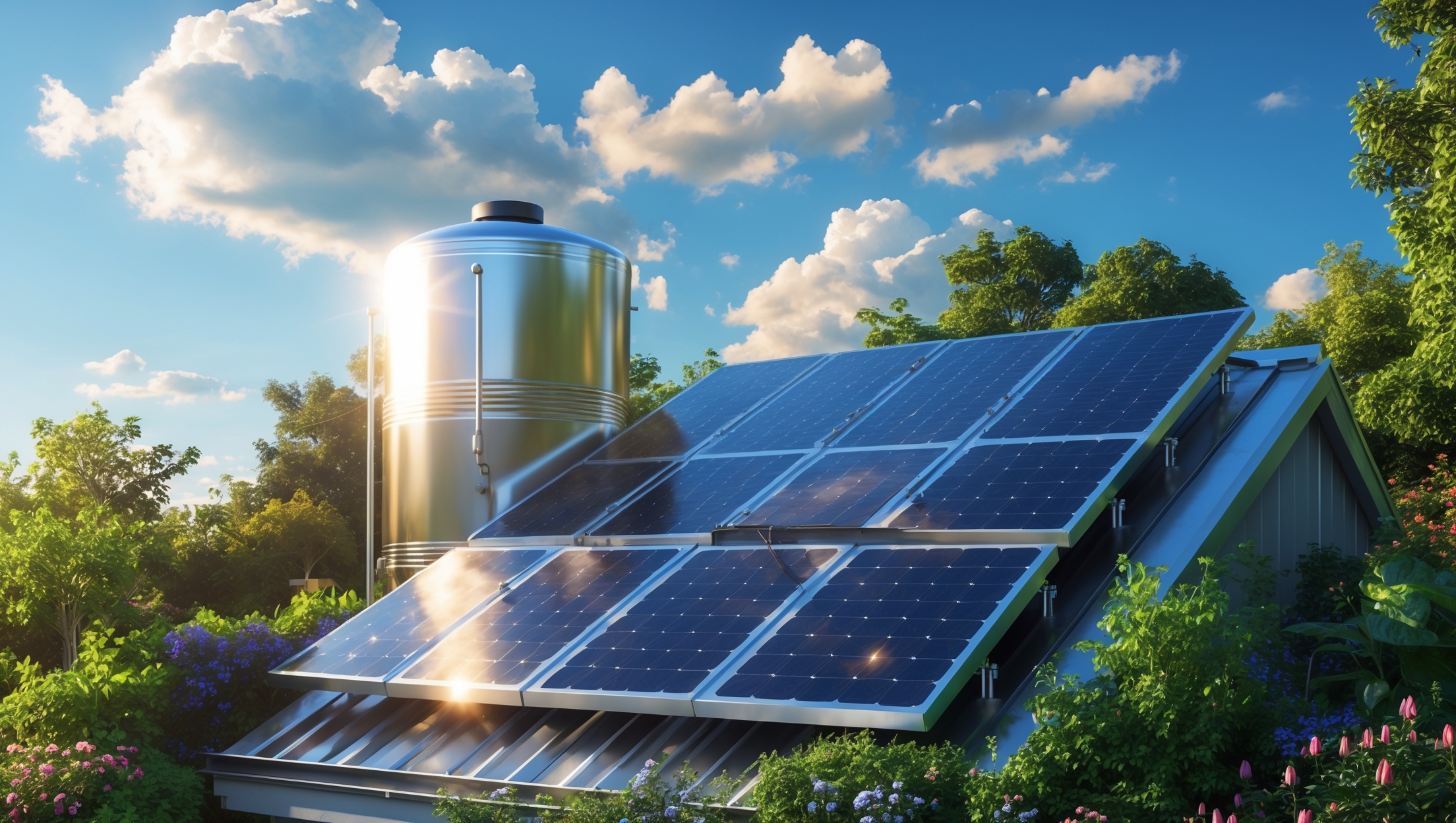
- Solar Panel(s): Captures sunlight and converts it into energy for the pump.
- Pump: Circulates water for fountains, waterfalls, or streams.
- Water Feature Structure: Pond, basin, birdbath, or fountain body.
- Battery Backup (Optional): Stores solar energy for use when sunlight is insufficient.
- Water Lines/Nozzles: Direct water flow and create specific effects.
Knowing your system’s parts is the first step in crafting a tailored maintenance schedule.
Solar Panel Maintenance
Cleaning for Peak Efficiency
Dirt, dust, bird droppings, and pollen can reduce panel efficiency by up to 30%. To clean:
- Use a soft brush or microfiber cloth to gently remove debris.
- Rinse with distilled water to avoid mineral deposits.
- Clean panels every 1–2 months, or more frequently in dusty or pollen-heavy seasons.
- Avoid harsh chemicals or abrasive pads that could scratch the glass.
Optimal Panel Positioning
- Ensure panels face true south (in the Northern Hemisphere) or true north (in the Southern Hemisphere) for maximum sunlight.
- Adjust tilt angles seasonally (30–45°) to optimize exposure.
- Keep panels free of shade from trees, structures, or plant growth.
Inspecting Connections and Mounts
- Check wiring for weather damage, loose connections, or corrosion.
- Tighten mounting brackets as needed; strong winds can loosen hardware over time.
- Replace cracked or aged cables immediately to avoid shorts or efficiency loss.
Pump and Water Circulation System Care
Routine Pump Cleaning
- Turn off the system and disconnect the pump from the power source.
- Remove the pump from the water feature.
- Open the pump housing and clear away leaves, algae, silt, or debris from the impeller and intake screen.
- Use an old toothbrush for stubborn buildup.
- Inspect for signs of wear or damage—replace worn impellers or seals promptly.
- Reassemble and reinstall the pump, ensuring a snug fit to prevent leaks.
Perform this cleaning monthly during peak use, and every two months during cooler seasons.
Waterline and Nozzle Maintenance
- Flush water lines with clean water every 2–3 months to prevent mineral buildup and blockages.
- Soak nozzles in a 1:1 vinegar-water solution to dissolve limescale. Rinse thoroughly before reinstalling.
- Check for cracks or leaks in flexible tubing and replace as needed.
Water Quality Management
Preventing Algae and Buildup
- Maintain water movement; stagnant water encourages algae.
- Position your water feature away from direct fertilizer runoff or overhanging trees to reduce nutrient load.
- Add natural barley straw extract or safe commercial algaecides if algae persists (avoid copper-based treatments if aquatic life is present).
- Use a pond net to skim leaves and organic matter weekly, especially in fall.
Managing Water Levels
- Check and top up water levels weekly, especially during hot weather when evaporation rates rise.
- Use rainwater when possible to minimize mineral deposits and chlorine exposure.
- If using tap water, let it sit for 24 hours before adding to dissipate chlorine.
Seasonal Maintenance Checklist
Spring
- Thoroughly clean solar panels and all pump components.
- Inspect wiring and connectors for winter damage.
- Reconnect and test system after winterization.
- Replace any worn gaskets, seals, or tubing.
Summer
- Monitor water levels and refill frequently.
- Increase cleaning frequency to combat algae growth and debris.
- Trim surrounding vegetation to prevent shading of panels.
- Check pump for overheating on very hot days.
Autumn
- Use a net or cover to catch falling leaves.
- Clean intake screens and nozzles more often due to increased debris.
- Inspect battery backups for performance as days shorten.
- Remove fallen organic matter promptly to avoid water contamination.
Winter
- If freezing is expected, drain water lines and remove the pump to prevent ice damage.
- Store the pump indoors in clean water to keep seals moist.
- Clean and cover solar panels if not in use for the season.
- Check water feature structure for cracks caused by freeze-thaw cycles.
Battery Backup Maintenance (If Applicable)
- Inspect batteries every 3–6 months for corrosion, swelling, or leaks.
- Clean terminals with a baking soda paste if corrosion is present.
- Ensure battery enclosures are weatherproof and ventilated.
- Replace batteries every 2–5 years depending on type (lead-acid, lithium, etc.).
- Test output voltage with a multimeter to confirm health.
Troubleshooting Common Problems
Pump Not Running
- Check solar panel for dirt or shading.
- Inspect battery (if present) for charge status.
- Ensure all connections are tight and free of corrosion.
- Examine pump for clogs or mechanical failure.
- Test with a replacement pump if necessary to isolate the issue.
Low Water Flow
- Check for debris or algae in the pump intake.
- Inspect water lines and nozzles for obstructions.
- Verify water level is adequate for pump intake.
- Confirm solar panel is producing sufficient power.
Algae Overgrowth
- Increase water movement and reduce direct sunlight exposure on the water’s surface.
- Use a UV clarifier if safe for your setup.
- Apply natural or eco-friendly algaecides as a last resort.
Extending the Lifespan of Your Solar Water Feature
Proactive Maintenance Tips
- Keep a maintenance log to track cleaning, repairs, and component replacements.
- Purchase replacement parts in advance (impellers, O-rings, tubing) to minimize downtime.
- Use surge protectors for battery backups to shield against electrical spikes.
- Follow manufacturer-recommended schedules for all cleaning and replacement intervals.
Eco-Friendly Enhancements
- Plant oxygenating aquatic plants to naturally improve water quality.
- Install a rainwater harvesting system to supply top-up water.
- Choose pumps and panels rated for energy efficiency and long service life.
- Use biodegradable cleaning agents whenever possible.
Conclusion
Investing in a solar-powered water feature is an inspiring step toward a more sustainable and beautiful home environment. Yet, the true value of your system comes from regular, thoughtful maintenance. By keeping solar panels clean and optimally positioned, ensuring pumps and water lines remain debris-free, monitoring water quality, and adapting your care routine to seasonal changes, you not only maximize efficiency but also prevent costly repairs down the road. Battery backups, when present, require their own attention to ensure continued operation during cloudy spells or at night. Troubleshooting common issues becomes far easier when you’re proactive in your approach, and a well-maintained system can last for many years while providing ongoing enjoyment and environmental benefits. For those passionate about eco-friendly living, these maintenance practices are more than chores—they’re a commitment to a greener, more harmonious lifestyle. By implementing the strategies outlined above, you’ll enjoy the soothing sights and sounds of your solar-powered water feature, all while knowing you’re making a positive impact on your planet and your pocketbook.

When you talk about adjusting solar panel positioning for optimal efficiency, do you recommend making seasonal adjustments, or is once-a-year alignment typically sufficient for most home water features?
For most home solar-powered water features, adjusting the panel positioning once or twice a year is usually sufficient. Aim to realign panels in spring and fall to account for the sun’s changing angle. However, if your feature is in an area with significant seasonal sunlight variation, more frequent adjustments can help maximize efficiency.
How do seasonal changes like heavy snowfall or extreme heat impact the maintenance routine for solar-powered water features? Should I adjust cleaning schedules or storage methods?
Seasonal changes definitely affect how you care for solar-powered water features. In areas with heavy snowfall, it’s best to remove the pump and panels, store them indoors, and drain the water to avoid freezing damage. During extreme heat, check water levels more often and clean the panels and pump frequently to prevent debris buildup and overheating. Adjust your cleaning schedule to be more frequent during peak pollen or dust periods, and always inspect equipment after severe weather.
When cleaning the solar panels for my backyard fountain, is it safe to use regular tap water if I don’t have distilled water on hand, or will that cause build-up over time? I’m trying to keep it simple but want to avoid damaging the panels.
You can use regular tap water to clean your solar panels if distilled water isn’t available, especially for occasional cleaning. Just be aware that tap water may leave mineral deposits or streaks over time, especially if you have hard water. To minimize buildup, wipe the panels dry with a soft, lint-free cloth after rinsing. If you notice any film or spots, a final rinse with distilled water when possible will help maintain clarity.
For solar-powered water features that include a battery backup, how often should the battery itself be checked or replaced as part of regular maintenance? Are there specific signs of battery wear homeowners should watch for?
For solar-powered water features with a battery backup, it’s a good idea to check the battery every 3 to 6 months. Look for signs like reduced run time, dimming water flow, or the feature stopping sooner than usual—these can indicate battery wear. Most batteries need replacing every 1 to 3 years, but always follow your manufacturer’s guidelines for best results.