
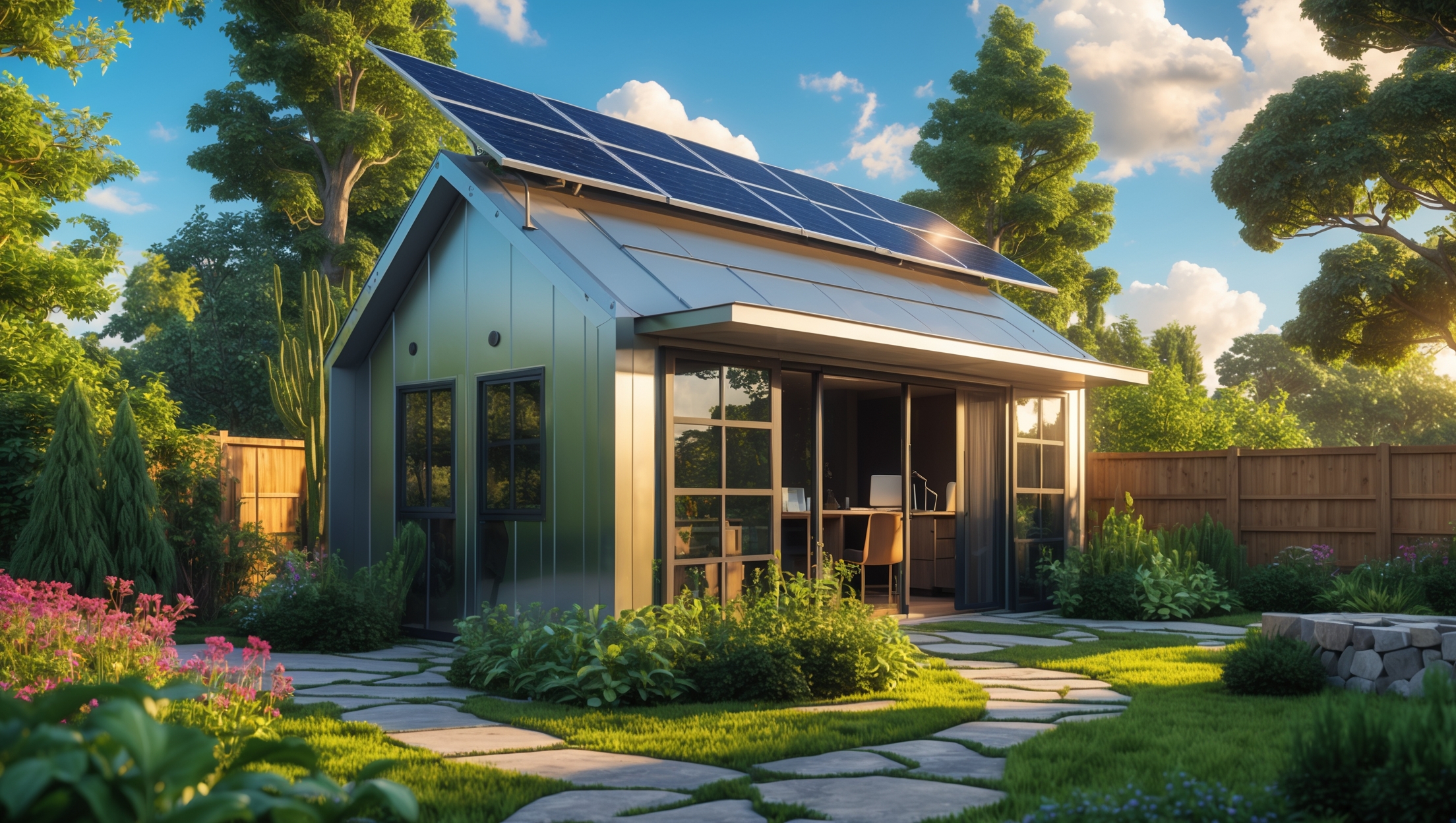
Introduction: Powering Productivity, Protecting Investment
Sustainable living isn’t just about reducing your carbon footprint—it’s about safeguarding the future you’re building. The surge in remote work has inspired homeowners to transform backyards into productive sanctuaries. DIY solar-powered backyard offices combine renewable energy with the comfort of working at home, delivering efficiency and eco-friendliness in one package. However, as with any investment, protection is paramount. Many DIYers overlook the crucial step of insuring their off-grid backyard offices, exposing themselves to risks that can undermine both financial and environmental gains. This guide demystifies insurance essentials for solar-powered backyard offices, ensuring your sustainable workspace is as secure as it is green. Whether you’re planning your first solar shed or have already settled into your garden office, understanding your insurance needs will help you mitigate risks, comply with regulations, and safeguard both your property and your peace of mind.
Understanding the Insurance Landscape for Backyard Offices
Why Standard Homeowners Insurance Falls Short
Most homeowners assume their policy covers all structures on their property. However, backyard offices—especially those with complex solar installations—often fall outside standard coverage. Homeowners policies typically limit protection for detached structures and may exclude business equipment, renewable energy systems, and liability related to business use. Overlooking these gaps leaves you vulnerable to loss or liability without warning.
Risks Unique to Solar-Powered Backyard Offices
- Fire and Electrical Hazards: Solar equipment introduces new fire and electrical risks, especially if self-installed.
- Weather Damage: Solar panels and sheds are exposed to hail, wind, snow load, and falling branches.
- Theft and Vandalism: Detached offices and valuable solar gear can attract unwanted attention.
- Business Liability: Hosting clients or conducting business activities from your backyard may create liability exposures not covered under personal policies.
Types of Insurance Coverage You Need
1. Dwelling Extension or Detached Structures Coverage
Most home insurance policies offer some coverage for detached structures—usually 10% of your home’s insured value. For a $400,000 home, that’s $40,000, which may be adequate for a simple shed but insufficient for a fully equipped, solar-powered office. Solar panels, battery banks, and inverters significantly increase replacement costs. Review your policy and request an extension or separate endorsement to ensure your backyard office, panels, and equipment are fully covered.
2. Business Property Endorsement
Standard homeowners insurance often limits coverage for business property (typically $2,500 or less). If your backyard office houses computers, monitors, printers, or specialized business equipment, consider a business property endorsement. This add-on increases coverage limits for office contents, safeguarding your investment in productivity tools.
3. Solar Power System Coverage
Solar installations are major investments. While some insurers automatically include rooftop panels, ground-mounted or shed-mounted systems may not be covered. Confirm whether your provider covers these assets and at what value. If not, seek a rider or endorsement for your solar equipment, covering damage, theft, and power surge events.
4. Liability Insurance
Using your backyard office for business—even as a sole proprietor—can expose you to liability risks. If clients, delivery personnel, or contractors visit your office, you may need increased liability coverage. A home business endorsement or standalone business liability policy can fill this gap, protecting you from claims related to injury or property damage on your premises.
5. Business Interruption Insurance
Unforeseen events—fire, storm, theft—can render your backyard office unusable. Business interruption insurance replaces lost income during repairs or relocation, ensuring your workflow and finances remain steady. This is especially crucial for freelancers and small business owners dependent on daily operations.
Assessing and Valuing Your Solar-Powered Backyard Office
Documenting Your Build
- Maintain detailed records, including receipts for materials, solar components, and labor (even your own, if you value your time).
- Photograph each stage of construction and installation, highlighting the solar system’s integration.
- Store manuals, warranties, and permits in both digital and physical formats.
Calculating Replacement Costs
Replacement cost is not the same as market value. Work with your insurer or a local appraiser to estimate the full expense of rebuilding your office and reinstalling your solar setup. Include:
- Structure (walls, insulation, roofing, windows, doors)
- Solar panels, mounting hardware, charge controller, inverter, batteries
- Interior finishes, wiring, HVAC, security systems
- Business equipment and furnishings
Mitigating Risk with Smart Design
- Choose high-quality, certified solar components with robust warranties.
- Install surge protection, lightning arrestors, and secure battery enclosures.
- Follow local electrical codes and consult licensed professionals for critical connections.
- Use theft-deterrent hardware and smart security cameras.
How to Approach Your Insurer
Questions to Ask
- Are backyard offices with solar panels covered, and under what conditions?
- Do I need to increase my detached structure coverage limit?
- Is my solar equipment insured for replacement cost or actual cash value?
- What business activities are permitted before a business policy is required?
- Are there exclusions for DIY electrical work or non-permitted structures?
How to Present Your Project
Be proactive: provide documentation, photos, and itemized costs. Explain your use-case (e.g., remote work, occasional client visits, no hazardous activities). Highlight any safety features—UL-listed components, grounding, fire-resistant materials, and code compliance. This transparency builds trust and may help secure better rates or broader coverage.
Permits, Code Compliance, and Their Impact on Insurance
Why Permits Matter
Insurers are wary of non-permitted structures. If your office or solar system wasn’t built to code, claims may be denied. Always obtain relevant building, electrical, and solar permits. Document inspections and final approvals. Many insurers will request copies before issuing endorsements or increasing coverage.
Retrofitting Existing Offices
If you’re adding solar to a pre-existing backyard office, ensure your upgrades meet current codes. Upgrades that boost fire safety, structural integrity, and weather resistance can lower premiums and ease the claims process.
Special Considerations for DIY Installations
Professional vs. DIY: Insurance Implications
DIY projects can save money but may complicate insurance. Some insurers require professional installation or inspection for solar systems before coverage is granted. Others may ask for proof of compliance with local codes. Consider hiring a licensed electrician for critical wiring, or at least obtaining a third-party inspection post-installation. This not only improves safety but also demonstrates due diligence to your insurer.
Warranty and Product Liability
DIYers may inadvertently void warranties by incorrect installation, which can affect claims if equipment fails. Use components with robust manufacturer warranties and follow installation guides meticulously. Some insurers may offer extended coverage if you use certified (e.g., NABCEP) installers, even for select components.
Reducing Premiums: Risk Management Strategies
Security Upgrades
- Install motion-activated lighting and security cameras focused on your office and solar panels.
- Use locks on doors, windows, and battery enclosures.
- Etch identification numbers into solar panels and major equipment.
Fire and Weather Resistance
- Choose fire-resistant siding and roofing for your office shed.
- Install panel snow guards and wind-rated mounting systems.
- Keep the area around your office clear of flammable debris and overhanging branches.
Routine Maintenance
- Schedule regular inspections of your solar system and electrical components.
- Document cleaning, battery checks, and any repairs.
- Promptly address minor issues to prevent major losses.
Case Example: Protecting a Home-Based Consultancy in a Solar-Powered Garden Office
Emma, a freelance graphic designer, built a 120-square-foot backyard office equipped with a 2.4 kW solar array, lithium battery storage, and energy-efficient climate control. After reviewing her homeowners policy, she discovered only $5,000 coverage for detached structures—far less than her $22,000 investment. She worked with her insurer to:
- Increase detached structure coverage to $30,000, including the solar system and interior finishes.
- Add a business property endorsement for $10,000 to cover computers, printers, and reference materials.
- Purchase a home business liability policy, since occasional client meetings were held on-site.
- Provide documentation of permitted construction and a third-party solar inspection.
When a severe hailstorm damaged her panels, Emma’s claim was processed quickly. Her risk mitigation—storm shutters, robust mounting, and proper documentation—helped her insurer validate the claim and minimize downtime. Emma’s experience underscores the importance of proactive insurance planning for sustainable workspaces.
Tips for Navigating Claims
- Immediately document any damage with dated photos and video.
- Keep receipts for repairs, replacement equipment, and temporary workspace costs.
- Maintain up-to-date inventories and appraisals for all office and solar assets.
- Communicate promptly and clearly with your insurer throughout the claims process.
Conclusion: Securing Your Sustainable Future
Building a solar-powered backyard office is an investment in your productivity, well-being, and the planet. But true sustainability means planning for the unexpected. Insurance is not just a regulatory hurdle—it’s a foundation for peace of mind, protecting your workspace from fire, theft, weather, and liability. By understanding policy gaps, seeking appropriate endorsements, and proactively documenting your project, you’re future-proofing your green investment. Remember, every office and insurance policy is unique; consult a knowledgeable agent who understands both renewable energy and home business needs. Your sustainable journey doesn’t end at installation—it continues with diligent maintenance, risk management, and thoughtful coverage. Protect your solar-powered backyard office today, so you can enjoy a secure, productive, and eco-friendly workspace for years to come.


Are there particular types of weather-related risks I should make sure are covered for my solar panels, especially since we get a lot of hailstorms in my area?
Yes, given the frequency of hailstorms in your area, it’s important to confirm that your insurance policy specifically covers hail damage to your solar panels. You should also look for coverage against wind, lightning, and heavy rain, as these are common weather-related risks for solar installations. It’s a good idea to review your policy with your provider to ensure your panels are protected against all local weather hazards.
If my backyard office is used mainly for remote work as an employee rather than running a business, does that make a difference in terms of what kind of additional insurance I need for my solar setup and equipment?
Yes, it does make a difference. If you’re using your backyard office mainly as an employee for remote work, your equipment may be partially covered by your homeowner’s insurance, but you should check your policy to confirm. Business insurance is usually only necessary if you’re running a business from home. However, you might still need to list expensive items like computers or solar equipment separately to make sure they’re fully protected.
Can you clarify if most insurance providers specifically exclude solar-powered installations in their policies, or is it just that coverage limits are easily exceeded with DIY setups? I’m trying to figure out if I need a specialty policy or just more add-ons to my current homeowners insurance.
Most standard homeowners insurance policies don’t specifically exclude solar-powered installations, but coverage can vary depending on your provider. The main issue is that DIY setups may exceed coverage limits or fall outside what’s considered standard, so you could be underinsured. It’s a good idea to speak with your insurer to see if you need additional endorsements or a separate policy for full protection.