

Introduction: Embracing Sustainable Comfort with a Solar-Powered Outdoor Shower
As sustainable living gains momentum, homeowners are seeking inventive ways to reduce their environmental footprint without sacrificing comfort or style. One of the most practical and rewarding projects for eco-conscious individuals is building a solar-powered outdoor shower. Whether it’s rinsing off after gardening, cooling down post-swim, or elevating your camping site, a solar shower offers energy efficiency, water conservation, and a touch of luxury—all powered by the sun.
Yet, the success of a DIY solar-powered outdoor shower hinges on having the right tools and equipment from the outset. Unlike indoor plumbing projects, outdoor showers must withstand weather, utilize renewable energy, and often operate off-grid. This guide provides a comprehensive breakdown of the must-have tools and components, with step-by-step rationale for each choice. From basic hand tools to specialized plumbing parts and solar heating systems, you’ll learn exactly what you need, how to select the most sustainable options, and practical tips for efficient assembly. Let’s dive into the toolkit that will turn your vision of a solar-powered outdoor shower into a functional, eco-friendly reality.
Planning Your Solar-Powered Outdoor Shower: Key Considerations
Site Selection and Orientation
The first step in your project is picking the optimal location for your solar shower:
- Sunlight Exposure: Choose a spot with maximum sun hours, ideally facing south (in the Northern Hemisphere) to ensure consistent solar heating.
- Accessibility: The site should be convenient to water supply and drainage, yet provide privacy from neighbors or public view.
- Drainage: Ensure water runoff will not erode soil or create muddy areas; plan for gravel beds or drainage channels as needed.
- Wind Protection: Sheltered spots help retain warmth and make the shower more pleasant to use.
Shower Type and Water Source
Decide on the style and capacity:
- Gravity-fed vs. Pressurized: Gravity-fed systems are simpler but offer lower pressure; pressurized systems (using pumps) provide a more comfortable experience.
- Water Source: Connect to a garden hose, rainwater capture system, or plumb from an existing supply. Verify local codes for greywater reuse if considering drainage into landscaping.
- Tank Size: A 5–10 gallon (20–40 liter) tank suffices for most quick showers; consider larger capacities for family or frequent use.
Essential Tools for DIY Solar Shower Construction
General Hand Tools
- Measuring Tape & Carpenter’s Square: For accurate layout and alignment of the shower base, posts, and tank supports.
- Level: Critical for ensuring a stable, safe structure and correct water flow angles.
- Drill & Assorted Bits: For securing wood, metal, or composite materials; essential for attaching brackets and plumbing supports.
- Screwdrivers (Phillips & Flathead): For assembling fixtures, mounting panels, and adjusting valves.
- Adjustable Wrench & Pliers: For tightening plumbing connections, hose clamps, and fasteners.
- Handsaw or Circular Saw: For cutting wood, PVC, or composite boards to size.
- Utility Knife: For trimming hoses and insulation or scoring waterproof membranes.
- Hammer & Mallet: For framing, driving stakes, or adjusting panels without marring surfaces.
Plumbing Tools
- Pipe Cutter: For cleanly cutting copper, PEX, or PVC pipes to length.
- Crimping Tool (for PEX): Ensures leak-proof connections on modern flexible plumbing lines.
- Thread Seal Tape (PTFE): Prevents leaks at threaded joints; essential for all plumbing work.
- Channel-lock Pliers: Offers extra grip for tightening large fittings or stubborn connections.
- Bucket or Tub: For testing water flow and collecting runoff during installation.
Electrical & Solar Tools
- Wire Strippers & Cutters: For preparing electrical connections if using a solar pump or controls.
- Multimeter: To test voltage and continuity on solar panels and wiring.
- Crimp Connectors & Terminal Block: Safe joining of solar panel wires and components.
- Weatherproof Junction Box: Protects electrical connections from the elements.
- Mounting Hardware: Stainless steel or galvanized fasteners resist corrosion outdoors.
Choosing Sustainable Materials and Components
Shower Structure & Enclosure
- Reclaimed Wood or FSC-Certified Lumber: Sustainable, durable, and visually appealing for framing, decking, and privacy screens.
- Composite Deck Boards: Weather-resistant and low-maintenance, ideal for shower platforms.
- Natural Stone or Recycled Pavers: For non-slip, eco-friendly flooring around the shower area.
- Bamboo Panels: Rapidly renewable resource for enclosures or decorative touches.
Plumbing Components
- PVC or PEX Pipes: Lightweight, resistant to corrosion, and easy to cut and join.
- Stainless Steel or Brass Fixtures: Durable, rust-resistant, and recyclable; look for WaterSense-labeled low-flow showerheads to minimize water use.
- Insulated Hose: Maintains water temperature and prevents heat loss.
- Ball Valves or Gate Valves: For reliable water control with minimal maintenance.
- Drainage Gravel or French Drain Kit: Promotes quick runoff and prevents standing water.
Solar Water Heating Options
- Black Polyethylene Tank: Absorbs solar radiation efficiently; size based on shower usage (typically 5–20 gallons).
- Coiled Black Hose (Solar Collector): Economical and effective for heating water in direct sunlight; lay hose coiled on a flat, sunny surface or mount to a panel.
- Pre-fabricated Solar Shower Units: Commercially available tanks with integrated showerheads mounted on a frame—ideal for quick setups.
- Solar Panel with DC Pump: For pressurized showers, a small solar PV panel (10–30W) powers a 12V pump to deliver water from the tank to the showerhead.
- Temperature Mixing Valve: Prevents scalding by blending hot solar-heated water with cold supply.
Water Conservation Accessories
- Low-Flow Showerhead: 1.5–2.0 GPM models save water without sacrificing comfort.
- On/Off Trigger Valve: Allows users to pause water flow during soaping, further reducing consumption.
- Greywater Diversion Kit: Channels runoff to irrigate landscape plants, maximizing resource efficiency.
Step-by-Step Overview: Assembling Your Solar-Powered Outdoor Shower
1. Prepare the Site
- Clear vegetation and level the ground.
- Install a gravel bed or pavers for drainage.
- Mark post locations and check for underground utilities before digging.
2. Build the Shower Structure
- Set posts using concrete or ground anchors for stability.
- Attach framing for walls and roof (if desired) using weatherproof fasteners.
- Add privacy screens or bamboo panels as needed.
- Install the shower platform with slight slope for drainage.
3. Install the Solar Water Heating System
- Mount the black polyethylene tank or coil of black hose in full sun, ideally elevated to allow gravity-fed flow.
- If using a solar PV-powered pump, mount the panel facing true south at the ideal tilt for your latitude.
- Connect the water supply (hose or plumbed line) to fill the tank or hose coil.
- Insulate supply lines if needed to prevent heat loss during cooler months.
4. Connect Plumbing
- Run piping from the tank or collector to the showerhead location.
- Install mixing valve (if using) and shower controls at a convenient height.
- Attach a low-flow, outdoor-rated showerhead.
- Install a ball valve or trigger shut-off at the showerhead for water conservation.
5. Test and Finalize
- Fill the tank and allow water to heat for several hours in direct sunlight.
- Test all connections for leaks using your adjustable wrench and thread seal tape.
- Check the temperature and adjust mixing valve as needed to avoid scalding.
- Ensure drainage works as intended—no pooling or runoff into unwanted areas.
Optional Upgrades and Smart Features
- Rainwater Harvesting Integration: Connect your shower to a rain barrel system for zero potable water use.
- Motion-Activated LED Lighting: Solar-powered lights increase safety during evening use.
- Solar Timer or Flow Meter: Tracks water use and encourages shorter showers.
- Retractable Privacy Walls: Offer flexibility and maximize sunlight exposure for heating during the day.
- Natural Plant Screen: Use tall grasses or shrubs for privacy and habitat support.
Maintenance Tips for Solar-Powered Outdoor Showers
- Inspect for Leaks: Regularly check all plumbing joints and hose connections for drips, especially after freeze-thaw cycles.
- Clean Showerhead: Remove mineral buildup with vinegar soaks every few months for optimal spray.
- Clear Debris: Keep solar collectors and tank surfaces clear of leaves or dirt for maximum heating efficiency.
- Winterize: Drain and store hoses and tanks indoors in freezing climates to prevent cracking or burst pipes.
- Check Fasteners: Tighten screws and bolts on the structure annually to maintain safety and stability.
- Monitor Drainage: Rake gravel and clear clogs to keep water flowing away from the shower area.
Safety Considerations
- Water Temperature: Always include a mixing valve or test water before use—solar collectors can heat water to scalding temperatures on sunny days.
- Slip Prevention: Choose non-slip flooring materials and keep the shower area free of algae or moss.
- Electrical Safety: Use low-voltage DC pumps and weatherproof all connections if integrating solar PV panels.
- Structural Integrity: Ensure the shower frame is secure and posts are well-anchored, especially in high-wind areas.
- Privacy and Security: Position the shower out of direct sight lines and consider lockable enclosures for shared or public spaces.
Budgeting and Sourcing Sustainable Materials
- Material Costs: Expect to spend $200–$700 USD depending on size, finish quality, and solar heating complexity.
- Salvaged Materials: Seek out reclaimed wood, surplus pavers, or second-hand tanks to lower costs and reduce environmental impact.
- Eco-Friendly Retailers: Source FSC-certified lumber, low-flow fixtures, and solar components from suppliers specializing in green building materials.
Investing in durable, sustainable materials not only benefits the planet but ensures your outdoor shower will provide years of comfortable, low-maintenance use.
Conclusion: Refreshing Sustainability at Home
Constructing a solar-powered outdoor shower is a hands-on way to weave sustainable practices into your everyday life. By thoughtfully selecting the right tools and equipment, you ensure a smooth building process and a finished product that delivers both eco-friendly performance and personal satisfaction. This project showcases how renewable energy and water conservation can intersect with comfort and creativity, transforming an ordinary backyard into a sustainable retreat.
As you plan and build your solar shower, remember that every component—from reclaimed wood framing to the humble low-flow showerhead—plays a part in reducing resource consumption and environmental impact. The rewards go beyond savings on energy bills or water usage; you’ll enjoy the satisfaction of a project that’s both practical and planet-friendly.
Whether you’re a seasoned DIYer or a sustainability newcomer, this guide arms you with the knowledge to get started confidently. With the right preparation, materials, and ongoing maintenance, your solar-powered outdoor shower will stand as a beacon of green technology in action—proof that sustainable living can be both innovative and deeply refreshing.
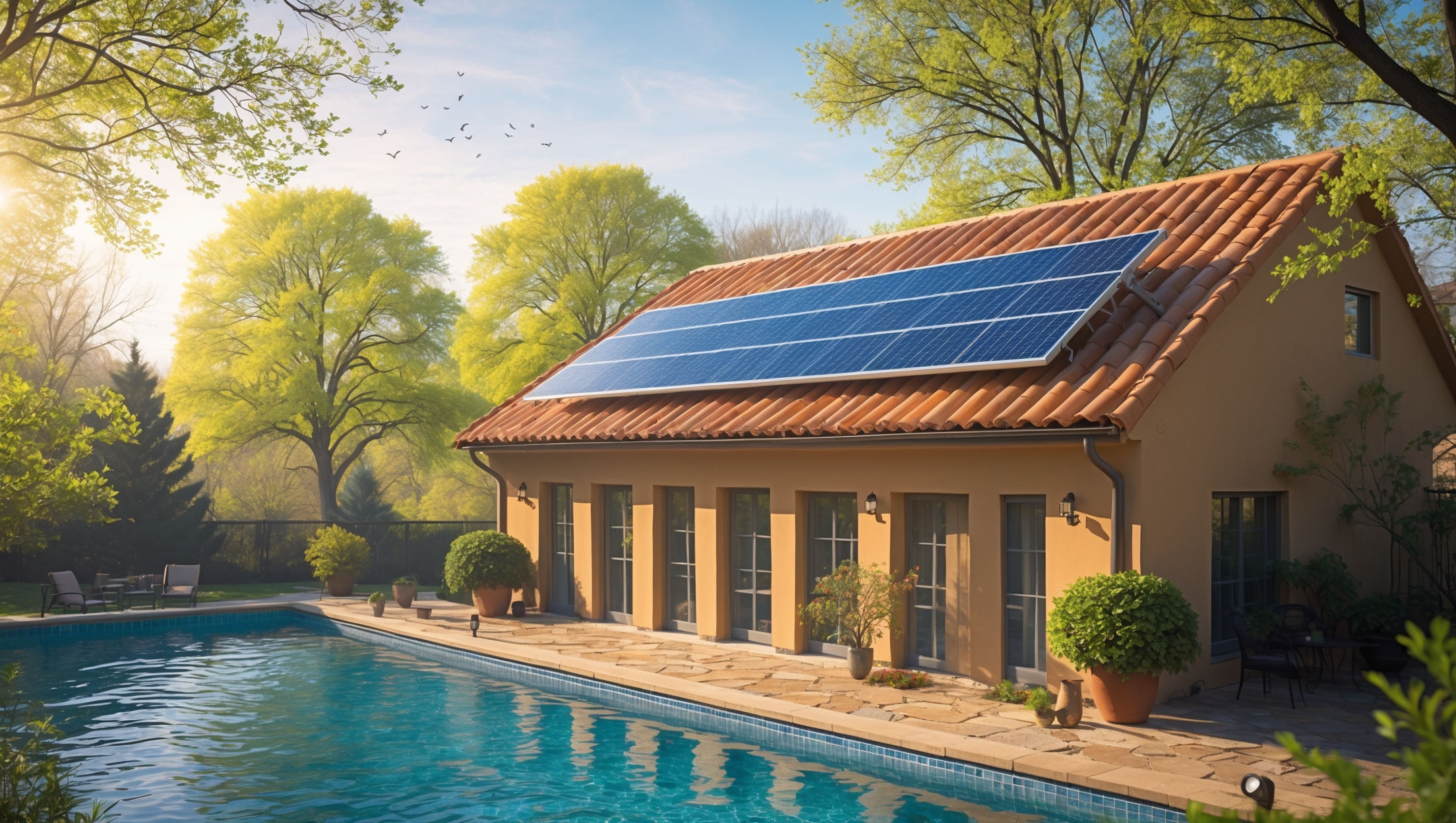


Could you explain more about how to design the drainage setup for an outdoor solar-powered shower? I want to make sure it doesn’t create muddy spots around my backyard, but I’m not sure if a gravel bed is always enough.
To prevent muddy spots, it’s best to combine a gravel bed with additional drainage solutions. You could dig a shallow trench filled with gravel and sand beneath the shower, sloping it slightly away from high-traffic areas. For even better drainage, install a perforated drainage pipe (French drain) beneath the gravel, leading runoff farther from your yard. Adding a waterproof shower base or wooden platform will also help keep water from pooling.
When it comes to the solar heating system for the shower, how much maintenance does it typically require, and what are the most common issues you’ve seen with off-grid outdoor setups like this?
The solar heating system in a DIY outdoor shower usually needs minimal maintenance. You’ll want to check the solar collector for debris and clean it regularly to keep it efficient. Inspect hose connections and valves for leaks or mineral buildup, especially if you have hard water. Common issues include reduced heating due to cloudy days, clogged pipes from sediment, and occasional wear on seals or fittings. Seasonal draining is a good idea in colder climates to prevent freezing damage.
Would you be able to provide a rough estimate of the total budget required for a basic DIY solar-powered outdoor shower using sustainable materials, especially factoring in the cost of specialized plumbing parts and solar equipment?
For a basic DIY solar-powered outdoor shower using sustainable materials, you can expect to spend between $250 and $500. This estimate includes a simple solar water heater (around $100–$200), plumbing parts like pipes, valves, and fittings ($75–$150), a basic shower fixture, and sustainable materials for the frame (such as reclaimed wood or bamboo, which could be $50–$150). Costs may vary based on your local prices, design choices, and whether you already have some materials on hand.
You mention selecting a site with south-facing sunlight exposure. If my backyard only gets partial sun, are there any adjustments to the solar heating setup you’d recommend to still get warm water?
If your backyard only gets partial sun, you can still enjoy warm water by increasing the size or efficiency of your solar collector. Using a larger black water tank or coiling more black hose can help absorb more heat during limited sun hours. Insulating your water container and hoses also helps retain warmth. For consistently warmer water, you might consider a backup heating option, like a propane heater, for cloudy days or shaded locations.
If the outdoor shower will be located a significant distance from the house’s main water supply, what practical solutions or tools do you recommend to ensure reliable and safe plumbing connections?
When placing your outdoor shower far from the main water supply, consider using high-quality, weather-resistant PEX or PVC piping buried below the frost line to prevent freezing. You might also want to install an inline shut-off valve near the shower for maintenance and safety. Using quick-connect fittings will help with assembly and disassembly, and adding insulation around the pipes can further protect against temperature extremes.
After assembling the shower using your guide, how long should I expect it to take before the solar-heated water is warm enough to use, assuming ideal sunlight? I’m trying to plan for when to schedule my gardening around shower time.
On a sunny day with good direct sunlight, the water in your solar-powered outdoor shower should typically be warm enough to use after 2 to 3 hours. The exact time depends on factors like the size and color of your water container and the intensity of the sun, but planning your gardening and shower for late afternoon usually works well for most setups.
I’m curious about the specialized plumbing parts you list for the build. For someone on a tight budget, are there sustainable alternatives or reclaimed materials you would suggest that still meet durability and performance needs?
For a budget-friendly and sustainable build, consider salvaging plumbing parts like pipes, valves, and fittings from old sinks or showers at local recycling centers or Habitat for Humanity ReStores. PVC or copper pipes from previous projects can be cleaned and reused. Just check for leaks and wear to ensure safety and performance. Old garden hoses and reclaimed barrels also work well for water storage and delivery, making the project both affordable and eco-friendly.