
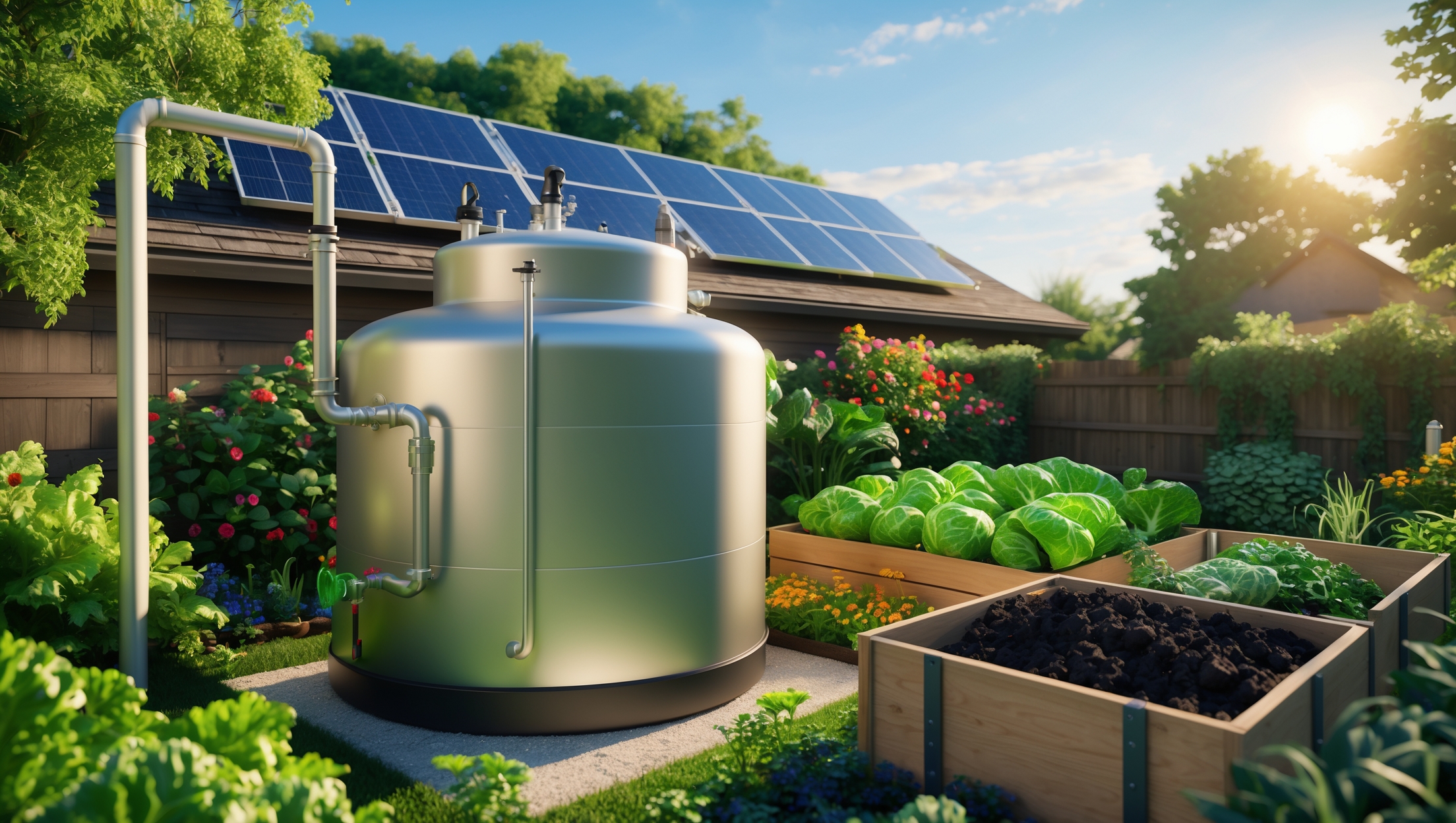
Introduction: The Promise and Perception of Home Biogas Digesters
In the ongoing quest for sustainable living and energy self-sufficiency, home biogas digesters have rapidly gained attention. These compact systems promise to convert kitchen scraps and organic waste into clean, renewable energy—right in your backyard. But as with any emerging green technology, biogas digesters are surrounded by a haze of myths, half-truths, and misconceptions. Some homeowners are hesitant, fearing complexity, odors, or prohibitive costs, while others may overestimate the ease of deployment or the sheer volume of energy produced. How do you separate fact from fiction?
This in-depth guide tackles the most common myths about home biogas digesters, drawing on real-world data, engineering principles, and the lived experience of early adopters. Whether you’re considering your first digester or already have one installed, you’ll gain clarity on what these systems can—and can’t—do, as well as practical insights to maximize their benefits. Let’s clear the air and empower your journey toward a cleaner, greener home.
Myth 1: Home Biogas Digesters Are Only for Rural Properties
One of the most persistent misconceptions is that biogas digesters require vast amounts of land or are only suited to farms. In reality, modern home-scale digesters are specifically designed for urban and suburban backyards. Many systems are compact, modular, and come with flexible installation options. Some models fit comfortably in spaces as small as 2×3 meters (7×10 feet)—about the size of a garden shed or a large compost bin.
Urban Success Stories
- Case studies from dense cities like Tel Aviv, London, and Los Angeles show successful installations on patios, balconies, and even rooftops.
- Designs with integrated odor control and enclosed digesters make them practical even in tight neighborhoods.
- Homeowners can often position the digester near the kitchen or garden for convenience and minimal disruption.
Myth 2: Biogas Digesters Smell Bad and Attract Pests
Another frequent fear is that a biogas digester will create foul odors or become a magnet for rats and insects. While early, poorly-sealed designs sometimes had these issues, today’s systems are built with airtight, robust materials and gas-tight seals. When operated correctly, a biogas digester should not emit noticeable odors; the digestion process is anaerobic (without oxygen), and the gas is contained until use.
Best Practices for Odor and Pest Control
- Feed the digester only with approved organic waste—avoid adding large chunks of meat, dairy, or oils unless the system is rated for them.
- Keep the inlet and outlet ports sealed when not in use.
- Install a biofilter or activated carbon filter on the gas outlet to neutralize trace smells.
- Maintain regular cleaning routines and promptly fix any leaks or cracks.
Myth 3: Installation Is Too Complicated for Homeowners
The idea that only engineers or contractors can install a biogas digester is outdated. Most reputable manufacturers now offer plug-and-play kits with detailed instructions, video tutorials, and customer support. The installation process is comparable in complexity to setting up a rainwater harvesting barrel or a small greenhouse.
Typical DIY Installation Steps
- Site selection: Choose a location with firm ground, away from tree roots and with some sun exposure to maintain temperature.
- Foundation prep: Level the area and, if needed, lay down pavers or a compacted gravel base.
- Assembly: Connect the digester tank, gas storage bladder, piping, and safety valves as per the manual.
- Initial filling: Add water and a starter culture (often included or sourced from a local farm or compost pile).
- Test run: Check for leaks and proper gas flow before regular feeding.
Some localities may require a simple permit—check with your city before starting.
Myth 4: Biogas Production Is Insufficient for Practical Use
A common myth is that home biogas units produce only a trivial amount of energy. While these systems won’t power your entire house, they are surprisingly effective for specific applications. A well-managed digester processing 2 kg (4.4 lbs) of kitchen waste daily can generate up to 2 hours of stovetop cooking gas per day, or enough biogas to support a small water heater or outdoor grill.
Realistic Output Expectations
- Cooking: Most users find biogas sufficient for daily meal prep, especially when combined with solar or electric appliances.
- Hot water: Supplementing a solar water heater with biogas can provide reliable hot water during cloudy periods.
- Lighting: Some systems support gas lamps or lanterns for off-grid or emergency lighting.
Energy output depends on input quality, ambient temperature, and digester size. Tracking your usage and adjusting feeding habits will optimize performance.
Myth 5: Biogas Digesters Are Expensive to Install and Maintain
While some commercial-scale systems are costly, home digesters are increasingly budget-friendly. Entry-level kits start at $500–$800 USD, with more advanced models in the $1,200–$2,500 range. Installation labor is often minimal or DIY-friendly. Maintenance costs are low—mainly involving periodic cleaning and occasional replacement of seals or hoses.
Cost Comparison with Other Green Technologies
- Solar panels: Typical home systems cost $6,000–$15,000 after incentives, with a longer payback period than biogas digesters.
- Composting toilets: Entry-level units often exceed $1,000, with similar maintenance needs.
Many homeowners find the digester pays for itself within 3–5 years, especially when factoring in savings on cooking gas, fertilizer, and waste disposal.
Myth 6: Digesters Can Digest Anything Biodegradable
It’s tempting to treat a biogas digester like a universal garbage disposal. However, not all organic materials are suitable or efficient for gas production. Items to avoid include:
- Large bones, shells, and fibrous stems: These decompose too slowly and can clog the system.
- Oils, fats, and grease: They can disrupt microbial balance and form scum layers.
- Non-organic waste: Plastics, metals, and chemicals will damage the digester and potentially void warranties.
- Excessive citrus or spicy foods: These may harm the microbial ecosystem if added in large quantities.
Stick to kitchen scraps, small amounts of cooked food, garden trimmings, and animal manure (where permitted) for best results.
Myth 7: Home Biogas Digesters Are Unsafe
Safety concerns around biogas—an energy-rich mixture of methane and carbon dioxide—are understandable, but modern digesters incorporate multiple safety features. Properly installed systems are as safe as household propane or natural gas appliances.
Key Safety Measures
- Pressure relief valves: Prevent gas buildup beyond safe limits.
- Flame arrestors: Block flashbacks in gas lines.
- Non-return valves: Stop backflow of air or flame into the digester tank.
- Sturdy, UV-resistant materials: Prevent degradation from weather or sunlight.
As with any gas appliance, regular inspection and maintenance are required. Always follow manufacturer guidelines and local codes.
Myth 8: Biogas Digesters Require Constant Attention
Contrary to the belief that digesters are high-maintenance, most systems require less daily effort than a compost pile. After the initial setup and inoculation, routine tasks include feeding (once daily or every few days), checking water levels, and periodic cleaning of filters and pipes. Many modern units feature automated monitoring or app-based alerts for temperature and pressure.
Maintenance Checklist
- Feed digester with appropriate waste at regular intervals.
- Check for leaks, especially after storms or heavy use.
- Clean slurry outlet and gas filter every 1–2 months.
- Monitor temperature during winter—consider insulation or a small heater if needed.
Myth 9: The Fertilizer Byproduct Is Unsafe or Useless
Some worry that the liquid digestate (the byproduct) is hazardous or has little value. In fact, biogas slurry is a nutrient-rich, pathogen-reduced fertilizer ideal for gardens and lawns. The anaerobic digestion process destroys most harmful bacteria, especially when the system reaches temperatures above 35°C (95°F).
How to Use Biogas Fertilizer Safely
- Apply diluted: Mix digestate with water (1:5 ratio) before using on plants to avoid burning roots.
- Direct to soil: Avoid spraying on edible leaves or fruits; apply to soil around plants instead.
- Storage: Store in a closed container, away from water sources, and use within a few weeks for best nutrient content.
This byproduct can reduce or eliminate the need for synthetic fertilizers, further closing your home’s sustainability loop.
Myth 10: Biogas Digesters Can’t Function in Cold Climates
Temperature does affect the speed and efficiency of biogas production, but cold climates are not a barrier. Several strategies make year-round operation possible, even in frosty regions:
- Insulation: Wrap the digester with foam, straw bales, or commercial insulation blankets.
- Passive solar heating: Place the unit in a sunny spot or build a simple greenhouse enclosure.
- Supplemental heating: Use a low-wattage aquarium heater or pipe a small amount of biogas to a heat exchanger during extreme cold snaps.
Many users in Canada, Scandinavia, and the northern US operate digesters year-round, albeit at a slightly reduced output during winter months.
Practical Tips for Getting the Most from Your Home Biogas Digester
- Start small: If new to biogas, choose a smaller model and scale up as your confidence grows.
- Monitor and tweak: Keep a simple log of inputs, gas output, and any issues to optimize the process.
- Integrate with other systems: Combine your digester with a compost bin, worm farm, or rainwater harvesting for a resilient, closed-loop ecosystem.
- Join a community: Online forums and local green groups are excellent resources for troubleshooting and sharing success stories.
- Stay compliant: Always check local codes for waste disposal, gas storage, and fertilizer use.
Conclusion: Clear the Air—Embrace Biogas with Confidence
Home biogas digesters are a powerful, practical tool for anyone serious about sustainable living and energy independence. As we’ve seen, the most common myths—about space needs, odors, safety, cost, and practicality—don’t hold up under scrutiny. Advances in technology and design have made digesters accessible, affordable, and safe for a wide range of households, from rural farms to urban apartments. With realistic expectations, proper installation, and routine care, you can reliably turn food scraps and organic waste into clean cooking fuel and nutrient-rich fertilizer—reducing your carbon footprint, saving money, and closing the loop in your home ecosystem.
Don’t let outdated fears or misinformation keep you from reaping the rewards of this green technology. Start by exploring reputable brands, checking local regulations, and connecting with others in the biogas community. With each meal you cook on biogas or each tomato you grow with digester fertilizer, you’re taking concrete steps toward a more sustainable, resilient future. The journey to greener living is built on action—and busting these myths is the first step forward.


You mention that some home biogas digesters can fit into spaces as small as 2×3 meters, even on patios or rooftops. How much daily kitchen waste would actually be needed to keep one of these small systems running efficiently in a typical urban household?
For compact home biogas digesters, like those that fit into a 2×3 meter area, you typically need around 2 to 4 kilograms of kitchen waste per day to keep the system running efficiently. This usually covers food scraps, vegetable peels, and leftover cooked food. Most urban households can generate this amount, especially if you include all biodegradable kitchen waste.
For homeowners interested in getting started, what is the realistic timeline from purchase to having a functioning home biogas digester, including setting it up and seeing the first usable biogas output?
From purchase to having a functioning home biogas digester, most homeowners can expect the process to take about 2 to 4 weeks. Delivery and setup usually require a few days, depending on the system and your preparation. After setup, you’ll typically see the first usable biogas output within 1 to 2 weeks, as the digester needs time to build up active bacteria and start producing gas.
You mentioned installations in cities like Tel Aviv and Los Angeles. Are there any different maintenance requirements for digesters in urban areas compared to rural ones, especially in terms of local building codes or safety regulations?
Yes, urban installations of home biogas digesters often have stricter requirements, especially regarding local building codes and safety regulations. Cities like Tel Aviv and Los Angeles may mandate specific permits, setback distances, ventilation measures, and fire safety features. Rural areas can be more flexible but always check with your local authorities, as urban guidelines can vary widely and may include mandatory inspections or additional safety protocols.
For someone just starting out, how long does it typically take to get a home biogas digester up and running, from purchase to producing usable energy? Does the climate play a big role in how quickly it works?
For beginners, setting up a home biogas digester usually takes a few hours to a day, depending on the model and your familiarity with assembly. After setup, it often takes 2 to 4 weeks for the system to start producing usable biogas. Climate does play a significant role—warmer temperatures help bacteria work faster, so digesters in cooler climates may take longer to start and might require extra insulation or heating for optimal performance.